Why Caring for a Lot of Plants Is So Therapeutic

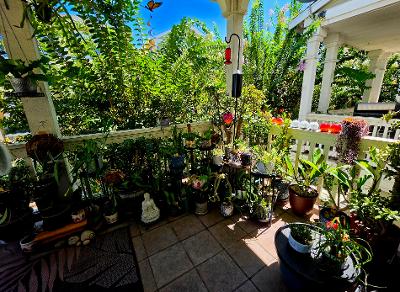
A view of my balcony.

There is something deeply comforting about caring for another living thing.

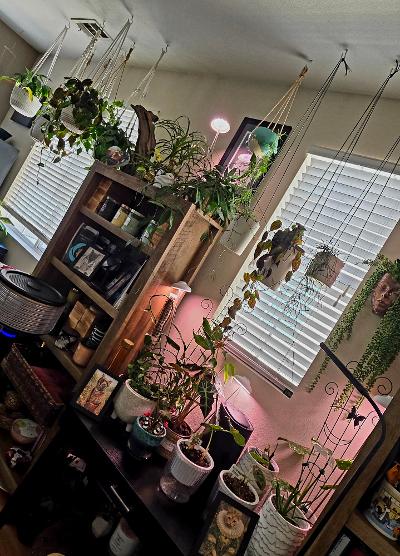
For me, that feeling has grown into a home filled with more than 140 indoor plants and another 130 or so outside. To some people, that may sound like a lot of work—and honestly, it is. There is watering, pruning, repotting, fertilizing, cleaning leaves, moving plants around, and paying attention to what each one needs.

But somewhere along the way, I realized that the care itself is part of the joy.

Plants Give Us a Reason to Slow Down

Life can be noisy. There are always messages to answer, errands to run, deadlines to meet, and things competing for our attention.

Plants don’t care about any of that.

When I’m taking care of them, I have to be present. I notice that a leaf is turning yellow. I see a new shoot emerging. I realize one plant needs more light while another has been happier in the shade. Even something as simple as watering becomes an opportunity to pause and pay attention.

Caring for plants pulls us out of our heads and into the moment.

And there is something therapeutic about that kind of quiet attention.

There Is Satisfaction in Watching Something Grow

One of the most rewarding things about having plants is witnessing progress that happens slowly.

A new leaf doesn’t appear overnight. A cutting may take weeks to root. A small plant can gradually become something much larger and more beautiful.

That slow growth can be a wonderful reminder that not everything has to happen immediately.

We live in a world that often celebrates instant results. Plants teach a different lesson: nurture something, give it the right conditions, be patient, and let time do its work.

Sometimes the reward is simply noticing that something is growing because you took the time to care for it.

Plants Give Care a Tangible Form

There is also something emotionally satisfying about care that produces visible results.

You water a thirsty plant, and its leaves perk up.

You remove damaged leaves, and the plant looks healthier.

You give a struggling plant better light, and eventually you see new growth.

These little moments can feel surprisingly meaningful.

Taking care of plants gives us opportunities to nurture without needing words. We can see that our attention matters. Even when the task is small, there is a tangible connection between what we do and what happens next.
A House Full of Plants Can Feel Alive

My plants have become much more than decorations.

They make my home feel alive.

There is always something happening. A new leaf is unfurling. A flower is blooming. A vine has suddenly reached across a shelf. A plant that seemed to be doing nothing for months decides it’s finally ready to grow.

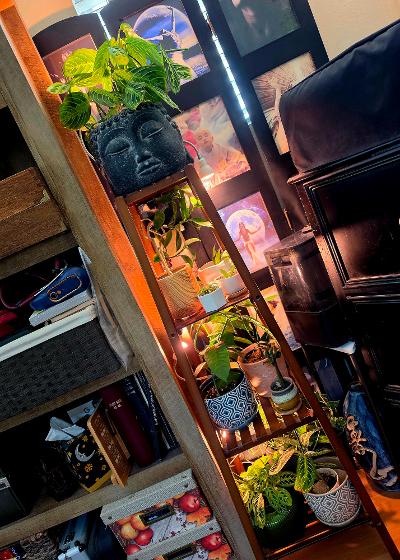
With more than 140 plants indoors, there is almost always something to discover in my home.

And outside, with another 130 or so plants, that feeling continues. The garden changes with the seasons, the weather, and the plants themselves.

Instead of coming home to a static environment, I come home to a living one.

Caring for Plants Can Create a Sense of Purpose

Having a lot of plants means there is always something to do.

That might sound like a downside, but I find the opposite to be true.

There is comfort in having small responsibilities that matter. Water this one. Check that one. Move another closer to the window. Repot the plant that has outgrown its container.

These tasks may not seem significant in isolation, but together they create a rhythm.

And sometimes having a reason to get up and care for something is exactly what we need.

Plants Don’t Demand Perfection

One of the things I love most about plants is that they don’t require us to be perfect.

Despite all the care we give them, things still go wrong.

A leaf dies. A plant gets stressed. Something gets overwatered. A cutting doesn’t make it.

And that’s okay.

Plant care teaches us to respond rather than panic. We learn to observe, adjust, try again, and accept that not everything is within our control.

In that way, plants can teach patience not only with them, but with ourselves.

The Joy Is Bigger Than the Work

Yes, caring for more than 270 plants is work.

There are days when watering alone feels like an undertaking. There are unexpected problems to solve. There are moments when I wonder how I ended up with quite so many plants.

But then I notice a new leaf.

Or a flower opens.

Or I see a plant thriving that once looked like it wasn’t going to make it.

And suddenly, the work feels worthwhile.

That’s the beautiful thing about therapeutic hobbies: they don’t necessarily eliminate effort. Instead, they can make effort feel meaningful.
A Little More Green, A Little More Joy

I don’t think you need hundreds of plants to experience the benefits of caring for them.

One plant on a windowsill can be enough.

A small herb garden can be enough. A few houseplants can be enough. Even growing something from a seed and watching it develop can provide that same sense of connection.

For me, though, plants have become a significant part of how I experience home and everyday life.

My 140-plus indoor plants and 130-plus outdoor plants require plenty of care. But they give back in ways that are difficult to measure.

They give me moments of quiet.

They give me something to look forward to.

They give me opportunities to nurture, observe, learn, and be patient.

Most importantly, they give me joy.

And perhaps that’s the real reason caring for plants can be so therapeutic: we aren’t simply taking care of plants. We’re creating little moments of connection with something alive—and, in the process, taking a little better care of ourselves.
Entrepreneurs: The Outdoors Might Be Your Best Teacher

By Camille Johnson of Bereaver.com

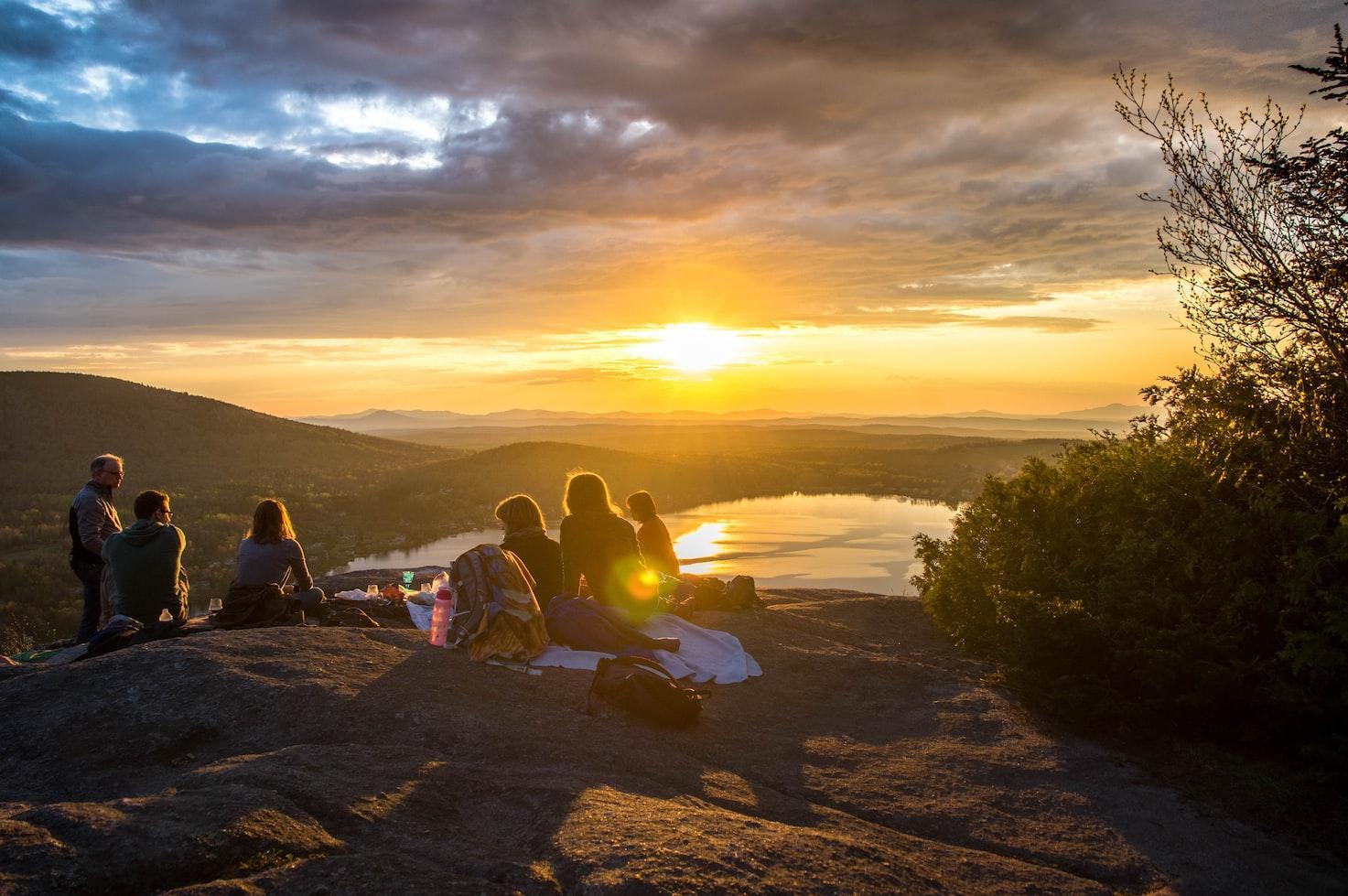
There are few things more relaxing than spending time in the open air. Being outside, whether you are hiking, biking, camping, or gardening, is great for your health and can improve your mental well-being. Surprisingly, your time in nature can also teach you a lot about yourself and the world so that you can be a better entrepreneur, whether you’ve been in business for many years or are just getting started. Today, StaceyNaito.com covers a few of these lessons and offers insight on how to get the most out of your outside excursions.

Planning Ahead

Before you set out for an adventure, get your business prepared to run without you. Tips here include:

  • Hire the right staff. If you’re just planning a night or two over the weekend, you can probably skip this step. However, to get the most out of your time, you’ll want to be immersed in a natural environment for at least a week. Find the right staff to keep your business running even when you are unavailable. This begins by determining what functions need to be filled and thoroughly reviewing applicants. While most experts will recommend choosing only the most qualified applicant, don’t count out those eager to learn your industry.
  • Streamline your invoicing processes. Don’t leave town without making sure that you can send invoices and get paid on time. If you have not already, invest in a cloud-based invoicing tool that lets you send bills from anywhere. This is helpful if you do not yet trust your employees with sensitive information, such as customer credit card numbers. If you have recurrent invoices, look for software that will let you schedule your billing ahead of time and will also ping you when payments are made. Utilizing cloud technology also allows you to stay involved as long as you have an internet connection.
  • Make sure you’re available at least some of the time. Speaking of staying involved, set aside a couple of hours each day to field questions or handle tasks that your employees cannot. For this, you want to make sure to pack your laptop (Quantum Technologies recommends traveling with a locked case), a Wi-Fi hotspot, and an additional battery backup as you may not be able to charge your phone or devices.

You’ll also need to prioritize safety, especially if you’ve never been much of an outdoorsman before. Things you can do to keep yourself and your travel party safe are:

  • Let someone else know where you are going. Even if you’re planning to travel with a group, let somebody know where you are and when you are expected back.
  • Pack appropriately. While you do need to pack some of your professional essentials, make sure that you have room for all of the equipment you’ll need to stay safe and healthy while you travel. If you’re camping, for example, REI suggests making sure that you have a tent, pillows, sleeping pads, and a camp table if no picnic facilities are available. Further, pay close attention to the weather and dress in layers if significant temperature spikes are expected.
  • Know your destination. Even if you already know where you are going, spend some time really getting to know the area before you go. While this isn’t so important if you plan to stay close to home, when you’re traveling outside of your comfort zone, you’ll want to know everything from the location of the local police station to exit routes on your hiking excursion if you need to turn back.

What The Outdoors Can Do For You

Now that you are prepared to go, it’s time to take a look at the benefits of being outdoors. Obviously, it’s great exercise and a fun way to vacation. But, spending time in nature can also equip you to be a better business owner by teaching:

  • Patience. If you’ve ever talked to a child that went to summer camp, you know that a nature-centric experience can teach patience as these kids have to learn how to wait for the bathroom or to help with younger peers. As an adult, you will learn patience by having to wait out the weather, wildlife, or slower members of your party.
  • Team-building. There are plenty of outdoor team-building activities that can help you be a better boss and team player. Activities like swimming relays, target practice, and sailing are great ways to get your team to learn how to work together more effectively. Two other significant benefits of team building outdoors are learning to identify stronger potential leaders and establishing trust between your employees.
  • Preparedness. Anytime you’re outdoors, you have to be prepared for everything from rain to wild animals. As such, your adventures can also teach you how to prepare for all situations and to adapt if you’re not prepared. Things, like knowing which medical supplies to pack or having an additional set of oars available if you’re kayaking, might seem like insignificant touches, but if you need them, they can be lifesavers. You can apply the same set of principles at the office by having a plan in place in case an employee leaves, a vendor is late, or a high-value customer pulls their business.
  • Conservation. When you first step out into the big wide world, it’s easy to believe that the resources you see are infinite. They are not, and it is up to us to preserve the world around us for future generations. Air, soil, and water pollution, all of which are the direct result of human activity, take a toll on the natural world. As you get deeper into your adventures, you may notice things that you did not before, such as plastic bottles along the lake shore or animals looking for a home as deforestation drives them out of their natural environment. This can help you be a more responsible business owner by reminding you to preserve what you have and to be less wasteful every day.
  • Your own backyard. You don’t have to travel to take in the outdoors – just look out the window of your home. Consider creating an outdoor getaway in your own backyard. Remove tired landscaping and dead trees, install a deck or patio if you don’t already have one, and make a paradise of your very own. Some projects are best left to the pros, however, so bring them on to get the job done right. For instance, removal of a tree stump is no easy task, so go online and search service directories to find local contractors. The typical cost for such work ranges from $170 to $522, a worthy investment for hiring a company with the right equipment and experience.

There are many benefits of being outside, whether you’re planting a garden, spending a month-long sabbatical hiking the Appalachian Trail, or enjoying a week-long camping vacation. But, don’t forget to pay attention to the lessons that you learn that can help you as a business owner. You also want to make sure that you plan ahead by hiring the right staff and making sure that you can continue to get paid so that you can enjoy and make the most of your time outdoors.

Image via Unsplash


Dr. Stacey Naito of StaceyNaito.com offers customized meal plans, exercise regimens, and natural hormone balance to people who don’t want to compete but just want to lose weight, gain weight, or get toned. Contact Stacey today for more info!