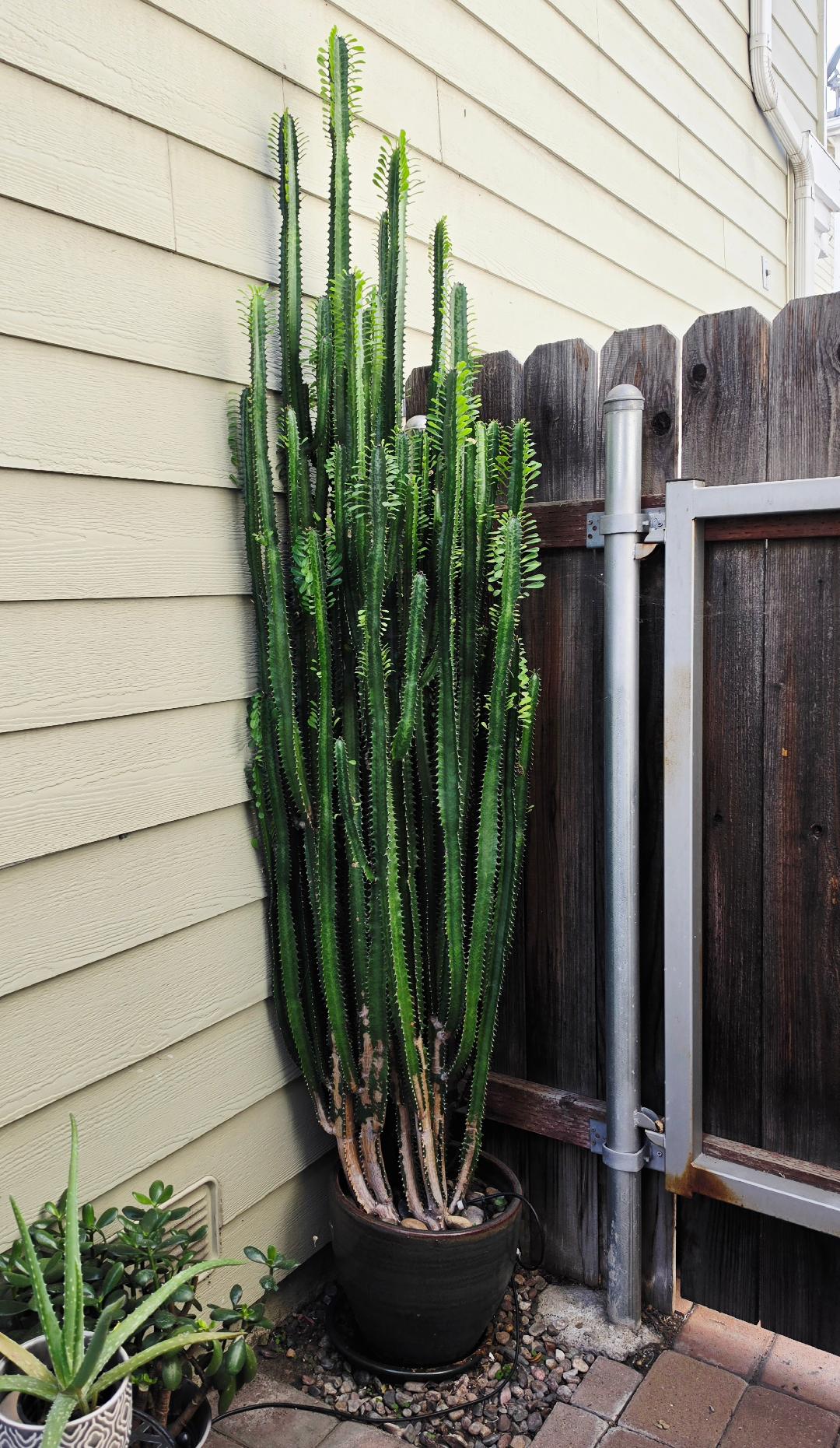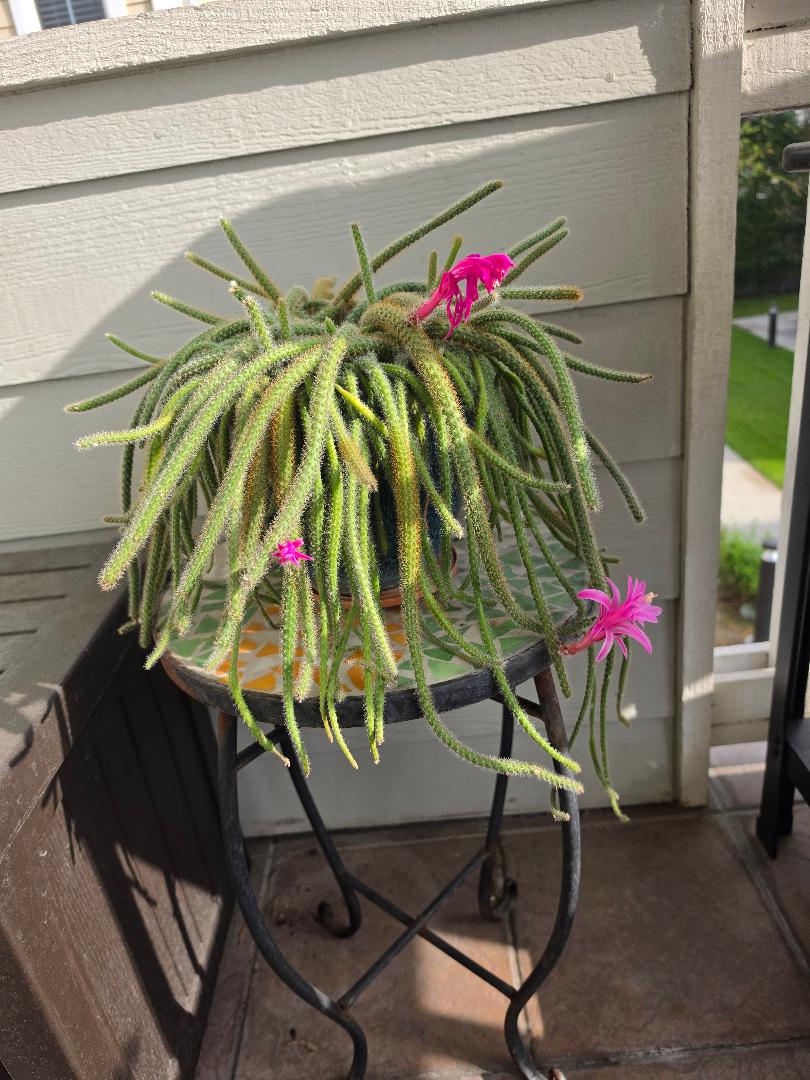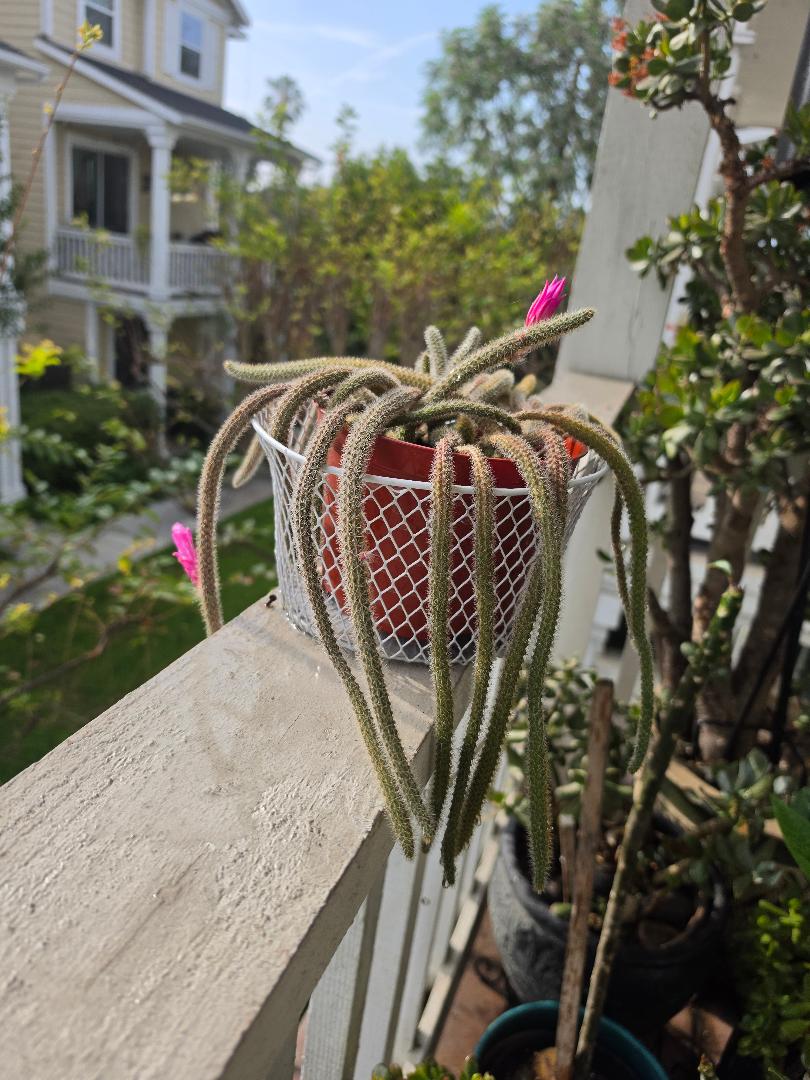
A glimpse of part of my balcony jungle…
People often think a plant’s watering needs are determined mostly by how often the soil dries out. In reality, light and humidity are the primary factors that determine how quickly a plant uses water. Watering is the response to those conditions—not an independent requirement.
Here’s why.
Light drives water consumption
Light is the energy source for photosynthesis. As light levels increase, plants become more active:
- Photosynthesis speeds up.
- Stomata (tiny pores on leaves) open to take in carbon dioxide.
- Open stomata allow water vapor to escape through transpiration.
- The roots replace that lost water by absorbing more from the soil.
This means:
- A plant in bright light may need water every few days.
- The exact same plant in low light may use only a fraction as much water and stay moist for weeks.
This is why overwatering is so common indoors. People keep watering on a schedule even though the plant isn’t using the water because it isn’t receiving enough light.
Humidity controls how fast plants lose water
Humidity determines the difference between the moisture inside a leaf and the surrounding air.
- Low humidity creates a large difference, so water evaporates from leaves quickly.
- High humidity slows evaporation because the air is already holding more moisture.
Think of it like hanging a wet towel:
- It dries rapidly on a dry day.
- It dries much more slowly on a humid day.
Plants behave similarly.
Higher humidity doesn’t necessarily mean a plant needs less water forever—it simply slows the rate at which it loses water.
Watering is a consequence, not a care category
Many care guides list separate requirements like:
- Bright indirect light
- High humidity
- Water weekly
But these are not independent variables.
A better way to think about it is:
Light and humidity determine how quickly a plant uses water. Watering simply replaces what the plant has already used.
If the environment changes, the watering schedule should change too.
Why humidity and watering are often confused
Many tropical plants are described as “needing lots of water.”
What they often need is moist air, not constantly wet soil.
For example:
- A plant with thin, delicate leaves may develop crispy brown edges in dry indoor air.
- Many people interpret those brown edges as “the plant is thirsty.”
- They water more frequently.
- The soil stays wet because the roots weren’t actually short on water.
- Eventually the roots may suffer from oxygen deprivation or rot, while the leaves continue browning because the real issue—low humidity—hasn’t changed.
This creates a cycle where the symptoms worsen despite more watering.
Similar symptoms, different causes
Several environmental stresses produce similar-looking leaf damage:
| Symptom | Possible cause |
|---|---|
| Brown leaf edges | Low humidity, underwatering, fertilizer buildup |
| Drooping leaves | Dry soil, overwatered roots, heat stress |
| Yellow leaves | Overwatering, aging leaves, nutrient issues |
| Crispy leaves | Low humidity, sun scorch, underwatering |
Because these symptoms overlap, people often assume watering is the solution when the underlying cause is environmental.
A common example
Imagine a tropical houseplant moved from a greenhouse (around 70–80% humidity) into a home with winter humidity around 25%.
The owner notices:
- Brown tips
- Curling leaves
- Slower growth
A common assumption is:
“It’s drying out faster. I should water more.”
But the soil may already be staying wet for a long time. The plant isn’t lacking soil moisture—it is losing water from its leaves faster than it can comfortably replace it because the air is much drier.
Increasing humidity or reducing environmental stress often addresses the problem more effectively than watering more often.
Light has an even larger effect than many people realize
A plant in strong light may use several times more water than the same plant in dim conditions.
For example:
- Bright window + warm temperatures + low humidity = rapid water use.
- Dim corner + cool temperatures + high humidity = very slow water use.
Yet many people continue watering both plants once a week because they think of watering as a fixed schedule instead of something that responds to environmental conditions.
A better mental model
Rather than asking:
“How often should I water this plant?”
It’s usually more useful to ask:
- How much light is the plant receiving?
- How warm is the environment?
- How humid is the air?
- How quickly is the soil actually drying?
The answers to those questions determine when watering is needed.
In other words, light determines how much water a plant uses, humidity determines how quickly it loses that water, and watering simply replenishes what has been lost. This is why two identical plants in different environments can have dramatically different watering schedules, even though they are the same species.