
Is Technology the Key to Healthy Senior Living?

Image courtesy of Unsplash

By Karen Weeks

Please check out Elderwellness.net and contact her via karen@elderwellness.net

According to MarketWatch, there are over 47 million seniors in the United States, comprising approximately 14.9% of the U.S. population. Unfortunately, the majority of these people have at least one chronic health condition. On the upside, advances in technology have made it easier to manage these conditions and connect seniors with helpful resources and make sure they have access to broadband internet. Here, Dr. Stacey Naito’s Blog describes some of the latest products, gadgets, and apps that can make staying healthy easier as you grow older. 

Convenient apps can remind you to take your pills

At any age, it can be difficult to remember to take medication. This is particularly true if you have more than one prescription that you take daily. If you have trouble remembering to take your medicine, you might want to consider a medication reminder like Medisafe Medication Management.

This is a free app available for both Apple and Android, and while it can jog your memory to take your pills on time, the app also does more than that. Medisafe checks for drug interactions, connects you with coupons and even reminds you when it’s time to request a refill. 

Fitness trackers motivate you to move

Fitness trackers like FitBit and Garmin Venu are nothing new. The first Fitbit was released in 2009. At the time it was barely more than a steps tracker, but they have come a long way since then. Today, in addition to counting your steps, most fitness trackers and smartwatches detect your heartbeat, track your sleep, record your weight, and help you set health-related goals. These tools are a great way to not only make sure you stay active but also monitor changes in your health. 

Fall detectors give you peace of mind

As you age, your risk of developing osteoporosis increases. In fact, the National Osteoporosis Foundation explains 54 million Americans have low bone density or osteoporosis. Osteoporosis increases the risk of broken bones which can easily lead to a fall. Falls are serious and can lead to even more serious injuries. Falls are a serious threat to anyone, and sometimes seniors can suffer from balance issues. It’s easy to see how this can become the perfect storm for an older adult.

For those who are at risk, technology has answers in the way of fall detectors. For instance, the Lifeline fall detector can detect a fall and connect you to a central communication center. If they determine you need assistance they can call for help.

There are many other devices that can help in the event of a fall. In fact, the latest version of the Apple Watch comes equipped with fall detection. In the event of a fall, the watch will call for help and send a message with your location to your emergency contacts. 

Use online tools to book a getaway

There’s nothing quite like getting away for a short vacation or staycation to get a change of scenery. Better yet, booking a quick getaway in a vacation rental offers benefits like free wi-fi and having a fully equipped kitchen so you can cook healthy meals. Many rentals also have home gyms so you can get in a workout or two during your stay. Using a service like TurnKey is a premium choice, as you get your pick of distinctive homes, 24/7 on-call service, and other perks.

Online access to insurance helps you get the care you need

Each year, the open enrollment window for Medicare is October 15 to December 7. During this time you can choose the plan that’s right for you. The best way to get started is to visit medicare.gov. Here you can find information on how to sign up and examine your available options.

Since plans like Medicare Advantage offer things like dental and vision care, many seniors find they save money on out-of-pocket expenses by making changes in coverage. With that in mind, do some exploring to make sure you’re getting the best bang for your buck.

Your health is important, but staying on top of it doesn’t have to be complicated. With technology, it’s easy to track your health and stay active. And the best part is, many of these services are easy to use and inexpensive or free. 

Dr. Stacey Naito’s Blog is home to a wide range of lifestyle and health topics (and more!). Read more interesting articles today!
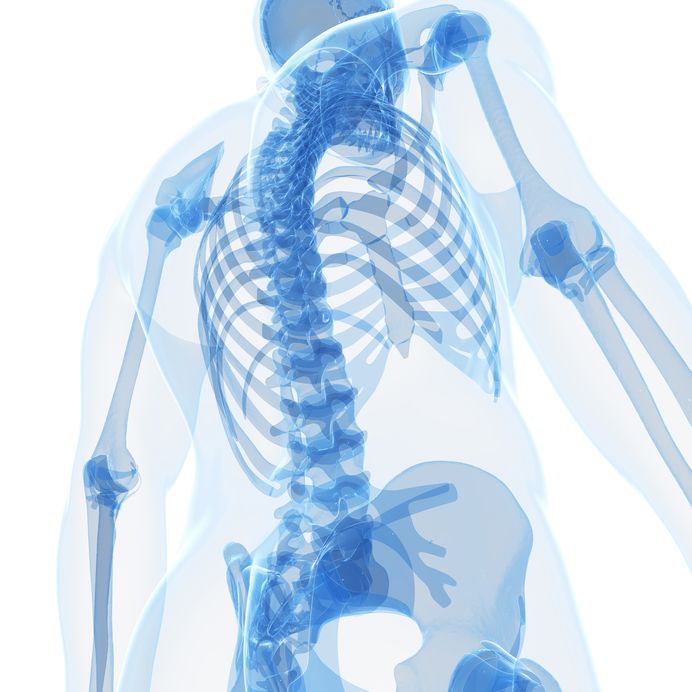
The Fantastic Four For Bone Health

Image ID : 17911161
Copyright : Sebastian Kaulitzki

If you’re very serious about bone health, then you need to make sure that you have optimal levels of four key nutrients. The four big players in the battle for good bone health are:

Calcium
Vitamin D3
Vitamin K
Magnesium

CALCIUM:
Calcium is the most plentiful mineral in the body, comprising the bulk of bone and tooth material, and is also involved in numerous vital body functions. Blood levels of calcium must be high enough to prevent Vitamin D3 from stealing calcium from the stores in your bones. Otherwise, the process of leaching calcium from the bones will result in the development of osteopenia and osteoporosis over time.

Common dietary sources of calcium include seafood, leafy greens, legumes, dried fruit, tofu, milk, cheese, and yogurt. The U.S. recommended daily allowance is 1,300 milligrams daily for children, 1,000 milligrams daily for most adults, and 1,200 milligrams daily for women over 50 and elderly individuals over the age of 70. The dosage should be split up, since the body typically cannot absorb more than about 500 milligrams at a time.

VITAMIN D3:
Vitamin D3 is an important regulator of calcium levels in the blood, maintaining those levels primarily by enhancing the absorption of calcium from food consumed. However, when insufficient calcium is provided by food sources, vitamin D3 will draw on the calcium which is stored in bones. Vitamin D3 also acts as a hormone in the body and is responsible for a myriad of physiological processes. Dietary sources of Vitamin D include primarily fatty fish like salmon and tuna, egg yolks, and cheese. Some foods like dairy, cereals, and orange juice are often fortified with vitamin D as well.

If you prefer to take a supplement, vitamin D3 is available in several potencies. I generally recommend 5,000 IU per day, especially if you have confirmed low serum vitamin D3 levels.

VITAMIN K:
Known more for its essential role in the blood clotting sequence, vitamin K plays an important role in the prevention of fractures by promoting the accumulation of calcium in bones and teeth. It promotes calcification in bones and teeth by activating osteocalcin, while also preventing calcium from accumulating in soft tissues such as blood vessels. It is found in leafy greens such as parsley, kale, brussels sprouts, lettuce and spinach, fermented legumes and vegetables, as well as in some fatty, animal-sourced foods, such as egg yolk, liver and cheese.

Adequate daily intake of vitamin K is 90 mcg for women and 120 mcg for men. Since it is fat-soluble, it’s a good idea to consume it with a healthy dietary fat source. Vitamin K levels should not be ignored when supplementing one’s diet with vitamin D3, as high levels of vitamin D3 have been shown to cause blood vessel calcification when vitamin K levels are low.

MAGNESIUM:
While calcium makes up most of the tissue found in bone and teeth, magnesium gives those structures their strength and rigidity. In addition, adequate levels of magnesium must be present for the absorption and metabolism of calcium to occur.

Dietary sources of magnesium include spinach and other leafy greens, whole grains, dark chocolate, nuts like almonds and walnuts, legumes, and avocado. Magnesium can also be taken in supplement form, and comes in many varieties.

SUMMARY:
Make sure you are taking all four supplements to optimize bone health. It’s always a good idea to get bloodwork to determine serum levels of these substances. Make sure to consult with your physician before starting any of these supplements, especially if you are taking medications which may interfere with or interact with supplementation.

Yes You Are Shrinking

PJ-BC783_HEALTH_G_20110919201613

Have you ever noticed that people tend to shrink as they get older? This phenomenon is pretty much unavoidable, but at least we can take steps to minimize the amount of height loss over time.

On a personal note, I hit 5 feet, 5-1/2 inches at my tallest when I was 17, and remained there until I reached the age of 40. Then I noticed a loss of 1/4 inch, putting me at 5 feet, 5-1/4 inches. By the time I began competing in NPC bodybuilding events, I was at 5 feet, 5 inches. Now, at the age of 49, I stand at 5 feet, 4-1/2 inches. Though I will never be as short as my 4 foot 8 inch Japanese grandmother was, I am definitely losing height as I get older.

Numerous research studies have demonstrated that the process of shrinking stature begins as early as our 30’s, with men losing about an inch between the ages of 30 and 70, and women losing twice that amount. The shrinkage continues into our 70’s and 80’s too. There are a number of reasons why we lose height over time:

1. Cartilage which cushions the joints begins to compress and wear down, and in weight-bearing joints like the spine, hips, knees and ankles, results in a loss of stature.
2. The ratio of bone formation versus bone absorption decreases, and the bones become more weak. In women, the loss of estrogen after menopause further decreases the rate of bone formation.
3. Over time, muscle mass gradually decreases, a process known as sarcopenia. This results in a decrease in postural strength and stability.

How can we minimize the rate of shrinkage in height as we age? Here are some guidelines to follow:

– Perform weight-bearing exercise at least three days per week.
– Consume foods rich in calcium and vitamin D.
– Sit up straight!
– Quit smoking.
– Avoid excessive intake of alcohol and caffeine.
– Don’t starve yourself or practice perpetual dieting.

When you visit your primary care provider for your annual checkup, make sure that your height is measured. If you avoid regular checkups, get into the habit of checking your height once a year, either on your birthday or at the beginning of the year so that you have a standard time of year to measure it. According to numerous studies, a loss of 1 to 2 inches within a year correlates with a higher risk of hip and non-vertebral fractures, and should be investigated by a physician.