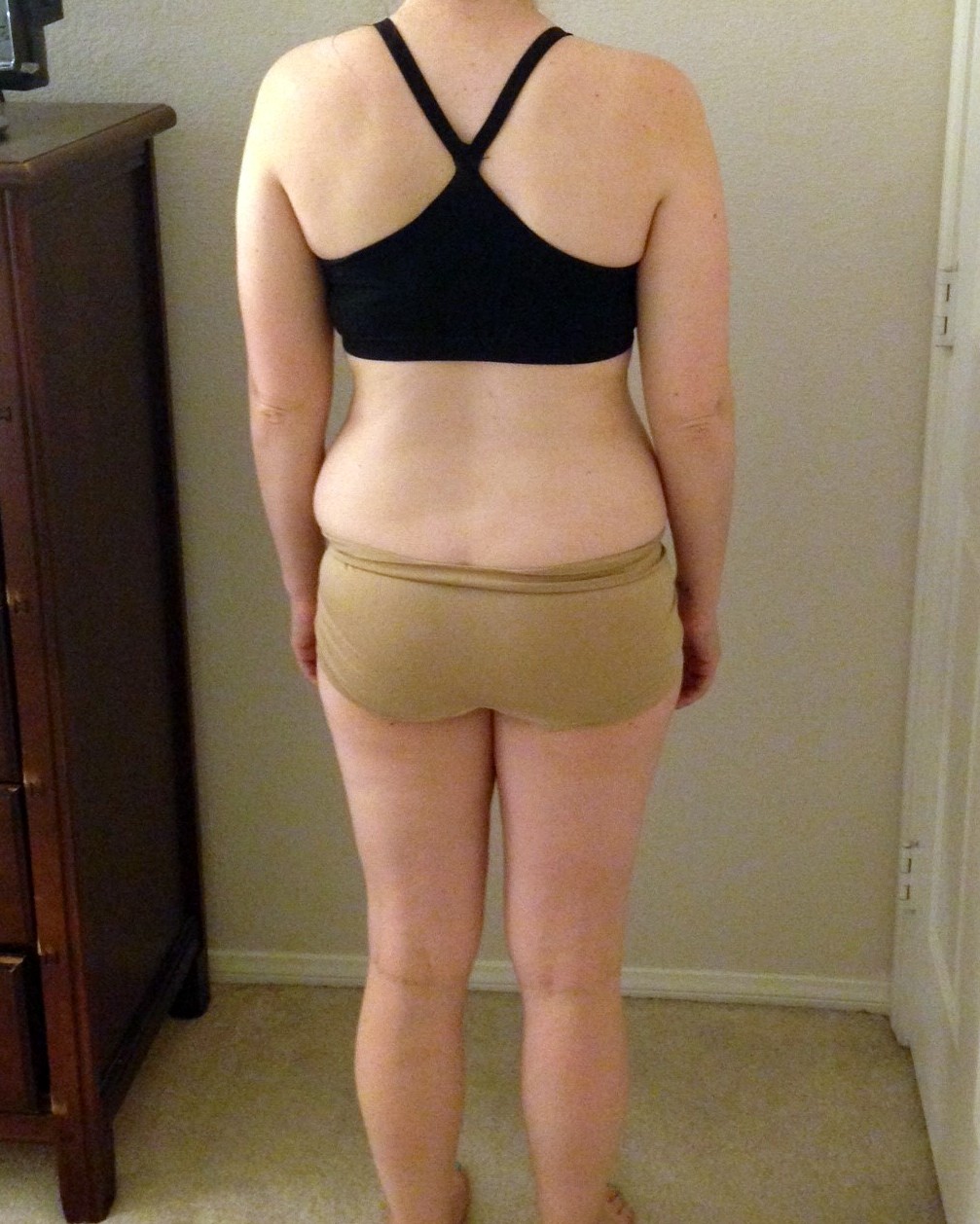
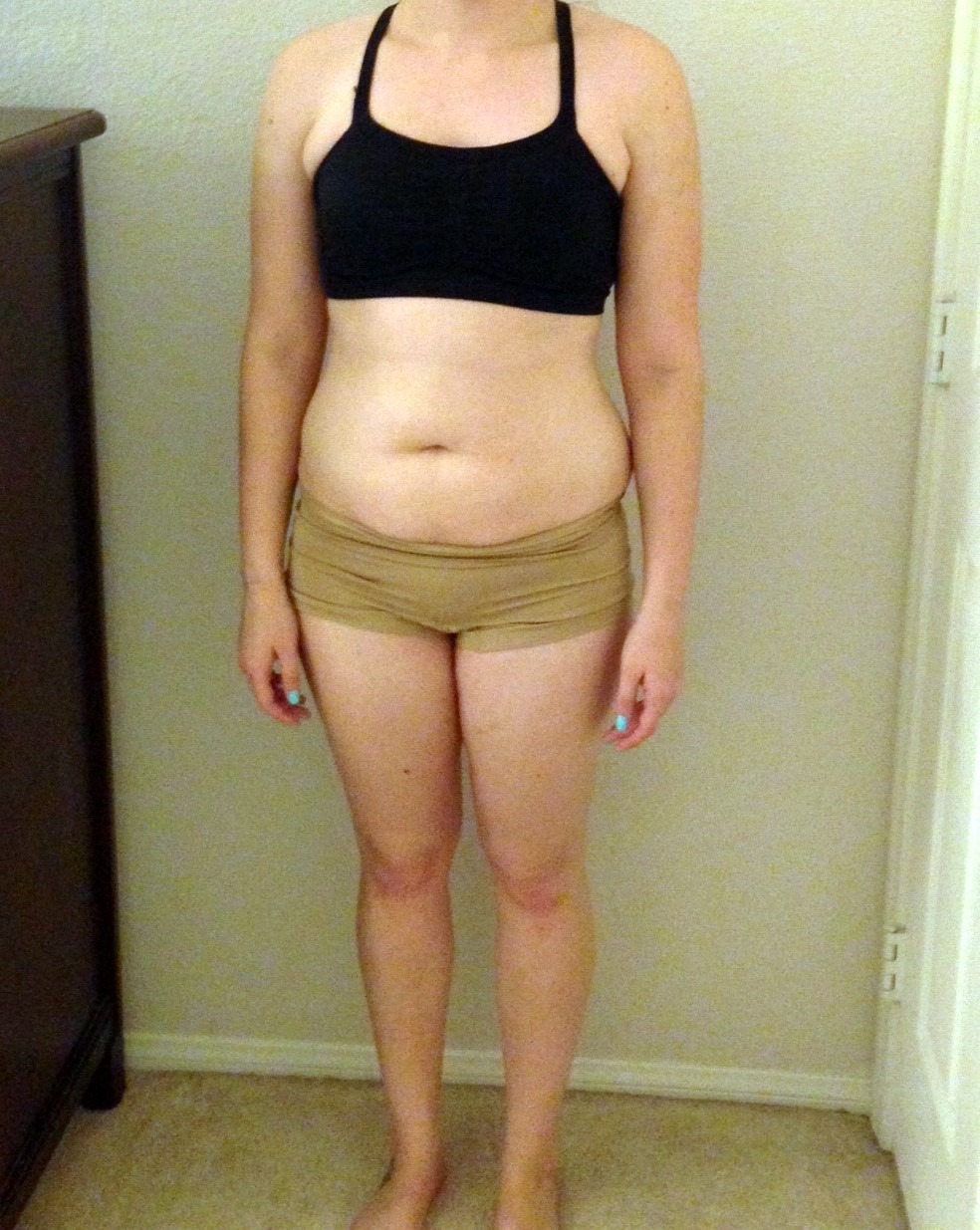
I had recently gotten an email from this client, lamenting what she felt was a lack of progress after ten months. Since she has a significant medical issue, I have been extremely cautious with her nutrition and supplements. Thankfully, she has had no issues with weight training, so I have been more aggressive with her lifting regimen. Upon receiving her email, I pulled up her baseline images from last summer, and WOW. I am very impressed by her progress and so proud of her! The images on the left are from mid-June of last year, and the ones on the right are from April of this year.
Tag nutrition
Deceptively “Healthy” Granola
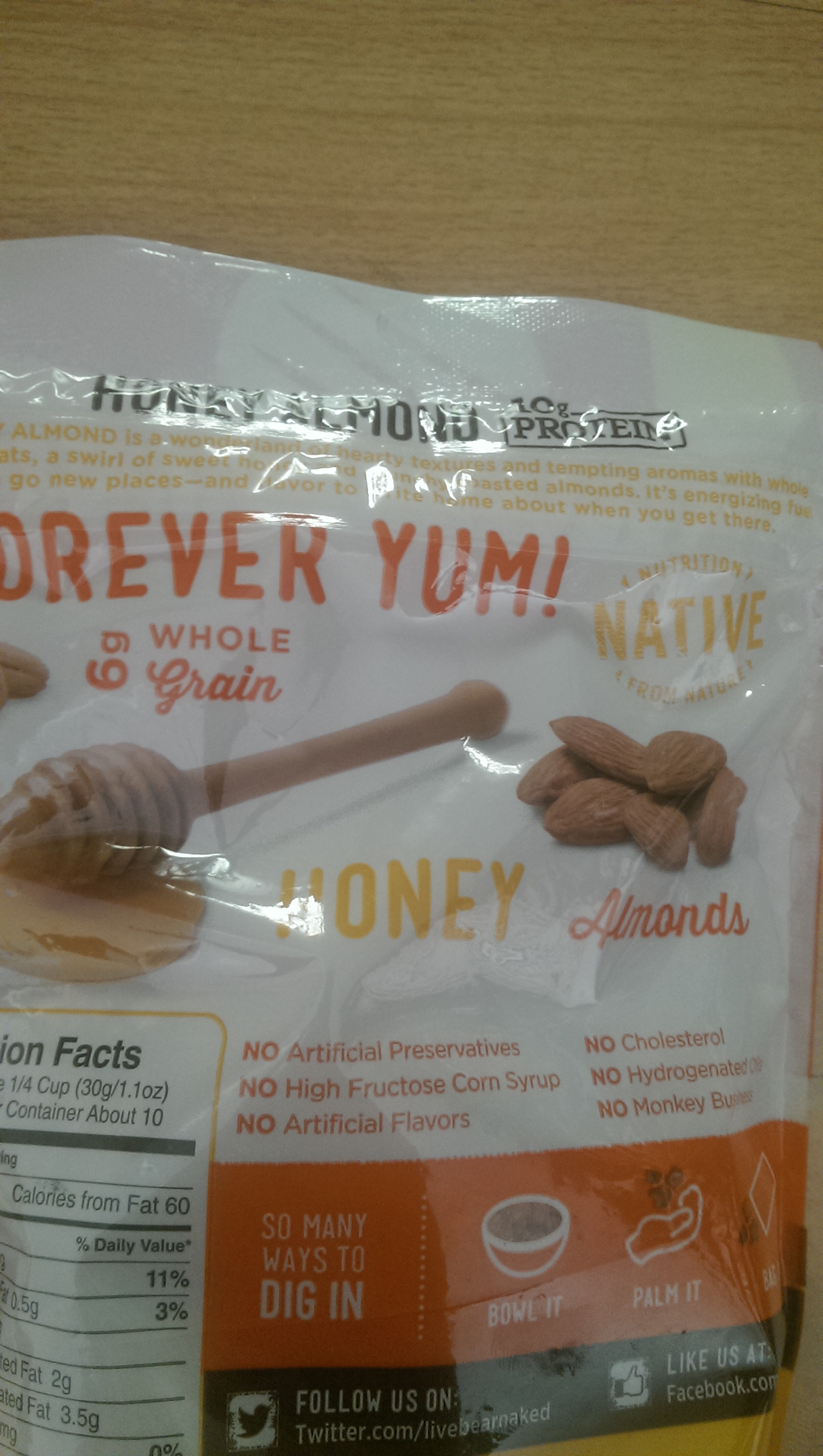
I used to purchase Bear Naked 100% Natural Granola Honey Almond variety to have on hand for rare mini-cheats because it had 10 grams of protein per serving and had ingredients (aside from the soy) which were relatively benign. I had resolved my issues with all the soy in this product by reminding myself that I would only consume this several times a year. However, I had ALCAT Food Intolerance testing done (https://www.alcat.com/) which demonstrated that I had a mild intolerance to soy and honey, a moderate intolerance to malt and canola oil, and a severe intolerance to barley. I guess that would explain the bloating and increased aching in my joints that I would experience the day after eating this granola!
Here are the ingredients in Bear Naked 100% Natural Granola Honey Almond:
whole grain oats, soy protein concentrate, honey, expeller pressed canola oil, soy protein isolate, almonds, soy nuts (roasted soybeans), natural flavor, whole grain crisp rice (whole grain rice, barley malt)
Just because a food product is deemed “natural” doesn’t mean that it is something you should eat. You may be intolerant of specific foods or ingredients which are in many so-called healthy products. How can you tell if you are intolerant without getting an expensive blood test? Simply be aware of how your body reacts when you eat certain foods, and avoid any foods which trigger bloating, abdominal cramps, skin rashes, cough, headaches, runny nose, hives and changes in bowel habits.
Bottom line: read ingredient labels on the foods you buy and avoid any ingredient which is making you sick!
Umpqua Oats Review on YouTube
Please check out this great company with gluten free oatmeal varieties which are delicious!
Sugar And Cognitive Decline

How can sugar be such a bad thing when it tastes so wonderful? Well, you might want to consider the consequences of indulging in sweet treats on a regular basis. Consume a diet high in processed sugar and you can almost count on experiencing a pronounced cognitive decline with advancing years. Numerous studies have revealed a decline in cognitive function after consuming processed carbohydrates. A 2011 study published in the British Journal of Nutrition examined habitual sugar intake in over 700 nondiabetic middle-aged subjects of Puerto Rican descent. The results showed that consumption of sugary beverages resulted in lower MMSE scores, while a higher total sugar consumption resulted in lower word list learning scores. Numerous other studies have shown a strong correlation between insulin resistance and lowered cognitive function.
As it is, cognitive function begins to decrease by our late 20’s with memory problems surfacing about ten years after that. Some individuals are already doomed to develop insulin resistance with increasing age, and this is magnified dramatically when processed carbohydrates are consumed on a regular basis. Processed carbohydrates such as refined sugar are absorbed more rapidly, causing a surge in insulin release. When this occurs frequently, the result is an increase in insulin resistance. Another consequence of increased blood sugar is decreased blood flow, which also inhibits cognitive function.
By no means am I saying that you have to COMPLETELY eliminate all sugar from your diet all the time (though it isn’t a bad idea). If you allow yourself the RARE indulgence, such as birthday cake, that is fine. The more insidious culprits are the sugary sodas, flavored yogurts and packaged crackers which tend to creep into regular diets. They may be tasty to many people, but they carry a heavy consequence. Knowing all of this, why would you risk “dumbing down” and increasing your dementia risk by eating sugary foods all the time? Now, that is just stupid.
Eliminating sugar from your diet is a great step towards improved health and mental clarity, but you should also make sure to get vital nutrients in on a daily basis. I recommend taking a multivitamin several times a day to optimize absorption, but most of the large brand multivitamin formulations out there are dosed once daily. In addition, the bigger brands do not have high bioavailability. What I love about SWAT Fuel’s .40 Caliber Multivitamin is that the nutrients in the formulation are highly bioavailable, and the supplement is taken three times daily. This is my personal choice of multivitamin, and yes, I do take it three times daily. This formulation is very clean and doesn’t cause the intestinal upset that some multivitamins can cause.
You can order .40 Caliber directly from the website: http://swatfuel.com/products.aspx
References:
Br J Nutr 2011 Nov; 106(9):1423-32.
My Nutrition Coach Certification

Despite the fact that I am a fully licensed and board-certified physician, and also hold a Bachelor’s Degree in Exercise Science, I realize that some people get hung up on specific certifications. My education covered nutrition in exhausting detail, which is why I am able to customize meal plans for clients and patients based on a myriad of factors. However, I also obtained a Nutrition Coach certification from NAFC to fortify the credentials I already had.
For those of you who are curious about the course, here are some details:
NAFC’s Nutrition Coach Foundations delivers scientifically-based nutrition education so health and fitness professionals can better serve their clients.
Develop the skills, knowledge and abilities to successfully work with clients seeking goal-based nutritional guidance.
Gain an occupational advantage with enhanced education and a credential to differentiate you from your competition!
NAFC’s Certified Health & Fitness Coaching course blends sound basic science with the latest in nutritional science along with proven coaching skills to help you successfully guide your clients toward better health, better performance, and a better body!
In Section I of this course, you’ll get a strong introduction to the basic sciences; in Section II you’ll become immersed in the field of nutritional science; in Section III you’ll learn about the art & science of being an effective coach; and finally in Section IV you’ll go through a step-by-step set of instructions on how to implement nutritional coaching competently & profitably (including over 30 pages of questionnaires and assessment tools to use with your clients).
No other nutrition certification puts all of these components together. No other nutrition certification was written by a physician with over 35 years of experience in the areas of nutrition, fitness, personal training, anti-aging medicine, and performance enhancement.
The National Association for Fitness Certification was established in 1992 to provide scientifically-based, standards-focused education and training for Group Fitness Instructors, Personal Trainers, and Wellness Consultants. The NAFC’s combination of demanding standards, practical application of scientific principles, and affordable program pricing have defined it as the most rapidly-expanding certifying organization in the industry today.
The NAFC was established by a forward-thinking group of fitness professionals, representing expertise in fields including Exercise Physiology, Adaptive Physical Education, Medicine and Nursing, and Professional Coaching. Their desire was to enhance current fitness certification standards by providing access to convenient and comprehensive – yet practical and affordable – education and skills.
The NAFC follows guidelines established by the American College of Sports Medicine, emphasizing practical information with respect to a comprehensive knowledge base.
Common Diet Myths
(This was originally written for RxGirl.com and published in 2013.)
MYTH: You should avoid eating fat.
FACT: Despite the fact that fat carries more than twice the amount of calories per gram when compared with carbohydrates and protein, fat takes longer to empty from the stomach and thus keeps you feeling fuller for a longer period of time. Fat also adds flavor to foods and heightens the dining experience. In addition, you must consume some fat in order to maintain proper cellular health. Omega fatty acids, monounsaturated and polyunsaturated fats, all of which are healthy forms of dietary fat, actually lower LDL cholesterols in the blood.
MYTH: Healthy foods are more expensive.
FACT: Many unprocessed foods such as grains, fresh vegetables and fruit are extremely cheap. Think about it. You can purchase a five pound bag of potatoes for a couple of dollars, or you can buy a bag of potato chips for $3.49 or more. And I don’t need to tell you that the bag of potatoes will provide sound nutrition and far more food bulk than the chips. I am not a big fan of certain natural food markets because they are grossly overpriced, so I visit other markets which have very reasonable prices on their unprocessed foods. Processed and fast foods may be more convenient, but they are more costly over time, especially if you eat them frequently.
MYTH: Late night meals will make you fat.
FACT: Your body doesn’t process food differently once the sun comes down. The problem that many people have is that they restrict their caloric intake too much during the day, usually by skipping meals. By the time they get home from a busy day, they are starving, and will eat an excessive amount of calories to satisfy their hunger. Another issue is the mindless munching on snack foods which people often do while watching TV or sitting at the computer.
As long as you eat a reasonably sized, healthy meal, nighttime eating shouldn’t result in weight gain.
MYTH: You can eat any foods you want as long as you do it in moderation.
FACT: It’s okay to indulge in a calorie dense or unhealthy food item once in a while, but if you make it a regular practice to eat junk foods every day, you are doing your body and your health a huge disservice. Trust me, a chiseled physique can never be built on a pizza diet (I know, wishful thinking, right?). Your body requires high quality protein, healthy fats, and unprocessed or minimally processed carbohydrates to function optimally and to support a healthy metabolism.
MYTH: Skipping meals is a good way to lose weight.
FACT: Spacing your meals throughout the day will keep your metabolism running in high gear. It is true that breakfast is an important meal because it provides essential nourishment, regulates mood and energy levels and boosts mental clarity. People who skip meals are notorious for eating excessive amounts of food when they actually do eat, and those meals are usually unhealthy and of poor nutritional value. If you are prone to skipping meals, try keeping a food journal to monitor your meal consumption throughout the day.
MYTH: Carbohydrates will make you fat.
The truth is, carbohydrates are usually consumed in excess by many people. What this does is cause a sharp increase in blood glucose, which triggers insulin release so that the glucose can be converted to glycogen for storage in the liver and muscles. Only a certain amount of this glycogen can be stored, with the excess being stored as body fat. Once the blood glucose level falls below normal, carbohydrate cravings are triggered which many individuals succumb to.
When you cut carbohydrate intake, you will experience a rapid weight loss initially as the body drains glycogen stores for energy. What also occurs is that water is released as the glycogen is utilized, resulting in weight loss from the increased urination which results. But after about two weeks, the increased urination ends, and along with it, the rapid weight loss.
The Iodine Deficiency Epidemic
This is a GREAT article on iodine deficiency. I did NOT write this, but thought it was so well-written that I am displaying the entire article as it is found on T-nation.com Original post can be found here:
http://www.t-nation.com/readArticle.do?id=5559634
Few organs have been so misunderstood and mistreated as the human thyroid gland. Why, if it had any self-respect, it’d seek asylum in Russia along with Gerard Depardieu.
Unfortunately, the thyroid has chosen a more vengeful tactic – it’s wreaking havoc by playing a part in a silent epidemic that may be affecting the overall health of as much as 74% of U.S. adults.
When the thyroid is happy and functioning normally, it determines how your body uses energy (i.e., controls your metabolism), makes proteins affecting growth and development, plays a part in glucose consumption, helps regulate levels of blood lipids, and it even controls body temperature.
When you’re not giving it what it needs – when it’s not happy and functioning normally – it can cause fatigue and rampant weight gain, along with a host of problems including cancer.
It’s highly likely that you might have an unhappy thyroid, and if you do, it’s pathetic because the problem is oh-so-easy to remedy.
Before we get to the specific problem and the cure, though, let’s look at one of the fascinating stories that make up the medical history of this oft-ignored endocrine gland, one that shows that medicine is often myopic and causes other problems as bad or worse than the ones it was attempting to cure.
Shrink That Sucker With Radiation
In the 1920’s, doctors started focusing on the problem of Sudden Infant Death Syndrome, or SIDS. This is the phenomenon whereby infants suddenly die in their cribs for no readily apparent reason.
Doctors began doing autopsies on babies that had died of SIDS and compared the findings with anatomy-book drawings to see if there were any physiological discrepancies.
Lo and behold, the babies who’d died of SIDS had grossly enlarged thyroid glands. Doctors theorized that these humungous glands put pressure on the infants’ tracheas during sleep, resulting in suffocation.
Now it was known that radiation could shrink the thyroid gland, so doctors around the country leapt into action and began irradiating the thyroids of every infant that they could lure through their clinic door. It was easy because they employed the old guilt game – parents who ignored the warning were deemed irresponsible.
Enlarged thyroids were a thing of the past! Chalk one up for medical research! SIDS was conquered! No longer would parents lie awake at night fearing the worst. They could rest ea…huh? What’s that you say? They were wrong???
You bet.
To find out how they screwed up, we have to take the Hot Tub Time Machine back to Revolutionary War times, which was when doctors and scientists were starting to establish medical schools. Then, as is the case now, medical schools needed bodies for dissection, and there were plenty of bodies almost literally lying around for the picking, especially since poor people were buried close to the surface of the ground. (Rich people had nice waterproof, Tupperware-esque caskets that were buried six feet under.)
These dissections and the resultant descriptions and drawings, along with body parts stored in pickle jars, formed a huge database that served as the basis of medical knowledge for the next couple of hundred years.
Now there’s a particular thing you need to know about the thyroid before we can tie all these links together. Since it’s part of the body’s immune system, the thyroid is especially prone to stress, regardless of whether that stress be caused by financial problems or poor nutrition, both of which are things that pretty much define being poor.
As a result, these cadavers – these cadavers that served as the reference point for doctors in the early 20th century – had small, shrunken, stressed-out thyroids.
Are you starting to figure it out yet? When the doctors from the 1920’s were looking at the thyroid glands of the autopsied SIDS babies, they weren’t looking at enlarged glands at all! It was the opposite! For the first time, they were looking at normal, healthy thyroid glands! It’s only when they compared them to the Revolutionary War-era cadavers that they looked enlarged.
The atrophied glands of the long-dead cadavers were an anomaly, a direct result of stress and poor nutrition. As a result, doctors made the wrong assumption and began needlessly irradiating healthy thyroid glands in children to shrink them.
So what happened to the children who received radiation treatments?
Years later many of them developed thyroid cancer, most likely as a direct result of being irradiated by uranium ions during childhood. Over 30,000 of them died in young adulthood. Meanwhile, SIDS continues to be the major cause of death in infants between one month and one year old.
So it goes.
Right around the same time that docs began irradiating healthy thyroid glands, they began successfully treating another thyroid problem: goiters.
When it Rains it Pours
The thyroid does its magic through the production of thyroid hormones, the main ones being triiodothyronine (T3) and thyroxine (T4). These hormones are synthesized from the amino acid tyrosine and iodine.
Without iodine, which needs to be provided through the diet, the thyroid freaks out. It cries for help by signaling the pituitary to release Thyroid Stimulating Hormone (TSH), which tells the thyroid gland to get busy making more hormones.
However, if there’s no iodine in the diet, the thyroid gland either forms nodules or it just gets bigger and bigger, forming what’s known as a goiter. These growths ranged from barely visible to huge bulges that made victims look like some of those bullfrogs that are part of the background on TV’s Swamp People.
Unfortunately, iodine isn’t as ubiquitous as other minerals. The farther away you get from the sea (the source of most earthly iodine) and its bounty, the harder it is to get iodine. Soil contains some, but amounts vary hugely, so vegetables grown in that soil provide an iffy source of iodine.
Luckily for goiter-necked people everywhere, the Morton Salt Company, in 1924, got the brilliant idea of adding iodine to its salt. With the birth of iodized table salt, the age of the goiter disappeared almost overnight.
Zip forward to modern times, though, and we’re in the midst of another thyroid crisis, again, at least partially, brought about by myopic doctors who’d no doubt do poorly in games of 3D chess.
Enter the Damned Doctors… Again
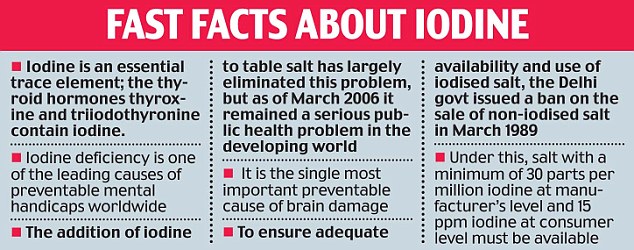
Despite its importance, dietary intake of iodine has decreased by about 50% from 1971 to 2001, the latest dates for which I could find research.
Why did that happen?
Several reasons. For one, the other main source of dietary iodine (other than iodized salt) used to be wheat flour, as iodine was used in its processing. However, much of wheat is now processed with bromide, a chemical cousin of iodine.
However, bromide doesn’t function like iodine in the thyroid. What’s more, it actually block iodine’s activity. (Add to that the trend of food-phobics fearing all things gluten and you can pretty much scratch bread off as a source of iodine.)
Other chemicals block iodine, too, among them chlorine and fluoride, found in drinking water. Another chemical, perchlorate, which is found in ground water and food supplies (it’s even used as a flavor enhancer in certain foods), also interferes with iodine absorption.
Then there’s the lack of consistency in the iodized table salt industry itself. A 2008 study found that of 88 samples of iodized table salt, less than half contained sufficient amounts to thwart off iodine deficiencies.
And then came the doctors. They first advised heart patients to restrict their salt intake, and then in a classic case of what must be good for the goose with congestive heart failure must be good for the gander with a healthy ticker, they told everyone to cut down on salt.
People took heed of their warnings and the saltshaker and its iodine stayed in cupboards and gradually turned into crystallized blocks that could have been mistaken for Lot’s wife.
Then there’s the exercise factor – men and women who exercise a lot excrete precious iodine through their sweat.
What you’re left with is a society where, by some estimates, 74% of its adults are deficient in this vital mineral. You’re also seeing a concomitant rise in benign (and malignant) thyroid growths and nodules, just like in the old days.
(Paradoxically, these low-iodine manufactured nodules can actually give someone hyperthyroidism, as the nodules that grow overproduce thyroid hormones.)
Many of you no doubt think that you’re not included in this dire statistic. You think you’re fine because you don’t restrict your salt intake at all; you eat out at restaurants, eat canned foods without so much as considering the salt content, and you even eat Cheetos.
Well guess again, my orange-fingered friend, processed foods don’t generally use iodized salt. Neither do restaurants. And that pinkish Himalayan salt that some Whole Foods employee in Birkenstocks told you to use? It’s piss-poor in iodine. So is sea salt because a lot of the iodine is lost during crystallization.
Testing is Simple
Chances are you have an iodine deficiency.
How do you know, and why should you care?
The effects are sometimes subtle or insidious, but consider this statement by Dr. David Brownstein, author of Iodine – Why You Need It And Why You Can’t Live Without It:
“Iodine is the most misunderstood nutrient. After 12 years of practicing medicine, I can say that it is impossible to achieve your optimal health if you do not have adequate iodine levels. I have yet to see any item that is more important for promoting health than iodine.”
On one dry-skinned hand, you might have overt symptoms. You may have trouble staying lean, which might be a direct result of thyroid inefficiency. You might have mysterious fatigue. You may suffer from unexplained autoimmune diseases, or have the aforementioned dry skin, be constipated, or suffer from depression.
A malfunctioning thyroid, courtesy of a lack of iodine, might also play a role in heart disease, psychiatric disorders, and various forms of cancer, including breast cancer.
(Consider that Japanese women, who have very high intakes of iodine, have 65% fewer cases of breast cancer. Consider also that there are more centegenarians on the Japanese island of Okinawa than anywhere else, and their daily iodine intake – mostly through kelp-derived products – is very high.)
Or it could be that you’re functioning reasonably well, at least for the time being, while still being deficient.
If you have one or more of the above symptoms or suspicions, blood tests for TSH, fT3 and fT4 (the “free,” or unbound versions of the hormones) might be in order. However, there’s a lot we don’t understand about the thyroid. “Normal” ranges, like “normal” Testosterone ranges, are way too broad for any kind of accurate assessment.
A much easier way to test for thyroid function – one that would be advisable for anyone to take, even if you’re without overt symptoms – would be to take your temperature first thing in the morning before you get out of bed. The normal temp is 98.6 degrees, but you probably won’t see that unless you’re sticking the thermometer someplace else other than your mouth, you sick puppy.
The perfect body temp taken by mouth is right around 98.2 degrees. Consider too, that body temp drops at night and starts to warm up as the day progresses, with the peak occurring between 4 and 6 PM. A variance of about .9 degrees throughout the day is perfectly normal.
That means that a morning body temp of about 97.6 or 97.7 or above is ideal, and anything substantially less is probably a strong indicator that you have hypothyroidism.
Just to give yourself more data, though, it’d probably be a good idea to add a second thermometer reading later on in the day during those peak hours of between 4 and 6 PM to see if you’re even close to 98.2 degrees.
What To Do About It
Luckily, iodine, in the form of supplements, is pretty inexpensive. However, dosages per pill vary widely between manufacturers. Some companies supply the mineral in tiny, RDA-sized dosages of 150 micrograms, whereas others supply it in milligram-sized capsules. (The largest I found was 12.5 mg. per capsule.)
Unfortunately, it’s difficult to say how much you’d need to remedy a deficiency. Simply taking the RDA would be like refilling a bucket with water by adding one drop a day.
A more functional approach would be to take between 6 mg. and 12 mg. for a period of weeks or months (up to three). If and when your body temp returns to its normal 98.6, you would transition to smaller doses closer to the RDA.
While some experts recommend much higher doses to alleviate deficiencies, there are some risks. On the minor side are problems such as acne, loose stools, or iodine allergies. On the severe side are worsening of thyroid problems or atrial fibrillation.
As always, play it smart if you try the supplement approach.
Other, more conservative approaches include simply eating more seafood or seaweed products, eliminating soy products from the diet (if you haven’t already) as they can block iodine absorption, and getting a water filter to take fluoride and chlorine from your drinking water.
Of course, these small-bore remedies, if they even work, would take much, much longer to show results.
At the very least, check your morning body temp to see if you’ve got anything to be concerned about, you goiter-neck, you.
References
Griffin, James, Ojeda, Sergio, Textbook of Endocrine Physiology, Oxford University Press, 3rd edition, 1996
Luoma, TC, “Luoma’s Big Damn Book of Knowledge,” Harper Collins, 12th edition, 2012.
Piccone, Nancy, “The Silent Epidemic of Iodine Deficiency,” Life Extension Magazine, October 2011
Tellebaum, Jacob, M.D., “Iodine Deficiency – An Old Epidemic is Back,” Psychology Today, August 17, 2011
How Much Protein I Eat
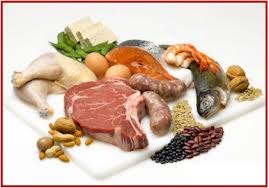
Let me begin by stating that I am an unapologetic carnivore, which is unusual since I am a massive animal lover. I will eat just about any muscle meat except veal, and I consistently eat beef, chicken, and turkey. On average, I consume between 150 to 200 grams of protein each day, which is equivalent to between 30 and 40 ounces of chicken. Yes, I eat the equivalent of about 2 pounds of chicken per day, split into 6 or 7 meals evenly spaced throughout the day. In an effort to mix up protein sources for the sake of variety, I also include egg whites, whey protein, P28 High Protein Bread, salmon, tilapia, and orange roughy in my meal plan.
Why so much protein? For one thing, my body craves and responds well to a high protein intake. Secondly, I need to consume sufficient protein to offset the natural propensity for muscle loss that begins to assert itself after age 40. Lastly, my training is structured to help me build muscle, so I must eat sufficient protein in order to ensure maximal muscle growth. It is difficult for me to eat a meal which lacks a decent protein source because I know that doing such a thing is a disservice to my body.
You may be asking if you need to eat the same amount of protein as I do, or more than that if you are a man. Let me be very clear: if you are dedicated to a regular resistance training regimen, and your goal is to build muscle, then you probably should be consuming more protein than you are currently taking in. Though the U.S. Recommended Daily Allowance is set at 0.8 grams of protein per kilogram of body weight for adults, I consider that quantity of protein an absolute joke. In fact, the U.S. RDA guidelines are so completely lacking in a true reflection of OPTIMAL values for people that I honestly believe that they shouldn’t be taken that seriously.
I would recommend an intake of about 1.8 grams of protein per kilogram of body weight in individuals who perform resistance training consistently, and over 2 grams of protein per kilogram body weight in athletes. I push the envelope and employ a ratio of around 3 grams per kilogram body weight. When I consume less protein, I look flat, my energy lags, and my skin loses its glow. As a disclaimer, I caution anyone with kidney issues or any other medical issues which would be exacerbated by a high protein intake to consult with their primary physicians before implementing an increased protein intake.
How Can You Forget To Eat?
Every time I hear someone say that he or she forgets to eat, it blows my mind. I could never forget to eat because I am so in tune with when my body needs fuel that my body reminds me that it is time to eat. Such fine tuning only comes with feeding the body properly with the right foods at the right times. I understand that most of us lead very hectic lives and that it can be difficult to stop everything just to get a meal in. But I do not understand how some people can work for 6, 8, 10 hours straight without a meal and feel no immediate physical repercussions from it. What about the churning, growling stomach? What about the impaired concentration or slump in energy? I get GROUCHY when I haven’t eaten my scheduled meals, and my body yells at me to eat.
Every time you skip meals, you prime your body to devour the most readily available foods, which in most cases means a trip to a fast food drive-through window. By this time, you are probably so ravenous that you will end up ordering far more food than you should. In all likelihood you will dip one hand into the bag of food while holding onto the steering wheel with the other hand, munching away rapidly and mindlessly, without allowing your body to respond to its satiety cues. If you make such fast food runs a habit, you increase the risk of obesity, diabetes, heart disease, and stroke. Why wreak havoc on your health by engaging in such behavior?
If you are prone to forgetting to eat regular meals throughout the day, do yourself a favor and reprogram your eating habits. Set a timer to go off every 3 to 4 hours to remind you to eat. When the timer goes off, don’t continue to work, but put everything down and make sure to eat a balanced meal. Pack healthy snacks and meals to take with you and make sure that you have easy access to them. Some of you may be wondering how many meals are ideal and when to eat those meals. If you can get 4 to 5 meals in per day, evenly spaced apart, you will optimize your energy levels and re-set your metabolism.
Pack Your Meals!
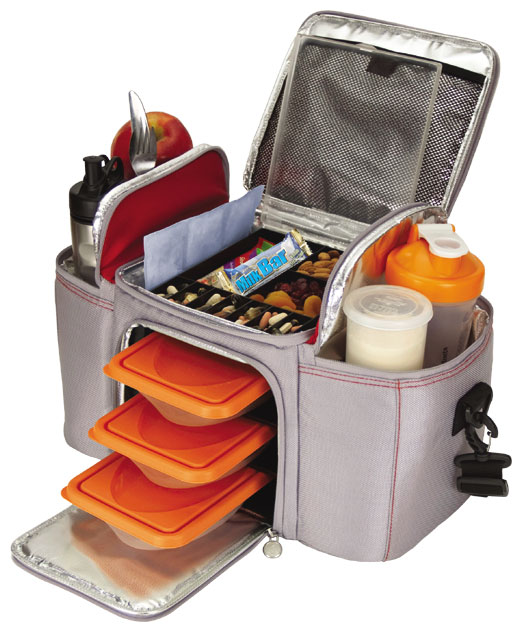
Anyone who knows me well is aware of the fact that I am consistent about packing clean meals and toting them around with me throughout the day. It can be cumbersome to pack food, especially when I know I will be out of the house for most of the day, but by doing so I have peace of mind knowing that I will be able to stay on track with my meal plan no matter what. Competitors and fitness professionals practice this habit and can attest to the power of clean eating in maintaining a sculpted, muscular physique.
However, I realize that many of you who do not compete or have an involvement in fitness may be wondering if there is any point to packing meals if you are an average person. There are a multitude of benefits to be gained from packing meals for the day:
• Portion Control – If you measure and weigh your portions before placing them into containers, you will have full control over your intake.
• Cooking Method – Steaming, baking, boiling, grilling and poaching are easy cooking methods which also enable you to prepare food without adding unnecessary fat.
• Save Money – By purchasing food at the grocery store and preparing it yourself, you will save a significant amount of money.
• Maintain A Low Sodium Diet – Restaurants often add significant amounts of sodium to enhance the flavor of their dishes. If you are trying to keep your sodium intake low, you are better off preparing your own food.
• Accommodate Medical Dietary Restrictions And Food Allergies – Restaurant meals may add ingredients which are forbidden from your meal plan due to medical conditions or food allergies. Instead of taking a risk, you are better off preparing your meals and packing them with you.
I always recommend tempered glass storage containers over plastic, since heating up ingredients in most plastic containers carries a risk of deranging the plastic and releasing harmful chemicals into the food. An exception is BPA-free containers with locking lids.

The BEST meal packing system out there is made by Six Pack Bags:
https://www.sixpackbags.com/bags.html
By adopting the habit of packing your meals, you will be on the road to better health!