Keeping Pace With A Crazy Schedule

George Kontaxis shoot

The last few weeks have been NUTS. I am talking about day after day of so many shifts in my schedule and demands on my time, that I am torn in many different directions, and cannot focus on a darned thing. When this kind of chaos ensues, I begin to lose items, certain basic vocabulary terms escape me, and I feel like I am rushing by everything and everyone, like a bullet train zooming through a bustling cityscape.

For the life of me, I can’t find a gray tank top which I had recently purchased and put…somewhere. I honestly can’t remember where. This isn’t like me, because I am VERY organized, to the point of having all of my clothing organized by color, sleeve length, etc. So why can’t I find that gray top?

I literally run around in my bedroom, grabbing for clothes, rushing, trying to keep up with the stressful demands of being in so many places all the time. It’s starting to get old. Forget about having time to read a book, or watch a TV show, because by the time the dust settles from the crazy days I have been flying through, the notion of blissful sleep is so seductive that I don’t want to do anything else.

What keeps me from unraveling is the consistency I demand with my eating habits and my workouts. I am not joking about this. Despite the insane schedule I have been juggling lately, I still weight train six mornings each week. I attend lyra class one to two evenings during the week. My meals consist of clean foods like chicken breast, salmon, tilapia, green beans, asparagus, brown rice, quinoa, avocado, almonds, oats, and Greek yogurt. I have been drinking plenty of alkaline water. I have also been consistent about consuming MitoXcell every morning (I LOVE this supplement and intend to post more about it when I get a chance to breathe!), and I also take my regular supplements (like turmeric, CoQ10, folic acid, etc.) daily. My energy levels have been decent, and my mood has been generally great, with only a couple of stark exceptions.

There are two days next week which I have designated as clean up and organization days, and I desperately need them. During those days, I will perform the deep cleaning throughout most of the house which the housekeeper always neglects, I will reorganize cabinets and drawers, clean up the garage and patio, and find that gray top!

How Weekend Drinking Binges Make You Fat (Repost)

One of the reasons why people tend to look forward to the weekend so much, besides being away from work, is the ritualistic imbibing of alcohol and consumption of rich foods which many tend to engage in. I have clients who will follow a sensible and healthy meal plan during the week, only to abandon all self-control, put on party hats and eat and drink during the entire weekend.

I will explain to you why this practice is a sure way to keep you from attaining your fitness goals. When you drink large amounts of alcohol, say 3 drinks or more, your body gets a sudden influx of alcohol which puts your body’s metabolism of nutrients to a grinding halt. Why? Because the body cannot store alcohol and must use it immediately as a fuel source. What happens with nutrients is that they are converted to fat and then stored in fat tissue for later use, so alcohol essentially prevents the body from utilizing fat. High consumption of alcohol also impairs the cerebral function (specifically the prefrontal cortex), flattening inhibitions and increasing the appetite. That is why you will often crave greasy foods when you drink, because the body turns to rich foods to replenish nutrients. The combination of increased appetite and behavioral changes are enough to get you to eat a calorie laden, fatty meal which is then stored as fat.

I enjoy the occasional cocktail and as a result will never tell people to avoid drinking altogether. However, I have several recommendations which will minimize the fat deposition which alcohol consumption triggers.

1. Always eat a meal with PROTEIN, FIBER and HEALTHY FAT before you begin drinking to offset the surge in blood sugar which occurs with alcohol consumption and to slow the absorption of alcohol once it is introduced to the gut.

2. Drink two glasses of water for every drink of alcohol. Alcohol is a diuretic, meaning that it will dry you out. Because of this, it is important to maintain a high level of hydration to offset the diuretic effect.

3. Limit consumption to 1 or 2 drinks in an evening. This will keep calorie consumption down.people at party

The Five Keys To Optimal Brain Health

Sharpens-Your-Brain

By: Dr. Stacey Naito – Physician and IFBB Pro

Even if your genetics put you at risk for developing dementia, there are numerous lifestyle and behavior adjustments which you can make in order to protect brain function and fight dementia. The five keys listed below are proven to improve brain health and keep your mind vital and sharp for decades.

1. MOVE YOUR BODY

Scientific research has proven that overall physical health is closely linked to brain health. Regular exercise aids in the maintenance of a healthy weight range, normal cholesterol levels, while also optimizing blood flow throughout the body and the brain and supporting the growth of new brain cells.

The benefits of physical health stem not only from regular exercise, but also from other good health practices. Support your brain’s health by doing the following:

• Exercise at least 30 minutes daily to relieve stress.
• Make sure to get between seven to eight hours of sleep each night.
• Refrain from using tobacco.
• See your doctor regularly.
• Maintain a healthy weight.

2. YOU ARE WHAT YOU EAT

Research studies indicate that diets which are low in saturated fats and cholesterol, and rich in polyunsaturated omega-3 fatty acids and nutrients like lutein and vitamin E, may have a protective effect on brain cells and overall brain health.

Brain-healthy dietary changes:

• Opt for healthy fats which are found in olive oil and fatty fish like salmon. Avoid saturated and trans fats.
• Consume a diet which incorporates milk, eggs, vegetable oils, nuts, whole grains, and dark leafy greens like spinach, all of which are rich in vitamin E. Vitamin E is an important nutrient which supports brain health. If you can’t get vitamin E from foods, you can take it in supplement form.
• Eat plenty of fresh fruits and vegetables, aiming for nine fist-sized servings each day. Select colorful fruits like cranberries, blueberries and tomatoes which are packed with powerful anti-inflammatory compounds known as polyphenols. Keep the skin on fruits and vegetables to maximize their nutritional benefits.
• Add lutein. Lutein is a potent antioxidant which is critical for eye and brain health. Foods which are rich in lutein include spinach, kale, turnip greens, collard greens, egg yolks, corn, and peas. You can also take lutein in supplement form.

3. EXERCISE YOUR BRAIN

Extensive research has proven that the brain continues to learn new skills and information throughout life, and benefits from frequent intellectual stimulation. Make sure to pursue new activities, education and games to challenge your mind. Read books to elevate your knowledge base.

How to stimulate your brain:

• Engage in regular sessions of a mental activity you enjoy, such as reading, word games such as crossword puzzles, or learning a foreign language.
• Get into a daily habit of learning a new word or fact.
• Master a new skill or subject each year.
• Manage stress and balance your energy by meditating. Meditation may help to reduce stress and body inflammation by soothing the vagus nerve, an important nerve which controls the body’s immune response.

4. NURTURE RELATIONSHIPS

Though we know that relationships with family and friends are key factors in a person’s happiness, regular social interaction promotes the formation of new brain cells and aids in brain repair. One study revealed that men and women who had the most social interaction had less than half the rate of memory loss as those who were the least socially involved. By visiting friends and family and being involved in community activities, you will protect brain health.

Social brain boosters:

• Spend time with your family and friends regularly, and make them a priority.
• Volunteer for an organization which surrounds a cause which you are passionate about.
• Work for as long as you can, and for as long as you feel motivated to do so.
• Join clubs and become involved in religious or spiritual activities which resonate with you.

5. BALANCE YOUR NEUROTRANSMITTERS

Brain function relies on important molecules known as neurotransmitters. Neurotransmitter levels affect mood, behavior, cognitive function, social function, digestion, sleep, weight regulation, and many other processes.

The problem with current society is that the vast majority of people have overly stimulated sympathetic nervous systems, which over time can drain the body of serotonin. The excitatory part of the nervous system dominates once the inhibitory neurotransmitters are depleted, resulting in anxiety and an inability to “wind down”. Eventually, even the excitatory neurotransmitters such as serotonin, epinephrine, norepinephrine and GABA are also depleted, and severe depression or chronic fatigue usually develop.

Conventional drugs cannot replenish these neurotransmitters, and in fact, tend to cause depletion of the neurotransmitters. This is the reason why some depression medications do not work on some individuals. The good news is that supplementation with amino acids can help to replenish deficient neurotransmitters.
How To Nourish Neurotransmitters:
• Eat a healthy diet. Neurotransmitter imbalance is aggravated by poor diet. Diets high in protein supply the brain with the amino acids it needs to replenish neurotransmitter levels.
• Consume branched chain amino acids to ensure a rich supply of neurotransmitter precursors.

REFERENCES
Neurotransmitter Assessment Brings Light to Management of Psychiatric Problems
Monday, 15 August 2005 00:59By Erik L. Goldman | Editor in Chief – Vol. 6, No. 3. Fall, 2005

The Importance Of Iodine

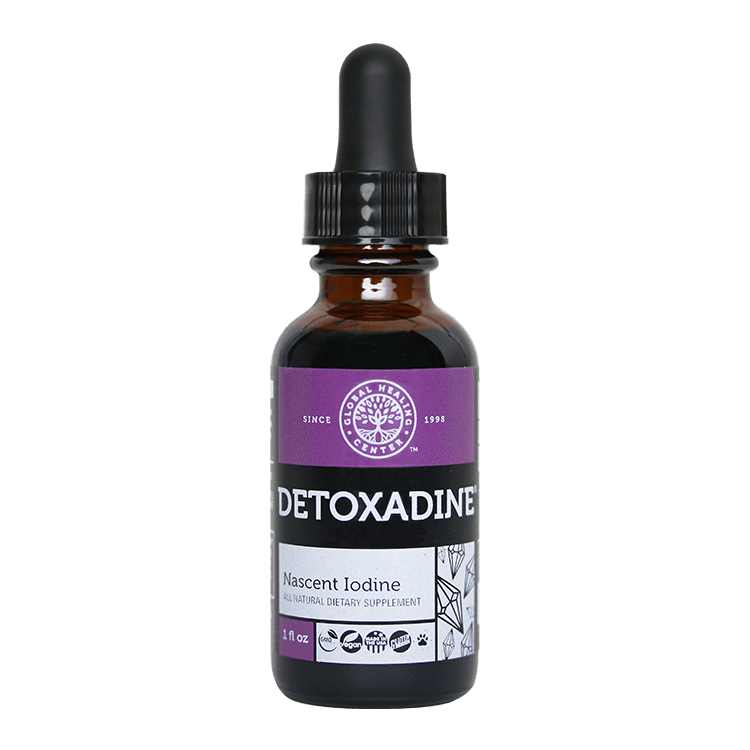
detoxadine-magento_1

There is a rather insidious mineral deficiency which happens to run rampant in our society, and which negatively impacts the function of an endocrine gland which gets a lot of attention: the thyroid. The mineral I am talking about is iodine, and chances are that you are deficient in it.

The thyroid gland cannot synthesize thyroid hormones without iodine, so if your iodine stores are negligible, you have been doing your thyroid gland a major disservice. Add a stressful lifestyle to the mix, and you pretty much have locked in significant issues with thyroid function.

You might argue that you use sea salt, and since the sea contains most of the earth’s iodine, doesn’t that count? The problem is that most of the iodine is lost during the crystallization process. And forget about Morton’s Iodized Salt. The amount of iodine in that product is so small that it wouldn’t even begin to address a deficiency.

If you’re a health “nut” and have banned gluten-containing foods from your diet, that means that breads which may offer a decent source of iodine are no longer options for you. Those of you who are exercise fanatics (and yes, I am one of those people for sure) excrete quite a bit of iodine through your sweat, and if that iodine isn’t somehow replaced, you are going through each day in a state of severe iodine depletion. Another significant factor in the development of iodine deficiency (which, by the way, affects about 75% of the population) is the fact that people with cardiovascular issues are advised to limit their intake of salt. If you are a fitness person, especially if you compete, you probably avoid salt like the plague, which is not a good thing for your iodine stores or your thyroid function.

Dr. David Brownstein, who wrote a brilliant study called Iodine – Why You Need It And Why You Can’t Live Without It, claims that optimal health is not possible if someone has an iodine deficiency. Over time, the suffering thyroid gland can impact heart health, and can be implicated in the progression of certain types of cancer.

Symptoms of iodine deficiency include fatigue, dry skin, brittle hair, constipation, or depression. If you have a few stubborn pounds that you can never lose despite every intervention, or if you have water retention issues, low iodine levels may be the culprit.

Whatever you do, though, don’t pay attention to the RDA guidelines, because they are too tiny to make any difference in your iodine stores. The best dosage I recommend is 6.25 milligrams daily for several weeks, then taper off gradually (every other day for a week or two, then every two days, then stop). Beware of any bowel overactivity or acne breakouts, as those can be indicative of iodine intolerance. If you have any major medical issues, seek the advice of your physician before embarking on an iodine replacement regimen.

If you don’t want to take supplements, you can eat kelp snacks or seafood. Another important thing you can do to maximize the availability of iodine stores in your body is to avoid consumption of soy products, which block iodine absorption.

Great Piece By A Celiac Sufferer

18i7g3v8pxotqpng
I love this piece, written by a celiac sufferer who laments the current gluten-free bandwagon which many people are adopting. Tomorrow’s piece will be a contribution by me on my personal experience with going gluten-free.

Original post can be found at:

http://jezebel.com/5991724/will-everyone-please-eat-gluten–please-because-you-are-literally-killing-me-kind-of

Will Everyone Please Eat Gluten? Please? Because You Are Literally Killing Me, Kind Of

Written by Elissa Strauss

A new study by the NPD group shows that 29% of Americans are now trying to cut gluten out of their diets, most of them just cause. Every time another person makes this foolish decision, my life gets harder.

I’ve been a Celiac for 14 years. My mom was diagnosed back in 1993. I am here to tell you first-hand that going gluten-free is not a almond flour paved path to the GOOP holy trifecta of increased energy, a dewy complexion and perfectly fitting skinny jeans. It is just a diet that is medically necessary for some of us and no better and probably even a bit worse for the rest of you. (If you suspect you are one of those for whom it might be medically necessary, I wholly endorse you giving it a shot, but, please, take it seriously and see a doctor.)

When my mom first got diagnosed 20 years ago our family would take long Sunday drives to the other side of the San Fernando Valley for a loaf of bread that was only slightly better than vile and weighed more than my biology textbook. Lost and vulnerable, she ate a lot of Lay’s potato chips that year. By the time I was diagnosed in 1999 things were a little better. This was about the time when Whole Foods markets began popping up all over America and most of them would dedicate a few shelves to palatable gluten free goods.

So when gluten-free started trending a few years ago and I could finally understand what this red velvet cupcake phenomenon was all about, I was thrilled. Pizza delivery! Deli sandwiches! Whoopie pies! Chicken nuggets! Suddenly gluten-free was everywhere. But this was when things took also took a turn for the worst.

You see, when something that is medically necessary for some of us becomes something cool and trendy for the rest of the world, shit gets messed up. Waiters, thinking I am just another ankle-boot wearing Gwyneth wannabe, no longer take me seriously. It is actually harder for me to eat out now than it was a few years ago because a little dusting of flour on a piece of flounder equals a few days in bed for me.

And those red velvet cupcakes? They are now often stuffed alongside their gluten-containing counterparts in bakery displays. Considering even a few splashes of soy sauce, in which wheat is a minor ingredient, can trigger my celiac, a few crumbs of something not gluten-free is just not an option for me. Now I am nostalgic for the days when we were a fringe movement instead of a Miley Cyrus-endorsed lifestyle.

Though here I am, going on and on explaining why you should stop eating gluten-free food just to protect people like me, when you should really stop eating it to protect yourself.

As I mentioned already, gluten-free is not the answer to your dieting needs. Remember when we all went gaga for fat-free diets in the late 90s and guiltlessly swallowed entire packages of Snackwells devils food cookies and then couldn’t figure out why we weren’t losing weight? Exactly. I have met many a celiac over the years, and I promise we wouldn’t all pass your supermarket tabloids “bikini body” test. Considering that many gluten-free goods are higher in fat to substitute for the missing gluten — which literally holds baked goods together — a gluten-free diet can actually leave us worse off, weight-wise.

For those of you who swear off gluten not because you want to lose weight, but just because you think it will make you healthier: please stick with the whole wheat. Fiber is one of the most important things you can eat for health’s sake and it is extremely difficult (and pricey, see below) to get your hands on when you are strictly gluten-free. Also, for people with no sensitivity to gluten, a slice of whole wheat bread is by no means worse for you than a slice of teff, garbanzo bean and brown rice fiber bread. And the whole wheat bread will be, at least, one million times more delicious.

Also, this life is expensive! Literally, on average, 242% more expensive, according to researchers from the Dalhousie Medical School in Canada. Let me break this down for you: pretzels can run $5-$6 a bag, individual sized pizzas around $15-$20 at restaurants and even $11 for crappy tasting ones from the market, and cupcakes and muffins are in the $4 range. I just spent $12 on a whole-grain gluten-free loaf the other day and didn’t think twice about it, because this is just my life. But it doesn’t have to be yours.

Nutrient Timing

nutrient-timing
If you are at all interested in optimal fitness, you need to be aware of what nutrients your body needs in order to build muscle and metabolize fat as well as optimize performance. This is better known as nutrient timing. Proper timing of the foods you eat will support hormone function and promote a lean and muscular physique, while eating the wrong foods at the wrong time will trigger fat deposition, loss of muscle, and longer post-workout recovery times.

When nutrient timing comes into play, the goal is to shift body composition so that fat loss and muscle gain are optimized and glycogen stores are maximized. Such shifts have long-standing health benefits which can effectively prevent development of major diseases such as diabetes and high blood pressure. One caveat is that consuming excessive amounts of food will result in fat gain regardless of nutrient timing.

During training days, you should consume higher amounts of protein and carbohydrate and decrease your fat intake. The general rule is to consume about 1 to 2 grams of carbohydrates per pound of body weight, with most of your carbs consumed post-workout. On your rest days, you should consume higher fat and protein while dropping your carb intake to about 0.5 grams per pound body weight. The rationale behind this is that you want to encourage higher insulin levels post-workout, but lower insulin levels at all other times.

You may want to bump up your carbohydrate intake a bit throughout the day if you are looking to gain muscle, since insulin stimulates growth or anabolism. You can also ingest carbs throughout the day if you are already lean and just want to maintain. However, if you are looking to lose body fat, you need to consume most of your carbs during and post-exercise, and consume mainly protein and fat during all other times.

The BEST Health Insurance Policy – REPOST

Health apple

With the recent upheaval in the world of health insurance coverage, I thought it would be a perfect time to talk about ways that we can safeguard against the need to access insurance benefits and keep our out-of-pocket costs to a minimum. If you have a predisposition towards conditions such as high blood pressure, diabetes, high cholesterol, joint issues, depression or anxiety, a little self-nurturing can go a long way in keeping those issues at bay. Though there is no absolute guarantee that being proactive about your health will completely prevent disease from manifesting in your body, you can minimize the chances by following sensible guidelines.

1. Get Regular Exercise: If you have yet to take part in regular exercise, here are a bunch of reasons why you should. First of all, regular exercise supports and encourages healthy circulation, lowers blood pressure and reduces cholesterol levels. It also reduces your risk of developing type 2 diabetes and some types of cancer. When you strengthen your muscles with resistance training, you protect your bone density and improve your mobility. There are also mood-elevating benefits which exercise confers which can push away depression and anxiety. Lastly, exercise keeps your mind and memory sharp as you age. A good plan is to exercise 30 minutes a day, 4 to 5 days per week at a moderate intensity. Now, if you aren’t quite at that point, or you ae nowhere near that point, don’t get discouraged. The important thing is to start. You can work up to the 30 minutes a day, 4 to 5 times per week regimen gradually, as long as you remain committed to the program. Make sure to schedule exercise sessions into your day, and STICK TO THEM!

2. Reduce Stress: You may be thinking that reducing stress may be next to impossible in this hectic society, but it is absolutely essential for your physical, emotional and spiritual well-being. When you go through life at top speed, anxiously rushing through in an effort to meet deadlines, you not only miss out on special moments, but you also overtax every major organ in the body, including adrenals, heart, pancreas, liver, colon, brain and skin. Similar to over-revving an engine, you cannot expect to keep going at a gallop constantly without burning out the engine. Have you ever noticed that you are more prone to catching colds when you burn the candle at both ends? Simple things, such as practicing breathing techniques when anxiety creeps in, or truly allowing yourself to BE IN THE MOMENT when you take a break, can be very helpful in reducing stress. Pay attention to the times when you feel overwhelmed, when you feel like you are unraveling or are at that point in which you are either going to explode or give up and hide under a rock. It’s during those times that stepping outside the bubble is crucial. And once you understand not only that you CAN step away, you may relish that escape when it feels like the walls are closing in on you.

3. Practice Sound Nutrition: Proper nutrition is critical to supporting optimal health. This means eating meals throughout the day instead of starving yourself, and turning to whole food sources as much as possible. By incorporating leafy green vegetables, fresh fruit, whole grains, lean meats and healthy fats, you will equip your body with the fuel it needs to function properly and to repair itself optimally. Without proper nutrition, inflammation and free radicals can wreak havoc on an already challenged body, culminating in disease and illness. It is important to stay away from fast foods at all costs.

4. Get Sufficient Sleep: Slumber enables our bodies to repair cells and tissues so that we can function during our waking hours. It supports a healthy metabolism and also reinforces learning and memory from the day’s activities. When you don’t get enough sleep, your body cannot adequately repair itself. If sleep deprivation occurs regularly, the metabolism becomes sluggish, inflammation accumulates, and the risk for diseases of all kinds becomes significant. Make sure to get a solid eight hours of sleep each night, and try to go to sleep at around the same time each night.

5. Laugh: I listed this as a separate topic from stress reduction because I honestly believe that laughter as a daily medicine can do wonders for one’s health. Over the past several years, I have resorted to listening to comedy when I am in my car instead of listening to music, literally adding comic relief to the commutes I make around the Los Angeles area. Laughter truly is the best medicine!

I’m sure some of you are completely on board with what I am advocating, and are implementing some or all of these healthy habits in your daily regimen. Then there are those of you who believe the advice is sound, but haven’t found the motivation to make the necessary life changes which can have a profound positive impact on your health. Lastly, there’s a group of you who stubbornly refuse to listen to advice, who will keep practicing unhealthy habits as a rebellion to everyone around you. I’ve got a message for the last group. Every single person I have EVER met who threw caution to the wind like that, and pretended not to care about the health impact of habits like poor nutrition, alcohol and drug use, lack of exercise, smoking, and reckless lifestyles, somehow got it in the end. Whether it was a cancer diagnosis, high blood pressure, obesity, or some other illness, every single one of them was forced to change their tune. Don’t be one of those individuals who is forced by illness to finally wake up!

You have the power to transform your life. Don’t forget that!

Life Is Never Boring

10353289_10202786714921210_2569317334354210816_o

Any time I hear someone complain about how predictable, steady and boring life is, I chuckle, because I have never been able to make that statement about my own life. This doesn’t mean that my life is unstable, but that I have always had so much going on that there hasn’t been time for boredom to set in. I truly am CONSTANTLY doing something, and I have a habit of packing a lot into each day. I understand that some people are stuck in boring jobs, so I am thankful that I love being a physician, and love the environments in which I work. I am fortunate to be involved in pursuits which I am passionate about, and which give me an incredible sense of fulfillment. Whether I am doctoring, writing articles, modeling, doing booth work, creating nutrition and workout regimens, or working on business strategies or branding, so much is going on inside my head that I couldn’t possibly get bored.

I will admit that aspects of my regular daily routine could be seen by others as a bit dull, since I head to the gym around the same time, and I usually spend weeknights writing. However, I typically cram so much stuff in between those activities that I spend the entire day rushing around, trying to get it ALL done. The overachiever in me can’t seem to let go of the notion that the best days are the ones in which all the important items on the to do list are checked off. Even on the weekends, I spend the majority of my time trying to catch up on articles and plans which I wasn’t able to get to during the week.

Another feature of my life is that I wear so many hats that I have to constantly shift gears. Though it puts a lot of pressure on me, I prefer to have a lot of variety in my day, talking about medicine, fitness, skincare, nutrition, and business. My nerves can get pretty frazzled from the endless list of things to do, but I know I wouldn’t be able to deal with sitting around all day with nothing to do. I think partially because I have chosen a number of very interesting fields to pursue, and partially because I seem to attract a lot of movement and energy, circumstances also seem to keep me on my toes, and also keep boredom at bay. About 25 years ago, I remember someone telling me that I moved at a high “burn rate”, that my spirit had a lot of karmic energy which would attract lots of activity and movement. Despite its mystical tone, the statement struck me, and I can honestly say that it fits the cadence of my entire life.

If you find that you are bored with your life, it’s time to examine what might be holding you in a rut. Maybe you watch a lot of television. If so, turn off the television and read a good book. If it has been months or even years since you exercised, join a gym and commit to a regular workout schedule. Go out with friends. If you have pockets of time in which you are looking for things to do, try exploring your city or town by visiting other neighborhood stores, parks and restaurants. Cultivate a new hobby. Volunteer.

You can turn a boring life into a fulfilling, fun, exciting one by doing new things. Have fun!

Those Foster Farms Chickens!

I have always gotten a kick out of the Fosters Farms commercials, because the chickens on the commercials are hilarious! True to their previous track record, the folks at Fosters Farms have produced yet another funny commercial which is currently airing. What a brilliant advertising campaign! If you haven’t seen it yet, check it out here:

I Am Proud To Be A MAW Sponsored Athlete!

IMG_20150521_094213

For the cleanest and tastiest meals, look no further than MAW Nutrition Inc.! I am so honored and grateful for the opportunity to promote this company, and can tell you first hand that the food is exceptionally delicious and completely guilt free!

Check them out at http://www.mawnutritioninc.com/ and be sure to enter my discount code: NAITO10 for 10% off your order!