The Benefits Of Fruit

FruitFruit has gotten a bad rap recently in people’s efforts to eradicate sugar from their diets.  However, I strongly believe that this is a big mistake.  Fruits are low-calorie and (with the exception of avocados) low in fat, and are plentiful in vitamins and soluble fiber.  Soluble fiber aids the body in ridding fats and cholesterol from the body as well as ensuring regular transit of food particles in excretion.  In addition, fruits offer antioxidants which protect the  body from oxidant stress and many diseases, as well as boost our immune response.

I especially love blueberries as they contain a special type of antioxidant known as anthocyanins.  In fact, all “blue” fruits (blackberries, acai, mulberries and black grapes contain these powerful antioxidants just underneath their skins.

Here is a list of some of the most popular fruits along with their associated health benefits:

APPLE:  Apples are packed with soluble fiber and are high in vitamins.  Due to their high fiber content they can be excellent aids for individuals who suffer from constipation.

BANANA:  This fruit is well known for its high potassium content.  Those who have issues with high blood pressure might want to make bananas a regular part of their meal plans in order to manage their pressure issues.

BLUEBERRIES:  As stated before, blueberries are one of my favorite fruits because they offer so many health benefits.  This fruit is ranked number one in antioxidant activity and may help to lower the risk of developing neurological disorders such as Alzheimer’s and Parkinson’s.  They also freeze very well.  In fact, not too long ago I was in the habit of purchasing large batches of blueberries, then freezing them for use in my morning oatmeal.

CRANBERRY:  This extraordinary fruit prevents bacteria from adhering to the bladder wall and in so doing can be very effective in preventing urinary tract infections from developing.  I recommend the extract or juice to women who are prone to frequent urinary tract infections as it minimizes the chance of developing infections.  Cranberries have a strong antioxidant effect as well.

PINK GRAPEFRUIT:  This fruit is very high in a form of soluble fiber known as pectin, which can help to lower cholesterol.  It also is rich in lycopene and flavonoids, which may have a protective effect against certain types of cancer.  Beware of this fruit if you take cholesterol-lowering statins or some other medications, as grapefruit can interfere with some medications.

KIWI:  This strange, beautiful, tart fruit is packed with vitamins C and E, has 3 grams of fiber in one fruit, and is also rich in potassium and magnesium.  In fact, kiwi has more vitamin C than oranges do. 

MANGO:  This fruit has ample amounts of lutein and zeaxanthin, which have a protective effect on vision and can reduce the risk of age-related macular degeneration, which is the leading cause of blindness in adults.

ORANGE:  Oranges are rich in folate, an essential substance which helps to prevent neural tube defects in unborn infants and which also has a protective effect against the development of high blood pressure in women.  It is also rich in vitamin C and fiber.

PEAR:  Pears contain a lot of soluble fiber and for this reason can be very effective in relieving constipation.

PINEAPPLE:  This tropical fruit, besides containing large amounts of vitamin C, contains an enzyme known as bromelain which assists in breaking down protein and facilitating digestion.  Bromelain also has wound healing properties, helps to prevent blood clots and inhibits cancer cell growth.  Pineapples also have anti-inflammatory properties which can help to alleviate arthritis pain.

POMEGRANATE:  This fruit is rich in antioxidant tannins which have a demonstrated protective effect on the heart.  Individuals with high blood pressure or risk of heart attack will benefit from ingesting this fruit on a daily basis.

PRUNE:  Prunes are very high in sorbitol which has a mild laxative effect, so the old wive’s remedy of drinking prune juice for constipation was extremely valid.  This fruit is also very rich in boron, a mineral which may help prevent osteoporosis.

RASPBERRY:  Raspberries are rich in folate, magnesium and ellagic acid, an antioxidant which may help to prevent cervical, esophageal and colon cancer.  They also provide large amounts of fiber, as well as vitamins A and C.

STRAWBERRY:  Strawberries are packed with vitamin C, fiber, folic acid and potassium.  They also have a protective effect against carcinogens.

I realize that many people are not able to locate the fresh varieties of fruits throughout the year, so I want to call attention to the varieties of fruits which are available frozen.  Dole offers the following fruits in frozen versions:

  • Apples
  • Bananas
  • Blackberries
  • Blueberries
  • Cherries
  • Cranberries
  • Mangos
  • Mixed berries
  • Papaya
  • Peaches
  • Pineapple
  • Raspberries
  • Strawberries

Frozen fruit is picked, washed, peeled, cut and frozen immediately in order to retain the bulk of its nutritional value.  When you are ready to use the fruit, you can either thaw it at room temperature or lightly defrost it in the microwave, though I strongly prefer room temperature thawing.

People who compete may have adopted the attitude that fruit is a big no-no, as they believe the fructose in fruit will potentiate fat retention.  However, if you consume small portions with meals, especially with your post-training meal, there is no way that you would consume enough to create such an issue.  I strongly disagree with the mindset that fruit consumption should be eliminated during contest prep, as this robs the body of powerful antioxidants and deprives a competitor of natural sweetness, which could result in strong cravings for sweet items which are made with sucrose or artificial sweeteners.  If you are extremely concerned about consuming too much fruit, try a small portion (1/4 to 1/3 cup of fruit in the morning with your first meal, and the same portion size with your post-workout meal. 

You might find it challenging to consume fresh fruit on a regular basis, and if so, you might not be incorporating vital nutrients into your diet on a daily basis. I recommend taking a multivitamin several times a day to optimize absorption, and my favorite is SWAT Fuel’s .40 Caliber. SWAT Fuel’s .40 Caliber Multivitamin delivers high bioavailability on a three time dosing regimen each day and is suitable for everyone, but it is especially great for individuals who tend to experience intestinal discomfort from multivitamin formulas.

You can order .40 Caliber directly from the website: http://swatfuel.com/products.aspx

How Emotional Eating Can Derail You From Your Fitness Goals

emotional-eating ice cream - Copy

Rather than discuss well-known emotional eating disorders such as bulimia, I will concentrate on binge eating which many women engage in from time to time.  It is important to recognize this behavior if it becomes a regular pattern, because frequent emotional eating warrants a diagnosis of binge eating disorder and requires treatment and intervention.

Binge eating is characterized by eating compulsively to cope with negative emotions and stressful situations.  A binge eater is rarely hungry when she begins to eat and will continue to eat well after she is full.  Such episodes can last for up to two hours or can occur off and on throughout the day.  The binger feels guilty both during and after the episode, but will not attempt to counteract it by fasting, taking laxatives, vomiting, fasting or over-exercising.  A strong lack of self-control as well as feelings of shame will accompany this behavior pattern.  There is a strong association between binge eating and depression.  Binge eating is also driven by social components such as social pressure to be thin, emotional and sexual abuse, parental criticism of a child’s weight, and the use of food as reward or punishment.

Food cravings are usually the strongest when you are in emotional crisis.  You may reach for food for comfort or to serve as a distraction.  Consider the following highly stressful events and think about whether you reached for comfort foods during such times:

  • Financial problems
  • Health problems
  • Work issues
  • Relationship issues
  • Fatigue
  • Family issues

Though some people will lose their appetites when stressed and will refrain from eating, many others will engage in impulsive eating in an effort to deal with negative emotions.  This may be relatively harmless if such emotional eating occurs on a very rare occasion, but becomes a serious problem when it is used as the only coping mechanism for stressful situations or negative emotions.  Just bear in mind that if you have a rare moment of weakness, it is important to recognize it as just that and to prevent yourself from spiraling into excessive feelings of guilt over the incident.  If you engage in an episode of emotional eating, learn to forgive yourself and have a fresh start the following day.

 
Why We Engage in Emotional Eating


What occurs almost invariably when we eat emotionally is that we turn to cookies, cakes, candy, fried foods and breads rather than to healthy foods.  There is a biochemical basis for such behavior.  Carbohydrates which are high in sugar or fat release dopamine in our brains which in turn stimulates the brain’s pleasure center, creating a sense of euphoria.  These foods are usually associated with pleasurable memories, such as cake which you may have looked forward to on your birthday, or macaroni and cheese as a treat after school when you were a child.


Food can also serve as a happy distraction from conflict or stressful events by stimulating the aforementioned pleasure centers.  What will frequently occur is that an excessive amount of these foods will be consumed.  However, if you remain aware of such automatic connections between food and mood and realize when you are eating for reasons other than hunger, you can break this cycle and get back on track with healthy eating habits which are associated with true hunger.


How To Combat Emotional Eating


  • Keep a food diary.  Get in the habit of writing down everything you eat and drink, including the quantity, the times at which you eat, your emotional state while eating the meal, and your level of hunger.  By doing this you may see patterns which will reveal your emotional relationship with food.


  • Remove tempting foods.  Avoid stocking comfort foods in your home if you find that they are difficult to resist.  And by all means avoid making trips to the grocery store if your emotions are spiraling out of control!


  • Practice stress management.  Yoga, meditation, and relaxation techniques are effective methods of managing your stress.


  • Determine whether you are truly hungry.  Many times people may believe they are hungry when in reality they are actually emotionally distraught and desperately searching for a way to defuse such emotions.


  • Make sure you consume adequate calories.  Individuals who are trying to lose weight will often restrict their calorie intake too much, and will turn to the same foods in an effort to remain on track without rewarding themselves with an occasional treat.  Adding variety to your meal plan will also help to keep you on track.


  • Distract yourself.  If you get an urge to snack when you aren’t truly hungry, distract yourself by watching a movie, calling a friend, reading, listening to music, or taking a walk.


  • Consume healthy snacks.  If an urge to snack between meals strikes, choose a low-calorie snack such as vegetables with seasoned nonfat Greek yogurt, fresh fruit, low fat cottage cheese or rice cakes.


  • Get enough sleep.  Getting enough sleep is an important component in decreasing cravings for comfort foods.


  • Eat at regular intervals.  Consume smaller meals every three to four hours to keep you from feeling hungry or deprived.


  • Focus on the experience of eating.  Learn to eat in a mindful manner, in which you pay attention to your meal and only your meal.  Become aware of the sensations associated with eating.


  • Reward yourself.  It is both physically and emotionally unhealthy to practice excessive calorie restriction for prolonged periods.  Allow yourself to have a favorite food or meal once each week.


  • Connect with your emotions.  When a food craving hits during an emotional time, write down the emotions you are experiencing, such as sadness, loneliness or anger.


  • Seek professional help if emotional eating is frequent.  There are countless support groups which you can join which will help you to develop insight as well as the skills to avoid engaging in such behavior.


One last note: make sure to get vital nutrients into your diet on a daily basis. I recommend taking a multivitamin several times a day to optimize absorption, and my favorite is SWAT Fuel’s .40 Caliber. SWAT Fuel’s .40 Caliber Multivitamin delivers high bioavailability on a three time dosing regimen each day and is suitable for everyone, but it is especially great for individuals who tend to experience intestinal discomfort from multivitamin formulas.

You can order .40 Caliber directly from the website: http://swatfuel.com/products.aspx

It All Adds Up

good-or-bad foods
When you add the label of “forbidden” to a food, it suddenly becomes quite irresistible, revealing the human tendency to become lured by temptation. Of course it doesn’t help that these so-called forbidden foods are full of sugar and other substances which trigger more cravings. You may be the type of person who occasionally nibbles on a food which is ordinarily on the do-not-eat list, or you may find yourself in a pattern in which you rationalize your dietary transgressions and cannot stop the behavior. If your indulgences are frequent, you have probably noticed the evidence accumulating around your waistline.

While competitors must follow rigid meal plans which discourage the consumption of any fat-laden or sugary treats, those of you who do not compete can follow a clean diet 90% with the occasional treat and suffer minimal consequences, However, individuals who do not follow rigid meal plans may be consuming nutrient-poor foods laden with saturated fat and sugar far more often than they realize. They may also be tricked into ordering a meal which seems to be clean, such as a chicken caesar salad, only to find out that the salad dressing alone can obliterate any possibility of consuming a healthy meal. The temptations continue when people are trying to keep up with busy schedules and ordering less than foods out of hunger and exhaustion. More temptations may also be lying in wait at home. Perhaps you have rationalized a nightly glass of wine or a Pop Tart as a treat for a busy day at work, but when this is practiced on a daily basis, it will surely trap you in a “one step forward, two steps back” pattern which will prevent you from achieving your fitness goals. Suddenly the clean and healthy diet is followed only about 40%, meals are random, and the risk of malnutrition also emerges as a result of erratic and unhealthy eating practices.

The key is to follow nutritional guidelines which will ensure that you get the nutrients and calories which your body requires. If it is too difficult to determine what it is that you need to consume on a daily basis for optimal nutrition, hire a nutrition coach to give you structure and consistency. You will still be able to enjoy the occasional treat, as long as you remember that moderation is the key. Another valuable habit to implement is the daily intake of a multivitamin, preferably one which is taken several times a day to optimize absorption. What I love about SWAT Fuel’s .40 Caliber Multivitamin is that it has high bioavailability of nutrients along with a three time per day dosing recommendation. This is my personal choice of multivitamin, and yes, I do take it three times daily. This formulation is very clean and doesn’t cause the intestinal upset that some multivitamins can cause. I can tell that I actually feel more energized when I take this particular multivitamin as opposed to other brands.

You can order .40 Caliber directly from the website: http://swatfuel.com/products.aspx

Eggs Are Superfoods

eggs
If you haven’t already incorporated eggs into your regular meal plan, you should. Eggs are an excellent source of protein, and also provide all eight essential amino acids which are necessary for optimal muscle gains. Eggs are also packed with the following nutrients:

· Vitamin A
· Vitamin E
· Vitamin K
· Vitamin B12
· Riboflavin
· Folic acid
· Iron
· Zinc
· Calcium
· Selenium
· Choline

You may have been duped into believing that eggs should not be eaten due to the fat content in the yolks. However, there are only 2 grams of saturated fat and a total of 5 grams of fat in an average egg. The body actually requires a certain amount of saturated fat for proper function, which translates to about 20 grams of saturated fat on a 2,000 calorie per day diet. If you add only four whole large eggs to your daily diet, you will get 20 grams of quality protein with only 8 grams of saturated fat. As for the cholesterol content in egg yolks, it has been determined that dietary cholesterol does not raise blood cholesterol levels. In fact, consumption of eggs can improve blood lipid panels.

Here is a macronutrient breakdown of one large egg:

· 71 calories
· 6 grams protein
· 5 grams fat
· Zero carbohydrates
· 211 milligrams cholesterol
· 70 milligrams sodium
· 37 milligrams Omega 3 fatty acids
· 574 milligrams Omega 6 fatty acids

As a general rule, I purchase large or extra-large eggs for our household so that I can get the most protein possible. The larger eggs cost only a bit more than small or medium eggs and are a very cheap and high quality protein source which can be consumed during contest prep.

Individuals who want to gain muscle, especially during a bulking phase, should incorporate egg yolks in order to meet the high energy requirements that such a phase demands. Eggs are very easily digested and absorbed and can help to ensure a balanced diet. They are also quite versatile and can be eaten with other foods in omelets and high protein pancakes. If you want a quick snack which provides a good amount of protein, you can hard-boil eggs, making them a portable food source which can easily be packed in a food cooler for the day.

One of the best ways to ensure proper nutrition on a daily basis is to take a multivitamin. Though many multivitamins are dosed as one pill daily, the body cannot utilize all the nutrients in one large dose, so it is more beneficial to the body to take a multivitamin several times a day to optimize absorption. What I love about SWAT Fuel’s .40 Caliber Multivitamin is that it has high bioavailability of nutrients along with a three time per day dosing recommendation. This is my personal choice of multivitamin, and yes, I do take it three times daily. This formulation is very clean and doesn’t cause the intestinal upset that some multivitamins can cause.

You can order .40 Caliber directly from the website: http://swatfuel.com/products.aspx

My Nutrition Coach Certification

NAFC-Logo-05
Despite the fact that I am a fully licensed and board-certified physician, and also hold a Bachelor’s Degree in Exercise Science, I realize that some people get hung up on specific certifications. My education covered nutrition in exhausting detail, which is why I am able to customize meal plans for clients and patients based on a myriad of factors. However, I also obtained a Nutrition Coach certification from NAFC to fortify the credentials I already had.

For those of you who are curious about the course, here are some details:

NAFC’s Nutrition Coach Foundations delivers scientifically-based nutrition education so health and fitness professionals can better serve their clients.

Develop the skills, knowledge and abilities to successfully work with clients seeking goal-based nutritional guidance.
Gain an occupational advantage with enhanced education and a credential to differentiate you from your competition!

NAFC’s Certified Health & Fitness Coaching course blends sound basic science with the latest in nutritional science along with proven coaching skills to help you successfully guide your clients toward better health, better performance, and a better body!

In Section I of this course, you’ll get a strong introduction to the basic sciences; in Section II you’ll become immersed in the field of nutritional science; in Section III you’ll learn about the art & science of being an effective coach; and finally in Section IV you’ll go through a step-by-step set of instructions on how to implement nutritional coaching competently & profitably (including over 30 pages of questionnaires and assessment tools to use with your clients).

No other nutrition certification puts all of these components together. No other nutrition certification was written by a physician with over 35 years of experience in the areas of nutrition, fitness, personal training, anti-aging medicine, and performance enhancement.

The National Association for Fitness Certification was established in 1992 to provide scientifically-based, standards-focused education and training for Group Fitness Instructors, Personal Trainers, and Wellness Consultants. The NAFC’s combination of demanding standards, practical application of scientific principles, and affordable program pricing have defined it as the most rapidly-expanding certifying organization in the industry today.

The NAFC was established by a forward-thinking group of fitness professionals, representing expertise in fields including Exercise Physiology, Adaptive Physical Education, Medicine and Nursing, and Professional Coaching. Their desire was to enhance current fitness certification standards by providing access to convenient and comprehensive – yet practical and affordable – education and skills.

The NAFC follows guidelines established by the American College of Sports Medicine, emphasizing practical information with respect to a comprehensive knowledge base.

The Iodine Deficiency Epidemic

This is a GREAT article on iodine deficiency. I did NOT write this, but thought it was so well-written that I am displaying the entire article as it is found on T-nation.com Original post can be found here:

http://www.t-nation.com/readArticle.do?id=5559634

16Fir06.qxp

Few organs have been so misunderstood and mistreated as the human thyroid gland. Why, if it had any self-respect, it’d seek asylum in Russia along with Gerard Depardieu.

Unfortunately, the thyroid has chosen a more vengeful tactic – it’s wreaking havoc by playing a part in a silent epidemic that may be affecting the overall health of as much as 74% of U.S. adults.

When the thyroid is happy and functioning normally, it determines how your body uses energy (i.e., controls your metabolism), makes proteins affecting growth and development, plays a part in glucose consumption, helps regulate levels of blood lipids, and it even controls body temperature.

When you’re not giving it what it needs – when it’s not happy and functioning normally – it can cause fatigue and rampant weight gain, along with a host of problems including cancer.

It’s highly likely that you might have an unhappy thyroid, and if you do, it’s pathetic because the problem is oh-so-easy to remedy.

Before we get to the specific problem and the cure, though, let’s look at one of the fascinating stories that make up the medical history of this oft-ignored endocrine gland, one that shows that medicine is often myopic and causes other problems as bad or worse than the ones it was attempting to cure.

Shrink That Sucker With Radiation

In the 1920’s, doctors started focusing on the problem of Sudden Infant Death Syndrome, or SIDS. This is the phenomenon whereby infants suddenly die in their cribs for no readily apparent reason.

Doctors began doing autopsies on babies that had died of SIDS and compared the findings with anatomy-book drawings to see if there were any physiological discrepancies.

Lo and behold, the babies who’d died of SIDS had grossly enlarged thyroid glands. Doctors theorized that these humungous glands put pressure on the infants’ tracheas during sleep, resulting in suffocation.

Now it was known that radiation could shrink the thyroid gland, so doctors around the country leapt into action and began irradiating the thyroids of every infant that they could lure through their clinic door. It was easy because they employed the old guilt game – parents who ignored the warning were deemed irresponsible.

Enlarged thyroids were a thing of the past! Chalk one up for medical research! SIDS was conquered! No longer would parents lie awake at night fearing the worst. They could rest ea…huh? What’s that you say? They were wrong???

You bet.

To find out how they screwed up, we have to take the Hot Tub Time Machine back to Revolutionary War times, which was when doctors and scientists were starting to establish medical schools. Then, as is the case now, medical schools needed bodies for dissection, and there were plenty of bodies almost literally lying around for the picking, especially since poor people were buried close to the surface of the ground. (Rich people had nice waterproof, Tupperware-esque caskets that were buried six feet under.)

These dissections and the resultant descriptions and drawings, along with body parts stored in pickle jars, formed a huge database that served as the basis of medical knowledge for the next couple of hundred years.

Now there’s a particular thing you need to know about the thyroid before we can tie all these links together. Since it’s part of the body’s immune system, the thyroid is especially prone to stress, regardless of whether that stress be caused by financial problems or poor nutrition, both of which are things that pretty much define being poor.

As a result, these cadavers – these cadavers that served as the reference point for doctors in the early 20th century – had small, shrunken, stressed-out thyroids.

Are you starting to figure it out yet? When the doctors from the 1920’s were looking at the thyroid glands of the autopsied SIDS babies, they weren’t looking at enlarged glands at all! It was the opposite! For the first time, they were looking at normal, healthy thyroid glands! It’s only when they compared them to the Revolutionary War-era cadavers that they looked enlarged.

The atrophied glands of the long-dead cadavers were an anomaly, a direct result of stress and poor nutrition. As a result, doctors made the wrong assumption and began needlessly irradiating healthy thyroid glands in children to shrink them.

So what happened to the children who received radiation treatments?

Years later many of them developed thyroid cancer, most likely as a direct result of being irradiated by uranium ions during childhood. Over 30,000 of them died in young adulthood. Meanwhile, SIDS continues to be the major cause of death in infants between one month and one year old.

So it goes.

Right around the same time that docs began irradiating healthy thyroid glands, they began successfully treating another thyroid problem: goiters.

When it Rains it Pours

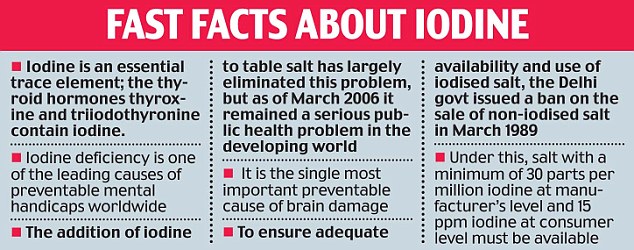
The thyroid does its magic through the production of thyroid hormones, the main ones being triiodothyronine (T3) and thyroxine (T4). These hormones are synthesized from the amino acid tyrosine and iodine.

Without iodine, which needs to be provided through the diet, the thyroid freaks out. It cries for help by signaling the pituitary to release Thyroid Stimulating Hormone (TSH), which tells the thyroid gland to get busy making more hormones.

However, if there’s no iodine in the diet, the thyroid gland either forms nodules or it just gets bigger and bigger, forming what’s known as a goiter. These growths ranged from barely visible to huge bulges that made victims look like some of those bullfrogs that are part of the background on TV’s Swamp People.

Unfortunately, iodine isn’t as ubiquitous as other minerals. The farther away you get from the sea (the source of most earthly iodine) and its bounty, the harder it is to get iodine. Soil contains some, but amounts vary hugely, so vegetables grown in that soil provide an iffy source of iodine.

Luckily for goiter-necked people everywhere, the Morton Salt Company, in 1924, got the brilliant idea of adding iodine to its salt. With the birth of iodized table salt, the age of the goiter disappeared almost overnight.

Zip forward to modern times, though, and we’re in the midst of another thyroid crisis, again, at least partially, brought about by myopic doctors who’d no doubt do poorly in games of 3D chess.

Enter the Damned Doctors… Again

Despite its importance, dietary intake of iodine has decreased by about 50% from 1971 to 2001, the latest dates for which I could find research.

Why did that happen?

Several reasons. For one, the other main source of dietary iodine (other than iodized salt) used to be wheat flour, as iodine was used in its processing. However, much of wheat is now processed with bromide, a chemical cousin of iodine.

However, bromide doesn’t function like iodine in the thyroid. What’s more, it actually block iodine’s activity. (Add to that the trend of food-phobics fearing all things gluten and you can pretty much scratch bread off as a source of iodine.)

Other chemicals block iodine, too, among them chlorine and fluoride, found in drinking water. Another chemical, perchlorate, which is found in ground water and food supplies (it’s even used as a flavor enhancer in certain foods), also interferes with iodine absorption.

Then there’s the lack of consistency in the iodized table salt industry itself. A 2008 study found that of 88 samples of iodized table salt, less than half contained sufficient amounts to thwart off iodine deficiencies.

And then came the doctors. They first advised heart patients to restrict their salt intake, and then in a classic case of what must be good for the goose with congestive heart failure must be good for the gander with a healthy ticker, they told everyone to cut down on salt.

People took heed of their warnings and the saltshaker and its iodine stayed in cupboards and gradually turned into crystallized blocks that could have been mistaken for Lot’s wife.

Then there’s the exercise factor – men and women who exercise a lot excrete precious iodine through their sweat.

What you’re left with is a society where, by some estimates, 74% of its adults are deficient in this vital mineral. You’re also seeing a concomitant rise in benign (and malignant) thyroid growths and nodules, just like in the old days.

(Paradoxically, these low-iodine manufactured nodules can actually give someone hyperthyroidism, as the nodules that grow overproduce thyroid hormones.)

Many of you no doubt think that you’re not included in this dire statistic. You think you’re fine because you don’t restrict your salt intake at all; you eat out at restaurants, eat canned foods without so much as considering the salt content, and you even eat Cheetos.

Well guess again, my orange-fingered friend, processed foods don’t generally use iodized salt. Neither do restaurants. And that pinkish Himalayan salt that some Whole Foods employee in Birkenstocks told you to use? It’s piss-poor in iodine. So is sea salt because a lot of the iodine is lost during crystallization.

Testing is Simple

Chances are you have an iodine deficiency.

How do you know, and why should you care?

The effects are sometimes subtle or insidious, but consider this statement by Dr. David Brownstein, author of Iodine – Why You Need It And Why You Can’t Live Without It:

“Iodine is the most misunderstood nutrient. After 12 years of practicing medicine, I can say that it is impossible to achieve your optimal health if you do not have adequate iodine levels. I have yet to see any item that is more important for promoting health than iodine.”

On one dry-skinned hand, you might have overt symptoms. You may have trouble staying lean, which might be a direct result of thyroid inefficiency. You might have mysterious fatigue. You may suffer from unexplained autoimmune diseases, or have the aforementioned dry skin, be constipated, or suffer from depression.

A malfunctioning thyroid, courtesy of a lack of iodine, might also play a role in heart disease, psychiatric disorders, and various forms of cancer, including breast cancer.

(Consider that Japanese women, who have very high intakes of iodine, have 65% fewer cases of breast cancer. Consider also that there are more centegenarians on the Japanese island of Okinawa than anywhere else, and their daily iodine intake – mostly through kelp-derived products – is very high.)

Or it could be that you’re functioning reasonably well, at least for the time being, while still being deficient.

If you have one or more of the above symptoms or suspicions, blood tests for TSH, fT3 and fT4 (the “free,” or unbound versions of the hormones) might be in order. However, there’s a lot we don’t understand about the thyroid. “Normal” ranges, like “normal” Testosterone ranges, are way too broad for any kind of accurate assessment.

A much easier way to test for thyroid function – one that would be advisable for anyone to take, even if you’re without overt symptoms – would be to take your temperature first thing in the morning before you get out of bed. The normal temp is 98.6 degrees, but you probably won’t see that unless you’re sticking the thermometer someplace else other than your mouth, you sick puppy.

The perfect body temp taken by mouth is right around 98.2 degrees. Consider too, that body temp drops at night and starts to warm up as the day progresses, with the peak occurring between 4 and 6 PM. A variance of about .9 degrees throughout the day is perfectly normal.

That means that a morning body temp of about 97.6 or 97.7 or above is ideal, and anything substantially less is probably a strong indicator that you have hypothyroidism.

Just to give yourself more data, though, it’d probably be a good idea to add a second thermometer reading later on in the day during those peak hours of between 4 and 6 PM to see if you’re even close to 98.2 degrees.

What To Do About It

Luckily, iodine, in the form of supplements, is pretty inexpensive. However, dosages per pill vary widely between manufacturers. Some companies supply the mineral in tiny, RDA-sized dosages of 150 micrograms, whereas others supply it in milligram-sized capsules. (The largest I found was 12.5 mg. per capsule.)

Unfortunately, it’s difficult to say how much you’d need to remedy a deficiency. Simply taking the RDA would be like refilling a bucket with water by adding one drop a day.

A more functional approach would be to take between 6 mg. and 12 mg. for a period of weeks or months (up to three). If and when your body temp returns to its normal 98.6, you would transition to smaller doses closer to the RDA.

While some experts recommend much higher doses to alleviate deficiencies, there are some risks. On the minor side are problems such as acne, loose stools, or iodine allergies. On the severe side are worsening of thyroid problems or atrial fibrillation.

As always, play it smart if you try the supplement approach.

Other, more conservative approaches include simply eating more seafood or seaweed products, eliminating soy products from the diet (if you haven’t already) as they can block iodine absorption, and getting a water filter to take fluoride and chlorine from your drinking water.

Of course, these small-bore remedies, if they even work, would take much, much longer to show results.

At the very least, check your morning body temp to see if you’ve got anything to be concerned about, you goiter-neck, you.

References
Griffin, James, Ojeda, Sergio, Textbook of Endocrine Physiology, Oxford University Press, 3rd edition, 1996

Luoma, TC, “Luoma’s Big Damn Book of Knowledge,” Harper Collins, 12th edition, 2012.

Piccone, Nancy, “The Silent Epidemic of Iodine Deficiency,” Life Extension Magazine, October 2011

Tellebaum, Jacob, M.D., “Iodine Deficiency – An Old Epidemic is Back,” Psychology Today, August 17, 2011

What Is Folic Acid?

Folic acid is one of the B vitamins which is essential for the formation of new cells as well as the formation of DNA. The natural form is known as folate and is found in foods such as leafy green vegetables, asparagus, lentils, yeast, mushrooms, organ meats, bananas, melons, lemons, orange juice and tomato juice. Most people do not get adequate amounts of folate from foods sources, and the body does not assimilate the natural form as readily as folic acid, which is the manmade form.

The most well known use of folic acid as a supplement is in women who are trying to get pregnant and in pregnant women. Folic acid is documented as a safeguard against neural tube defects which occur very early in prenatal development. The risk of neural tube defects is reduced by 50 to 75 percent in women who take at least 400 micrograms of folic acid daily for at least one month before conception and throughout the first trimester of pregnancy.

Women who have sufficient intake of folic acid and folate also have significantly reduced risk of developing high blood pressure later in life. It is believed that folic acid reduces the risk of high blood pressure by causing blood vessels to relax, thus improving circulation.

Folic acid is used in treating folic acid deficiency, poor intestinal nutrient absorption, ulcerative colitis, liver disease, alcoholism, and end-stage kidney disease. It is also used to treat anemia and heart disease, memory loss, vitiligo, nerve pain, muscle pain, depression, age-related hearing loss, Alzheimer’s disease, osteoporosis and restless legs syndrome. It is also used topically to treat gum infections and gum disease. Additionally, folic acid can be used in a preventative manner for age-related macular degeneration, colon cancer, and cervical cancer.
folic acid
There are some side effects associated with high doses of folic acid, such as diarrhea, stomach upset, abdominal cramps, irritability, excitability, nausea, gas, behavior changes, skin reactions, rashes and pernicious anemia. A safe daily dosage of folic acid for most people is 400 micrograms per day.