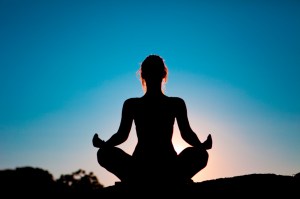
A Guide to Using Technology to Restore Your Emotional and Mental Balance

Camille Johnson of Bereaver.com has compiled this wonderful resource, which teaches us how to use technology in a mindful manner.

For adults juggling work, family, and serious self-care goals like diet planning, consistent training, and competition prep, technology overuse can quietly become another source of strain. The core tension is wanting to feel disciplined and present, while constant notifications, tracking, scrolling, and comparing leave the mind scattered and the body tense. Over time, this can show up as emotional disconnection (numbness or irritability), mental fatigue (decision overload), and a subtle spiritual disconnection that makes rest feel unearned and progress feel hollow. Naming these patterns helps busy, health-focused adults reconnect with what actually matters.

Understanding Mindful Technology Use

Mindful technology use means using your devices with awareness and intention, instead of reacting on autopilot. It is a quick inner check: why am I opening this app, and what do I want to feel or accomplish? The goal is not less tech by default, but steadier attention that supports emotional balance, clearer thinking, and a deeper sense of meaning.

This matters when you are trying to follow a training plan, stay consistent with meals, and manage stress without burning out. When your attention is intentional, you make fewer impulse choices, recover better, and stop turning every pause into a comparison spiral. That mental space can also make gratitude, prayer, or reflection feel natural again.

Think of your phone like a food scale: useful when you choose it, noisy when it runs your day. You might open your tracker to log a meal, then close it before the feed pulls you into anxiety. That single pause is mindful technology use in action.

Build a Mindful Tech Plan You Can Stick With

This process helps you set simple tech boundaries and use your devices on purpose so your energy goes to training, meals, recovery, and real self-connection. For adults prepping for better health or contest readiness, it reduces decision fatigue and keeps tracking tools helpful without letting scrolling steal sleep or consistency.

  1. Define your “why” before you unlock
    Start each day by writing one sentence: “I’m using my phone today to ___,” such as log meals, follow a lifting plan, or text your coach. Use checking in with yourself to name what you want more of today, like calm, focus, or patience, before any app opens.
  2. Set two non-negotiable boundaries
    Choose one time boundary and one place boundary that protect recovery, like “no phone the first 20 minutes after waking” and “no phone where I eat.” Keep the rules small enough to win on hard days, because consistency beats perfection when stress is high.
  3. Choose intentional device sessions
    Batch your tech tasks into short windows: one check for messages, one check for training info, one check for food logging, then you close the device. Use a timer and end the session immediately when the timer ends so “quick check” does not turn into a mood shift.
  4. Add a light digital detox practice
    Pick one low-friction tool that makes boundaries easier, like app limits or screen-time tracking, since many digital detox apps include features to track use and set limits. Start with a 30 to 60 minute “offline block” each day, ideally before bed or during meal prep.
  5. Reconnect on purpose when you log off
    Replace the habit loop with a short reconnection cue: three deep breaths, a 5-minute walk, a quick gratitude list, or a brief prayer or reflection. Tie it to your fitness goals by asking, “What choice supports tomorrow’s workout?” then do one small action like filling your water bottle or planning your next meal.

Habits That Keep Tech Serving Your Goals

Habits make mindful tech use feel automatic instead of effortful, especially when you are juggling training, nutrition, and recovery. Give yourself a runway, since habit formation ranging from 59-66 days can be a realistic window for changes to stick.

Phone-Down Morning Start
  • What it is: Keep your phone out of reach until you finish water and a quiet minute.
  • How often: Daily.
  • Why it helps: You start the day from your body, not other people’s demands.
One-Minute Pre-Meal Check-In
  • What it is: Pause before eating and rate hunger, stress, and cravings from 1 to 10.
  • How often: Daily.
  • Why it helps: It protects mindful portions and reduces reactive snacking.
Batch Log and Leave
  • What it is: Log meals and training in one short session, then close the apps.
  • How often: Daily.
  • Why it helps: Tracking stays useful without turning into constant monitoring.
Screen-Free Wind-Down Timer
  • What it is: Set a nightly offline alarm and switch to stretching, reading, or breathwork.
  • How often: Daily.
  • Why it helps: Better sleep supports recovery and next-day workout quality.
Weekly Notification Reset
  • What it is: Review notifications and keep only coach, calendar, and urgent family messages.
  • How often: Weekly.
  • Why it helps: Fewer pings means fewer impulse checks and mood swings.

Common Questions About Mindful Tech Use

Q: How can I use technology to reduce stress and feel more emotionally balanced?
A: Use your phone as a cue to return to your body, not as an escape hatch. A simple step is turning off nonessential alerts and adding one short daily check-in note: “What am I feeling right now?” Mindfulness is an inherent capacity to notice with an open attitude, so you do not need to “clear your mind” to do it well.

Q: What apps or digital tools help me maintain a mindful mental routine?
A: Choose tools that create fewer decisions: a timer for breathing, a notes app for quick reflections, and a calendar block for decompression. Keep them on your first screen and move everything else off it. The goal is consistency, not finding the perfect platform.

Q: In what ways can technology support spiritual growth without causing overwhelm?
A: Pick one digital input per day, like a short reading or guided reflection, then stop there. Silence badges and set a clear end time so practice feels nourishing, not endless. If you want a creative option, use a simple three-minute prompt in a visual tool such as Adobe Firefly’s AI drawing generator to depict a value you are building, then journal one sentence about what you notice.

Q: How do I prevent feeling stuck or distracted when using digital devices to reconnect with myself?
A: Start with boundaries first: one focus mode, one purpose, one tab. If you drift, name the urge, close the app, and do a 60-second reset: breathe, sip water, look outside. This is not a willpower issue, it is a design issue you can redesign.

Q: How can nutrition and fitness apps assist me in improving my health mindfully while preparing for a competition?
A: Use apps for clarity, not control: plan meals once, log in batches, and check trends weekly instead of chasing perfection daily. Turn off streaks and “burn” comparisons if they spike anxiety, and pair data with an internal cue like hunger, energy, or sleep quality. Your body is the dashboard, the app is only a tool.

Build Self-Connection With One Mindful Tech Habit This Week

It’s easy to reach for a screen for relief and then feel oddly more scattered, even when the content is “helpful.” The way forward is a gentle, evidence-based mindset: treat technology as a tool you use on purpose, with reflective digital habits that bring attention back to your body, needs, and values. Over time, long-term mindful technology supports sustained tech mindfulness and builds self-connection motivation instead of draining it. Mindful tech isn’t about quitting screens; it’s about coming back to yourself. Choose one small tech shift to practice for 7 days, like a brief pause before opening an app or a simple end-of-day check-in note, and let repetition do the work. This matters because steadier attention strengthens resilience, health decisions, and performance in training and daily life.

Staying Well Amid Chaos: Tips for a Healthier, Balanced Lifestyle

Image via Pexels

I hope you enjoy reading this wonderful article, written by Camille Johnson of Bereaver.com

Maintaining healthy habits often feels like an impossible task when life is filled with constant demands. However, a busy lifestyle doesn’t have to stand in the way of your well-being. By incorporating practical, time-efficient strategies, you can make healthy choices part of your daily routine without added stress. The key lies in finding small, actionable steps that seamlessly fit your schedule, helping you prioritize health even on the busiest days.

Enhancing Your Routine with Time-Blocking

Incorporating time-blocking techniques into your daily routine can significantly improve your ability to maintain healthy habits. By dividing your day into dedicated time slots for specific tasks, you ensure that each activity receives the focus it needs. For instance, setting aside time from 9 am to 10 am for exercise can help prioritize this important habit. This approach not only provides structure but also aids in organizing and prioritizing tasks, transforming a hectic schedule into a more manageable one.

Energizing Your Morning with a Nutritious Smoothie

Kickstart your day with a vibrant super greens smoothie that not only boosts your energy but also enhances mental clarity. By blending nutrient-rich greens like spinach and parsley with almond milk, you create a wholesome alternative to caffeine. When selecting a greens powder, prioritize those made from organic vegetables and free from artificial additives to ensure purity. Additionally, review the best greens powders and find one that includes probiotics to support gut health. This simple morning ritual fuels your body and sets a positive tone for the day ahead.

Strengthening Your Brain and Energy with Smart Nutrition

Incorporating nutrient-dense foods into your daily meals can significantly boost your cognitive abilities and energy levels. Essential nutrients like fiber, vitamin D, probiotics, and polyphenols improve memory and reduce inflammation, crucial for optimal brain function. By ensuring a steady intake of these nutrients, you provide your brain with the necessary fuel to stay sharp and focused. This not only aids in better decision-making but also supports your ability to adhere to new routines.

Embracing Mindful Eating for a Healthier Lifestyle

Mindful eating offers a refreshing approach to cultivating healthier eating habits, especially for those with busy lifestyles. By immersing yourself in the sensory experience of food, you become more attuned to your body’s natural hunger and fullness cues. This awareness can lead to better portion control and a reduced tendency to overeat. Unlike traditional dieting methods, mindful eating encourages you to savor each bite, promoting satisfaction and reducing stress. This approach, rooted in the Buddhist concept of mindfulness, fosters a positive relationship with food and supports a balanced dietary lifestyle.

Building Habits That Reflect Your Core Values

Incorporating self-reflection into your routine can be a powerful strategy for developing habits that align with your core values. By understanding what truly matters to you, you can make intentional choices that resonate with your authentic self. This practice supports personal growth and enhances decision-making skills, allowing you to invest in habits that support your long-term goals.

Discovering Patterns Through Journaling

Journaling is a powerful tool for uncovering the behavioral patterns that influence your daily life. By consistently recording your thoughts and experiences, you create a personal narrative that helps identify why certain habits persist. This practice can illuminate emotional triggers, such as stress or anxiety, that might lead to intense reactions. Embracing journaling as a means of self-discovery boosts your emotional intelligence and empowers you to cultivate healthier habits.

Prioritizing Meaningful Habits for a Balanced Life

To truly enhance your daily life, focus on habits that genuinely boost your well-being and productivity. Start by evaluating your current routine and identifying activities that offer little value. By eliminating such non-essential tasks, you create space for pursuits that align with your personal goals and values. This approach boosts efficiency and enhances overall happiness, leading to a more balanced and fulfilling life.

Building healthy habits within a busy lifestyle isn’t about drastic changes but about creating routines that work for you. With consistent effort and a focus on small, achievable goals, you can seamlessly integrate wellness into your daily life. Remember, every positive choice adds up, and even minor changes can have a significant impact over time. By staying committed and flexible, you can cultivate a healthier, more balanced life regardless of your schedule.

Elevate your wellness journey with expert nutrition and fitness plans from Dr. Stacey Naito – your destination for transformative health and lifestyle solutions!

Uncover the Roots of Stress and Master Effective Management

Image: Freepik

Here’s another fantastic article by Camille Johnson of bereaver.com which offers tips on managing stress.

In the whirlwind of modern life, stress often becomes a constant, yet unwelcome, companion. Its presence can be pervasive, affecting various aspects of our lives. Recognizing the sources of stress and developing effective strategies to manage it is not just beneficial; it’s necessary. This article dives into the primary causes of stress and equips you with practical ways to address them, aiming to bring balance and tranquility to your daily life.

Identify Your Stress Triggers

To manage stress, it’s imperative to pinpoint what triggers it. Stressors vary widely, encompassing aspects like work pressures, relationship dynamics, and personal responsibilities. By understanding these triggers, you can devise targeted strategies to mitigate their impact. This process involves self-reflection and may require changes in both perspective and lifestyle, but the reward is a more peaceful and manageable life.

Prioritize Fitness

Beginning a fitness routine is a powerful tool in combating stress, as it brings both physical and psychological benefits. Engaging in regular exercise leads to the release of endorphins, known as the body’s natural mood elevators, which help in reducing stress levels and enhancing overall mood. Physically, exercise improves cardiovascular health and increases strength and stamina, contributing to a greater sense of well-being and resilience against stressors. Additionally, a fitness routine provides structure and a sense of achievement, which can be particularly beneficial for mental health. It also offers a positive distraction, allowing for a break from daily stressors and the opportunity to focus on personal health and well-being. Discover a balanced and healthier you with customized nutrition and fitness plans from Stacey Naito!

Balance Work and Life

A common source of stress is the struggle to balance professional and personal life. This doesn’t mean compromising career goals but finding a harmony that supports both professional success and personal happiness. Here are some steps you can take to live a balanced life that is less stressful and more fulfilling:

  • Set boundaries: Establish clear boundaries between work and personal life. Define specific working hours and stick to them, avoiding excessive overtime. 
  • Prioritize self-care: Make self-care a non-negotiable part of your routine. Prioritizing self-care ensures you have the energy and resilience to handle work stress.
  • Delegate: Delegate tasks when possible, both at work and home, to reduce your workload and free up time for other activities. 
  • Learn to say “no”: Saying “no” when necessary prevents burnout and allows you to maintain a healthier work-life balance. It’s important to set realistic expectations for yourself and others.

Consider Alternative Stress Therapies

Exploring alternative therapies can provide a distinctive path to stress relief, complementing traditional methods. The following methods have been recognized for their potential in managing stress:

  • Aromatherapy: The use of essential oils like lavender, chamomile, and rose have been shown to promote relaxation and emotional well-being.
  • Biofeedback: Biofeedback techniques use sensors to monitor physiological functions like heart rate and teach individuals how to control them. It can be effective in managing stress by providing real-time feedback on stress responses.
  • Progressive muscle relaxation: This technique involves systematically tensing and relaxing different muscle groups to release physical tension and promote relaxation, making it an effective stress management tool.
  • THCa: Found in raw cannabis, THCa is a non-psychoactive compound that can offer stress relief benefits. It’s typically consumed in its natural form—explore the allure of THCA diamonds.

Practice Mindfulness and Relaxation

Mindfulness is a powerful practice for relieving stress by bringing one’s full attention to the present moment without judgment. By cultivating awareness of thoughts, feelings, and bodily sensations, individuals can better understand their stressors and learn to respond to them in a more balanced way. Mindfulness meditation techniques, such as deep breathing and body scanning, promote relaxation and reduce the physiological effects of stress, such as elevated heart rate and muscle tension. Over time, regular mindfulness practice can lead to increased resilience, improved emotional regulation, and a greater sense of calm, making it an effective tool in stress management.

Cultivate a Positive Mindset

Cultivating a positive mindset can act as a protective barrier against life’s stresses. Adopting an optimistic attitude, acknowledging your successes, setting achievable goals, and engaging in self-compassion are powerful tools in diminishing the effects of stress. Additionally, being in the company of uplifting individuals and consistently nurturing a hopeful perspective not only wards off stress but also enhances overall life satisfaction. These proactive measures contribute to building resilience, enabling you to navigate life’s challenges with greater ease and confidence.

Stress, while an inevitable part of life, doesn’t have to dominate it. By identifying its sources and adopting a comprehensive approach that encompasses physical, mental, and alternative strategies, you can effectively manage stress. This journey is about discovering what uniquely works for you, leading to a balanced and fulfilling life where stress is manageable, not overwhelming. Remember, prioritizing your well-being is not just beneficial; it’s essential.

“But I Just CAN’T Meditate…”

The concept of sitting with oneself in a meditative pose seems to frighten many non-meditators. People will make all sorts of excuses why they “can’t” meditate, from stating that their thoughts will distract them too much, their home environments aren’t conducive to sitting quietly, or that they have back or hip problems and can’t sit still long enough to meditate. They will also state that they simply don’t have the time to meditate, an excuse which I find to be the weakest one out of the bunch.

For people who complain of physical restrictions which prevent them from sitting in easy pose (lotus position), there are meditations in which one can lie down, stand, or even move around to explore how the body is feeling at that moment. If thoughts keep flying around, that’s all right. Regular meditators know that the thoughts can come and go like clouds, and that allowing them to move in and out without having the mind engage those thoughts becomes easier with practice. And as for having no time to meditate, one can always find time to meditate. Even setting aside two minutes to pause, breathe, and let go of the myriad of thoughts and activities which keep us occupied is enough to reset the spirit.

When I counsel patients to meditate, I often discover that letting go is something they just don’t want to do. After all, aren’t we defined by our jobs, our family roles, our relationship roles, the cars we drive, how much money we make, and where we live? In the whole grand scheme of things, the elements which define us in the outside world simply distract us from the life force which we carry within us. One of the main reasons why anxiety and depression are so prevalent in the modern world is because people are too afraid to walk away from the craziness for a moment or two.

When you meditate regularly, you may get to a point in which you understand that the important moments are the spaces between thoughts, and the spaces between words. It is incredibly liberating to be able to let go of all the concerns and feelings which may be floating around in your head and just focus on your breath. Inhale, exhale. Just that and nothing more.

Lastly, you shouldn’t feel intimidated by the practice of meditation. If you regard it as a very welcome morsel of time for yourself, you will learn to look forward to your sessions.

If you need help getting started, check out yoga centers for guided meditation classes, or download a phone app such as Insight Timer to guide you through thousands of different meditations. I highly recommend Insight Timer for everyone, from those new to meditation, to individuals who have been meditating for years.

The Magic Of Meditation

meditation-cognitive-bias

Meditation is something I have engaged in regularly for over ten years, but my practice had dwindled in the past two years to a session every few months. This was partially due to the fact that the death of my meditation teacher had rattled me so deeply that I was unable to sit in a meditation without being distracted at some point by my own grief.

It took a major life event from early April to wake me up and make me realize that by neglecting my meditation practice, I had made my spirit weary and unbalanced, Since the cadence of my life had changed rather dramatically and suddenly, I decided that adopting regular habits like meditating would be good for me. I have been able to carve out time in my schedule to meditate daily over the last few weeks, and the effects have been profound and positive. On some days, I only have a few minutes to set up my zafu (meditation cushion), light incense and the candles on my meditation altar, and sit in the moment for mindfulness meditation, but I still make sure I meditate before crawling in bed each night. I am not joking when I say I think more clearly, feel more calm, and experience less anxiety after meditating daily over the last few weeks. I now look at my daily meditation sessions as important daily workouts for my mind and spirit. I swear that even my gym workouts are better as a result of meditation, because I am more focused and calm during gym time than I used to be. Things which used to irritate me sort of glide off me now.

Regular meditation has made a tremendous difference in my general demeanor and my outlook on life, and now I honestly look forward to my sessions. I strongly encourage everyone to meditate regularly, especially anyone who feels beaten down by life or who deals with constant stress. Meditation provides an excellent outlet for stress, and can lessen symptoms of depression, reduce blood pressure and boost immunity.

Before you say that there’s no time to meditate, I am willing to bet you that there are a few minutes each day you can spare to nurture your spirit. You can either take a few minutes first thing in the morning to sit and meditate, or do it right before you go to sleep. If you feel intimidated by the idea of sitting on a meditation cushion, you can simply sit on the floor comfortably, close your eyes, and focus on your breathing. Each time you inhale, allow your chest to expand, and pull your shoulders back. When you exhale, imagine pushing away all of the stress of the day, out of your body, and into the air. Keep breathing slowly and deeply with your eyes closed, and try to empty your mind of any random thoughts or feelings which may come up.

For a more detailed description of a great breathing meditation, read on. The original link can be found here: http://www.mindful.org/a-five-minute-breathing-meditation/

A 5-Minute Breathing Meditation To Cultivate Mindfulness

Reduce stress, anxiety, and negative emotions, cool yourself down when your temper flares, and sharpen your concentration skills.

By Greater Good Science Center | February 26, 2016

How do you cultivate mindfulness? One way is to meditate. A basic method is to focus your attention on your own breathing—a practice simply called “mindful breathing.” After setting aside time to practice mindful breathing, you’ll find it easier to focus attention on your breath in your daily life—an important skill to help you deal with stress, anxiety, and negative emotions, cool yourself down when your temper flares, and sharpen your ability to concentrate.

Time required:

15 minutes daily for at least a week (though evidence suggests that mindfulness increases the more you practice it).

How to do it

The most basic way to do mindful breathing is simply to focus your attention on your breath, the inhale and exhale. You can do this while standing, but ideally you’ll be sitting or even lying in a comfortable position. Your eyes may be open or closed, but you may find it easier to maintain your focus if you close your eyes. It can help to set aside a designated time for this exercise, but it can also help to practice it when you’re feeling particularly stressed or anxious. Experts believe a regular practice of mindful breathing can make it easier to do it in difficult situations.

Sometimes, especially when trying to calm yourself in a stressful moment, it might help to start by taking an exaggerated breath: a deep inhale through your nostrils (3 seconds), hold your breath (2 seconds), and a long exhale through your mouth (4 seconds). Otherwise, simply observe each breath without trying to adjust it; it may help to focus on the rise and fall of your chest or the sensation through your nostrils. As you do so, you may find that your mind wanders, distracted by thoughts or bodily sensations. That’s OK. Just notice that this is happening and gently bring your attention back to your breath.

Find a relaxed, comfortable position. You could be seated on a chair or on the floor on a cushion. Keep your back upright, but not too tight. Hands resting wherever they’re comfortable. Tongue on the roof of your mouth or wherever it’s comfortable.

Notice and relax your body. Try to notice the shape of your body, its weight. Let yourself relax and become curious about your body seated here—the sensations it experiences, the touch, the connection with the floor or the chair. Relax any areas of tightness or tension. Just breathe.

Tune into your breath. Feel the natural flow of breath—in, out. You don’t need to do anything to your breath. Not long, not short, just natural. Notice where you feel your breath in your body. It might be in your abdomen. It may be in your chest or throat or in your nostrils. See if you can feel the sensations of breath, one breath at a time. When one breath ends, the next breath begins.
Be kind to your wandering mind. Now as you do this, you might notice that your mind may start to wander. You may start thinking about other things. If this happens, it is not a problem. It’s very natural. Just notice that your mind has wandered. You can say “thinking” or “wandering” in your head softly. And then gently redirect your attention right back to the breathing.
Stay here for five to seven minutes. Notice your breath, in silence. From time to time, you’ll get lost in thought, then return to your breath.
Check in before you check out. After a few minutes, once again notice your body, your whole body, seated here. Let yourself relax even more deeply and then offer yourself some appreciation for doing this practice today.

One of the most beautiful things about meditation is that you can be fully in the moment, without holding onto the trappings of your day. Work obligations, chores, errands, and any other mundane distraction can wait. It’s a wonderful escape from the physical world and the ultimate way to attain balance and peace. Plus it’s free!