Social Media: A Double-Edged Sword

Originally published on mensphysique.com on Monday, 02 December 2013

http://www.rxmuscle.com/blogs/the-business-fitness-modeling-and-showbiz/9773-social-media-a-double-edged-sword.html
Body Fuse Social Media logos facebook twitter instagram youtube
If you are serious about competing and want to build a career in the fitness industry then you have probably been exploring the various social media platforms and trying to build your name and brand. Of course, you want to push for the most followers you can get, as well as build a fan base which boosts your credibility in the eyes of supplement companies. As your numbers grow, your name will become more well-known and you can claim – without bluffing – that you have inspired thousands of people.

However, with more followers come more problems, most commonly the jerks and the haters. I heard an interesting comment from one of my friends today, which was: “The more successful you are, the more haters you have.” I have to admit that whenever I have to deal with a hater, I am rattled by such energy and will never understand how people can go out of their way to spread negativity. I guess you can’t please everyone, and of course there are going to be those who are jealous of your physique and your success. This is when the blocking feature on numerous social platforms can and should be employed. Don’t bother trying to appease such spiritual leeches. They are not worth the trouble.

Some fans and followers (thank goodness, it is the exception and not the rule) develop a distorted perspective in which they believe that they are connected or bonded to the fitness personalities they are interested in. This quickly turns into an obsession, with the fan holding onto a sense of entitlement which can be dangerous. If such a fan feels disregarded, a cascade of psychotic behavior can ensue.

Another dangerous and disturbing situation found in social media circles is the impostor syndrome. There are individuals out there who may claim to be you, and will use your likeness, your name and your titles to build fake profiles. I am sure you have worked your ass off to get to where you are now, so it is time to do due diligence and make sure that no one is taking your good name and wearing it. The small bit of flattery which may be at play is completely eclipsed by the creepiness and the invasion of pretending to be someone else.

Thankfully, the vast majority of people are level-headed and rational. However, as your numbers grow, you must be aware of the issues which may arise and take measures to protect your name and reputation in the industry.

Fit For Stage: There Is A Difference

Originally published on mensphysique.com on Wednesday, 20 November 2013

http://www.rxmuscle.com/blogs/the-life-inspiration-and-dedication/9699-fit-for-stage-there-is-a-difference.html

We all know that the general population is pretty resistant to the idea of packing on the massive amounts of muscle which are seen in men’s and women’s bodybuilding. This has made the men’s physique and bikini divisions incredibly enticing since these divisions are represented by a lesser degree of muscularity. However, it drives me nuts when I hear people proclaim that they are going to jump onstage and compete simply because they are reasonably fit.

I am not referring to people who have realistic expectations and who understand that there is a tremendous amount of work and prep that must go into delivering a great package onstage. I am referring to the self-assured, short-sighted individual who thinks that he or she represents the division without recognizing areas which need to be fine-tuned.

I have recently heard a number of fit individuals tell me that they feel they are ready to hit the stage without any preparation or fine-tuning since, in their minds, there is no distinction between what they have to offer and what competitors work so hard to achieve. To me this is an extremely disrespectful approach to the sport.

Those of us who compete are constantly aware of the need to achieve a personal best and take being onstage and representing our divisions very seriously. We understand that the work needs to be put in if we need to round out pec development, work on taper, or fine tune our level of conditioning. So when some newbie comes along expecting to grab a spare pair of board shorts, slap on a Mystic tan and rock the stage, I can’t help but snicker. I know that the newbie who adopts such a cocky attitude can be found dejected post-contest, shocked that his fit body didn’t take down the rest of the competition.

If you have yet to compete and have yourself convinced that you have nothing to learn about the division or the culture, you need to abandon such an attitude and instead learn some humility. There are so many outstanding representatives of the sport who are willing to guide new competitors and offer constructive criticism that you would be foolish not to avail yourself of their experience and knowledge. Make the journey one in which you LEARN and GROW.

That Ever-Elusive Pro Card

Originally published on mensphysique.com on Friday, 09 August 2013

http://www.rxmuscle.com/blogs/the-life-inspiration-and-dedication/8988-that-ever-elusive-pro-card.html
Pro Card (1)
There have been many occasions in which I have heard a freshly nationally ranked NPC competitor declare that he or she will hit the national stage and easily snap up an IFBB Pro Card. While I applaud the competitor’s enthusiasm and drive, I cannot help but snicker to myself when I hear such a statement. Honestly, if it were that easy to earn a Pro Card, there would be Pros populating the country in droves. Alas, there are only a finite number of Pro Cards given out each year, and the competition for them is fierce.

I will often see competitors who have made such a declaration months later who are shocked that they have not yet achieved Pro status. They mention being stunned, frustrated and dejected, and often will state that they are considering leaving the sport altogether. Let me tell you something: I stepped on the national stage fourteen times before I earned my Pro Card.

There certainly were times that I was discouraged, and there were moments during which I had pondered the possibility of walking away from the sport. Yet I kept getting back on the stage, improving my game each time and proving to myself that I was strong enough to overcome the roadblocks that kept Pro status at bay. Thankfully, all of my dedication and stubbornness finally paid off, but it was a long and arduous journey.

I think it is very important to bear in mind how competitive national NPC bodybuilding contests are. There are over 100 national qualifying NPC local contests across the nation each year, with some events in large metropolitan areas bringing in more than 100 competitors in each of the most popular divisions (Men’s Physique, Figure and Bikini). Since only the top five competitors in these divisions are given national qualification, such contests can be brutally competitive.

These nationally qualified competitors then hit the national stage, usually competing against an average of thirty other competitors (there were a record 72 competitors in one Men’s Physique class in 2011) who are considered the best in the nation. So what makes you think you can easily snap up a Pro Card? You may prove me wrong, but it is foolish to boast that you will easily get one from your first foray into a national NPC contest.

By no means am I trying to discourage anyone from competing. What I hope to do is to encourage competitors to be realistic yet unrelenting in their pursuit of personal excellence as they reach for Pro status. It is always a good idea to talk to the judges after a contest to obtain valuable feedback. It is also important to look at your contest photos, especially the comparison photos. If there are changes which need to be made, make them before you hit the stage again. Most importantly, do not get discouraged. Good things come to those who persevere!

Natural Libido Enhancers

Originally published on mensphysique.com on Wednesday, 05 June 2013

http://www.rxmuscle.com/blogs/the-lab-supplement-school/8399-natural-libido-enhancers.html
boner_rock
Testosterone is responsible not only for optimal muscle mass, it is also vital for sexual drive and function. For those of you who compete, chances are that you are already consuming several of the foods, minerals and herbs which are known to enhance testosterone production, but let’s review them here. If you are having issues with a lagging libido, you might want to add a couple of substances that are not yet in your regimen.

ZINC: This mineral has an essential role in testosterone production, and for this reason EVERY man (barring any medical contraindication) should make sure that he consumes enough zinc to maintain normal levels in the body. The most readily absorbed form of zinc is found in animal protein, which is normally consumed in large quantities by people in the bodybuilding and fitness industries. Another well known source of zinc is oysters, but these are not usually consumed on a regular basis. You may wish to supplement your animal protein intake with zinc tablets or capsules to ensure optimal levels of zinc.

L-ARGININE: This amino acid is also referred to as Nature’s Viagra due to its support of nitric oxide release during sexual arousal. Perhaps you may have noticed a sexual surge when pumping iron at the gym and pounding your pre-workout matrix. You can thank l-arginine for that surge since it maximizes nitric oxide release and thus blood vessel dilation EVERYWHERE in the body. That translates to firmer erections in the bedroom. Great food sources of l-arginine include red meat, poultry, salmon, garlic, oatmeal, nuts, beans and dairy products.

MACA: This herb has been used for centuries to increase sex drive and function.

HORNY GOAT WEED: This potent herb is quite effective at increasing libido with little to no side effects.

MUIRA PAUMA: Another herb known for enhancing the libido.

GINSENG: Enhances libido.

YOHIMBINE HCL: I am not a huge fan of yohimbine due to its side effects (gastrointestinal upset, sudden blood pressure drops, nausea), but it can be effective in increasing blood flow to the genitals. Make sure to look for the pharmaceutical grade product if you choose to use this substance. Take 5 to 10 milligrams three times daily.

TRIBULUS: This is also known as devil’s Weed, and has been used for many years as a natural libido booster. Tribulus contains saponins which stimulate the production of luteinizing hormone in the pituitary gland, thus supporting the body’s production of testosterone. However, the general consensus is that tribulus does not have an appreciable effect on boosting testosterone levels, but it still has a positive effect on libido.

ASPARAGUS: Many of you are aware of the diuretic effect of this vegetable, but asparagus is also a rich source of vitamin E, which enhances sex hormone production. Asparagus also triggers production of histamine which facilities orgasm.

AVOCADOS: This fruit is not only rich in healthy fats, it is also loaded with folic acid, vitamin B6 and potassium, all of which support optimal androgen production.

BANANAS: Bananas are rich in bromelain which enhances libido and may help with erectile dysfunction.

CELERY: This vegetable increases androstenone and androstenol in a man’s sweat and also increases the patency (decreases risk of clogging) in the arteries.

CHOCOLATE: I had to include this despite the fact that it is not the most contest friendly substance. Chocolate is rich in arginine, which increases nitric oxide levels in the body and supports strong erections. It also supports feelings of sexual desire by supporting dopamine secretion via a substance called phenylethylamine.

The Incredible Edible…

Originally published on mensphysique.com on Saturday, 06 April 2013

http://www.rxmuscle.com/blogs/the-kitchen-eating-strategies/7870-the-incredible-edible.html

If you haven’t already incorporated eggs into your regular meal plan, you should. Eggs are an excellent source of protein, and also provide all eight essential amino acids which are necessary for optimal muscle gains. Eggs are also packed with the following nutrients:

· Vitamin A
· Vitamin E
· Vitamin K
· Vitamin B12
· Riboflavin
· Folic acid
· Iron
· Zinc
· Calcium
· Selenium
· Choline

You may have been duped into believing that eggs should not be eaten due to the fat content in the yolks. However, there are only 2 grams of saturated fat and a total of 5 grams of fat in an average egg. The body actually requires a certain amount of saturated fat for proper function, which translates to about 20 grams of saturated fat on a 2,000 calorie per day diet. If you add only four whole large eggs to your daily diet, you will get 20 grams of quality protein with only 8 grams of saturated fat. As for the cholesterol content in egg yolks, it has been determined that dietary cholesterol does not raise blood cholesterol levels. In fact, consumption of eggs can improve blood lipid panels.

Here is a macronutrient breakdown of one large egg:
· 71 calories
· 6 grams protein
· 5 grams fat
· Zero carbohydrates
· 211 milligrams cholesterol
· 70 milligrams sodium
· 37 milligrams Omega 3 fatty acids
· 574 milligrams Omega 6 fatty acids

As a general rule, we purchase large or extra-large eggs for our household so that we can get the most protein possible. The larger eggs cost only a bit more than small or medium eggs and are a very cheap and high quality protein source which can be consumed during contest prep.

Individuals who want to gain muscle, especially during a bulking phase, should incorporate egg yolks in order to meet the high energy requirements that such a phase demands. Eggs are very easily digested and absorbed and can help to ensure a balanced diet. They are also quite versatile and can be eaten with other foods in omelets and high protein pancakes. If you want a quick snack which provides a good amount of protein, you can hard-boil eggs, making them a portable food source which can easily be packed in a food cooler for the day.

The Many Benefits Of Cinnamon

Originally published on mensphysique.com on Tuesday, 05 March 2013

http://www.rxmuscle.com/blogs/the-kitchen-eating-strategies/7644-the-many-benefits-of-cinnamon.html
images
Most of you have added cinnamon to your meal plans and know what a flavor boost it can provide to an often dull and monotonous regimen. Some of you also recognize the health benefits which cinnamon provides. This article is directed at individuals who are not aware of the powerful health benefits of this spice.

Ever since I discovered the health benefits of cinnamon a few years ago I have made sure to incorporate a half-teaspoon of this fragrant spice in my first meal of the day. Cinnamon spice is obtained from the bark of the cinnamon tree and can be purchased either in its whole quill form (cinnamon sticks) or as ground powder. I find it more convenient to use the powdered form, but a cinnamon stick in a mug of hot tea is fantastic on a cold winter day.

Cinnamon got a lot of attention a few years back in a 2003 study involving patients with diabetes. Subjects who were given 1, 3 or 6 grams of cinnamon per day demonstrated a measurable reduction in blood sugar, triglycerides, blood pressure, body fat mass, waist circumference, LDL cholesterol and total cholesterol. Studies conducted since that time have determined that cinnamon helps to stabilize blood sugar levels by decreasing insulin response in non-diabetics as well.

As if the blood sugar stabilizing effects weren’t enough, cinnamon has the following health benefits:

· ANTI-FUNGAL AND ANTI-CANDIDA: Especially effective in individuals who are prone to yeast overgrowth.

· ANTI-CLOTTING EFFECT

· ANTIOXIDANT PROPERTIES

· RELIEVES PAIN FROM ARTHRITIS

· INHIBITS BACTERIAL GROWTH AND FOOD SPOILAGE

· FIGHTS ULCER CAUSING H. PYLORI

· FIGHTS E. COLI BACTERIA IN UNPASTEURIZED JUICES

· INHIBITS GROWTH OF LEUKEMIA AND LYMPHOMA CANCER CELLS

· NATURAL MIGRAINE REMEDY

· EXCELLENT SOURCE OF MANGANESE (almost 50% of RDA)

· GOOD SOURCE OF CALCIUM AND DIETARY FIBER

Cinnamon is a versatile spice which can be added to savory dishes while also enhancing sweeter dishes. It can also serve to curb cravings for sugary food items because of its satisfying flavor. Cinnamon is especially tasty in tea, oatmeal, cream of wheat, protein pancakes. If you haven’t added this amazing spice to your daily meal regimen, I highly recommend you do so today!

Why Zinc Is So Important

Originally published on mensphysique.com on Friday, 04 January 2013

http://www.rxmuscle.com/blogs/the-lab-supplement-school/7294-why-zinc-is-so-important.html
zinc
Zinc is a vital mineral which is found in every tissue in the body due to its involvement in cell division. In the world of fitness and bodybuilding, zinc has a number of roles, including maintenance of normal hormonal levels, proper endocrine function, body composition, energy levels, optimal physical performance and protein synthesis. Thus it is crucial to maintain normal levels of zinc in the body when training or prepping for a competition.

Zinc is highly concentrated in meat, dairy and some seafood. This is why vegetarians most commonly suffer from zinc deficiency. So how can you tell if you suffer from a zinc deficiency? Common symptoms include an altered sense of taste which leads to cravings for sweets and salty foods. Other symptoms of zinc deficiency include low energy, infertility, low libido, memory problems, poor immunity and diarrhea.

A relatively easy way to test yourself to see if you are deficient in zinc is to do a taste test. Take 1 to 2 teaspoons of zinc sulfate (you can get this at health food stores) and add to a cup of water. If it tastes just like water, you are very zinc deficient. If you experience a slightly metallic taste, you are moderately zinc deficient. If it is strongly metallic and unpleasant, you most likely have normal zinc levels. Please bear in mind that this test is never as accurate as a blood test, but at least it will give you an idea of what your levels are.

For those of you who want to know the specific health benefits of zinc, here is a list of benefits.

Enhances Strength and Athletic Performance:

Zinc plays a major role in anabolic hormone production which makes it a key player in optimizing athletic performance and strength. When zinc levels in the body are normal, more growth hormone and insulin-like growth factor-1 is released, which result in enhanced muscle growth and performance. Researchers have also noted that zinc enhances the conversion rate of androstenedione to testosterone, which improve strength gains during the recovery phase.

Enhances Reproductive Health and Fertility in Both Men and Women:

The cells of the male prostate require an extremely high concentration of zinc for proper function. To give you an idea of how much zinc is necessary in the prostate, male prostate tissue requires ten times more zinc than other cells in the body for normal function. There is a correlation between low zinc levels in men and increased risk of developing prostate cancer and infertility. There is also evidence to support the link between low zinc levels and low libido. Another implication with low zinc levels is its importance in maintaining optimal testosterone levels. Men with low zinc also tend to have low testosterone, which puts them at greater risk of andropausal symptoms.

In women, proper levels of zinc are essential for egg maturation and ovulation. Zinc also optimizes utilization of estrogen and progesterone and regulates their levels. During pregnancy, zinc plays a vital role in ensuring proper cell division in the growing fetus and helps to prevent premature delivery.

Essential For Taste, Smell and Appetite:

Zinc activates areas in the brain that process information from taste buds in the mouth and olfactory cells in the nasal passages. In addition, levels of zinc in the plasma influence taste preference and appetite. Many programs which treat anorexics use zinc to revive taste and appetite.

Makes Skin, Hair and Nails Healthy:

Zinc accelerates skin cell renewal which is why it is commonly used in diaper rash creams, acne treatments and creams which are used to treat dermatitis. It has strong anti-inflammatory properties and has a soothing effect on rashes, burns and blisters. Some shampoos contain zinc to help prevent dandruff. What you may not know is that zinc is important for healthy hair and that low zinc levels can cause hair loss, dull and thin hair, and loss of pigmentation.

Essential For Vision:

Zinc is found in high concentrations in the retina, but this level declines with advancing age, precipitating age-related macular degeneration which is characterized by a partial or complete loss of vision. Zinc also has a protective effect against the development of cataracts and night blindness.

Supports Cardiovascular Health:

Zinc is vital to normal cardiovascular function. When levels of zinc are low, the endothelial layer in blood vessels becomes inflamed and accumulates cholesterol deposits, both of which increase one’s risk of heart disease. Low levels of zinc can amplify the negative cardiovascular effects of diets which are high in fat and cholesterol, whereas adequate levels of zinc will inhibit the progression of heart disease.

Increases Insulin Sensitivity:

The presence of zinc is essential for normal function of most hormones, including insulin. Zinc binds to insulin and aids in storage in the pancreas as well as release of insulin in the presence of serum glucose. In addition, zinc is found in the enzymes which enable insulin to bind to cells so that glucose can be utilized for fuel, a process better known as insulin sensitivity. Why is this important? If zinc levels are low, enzyme levels drop, insulin sercretion drops and glucose remains in the bloodstream, a process which can lead to diabetes if it is chronic.

Improves Mood:

Dopamine, a chemical in the brain which boosts mood and energy, is partially regulated by zinc, so zinc once again plays an important role in the body. There is also evidence to support the theory that the presence of zinc boosts serotonin levels in the brain.

Supports Immune Function:

Zinc supports T cell function and is thus strongly tied with combating inflammation. T cells are responsible for mounting an immune response to invaders such as bacteria or viruses.

Has Potent Antioxidant Effect:

Zinc can remove toxins from the body and prevent accumulation of harmful compounds in tissues. This mechanism has a protective effect against the development of cancers, especially in the prostate, ovaries, pancreas, breast and colon. In addition, zinc prevents the buildup of heavy metals in the brain such as aluminum, which has been closely linked with Alzheimer’s disease.

If you suspect that you are deficient in zinc, you can supplement daily with 20 to 30 milligrams.

Why You Should Add Curcumin To Your Diet

Originally published on mensphysique.com on Sunday, 09 December 2012. The original post was published with white text on white background, so the only way to read it on the site is to highlight the text. To make things easier for everyone, I have copied and pasted the article here for you to read.

http://www.rxmuscle.com/blogs/the-lab-supplement-school/7143-why-you-should-add-curcumin-to-your-diet.html
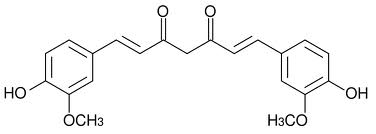
Curcumin diagram
Antioxidants have become a hot topic in combating disease in recent years, and the list of these substances has grown thanks to extensive research which has been conducted and disseminated to the public. A particularly powerful antioxidant is curcumin. Curcumin, an extract which is derived from turmeric, has been used in Asian curries for many centuries and has also been used for treatment of arthritis and other health conditions. Only recently has curcumin received attention from the United States regarding its remarkable benefits as a potent antioxidant.

Perhaps the most exciting potential benefit of curcumin is that it may help to prevent and treat cancer by inhibiting cancer cell growth and the growth of blood vessels which feed into tumors. There is some speculation that curcumin can prevent cancer cells from multiplying and is also capable of causing self-destruction of cancer cells. As if this wasn’t enough, there is a possibility that curcumin may prevent Alzheimer’s Disease by decreasing the accumulation of amyloid which characterizes this disease.

Here is a list of other benefits which curcumin confers:
· Accelerates wound healing
· Acts as a cleanser for the liver
· Regulates metabolism and assists in weight loss
· Reduces LDL cholesterol and raises HDL levels
· Decreases severity of inflammatory skin disorders such as psoriasis
· Acts as a natural painkiller

If these reasons are not enough to compel you to add curcumin supplementation into your meal plans, consider the fact that curcumin reduced the COX-2 enzyme in the body, thus decreasing the pain and swelling of arthritis. In fact, recent studies revealed that curcumin was even more effective than ibuprofen (Motrin, Advil) in its anti-inflammatory effects. One particular study in Italy which was conducted on 50 patients, all of whom had confirmed knee osteoarthritis, found a 58 percent decrease in reported overall pain and stiffness as well as an improvement in physical functioning among the curcumin group versus the control group.
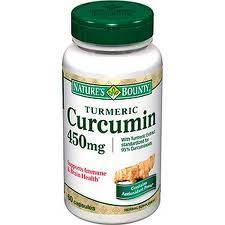
Curcumin bottle
How To Take Curcumin
Some individuals may prefer to ingest curcumin in the form of straight turmeric powder which can be added to meals or tea. However, I prefer to take curcumin in capsule form. If you opt for the capsule version, look for formulations which contain piperine, or black pepper extract. Piperine augments the gastrointestinal absorption of curcumin. Recommended daily dosage is 400 to 600 milligrams per day. For acute flare-ups of arthritis or other musculoskeletal pain, you can double the dosage until the acute phase abates.

Should You Block Cortisol Production?

Originally published on mensphysique.com on Thursday, 01 November 2012

http://www.rxmuscle.com/blogs/the-lab-supplement-school/6894-should-you-block-cortisol-production.html
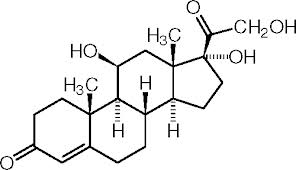
cortisol
Cortisol’s Functions

Cortisol has gotten a bad rap in recent years due to its nickname, the “stress hormone”. What occurs during times of excessive emotional stress? The adrenal glands respond by producing more cortisol in an effort to provide more energy and a higher pain threshold which is in keeping with the “fight-or-flight” response you may be familiar with. Normally, cortisol levels are at their highest in the morning then decrease progressively throughout the day, but if your body is placed under excessive stress, it may produce abnormally high levels of cortisol which disrupt this natural pattern. The resulting elevation in cortisol stimulates the metabolism of carbohydrates and fats and also triggers insulin release. These activities can result in an increased appetite and uncomfortable hunger pains. Blood glucose levels also rise as a result of excessive cortisol release, and if that glucose is not used for energy, it will be stored in the body’s fat reserves, particularly in the fat cells of the abdominal region.

An alarming consequence of excess cortisol release as a result of stress is the damage to the hippocampus and potential memory loss which can occur over time. Several studies have discovered that about one fourth of the hippocampus cells in the brain are lost as we age. Since the hippocampus is responsible for giving feedback to the cerebral cortex in order to prevent production of excess cortisol, such feedback is impaired and could lead to memory loss over time.

However, while it is true that cortisol is responsible for responding to stressful situations, it is also essential for a number of important functions in the body, including regulation of blood pressure, glucose metabolism, immune system support, memory support and regulation of blood sugar. Keeping cortisol release at a balanced and normal range is the key to optimizing its beneficial effects.

Catabolism, Anabolism and Cortisol

Cortisol is a potent catabolic agent and has been shown to cause significant loss of muscle mass in sedentary individuals. When cortisol is released into the bloodstream, it binds to receptors on muscle cells and activates the ATP-dependent ubiquitin/proteasome pathway which causes the body to literally consume its own muscle tissue. It’s a disturbing thought, but the upside is that weight training is effective in counteracting some of cortisol’s direct catabolic actions. The strange paradox is that training both reduces cortisol’s direct catabolic effects and increases the body’s secretion of the substance. Cortisol also slows the body’s anabolic drive by inhibiting the release of testosterone, human growth hormone and insulinlike growth factor 1. Thankfully, weight training once again blocks this anti-anabolic action to some extent, but this block only occurs in the trained muscles.

Another bizarre paradox with cortisol is found with protein absorption. Eating any meal will trigger cortisol release, but proteins are the most potent cortisol releasers. Cortisol release can be blocked by administering alpha-1-blockers before a protein meal, but this will also adversely affect protein absorption. What this boils down to is that cortisol must be released in order to properly assimilate proteins. Keep in mind that protein-induced cortisol release is very brief, while cortisol released as a result of stress persists for a much longer period of time.

Controlling Cortisol Release

A certain level of cortisol secretion is normal. However, if you are interested in controlling excessive cortisol release, you may want to consider taking certain supplements. The most prudent manner in which to do this is to get a blood test beforehand which will determine whether you actually have abnormally high cortisol levels.

GlutamineComplex300L-glutamine: Athletes who supplement with L-glutamine are well aware of its mass building and reparative effects, but L-glutamine also halts cravings for simple carbohydrates, thus aiding in stabilizing blood sugar in individuals who have high cortisol levels.

Theanine: Theanine is naturally found in green tea and has been studied for its calming effects on the nervous system. It works by triggering dopamine and gamma aminobutyric acid (GABA) release, which serve to protect the hippocampus.

L-lysine and L-arginine: Combination oral supplementation of these two amino acids have been proven to reduce anxiety and restore cortisol to basal levels.

B-Complex Vitamins: All of the B vitamins work synergistically in adrenal hormone production, especially vitamin B-6, pantothenic acid and niacin. Not only do they support adrenal hormone production, they also protect against the effects of excess cortisol.

Vitamin C: When the body is placed under stress, free radicals are produced which cause the body to use up vitamin C as a protective mechanism for cells. Since we are unable to produce our own vitamin C, it must be ingested regularly. In fact, vitamin C intake should be increased during stressful times.

Zinc: Stress-related cortisol surges will often trigger sugar cravings which, when indulged, may result in a zinc deficiency due the fact that sugar binds with zinc and is excreted. However, individuals who supplement with zinc and refrain from sugar indulgences benefit from a protective effect which zinc confers. One study in particular, “Zinc Acutely and Temporarily Inhibits Adrenal Cortisol Secretion in Humans” by J. Brandao-Neto et al in the January 1990 issue of the journal “Biological Trace Element Research”, administered zinc to some subjects and placebo to the control group. The group which was given zinc supplementation showed an acute drop in cortisol levels compared with the control group.

Magnesium: Studies by Dr. Hans Selye revealed that when the human body shifts from an acute “fight or flight” reaction to a chronic stress response, the high levels of cortisol and norepinephrine result in magnesium depletion. When the body is deficient in magnesium, one becomes predisposed to panic attacks which lead to more stress and more depletion. Studies have also shown that 80 percent of the American population is deficient in magnesium. By supplementing with magnesium, one can boost serotonin production and provide protection against the harmful effects of excess cortisol.

ZMA: ZMA, which stands for Zinc monomethionine aspartate and Magnesium Aspartate, is a popular sports supplement which is comprised of zinc, magnesium and vitamin B6. The proportion of ingredients usually seen is 20-30 mg zinc, 400-500 mg magnesium and 10 mg of vitamin B6. This supplement meets the body’s magnesium requirement, and the zinc and vitamin B6 allegedly increase strength levels.

Pregnenalone: Pregnenalone is a precursor to progesterone and DHEA. Since progesterone has a protective effect against the effects of estrogen and cortisol, and since DHEA causes cortisol levels to fall, pregnenalone can be an effective supplement in controlling cortisol excess.

Phosphatidylserine: This phospholipid is an essential building block for cells which is extremely effective in reducing cortisol levels in response to physical stress. Phosphatidylserine can also have a positive effect on one’s mood.

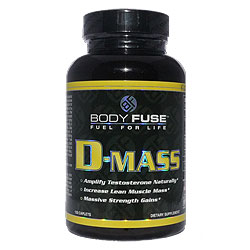
Bodyfuse D-MassTestosterone Boosters: These substances can moderate the release of cortisol in response to exercise.

Growth hormone boosters: These substances also control exercise-induced cortisol release while leaving basal cortisol release unaffected.

Carbohydrate drinks: When a workout is lengthy, blood glucose levels fall, resulting in hypoglycemia which triggers the release of cortisol. Consuming a carbohydrate beverage can prevent this drop in blood glucose while also maintaining insulin at a high level.

To Suppress, Or Not To Suppress…Cortisol, that is:

Many of you are aware that cortisol can simultaneously cause degradation of protein and impair protein synthesis. However, there is a danger in taking supplements to inhibit cortisol release if your basal cortisol levels are already low. When basal cortisol levels are below normal, metabolism is disrupted, blood sugar drops and glycogen stores are diminished. Low cortisol levels also cause blood pressure to plummet along with a decrease in cardiac output. Diminished cortisol also causes hyperactivity in the melanocytes which produce skin pigment, precipitating dark discoloration.

If that isn’t enough, low cortisol results in impaired immune response, weakness and dehydration. When infection, excessive sweating or surgical trauma occur in such an environment, an adrenal crisis can occur. If such a crisis is pronounced, a whole host of symptoms can manifest, a number of which are life threatening. The most severe of these symptoms are loss of consciousness, low blood pressure, seizures, shock and coma.

As stated before, it is a good idea to check your cortisol levels before taking any type of supplement which is designed to control cortisol release.

High Fructose Corn Syrup

Originally published on mensphysique.com on Monday, 01 October 2012

http://www.rxmuscle.com/blogs/the-lab-supplement-school/6661-high-fructose-corn-syrup.html
Corn Syrup
Corn sugar, or high-fructose corn syrup (HFCS) as it is more commonly called, is the most common sweetener which is used in processed foods and beverages. In fact, HFCS comprises more than 40 percent of caloric sweeteners added to foods and beverages and is the sole caloric sweetener in soft drinks in the United States. It is adored by the food industry because it is extremely sweet, incredibly cheap, easy to transport and keeps foods moist. Like its chemical cousin table sugar (sucrose), it has raised eyebrows in the research world and prompted a growing body of studies which examine the manner in which the body processes it. The general consensus is that consumption of large quantities of any type of sugar is closely linked to dental cavities, obesity, malnutrition, and increased triglycerides. One study which was published in Metabolism Journal discovered that individuals who drank a beverage sweetened with HFCS had fructose blood levels five grams higher than those consuming a beverage sweetened with table sugar. This may not seem like much, but when you consider the cumulative effects, HFCS becomes a much more insidious dietary villain.

Fructose and GlucoseLet’s examine the composition of HFCS. This substance contains from 43 to 55 percent fructose with the remainder as glucose. In contrast, sucrose is 50 percent fructose and 50 percent glucose. Both are quite similar except when it comes to chemical bonds. When HFCS is made from cornstarch, the fructose molecules are not bound to other sugar molecules, while with sucrose, every fructose molecule is bound to a glucose molecule. When sucrose is ingested, it must undergo an extra metabolic step before the body can use it. With HFCS, the body reacts to the fructose readily. The problem is that fructose has no effect on glucose levels and insulin release (in other words, it skips glycolysis) and thus will not trigger the release of leptin (the hormone which signals your body to stop eating when it is full) nor create a feeling of satiety. This can lead to a higher caloric intake with a corresponding body weight increase. Basically, HFCS tricks the body into thinking it’s hungry when it may already be full.

Foods Containing Large Levels of HFCS
· Regular soft drinks
· Salad dressings
· Breakfast cereals
· Frozen yogurts
· Canned soups
· Canned fruits (if not in their own juice)
· Jarred and canned pasta sauces
· Bread
· Fruit-flavored yogurts
· Pancake syrups fruit juice and fruit drinks
· Popsicles
· Ketchup and barbecue sauces

Make sure to check ingredient listings, especially with the foods listed above, and try to avoid HFCS whenever possible.