How Menopause Messes With Our Hair

Women who have gone through menopause typically experience striking changes in hair texture, which can quite frankly, be distressing. For those of you who didn’t know about menopausal hair changes, be afraid. Be very afraid. Because your hair texture will morph into something you won’t understand or find very manageable.

My hair before the waves kicked in…

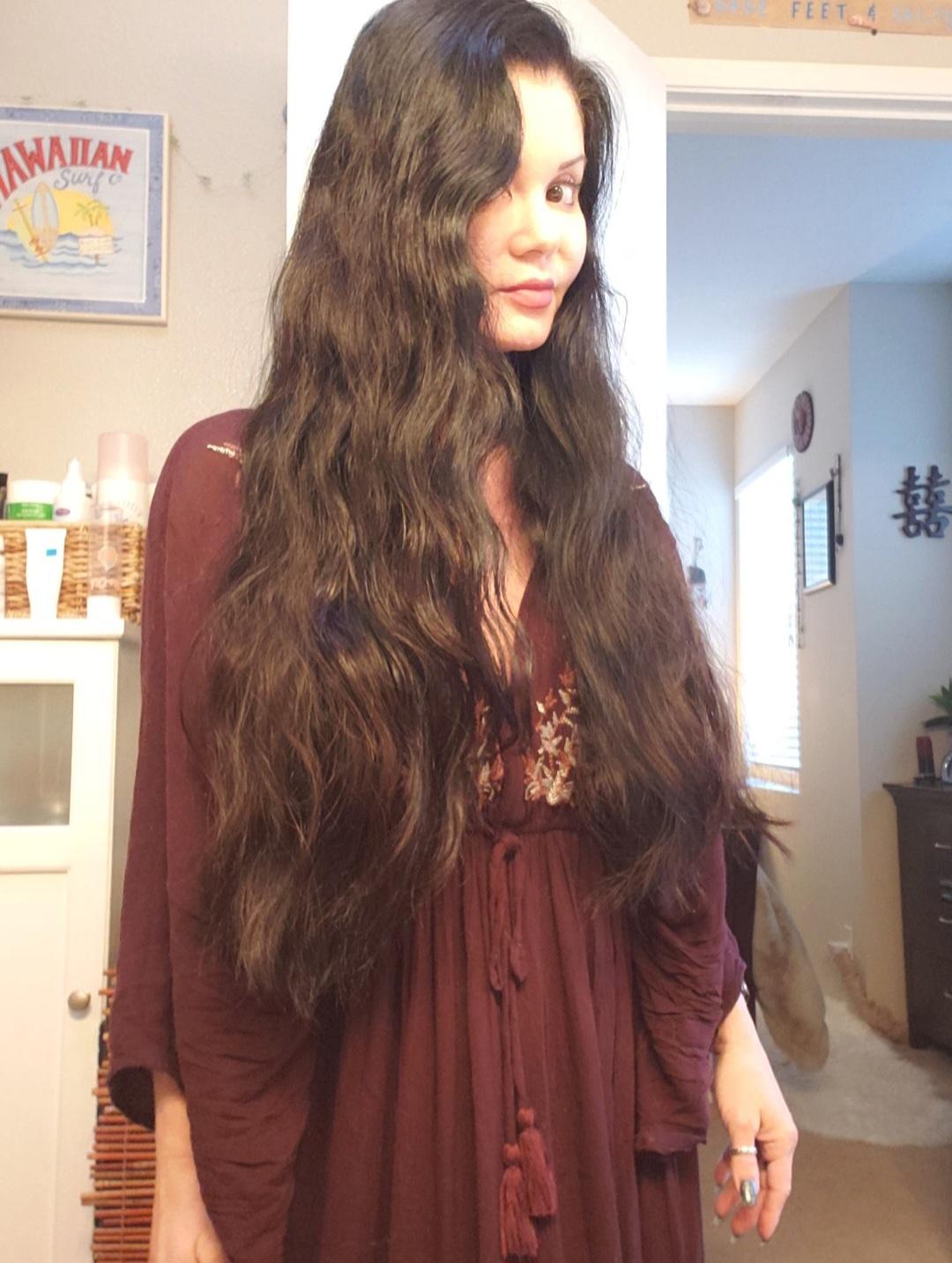
When a woman reaches menopause, hormonal changes can lead to noticeable differences in hair texture, volume, and growth patterns. While hair thinning and loss are commonly discussed, another fascinating change is how hair texture can become curlier or more unruly. On a personal note, my hair went from being almost arrow straight to having a pronounced wave, which makes it look like I had braided my hair and then let the crimps remain after unraveling the braid. I fight this new waviness by flat ironing my hair, because I just can’t stand the look. The waves became intense for a while (see pic below), then settled down a bit once I reached 57.
There are several scientific explanations which help account for the changes in hair texture during menopause:

1. Hormonal Changes and Hair Texture

Estrogen and progesterone, two key hormones that regulate many aspects of a woman’s body, play an important role in hair growth and structure. Before menopause, these hormones help maintain the hair growth cycle, ensuring strong and healthy strands. As estrogen and progesterone levels decline, their regulatory effect diminishes, which can lead to changes in the shape and structure of hair.

At the same time, androgen (male hormone) levels remain relatively stable or increase in comparison, which can influence hair follicles in several ways:

  • Some women experience hair thinning or miniaturization, particularly along the crown.
  • Androgen dominance may alter the activity of sebaceous (oil) glands, affecting hair texture.
  • Hair strands may become drier, more brittle, or coarser.

2. Changes in the Hair Follicle and Muscle Relaxation

One lesser-discussed but compelling explanation involves changes in the follicular muscle layer—specifically, the arrector pili muscle, a tiny muscle attached to each hair follicle. This muscle plays a role in the positioning of the follicle in the scalp.

  • During menopause, the arrector pili muscle may weaken or relax due to hormonal shifts, particularly as estrogen levels drop.
  • When this muscle relaxes, it can cause the hair follicle to shift at a different angle.
  • A change in the follicle’s orientation may lead to hair emerging in a more curved or spiral pattern, making previously straight or wavy hair appear curlier.

3. Structural Changes in the Hair Shaft

The cross-sectional shape of the hair shaft is a major determinant of hair texture. Straight hair typically has a round cross-section, whereas curly hair has a more oval or flattened shape.

  • Hormonal shifts can influence keratin production, the protein that makes up hair.
  • Changes in keratin bonding patterns could contribute to an altered hair structure, making it curlier or frizzier.
  • Hair may also become thinner in diameter, which can enhance the appearance of curls or waves.

4. Aging and Changes in Scalp Health

The scalp itself undergoes changes with age, including:

  • Reduced blood flow to hair follicles, which affects nutrient delivery.
  • Changes in oil production, leading to drier hair that may behave differently.
  • A shift in collagen and elastin levels in the skin, which might indirectly impact follicle positioning and hair texture.

The waves in my hair tend to look more like this, but I have a lot of frizz right after washing my hair. Thank goodness for flat irons!

Conclusion

Menopause brings a variety of changes to hair due to the interplay of hormonal fluctuations, follicular shifts, and changes in scalp and hair fiber structure. While some women may experience thinning, others may find their hair becoming curlier or more textured due to follicle repositioning, muscle relaxation, and shifts in keratin structure. Understanding these changes can help women adjust their hair care routines to maintain healthy, manageable hair during and after menopause.


Why Do Hot Flashes Occur?

Image 123rf.com fizkes

For any of you ladies who have experienced hot flashes, you know how sudden and intense they can be. It’s as if a radiator suddenly turns on in your head, neck or chest, making you miserable. But why do perimenopausal and menopausal women get these things?

Hot flashes are related to fluctuating hormones that happen before, during and after menopause. Research suggests that dropping estrogen can change how the brain perceives temperature. In other words, our internal thermostat (hypothalamus) doesn’t work properly, so when it starts to think your body is too hot, it opens up all the blood vessels on the skin and the sweat glands to cool it off.

Here’s a breakdown of the physiology behind hot flashes:

1. Estrogen Decline and Hypothalamic Dysfunction

Estrogen plays a crucial role in regulating body temperature by influencing the hypothalamus, the brain’s temperature control center. During perimenopause and postmenopause, estrogen levels fluctuate and eventually decline, disrupting normal hypothalamic function.

2. Narrowed Thermoregulatory Zone

The hypothalamus maintains a “thermoneutral zone,” a temperature range in which the body does not need to trigger heat loss (sweating) or heat retention (shivering). In menopausal women, lower estrogen levels lead to a narrowing of this zone, meaning even small changes in core body temperature can trigger an exaggerated heat dissipation response.

3. Activation of the Sympathetic Nervous System

Due to the narrowed thermoregulatory zone, a slight increase in body temperature (which would be tolerated normally) is misinterpreted as excessive heat. This causes the hypothalamus to activate the sympathetic nervous system, leading to:

  • Vasodilation: Blood vessels, especially in the skin of the face, neck, and chest, dilate rapidly to release heat, causing a flushed appearance.
  • Increased Heart Rate: The heart pumps faster as part of the body’s attempt to cool down.
  • Sweating: The body triggers sweat production to dissipate heat through evaporative cooling.

4. Sudden Cooling and Chills

After the hot flash, the body may overcorrect, leading to a rapid decrease in temperature, causing chills or a cold sensation.

There are measures which a woman can take to minimize the chances of getting hot flashes. They include avoiding hot weather, spicy foods, caffeine, alcohol, and stress. But hot flashes can even strike in very cold weather, because the low estrogen levels can make a woman’s thermoregulatory apparatus go haywire. What has worked exceptionally well for me in the past has been the use of table fans on both nightstands in my bedroom and a ceiling fan overhead. Sleeping with a cold gel pack between the shoulder blades is also very effective.

I Can’t Read That!

123rf.com image rawpixel 69392647

Dealing with the loss of ability to see things up close which comes with the aging process, also known as presbyopia, is one of those frustrating realities that sneaks up on you—and it’s even more maddening if you’ve spent years basking in the glory of perfect vision after Lasik. I had Lasik in October 2007, when I was 41 years old, to correct myopia (nearsightedness) and astigmatism. I loved the freedom I had from glasses or contact lenses for about 8 years. Then when I reached full menopause at the age of 49, me reading vision tanked like the Titanic.

I went from feeling invincible, seeing the world in crisp, vivid detail, to suddenly struggling with menus, ingredient labels, and my phone screen. It feels unfair, doesn’t it? At least I was aware of the distinct possibility that presbyopia would indeed set in at some point, and had many years of crisp, perfect vision. The only thing I wasn’t prepared for was how sly the onset of presbyopia was. One day, I was fine, and then the next, I found myself doing the whole “arm stretch” thing just to read my emails or check a text. I also wasn’t prepared for the emotional toll, basically having to admit defeat by having to carry around reading glasses or magnifiers when I had been free of them my entire life. It suddenly was a nuisance to try reading a restaurant menu or a nutrition label in dim lighting. The way I adapted to the need for reading glasses was to place three prescription pairs in specific places: bedroom nightstand, my desk, my handbag.

It’s not just the practical side of things; there’s also a sense of frustration because it feels like a step backward. After Lasik, I became so accustomed to being free from glasses or contacts—it’s this incredible feeling of independence. Then, when presbyopia hit, I had no choice but to get new glasses. It’s almost insulting to the effort and investment I had devoted to my eyes when I had Lasik.

Suddenly having to wear glasses again can mess with your confidence, too. It’s one of those subtle reminders of aging, even if you don’t feel old. Despite the fact that I have had to wear reading glasses for the last ten years, I still find myself frequently ignoring my presbyopic eyes, squinting to read a text on my phone, even if I have a pair of glasses nearby.

The Whisker

Copyright: dtiberio

This post is dedicated to all perimenopausal and postmenopausal ladies who have had to deal with the shock of seeing a large, angry, black rogue whisker poking out of their chins. You know what I’m talking about, that sneaky little bugger that wasn’t there last night when you were washing your face and getting ready for bed, but somehow mysteriously managed to grow about a half an inch overnight, thick and bold and ready to ruin your day? Yeah, that thing.

I’m not new to these witch hairs, as I have had a few sprout on my jawline and chin over the years, but I am never prepared for these atrocious things when they appear without any warning whatsoever. At least if they looked like strange blackheads in the days preceding their eruption, I’d have some kind of warning, but no, they wrangle so much keratin in no time flat, in a declaration of pure defiance. For some reason, I honestly believed that I had moved past the danger zone, but about two months ago, while I was performing a tweezing touch-up of my brows, I witnessed one big whisker on my chin right at border, asserting itself like a little punk, about a centimeter long, robust and black.

Despite the fact that I know full well that these single chin hairs are formed in response to hormonal fluctuations, I will never get over the fact that they grow lightning fast, that they are always black, and that they serve as reminders of how old I am becoming. What also irks me is that I have undergone laser treatments to eradicate these random, rare (thankfully) strands, but they persist in plaguing me.

Thank goodness for tweezers!

5 Ways to Find the Upside of a Midlife Crisis

Photo via Pexels

Are you in a midlife rut? Then this fantastic article written by Camille Johnson of bereaver.com is for you!

You’re not sure what set it off, but you feel like you’re stuck in a midlife crisis. You might be unsatisfied with your job, mourning a dream you never accomplished, or feeling unfulfilled in your relationship. With the help of a trainer like Stacey Naito, you can finally start working towards the goals you previously pushed to the back burner. Furthermore, these tips will help you figure out where to live, how to outfit your home, and which lifestyle changes you should implement.

Move Somewhere New

You might feel like you can’t turn over a new leaf if you continue living in the same city. Maybe you’re looking for opportunities that aren’t available locally, or maybe you’ve trying to get out of a toxic environment. Either way, it may be time to move to a new city. If you plan to buy a home in a different area, you’ll need to research current Pennymac mortgage rates and determine which type of mortgage is right for you. Your lender can help you determine whether you would be qualified for a conventional, FHA, or VA loan.

Focus on Your Health

Perhaps you’ve noticed that you don’t feel as energetic and lively as you once did. You might assume that your mental health is suffering because you’ve reached a turning point in life – but it could be because you’ve been neglecting your physical health. You may want to invest in a few items for a basic home gym, such as an exercise mat, resistance bands, a stability ball, and dumbbells. To enhance your home cooking skills, you could pick up an immersion blender, a vegetable spiralizer, a slow cooker, and meal prep containers.

When you’re buying new products, especially ones that the whole family will use, it’s important to spend your money wisely. Therefore, before you buy anything, make sure to go over product reviews from a few unbiased sources. That way, you can feel confident in your purchases.

Write in a Journal

Writing in a journal can help you decide which steps you want to take next in life. It can be tough to choose a direction, but when you write about your feelings in your journal, you can gain some clarity. PsychCentral states that journaling can help alleviate symptoms of anxiety and depression and even help people process traumatic experiences.

Prioritize Traveling

What if you feel like you need to break out of your routine for a while? You could book a trip to a destination you’ve always wanted to visit! Travel can be a boon for your mental health, and spending some time in an unfamiliar place can help you shake off feelings of stagnation. Everyday Health states that traveling can make you feel more creative, relieve your stress, and even strengthen your relationships with your family and friends back home.

Challenge Yourself

You might be experiencing a midlife crisis because you haven’t achieved some lifelong goals, and you’re wondering if you’re really capable of becoming the person you want to be. Taking on challenges – and overcoming them – can shift your mindset. Whether you want to challenge yourself physically or intellectually, now is the time to do it. From learning a new skill to volunteering in your community, there are lots of ways to challenge yourself and change for the better.

Going through a midlife crisis isn’t easy – but with the right outlook, you can make it to the other side and come out stronger. A midlife crisis can actually mark the start of an exciting new chapter. By following these tips, you can move to a welcoming place, choose the best products for your home, and focus on self-care.


Ready to focus on fitness? Start training with Stacey Naito! Check out our website today to learn more about our training services.

A Great Solution For Hot Flashes

Several months ago, I began using a product called Personal Summer Comfort®, an all natural supplement designed to treat hot flashes in perimenopausal and postmenopausal women.  I went through menopause several years ago, but my thermostat is constantly set on high, and there are times, especially when the mercury climbs outside, when I burn up like the Mojave Desert.  I know you ladies who suffer from hot flashes are well acquainted with that sudden burst of intense heat which is guaranteed to make its sufferer completely miserable.

Personal Summer Comfort® is a high potency formula featuring a combination of herbs which work in tandem to support the nervous system and alleviate those dreaded hot flashes.  Rosemary has proven effects on estrogen balance by its ability to flush the liver of estrogen while also promoting the formation of 2-hydroxy estrogens, supports thyroid function, and  lowers cortisol levels. Sage, oat straw, sarsparilla, spirulina, and kelp, substances which are known for their effectiveness in treating hot flashes and night sweats, are used in this formula as well.

I opted to try Personal Summer Comfort® in the gel-caps, but for women who have trouble swallowing capsules, there is also a liquid formulation.  About a week after I began taking this supplement, I noticed that I was able to sleep at night without fighting a strong urge to throw the covers off my body.  I also noticed that I could comfortably cruise through my day without so much as a warning mini-hot flash.  I have even been able to run a flat iron through my hair on a hot day, a task which was absolute torture before I began taking Personal Summer Comfort®.

I always use myself as a guinea pig for supplements and other products which I endorse, because I have to believe in the product in order to promote it.  Well, I can honestly say that I am a big fan of Personal Summer Comfort®, and I’m thrilled that I can now recommend a product to my menopausal patients and friends which is completely natural, safe and highly effective. 

This is also a great time to start taking Personal Summer Comfort® if you have been suffering from hot flashes, night sweats and irritability.  With summer just around the corner, we ladies need all the help we can get to stay cool and calm!

Check out Personal Summer Comfort® at:

Personal Summer Comfort Homepage

Enter code big20off for 20% off your order.


Treating Low Testosterone In Women With DHEA

123rf.com
Image ID : 60343150
Copyright : Sasin Tipchai

Many women who have low serum levels of testosterone (normal total levels range between 15–70 nanograms per deciliter) are often wrongly convinced by their doctors, loved ones or coworkers that they are suffering from depression or stress. Low testosterone in women commonly causes fatigue, low libido and sleep disturbances, symptoms which are also found in mood disorders. The fact of the matter is, like men, women become deficient in testosterone as they age, and may manifest a whole host of symptoms.

Here are some common symptoms of low testosterone which women may experience:

muscle loss
muscle weakness
weight gain
increase in fat stores
reduced libido
decreased sexual satisfaction
vaginal dryness
low fertility
irregular periods
dry skin
thinning hair
bone loss
development of cardiovascular disease

Image ID : 15314531
Copyright : alphaspirit

While some women will agree to boost their testosterone levels by using testosterone supplements (either injected or in topical form), there are numerous side effects which may emerge from such therapy. These side effects, some of which are irreversible, include hair loss (male-pattern baldness), weight gain, insulin resistance, acne, excess facial hair, hirsutism, deepening of voice, aggression, enlarged clitoris, and smaller breast size. If a woman is concerned about these side effects, she can turn to DHEA, regular exercise, and certain foods to increase testosterone levels.

A significant increase in serum testosterone levels has been consistently demonstrated during the hours following exercise, so a regular exercise regimen will naturally and safely increase testosterone levels in women. There are also numerous foods which boost testosterone levels in the body. They are:
Bananas
Pomegranate
Ginger
Asparagus
Onions
Tuna
Salmon
Oysters
Eggs
Beans
Nuts

Image ID : 86626652
Copyright : annyart

What if exercise and the introduction of testosterone-raising foods isn’t enough for a woman to create normal testosterone levels in the blood? A hormone which is secreted in the bloodstream by the adrenal glands known as dihydroepiandosterone, or DHEA, can be taken as an oral supplement. DHEA is converted in the body into DHEA sulfate, then androstenedione, then ultimately to testosterone and estrogens. DHEA reaches its highest levels in the body in one’s twenties, when undergoes a slow and steady decline (about 10% for each decade of life). Oh the joys of aging, right? Probably the most concerning aspect of DHEA’s decline is the potential development of major diseases such as heart disease and cancer, but another confounding aspect is the decline in the sex hormones, with a corresponding drop in muscle mass, increase in visceral fat, skin changes, and all the other symptoms associated with perimenopause and menopause.

It is widely believed that DHEA is a key hormone which can be administered as an anti-aging treatment for older individuals. One key study followed 30 male and female subjects ranging between 40-70 years of age for six months, during which time they were given 50 mg of DHEA per day for 3 months, then 3 months of placebo, in random order. It only took two weeks for patients taking DHEA to reach the serum DHEA levels of young adults, and after 3 months on DHEA therapy, the majority of subjects reported improved sleep, more energy, and less anxiety. Another study which examined women between the ages of 45-55 found that the subjects who were given 50 mg daily of DHEA had significantly higher testosterone levels than women who were in the placebo group.

If you are a woman considering boosting your blood testosterone levels with DHEA, please make sure to get a full workup and bloodwork from physician who is well-versed in hormone replacement therapy to determine whether you are indeed deficient in testosterone. I always advise starting with DHEA as opposed to testosterone, since the side effect profile of DHEA is much more tolerable than that of testosterone. I also recommend getting your DHEA supplementation compounded with pregnenolone from a well-respected compounding pharmacy for the best purity and quality. You may still experience some side effects from DHEA supplementation, especially at higher doses (in excess of 25 mg daily). These side effects include oily skin and acne, skin thickening, hair loss, stomach upset, headache, insomnia, high blood pressure, changes in menstrual cycle, facial hair in women, deepening of the voice, and fatigue.

REFERENCES
Morales AJ, Nolan JJ, Nelson JC, Yen SS. Effects of replacement dose of dehydroepiandrosterone in men and women of advancing age. J Clin Endocrinol Metab. 1994 Jun;78(6):1360-7.

Cool Your Tatas

123rf.com
Image ID : 29337820
Copyright : avesun

I just heard about an odd, yet very appealing product which is sold by Polar Products, a company which specializes in body cooling and hot and cold therapy. Under the section entitled “Women’s Health”, among all the cooling vests, scarves, etc., are Bra Coolers. These nifty cotton pockets house small cold packs which can be placed on the underside of each breast inside your bra to keep your girls cool. This would be especially delightful for larger chested ladies who often have overhang issues, which can be pretty uncomfortable in hot weather.

I think I need these for my next trip to Thailand!

Click on this link to check it out:

https://www.polarproducts.com/polarshop/pc/Pair-of-Cool58-Bra-Coolers-p258.htm

Sex After 40

By: Dr. Stacey Naito – Physician and IFBB Pro

The Shifting Tide

Those of you about to turn the corner and enter the 40 and over zone may be concerned about the impact that getting older will have on your sex life. You may have questions about whether you must resign yourself to becoming a dried-up old lady, with no fun to be had in the bedroom. Thankfully, the reality is that you can have more fulfilling and enjoyable sex than you had in your 20’s or 30’s.

What’s more, society has gotten wind of the idea that people want to live completely fulfilled lives into their advanced years. It’s true that 40 has become the new 20, and the concept is supported by empowered celebrities like J. Lo proclaiming their eternal youth and sexual vitality without shame. So instead of allowing the aging process to shut you down, it’s time to look forward to a new and more sexually fulfilling chapter in your life.

Why Getting Older Is Great For Your Sex Life

I don’t know about you, but I wouldn’t trade the knowledge and life experience I obtained over my 52 years on the planet to return to my 20’s, because aging has positively impacted every aspect of my life, including what happens behind closed doors. With age comes acceptance of who we are, body flaws and all. Let’s face it, we accumulate stretch marks, cellulite, scars, etc. over time, all of which could send us into a meltdown if we stressed out about them. We have become more comfortable with who we are, which translates to greater body confidence. That body confidence works to our advantage in the bedroom, because we no longer feel uneasy or ashamed of how we look sans clothing. When we are comfortable naked, we can finally relax and enjoy intimate encounters to the fullest.

A woman in her 40’s or 50’s is less likely to take desperate measures to entice her man, such as dressing up in sexy but uncomfortable lingerie, or wearing a pair of high heels guaranteed to aggravate her plantar fasciitis or her bad back. In contrast, it seems there are plenty of women in younger age brackets who follow ridiculous wardrobe guidelines to garner the attention of potential sex partners or followers on social media channels. A woman in her 40’s of beyond doesn’t have the inclination to make a fool out of herself to guarantee a romp in the bedroom. She is older, wiser, and doesn’t have time for such nonsense. She doesn’t feel like she needs to try so hard to win her partner’s favor. Her attitude tends to be more along the lines of, “This is what I got, take it or leave it.” Besides, I am willing to bet that such an attitude is far sexier to a man these days. In addition, most men tend to be more excited about the notion of getting you naked, and once you are in the buff, they aren’t scrutinizing your body for flaws.

Older women are also less selfish in bed, and bolder about declaring what they want. They know their bodies, their likes and dislikes. If single, they are more discerning about how they procure partners, so they are less likely to engage in risky activities which expose them to sexually transmitted diseases. For older women in a relationship, there is a greater likelihood that they have been with the same partner for many years, and have developed a level of intimacy which only comes from a longer term committed relationship. A 40-something woman is usually confident enough to turn to her partner and say, “I really like it when you use your hands on me more”, and not fret about whether her partner will accept her sexual preferences.

Chances are that for older women, there are far fewer household distractions which can impede the natural progression of an afternoon of flirting into a full-blown lovemaking session. Such interludes are pretty much impossible if a baby is crying, or young children are demanding attention. Once children have become old enough to be relatively independent, say from pre-teens on, there may be more opportunities to roll around in the sheets with your partner without any interruptions. That kind of freedom can result in more spontaneous sexual encounters and greater satisfaction.

For those past menopause, Aunt Flo’s monthly visit no longer interferes with any amorous advances. Furthermore, there is no concern about getting pregnant and having an unplanned family addition. It’s incredibly liberating.

Sexual Issues and Aging

Though I have painted a rosy picture of the sex life of older women, there are some issues which can interfere with optimal sexual activity. However, this doesn’t mean that all women over 40 will experience sexual dysfunction. As geriatric psychiatrist and Caring.com senior editor Ken Robbins states, “Impaired sexuality and sexual function aren’t normal consequences of aging.” (https://www.caring.com/articles/sexless-after-40).

Women can experience symptoms of perimenopause as early as 35, and the diminishing estrogen and progesterone levels can result in vaginal dryness and thinning of the vaginal mucosa, both of which can make intercourse painful. If this occurs, make sure to obtain a pelvic exam with a physician who can diagnose and treat the condition. In many cases, a lubricant is sufficient, but hormone replacement therapy may be offered as an option as well.

Some women may experience a decrease in sexual desire as they age, but many others experience a surge in libido from the increased testosterone to estrogen ratio, which increases as estrogen levels continue to diminish. The sexual benefits of testosterone are also enhanced by regular weight training, which naturally boosts testosterone levels in the body. However, the ebb and flow of sexual desire often fluctuates more in women over the age of 40, a result of associated dips and surges in hormonal levels. In addition, the hot flashes, night sweats, and mood swings associated with plummeting progesterone levels don’t exactly make a woman feel amorous.

If you are a woman over 40 who is experiencing symptoms of perimenopause, such as hot flashes, and they are frequent enough to disrupt your daily life, seek the advice of a physician. During your visit, you may ask if the addition of hormonal support supplements like maca or dihydroepiandrosterone (DHEA) would be helpful in decreasing the symptoms you are experiencing.
Most importantly, reduce stress in your daily life, get plenty of rest, and communicate with your partner about any sexual concerns you may have.

Macafem Video Review on YouTube

Please check out my review of Macafem which was shot in 2015. Macafem is a supplement designed to address the symptoms of perimenopause and menopause (hot flashes, night sweats, mood swings, etc.). I have not been approached, paid, or otherwise encouraged by the makers of Macafem to put a review together. This video is merely my unbiased review of the product from my personal experience taking it.

I am still taking Macafem, and my symptoms of night sweats and hot flashes have pretty much subsided. I also lost all the water weight I was carrying while I went through menopause.