My Just Float Experience

What is Floating – Just Float, The World’s Largest Float Therapy Center

Yesterday I had a pretty remarkable experience, floating for an hour in a room devoid of light and external noise. The 1,000 pounds of Epsom salt which saturated the pleasant, tepid water caused my body to float effortlessly. Since I meditate daily, I welcomed the release that came with being untethered by my senses, gently hovering in a state of incredible relaxation.

For those of you who are wondering what the process is, you shower before entering the chamber to remove oils, lotions and pollutants from your skin and hair. Then you step into the tub which is softly illuminated. Once you lie in the water and adjust to your body’s buoyancy, you can turn off the lights and allow the soothing music to lull you into a state of stillness. The music fades away, leaving your breathing as the only steady sound.

At the end of your session, the music and lights slowly return. You exit the tub and rinse off the salty water.

Forty dollars (intro price) and an hour later, I definitely think the experience was well worth it.

If you are in the Los Angeles area, and you would like to try floating, please click on this link: http://justfloat.com/

There’s Always Time To Breathe

breathing

As I was speaking with one of my patients earlier today, I was struck by the fact that she said she had no time to do anything, and that her work schedule was so stacked that she felt like she was unraveling. I suggested that she take a moment at some point in her day to just sit still and BREATHE, without any task or agenda. Her reply? “Oh, I don’t even have time for that!”

It seemed unreasonable to me that this woman wouldn’t even take a few SECONDS for herself just to breathe, take momentary break from the maddening rush of her life, and just be in the moment. It’s not that people can’t stop and breathe, they WON’T, because they have been led to believe that remaining on the hamster wheel of life all the time is a necessary sacrifice for all the success they hope to achieve. The sad truth is that those brief moments of stillness enable the spirit to reset and restore balance to mind and body as well.

If you are like my patient, you are doing yourself a major disservice by constantly moving and not allowing yourself to rest, even for a few seconds. Even the most creative and driven people in the world find time to enjoy their surroundings, pause in the midst of chaos, and realign with themselves. All you will do if you insist on going full guns all the time, without a moment to rest, is burn out your adrenal glands, damage your immune system, and set the tone for depression and anxiety.

For only a few seconds a day, you can enjoy the gift of being in the moment. What’s even better is that you can indulge in such moments throughout the day, between projects, meetings and chores. You can even do it upon waking, right before you start the ignition in your car, while standing in line at the grocery store, or just about anywhere.

The Magic Of Meditation

meditation-cognitive-bias

Meditation is something I have engaged in regularly for over ten years, but my practice had dwindled in the past two years to a session every few months. This was partially due to the fact that the death of my meditation teacher had rattled me so deeply that I was unable to sit in a meditation without being distracted at some point by my own grief.

It took a major life event from early April to wake me up and make me realize that by neglecting my meditation practice, I had made my spirit weary and unbalanced, Since the cadence of my life had changed rather dramatically and suddenly, I decided that adopting regular habits like meditating would be good for me. I have been able to carve out time in my schedule to meditate daily over the last few weeks, and the effects have been profound and positive. On some days, I only have a few minutes to set up my zafu (meditation cushion), light incense and the candles on my meditation altar, and sit in the moment for mindfulness meditation, but I still make sure I meditate before crawling in bed each night. I am not joking when I say I think more clearly, feel more calm, and experience less anxiety after meditating daily over the last few weeks. I now look at my daily meditation sessions as important daily workouts for my mind and spirit. I swear that even my gym workouts are better as a result of meditation, because I am more focused and calm during gym time than I used to be. Things which used to irritate me sort of glide off me now.

Regular meditation has made a tremendous difference in my general demeanor and my outlook on life, and now I honestly look forward to my sessions. I strongly encourage everyone to meditate regularly, especially anyone who feels beaten down by life or who deals with constant stress. Meditation provides an excellent outlet for stress, and can lessen symptoms of depression, reduce blood pressure and boost immunity.

Before you say that there’s no time to meditate, I am willing to bet you that there are a few minutes each day you can spare to nurture your spirit. You can either take a few minutes first thing in the morning to sit and meditate, or do it right before you go to sleep. If you feel intimidated by the idea of sitting on a meditation cushion, you can simply sit on the floor comfortably, close your eyes, and focus on your breathing. Each time you inhale, allow your chest to expand, and pull your shoulders back. When you exhale, imagine pushing away all of the stress of the day, out of your body, and into the air. Keep breathing slowly and deeply with your eyes closed, and try to empty your mind of any random thoughts or feelings which may come up.

For a more detailed description of a great breathing meditation, read on. The original link can be found here: http://www.mindful.org/a-five-minute-breathing-meditation/

A 5-Minute Breathing Meditation To Cultivate Mindfulness

Reduce stress, anxiety, and negative emotions, cool yourself down when your temper flares, and sharpen your concentration skills.

By Greater Good Science Center | February 26, 2016

How do you cultivate mindfulness? One way is to meditate. A basic method is to focus your attention on your own breathing—a practice simply called “mindful breathing.” After setting aside time to practice mindful breathing, you’ll find it easier to focus attention on your breath in your daily life—an important skill to help you deal with stress, anxiety, and negative emotions, cool yourself down when your temper flares, and sharpen your ability to concentrate.

Time required:

15 minutes daily for at least a week (though evidence suggests that mindfulness increases the more you practice it).

How to do it

The most basic way to do mindful breathing is simply to focus your attention on your breath, the inhale and exhale. You can do this while standing, but ideally you’ll be sitting or even lying in a comfortable position. Your eyes may be open or closed, but you may find it easier to maintain your focus if you close your eyes. It can help to set aside a designated time for this exercise, but it can also help to practice it when you’re feeling particularly stressed or anxious. Experts believe a regular practice of mindful breathing can make it easier to do it in difficult situations.

Sometimes, especially when trying to calm yourself in a stressful moment, it might help to start by taking an exaggerated breath: a deep inhale through your nostrils (3 seconds), hold your breath (2 seconds), and a long exhale through your mouth (4 seconds). Otherwise, simply observe each breath without trying to adjust it; it may help to focus on the rise and fall of your chest or the sensation through your nostrils. As you do so, you may find that your mind wanders, distracted by thoughts or bodily sensations. That’s OK. Just notice that this is happening and gently bring your attention back to your breath.

Find a relaxed, comfortable position. You could be seated on a chair or on the floor on a cushion. Keep your back upright, but not too tight. Hands resting wherever they’re comfortable. Tongue on the roof of your mouth or wherever it’s comfortable.

Notice and relax your body. Try to notice the shape of your body, its weight. Let yourself relax and become curious about your body seated here—the sensations it experiences, the touch, the connection with the floor or the chair. Relax any areas of tightness or tension. Just breathe.

Tune into your breath. Feel the natural flow of breath—in, out. You don’t need to do anything to your breath. Not long, not short, just natural. Notice where you feel your breath in your body. It might be in your abdomen. It may be in your chest or throat or in your nostrils. See if you can feel the sensations of breath, one breath at a time. When one breath ends, the next breath begins.
Be kind to your wandering mind. Now as you do this, you might notice that your mind may start to wander. You may start thinking about other things. If this happens, it is not a problem. It’s very natural. Just notice that your mind has wandered. You can say “thinking” or “wandering” in your head softly. And then gently redirect your attention right back to the breathing.
Stay here for five to seven minutes. Notice your breath, in silence. From time to time, you’ll get lost in thought, then return to your breath.
Check in before you check out. After a few minutes, once again notice your body, your whole body, seated here. Let yourself relax even more deeply and then offer yourself some appreciation for doing this practice today.

One of the most beautiful things about meditation is that you can be fully in the moment, without holding onto the trappings of your day. Work obligations, chores, errands, and any other mundane distraction can wait. It’s a wonderful escape from the physical world and the ultimate way to attain balance and peace. Plus it’s free!


Different Types Of Buddhas

Check out this link: http://feng-shui.lovetoknow.com/Buddha_Statues_for_the_Home_and_Garden

buddha-toothrelic(1)I have copied and pasted the information on the different types of Buddhas which is presented in the article from the link above. There are suggestions on where to put each type of Buddha in your home, based on Feng Shui principles.

Meditating Buddha
This statue style most commonly found in Buddhist altars in the home. These statues typically render Buddha in a sitting position with both hands in a meditative position called “Cosmic Mudra. The hands overlap each other. The left hand is placed on top of the right one so the thumb tips touch to form an oval, symbolizing the turning of one’s attention inward.

The statue should face the east direction since the Buddha meditated on the sun rising in his search for enlightenment.

Rubbing his belly will bring greater good luck and fortune.

Laughing Buddha
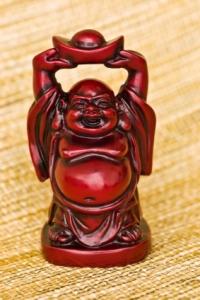
In western culture, the laughing Buddha is probably the most widely recognizable and used. It’s also known as the good luck, prosperity or abundance Buddha. It depicts Buddha in his later years as happy and with a large belly from an abundant lifetime. He’ll either be in a sitting position or standing with his hands over his head supporting a real or imaginary Ru-Yi pot (vessel or bowl of plenty).

This statue is affectionately dubbed Happy. It’s tradition to rub his belly to ensure even greater luck is bestowed upon you. Place this statue in your personal wealth corner or southeast sector of your home. It’s great for an office on the north wall facing those who enter.
102123-200x300-Laughing_Buddha
Other variations include:

Laughing Buddha with children at his feet: Place in west sector (descendants) of garden facing your home. Also use in same sector inside your home.
Traveling Buddha: A variation of the laughing Buddha as a monk features a cotton-sack over one shoulder or tied to a stick. He holds a wealth ball in his other hand. It is an excellent choice if you travel for work. Place in your office in north sector.
Spiritual Journey Buddha: This is another version of the Traveling Buddha. He carries a gourd (wu-lou) of enlightenment suspended from a stick while holding a fan in his other hand and wears a prayer bead necklace. Place in northeast sector (education) or southwest (love and relationships).
Blessing Buddha
The Blessing pose depicts Buddha bestowing fearlessness (upper hand gesture) and compassion (lower hand). Good areas inside the home for this statue include the office and den. You can apply this as a cure for any area inside or outside your home that suffers from weak or afflicted chi due to flying star placement.

Teaching Buddha
Known as Dharma Chakra Buddha, the Teaching Buddha statue is in a sitting or standing position. The most popular is the sitting pose, since this is the position the Buddha assumed when teaching. This is an important period in the Buddha’s life. It symbolizes his sharing of the knowledge he’d gained after his enlightenment in the deer park, Sarnath, located in Uttar Pradesh, India with his disciples.

Since the Buddha’s teachings came from his heart, the both hands are in front of his chest. The index fingers and thumbs touch to form a circle, representing his teaching of the Wheel of Dharma (union of wisdom and method). The other three fingers of both hands always remain extended.

This is an excellent choice for the northeast (education) sector of both inside your home or office and your garden.

Some statues depict the thumb touching the ring finger instead of the forefinger. This changes the meaning to one of good fortune. This style can be placed in the north sector (career) or southeast sector (wealth).

Long Life Buddha
This Buddha sits with the bag of blessings by his side or may hold the bag in his lap. In one hand, he cradles a wealth ball raised in front of him and a Ru-Yi pot in his other hand. Place in your home or garden in the east (health), west (children, descendants) or southeast (wealth) sector. You can also place it in your office in these directions.

Happy Home Buddha
The seated Happy Home Buddha holds a parasol over his shoulder. Place inside and outside your home in the southwest sector (relationships).

Earth Buddha
Also known as the Calling Earth to Witness, the Earth Buddha sits on the ground with his right hand extended so his fingers point to the earth beneath him. This statue honors the time when Buddha was repeatedly tempted by the demon, Mara, but resisted and finally reached enlightenment.

You can place this statue in any sector inside or outside your home that you’re being tempted to reject. If you’re having difficulty in a relationship, place it in the southwest sector to bolster your resolve and commitment. If you’re becoming complacent at work, put this in the north sector (career) to strengthen your dedication to your job.

Reclining Buddha
Buddha awaits his transition from this life to death, viewed as a mere transition into a different state of being. if you’re in a transition period, this is a good choice for inside your home or in a garden.

Place in the sector that represents the area of your transition. For example, place in north sector of home or office if changing jobs. If a relationship has ended, place in southwest sector. If you’re a new empty nester, place statue in west sector to ease this life-changing transition.

gold-buddha-altar

Cat Naps

Ever since my dear friend and meditation teacher Rob died, I have been more aware of little moments I can capture during the course of a typical day which can also serve as brief meditation sessions. One thing I have gotten into the habit of lately is pausing before I stretch and get out of bed, allowing myself to enjoy a moment of stillness. I spend a couple of minutes observing my breathing, how energy flows through me, and how the room feels, looks and sounds. It’s a welcome change from the rushed manner in which I used to hit the ground running as soon as I woke up.

Kazu and Tenshi, my dogs trapped in cats' bodies

Kazu and Tenshi, my dogs trapped in cats’ bodies


My rescue kitty and nap buddy Shima

My rescue kitty and nap buddy Shima

The most fulfilling and endearing moments I have allowed myself to indulge in are the ones I spend with my cats. Two of my cats are very doglike and love everyone, while the third cat is extremely attached to me. All three are sweet and tend to demand a lot of my attention when I am home, but I often keep my interaction with them to a minimum because I am in the midst of a pile of work and usually typing or running around the house doing chores. Like faithful dogs, my cats will often follow me from room to room, looking up at me expectantly, purring away and doling out unconditional love.

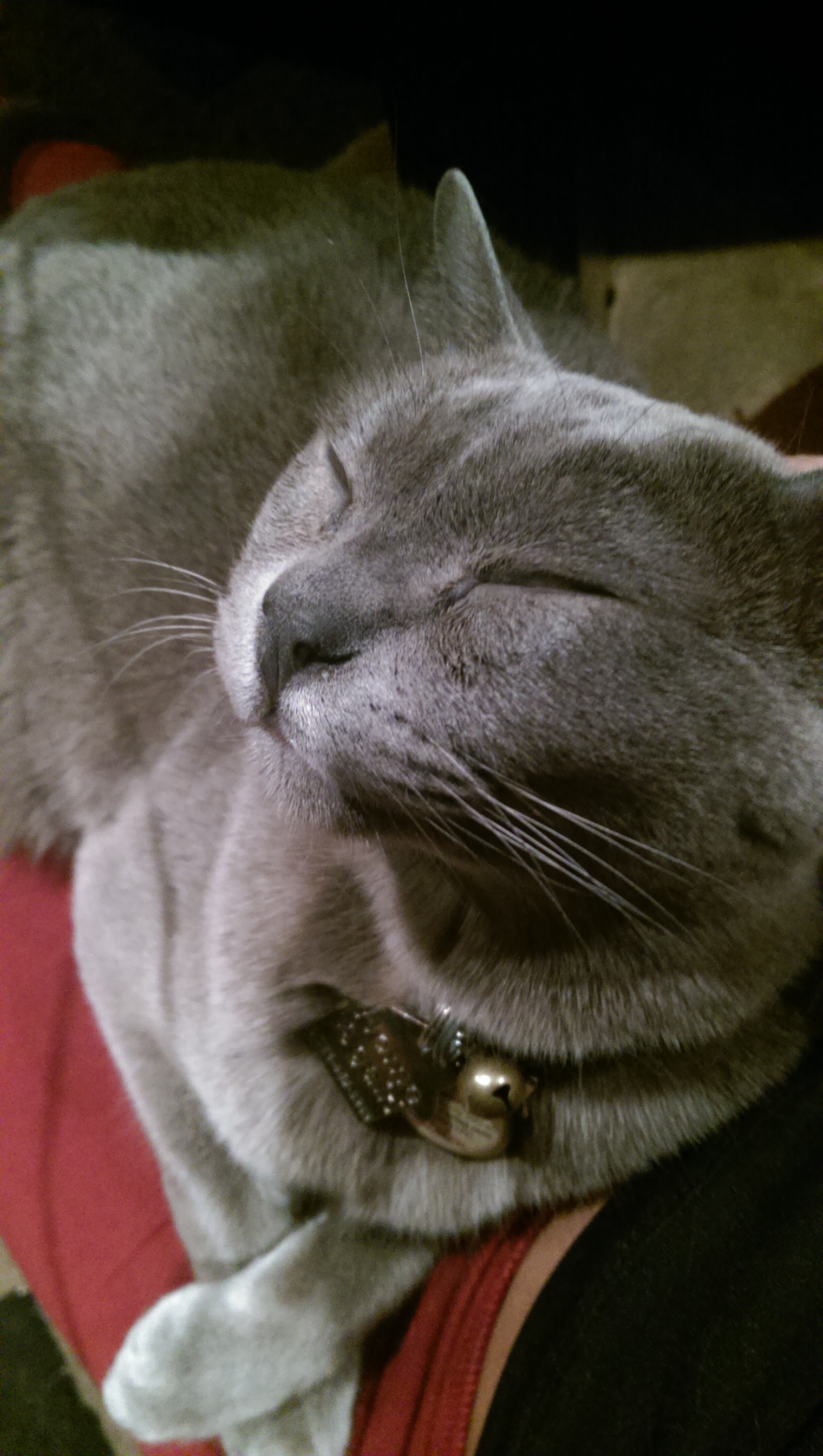
I have made a concerted effort lately to greet my cats with pets and kisses in the morning while they are sprawled out on my bed. When I come home, I will often lie on the floor, bed, or sofa with them, taking a few moments to just be with them. My shy rescue cat, Shima, will frequently lie on my chest while I pet her, and if we are both very relaxed, we will take a nap together in this position. Every once in a while, a feeling of guilt will wash over me, even though I know I will most likely finish all the items on my to-do list for the day. But this feeling passes quickly, and I remember how important the bonding process with pets is. Even as I write this I have all three cats in the living room with me, with my boy lying alongside my left leg.

My blue male Burmese, Tenshi, is very much a dude and exhibits alpha type behavior with the other two (female) cats. But he also loves to be hugged and squeezed, will push his face into my hands and actually likes having his muzzle grabbed and scratched and his belly softly rubbed while he is on his back. He is also a lap kitty and will often snuggle with me while I write away. My female European Burmese, Kazu, will sometimes take up residence on my lap, and at other times, will rest her head on her favorite pillow just like a human would, and will watch me work. Kazu is also the cat who plays fetch, greets me at the door most faithfully, and purrs if I merely look at her. Basically, my cats make it very easy for me to steal moments of presence and joy with them. I just wasn’t paying enough attention to their signals before Rob died.
IMAG0722

IMAG0349
If you have pets and you find yourself ignoring them because of your workload, do yourself and them a favor by pausing each day to bond with them. I am not talking about a couple of quick pets, I am referring to a true connection in which your animal senses that you are fully interacting and remaining in the moment. There have been particularly hectic times in which I became so incredibly busy that my cats got nothing more than a perfunctory tickle under the chin or an ear scratch, but considering how highly socialized two of them are and how needy my rescue cat is, I definitely neglected them somewhat during those times. It doesn’t seem fair to them, especially considering the fact that they greet me at the door, hang out with me in whatever room I am in, and sleep by my side at night. Who knows? Maybe if I had a daily nap with Shima atop my chest, all my stress would easily melt away.

Being Neutral

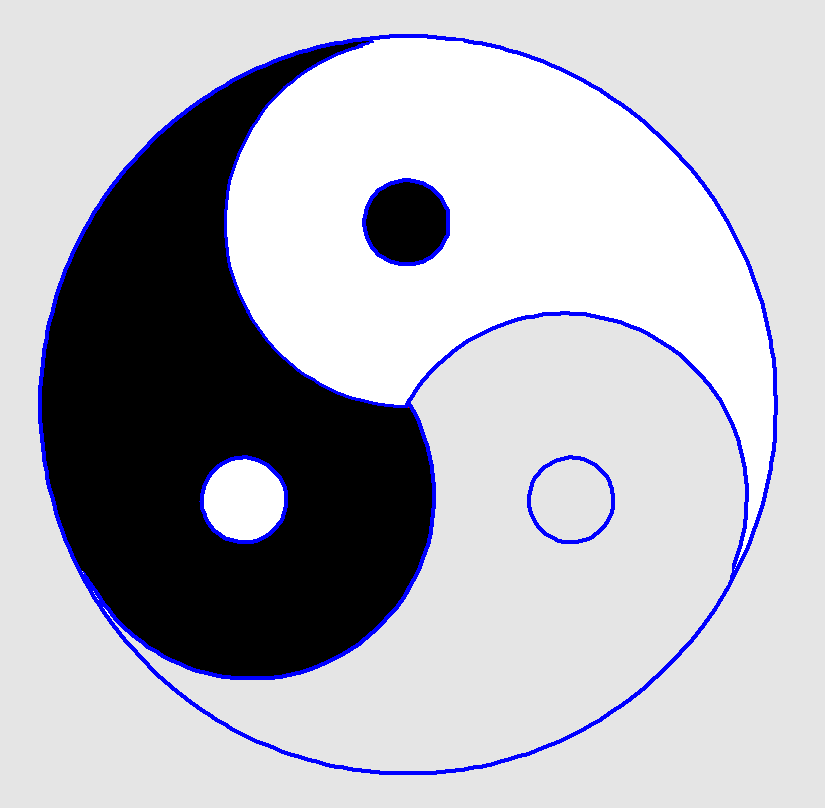
Dark Light NeutralThe most evolved people I know have an ability to approach emotionally charged situations with neutrality. Neutrality requires our complete awareness, so it is different from apathy, which causes a disengagement from awareness and attention. True neutrality prevents us from engaging in vicious cycles of emotional engagement and repulsion which are so common in strained personal relationships. It takes emotion out of the equation.

However, it can be exceedingly difficult to be neutral, especially when dealing with individuals and situations which rapidly ignite a response or reaction from us. Though I try repeatedly to hold myself back, I find myself reacting to certain individuals in my life who have a very strong emotional pull on me. Counting to ten, breathing, and walking away from situations are tactics which can work in the short term to keep us from reacting, but the challenge to remain neutral is constant for many people including me.

I know that the best way to approach people who push buttons is to have compassion and to come from that neutral place, but at the core, we are only human and that tendency to react rears its sometimes ugly head to remind us of that fact. I recently found myself in a situation in which I was beginning to get very upset, so I sat and meditated for a few minutes, holding the energy and trying my best to stay neutral. Yet the very next day I was flailing wildly with my emotions, distraught, hurt, allowing myself to react and throwing neutrality completely out the window. I felt the reactive energy in my chest, like I had been physically hit there. I was actually choking on it and having difficulty breathing. The more I expressed it, the more ill I felt. The next day, I was forced to deal with the aftermath of my emotional pain, my chest full and achy, as if my heart was literally breaking. I am sure many of you have experienced physical manifestations of emotions. Though there is still some resistance, the medical community has become increasingly more aware of the connection of the mind and body when dealing with depression, anxiety, grief, anger and any other emotion which may be troubling.

Two of the most effective ways to learn neutrality are to meditate or to practice breathing techniques to increase awareness of the energy around you. I have personally noticed that when I meditate more regularly, I am much calmer and find it easy to come from a neutral place when dealing with situations which would normally get me all riled up. When I come from a neutral place, misunderstandings and arguments are defused. I have to remind myself frequently to come from a neutral place, and I recognize that this is not an easy process. By forcing myself to sit with my own energy, I am better able to transform it. If a situation is truly unsolvable, I have learned to walk away from it instead of trying to fix it. Otherwise, it’s like running into a wall repeatedly.

Try to come from a neutral place the next time you feel your anger or frustration welling up inside you. Your spirit will grow and you will end up much happier.

What Are Chakras?

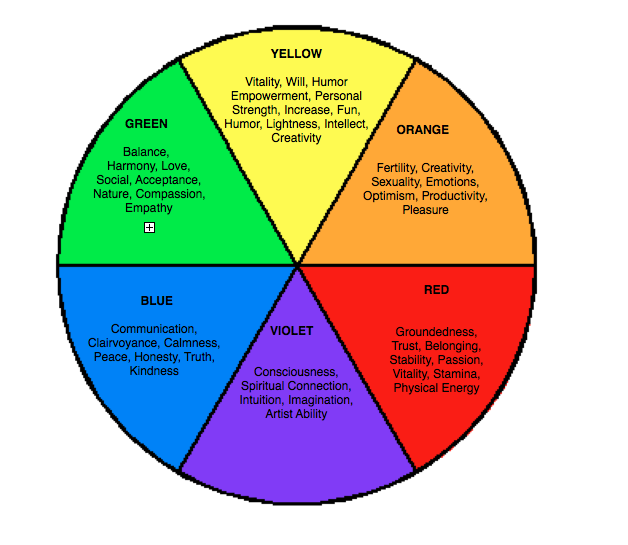
Chakra ChainWhile many of you may know have heard of chakras, many of you may not know what they refer to. Basically, chakras are energy centers which are located in our bodies and which often serve as focus points during yoga and meditation. It is strongly believed that blocked energy in these centers results in illness, so those who practice yoga and meditation seek a free flow of energy through the chakras to prevent illness and promote well-being and a connection to the energy of the Universe. There are seven main chakras, listed below.

The-Chakra-Wheel
1. Root Chakra – This chakra keeps us rooted to the earth and represents our foundation.
Location: Base of spine in tailbone.
Emotional issues: Financial security, food.

2. Sacral Chakra – This chakra represents our sense of connection to others.
Location: Lower abdomen, about 2 inches below the navel and 2 inches deep.
Emotional issues: Abundance, well-being, pleasure, sexuality.

3. Solar Plexus Chakra – This chakra represents our sense of self.
Location: Upper abdomen near stomach.
Emotional issues: Self-worth, self-confidence, self-esteem.
More on Solar Plexus Chakra healing

4. Heart Chakra – This represents our interpersonal relationships with loved ones and our ability to love.
Location: Chest near the heart.
Emotional issues: Love, joy, inner peace.

5. Throat Chakra – This chakra represents our ability to communicate.
Location: Throat.
Emotional issues: Communication, self-expression, the truth.

6. Third Eye Chakra – This chakra represents our intuition and wisdom.
Location: Forehead between the eyes.
Emotional issues: Imagination, vision, ability to think and make decisions.

7. Crown Chakra – The highest Chakra represents our ability to be fully connected spiritually.
Location: The very top of the head.
Emotional issues: Enlightenment, our connection to spirituality, pure bliss.