Originally published on RxGirl on Friday, 04 January 2013. The original post was published with white text on white background, so the only way to read it on the site is to highlight the text. To make things easier for everyone, I have copied and pasted the article here for you to read.
http://www.rxmuscle.com/rx-girl-articles/7293-help-my-face-is-falling.html
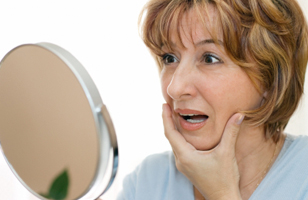
An inevitable consequence of the aging process is the loss of elasticity in the skin that we often take for granted when we are young. This loss of firmness is amplified by competition diets and training which can trim storage fat stores to the point that female competitors’ faces look positively skeletal. My eye is trained to scan a person’s face for areas of lipoatrophy, elastosis, rhytids, shifting of malar fat pads, etc….in other words, sunken, sagging, drooping, wrinkled skin. The degree of elastic breakdown and loss of soft tissue fullness that I see in an average fifty year old is something I commonly see in many female competitors as young as their late 20’s. This process only gets worse over time unless the competitor is willing to do something to prevent progression.
What can a competitor do once her skin has started this dreaded sagging process?
There are laser treatments available which help to resurface and refine the skin and which can also tighten the skin somewhat. However, these treatments are often too expensive for competitors, especially when considering all the costs associated with competing. Another viable and cost-effective solution to the issue of loosening skin is a chemical peel. There are many different types of chemical peels available, ranging from very light glycolic acid peels to an aggressive TCA (trichloroacetic acid) peel. One composite peel (phenol, TCA, salicylic acid and Retin-A) which is my personal favorite is the Vi-Peel which is well tolerated, painless, and confers a good tightening effect on the skin.
Another wonderful option to correct the loss of volume in the face and add structural support is fillers. There are a number of hyaluronic acid based fillers available now (Restylane, Perlane, Juvederm, Belotero) which last 6 months to a year. Radiesse is another natural filler option which is comprised of calcium hydroxylapatite. Radiesse also acts as a biostimulator, stimulating cells in the skin to produce collagen over time. Another wonderful feature of Radiesse is the fact that it lasts 18 months or more.
If you have wrinkles in the forehead and around the eyes, Botox and Dysport are excellent treatments and will last for 3 to 6 months.
If you are in the Los Angeles area, I offer filler and Vi-Peel treatments. Please go to my medical website for more information: http://www.staceynaito.com
 dr. stacey naito's blog