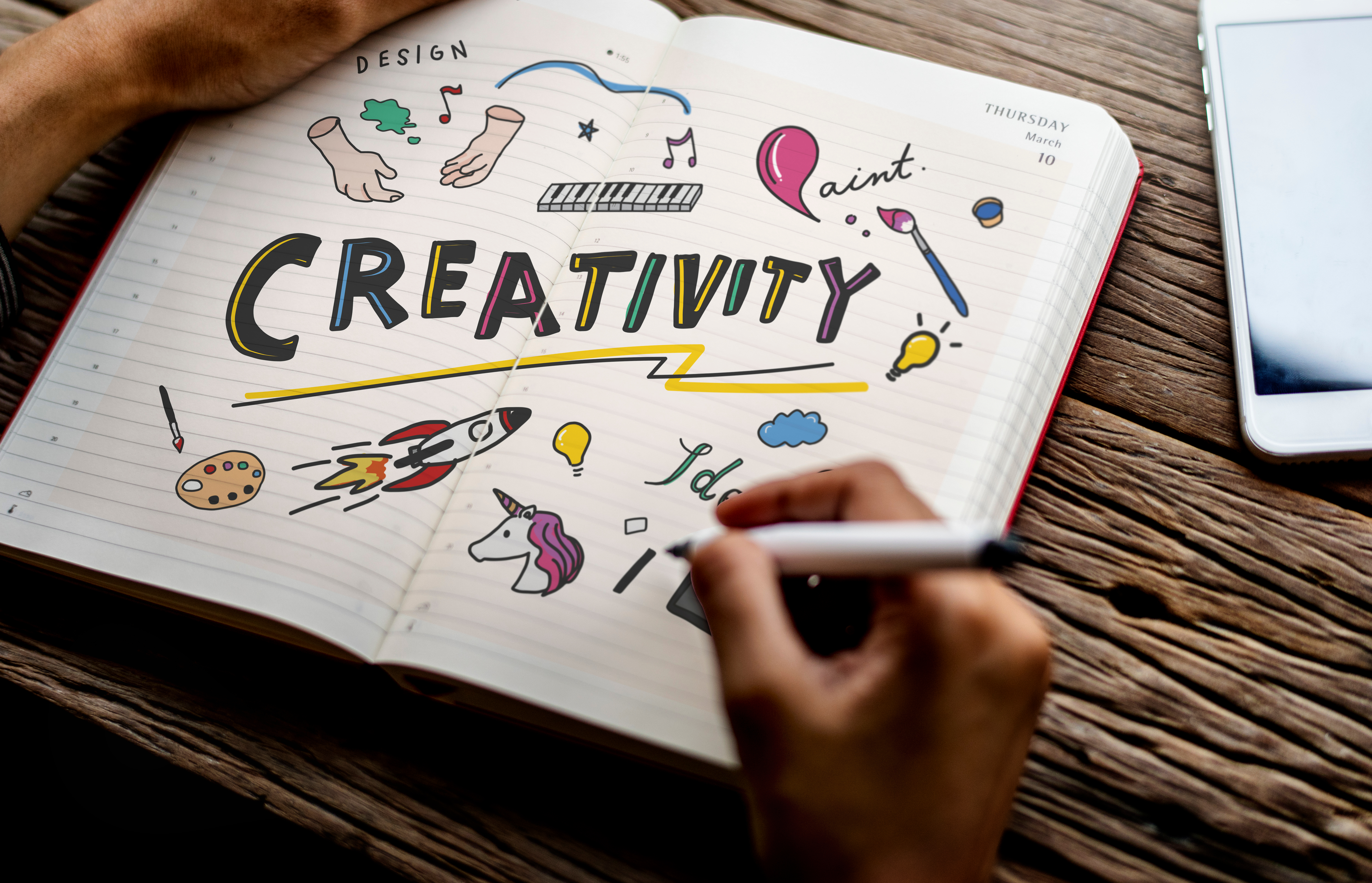
Making Stress Manageable: How Creative Work Quietly Changes Everything

rawpixel image, 123rf.com
Image ID111779031

I hope you all enjoy reading this wonderful article, written by Julia Merrill of befriendyourdoc.org! It’s all about keeping those creative juices flowing and dampening stress.

There’s a kind of pressure no app fixes—mental static that clings to your thoughts, your sleep, your body. You carry it until it becomes background noise. But creativity can cut through that. Not as escape, but as reset. Drawing, dancing, scribbling a thought—these aren’t luxuries. They’re ways your brain reclaims rhythm. You don’t need to be good. You just need to begin. Creative work interrupts stress. That’s where everything starts to shift.

Creativity quiets mental noise

There’s something remarkable about what happens when your brain turns toward a tactile, expressive task. Paintbrush to paper. Fingers to clay. Even organizing a shelf with intention. These acts redirect your attention away from loops of rumination into a space of sensory input and focused decision-making. Creative activities ease emotional overwhelm by helping the brain regulate its own threat response system. In other words, your mind stops screaming and starts listening. This isn’t a distraction. It’s a biological rebalancing—an internal volume knob finally turning down.

Routine creativity builds resilience

When creative work stops being occasional and starts becoming habitual, it stops functioning as a band-aid and starts acting like armor. That doesn’t mean routine kills the spark. It means the spark has a place to land. Daily journaling, weekly collage-making, or recording your dreams each morning—these routines gently wire the brain to process, not suppress. Repetition turns expression into integration. And that’s where regular creativity strengthens emotional resilience. It trains the body to trust itself. Over time, that’s the difference between managing stress and becoming it.

When study supports the practice

Understanding why creativity works can deepen your relationship to it. Learning the mechanics of cognitive load, stress responses, or emotional regulation through psychology doesn’t make creativity clinical—it makes it sustainable. Formal study helps you notice patterns, name blocks, and recognize when you’re shifting states. For some, exploring online learning and psychology degrees becomes a tool for understanding not only their own minds but also the behaviors they witness in others. It’s not about credentials—it’s about access to frameworks that clarify what’s happening beneath the surface. And with that clarity comes choice. The kind that helps you move differently in moments of pressure.

Hobbies as emotional outlets

You don’t need a masterpiece to feel better. You need a release valve. That’s where simple hobbies come in. When you take time to sketch a flower, stitch a pattern, or write a few unedited sentences, you’re doing more than making art—you’re giving shape to what doesn’t have language yet. Stress lives in the body, and the body is trying to tell you something. The act of using creative hobbies to offer mindful emotional outlet allows expression and processing before the pressure converts to tension or collapse. The emotional load lightens because it’s no longer stuck. You moved it.

Structured play resets mood

It helps to have structure when you’re rebuilding your sense of ease. That might mean taking a community ceramics class, joining a songwriting group, or learning photography basics online. It doesn’t need to be expensive or public—just rhythmic. Consistency changes how you metabolize stress. Not because you’re “productive,” but because repetition builds neural reliability. One way people access this rhythm is by engaging in creative expression to release tension, which nudges the brain out of survival mode and into flow. You can’t force your mind to relax—but you can make it feel safe enough to try.

Shared art builds connection

Solitude has its place. But there’s also something restorative about making things around others—especially when no one’s competing or performing. A group paint night. A community mural project. Even virtual writing sprints. By joining creative groups to deepen social support, people experience something more profound than distraction—they rebuild nervous system safety through shared rhythm. Creativity, shared, becomes its own kind of nervous system. You co-regulate without even trying.

Short bursts still benefit

You don’t need a weekend retreat or an artist residency to feel the effects. Some of the most potent shifts happen in short, imperfect, ordinary moments. Ten minutes of watercolor. Two lines of a song. A voice memo idea whispered between errands. People often discover that short creative efforts still reduce stress in measurable ways—dopamine up, cortisol down—even if the work is scrappy and incomplete. Think of these not as projects but as pressure valves. Moments that matter because they add up.

Stress is your body asking for a new rhythm. Creativity answers without needing permission or polish. It softens the edges, slows the breath, and builds a pattern your nervous system can trust. A sketch, a song, a list of words—they all count. Not because they solve things. But because they steady you long enough to try again.

Discover a wealth of health insights and lifestyle tips with Dr. Stacey Naito and start your journey to a healthier, more vibrant you today!

Flourishing in a New City and Creating a Vibrant Chapter in Your Life

Image by Freepik

I hope you enjoy reading this article, written by Julia Merrill of befriendyourdoc.org!

Settling into a new city after a personal setback offers a unique blend of challenges and opportunities. For starters, it’s a golden opportunity to reinvent yourself, build resilience, and embrace a new chapter in life. The transition to this new environment, while daunting, can be navigated successfully with careful planning and a positive mindset. Here’s how you can turn this fresh start into a thriving adventure, courtesy of Dr. Stacey Naito.

Delving into Your New Locale

When relocating, your first step should be to immerse yourself in understanding your new city. Dive into the nuances of different neighborhoods, evaluating which ones align with your lifestyle and budget. LinkedIn suggests investigating the job market to gauge your employment prospects and understand the cost of living to manage your finances. Familiarizing yourself with local amenities, from public transport to leisure activities, will help you feel more at home and less like an outsider.

Research Your New Area

It’s not unusual to get a lot of spammers when you have a new address or phone number. A reverse phone lookup tool can be invaluable while you’re settling in, bringing quick insights into unfamiliar numbers. Whether it’s identifying local businesses reaching out, confirming service appointments, or screening for scams, this tool adds a layer of security and convenience. It helps you learn more about your community, too, allowing you to recognize local contacts and confidently connect with essential services, making the transition smoother and more manageable; check this out to learn more. 

Strategic Financial Planning

Financial stability is crucial in a new city. Construct a budget that reflects your new living situation. Factor in rent, utilities, groceries, transportation, and a little extra for unexpected expenses. Being financially disciplined helps mitigate stress, allowing you to enjoy your new surroundings without monetary worries. Remember, a well-planned budget is your roadmap to financial peace in unfamiliar territory.

Fostering New Social Connections

Medibank points out that building a new social circle is vital in a new city. Seek out local groups or clubs that align with your interests. Whether it’s a book club, a sports team, or a community service group, these social platforms offer a sense of belonging and an opportunity to make meaningful connections. Establishing a support network in your new environment will make your transition smoother and more enjoyable.

Discovering the Heart of the City

Exploration is key to settling in. Take time to discover your city’s unique characteristics. Wander through local markets, visit museums, relax in parks, and find your favorite coffee shop. Exploring not only helps you navigate the physical layout of the city but also immerses you in its culture and vibe. This active engagement transforms the unknown into the familiar.

Diving into New Cultural Experiences

Embracing new experiences enriches your life and accelerates your adjustment to the new city. Try the local cuisine, attend cultural events, and participate in community activities. These experiences not only broaden your horizons but also deepen your appreciation for your new home. Embracing change and new experiences can transform an ordinary relocation into an extraordinary journey.

Nurturing Long-Distance Relationships

Maintaining ties with friends and family is crucial during this transition. Regular calls, messages, or video chats can keep you grounded and provide emotional support. These connections remind you of your roots and provide comfort during times of loneliness or stress. Remember, physical distance doesn’t have to mean emotional distance.

Elevating Personal Well-Being

Self-care should be a top priority during this transition. Engage in activities that nurture your body and mind. Regular exercise, healthy eating, meditation, or even seeking professional counseling can be beneficial. Prioritizing your well-being helps you to stay mentally and physically strong, enabling you to tackle the challenges of moving and adapting to a new city.

Relocating to a new city after facing setbacks is a journey filled with growth and discovery. By thoroughly researching your new environment, managing finances wisely, building social connections, pursuing passions, exploring, embracing new experiences, staying connected with loved ones, and prioritizing self-care, you set the stage for a successful and fulfilling new chapter in your life. Remember, this fresh start is not just about changing locations; it’s about transforming your life.

Discover insights and inspiration for health, wellness, and lifestyle with Dr. Stacey Naito.

Building Lasting Habits: How to Keep Up with Your Wellness Goals

Image via Pexels

Check out this helpful article by Julia Merrill of befriendyourdoc.org!

Consistency is key when it comes to wellness and self-care, yet maintaining momentum can often feel challenging amid life’s demands. Staying committed to these goals requires more than just motivation; it calls for intentional habits, thoughtful planning, and realistic strategies that make wellness a sustainable part of daily life. By creating a framework that integrates self-care into your routine, you can build lasting habits that nurture your physical and mental well-being, even on busy days.

Crafting a Consistent Wellness Routine for Lasting Self-Care

Creating a daily routine that integrates wellness and self-care practices is crucial for maintaining both physical and mental health. By incorporating simple activities like drinking water upon waking, engaging in breathing exercises, or maintaining a gratitude journal, you can create a personalized schedule that supports your well-being. Consistency is key, as it helps reinforce these habits, making them a natural part of your day. Flexibility is also important, allowing you to adjust your routine as needed to accommodate life’s changes while still prioritizing self-care.

Improving Your Career Trajectory by Aiming for an Online Degree

Staying true to your career aspirations is vital, and one effective way to do this is by sharpening your skills through further education. Enrolling in an online degree program allows you to gain valuable knowledge in fields like IT, programming, and computer science theory, all while maintaining your current job. For instance, obtaining a computer science degree can significantly boost your technical acumen, preparing you for advanced roles in the industry. Also, thanks to the flexibility of online learning, here’s a solution that makes it feasible to balance work and study. 

Empowering Your Wellness Journey Through Informed Choices

Understanding the advantages of various wellness activities is crucial for making informed decisions that align with your personal health goals. By educating yourself on the benefits of different wellness practices, such as wearable technology, gut health, and holistic services, you can tailor your self-care routine to meet your specific needs. For instance, insights from the 2024 Health and Wellness Toolkit reveal that individuals who actively engage in wellness behaviors often experience enhanced physical, mental, and emotional well-being.

Employing the Power of Accountability for Wellness Success

To maintain consistency in your wellness and self-care objectives, consider joining accountability groups or partnering with a friend. This approach not only provides a structured framework for tracking progress but also enhances motivation through shared responsibility. When you know someone else is counting on you to meet your commitments, it becomes harder to justify skipping steps or making excuses. Regular check-ins serve as constant reminders of your goals, keeping them at the forefront of your mind.

Harnessing the Power of Social Connections for Stress Relief

Building a network of supportive friends, family, or support groups can significantly ease the burden of stress. Engaging with others who understand your experiences can provide emotional comfort and practical advice, which is crucial for managing both daily pressures and more severe stressors like burnout or PTSD. By sharing your challenges and triumphs with a trusted circle, you create a buffer against stress, which can lead to improved resilience and a more balanced life.

Incorporating Technology for Enhanced Fitness and Health

Incorporating fitness apps and wearable devices into your daily routine can significantly enhance your physical activity levels and overall health. These technologies provide real-time monitoring of vital statistics such as heart rate, steps, and sleep patterns, offering personalized insights and recommendations tailored to your health profile. By leveraging data-driven approaches, you can stay consistently engaged with your fitness goals, making it easier to track progress and adjust your routines as needed.

Mastering the Art of Saying ‘No’ for Better Self-Care

Learning to decline commitments that sap your energy and time is crucial for maintaining your wellness and self-care objectives. By saying ‘no’ to tasks that do not align with your overarching goals, you preserve your most valuable asset – time – for pursuits that truly matter. This practice not only safeguards your energy but also fosters healthier relationships, as it demonstrates self-respect and clear boundaries. While it might be challenging to refuse requests due to fear of judgment, remember that every ‘no’ to an unimportant task is a ‘yes’ to yourself.

Staying consistent with wellness and self-care is an investment that pays off in countless ways, from improved energy and mood to a deeper sense of personal fulfillment. By embracing realistic strategies and making small, sustainable changes, you can integrate wellness into your life as a natural extension of your daily routine. Remember that progress doesn’t require perfection; it’s the steady commitment to taking care of yourself that makes a lasting impact.

Discover a world of wellness, lifestyle tips, and more with Dr. Stacey Naito and elevate your everyday living!

Building Healthier Communities: Your Guide to Leading Advocacy Efforts

Image: Freepik

By Julia Merrill of Befriendyourdoc.org
julia@befriendyourdoc.org

Your passion for health and wellness can serve as a powerful agent of change, impacting not just your own life but also enriching your community. By directing this enthusiasm toward advocacy and educational efforts, you transform it into actionable initiatives that can significantly improve communal health. Embrace this role wholeheartedly, and you’ll find yourself at the forefront of promoting healthful changes.

Initiate Community Health Sessions

Consider launching small group sessions in your community to discuss crucial health topics like nutrition, exercise, and mental health. These gatherings offer a platform to share valuable knowledge and strategies for healthy living, providing a foundation for community members to make informed choices about their well-being. As these sessions grow in popularity, they can foster a supportive network, encouraging ongoing participation and commitment to health.

Advocate for Health Policy Changes

Dive into the complexities of local health policies to understand how they impact your community. Use your insights to advocate for enhancements or the development of new initiatives that promote better health outcomes. By engaging with policymakers and stakeholders, you can influence decisions that lead to substantial improvements in public health infrastructure and services.

Launch a Health-Focused Business

Launching your own health and wellness business not only aligns with your passion but also taps into a burgeoning market for health services. To start a business, identify your niche, create a solid business plan, secure financing, register your business, and establish your brand and online presence. Opting to establish a limited liability company (LLC) provides you with perks such as limited liability protection, potential tax benefits, and the flexibility to adapt operations with minimal bureaucratic overhead. To streamline the process and save on legal fees, consider using services like ZenBusiness to handle your LLC setup.

Collaborate with NGOs

Partner with local non-governmental organizations to create impactful health campaigns and awareness drives. These collaborations can amplify your efforts, reaching a wider audience and drawing in more community engagement. Together, you can organize volunteer opportunities that promote health education and preventative measures, making a tangible difference in the health landscape of your community.

Organize Public Health Events

Help plan and execute public events such as health screenings, workshops, or informational seminars. These events provide critical health information and services to the public, often reaching individuals who are underserved or unaware of available health resources. By making these opportunities accessible, you contribute directly to the improved health of your community.

Share Your Health Journey

Utilize the power of blogging or vlogging on sites like YouTube to share your health journey and expertise. This personal touch can resonate deeply with your audience, providing them with practical advice and emotional support. Your stories and tips can inspire others to take action toward healthier lifestyles, creating a ripple effect of health consciousness across digital platforms.

Establish Support Groups

Facilitate the formation of support groups where you and others can freely share both the struggles and victories of your health journeys. In these groups, foster an environment of trust and empathy, allowing members to connect and draw strength from each other’s experiences. This sense of unity not only bolsters individual commitment to health goals but also nurtures a supportive community atmosphere that can lead to sustained well-being.

Offer Personalized Health Coaching

Offering individualized sessions, counseling, or coaching can profoundly impact someone’s health journey. By tailoring your guidance and support to their specific needs and challenges, you equip them to pursue and achieve their health objectives more effectively. This personalized touch not only enhances their ability to meet goals but also provides the encouragement and accountability crucial for lasting health transformations.

In harnessing your passion for health and channeling it into advocacy, you create a multi-faceted approach that not only enriches your life but also significantly impacts those around you. Each step you take builds upon the next, weaving a network of health empowerment that can sustain and grow with the collective effort of your community. By stepping forward, you light a path for others, proving that individual passion can indeed lead to collective health improvement.

Unlock the secrets to a healthier, fitter lifestyle with insights from Dr. Stacey Naito. Follow her blog today for expert tips on health, fitness, and living your best life!

Resources and Tips to Help You Relax and Recharge Throughout the Day

Image via Pexels

By Julia Merrill of Befriendyourdoc.org
julia@befriendyourdoc.org

Modern life is busy. You probably have a lot of obligations to juggle, from work to family, friends, school, and more. You might find yourself getting overwhelmed and frazzled regularly. In the big picture, this can lead to mental health issues like anxiety. Read on for some resources and tips from Dr. Stacey Naito’s blog to help you unwind and recharge your battery.

Take a Break to Focus on Your Physical Well-being

Regular exercise is good for your mental and physical health. Try these tips to get more physical activity.

  • If you can’t get to the gym, try this total-body home workout. It only takes 15 minutes and requires no equipment.
  • You can also get exercise with hacks like skipping the elevator and taking the stairs.
  • Yoga is another activity you can do from home that helps to bust stress and improve mental health.

Build a stress-busting mental health toolkit

Get proactive about tackling stress head-on when it arises.

Natural Remedies

Using natural remedies to relieve stress is important because they often have fewer side effects, can be cost-effective, and work harmoniously with the body’s natural processes to promote overall well-being and resilience. Here’s a list of three natural remedies for stress:

  • Exercise: Regular physical activity, such as yoga, jogging, or swimming, can significantly reduce stress levels by releasing endorphins and improving overall mood.
  • Meditation: Practicing meditation and mindfulness techniques can help calm the mind, reduce anxiety, and enhance emotional stability.
  • THCA (Tetrahydrocannabinolic Acid): As a non-psychoactive precursor to THC found in raw cannabis, options for THCA may have therapeutic properties that help reduce stress without inducing a high.

Create a Relaxation Space at Home

When you need to take a break, curl up in your zen zone. Here’s how to make the perfect soothing space.

Know When to Ask for Help

If you’re constantly on edge and unable to relax, even with the above tips, it may be time for support. Here are some resources to help.

You don’t have to go through life feeling stressed and drained of energy. Making small changes to your daily routine can ensure you feel calm and refreshed. The resources above can help you get a better grasp on your daily well-being.
Read more informative articles on Dr. Stacey Naito’s blog today!