Copyright: larisikstefania
Training a cat or kitten to learn its name and do basic tricks can be a rewarding experience, but it requires patience and positive reinforcement. I know first-hand that it is indeed possible for cats to play fetch, beg, and sit because I have had numerous cats who were able to understand and perform such commands. My cats also know their names and will come (barring any feline defiance which can kick in at times) when called.
The most basic command which most people would like their pets to learn is to respond to their names and come when called by name. Here are some steps and tips which you can use to reinforce your cat’s learning.
- Choose a Short and Distinct Name: Select a name for your cat that is short, distinct, and easy to pronounce. Cats tend to respond better to names with one or two syllables. Use the chosen name consistently. All of my cats have two-syllable names which are easy to pronounce.
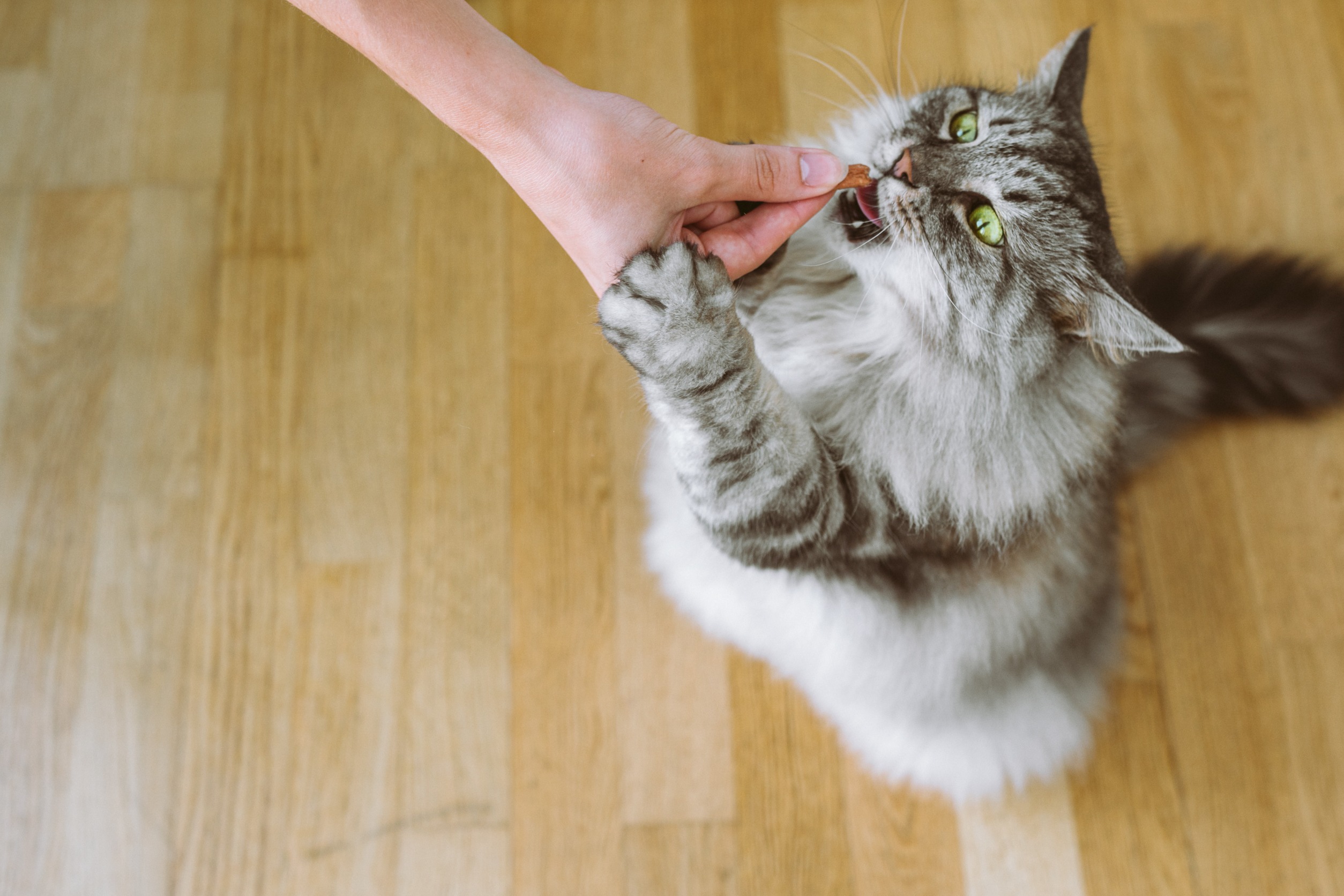
- Establish a Connection: Spend quality time with your cat to build a bond and trust. Petting, playing, and providing treats are all ways to create a positive association with you. In fact, I would say treats are essential when getting a cat or dog to learn its name, as it serves as positive reinforcement.
- Use Positive Reinforcement: Cats respond well to positive reinforcement, such as treats, praise, and petting. Reward your cat when it responds to its name or successfully completes a trick.
- Start with Name Recognition: To teach your cat its name, use a calm and friendly tone. Say the cat’s name while making eye contact. When the cat responds, reward it with a treat or affection. Repeat this regularly.
- Be Patient: Cats may take time to recognize their name and respond. Don’t get discouraged if they don’t respond immediately. Be patient and consistent in your efforts.
- Teach Basic Tricks: When it comes to teaching tricks, start with simple ones like “sit” or “come.” Use treats and positive reinforcement to guide your cat into the desired behavior.
- Use Clicker Training: Clicker training can be effective for cats. Associate the sound of a clicker with treats, and use it to mark desired behaviors. Click when the cat responds to its name or performs a trick, followed by a treat.
- Keep Training Sessions Short: Cats have shorter attention spans than dogs. Keep training sessions brief, around 5-10 minutes at a time. Multiple short sessions throughout the day can be more effective than one long session. My training sessions with my cats are very brief, about 3 to 5 minutes, and I truly believe that the brevity is what keeps my cats engaged.
- Be Consistent: Consistency is key in cat training. Use the same command words and reward system every time. Avoid confusing your cat with different words or signals for the same behavior. I personally always use “sit” and “beg” when training Koji, my 2-1/2-year-old cat.
- Stay Positive and Patient: Cats can be independent, so don’t scold or punish them if they don’t respond immediately. Always use positive reinforcement to encourage desired behaviors.
- Adjust to Your Cat’s Personality: Every cat is unique, so be flexible in your training approach. Some cats may respond better to treats, while others may prefer play as a reward.
- Practice Regularly: Regular practice and reinforcement are essential for your cat to retain what it has learned.
Remember that not all cats will learn tricks, and some may be more responsive than others. The key is to be patient, use positive reinforcement, and focus on building a strong bond with your cat. Training should be a fun and enjoyable experience for both you and your feline companion.
 dr. stacey naito's blog