Hormone Roller Coaster (repost)

anxious_woman

Oh, to be a woman. We are blessed with goddess energy and are also capable of being strong and muscular while holding onto our femininity. But with our female distinction we also have hormonal fluctuations which can wreak havoc on our health and our moods. It can be a tricky thing to keep estrogen and progesterone levels balanced consistently, especially for those of us who compete. Estrogen imbalance can also bring about early menopause, premenstrual symptoms, menstrual irregularities, and skin issues.

Women who practice a healthy diet, regular exercise, adequate sleep and stress management have the best chance of keeping their hormones in balance throughout their cycles. Overly processed foods, especially refined sugars, should be avoided. Strength training is also an excellent way of regulating estrogen levels in the body. However, I realize that the majority of you who are reading this are already on board with clean eating and weight training, but may still struggle with mood swings, food cravings, menstrual irregularities, and menstrual cramps.

Here are some tips on how to combat mood swings and food cravings which may emerge each month. These supplements will not affect contest prep, and may actually equip you with the best chance of staying on track even during THAT time of the month.

MOOD SWINGS: I am a big fan of the B vitamins because they are proven to reduce stress and anxiety. In fact, I make sure that all of my patients who suffer from depression and anxiety take a B-complex supplement to regulate their mood. It is also a good idea to take magnesium glycinate to restore the magnesium that is depleted during times of stress. Start with 250 milligrams daily, then increase to three times daily with meals. If you get drowsy or have frequent bowel movements, decrease your dose down to once or twice per day.

FOOD CRAVINGS: One of the reasons why women tend to crave chocolate around that special time of the month is because they are often deficient in magnesium, which is found in high amounts in chocolate. For this reason, I suggest taking magnesium glycinate(as stated before) to normalize magnesium levels in the body. Dosage parameters are the same, but if you prefer, you can take magnesium for two weeks at a time, starting a week before your period and ending a week after you get your period.

Another great supplement to take for food cravings is alpha lipoic acid. Take 100 milligrams three times daily. If you really get slugged with strong food cravings before flow visits, add chromium picolinate (200 micrograms three times daily) and vanadyl sulfate (10 milligrams three times daily) to your regimen.

“Do You Still Compete?”

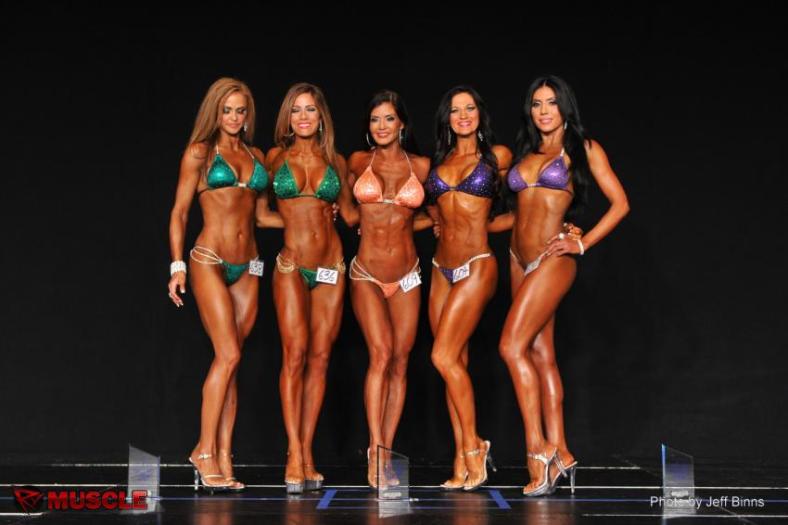
First Place Masters Bikini 35+ B Class, Team Universe, July 2013

First Place Masters Bikini 35+ B Class, Team Universe, July 2013

Whenever I hear that question now, I have mixed feelings, which range from a sense of longing for the stage, to complete relief that I have not stepped onto a bodybuilding stage for close to two years now. My short answer to the question, “Do you still compete?” is “Probably not.”

Though I competed in four Pro Bikini events, I was struggling so much with metabolic damage and perimenopause that I often think it wasn’t the best idea to jump onto the Pro stage only 4 months after I won my IFBB Pro Card. That sort of strategy might work for a twenty-something competitor who is at the top of the heap, but it didn’t work for my 47-year old body which had been beaten down physically, emotionally, and mentally. I honestly needed a break, but I pushed through, and as a result had ho-hum placings.

It has taken over three years for my body to return to a level of leanness which I feel comfortable with. I know you might assume that I was in a massive spiral with my weight and body fat, but it wasn’t THAT bad, at least not compared with many other competitors who spiral. Nevertheless, I spent over two years with excess fluff that I was not accustomed to at all, and I couldn’t stand how I looked or felt.

Here’s the breakdown of my stats throughout the years:

From age 21 through 43: Between 104-109 lbs., 11-13% body fat
2010 – Age 44: 112-113 lbs., 12% body fat
2011 – Age 45: 114 lbs., 12% body fat
2012 – Age 46: 115 lbs., 12% body fat
2013 – Age 47: FIRST HALF OF YEAR: 117 lbs., 11% body fat SECOND HALF OF YEAR: 119-126 lbs., 13-18% body fat
2014 – Age 48: 121-125 lbs., 14-18% body fat
2015 – Age 49: 119-123 lbs., 12-15% body fat
2016 – (soon to be 50): 115-119 lbs., 11-13% body fat

It has been a veritable see-saw for me over the years. I also firmly believe that I would not have gone through menopause as early as I have if it had not been for all the metabolic insults I made to my poor body as a result of competing. Since 2013, I have investigated every possible cause for the water retention issues which rather suddenly hit me. This year I have FINALLY been able to rid myself of the excess fluid around my midsection, but somehow that was at the cost of the fullness in my glutes which I had worked so tirelessly to achieve during the years in which I competed.

If you ask me what my plans are for competing, don’t be surprised if I evade the question. I realize with each passing day that competing is no longer something which I rely on to define who I am. I have paid my dues and proven my worth, and though I completely understand why people have a drive to compete, I am no longer chomping at the bit to throw on a ridiculously expensive, blingy bikini and stripper heels and put myself at the mercy of a panel of judges.

Egg Protein Got Me Lean

egg

The ravages of competition prep and impending menopause caused me to hold water in my midsection and hamstrings for over a year, and I became despondent and desperate as a result. Nothing seemed to work. Then I took an ALCAT food intolerance test in January of 2015 and discovered that I had an intolerance to a bunch of different foods, so I eliminated the majority of them.

However, I stubbornly kept whey protein in, and chose to ignore the fact that I had a moderate intolerance to it. I would have been fine if I had just consumed whey protein a couple of times per week, but I was ingesting 60-70 grams of whey protein every single day. What kept me in that vicious cycle was an incredibly busy schedule which made it difficult for me to get all of my protein from whole foods.

In late September, upon Ian Lauer’s strong suggestion, I decided to finally eliminate whey protein powder from my diet. I added more animal protein from whole food sources (mostly from MAW Nutrition), and replaced about 25 grams of whey powder with a serving of Muscle Egg. Two weeks later, the water retention issues I had been struggling with completely vanished. I could finally see the lateral borders of my rectus abdominis clearly, and no longer created a fluid ripple when I tapped my belly.

I’m not saying I am ripped as a result of switching to egg protein, but boy, did it make a difference in my level of leanness! This won’t work for everyone though. If you have an issue with egg protein, the opposite effect may occur. In my case, I discovered that my body processes egg protein quite well. I also became a huge fan of Muscle Egg and now have it in my house at all times. I generally limit myself to one serving of Muscle Egg per day, but I also love the occasional nighttime Muscle Egg crepe with Walden Farms Chocolate Syrup on top for a sweet treat.

One last thing about whey protein: I still consume it on occasion. However, I only eat it in B-Up Bars and P28 Products, and I don’t have any issue with these food items. I have, however, completely avoided whey protein powder for the time being, and hope that my body resets as a result.

Nutrient Timing

nutrient-timing
If you are at all interested in optimal fitness, you need to be aware of what nutrients your body needs in order to build muscle and metabolize fat as well as optimize performance. This is better known as nutrient timing. Proper timing of the foods you eat will support hormone function and promote a lean and muscular physique, while eating the wrong foods at the wrong time will trigger fat deposition, loss of muscle, and longer post-workout recovery times.

When nutrient timing comes into play, the goal is to shift body composition so that fat loss and muscle gain are optimized and glycogen stores are maximized. Such shifts have long-standing health benefits which can effectively prevent development of major diseases such as diabetes and high blood pressure. One caveat is that consuming excessive amounts of food will result in fat gain regardless of nutrient timing.

During training days, you should consume higher amounts of protein and carbohydrate and decrease your fat intake. The general rule is to consume about 1 to 2 grams of carbohydrates per pound of body weight, with most of your carbs consumed post-workout. On your rest days, you should consume higher fat and protein while dropping your carb intake to about 0.5 grams per pound body weight. The rationale behind this is that you want to encourage higher insulin levels post-workout, but lower insulin levels at all other times.

You may want to bump up your carbohydrate intake a bit throughout the day if you are looking to gain muscle, since insulin stimulates growth or anabolism. You can also ingest carbs throughout the day if you are already lean and just want to maintain. However, if you are looking to lose body fat, you need to consume most of your carbs during and post-exercise, and consume mainly protein and fat during all other times.

Stress And Your Skin

stressed out woman

Did you know that stress can do a number on your skin? You are probably familiar with the stress-induced breakout, but prolonged, chronic stress can also prematurely age the skin. Stressful situations trigger the release of cortisol, adrenaline, pro-inflammatory cytokines, and angiotensin, all of which rob your skin of collagen and weaken its cellular repairing capabilities. Circulation is diverted away from the skin during stressful situations, which explains the dull, pale appearance of the skin in people who deal with constant stress.

Cortisol in particular inhibits the growth of fibroblasts which are responsible for making collagen, so they can’t keep up with the constant breakdown of old tissue. The result is skin which is collagen deficient, resulting in thinner, more wrinkled skin. Free radicals are formed in response to stress, which then damages skin cells and adversely affects the condition of the skin.

beautiful-look-without-makeup
So how can you fight the effects of stress on the skin? There are three keys:

1. Exercise:

Every cell in the body benefits from exercise, including skin cells The pores of the skin dilate during exercise, and when you work up a sweat, trapped dirt particles are released. In addition, the increased circulation which results from exercise delivers more oxygen and other nutrients to skin cells, as well as carries away waste products and free radicals.

2. Relax:

We all know how frustrating it can be to have a big event looming, only to have an acne breakout right before the big day. The fact is that the stress associated with preparing for the event can trigger excess oil production in the skin, which clogs pores and sets up the perfect environment for an acne flareup. Even other skin issues, like psoriasis, are linked to stress. However, by practicing relaxation techniques, you can increase blood flow to the skin and offset any triggering factors (such as buildup of oil or free radicals) which contribute to skin maladies.

3. Use topicals:

Some of the best friends for your skin are topical agents such as antioxidants and retinoids. I am a big fan of vitamin C, not only because of its general antioxidant benefits, but also because it has a tendency to lighten up brown spots and impart a brighter appearance to the complexion. Retinoids are great for increasing cell turnover, and are potent anti-aging compounds.

Beware Of Soy Based Products

Soy has become so ubiquitous in American packaged food products that it can be challenging to find products that are soy free. What I find so misleading and frustrating is that the majority of them are touted as “health” foods. I am half Japanese and grew up eating soy products, but I consumed the fermented forms, such as soy sauce, miso and tempeh ( I could never stomach natto, which is another fermented soy product). The fermented forms of soy based foods are safe because the fermentation process destroys the antinutrients which are present in soybeans.

In stark contrast, unfermented soy products, including soy milk and tofu, have high concentrations of these antinutrients, including phytates, phytoestrogens, MSG, saponins, trypsin inhibitors, and goitrogens. These substances have multiple deleterious effects on the body, such as impaired absorption of vitamins and minerals, interference with pancreatic and thyroid function, disruption of endocrine function, and damage to the nervous system.

For these reasons, I am strongly opposed to the consumption of soy-based products and eliminate them from patient and client diets whenever possible. If you are vegan, or if you are intolerant of whey or casein, look for other forms of protein, such as pea, quinoa, hemp and amaranth, which cause less inflammation when consumed and have a more benign side effect profile. Make sure to read ingredient labels too, since many products you wouldn’t even think of as having soy often do.

Hormone Roller Coaster

Originally published on RxGirl on Tuesday, 09 April 2013
lady-eating-chocolate
http://www.rxmuscle.com/rx-girl-articles/7895-hormone-roller-coaster.html

Oh, to be a woman. We are blessed with goddess energy and are also capable of being strong and muscular while holding onto our femininity. But with our female distinction we also have hormonal fluctuations which can wreak havoc on our health and our moods. It can be a tricky thing to keep estrogen and progesterone levels balanced consistently, especially for those of us who compete. Estrogen imbalance can also bring about early menopause, premenstrual symptoms, menstrual irregularities, and skin issues.

Women who practice a healthy diet, regular exercise, adequate sleep and stress management have the best chance of keeping their hormones in balance throughout their cycles. Overly processed foods, especially refined sugars, should be avoided. Strength training is also an excellent way of regulating estrogen levels in the body. However, I realize that the majority of you who are reading this are already on board with clean eating and weight training, but may still struggle with mood swings, food cravings, menstrual irregularities, and menstrual cramps.

Here are some tips on how to combat mood swings and food cravings which may emerge each month. These supplements will not affect contest prep, and may actually equip you with the best chance of staying on track even during THAT time of the month.

MOOD SWINGS: I am a big fan of the B vitamins because they are proven to reduce stress and anxiety. In fact, I make sure that all of my patients who suffer from depression and anxiety take a B-complex supplement to regulate their mood. It is also a good idea to take magnesium glycinate to restore the magnesium that is depleted during times of stress. Start with 250 milligrams daily, then increase to three times daily with meals. If you get drowsy or have frequent bowel movements, decrease your dose down to once or twice per day.

FOOD CRAVINGS: One of the reasons why women tend to crave chocolate around that special time of the month is because they are often deficient in magnesium, which is found in high amounts in chocolate. For this reason, I suggest taking magnesium glycinate(as stated before) to normalize magnesium levels in the body. Dosage parameters are the same, but if you prefer, you can take magnesium for two weeks at a time, starting a week before your period and ending a week after you get your period.

Another great supplement to take for food cravings is alpha lipoic acid. Take 100 milligrams three times daily. If you really get slugged with strong food cravings before flow visits, add chromium picolinate (200 micrograms three times daily) and vanadyl sulfate (10 milligrams three times daily) to your regimen.

Supplements Women Need

Originally published on RxGirl on Friday, 30 November 2012. The original post was published with white text on white background, so the only way to read it on the site is to highlight the text. To make things easier for everyone, I have copied and pasted the article here for you to read.

http://www.rxmuscle.com/rx-girl-articles/7082-supplements-women-need.html
Supps for women
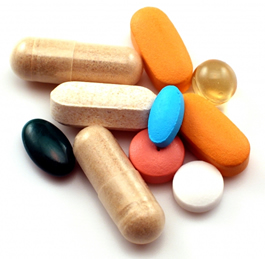
The number of nutritional supplements which are available today can be pretty intimidating to those who are not familiar with the benefits which they confer on those who take them. If you also consider the performance supplements which are marketed to fitness-minded individuals, and which are marketed mostly to men, women are often left bewildered. Since it is my aim to address the issues of women in this article, I will not discuss general supplements such as multivitamins, CLA, fish oil, CoQ10 or the like. Rather, I will focus on supplements which have demonstrated efficacy in treating female-specific woes.

Biotin: This substance promotes growth of healthy hair and nails and is something I have taken daily for many years. Though I have horribly thin nails (and continue to suffer from them despite biotin), my hair has actually gotten considerably thicker in the past ten years, and I honestly believe that biotin has played a large role with respect to my hair health. Another great benefit of biotin is the demonstrated effect it has on regulation of blood glucose. I recommend taking the maximum dose possible, 5,000 micrograms per day.

Calcium: Calcium is a mineral which is a critical component of bone health. There are three mistakes I see people making when taking this supplement:
1. Taking it without Vitamin D or magnesium – Both Vitamin D and magnesium must be present in order for the body to be able to absorb calcium.
2. Taking it on an empty stomach – Calcium is best absorbed when taken with food.
3. Taking large doses at one time – The body is unable to absorb much more than 500 milligrams of calcium at one time. Since the general daily dose in women of childbearing age is 1,000 mg, supplementation should be broken up into 2 doses of 500 milligrams each per day.

DHEA: Dehydroepiandrosterone (DHEA) is a precursor hormone which is produced in the adrenal glands which is later converted to sex hormones such as estrogen and testosterone. Levels of DHEA fall with advancing age and can also decline as a result of exposure to stress. Signs of declining DHEA include stress, fatigue, memory loss, depression, dry skin, and decreased libido. Women are struggling with infertility may also find that DHEA will increase their fertility by promoting hormonal balance and ovulation. I generally feel that any woman over the age of 35 would benefit from supplementation with DHEA at 5 to 15 milligrams per day.

Folic Acid: Many women are aware that supplementation with folic acid decreases the risk of neural tube defects in a developing fetus, but not many know that folic acid has been proven to lower blood pressure in women and prevent development of hypertension. A daily dose of 800 micrograms is advised.
ALA: Alpha lipoic acid, or ALA for short, is effective in regulating blood glucose, optimizing carbohydrate consumption and reducing sugar cravings. Effective dose ranges are between 100 to 200 milligrams, taken two to three times daily.

Chromium Picolinate: Chromium picolinate can decrease sugar cravings and is effective at regulating blood glucose. A dose of 200 micrograms three times daily is optimal.

Vanadyl Sulfate: This is another supplement which can curb sugar cravings. Take 10 milligrams three times daily.

Phosphatidylserine Complex: This supplement supports the adrenal glands during stressful times. Those with poorly functioning adrenal glands should not take this supplement. A daily dose of 200 milligrams taken earlier in the day is recommended.

Melatonin: Melatonin is well known for its effectiveness in balancing out sleep patterns and treating insomnia. This is due to the fact that it reduces cortisol levels (cortisol is known as the stress hormone). Women who suffer from infertility should not take this as it can aggravate the condition. Start with 0.5 milligrams shortly before bedtime and slowly increase the dose by 0.5 mg increments ever few days until you get the desired effect. Do not take more than 5 mg in a dose. Some experts recommend that melatonin only be taken in the short term for isolated insomnia bouts.
Natural Woman
B-Complex – B-complex formulations consist of the following: B complex capsule contains the following vitamins: folic acid, thiamine (B1), riboflavin (B2), niacin (B3),panthothenic acid (B5), pyridoxine (B6), cyanocobalamin (B12) and biotin. This complex supports memory, improves mood, decreases anxiety and combats the effects of stress. It also boosts metabolism, thus increasing energy. I have encountered remarkable responses to B-complex in people who have suffered from depression and who did not respond to prescription antidepressants. I recommend 100 mg per day.

GLA: Gamma-linoleic acid can be very effective in treating the symptoms of PMS, such as menstrual cramps and breast tenderness, especially when taken in tandem with magnesium and vitamin B6. Take 500 to 1,000 milligrams per day.

Magnesium Glycinate: This is a highly bioavailable form of magnesium which helps not only with PMS but also with hot flashes which some menopausal women experience. Recommended dosage is 250 milligrams one to three times daily, and should be taken with food.

Vitamin B6: Vitamin B6 is effective in mellowing the symptoms of PMS, menopause, and morning sickness associated with early pregnancy. It is also effective for depression, acne, and bladder inflammation. Take between 50 to 600 milligrams per day in two to three divided doses.

Cranberry Extract: This is an excellent supplement for good urinary tract health, as it renders the inner bladder walls slippery so that bacteria are unable to adhere to them. Any women who have recurrent bladder infections should take this supplement at a daily dosage of 400 to 500 milligrams.

Diindolylmethane: This extract is found in cruceiferous vegetables such as broccoli and cauliflower and supports healthy estrogen metabolism by optimizing breakdown of excess estrogen. A great formula is DIM-Plus by Nature’s Way. Take two capsules per day.

Did Someone Turn Up The Heat?

hot flashes
I have always heard peri-menopausal and menopausal women complain of hot flashes like they were horrific occurrences, yet I figured they were similar to getting flushed, so they really couldn’t be THAT bad. Oh how wrong I was! Hot flashes can best be described as a SUDDEN and intense heat and sweating in the chest, neck and face which feels like someone cranked up the heater to a thousand degrees. To use fancy medical terminology, it SUCKS. Women look like they’re crazy when they rapidly start loosening and removing clothing, fanning themselves with magazines, standing in front of fans, and sticking their heads in the freezer. I can tell you that I have done every one of these things, and when I am in the midst of finding a way to cool down, I don’t care one whit who thinks I have gone bonkers. You would be in a rush too if you were being cooked from the inside!

If you are still trying to imagine what a hot flash feels like, picture this: you are going about your usual business, when out of nowhere, a switch gets flipped inside your upper chest and you experience a heat quite similar to Bikram yoga rooms. It is relentless too, causing instant sweating and discomfort. Recently I have been experiencing some very strong hot flashes which have necessitated desperate measures such as ripping off every shred of clothing and lying on a linoleum floor to cool off, wrapping a cool pack around my neck while I sat in front of my computer and worked, and walking around Chicago O’Hare International Airport wearing a tank top and fanning myself while everyone else wore heavy coats which were appropriate for the 35 degree Fahrenheit weather outside.

The main reason why hot flashes occur is a drop in estrogen levels which the hypothalamus misinterprets as an increase in body temperature, causing the body to react to cool it down. These episodes can occur at any time, but in my estimation are the worst when they occur during sleep. Over the past two weeks, it has been impossible for me to sleep for more than an hour before I experience a SEVERE hot flash which has me running to the freezer to grab an ice pack to snuggle up with! It has become a ritual: Fall asleep, wake up an hour later drenched in sweat. Spend the next 15 minutes trying to stop sweating, then finally fall asleep exhausted. Repeat cycle each hour to two hours until alarm goes off in morning. It is utter misery. This also may occur for up to fifteen years, even after I go through menopause. In the current vernacular, all I have to say to that is, WTF???