Indoor Plants Are Good For You

Cactus Plant Tree Pot Nature Environmental Conservation Concept

rawpixel Image ID53431489 123rf.com

As an avid plant lover, I have enjoyed the many benefits of being surrounded by beautiful greenery in my home. I honestly believe that having indoor houseplants offers a multitude of benefits. Here’s a closer look at why incorporating greenery into your home is a great idea:

Health Benefits

  1. Improved Air Quality – Many houseplants, such as spider plants and snake plants, help remove toxins like formaldehyde and benzene from the air, creating a cleaner living environment. I have several snake plants (Sansevieria genus) in my home, and appreciate the fact that they clean the air while looking very attractive and interesting.
  2. Increased Oxygen Levels – Plants release oxygen during photosynthesis, which can improve air circulation and overall respiratory health.
  3. Humidity Regulation – Plants release moisture through transpiration, which can help maintain healthy humidity levels, reducing issues like dry skin and irritated sinuses. I also help my plants out by running two humidifiers in my den and kitchen to optimize plant functions.
  4. Reduced Allergens – Some plants, like peace lilies, can trap dust and allergens, helping those with sensitivities breathe easier.
  5. Stress Reduction & Lower Blood Pressure – Studies have shown that being around greenery can help lower stress levels and even contribute to reduced blood pressure. When I am in my home, I truly feel like I am in a garden paradise, and I feel instantly calm.

Decor Benefits

  1. Aesthetic Appeal – Houseplants add natural beauty to any room, complementing different interior design styles. I make sure to stage my plants in such a way that they make sense in my interior living space, without sacrificing their ambient light needs.
  2. Versatility in Design – Whether you want a bold statement piece like a fiddle-leaf fig or a subtle accent like a small succulent, there’s a plant to match every space.
  3. Enhanced Space Perception – Large plants can fill empty corners, creating a fuller and more inviting atmosphere. If I lived in a larger home, I would definitely have tall plants strategically placed in empty corners.
  4. Seasonal Adaptability – Unlike furniture or decor that can feel outdated, plants offer a timeless appeal and can be rearranged easily for a fresh look.
  5. Brings Nature Indoors – For those in urban settings, houseplants help create a connection to nature, bringing an element of the outdoors inside.
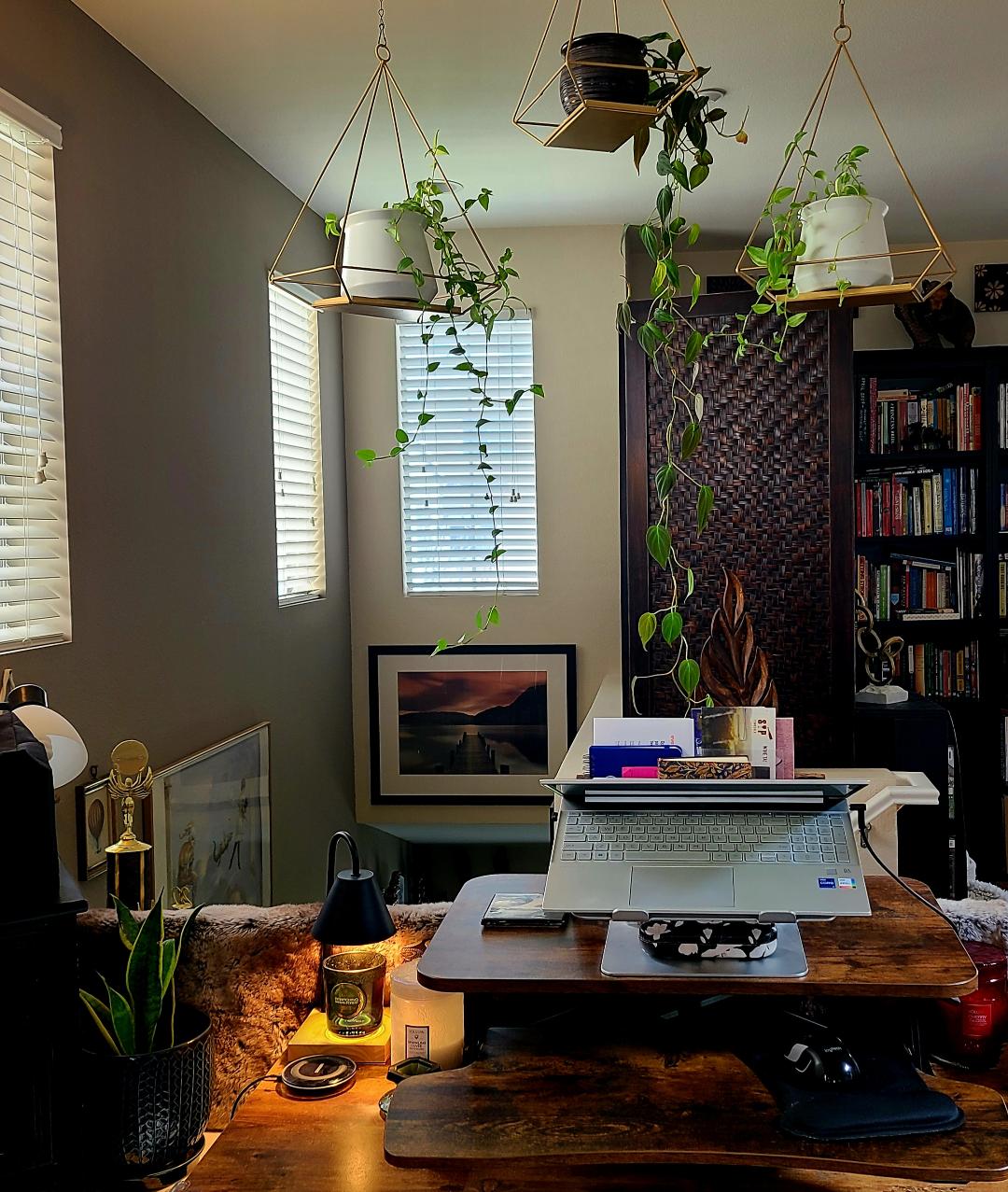
The desk sentinels around my workspace

Mood Benefits

  1. Boosted Mental Well-Being – Studies suggest that caring for plants can reduce anxiety and depression, providing a sense of accomplishment and responsibility. I know that I have a responsibility to keep my plants as healthy as possible, and I make an effort to address their needs on a weekly basis.
  2. Increased Productivity & Focus – Plants in workspaces have been shown to enhance concentration and creativity, making them great additions to home offices. There are plants all around my desk space, and I absolutely love them.
  3. Better Sleep – Certain plants, like lavender and jasmine, have calming properties that promote relaxation and better sleep. I only wish I could keep such plants alive in my home! Instead, I use scented candles to impart a calming mood.
  4. Mood Elevation – Simply looking at greenery can evoke feelings of happiness and tranquility, making plants a natural mood booster.
  5. Encourages Mindfulness – Watering, pruning, and tending to plants can be a meditative and mindful practice, helping people slow down and enjoy the present moment. Despite the fact that my weekly plant watering is a bit of a chore, I find myself getting into a zone which is meditative and beneficial.

Final Thoughts

Houseplants do much more than just decorate a space—they contribute to better air quality, reduce stress, and create a soothing ambiance. Whether you’re looking for a productivity boost, improved well-being, or a stylish home upgrade, adding indoor plants is a simple yet impactful way to enhance your living environment.

Crazy For Candles

I have to admit that I have become a huge fan of scented candles in the past few years, preferably from Voluspa. There is something incredibly enjoyable about lighting a favorite candle each afternoon or evening and allowing the fragrance to permeate the room, evoking a certain mood. Since I don’t always want to smell the same aroma, I have numerous different scented candles nestled in various parts of the house, and will even ask guests to select a fragrance which resonates with them.

The reason why I prefer Voluspa candles is because they are of excellent quality, the vessels are beautiful, and many of the fragrances are absolutely divine. Whether I decide to experience a scrumptious fruit melange, an exotic woody bamboo, or a magical spice, I absolutely love the nightly ritual I have developed of lighting a candle and enjoying the illumination, the beauty of the candle jar, and the bouquet which these candles impart. Voluspa candle jars are so incredibly gorgeous and versatile that I have cleaned many of them and repurposed them to store things like cotton balls, makeup brushes, etc. There is even a suggestion from Voluspa to repurpose their 5-wick hearth candles into champagne buckets, which actually makes perfect sense.

If you want to fill your home with delicious fragrance, I would highly recommend checking out Voluspa, and no, this is not a sponsored post. That’s how much I appreciate candles from this master candle making house.

One Thousand Cranes

Copyright: olegdudko

Last year right around Christmas, I taught my dear friend Karla how to make origami cranes, and though she struggled at first, she began to get the hang of making them. She thought they were pretty neat, and asked if they were ever made for a specific purpose, so I told her about the tradition of making one thousand cranes and stringing them up to hang for a number of different occasions, including making a wish for an ill person’s recovery, the birth of a child, wedding blessings, or to grant good luck within a home. Senbazuru (a thousand cranes) is the Japanese way to make a wish and bless it so that it might come true.

Emma Taggert offers an explanation of how the origami crane emerged in Japanese culture:

“The tradition of the Japanese orizuru (ori– “folded,” tsuru “crane”), or paper crane, began in feudal Japan (1185–1603 CE), when people gifted each other the paper figures as symbols of honor and loyalty. However, it wasn’t until the 16th century that the art of the origami crane was officially recorded. Hiden Senbazuru Orikata (“Secret to Folding One-thousand Cranes”), published in Japan in 1797, is the first known book on origami. It features the earliest known instructions on how to make origami cranes, along with countless examples of different kinds.”

Since I grew up making origami cranes, I can quite literally make them with my eyes closed, but I understand that for someone who is unfamiliar with origami, making that first crane can be a challenge. Here is a video tutorial for those of you who want to learn how to make one:

For those of you who already know how to make origami cranes, you might want to challenge yourself with renzuru, a form of origami in which multiple forms are made from a single piece of paper:

Getting back to my friend Karla, she amazed me in July when she gifted me with a thousand cranes for my birthday. I wasted no time in gettting a dowel and hooks for the cranes so that I could display them in my living room. Once they were hung, I realize I had chosen a great spot because during the day, the cranes catch the sunlight, and in the evening, the uplights which I have behind my sofa impart a lovely glow on them.

Living Room Makeover

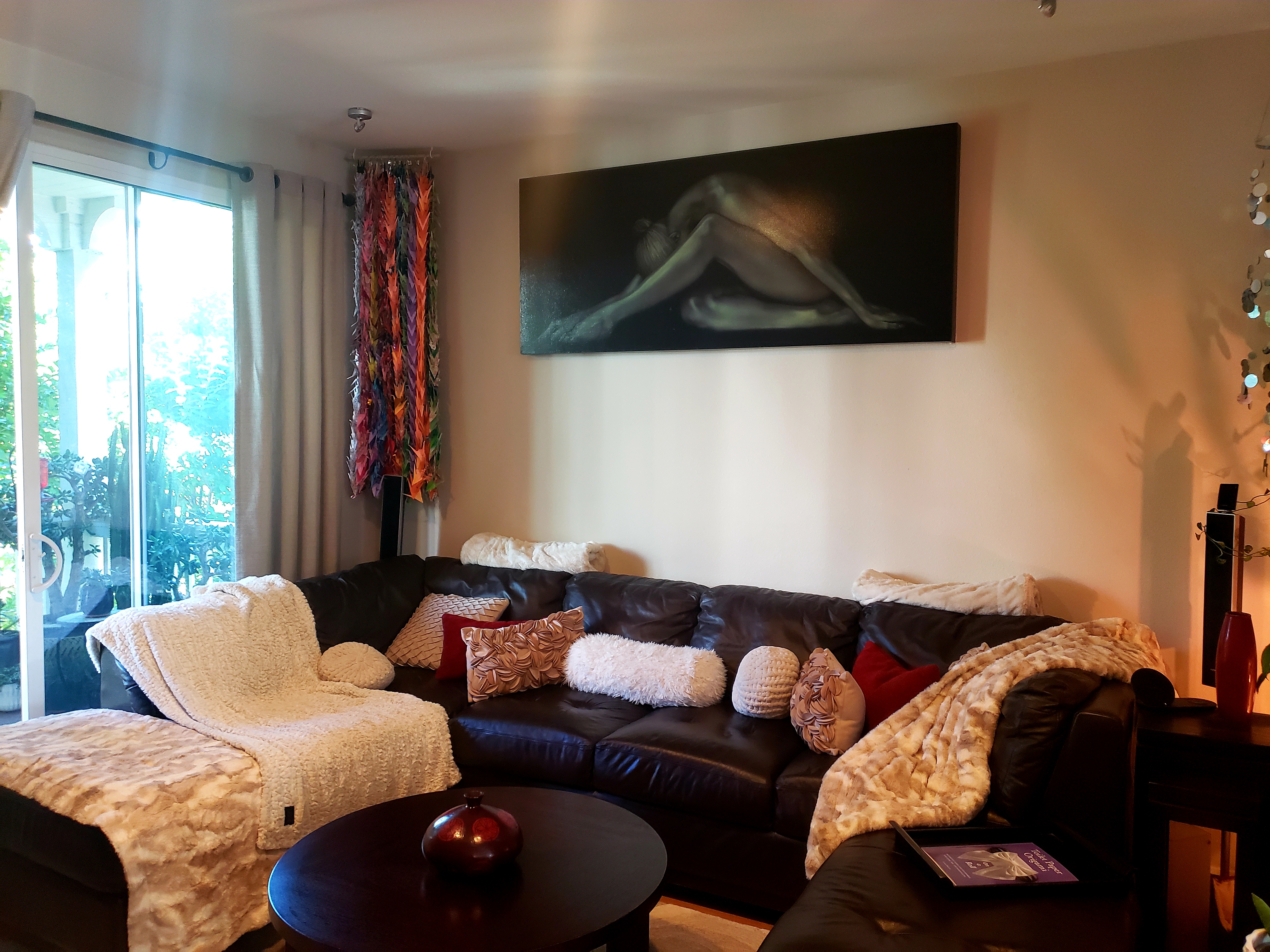
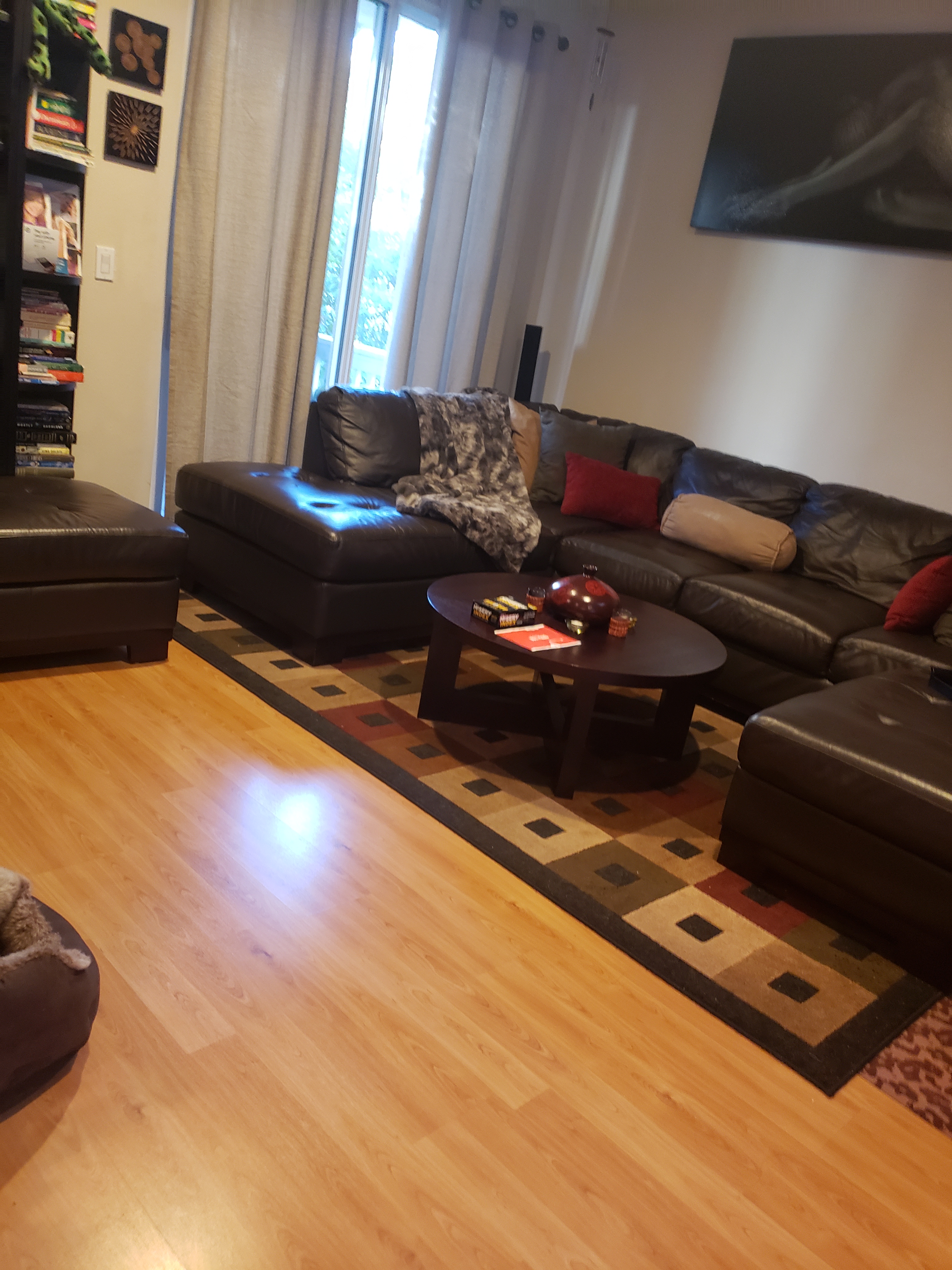
Have you ever lived with the same furniture and decor for so long, you just need a change? I had the same living room sofa, throw pillows and area rug for 15 years, and was so tired of looking at the same color scheme and the same items, that I was itching to switch it up. Another compelling reason to redecorate was the fact that the living room I have had for the past 3-1/2 years is much smaller than two previous living rooms I had before, so the dark color story which I had selected made my living area feel very dark and cavelike, to the point where it just depressed me. It was also painfully obvious to me that when I moved into my current space three years ago, I had thrown the living room furniture into the space without any regard for design, flow or mood. At no point did I take any pride in that particular space. It took three years of me avoiding that one room in my house, only because the colors were too drab, before I became aware of how much it was affecting my mood.

Living room before
Living room after

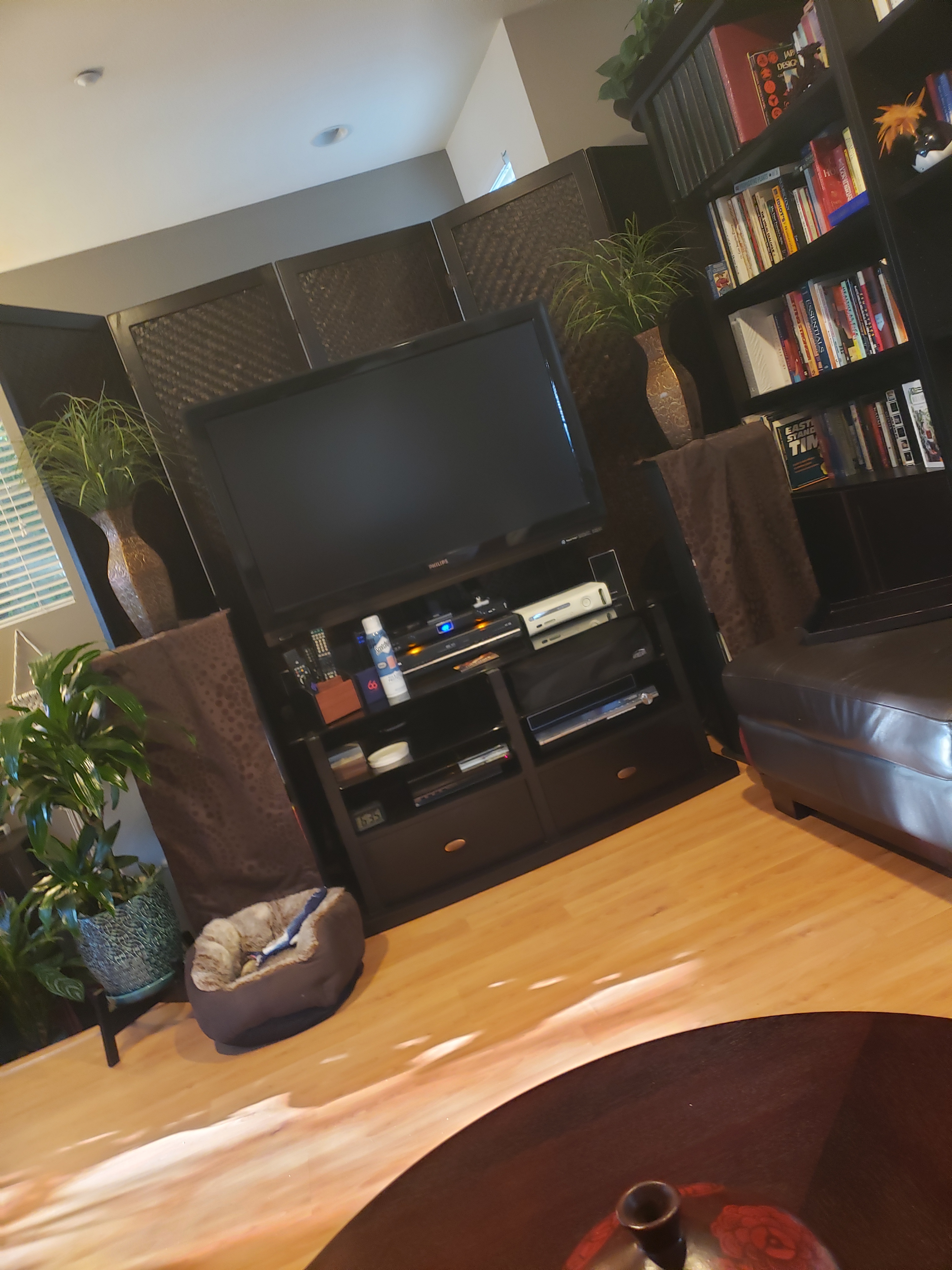
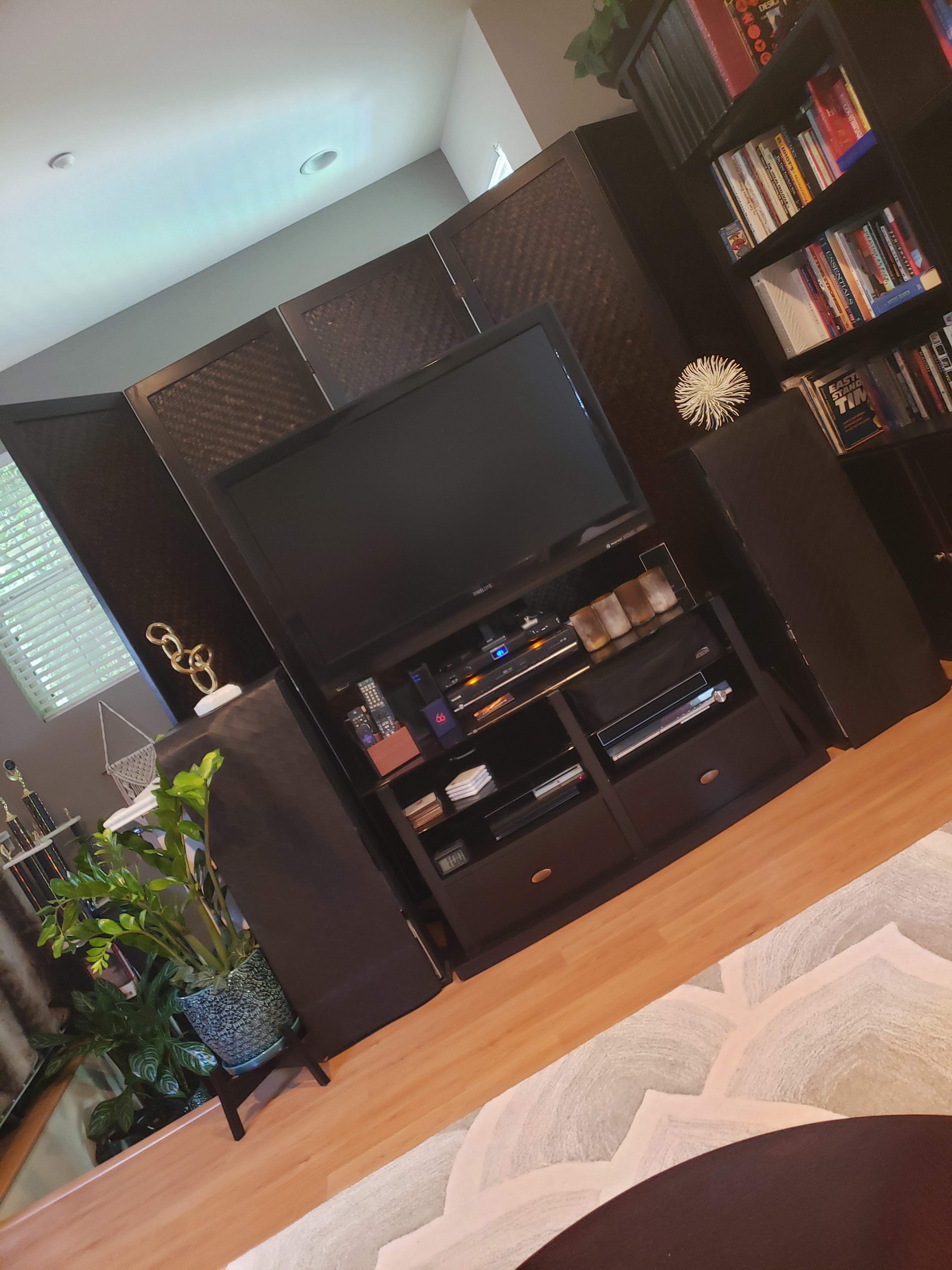
Since I could not afford to replace the espresso leather sectional I have had since 2004, I decided to purchase a light colored rug, light colored blankets, and light colored pillows. By June of this year, I began searching for and purchasing new items for the space. I also sold the 8 foot tall artificial palm which was wedged in one corner of the room, and I got rid of the second ottoman which took up much needed space. When I chose the textiles for the living room makeover, I made sure to select soft, cozy fabrics, so that when people sat on the sofa, they would feel snug and comfortable.

What do you think of the redo?

Corner before
Corner after
Entertainment unit before
Entertainment unit after
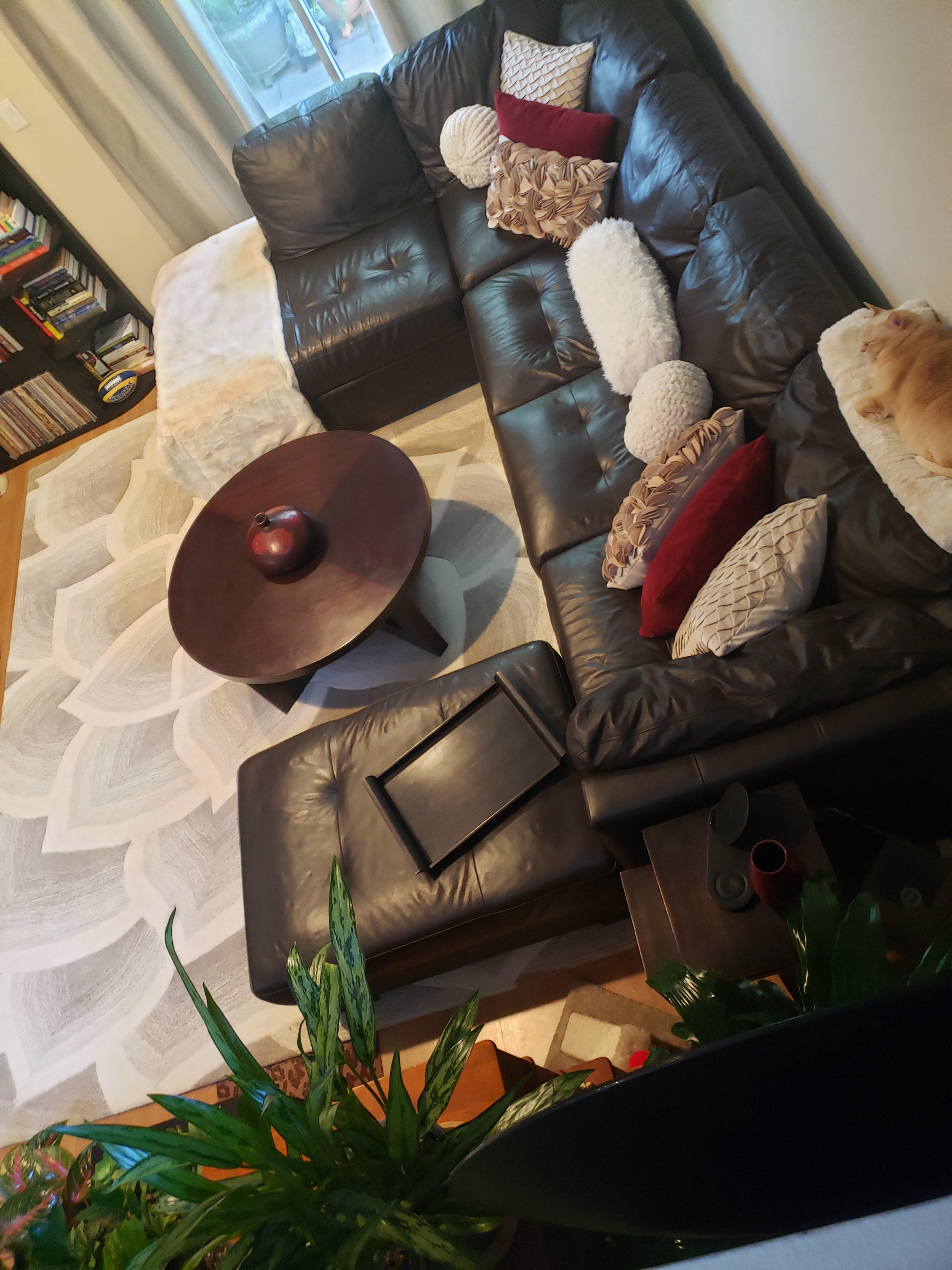
Entertainment unit from above
Living room from above

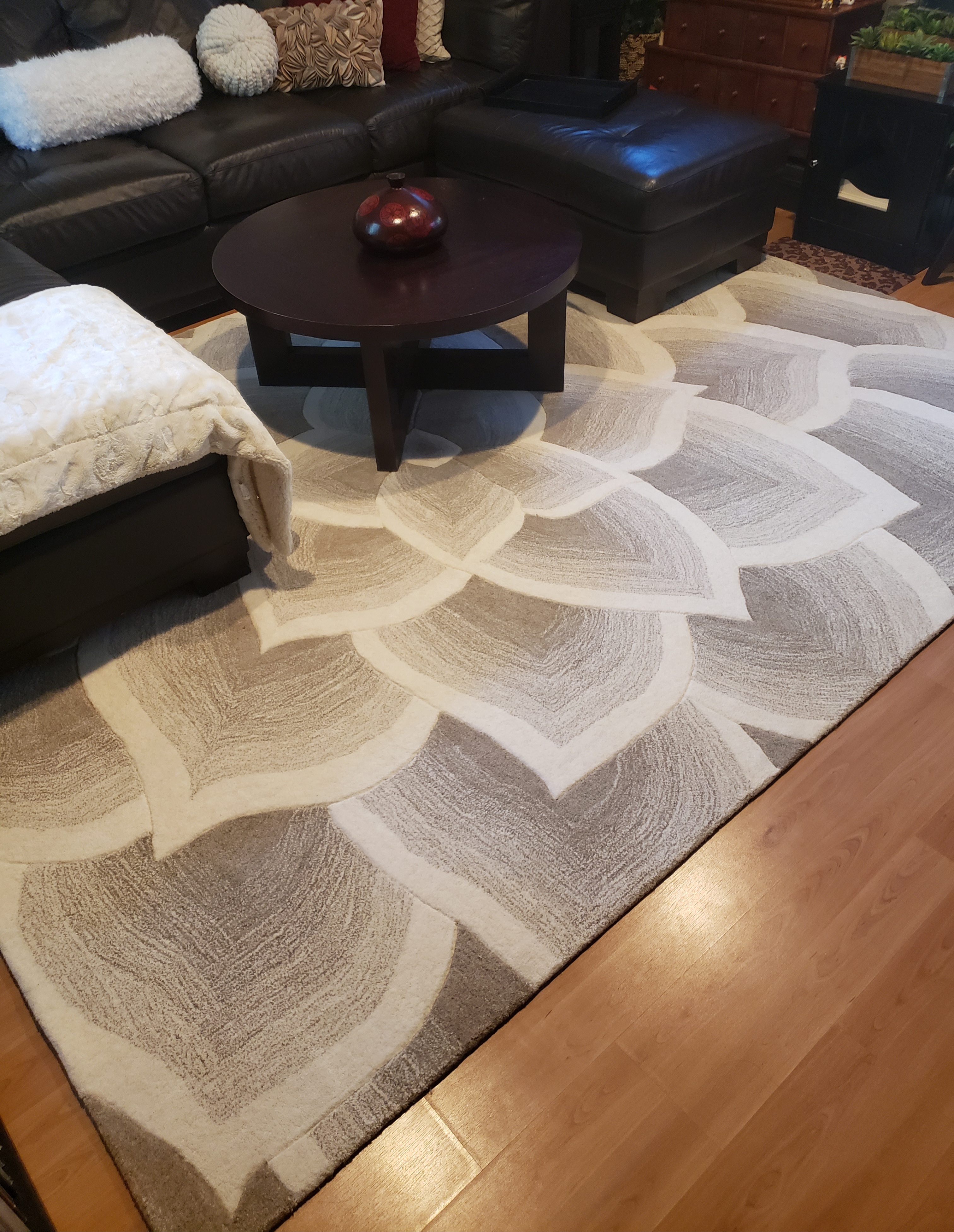
Beautiful wool lotus rug is the centerpiece of the living room redo

Peaceful Buddha Fountain In My Dining Room

IMAG2590

I have had this water fountain in my dining room since approximately 2008 and love the glow which the light casts on Buddha’s face. I remember seeing this fountain at a local garden center and just had to get it. Since I already had fountains outside, I decided to put it in the dining room, making sure to place it in a spot which was clearly visible from the living room as well. This isn’t a small tabletop fountain (it measures 27 inches high, 15-1/2 inches wide, and 7 inches in depth), so it definitely carries some visual impact.

Eventually, this fountain developed a number of issues, such as a burnt out adapter for the light, a spewing corner of the fountain which caused it to leak onto the floor, a strong tendency to build up sediment in the reservoir, and a very loud pump. My cats also were drawn to the fountain and would (and still do!) drink from it, much to my horror, since there was so much sediment floating around in the water.

I finally completely cleaned out this fountain TWICE this year, bought a new light, and connected a quiet pump to the fountain. I also elected to fill the fountain only with distilled water. As a result of my efforts, this fountain is now the relaxing, quiet, and mesmerizing showpiece it was meant to be.