Disrespect

Last month, while working an urgent care shift, I caught a bug from one of my patients which progressed very quickly from a viral upper respiratory illness to a bacterial infection. Because I was so congested, the infection also seeded in my upper airways, and I developed bronchitis. Whenever bronchitis sets in, I am in for a world of hurt, because the coughing jags are so violent that I almost pass out from them since I can’t get a breath in.

In an effort to keep social media world happy, I posted my health status just so people would know why I sort of backed off from social interaction during that time. I felt horrible, and my voice was reduced to a strange, congested baritone mumble.

What irritated me was that several people jumped onto social media with health advice. I understand that people were concerned and trying to be helpful. However, there were two facts which kept floating through my head, and which left me scratching my head over how people thought it was appropriate to post advice.

FACT #1: I never asked for any advice from anyone. I was merely posting facts about my condition.

FACT #2: I am a board-certified family practice physician who works regularly in the urgent care setting. Don’t you think I would KNOW how to take care of myself? Why would anyone offer unsolicited health advice to a physician?

I couldn’t help but be bothered by the influx of posts suggesting things like, “drink tea with honey”, or “take zinc”. As an urgent care doctor, I am just as likely to give general, common sense advice about upper respiratory infections as I am to give prescriptions for medications and order in-office nebulizer treatments. I know all about zinc, tea with honey, vitamin C, salt water gargles, etc.

Besides, I ended up needing a course of antibiotics, two prescription inhalers, two prescription cough medications, and three over-the-counter decongestants. No amount of tea with honey, zinc, or salt gargles would have fought off the infection and reactive bronchitis I had developed. One person on Facebook hounded me via Messenger, and when I said I couldn’t chat, sent me a bizarre set of instructions for a concoction which included red wine. I became irritated and berated him for giving me health advice, whereupon he took the opportunity to insult me for no good reason. His disrespect was so blatant that I blocked him. I don’t need that kind of hostility in my life.

Sorry, but I think it is presumptuous and insulting to attempt to give health advice to doctors. In the age of Google, so many people fall under the assumption that they are suddenly experts when it comes to just about everything. Don’t trust everything you read on Google!

When I really think about it, I doubt that people would give automotive advice to an auto mechanic, or financial advice to their CPA’s. So why insult someone with 7 years of medical training and 14 years of experience as a practicing physician?

I believe I have made my point.

Understanding The Costs Of Diabetes Treatment And Planning For The Future

Original post can be found at:
https://www.thesimpledollar.com/understanding-the-costs-of-diabetes-treatment-and-planning-for-the-future/


by DeVonne Goode
Updated on 06.05.18

Diabetes is a prevalent disease. However, it can still take many by surprise, and leave them struggling to pay medical bills.
With the complexities of the condition and the wide range of costs involved with treatment, having a financing plan is necessary. Health insurance is obviously one of the primary methods of assistance. But not everyone has the adequate coverage to cover
the costs – let alone the out-of-pocket cash to put on the counter every time out.

Opening a savings account, particularly one with high interest, could be a worthwhile investment toward consistently managing the disease today and into the future.

Diabetes at a glance
Type 1 Diabetes

A condition that keeps the body from producing enough insulin. Insulin shots are used to control blood glucose levels. Most diagnosis occur among children and young adults, which is why it is also referred to as juvenile diabetes.

Type 2 Diabetes

The most common form of the condition where the body doesn’t properly use insulin to convert sugar, starches and other food into energy.

Gestational Diabetes

Occurs when women experience high blood glucose levels during pregnancy. It’s usually easily managed and goes away after pregnancy.
Prediabetes

When blood glucose levels are higher than normal, but not high enough to be diagnosed as Type 2 diabetes. A large number of Americans are living with prediabetes (1 out of 3 adults). But taking early action to manage glucose levels can prevent diabetes from forming.

People who have diabetes are at higher risk of developing the following health conditions:
Blindness
Heart disease
Stroke
Kidney failure
Blindness
Loss of lower appendages (toes, feet, or legs)

Keep in mind – these conditions occur in the case of severe complications with the disease. With consistent attention to diet and other medical treatments (like most living with type 1 or type 2 diabetes undergo), these conditions are avoidable.
Diabetes by the numbers

According to a recent report from the Centers for Disease Control and Prevention (CDC), more than 100 million U.S. adults are now living with diabetes or prediabetes. Of that, only 12% were aware that they had it. And with approximately 1.5 million new cases being diagnosed every year, the need for education and financial support is clear.

Prevalence
Infogram

Rates of diagnosis for the following ethnic groups
7.4% of non-Hispanic whites
8.0% of Asian Americans
12.1% of Hispanics
12.7% of non-Hispanic blacks
15.1% of American Indians/Alaskan Natives
Breakdown among Asian Americans:
4.3% diagnosed were Chinese
8.9% diagnosed were Filipinos
11.2% diagnosed were Asian Indians
8.5% diagnosed were identified as other Asian Americans
Breakdown among Hispanic adults:
8.5% diagnosed were Central and South Americans
9.0% diagnosed were Cubans
13.8% diagnosed were Mexican Americans
12.0% diagnosed were Puerto Ricans

Underreported deaths due to diabetes

Diabetes is one of the leading causes of death in the United States (seventh as of 2015). However, studies have found that it is also among the most underreported. According to the American Diabetes Association®, only 35% of people who died with diabetes had the disease listed on their death certificate. And of that number, only 10% had diabetes identified as the cause of death.

Underreported Deaths
Infogram

There are a number of possible reasons for the underreported rate. But a lot points to the lack of ability to pay for adequate diagnosis and proper medical treatment.

What specific costs will someone with diabetes have to address?

If you or your child are diagnosed with diabetes, or you’re told that you have prediabetes, management and prevention take center stage. While a lot involves diet and exercise, medication will inevitably have an effect on your finances as well.

According to the American Diabetes Association® (ADA), medical costs for a person with diabetes averages out to $16,750 per year (a total of $327 billion nationwide in 2017). Of that amount, $9,601 is attributed to treatment specifically for diabetes. That’s more than twice the medical cost for people without diabetes.

Of the $327 billion nationally, $237 billion was attributed to direct diabetes medical costs and $90 billion was attributed to indirect costs – absenteeism and reduced productivity at work. Understanding the different forms of diabetes treatment, as well as the direct and indirect costs, is important for wrapping your head around plans for financing.


Type
Treatments

Type 1 Diabetes
Diet
Exercise
Insulin therapy
Regular blood glucose tests/monitoring

Type 2 Diabetes
Diet
Exercise
Insulin therapy
Other medication
Gestational Diabetes
Diet
Exercise
Monitoring sugar intake
Monitoring the baby
Direct Medical Costs ($9,601/year)
Indirect Medical Costs ($90 billion nationally)
Prescription medication (30% of total cost)
Loss of productivity due to mortality ($20 billion nationally)
Hospital care (30% of total cost)
Inability to work as a result of diabetes ($40 billion nationally)
Routine doctor’s office visits (15% of total cost)
Reduced productivity while at work ($30 billion)
Other medications and supplies (25% of total cost)
Reduced productivity due to increased absences and loss of employment from diabetes ($6 billion)

Insulin

Insulin injections are one of the primary forms of medical treatment used to manage diabetes. Especially for those living with type 1 diabetes, who can’t produce insulin of their own, these types of injections are vital for survival. However, the cost for insulin has skyrocketed in recent years, leaving many in the position of having to choose between going into debt or cutting back on medication.

Average cost for insulin as of 2015: $100-$200 per month
Average cost for insulin as of 2018: $400-$500 per month

WIDELY USED INSULIN BRANDS AND INSULIN INJECTION TOOLS
Insulin
Apidra, Humulin, Lantuo, Lente, Levemin, Novolog, Novolin, NPH Insulin, Regular Iletin, Regular Insulin, Velosulin
Insulin Syringes
BD Ultrafine, Levemir®, Monoject, NovoFine®, Ulticare, UniFine, UltiGaurd
Insulin Pumps
Animas, Deltec, Medtronic

Diabetes screenings and other medications

Along with your normal doctor’s visits, diabetes screenings are an important part of the process for identifying the disease. Specifically, if you have been diagnosed, testing your blood glucose levels will become a regular part of your life. Much of the costs for medications involved should be covered by your health insurance. And there are a number of home testing devices you can invest in to help make things more convenient and cost-effective.


WIDELY USED DIABETES TESTING BRANDS AND OTHER MEDICATIONS

Blood Glucose Test Meters and Test Strips
Abbott Freestyle®, Abbott Flash, Accu-Chek Compact®, Ascensia Elite, Ascencia Breeze, Ascensia Contour, Lifescan One-Touch©, Prestige
Injectable Medications
Byetta (Exenatide) injection and Symlin (Pramlintide Acetate) injection, Victoza (lLiraglutide- rDNA origin) injection
Oral Medications
Acarbose, Avandia, Chlorpropamide, Diabinese, Glipizide, Glucophage, Glucotrol, Gylset, Meglitol, Metformin, Prandin, Precose, Repaglinide, Rosiglitazone (These drugs act in different ways to lower blood glucose levels and may be prescribed in combination with other medication.)


Diabetes health expenditures according to group

Depending on whether you or your child has type 1 or type 2 diabetes, total expenditures can vary. Those who manage their condition at home, through diet, exercise, and home testing will have different averages than those needing regular appointments with specialists. According to the American Diabetes Association®, average total healthcare expenditures for diabetes treatment differ according to gender, race, and states with the highest populations of people diagnosed.

Gender
Men: $10,060
Women: $9,110

Race
Hispanics: $8,050
Non-hispanic Blacks: $10,470
Non-hispanic Whites: $9,800
States with highest population of people with diabetes
New York: $21 billion in healthcare expenditures
Florida: $24 billion in healthcare expenditures
Texas $25 billion in healthcare expenditures
California: $39 billion in healthcare expenditures

Options for diabetes treatment financing

In a recent online survey of 500 adults with diabetes, more than half of the participants acknowledged the medical costs involved has had a negative impact on their finances. Many also admitted to going to “extreme lengths” to cover the costs. These lengths include accruing credit card debt, borrowing money from family or friends, and tapping into a savings or retirement account. Many may feel the need to take some extra financial risks because they don’t feel as supported as they’d like. Understanding your options will help you make the most informed choices.

Insurance

Government insurance, such as Medicare and Medicaid provides most of the financial assistance for diabetes care. The military also takes care of a good amount of costs for veterans. The remainder of the cost is covered by private insurance or out-of-pocket cash. According to the National Conference of State Legislatures, 46 states mandate that diabetes be covered under state insurance.

Diabetes Health Insurance Coverage
Infogram

These states require coverage for diabetes treatment as well as equipment and supplies for home use (insulin, pumps, syringes, test meters). Four states do not have that same insurance mandate, however – Ohio, Alabama, North Dakota, and Idaho. Anyone with diabetes who live in any of those four states will most likely need to deal with a private insurer or explore other methods of financing.

Coverage from private insurers usually come through employer-sponsored group plans or individual health plans. Advisors would suggest going with employer-sponsored plans, because they offer higher protections due to being subsidized. On the other hand, if you are unemployed and venturing into the individual market, it may be difficult to find affordable coverage. The reason is that diabetes is considered a “high risk” disease. Insurance companies anticipate a high amount of claims, especially from those with pre-existing conditions. So it will be reflected in the pricing.

HSA

People who have diabetes but don’t have coverage that’s comprehensible enough for their needs may utilize a health savings account (HSA). An HSA is primarily useful for people with high deductibles (at least $1,350 individually, or $2,700 for family). Also, those who are a part of low-income families or don’t live in a “mandate state” may see this as a helpful tool. One big benefit of an HSA is that you take the money with you. There’s no “use it or lose it” policy like some other savings plans. Being able to set aside pre-taxed dollars to help pay for medical expenses can go along way when trying to manage diabetes.

FSA

Another way to set aside dollars for medical expenses is through a flexible spending account (FSA). An FSA is provided through your employer with a $2,650 limit. You can also use it to cover medical expenses for your spouse and dependents. One thing to keep in mind with FSA’s is that they do have an expiration period. You’re generally required to use the funds within your plan year. But your employer may offer extensions at their choosing. The benefit is, it can be used with any type of health plan. And diabetic supplies are eligible to be paid through FSA’s.

High interest savings account

If you’re not interested in dealing with your employer for coverage or a flexible spending account, a high interest savings account could be a good option to explore. It’s just like any other savings account, only with fewer restrictions. Not only are you saving for your medical needs, but your money is also making money. High interest savings accounts are opened through online banks – which means they don’t have to worry about maintaining branches all over the country. They can offer you higher interest rates, with the benefit of accessing your money whenever you want.

Unlike an HSA, a high interest savings account isn’t tied to a high deductible health plan with a dollar limit. And unlike an FSA, there’s no expiration date on when you can use your money. It removes any additional stress so you can concentrate on managing your condition properly. And as you earn interest, you can still take advantage of a number of outreach resources available for people with diabetes.

This condition can be a tough one to get a handle on, but it’s not insurmountable. Let your understanding of diabetes, your knowledge of its treatments, and your strategy for tackling costs work in your favor.

Review of Noa’s Choice Maximum Hair Growth Formula

I’m a natural skeptic. Part of that skepticism comes from my innate need to gather facts, investigate their source, and determine what is legitimate and what isn’t. As a result, I have always been interested in the sciences, so much so that I ended up immersing myself in fact-checking by becoming a physician. So when I partnered up with a company called Maximum Slim to promote their Noa’s Choice Organic Maximum Hair Growth Healing Ayurveda Formula, I thought, fine, I’ll do it, but I am going to be very honest about my personal experience with the product.

Since I have very thick, healthy, Eurasian hair which grows rather quickly and which cascades all the way down my back, I figured that I wouldn’t use this formula to promote hair growth or treat split ends. Instead, I chose to treat the angry, persistent, dry, itchy scalp condition which has been plaguing me for the last 7 or 8 weeks. This condition has been so severe and resistant to treatments like Nizoral, hair masks, pyrithione zinc, and salicylic acid. So I decided to use the Organic Maximum Hair Growth Healing Ayurveda Formula on my scalp to see if I might get even a bit of relief.

I placed about 22 drops into a dish and heated it, then massaged the oil into my scalp. I then waited for two hours, and washed my hair with a gentle shampoo. Well, goodness gracious, this magical elixir eliminated the flaky scalp condition COMPLETELY. I honestly didn’t expect that dramatic a response, but that’s what I got.

Noa’s Choice Organic Maximum Hair Growth Healing Ayurveda Formula contains all natural ingredients which are proven to promote healthy scalp, and stimulate hair growth. Brahmi leaves, amla fruit, black castor oil, hemp, fenugreek, and coconut oil are combined in a very potent elixir indeed.

There are two notes which I would like to make on this product:

1. It has a food-like smell, probably from the fenugreek seeds, which reminded me very much of cumin. I felt like I should be making meatballs, since I use cumin in most of my ground beef dishes. I don’t think this will be an issue for anyone though, because in all likelihood, you will be at home when you use that product.

2. The directions on the label state to use 4 or 5 drops on the scalp, but if you are treating your entire scalp, I would recommend a greater quantity. I used 22 drops on my scalp, and even then, I concentrated on my hairline, which was where the condition was the most severe. I think if you treat your entire scalp, you should be using about 40 to 50 drops. Make sure to massage into scalp for several minutes to allow the elixir to penetrate fully.

3. I think this product would be an excellent split end treatment, but I always tell people who have a lot of split ends that unless they just get those ends trimmed, they will constantly be chasing the problem. I would almost rather advise people to cut those split ends, and if the ends are DRY but not SPLIT, to use this oil as a preventative treatment.

Though I am part of a paid partnership with Maximum Slim, I am honestly so pleased with the results from the treatment I did that I will happily promote this product to others.

To order this amazing product, go to:
http://www.maximumslim.com/noas-choice-organic-ayurvedic-maximum-hair-growth-oil-elixir

Fifty-Two

This was me last summer at the age of 51…

Yesterday I turned 52. It just blows my mind that I have been around for more than a half-century now, because I simply don’t feel that old. I know when my mother hit 50, I thought she was ancient. And yet, here I am, over 50 and feeling like someone in her early 30’s.

Let’s be real though. My fingers, elbows, and neck ache from arthritis which has crept upon me over the past few years. My skin sags in places it never did before. My neck is beginning to resemble a Shar-pei (you can even see the folds in the headshot here). And though I am the same weight I was when I was competing, and still hitting the gym six days a week, my body proportions are shifting in such a way that clothing items I have had for a while fit differently.

Before you tell me to quit my whining, please understand that everything is relative, and because I still participate in very image-driven industries (modeling and fitness), I hold myself to a certain standard which is beginning to elude my grasp. I have had to change my angles while shooting to accommodate the changes in my physique. Modeling had forced me to come to terms with my ever-aging physical form, and it’s been pretty brutal.

I experienced a major wake-up call last month, when I was going through items in my wardrobe for a four day photo shoot. As I tried on bikinis and dresses, I realized that several items either didn’t sit well on my body, or just flat out didn’t look good on me. It was incredibly frustrating, especially since some of the pieces I tried on had never been worn before and were purchased specifically for photo shoots. I just assumed that my body wouldn’t make the micro techtonic shifts it had. My waistline is ever so slightly larger, my hips wider, and my glutes are slowly deflating, just enough to make a bikini which once looked all right look like a high school hand-me-down.

As a 52 year old woman, I am more concerned than ever about the progression of my medical career, and have thrown new challenges at myself to make me a better practitioner. I’ve been thinking more about what will happen when I reach retirement age, and how I will manage financially. And though I have always been in excellent health, I am often struck with thoughts of “What if something happens to me?”, and “How will I die?”, both of which may sound like morbid thoughts, but I regard them as necessary.

My parents are in their 80’s and of course they will eventually pass on. Both of them mention how disappointed they are in me for not giving them grandchildren, as if it was my filial duty to do so. It irks me to no end, but I also feel pangs of guilt whenever I am berated by them. It’s not like I was trying to defy them by remaining childless. And now that the window of opportunity is forever closed for me, I wonder why I wasn’t meant to have children.

Although 50 may be the new 30, it still marks 50-plus years of life experience. And since there is more societal pressure to be more dynamic and more successful, hitting one’s 50’s can be downright depressing. For all of you over 50, HANG IN THERE!

Exercise, Self-Care, and Finding the Right Balance to Boost Your Overall Wellness

Photo credit: Pixabay.com

Please check out this excellent article by Shiela Olson which explores the delicate balance between pushing yourself to the next level and nurturing yourself at the same time.

– By Sheila Olson of fitsheila.com

You’ve decided you’re ready to stop perpetuating a cycle of sleeping in on weekends, spending weeknights slumped over in your couch, and eating out at greasy burger joints every other meal. You’re ready to live a healthier and happier lifestyle, and you’ve known the answer all along — diet and exercise. Diets aren’t very effective when practiced every other week, and fitness requires you to keep up and even build up the intensity over time.

So, what’s the secret?

The Importance of Prolonging Good Fitness

When someone decides they are ready to start running every day, or some other form of exercise, they typically feel this fire within themselves to keep it up. You go in for your first day, and you feel exhausted, but you also still feel pretty good knowing that you’ve taken your first step at getting healthy. After a few more gym sessions, you notice that you aren’t just tired but also sore, and that goodwill for better living starts to feel a little less compelling.

It’s natural to give it your all the first few times before your mind and body start to naturally resist the transformation that is occurring. It’s the kind of transformation that people from all walks of life seek to make their lives better. It’s why so many recovering addicts start running and bodybuilding. Exercise not only changes how we look on the outside but how we feel on the inside. It reduces stress and boosts positive self-image and confidence.

The process of transformation can be difficult and uncomfortable at times, especially when you’re just starting out, which is why it is important to not overdo it. If you work too hard or put too much emphasis on your physical fitness, you run the risk of burning out and not making the kind of progress you are looking for.

The Meaning Behind Self-Care

Right now, the buzzword of the day seems to be self-care. People are starting to collectively realize that we don’t need to punish ourselves to live our best lives. Exercise shouldn’t be something you dread to do but something you look forward to. To remedy this natural resistance to living healthier and a fitness-oriented lifestyle, people are turning to self-care as a way to supplement diet and exercise and avoid burning out during the process.

One of the ways you can practice self-care is by leaving plenty of rest days in between workouts to give your body time to recover. Recovery is essential to practicing good physical fitness and ensuring you have enough energy to keep going back to grind week after week. Self-care also addresses showing yourself love in alternative ways. Exercise is important for our physical health, but we also need to consider our mental and emotional health as well. Beyond exercise, there are a number of activities you can do, such as meditation, reading a book, or pursuing a hobby, that can all fill a specific need you have in your life.

The Need for Balance in Your Life

When you approach your physical fitness as just one piece of the puzzle, then you can start looking at other ways to enhance your life, while not overdoing your diet and exercise. You won’t just be working hard, you’ll be working smart. You’ll know that there are many activities you can work on to improve your overall well-being. By balancing out these different self-care activities, you will always make yourself better while also keeping a very diverse routine. Some days, you will be focused on your physical fitness, but when you need to rest and recover, you can then switch gears and focus on your mental and emotional health as well.

Once you decide it’s time to make a change, you’ve already started your journey to improve your wellness. You may have attempted to change your life a few times now, but all of those past experiences were just the lead up to this one moment where you finally committed to achieving personal wellness and living your best life.

Photo Credit: Pixabay.com

Pack Your Meals! Tips On How To Succeed

containers-stacked-for-storageAnyone who knows me well is aware of the fact that I am consistent about packing clean meals and toting them around with me throughout the day. It can be cumbersome to pack food, especially when I know I will be out of the house for most of the day, but by doing so I have peace of mind knowing that I will be able to stay on track with my meal plan no matter what. Competitors and fitness professionals practice this habit and can attest to the power of clean eating in maintaining a sculpted, muscular physique.


However, I realize that many of you who do not compete or have an involvement in fitness may be wondering if there is any point to packing meals if you are an average person. There are a multitude of benefits to be gained from packing meals for the day:

• Portion Control – If you measure and weigh your portions before placing them into containers, you will have full control over your intake.

• Cooking Method – Steaming, baking, boiling, grilling and poaching are easy cooking methods which also enable you to prepare food without adding unnecessary fat.

• Save Money – By purchasing food at the grocery store and preparing it yourself, you will save a significant amount of money.

• Maintain A Low Sodium Diet – Restaurants often add significant amounts of sodium to enhance the flavor of their dishes. If you are trying to keep your sodium intake low, you are better off preparing your own food.

• Accommodate Medical Dietary Restrictions And Food Allergies – Restaurant meals may add ingredients which are forbidden from your meal plan due to medical conditions or food allergies. Instead of taking a risk, you are better off preparing your meals and packing them with you.

When I worked the Arnold Sports Festival Expo in Columbus, Ohio earlier this month, I made sure to drink plenty of water, filling up my one liter container 3 to 4 times each day. I also brought my Hot Logic Mini with me (https://youtu.be/GQltYTRLTC4) and had meals from Icon Meals (https://iconmeals.com/) with me, and I made sure to consume a meal every 3 hours to keep my energy levels up. If you are committed to living a healthy lifestyle, you will find ways to stay in line!

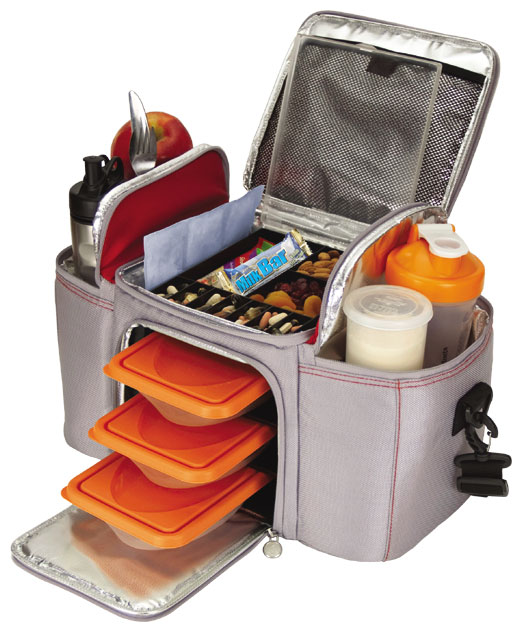
I always recommend tempered glass storage containers over plastic, since heating up ingredients in most plastic containers carries a risk of deranging the plastic and releasing harmful chemicals into the food. I make an exception with BPA-free containers, and recommend the types which have locking lids to prevent leakage of food.
6-Pack-Bag_Details-small
The BEST meal packing system out there is made by Six Pack Bags:
https://www.sixpackbags.com/bags.html

By adopting the habit of packing your meals, you will be on the road to better health!

The Power of NO (Updated Post)

How often do you agree to do something when you are either completely unmotivated to do it, or are so over-burdened by other responsibilities that you feel like you are shackling yourself to an impossible schedule? Maybe you’re known as the “nicest person” who always manages to make time for everybody no matter what. And maybe you don’t want people to think otherwise about you, despite the fact that your energy and your patience are worn thin by people who always seem to drain the very lifeblood from you, and expect you to do everything for them at the drop of a hat.

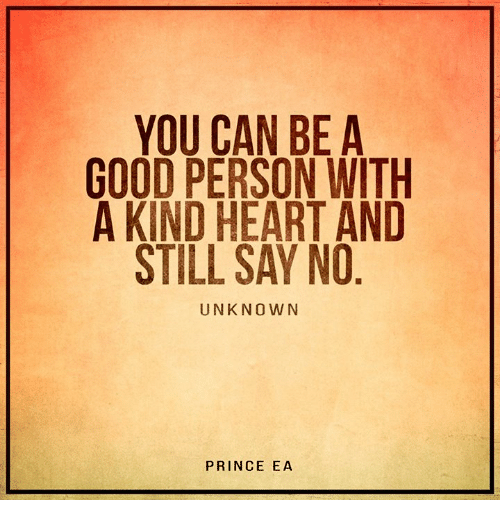
Have you ever considered using the word NO once in a while? By setting limits and boundaries, you will keep energy vampires at bay, and you give yourself a chance to balance out your life so that you don’t burn yourself out. I am sure that the people who have taken your availability for granted will be stunned when you respond to a request with NO, but they’ll get used to it. Whenever I gather the courage to refuse a request, a feeling of complete relief washes over me, especially if I feel like I am drowning in the wide expanse of my to-do list.

When you refuse a request, task, or invitation, you finally allow yourself to take a break. As long as you aren’t shirking responsibilities, you absolutely should feel like you deserve to clear the space around you, especially if you are in dire need of recharging your own batteries. There’s something I say to patients quite frequently, and that is, remember to put the oxygen mask over your OWN face. If you don’t nurture yourself, you won’t perform as well in all the roles you play in your life, whether it’s employee, boss, parent, spouse, etc.

It’s completely acceptable to draw the line in the sand, and to establish boundaries which preserve your sense of self and which keep your life, and your spirit, balanced and happy. If you are having difficulty asserting yourself and getting to the power of NO, then try this: whenever someone asks you for a favor or invites you somewhere, just say that you need to think about it or check your schedule, which is not a lie, and that you will let that person know soon. That gives you a window of time to evaluate the situation, and to determine if you have the time or the resources to accommodate the invitation or request.

Another important consideration is whether you have the inclination to take part in the task or event. Be honest with yourself! I see too many people agree to do things they don’t want to do, then they are steeped in misery. This doesn’t give you permission to be difficult, selfish, or uncooperative, but it certainly gives you some breathing room. If your heart isn’t in it, then don’t do it!

Remember that you will be better equipped to serve others if you take care of yourself first.