Hindsight is 20/20: Weight Training Then Versus Now

before lift shoot with LeeThis article details the five most important things I have learned about training since I began weight lifting over 25 years ago. When I think back on how little I truly knew about the methods and motivation behind working out, I realize that I have come a very, very long way. It was no accident that I obtained an undergraduate degree in exercise science and a medical degree, because I have spent my adult life strongly driven to learn as much about the human body and its potential as I possibly could. However, there is so much warrior spirit and heart that goes into weight lifting, and it can never be taught, only experienced.

Lifting Lady Weights versus A Lady Lifting WEIGHTS

I began lifting weights when I was 21 years old, shortly after embarking on a mission to heal from a year-long struggle with anorexia which brought me down to 85 pounds and also sunk my spirits to rock bottom. At that time my main objective was to learn how to lift properly, which fortunately was supported by my undergraduate studies and eventual Bachelor’s degree. I was rail thin and weak, so it took some time before I made real gains in the weight room. I held the same misconception back then that many women have now, in which I had a fear of lifting heavy and getting too muscular as a result. More than 25 years later, I regularly dispel that myth by encouraging women to lift heavy weights and showing them that my physique, which is not overly muscular, is the result of some very heavy lifting over the last several years.

Maintaining a Nice Physique versus Raising The Bar

During the years preceding my journey into competitive bodybuilding, I never pushed myself to the next level because I honestly never saw the point. I was content with the degree of muscle I had built in my 20’s and 30’s and was surrounded by people who weren’t impressed with weight training, so I never set new goals. Since I was blessed with decent genetics which kept me at a low to normal body weight and a moderate amount of muscle mass, I was pretty complacent (though very consistent) about my weight training. Then I went through a dramatic shift in 2009 when I competed in my first NPC bodybuilding contest and had an “aha” moment in which I finally understood the insatiable desire to push on to the next level and continue to set the bar higher and higher. Essentially, I had been bitten by the bodybuilding bug, and it overtook me with a ferocity and intensity that I had never known. I know that if it hadn’t been for that dogged determination which made me hungry for top national placings and an IFBB Pro Card, I might never have become a Pro.

Competitions & Overtraining versus Paying Attention To Pain

Let’s just get one thing straight: ever since I began competing in 2009, I have become accustomed to training like a beast. However, when I began my journey towards obtaining IFBB Professional Status, my purpose was so singular that I was willing to train until I collapsed from complete exhaustion, a tactic which I now realize is pretty stupid since it wreaks major havoc on the body when practiced for many months or years. I now understand that it is NEVER worth overtraining, or training with injuries which won’t heal because the athlete never takes a break from lifting. Overtraining interferes with muscle gains, immune function, sleep cycles, joint health, mood and energy, and can trigger a complete metabolic meltdown if the athlete continues overtraining for an extended period of time. Though my body’s creaks and groans, along with chronic pain issues from rotator cuff tears in my shoulder and severe tendinitis (IT bands, forearms, feet) were what caused me to finally ease up on the intensity of my workouts, I only allowed myself to pull the reins back AFTER I got my Pro Card. Once the beast had been slain, I fully embraced the idea of training smart and listening to my body’s pain cues

Hurry Up Before It’s Too Late versus Improving With Age

Before I began competing, I honestly believed that there was a freshness date stamped on competitors which essentially relegated them to the dinosaur pits by the time they reached 35 or 40. So I became positively giddy when I discovered that there was a masters’ division in bodybuilding and that I could strut my 43-year old booty onstage without risk of embarrassment. I regarded each subsequent contest as a chance to improve with age, thus using my competitions as a means to beat Father Time. Through my competition journey I have also met other bodybuilding and fitness devotees who do an outstanding job of proving that one can never be too old to be in great shape.

Seeing Clients/Patients One-On-One versus Impacting The Masses

If someone had told me back in 2009 (my first year of competing) that I would build a global following in a couple of years, I never would have believed it, especially since I had become so accustomed to working with fitness training clients and medical patients on a one-on-one basis. My passion for fitness became supercharged when I began competing, and I was so enthusiastic about sharing that passion that I turned to websites and social media platforms to demonstrate favorite exercises and contest video footage. Without thinking about it, I had put myself in a position to lead by example, and used my knowledge, educational background and experience to build fan loyalty and inspire and motivate my followers and fans. To this day, I love getting messages from fans who say that it was because of me that they decided to start competing or to pursue another personal passion which gave them joy and also graced them with optimal fitness.

These days, I often refer to embarking on a fitness and wellness regimen as putting the oxygen mask over one’s own face. That was exactly what I did for myself over 25 years ago. By showing others how to do the same thing, I feel completely in line with my life’s purpose, and it’s extremely rewarding.

Get The Best Skin Ever- Part 1: Lifestyle Adjustments

Beauty face of woman with clean skin

http://www.rxmuscle.com/rx-girl-articles/11853-get-the-best-skin-ever-part-1-lifestyle-adjustments.html

Please read my RxGirl article on making lifestyle adjustments that will transform your skin. You can access the original article by clicking on the link above, or keep reading here for the full article.

“What skin cream do you use? Your skin looks amazing!”

This is a common exclamation from women who admire the flawless skin of those who are either naturally dermatologically blessed or have been proactive about practicing good skin care. Perhaps you are one of the blessed individuals, but most women deal with acne, wrinkles, oiliness, hyperpigmentation, dry skin and dark circles under the eyes, all of which can be addressed with targeted products. If you practice consistent skin care with the right products, you will see improvements in the tone and quality of your skin.

Before delving into topical products in Part 2 of this article, I will utilize Part 1 here to review the many variables which can dramatically influence the quality of the skin.

Sleeping Beauty –
There’s a lot of truth to the adage about getting one’s beauty sleep. When you get adequate sleep, you optimize your body’s ability to repair itself because it has a chance to release human growth hormone in the deep stages of sleep. Conversely, cheating yourself out of a good night’s sleep results in an increase in cortisol release, which increases the amount of inflammation in the body. Basically, the inflammation prevents your cells from repairing damaged collagen, and if this occurs chronically, your skin will adopt an aged appearance. So get some quality shut-eye every night!

Don’t smoke –
I know most of you ladies don’t engage in this habit, but if you do, bear in mind that the habit breaks down the collagen and elastin in your skin, aging you prematurely. Smoking also constricts the blood vessels in the upper layer (epidermis), which interferes with delivery of oxygen and other vital nutrients which are involved in cell renewal. Lastly, the constant pursing of the lips which occurs while puffing on a cigarette causes fine vertical lines (“smoker’s lines”) to develop around the mouth.

Internal antioxidants –
We have all heard of the benefits of daily antioxidant intake and how these nutrients boost the body’s immunity, decrease inflammation, and even improve cognition, so it shouldn’t surprise you that antioxidants also promote cellular repair in the skin as well. Make sure to incorporate foods and supplements which have antioxidants such as vitamins A,C, E, cofactors like CoQ10, and polyphenols like resveratrol in them.

Hydrate from within –
Drink plenty of water, and you will be rewarded with glowing, healthy skin. Every time I have told a patient who suffered either from dry skin or from stubborn acne to drink plenty of water, I have seen dramatic improvement in the quality of their skin after they began drinking at least three liters of water per day. Adequate hydration will ensure that toxins are flushed out of cells and the cells are filled with water.

Healthy fats –
One of the hazards of competing is the tendency for coaches to completely strip dietary fat from contest prep diets. What results is a gaunt, unhealthy, aged appearance in the face which looks terrible and just screams for dermal fillers. Rather than wreak havoc on your youthful appearance, why not keep healthy fats like avocado, MCT oil, coconut oil, olive oil, flax seed, almonds, cashews, and fish oil in your daily regimen?

Limit alcohol –
Alcohol is notorious for dehydrating the skin and for that reason alone should be ingested in moderation. Also, since alcohol is toxic to the liver, it impairs the body’s ability to remove other environmental toxins which will be reflected in the quality of the skin. And for those of you who suffer from rosacea, that relaxing glass of red wine with dinner is a big no-no because it will aggravate the condition.

Clean makeup brushes –
When was the last time you cleaned your makeup brushes? Makeup brushes should be thoroughly washed on a regular basis to remove product build-up, bacteria and oils. If you suffer from acne, you need to be especially diligent about cleaning your makeup brushes regularly. As a general rule, clean foundation and concealer brushes at least once a week (twice a week if acne is a major issue). Eye makeup brushes should be cleaned every two weeks, and other brushes should be cleaned monthly. There are some excellent brush cleaning solvents, but you can mix one part baby shampoo with four parts water for an excellent and cheap brush cleaner.

Sanitize cell phone –
Cleaning your cell phone on a regular basis is a good sanitary practice to adopt, and can also save your skin from acne breakouts and rashes. Think for a minute how much you touch your phone and how much dust, ear wax and fingertip residue can accumulate on its surface. It’s no surprise that putting this bacteria- riddled device next to your cheek can cause skin flare-ups to occur. The best way to clean your phone is to use a soft cloth which is lightly sprayed with a dilute isopropyl alcohol solution (equal parts iso alcohol and water).

Stay tuned for Part 2 of this article which will cover topical products and treatments for luminous, youthful skin!

Shirataki Noodles: My Latest Food Obsession

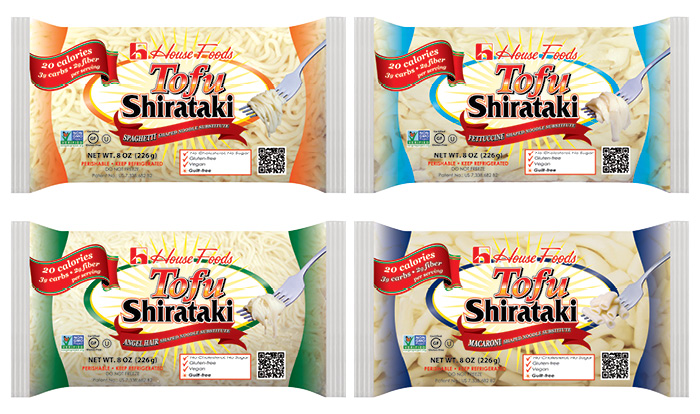
Recently I have been completely obsessed with shirataki noodles because they satisfy pasta cravings with none of the guilt. Shirataki noodles are made from the konjac yam, which contains a water-soluble fiber called glucomannan. Though they have been available in Asian markets for a long time, they are gaining popularity among people who must adhere to low carbohydrate diets. The folks at Quest Nutrition also made a brilliant move and came up with their own brand of shirataki noodles, so now people in the fitness industry are aware of these great pasta alternatives.

There are two different types of shirataki noodles available, both of which I enjoy. Straight shirataki noodles have zero net carbohydrates and no gluten, whereas tofu shirataki noodles have a small amount of net carbs and a less slippery texture. Both forms are package in water and must be rinsed before cooking, as the water they are packaged in has an odd, ocean-like odor. The noodles are very slippery (less so for the tofu type) and really don’t have any flavor of their own, so you must add some type of sauce of liquid seasoning to make them palatable. However, these noodles act like sponges and do a great job of absorbing flavors which are added to them during cooking. The high fiber content in shirataki noodles imparts a sense of fullness and slows digestion, making these noodles lifesavers when it comes to curbing cravings.

Shirataki noodles are a bit expensive, so I try to ration out my supply. However, get actual cravings for them and enjoy putting a meal together. My favorite prep method is very simple: I heat up the noodles for a minute, then I add sesame oil, soy sauce, white pepper, ginger, vegetables and chicken or shrimp for a delicious Asian style meal which fills me up.

Here are the most popular brands available:

http://www.miraclenoodle.com/ These noodles run aboout $4 per package and are available at major grocery stores.

http://www.miraclenoodle.com/
These noodles run aboout $4 per package and are available at major grocery stores.

http://www.house-foods.com/ These noodles are a bit cheaper at about $2 to $2.50 per bag, but they are more perishable than the non-tofu type.  You can find these in the refrigerated Asian foods section in major grocery stores.

http://www.house-foods.com/
These noodles are a bit cheaper at about $2 to $2.50 per bag, but they are more perishable than the non-tofu type. You can find these in the refrigerated Asian foods section in major grocery stores.

Time Zones, Reasonable Hours And The People Who Ignore Them

World TimeZones (analog)

I appreciate being able to meet people from other parts of the United States and the globe because they broaden my perspective and remind me that the world is much larger than what I am aware of as I navigate through a typical day in Southern California. As a result of my travels, I communicate relatively regularly with people who live in time zones that are 3 to 19 hours ahead of me. Whenever I attempt to communicate with them, I try to remain acutely aware of what time it is for them in their corner of the world. That is why I become very irritated when I get text messages and messages on Facebook Messenger in the middle of the night from people who are on the other side of the globe and think it’s a good time to initiate a chat with me. Some people are so clueless that when I respond to a message stating that I am trying to sleep, they KEEP MESSAGING me, causing my phone to clang repeatedly like a bell. I realize that I can (and DO) turn off my ringer, turn off my phone or ignore the messages, but there are two reasons why I respond to such communication attempts:

1. If I don’t respond immediately, I must deal with and endless stream of lengthy messages the next morning, scolding me for not responding.
2. I feel strongly compelled to inform the person that it’s late and that I must put an abrupt end to the conversation stream.

To be honest, I know that I test people when I tell them that it is late and that I am going back to sleep. The way to pass my test is to register a quick apology and allow me to rest, but some individuals seem to lack the sense to drop the conversation. One person who was an acquaintance I knew through Facebook contacted me last night past midnight and kept sending messages and images which woke me up repeatedly, so I told him to please stop. Instead of stopping, he explained to me that it was 12 noon where he was. Okay, that’s fine, but why did he keep messaging me, trying to engage me in a conversation I wanted no part of? I told him to please stop sending messages so that I could go back to sleep. His reaction was to KEEP MESSAGING ME. I have been in situations where I had miscalculated the time zone where a friend was, but as soon as I realized my mistake, I sent a quick apology and then stopped communicating with them. Unfortunately, this guy didn’t have the sense to realize how much of a pest he was, so my reward for his persistence was to block him.
doctorisout
I deal with people who think that because I am in the public eye and a physician, I must be on call 24/7. Not so, ESPECIALLY if someone pressures me to take care of their needs immediately when I have no professional responsibility toward them. The sense of entitlement some people have just blows me away! So-called “quick questions” become long, drawn-out consultation requests, and when I don’t have answers, some individuals cop an attitude after I have taken time out of my busy day to be cordial and helpful. It’s enough for me to consider telling everyone that they must submit questions to me during normal business hours, otherwise leave me alone. I must draw a line in the sand because I tend to sacrifice a great deal of my time and resources to help others, and run myself into the ground as a result.

How Emotional Eating Can Derail You From Your Fitness Goals

emotional-eating ice cream - Copy

Rather than discuss well-known emotional eating disorders such as bulimia, I will concentrate on binge eating which many women engage in from time to time.  It is important to recognize this behavior if it becomes a regular pattern, because frequent emotional eating warrants a diagnosis of binge eating disorder and requires treatment and intervention.

Binge eating is characterized by eating compulsively to cope with negative emotions and stressful situations.  A binge eater is rarely hungry when she begins to eat and will continue to eat well after she is full.  Such episodes can last for up to two hours or can occur off and on throughout the day.  The binger feels guilty both during and after the episode, but will not attempt to counteract it by fasting, taking laxatives, vomiting, fasting or over-exercising.  A strong lack of self-control as well as feelings of shame will accompany this behavior pattern.  There is a strong association between binge eating and depression.  Binge eating is also driven by social components such as social pressure to be thin, emotional and sexual abuse, parental criticism of a child’s weight, and the use of food as reward or punishment.

Food cravings are usually the strongest when you are in emotional crisis.  You may reach for food for comfort or to serve as a distraction.  Consider the following highly stressful events and think about whether you reached for comfort foods during such times:

  • Financial problems
  • Health problems
  • Work issues
  • Relationship issues
  • Fatigue
  • Family issues

Though some people will lose their appetites when stressed and will refrain from eating, many others will engage in impulsive eating in an effort to deal with negative emotions.  This may be relatively harmless if such emotional eating occurs on a very rare occasion, but becomes a serious problem when it is used as the only coping mechanism for stressful situations or negative emotions.  Just bear in mind that if you have a rare moment of weakness, it is important to recognize it as just that and to prevent yourself from spiraling into excessive feelings of guilt over the incident.  If you engage in an episode of emotional eating, learn to forgive yourself and have a fresh start the following day.

 
Why We Engage in Emotional Eating


What occurs almost invariably when we eat emotionally is that we turn to cookies, cakes, candy, fried foods and breads rather than to healthy foods.  There is a biochemical basis for such behavior.  Carbohydrates which are high in sugar or fat release dopamine in our brains which in turn stimulates the brain’s pleasure center, creating a sense of euphoria.  These foods are usually associated with pleasurable memories, such as cake which you may have looked forward to on your birthday, or macaroni and cheese as a treat after school when you were a child.


Food can also serve as a happy distraction from conflict or stressful events by stimulating the aforementioned pleasure centers.  What will frequently occur is that an excessive amount of these foods will be consumed.  However, if you remain aware of such automatic connections between food and mood and realize when you are eating for reasons other than hunger, you can break this cycle and get back on track with healthy eating habits which are associated with true hunger.


How To Combat Emotional Eating


  • Keep a food diary.  Get in the habit of writing down everything you eat and drink, including the quantity, the times at which you eat, your emotional state while eating the meal, and your level of hunger.  By doing this you may see patterns which will reveal your emotional relationship with food.


  • Remove tempting foods.  Avoid stocking comfort foods in your home if you find that they are difficult to resist.  And by all means avoid making trips to the grocery store if your emotions are spiraling out of control!


  • Practice stress management.  Yoga, meditation, and relaxation techniques are effective methods of managing your stress.


  • Determine whether you are truly hungry.  Many times people may believe they are hungry when in reality they are actually emotionally distraught and desperately searching for a way to defuse such emotions.


  • Make sure you consume adequate calories.  Individuals who are trying to lose weight will often restrict their calorie intake too much, and will turn to the same foods in an effort to remain on track without rewarding themselves with an occasional treat.  Adding variety to your meal plan will also help to keep you on track.


  • Distract yourself.  If you get an urge to snack when you aren’t truly hungry, distract yourself by watching a movie, calling a friend, reading, listening to music, or taking a walk.


  • Consume healthy snacks.  If an urge to snack between meals strikes, choose a low-calorie snack such as vegetables with seasoned nonfat Greek yogurt, fresh fruit, low fat cottage cheese or rice cakes.


  • Get enough sleep.  Getting enough sleep is an important component in decreasing cravings for comfort foods.


  • Eat at regular intervals.  Consume smaller meals every three to four hours to keep you from feeling hungry or deprived.


  • Focus on the experience of eating.  Learn to eat in a mindful manner, in which you pay attention to your meal and only your meal.  Become aware of the sensations associated with eating.


  • Reward yourself.  It is both physically and emotionally unhealthy to practice excessive calorie restriction for prolonged periods.  Allow yourself to have a favorite food or meal once each week.


  • Connect with your emotions.  When a food craving hits during an emotional time, write down the emotions you are experiencing, such as sadness, loneliness or anger.


  • Seek professional help if emotional eating is frequent.  There are countless support groups which you can join which will help you to develop insight as well as the skills to avoid engaging in such behavior.


One last note: make sure to get vital nutrients into your diet on a daily basis. I recommend taking a multivitamin several times a day to optimize absorption, and my favorite is SWAT Fuel’s .40 Caliber. SWAT Fuel’s .40 Caliber Multivitamin delivers high bioavailability on a three time dosing regimen each day and is suitable for everyone, but it is especially great for individuals who tend to experience intestinal discomfort from multivitamin formulas.

You can order .40 Caliber directly from the website: http://swatfuel.com/products.aspx

How To Stay Lean During The Holidays

holidays-holiday-foods-full
It seems that I will continue to uphold my yearly tradition of making my incredible (and incredibly UNclean) fudge for the holidays, as well as my signature turkey stuffing. Since the holidays come only once a year, it seems reasonable to indulge a bit, right? Well, if you’re a fitness fanatic and you have competitions coming up like I do, you can’t exactly throw caution to the wind and consume whatever you want. However, you CAN still indulge in small amounts of rich foods which are not considered clean as long as your other foods are healthy and clean. This means that your abs don’t have to hibernate during the holidays!

There are a few tricks to minimize the amount of bad foods which you may be tempted to devour.  You can consume a small amount of lean protein right before you have a carb cheat.  This will slow down digestion so that the carbs aren’t stored as readily.  Another trick is to drink at least eight ounces of water before you indulge in a decadent treat.  This will help to fill you up so you consume less food afterward.  When you are aware that you will be at a function in which tempting foods will be around, make sure your meals beforehand are kept clean and that you you eat every 2-1/2 to 3 hours to ensure that you won’t be ravenous come party time.

A newer tactic which can often work wonders for some people is to practice an intermittent fast the day before in which you consume a small number of calories, say 400-500, then go to town on turkey day, consuming your maintenance calories then. This seems to work better if you ramp up the week before with a series of intermittent fasts in which you consume your food (maintenance calories +10-20% on training days, then drop to -20% of maintenance on rest days) within a 4 to 8 hour window, then fasting the rest of the time. If you do this, crank up your protein intake so that it is at least 1 gram per pound of body weight. I personally love this diet approach and my body responds well to it, plus I can enjoy all the goodies on Thanksgiving without remorse.

There are food choices which are cleaner than others during the holidays. Though common holiday foods are rather calorie dense, here are a few food items which are lower in calories and fat:

  • Roast turkey breast
  • Green beans without butter
  • Mashed potatoes made with whipped butter and Greek yogurt instead of milk and regular butter
  • Pumpkin Pie

I know some of you are assuming that my cats join in with holiday feasts, but I always put them in my bedroom and lock the door. There are several reasons why I keep my felines away from the holiday table:

1. People food can often be hazardous for animals
2. My cats will run underfoot and probably trip people
3. My cats will suddenly forget the rule about not jumping onto tables and will create an unsanitary environment for guests
4. My cats will turn into pesky little beggars
Holiday-treats

This Thanksgiving will be a bit different since I will wait until the Sunday following Thanksgiving to cook a feast. This is in honor of my friends who are competing at the NPC/IFBB Ferrigno Legacy this weekend. Some of you may also be wondering what I am planning on cooking and eating, so here is my Thanksgiving menu:

  •  20 pound turkey
  • my secret stuffing recipe which has lots of goodies in it but is relatively low in fat and calories compared to other exotic stuffing recipes
  • mashed potatoes made with light butter and sour cream
  • green bean casserole
  • my homemade fudge
  • whole cranberry sauce
  • turkey gravy
  • wine
  • store-bought pumpkin pie

Obviously there are some items on my menu that fall outside of my “clean food guidelines”, but since the holidays only come once a year, I have no qualms about it.   This is the time during which we should count our blessings and spend quality time with the people we love without getting anxious about what we are eating.  However, this does not mean you have free license to go nuts on bad foods for the next month!  If you end up indulging in other foods, don’t beat yourself up.  Instead, enjoy the feast and resume healthy eating the next day. 

Happy holidays!

Don’t Go “Nuts” On Nuts

Original post can be found at: http://sportsnutritionsupplementguide.com/latest-news/health-and-fitness-news/item/1106-don-t-go-nuts-on-nuts#.VGqaavnF-K0
nuts
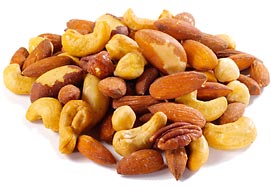
I rarely encounter competitors who aren’t completely enamored of nuts and who lament their absence during contest prep. And for good reason. The substantial texture and flavor of nuts have captured the interest of the general population and have elevated nuts to superfood status. However, due to their significant nutrient density, “too much of a good thing” can certainly be applied to nuts of any kind. I have encountered patients who may have previously been in the habit of mindlessly polishing off an entire bag of potato chips in one sitting and who have similarly finished an entire jar of nuts, believing that the health benefits of nuts could somehow negate the caloric assault on their weight loss plans.

Everything in Moderation
That being said, I am far more likely to praise the benefits of nuts than I am to discourage their consumption. As a self-professed nut lover I am well aware of how delectable they are, yet I usually will portion them out in an effort to prevent any overindulgence. This is especially true when I consume nut butters. I know that if I keep the almond butter jar open, I am likely to dip into it once more, so I make myself remove a serving size then quickly seal the jar and put it away. When you consider that the average nut butter contains approximately 190 calories per 2 tablespoons and 16 grams of fat, the calories can stack up very quickly indeed. However, on a positive note, researchers in Spain discovered that frequent nut consumption was associated with a decreased risk of weight gain.

Benefits of Nut Consumption:

May help to lower cholesterol
Rich in arginine, which enhances blood flow
Rich in fiber, unsaturated fatty acids and phytochemicals
Contain mono- and polyunsaturated fats which are cardioprotective
Best plant source of protein
Rich in vitamin E, B vitamins, selenium, calcium, magnesium, copper, iron and phosphorous
Rich in a number of compounds which may protect against gallstone disease
May reduce the risk of age-related macular degeneration
Negative Aspects of Nut Consumption:

High fat content
Many nuts are flavored with sugar, added fat, sodium, chemicals and preservatives
High in calories • Some people have allergies to nuts which in some cases can serve to be fatal
Contain oxalates which can crystallize and form kidney stones
“Nutty Top Five”
Though all nuts provide superior health benefits, I consider the five nuts listed below to be the best of the bunch for various reasons. Make sure to opt for the raw or dry roasted varieties whenever possible. When nuts are roasted in oil, there is a high probability that they have either been heated in hydrogenated oils or subjected to high temperatures which can destroy their nutrient properties. Studies recommend a daily intake of one to two ounces of nuts as part of a healthy diet.

Pecans: This is the most caloric nut in this list at 200 calories for 18 to 20 halves, and also contains the smallest amount of protein at 3 grams while packing 20 grams of fat. However, these slightly sweet nuts still offer health benefits when consumed. Pecans contain a plant steroid called beta-sitosterol, which helps to relieve the symptoms of an enlarged prostate. They are extremely rich in B vitamins, vitamin E, and ellagic acid, which is a potent antioxidant. Pecans are excellent when added to the vegan baked goods I make, and I especially love them in my admittedly non-contest friendly Thanksgiving stuffing!
Cashews: Technically, cashews are thick-shelled seeds, but confer all of the general benefits of nuts, including monosaturated fatty acids like oleic and palmitoleic acids. They are quite calorie dense at 180 calories for 14 nuts but also contain a number of important minerals, including manganese, potassium, selenium, copper and zinc. Another important substance which can be found in cashews is zea-xanthin, which is selectively absorbed into the retinal macula lutea in the eyes and confers protection against age-related macular degeneration. The texture of these seeds is so meaty and satisfying that they easily made it onto my top five list. In addition, cashew butter is delectable! If you need a change from peanut butter, try this option.
Hazelnuts: These nuts are loaded with folate, vitamin E, and B vitamins. I recently started eating these nuts after encountering them in a mixed assortment, and was surprised by their distinctive flavor and relatively hard texture. Hazelnuts are excellent snacking nuts and good for a change.
Walnuts: Walnuts are extremely rich in alpha linoleic acid (ALA) which can reduce inflammation and oxidation in the arteries after eating fatty meals. A serving of 14 halves contains 180 calories but also provides about 90% of the recommended daily intake of omega-3 fatty acids. Scientists at University of Scranton, Pennsylvania recently discovered that walnuts have highest levels of polyphenolic antioxidants than any other common edible nuts. Walnuts are incredibly versatile and can be mixed into vegan baked goods, fudge, salads, Greek yogurt, oatmeal, or eaten plain.
Almonds: These nuts have the lowest calorie density, and also contain the most calcium of any nut. They are rich in dietary fiber and phytochemicals and confer excellent protection against diseases. Almonds are an excellent source of vitamin E, with 60% of the recommended daily intake of vitamin E packed into a 30 gram serving. Over the past year I have replaced peanut butter with almond butter because I vastly prefer the flavor of the almond variety. I have also heard numerous people report that almond butter was more easily digestible than peanut butter. As for the whole nut, I consider the almond’s textural variety and its flavor to be superior to other nuts, making it my go-to when I grab a serving.
Summary: As long as nuts are not consumed in the same volume as lean meats and vegetables are, daily consumption will confer a myriad of health benefits to one’s diet. If you haven’t already incorporated nuts into your meal plan, consider doing so in order to optimize your health.

Paleo Meal Plans For Women – The Fat Loss Cure?

Original post can be found at:

http://sportsnutritionsupplementguide.com/eating-plans/paleo/item/1413-paleo-meal-plans-for-women-the-fat-loss-cure#.VGqZY_nF-K0
paleo
Apparently the cave dwellers of the Stone Age knew a thing or two about nutrition, because modern nutrition experts have developed a new craze with the Paleo diet, purporting a myriad of health benefits such as fat loss and a boost in energy. However, though some individuals have reported increased energy while on a Paleo plan, many others have reported a slump in energy levels. For this reason, I want to remind readers that it is essential to determine what works for YOUR body. Paleo may work wonders for you, or it may be a turn in the wrong direction too.

For those of you who are unclear on what defines a Paleo meal diet, let’s look at what food items are allowed on this meal plan: meat, poultry, seafood, eggs, vegetables, fruit, nuts, and seeds. Foods which are banned from Paleo plans are: grains, legumes, refined sugar, artificial sweeteners, processed foods, dairy. Here is a more detailed breakdown of the Paleo philosophy:

About one-quarter to one-third of the calories you ingest daily will come from protein sources, all of which are from animal sources.
Carbohydrate sources consist of vegetables and fruits and comprise about 40% of your daily caloric intake.
Fat intake is relatively high, consisting of monounsaturated and polyunsaturated fats and Omega-3 fatty acids.
Paleo plans are low in sodium and high in potassium due to the whole food sources which are allowed.
Benefits of Paleo
Some people may notice a marked improvement in digestion after implementing a Paleo meal plan, which can be explained in part by the large amounts of fiber delivered with this dietary approach. Those who are gluten sensitive or intolerant usually notice a pronounced improvement in gut health after going the Paleo route, since irritating and inflammatory grains are eliminated from the diet.

Since blood glucose levels remain relatively stable due to the low glycemic index of foods ingested in Paleo plans, people may notice mood stabilization, a decrease in food cravings, and better focus and concentration. Another benefit which Paleo diets can confer is weight loss. I have heard of people suddenly dropping those last five or ten pounds rather quickly after following a Paleo plan, so Paleo can be a godsend for those who are at their wit’s end about trying to lose weight.

Negative Aspects of Paleo
If you’re passionate about remaining a vegetarian, you can forget about going Paleo, since it relies heavily on animal protein sources. With so much meat in the plan, some individuals cannot tolerate the high amounts of protein. Others cannot tolerate the sudden massive intake of dietary fat, and develop increased gut permeability, which is ironic since many people who switch to Paleo plans are trying to find a way to heal a leaky gut. Digestive upset which surfaces while on a Paleo diet may also be a result of consuming the excessive supplements which are required to ensure optimal nutrition while on a Paleo plan.

Paleo plans do not guarantee relief from food intolerance either, since foods considered Paleo safe, such as beef or walnuts, can trigger massive inflammation in the gut. The solution is to either get a food tolerance test from your physician’s office, or eliminate foods one by one until your symptoms disappear. However, the problem with food elimination while on a Paleo plan is that you are already quite restricted on the foods which you are allowed to eat. Another problem with the limited number of foods allowed on Paleo plans is that macro and micro nutrients are often inadequate. Some women simply cannot consume the massive amounts of protein which are required on the plan, and caloric needs are often not met because the caloric densities of the staple foods on a Paleo plan are rather low. In addition, the body’s daily requirements for vitamins and minerals is often not fully met, making it necessary to take many supplements to compensate for the nutrient deficit.

I have also noticed that a fair percentage of women (and men too, for that matter) do not function well on extremely low carbohydrate diets. These women would fare better on a Paleo plan which allowed some root vegetables such as potatoes for starchy carbs, or on a non-Paleo plan which incorporated grains.

The Verdict
After all is said and done, the Paleo approach is restrictive, and in my humble opinion, not sustainable for the long term. As one who has followed restrictive non-Paleo contest prep plans, I can honestly say I had more variety with some of them than what I have seen with Paleo plans. I believe that a Paleo diet can be an excellent short-term way to jump start weight loss, especially for someone whose weight loss efforts have stalled.