Women who have gone through menopause typically experience striking changes in hair texture, which can quite frankly, be distressing. For those of you who didn’t know about menopausal hair changes, be afraid. Be very afraid. Because your hair texture will morph into something you won’t understand or find very manageable.

My hair before the waves kicked in…
When a woman reaches menopause, hormonal changes can lead to noticeable differences in hair texture, volume, and growth patterns. While hair thinning and loss are commonly discussed, another fascinating change is how hair texture can become curlier or more unruly. On a personal note, my hair went from being almost arrow straight to having a pronounced wave, which makes it look like I had braided my hair and then let the crimps remain after unraveling the braid. I fight this new waviness by flat ironing my hair, because I just can’t stand the look. The waves became intense for a while (see pic below), then settled down a bit once I reached 57.
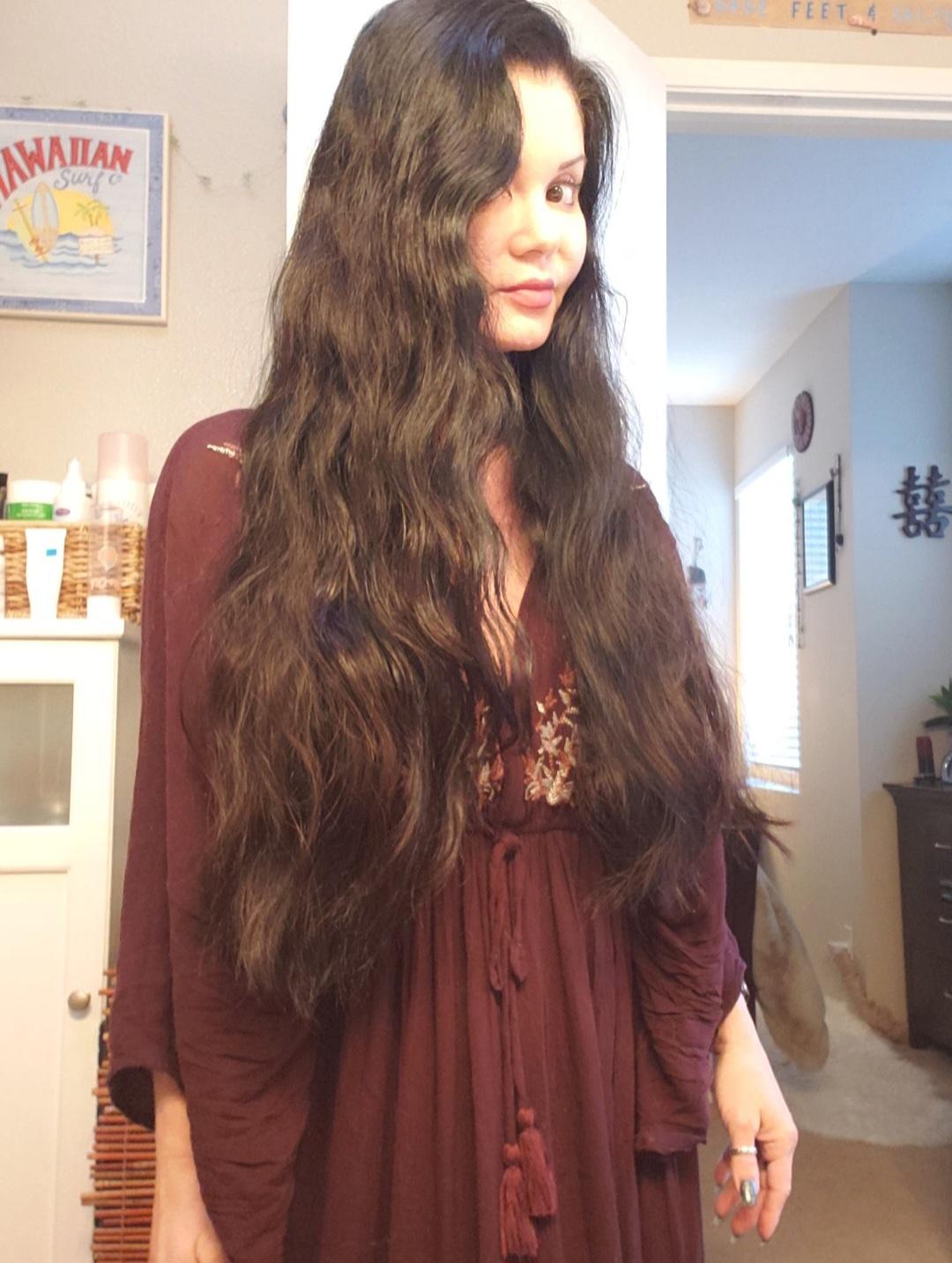
There are several scientific explanations which help account for the changes in hair texture during menopause:
1. Hormonal Changes and Hair Texture
Estrogen and progesterone, two key hormones that regulate many aspects of a woman’s body, play an important role in hair growth and structure. Before menopause, these hormones help maintain the hair growth cycle, ensuring strong and healthy strands. As estrogen and progesterone levels decline, their regulatory effect diminishes, which can lead to changes in the shape and structure of hair.
At the same time, androgen (male hormone) levels remain relatively stable or increase in comparison, which can influence hair follicles in several ways:
- Some women experience hair thinning or miniaturization, particularly along the crown.
- Androgen dominance may alter the activity of sebaceous (oil) glands, affecting hair texture.
- Hair strands may become drier, more brittle, or coarser.
2. Changes in the Hair Follicle and Muscle Relaxation
One lesser-discussed but compelling explanation involves changes in the follicular muscle layer—specifically, the arrector pili muscle, a tiny muscle attached to each hair follicle. This muscle plays a role in the positioning of the follicle in the scalp.
- During menopause, the arrector pili muscle may weaken or relax due to hormonal shifts, particularly as estrogen levels drop.
- When this muscle relaxes, it can cause the hair follicle to shift at a different angle.
- A change in the follicle’s orientation may lead to hair emerging in a more curved or spiral pattern, making previously straight or wavy hair appear curlier.
3. Structural Changes in the Hair Shaft
The cross-sectional shape of the hair shaft is a major determinant of hair texture. Straight hair typically has a round cross-section, whereas curly hair has a more oval or flattened shape.
- Hormonal shifts can influence keratin production, the protein that makes up hair.
- Changes in keratin bonding patterns could contribute to an altered hair structure, making it curlier or frizzier.
- Hair may also become thinner in diameter, which can enhance the appearance of curls or waves.
4. Aging and Changes in Scalp Health
The scalp itself undergoes changes with age, including:
- Reduced blood flow to hair follicles, which affects nutrient delivery.
- Changes in oil production, leading to drier hair that may behave differently.
- A shift in collagen and elastin levels in the skin, which might indirectly impact follicle positioning and hair texture.

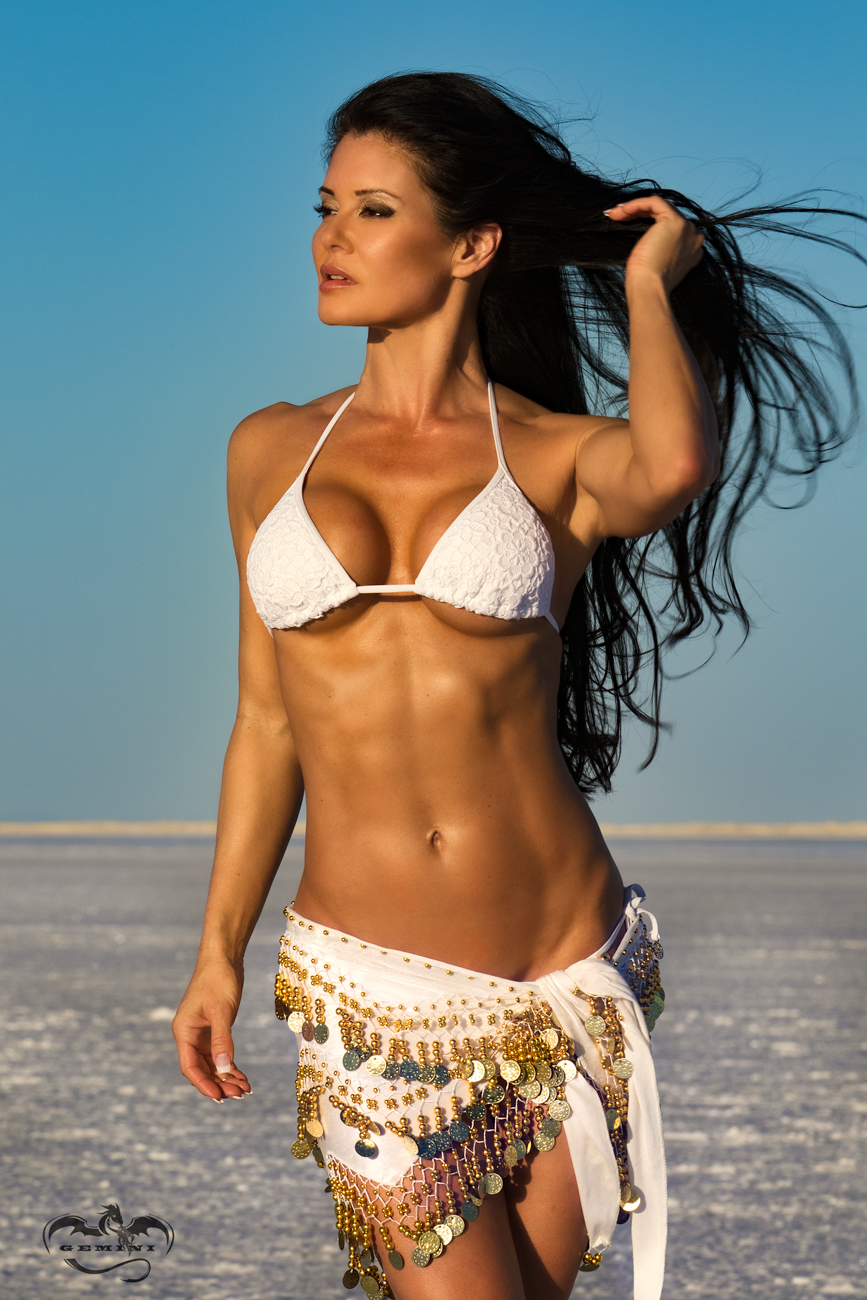
The waves in my hair tend to look more like this, but I have a lot of frizz right after washing my hair. Thank goodness for flat irons!
Conclusion
Menopause brings a variety of changes to hair due to the interplay of hormonal fluctuations, follicular shifts, and changes in scalp and hair fiber structure. While some women may experience thinning, others may find their hair becoming curlier or more textured due to follicle repositioning, muscle relaxation, and shifts in keratin structure. Understanding these changes can help women adjust their hair care routines to maintain healthy, manageable hair during and after menopause.
 dr. stacey naito's blog