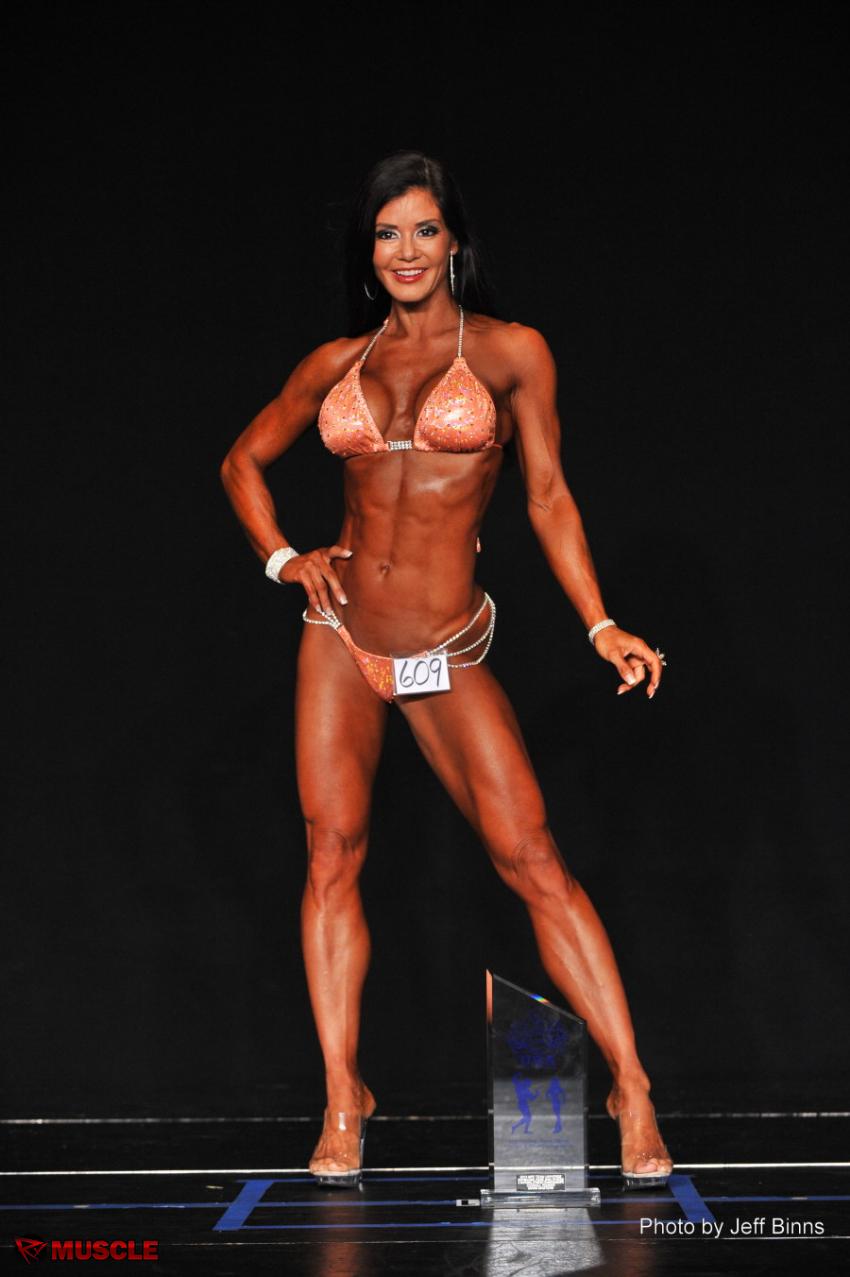
Ashley Kaltwasser Wins Nordic Pro: Record 14 IFBB Bikini Pro Wins!

Original post can be found at:

http://npcnewsonline.com/ashley-kaltwasser-wins-nordic-pro-record-14-ifbb-bikini-pro-wins/227266/

Ashley with her three Olympia medals

This girl is unstoppable! She has 14 IFBB Bikini Pro wins now, getting the most recent one at the Nordic Pro yesterday. I am so thrilled for her, because she is definitely most deserving of all her titles. Go, Ashley, go!

Here are her Pro wins:

Ashley’s 14 IFBB Bikini Contest Wins.

1. 2015 IFBB Nordic Pro
2. 2015 IFBB Olympia
3. 2015 Arnold Sports Festival
4. 2014 IFBB Russia Pro
5. 2014 IFBB Korea
6. 2014 IFBB Olympia
7. 2014 Toronto Pro Supershow
8. 2014 New Zealand Pro
9. 2014 IFBB Australia Pro Grand Prix XLV
10. 2014 IFBB Arnold Classic
11. 2013 IFBB Sheru Classic
12. 2013 IFBB Olympia
13. 2013 IFBB Toronto Pro Supershow
14. 2013 IFBB Powerhouse Pro

Minimalist Footwear

minimalist footwear

Please check out my latest article for American Fitness Educators which discusses minimalist footwear! Original post can be found at:

http://www.fitnesseducators.com/blog/minimalist-footwear/

Merrell-Road-Glove-Barefoot-Shoe
Less Is More

Are there benefits to training in minimalist footwear? Studies have demonstrated that training while wearing minimalist shoes results in enhanced performance due to greater foot pliability and a closer approximation to a barefoot stance. Since our feet adjust to wearing raised heels over time, it can be incredibly challenging to keep our heels on the ground while performing exercises like deep squats. Proponents of minimalist footwear may even argue that barefoot is best for heavy weightlifting, but the risks of exposure to microbes or hazardous fragments of glass, metal, or rocks, make minimalist shoes a much more feasible choice while at the gym.

Dysfunctional movement patterns become established throughout the body over time. Conventional athletic shoes can often contribute to ankle and foot dysfunction because they inhibit natural foot action. If you don’t believe it, then try to perform some of your physical activities barefoot and see how well, or poorly, you perform. Chances are that the impaired mechanics in the feet and ankles will make it difficult at best to perform those activities. By gradually switching over to minimalist footwear, an athlete can essentially correct improper foot mechanics and optimize kinetic feedback throughout the body during movement.

Benefits Of Minimalist Shoes

Conventional athletic footwear features a cushioned heel which also can compromise power. In contrast, minimalist footwear features little to no heel, and the soles are very thin and malleable, so they allow the joints in the foot to move and adjust to weight loading movements. In addition, the heels and midfoot make solid contact with the floor, causing more activation in the glutes and hamstrings. Studies have demonstrated that people who wear minimalist footwear develop greater strength in their legs and feet, since more power is transferred from the working muscles, through the feet, and into the movement. Plyometric movements and sprint power will also be enhanced while wearing minimalist shoes.

A 2011 study by Squadrone and Gallozzi assessed the ability of experienced runners to estimate the degree of inversion, eversion, dorsiflexion, and plantarflexion, of a slope surface board placed under their right foot while standing. They found that the degree of proprioceptive feedback which subjects received while wearing Vibram Five Fingers® was much more accurate than in subjects who wore a standard running shoe. In conclusion, cushioned shoes conferred a distinct disadvantage when compared to minimalist shoes during assessment of foot position awareness.

How To Transition Into Minimalist Shoes

Anyone who is transitioning from conventional athletic shoes to minimalist footwear needs to do so gradually, since the body has to adjust to radically different proprioceptive input. There have been cases of metatarsal stress which developed after converting too quickly to minimalist shoes. However, once the transition is made, noticeable strength gains should occur. Try spending about 15 to 30 minutes, twice a day, wearing minimalist shoes around the house. After about a week or two, you can try them out at the gym one to two days a week until you become accustomed to the feel of the shoes. Be aware that your gait and foot stance will probably change as you acclimate to this type of shoe.

REFERENCES:

Squadrone R, Gallozzi C (2011) Effect of a five-toed minimal protection shoe on static and dynamic ankle position sense. J Sports Med Phys Fitness Sep;51(3): 401-8.

Hindsight is 20/20: Weight Training Then Versus Now

IMGL0080 (2)
This article details the five most important things I have learned about training since I began weight lifting over 25 years ago. When I think back on how little I truly knew about the methods and motivation behind working out, I realize that I have come a very, very long way. It was no accident that I obtained an undergraduate degree in exercise science and a medical degree, because I have spent my adult life strongly driven to learn as much about the human body and its potential as I possibly could. However, there is so much warrior spirit and heart that goes into weight lifting, and it can never be taught, only experienced.

Lifting Lady Weights versus A Lady Lifting WEIGHTS

I began lifting weights when I was 21 years old, shortly after embarking on a mission to heal from a year-long struggle with anorexia which brought me down to 85 pounds and also sunk my spirits to rock bottom. At that time my main objective was to learn how to lift properly, which fortunately was supported by my undergraduate studies and eventual Bachelor’s degree. I was rail thin and weak, so it took some time before I made real gains in the weight room. I held the same misconception back then that many women have now, in which I had a fear of lifting heavy and getting too muscular as a result. More than 25 years later, I regularly dispel that myth by encouraging women to lift heavy weights and showing them that my physique, which is not overly muscular, is the result of some very heavy lifting over the last several years.

Maintaining a Nice Physique versus Raising The Bar

During the years preceding my journey into competitive bodybuilding, I never pushed myself to the next level because I honestly never saw the point. I was content with the degree of muscle I had built in my 20’s and 30’s and was surrounded by people who weren’t impressed with weight training, so I never set new goals. Since I was blessed with decent genetics which kept me at a low to normal body weight and a moderate amount of muscle mass, I was pretty complacent (though very consistent) about my weight training. Then I went through a dramatic shift in 2009 when I competed in my first NPC bodybuilding contest and had an “aha” moment in which I finally understood the insatiable desire to push on to the next level and continue to set the bar higher and higher. Essentially, I had been bitten by the bodybuilding bug, and it overtook me with a ferocity and intensity that I had never known. I know that if it hadn’t been for that dogged determination which made me hungry for top national placings and an IFBB Pro Card, I might never have become a Pro.

Competitions & Overtraining versus Paying Attention To Pain

Let’s just get one thing straight: ever since I began competing in 2009, I have become accustomed to training like a beast. However, when I began my journey towards obtaining IFBB Professional Status, my purpose was so singular that I was willing to train until I collapsed from complete exhaustion, a tactic which I now realize is pretty stupid since it wreaks major havoc on the body when practiced for many months or years. I now understand that it is NEVER worth overtraining, or training with injuries which won’t heal because the athlete never takes a break from lifting. Overtraining interferes with muscle gains, immune function, sleep cycles, joint health, mood and energy, and can trigger a complete metabolic meltdown if the athlete continues overtraining for an extended period of time. Though my body’s creaks and groans, along with chronic pain issues from rotator cuff tears in my shoulder and severe tendinitis (IT bands, forearms, feet) were what caused me to finally ease up on the intensity of my workouts, I only allowed myself to pull the reins back AFTER I got my Pro Card. Once the beast had been slain, I fully embraced the idea of training smart and listening to my body’s pain cues

Hurry Up Before It’s Too Late versus Improving With Age

Before I began competing, I honestly believed that there was a freshness date stamped on competitors which essentially relegated them to the dinosaur pits by the time they reached 35 or 40. So I became positively giddy when I discovered that there was a masters’ division in bodybuilding and that I could strut my 43-year old booty onstage without risk of embarrassment. I regarded each subsequent contest as a chance to improve with age, thus using my competitions as a means to beat Father Time. Through my competition journey I have also met other bodybuilding and fitness devotees who do an outstanding job of proving that one can never be too old to be in great shape.

Seeing Clients/Patients One-On-One versus Impacting The Masses

If someone had told me back in 2009 (my first year of competing) that I would build a global following in a couple of years, I never would have believed it, especially since I had become so accustomed to working with fitness training clients and medical patients on a one-on-one basis. My passion for fitness became supercharged when I began competing, and I was so enthusiastic about sharing that passion that I turned to websites and social media platforms to demonstrate favorite exercises and contest video footage. Without thinking about it, I had put myself in a position to lead by example, and used my knowledge, educational background and experience to build fan loyalty and inspire and motivate my followers and fans. To this day, I love getting messages from fans who say that it was because of me that they decided to start competing or to pursue another personal passion which gave them joy and also graced them with optimal fitness.

These days, I often refer to embarking on a fitness and wellness regimen as putting the oxygen mask over one’s own face. That was exactly what I did for myself over 25 years ago. By showing others how to do the same thing, I feel completely in line with my life’s purpose, and it’s extremely rewarding.

Please Check Out My Profile at Sports Nutrition Supplement Guide Website!

I have had the good fortune to be one of the Authoritative Experts on Sportsnutritionsupplementguide.com for the past year. Please check out their site, which is chock-full of information and inspiration! The link below will take you to my profile on the site:

http://www.sportsnutritionsupplementguide.com/get-certified/brand-specific/itemlist/user/486-drstaceynaito

dr-stacy-naito-left-banner

Fall Down Seven Times, Get Up Eight

NPC Team Universe July 6, 2013.  The day I earned my PRO CARD!

NPC Team Universe July 6, 2013. The day I earned my PRO CARD!

The first time I heard the phrase that serves as this article’s title, I remember how it resonated with me. I come from a single-parent household and remember seeing how my mother struggled on a very limited income. Somehow she always managed to get by, though I remember every meal being stretched with large servings of Japanese white rice. In fact I remember being quite puzzled the first time I visited a classmate’s house and was served soup without a hunk of rice floating in it. I thought everyone was poor and had to stretch every meal. There were times my mom would splurge and bring home lamb shoulder chops, which I would eat very slowly so that I could prolong the sheer joy of eating such a delectable meat. My mother believed that education was the most important thing and was determined to keep me in private school despite the fact that it meant forgoing many creature comforts. We lived in an old apartment with many donated furnishings. I couldn’t have a car when I was sixteen so my mom and I shared her car. But I was truly happy, and knew that my mom gave me the most love and encouragement a parent could possibly provide.

My mother encouraged me to pursue all my interests, which ranged widely from medicine to illustration, modeling, fashion design, acting, music and foreign languages. She believed in me, made me feel like I was unstoppable, and also made sure my goals were challenging enough for me. Instead of choosing something from the list to pursue, I decided I wanted to tackle them all. I remember my mother struggling financially during my senior year of high school. She didn’t have the money for tuition, so she borrowed it from her siblings so that she could keep me in the same school I had been at for eight years. Her determination to keep me in the same school enabled me to graduate from high school at the age of sixteen at the same place I had established relationships and developed a comfort level. During that time I was able to design an entire clothing line for a company, study several foreign languages, learn to play the guitar, dabble in graphic design, act in several pilots and commercials, and do all kinds of modeling. I had no idea at the time that the pressure to achieve great things set the stage for an eating disorder.

The precipitating event which pitched me into full-blown anorexia nervosa was a rape at the age of nineteen. The event was violent, traumatic, and for whatever reason, I would see my attacker’s face every time I looked in the mirror. I never understood why this kept happening but was so tortured by this that I set about making him disappear. For me this meant starving myself and taking laxatives, which I did for close to a year. I felt fat (which at 5’5” and 103 pounds, was clearly not the case), unattractive, ashamed, and frightened. I was relentless about making this man’s face disappear, which fueled my starvation attempts. At my lightest I got down to 85 pounds and felt like I was in hell. Right around that point I recall an acquaintance telling me that at the age of 20 I looked like a 40 year-old. He was a celebrity fitness trainer and seemed to know a great deal about human performance, so his words jolted me. But I still didn’t see the point he was trying to make.

A couple of weeks later a good friend visited me and took a number of candid photos and sent copies to me. When I looked at the photos, I finally saw the children’s size 12 jeans hanging on my skeletal body, and for the first time I truly saw how emaciated and unhealthy I looked. It was like a slap in the face. Why would I do this to myself? I had hit rock bottom and it was time to turn my life around. As soon as I realized what I was doing to myself, I threw away the laxatives, started eating regularly, began weight training and declared a major in exercise science. During my studies I also decided to enter a Japanese-American beauty pageant and won the title for my region, fulfilling a dream I had since childhood. I had finally healed from the rape and from my eating disorder.

Shortly after that, I obtained my bachelor’s degree and began training clients as a fitness trainer.
For many years I worked as a trainer while also working as an optometric technician and a personal assistant to a stand-up comic. I wanted to keep my life as varied as possible because I had such diverse interests and talents. After a few years I realized that my childhood interest in medicine as a career was still very much alive, so at the age of 30 I applied to medical school. To my surprise, I was accepted, whereupon I began my medical training. During those years I became very discouraged and resentful of the fact that the balance in my life was disrupted so violently. However, I got through it all, somehow cramming in the plethora of medical terms that medical students must learn during their training. There were three things which helped me to endure the rigors of training: 1) my mother’s belief that I could accomplish anything I set my mind to, 2) the joy of helping patients, and 3) my exercise regimen.

I got such a rush from knowing I had made a patient feel more comfortable and understood why the Hippocratic oath is, “First, do no harm”. I felt great empathy for patients and learned I had a bedside manner which set patients’ minds at ease. Throughout all my training, including internship when I would work over 100 hours in a week, I was so determined to keep up with my exercise that I would drag myself to the gym 3 or 4 days a week and train, knowing I would feel better afterwards. Regular exercise kept me balanced, allowed me to have time for myself and also gave me extra energy to power through the most grueling days in the wards. Perhaps I wasn’t in competition shape, but I was in very decent shape at that time, and that was fine with me. I was certainly in much better shape than my colleagues because I never made excuses to keep me from going to the gym.

Being fit and engaging in regular exercise was always essential for me. It has always been there, like a good friend, keeping me aware of the magical instrument of my body, helping me to remain focused throughout all the challenges in my life. I had no idea that my relationship with fitness would be taken to the next level when I attended the NPC California State Bodybuilding, Figure and Bikini Championships in May of 2009. While sitting there watching the bikini competitors strut their stuff, I was approached by two people who encouraged me to compete in the bikini division. I pondered this idea for a couple of days. I was fast approaching my 43rd birthday. I had been laid off from my job as an outpatient physician and thought this would be the perfect “bucket list” item. Why not? I could say that I got onstage in front of hundreds of people in essentially my underwear.

I decided to register for the NPC Los Angeles on July 18th, 2009. I was completely clueless about how to prep my body for the competition and remember frantically looking up information online for tanning, suits and accessories. I remember being backstage before prejudging and thinking I was a complete fool for buying an off-the-rack suit, for sponging on my tan, and for having no clue about how to do my hair and makeup for stage. I still thought I would compete that day and just check off that “onstage in underwear in my 40’s” box, writing it off as an interesting experience in my life.

What happened instead was that I was bitten by the bug. My desire to reach a personal best, coupled with the inspiring energy of being surrounded by like-minded individuals, fueled me and helped me get over my stage fright. Any shred of shyness I may have had prior to that day melted away. I was also amazed by how many competitors had overcome eating disorders, molestation, obesity, disability, cancer and other major medical issues. I decided to do a second show and was shocked when I placed first in master’s bikini. It gave me the drive and determination to keep hanging another carrot in front of me and transform my body. I was given a platform by which I could reach a personal best which I had never reached before. And best of all, I could look at my 40-something body and say, “now this body could rival that of a 20-something!”

I ended up competing in 7 regional events, 14 Pro-qualifiers, and once I attained IFBB Professional Status in July of 2013, I competed in four Pro events. I became more polished in my presentation and learned something from every contest, whether it had to do with posing, tanning, suits, makeup, etc.

What I realize now as an IFBB Bikini Pro and fitness professional is that the transformation a competitor experiences is far more than physical. It is mental, emotional and spiritual. My spiritual journey has been encouraging, empowering and insightful. Through whatever challenge life throws my way, I now know I have the strength to overcome them all. What’s more, the fire in the belly that drives me to keep getting onstage to be scrutinized heavily by judges gives me concrete goals which lend great focus to what I want to achieve in life. I want to keep getting better and better, and am aware of that goal every time I hit the gym. I want to achieve the pinnacle of fitness and success. We are all infused with great strength because we can create goals and REACH them.

Ohhh My Hip…Ohhh My Leg…

itbandanatomy_thumb

Though I don’t really mention this to people, I deal with almost constant body pain. The bizarre thing is that most of my chronic pain issues are located on the right side of my body. I wake up almost every night from intense pain in my right shoulder whenever I roll onto my right side. The pain in my shoulder is the result of a rotator cuff tear which I sustained in April of 2013 and an acromio-clavicular joint dislocation which occurred in December of 2014.

Then there is my right hip which goes into spasm almost daily, and sends a wicked pain along my tensor fascia lata, iliotibial band and peroneus longus (aka lateral thigh and leg) which at times literally takes my breath away. Fun stuff. I power through the pain, especially when a heavy leg day looms ahead, but this chronic pain has me near tears on some days. I am beginning to wonder if I have tensor fascia lata (TFL) syndrome.

My right tensor fascia lata muscle is always tight and inflamed, as is my right gluteus maximus. When my hip spasms, both of these muscles seize up as well. As a result of this ongoing issue, I often dig my knuckles right into my hip to address trigger points and to get some relief, and I also must get deep tissue massages on a regular basis to keep the spasms in check somewhat. I am actually known at the places where I get massages for being the fitness lady who needs at least 90 minute massages to address my musculoskeletal issues!

I recently stumbled upon a great post, written by by Stephen O’Dwyer, CNMT, which I am pasting here:

How the Tensor Fascia Lata (TFL) Causes Hip Pain

This muscle causes pain in two primary ways:

1) Once the TFL has been tight and ischemic for some period of time (it’s different for each individual), it can develop myofascial trigger points.

Trigger points can then refer pain to other parts of the hip, the groin, the buttocks and even down the leg.

2) When the TFL becomes chronically contracted it can exert a mechanical strain on other muscles by distorting joint movement.

For example the gluteals or the piriformis muscle often suffer from an unnatural “pull” from an excessively tight TFL.

Pain, then, might be felt in one or more of the following areas…

• Deep in the hip joint

• Into the groin

• Wrapping around the outer hip

• Deep in the gluteal muscles

• The sacroiliac joint

• Traveling down the leg

What Causes Tensor Fascia Lata (TFL) Dysfunction?

I have been considering for a long time how the TFL becomes excessively tight and locked up (aka dysfunctional) and have concluded that there are two chief reasons…

1) Weakness in the rectus femoris muscle.

The rectus femoris, the top quadriceps muscle along the front of your thigh, is your secondary hip flexor (after the psoas and iliacus which are your primary hip flexors).

And the rectus femoris muscle so often becomes weak as a result of the second reason for TFL dysfunction…

2) Excessive tightness and shortening of the psoas and iliacus.

This is a common occurrence in many of us who sit for long hours at a desk and/or commuting in our cars. The primary hip flexors, the psoas and iliacus, are put into a shortened position when we’re sitting. This can cause them to adapt to the shortened position.

Chronic shortening of the primary hip flexors, the psoas and iliacus, can causes the secondary hip flexor, the rectus femoris, to atrophy.

I believe this occurs, in part, because short hip flexors will abbreviate your stride thus reducing a full and natural leg swing.

In runners who are heel strikers this problem can be even more exaggerated. The quadriceps, and especially the rectus femoris, are severely underused.

In the reaching stride characteristic of heel strikers, the leg extends and straightens at the knee as the foot hits the ground. This leg movement disables the quadriceps muscles.

An aside for runners: underuse of the quadriceps can be rectified using the “barefoot running technique.” This technique does not require one to actually run in bare feet but rather to…

1) Adopt the upright, “running on hot coals” running method

2) To use a running shoe without the beefed up heels of conventional running shoes which don’t allow your foot to go through its full range of motion.

I recommend the Merrell’s Pace Glove for Women or Merrell’s Trail Glove for Men (the shoe I run in).

How to Treat Tensor Fascia Lata (TFL) Dysfunction

There are three strategies that alleviate excessive tightness in the tensor fascia lata:

1) Direct manual therapy treatment of the tensor fascia lata
I find that putting a client in a side-lying position with a pillow between their knees (and one to support their head and neck) is optimal.

Then direct manual pressure applied at different angles will help to locate the greatest “liveliness” in the muscle (I like to use this word instead of “pain”).

Gentle but detailed work will produce the best, most lasting results.

2) Maintaining flexibility in the entire hip

Stretching of the hip flexors and the entire hip and leg.

See Hip Stretches for excellent video support.

3) Strengthening the quadriceps
I’m not a fan of seated leg extensions on a weight machine to accomplish this.

Much more effective are single leg squats. If squats are not possible due to pain, then sitting against a wall is an excellent strategy.

Your knees should be at a 90 degree or right angle. Otherwise it’s not stable for your knees.

I love this article because it discusses a very common scenario which I see in my patients and which I am also personally experiencing. I definitely have a weak rectus femoris, partially due to the overactivity and spasm of the psoas and iliacus. Over the years I have had osteopathic manipulation to treat the psoas issue, but it keeps flaring back up. The weird thing is that I don’t necessarily sit for extended periods of time, yet my hip flexors are always tight. So if you have hip pain which never seems to resolve, you should check out the site where I found this article:

http://www.lower-back-pain-answers.com/tensor-fascia-lata.html#axzz3eaeKtVlT

I also highly recommend the stretches demonstrated on this link: http://www.lower-back-pain-answers.com/hip-stretches.html#axzz3eaeKtVlT

If you truly suffer from chronic, daily hip pain, then you can carve out a few minutes each day to perform these exercises. I have been so miserable from the pain in my hip that I am going to start doing these stretches every day. I will post a follow-up after doing these stretches consistently to provide personal feedback on the efficacy of these stretches, but the theory behind these stretches is so solid that I am sure they will make a big positive difference in my hip issues.