The Value Of Having A Meal Prep Service

10616069_539099929570111_936223131860086575_n
As a competitor and fitness professional, I follow a clean meal plan throughout the year, regardless of whether I am training for a competition or just going through an off-season maintenance or growth plan. I am very familiar with the hassle of earmarking an entire Sunday afternoon to prep all my food for the week. For the past few years, it had become such a ritual that I planned my weekend around it, despite the fact that it cut into my time significantly.

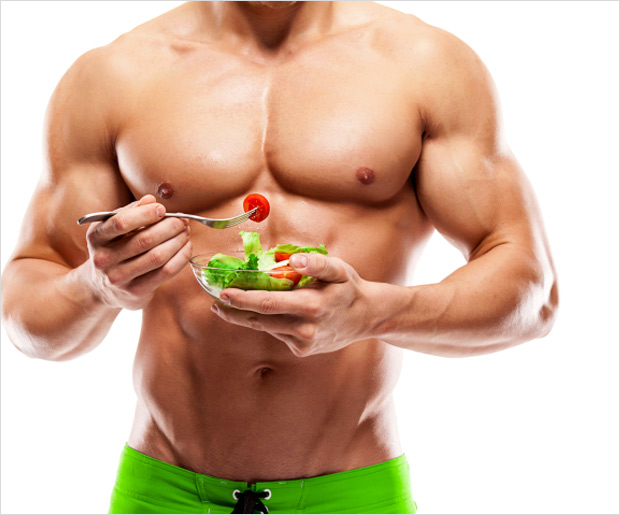
Thankfully, there are meal prep services which do all the prep, freeing people from the shackles of the kitchen. Some people complain that such services are expensive, but when the costs of buying pre-measured and prepared food from one of these companies is compared to the costs of buying all the ingredients and spending half a day cooking them, the difference isn’t that significant. Ordering from a meal prep service takes the guesswork out of planning clean, healthy meals, and it is an incredible timesaver!

Check out MAW Nutrition Inc. for a completely clean meal prep service which offers protein, carb and veggie options a la carte so that you can fully customize your meals! This is great if you carb cycle or practice a certain degree of variation within your meal plan. For example, I will alternate between turkey loin and beef loin for one of my meals, and I have two days during the week when I spike my carb intake.

When ordering, enter the code NAITO10 at checkout for 10% off your order!

http://www.MAWnutritioninc.com

Which Is More Effective For Weight Loss: Diet or Exercise?

healthy diet cartoons, healthy diet cartoon, healthy diet picture, healthy diet pictures, healthy diet image, healthy diet images, healthy diet illustration, healthy diet illustrations

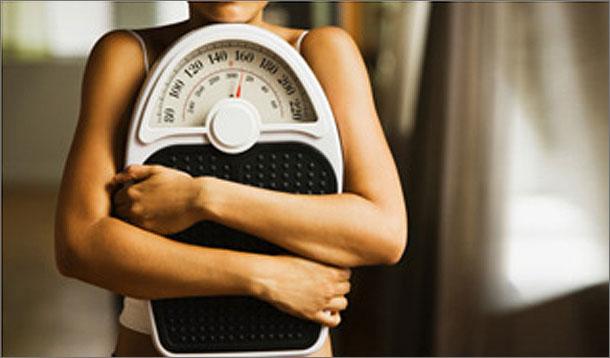
As a physician and fitness professional I regularly evaluate people who want to lose weight and have often been asked whether diet or exercise is more effective in helping them to reach their goals.  If I had to choose which type of weight loss strategy was more important, I would say that about 80 percent depends on diet.  In fact, research has shown that the majority of weight loss programs which focused on dietary changes produced 2-3 times greater weight loss than programs focused on exercise.  However, long term management of weight loss can be optimized by a consistent exercise program. 

The fact is that most people are prone to consuming foods which contain large amounts of fat, hidden sugar and salt, and preservatives.  Quite often the portions consumed at one sitting are so large that the body ends up in storage mode which can lead to weight gain.  By becoming aware of the value of nutrient-dense foods and re-patterning one’s eating habits so that such foods form the foundation of a daily meal plan, long-term weight loss and maintenance of a healthy weight can be accomplished.  However, the media pushes “quick fixes” by promoting severe caloric restriction and plans which are nutritionally unbalanced, thus creating a state of malnutrition.  For this reason I discourage fad diets as they almost invariably cause rebound weight gain to occur.  There are also different types of pills which by various mechanisms can assist in weight loss.  However, a number of such products can have deleterious adverse effects and should be taken with caution, if at all.  I do make an exception with thermogenics, which, if used properly, can serve as an effective aid in weight loss. 

But what about exercise?  It is true that exercise can often stimulate hunger, but it also boosts metabolism, has a positive effect on brain function, and builds muscle.  There is also some evidence that intense exercise may lower levels of ghrelin (an appetite stimulant) while raising levels of peptide YY (which suppresses appetite).  In other words, if you plan to incorporate exercise into a weight loss regimen (and I highly suggest that you do), make sure to engage in workouts which are intense and challenging.  One caveat:  the aforementioned satiating effect on hunger is short-lived, so don’t be surprised when your body begins to crave food in an effort to replenish depleted energy stores.  Before you begin to think that exercise is a bad idea when trying to lose weight, consider this: apparently, frequent exercise restores sensitivity to brain neurons that control satiety, thus placing you more in tune with your hunger signals. 

Over the long term, the combination of smaller, more frequent meals, nutrient-rich foods and regular exercise can act as an insurance policy of sorts which will protect your weight loss or weight maintenance efforts.

Clean Eating or Eating Disorder?

Muscle-Building-Dietfood-and-exercies

Most people are familiar with anorexia and bulimia, but there is a lesser known eating disorder which has high prevalence in the world of competitive bodybuilding.  Though it is not classified as an official eating disorder, orthorexia meets the criteria of one:  obsession, social isolation, and emotional lability.

Orthorexia is an obsessive-compulsive disorder which involves an obsession with healthy eating.  The orthorexic will go to great lengths to avoid foods which contain substances he determines to be unhealthy, such as fats, preservatives, processed foods, etc.  For an orthorexic individual, the focus is on the quality of food, which is in stark contrast to the anorexic’s focus on quantity.  Frequently this disorder may begin as a normal diet or an effort to eat in a healthier fashion, but after some time is taken to the extreme.  In the quest for pure, clean foods, the sufferer becomes obsessed and self-imposed food restrictions become a primary focus.

The distinction between normal individuals and orthorexics is that the health conscious person will practice moderation and won’t wallow in guilt if they indulge in a food which may be deficient in healthy nutrients.  In contrast, the orthorexic individual will obsess about the quality of food and will feel extremely guilty after straying from a self-imposed rigid diet.

Physical Signs and Symptoms of Orthorexia:

  • Because orthorexics limit themselves to foods they deem healthy, they may appear emaciated or malnourished

Behavioral Signs and Symptoms of Orthorexia:

  • Social isolation
  • A tendency to eat alone
  • Aversion to certain foods which have been deemed dangerous or disgusting
  • Criticism of people who don’t engage in healthy eating
  • Experience extreme pleasure in eating properly
  • Feel guilty when they deviate from a rigid diet
  • Strong desire to eat forbidden foods when under stress
  • Has difficulty eating foods prepared in a restaurant or by another person

Medical Signs and Symptoms of Orthorexia:

  • Malnutrition
  • Hypotension
  • Weakness
  • Calcium deficieny
  • Anemia in those who avoid animal protein
  • Decreased gastric motility
  • Abdominal bloating
  • Constipation

An essential element in contest preparation for competitive bodybuilding, physique, fitness, figure and bikini divisions is rigid meal planning.  As a result of this, competitors often dance along, and sometimes cross, the fine line that separates clean eating from a psychopathological relationship with food.  When taken to the extreme, sufferers may experience medical signs of malnutrition similar to anorexia.  While it is common for a competitor to experience feelings of guilt when a specific contest prep meal plan is not adhered to, warning flags should go up when a competitor becomes so obsessed with such transgressions that compensatory behaviors are adopted, such as excessive cardio sessions, laxative usage or starvation.   If such behaviors are commonplace for an individual, behavioral intervention will become necessary in order to restore one’s emotional and physical well-being.

Since prepping for competitions places excessive pressure on an individual and underscores the pursuit of “perfection” in the sport, orthorexic behavior may be so irresistible that it is rationalized as a necessary component of one’s prep.  This in and of itself makes orthorexia particularly insidious and dangerous.

Eating Disorders – An Overview

160042-164442

Modern society has continually sent a clear message that a slender physique is the most attractive and desirable.  This has not only driven the success of the diet industry as people have scrambled to attain the ideal body, but has also served as the catalyst for numerous eating disorders such as anorexia and bulimia.  These disorders are often encountered in the world of competitive sports and bodybuilding as competitors develop a warped perspective on their relationship with food.  The nature of competition draws driven, obsessive personality types who by fixating on performance goals often will develop an excessive desire to maintain what they describe as clean eating.  If an athlete fails to obtain the ideal leanness which a sport requires, the reaction is often manifested in chronic undereating in a desperate effort to drop fat.  The greatest irony is that many athletes and competitors who are regarded as having the most desirable physiques are beset with poor body image and low self-esteem.

Another relatively common scenario is for a competitor to measure his or her self-worth by how rigidly he or she adheres to a strict meal regimen.  Some individuals will have a strong desire to engage in emotional eating, indulging in what they deem forbidden foods, only to wallow in excessive guilt and self-doubt as a result.  Eating disorders in general will cause an individual to feel tremendous anxiety when in social environments where food is served, so these situations are usually avoided.

It is important not only to recognize the warning signs of an eating disorder, but to also understand how it can undermine one’s fitness goals.  Furthermore, these disorders are extremely deleterious to one’s health and psychological well-being.

BULIMIA:

Bulimia is characterized by compulsive episodes of excessive food consumption followed by purging behaviors such as laxatives, diuretics, excessive training or self-induced vomiting in an effort to compensate for the irregular behavior.  The most common trigger for such binges is the excessive calorie restriction which is seen with dieting or at times with contest prep.  The body responds to starvation by producing powerful cravings which may be irresistible.  However, once the binge has occurred, the individual usually feels a sense of failure since the diet was not strictly adhered to, often causing more binge eating to occur.  A period of purging follows soon afterwards, but the most common purging methods fail to rid the body of all the calories consumed.  On average, laxatives rid the body of 10% of the calories eaten, while vomiting will eliminate 50% or fewer of the calories.

Physical Signs and Symptoms of Bulimia:

  • Normal weight or slightly over ideal weight.
  • Frequent weight fluctuations.
  • Discolored teeth, tooth decay and mouth sores.
  • Calluses or scars on knuckles.
  • Puffy cheeks.
  • Smell of vomit.

Behavioral Signs and Symptoms of Bulimia:

  • Covert food consumption – Bulimics will engage in binges alone
  • Inability to stop eating until abdominal pain and distension set in
  • A pattern of overeating followed by fasting
  • Makes frequent trips to restroom immediately after eating
  • Using laxatives, diuretics or enemas after a binge
  • Excessive high intensity exercise following a binge

Medical Signs and Symptoms of Bulimia:

  • Chronic constipation
  • Abdominal pain
  • Dehydration
  • Lethargy
  • Swelling of hands and feet
  • Chronic sore throat or hoarseness
  • Broken blood vessels in eyes
  • Weakness or dizziness
  • Acid reflux or ulcer.
  • Loss of menstrual periods in women


ANOREXIA:

The hallmark of anorexia is excessive food restriction coupled with a severe, irrational fear of weight gain.  These individuals have distorted body images which cause them to feel that they are overweight despite the fact that the majority of sufferers are underweight.  Anorexia sufferers are usually high achievers who harbor perfectionist tendencies which may lean towards or even reside within obsessive compulsive disorder.  However, these individuals feel socially isolated and are overcome with a sense of failure and a loss of control over their own lives.  Ironically, the anorexic behavior of forced starvation which gives one a sense of control eventually takes over and the individual is unable to interrupt the pattern.

Physical Signs and Symptoms of Anorexia:

  • Loss of a considerable amount of weight in a relatively short period of time
  • Wears baggy clothes to hide weight loss
  • Appears emaciated or gaunt
  • Cold hands and feet
  • General hypothermia
  • Dry skin
  • Loss of muscle mass
  • Constipation
  • Hair loss
  • Lanugo (fine, downy hair) on face or back
  • Brittle nails
  • Yellow or grayish appearance to the skin

Behavioral Signs and Symptoms of Anorexia:

  • Complains of being fat despite being dangerously thin
  • Obsessed with nutritional information of food, especially calories and grams of fat
  • Will only eat certain foods
  • Refuses to eat in public or will only eat a small morsel of food
  • Exercises obsessively and becomes very upset if something interrupts plans to exercise
  • Usually avoids fatty foods, fried foods, animal products, bread
  • Often become vegetarians
  • Constantly counts calories in foods eaten
  • Either weighs oneself constantly or avoids being weighed at all costs
  • Eats in private
  • Inability to concentrate
  • Irritability
  • Appears anxious
  • Depression
  • Socially withdrawn
  • Never stops moving or refuses to sit down
  • Obsessive avoidance of food

Medical Signs and Symptoms of Anorexia:

  • Headaches
  • Fainting
  • Dizziness
  • Lethargy
  • Insomnia
  • Lowered blood pressure
  • Lowered heart rate with weak pulse
  • Heart palpitations
  • Hypoglycemia
  • Shortness of breath
  • Loss of menstrual periods
  • Decreased white blood cell count
The Scoop On Artificial Sweeteners

The use of artificial sweeteners can serve as an aid in coping with one’s sweet tooth, especially when trying to adhere to a healthy diet or contest prep plan.  Since artificial sweeteners are non-nutritive, i.e. they have virtually no calories and are not fully absorbed by the body, they do not undermine a calorie-restricted plan.  They can also serve as a great alternative for diabetics since they generally do not raise blood sugar levels.  Another bonus is that artificial sweeteners do not contribute to tooth decay.

The three most popular artificial artificial sweeteners in use in the United States are the following:

Aspartame – This sweetener was tested in more than 100 scientific studies before the FDA gave it a stamp of approval in 1981 along with a statement by the FDA Commissioner which determined, “Few compounds has withstood such detailed testing and repeated, close scrutiny, and the process through which aspartame has gone should provide the public with additional confidence of its safety.” Since that time it has found its way into carbonated sodas, powdered soft drinks, chewing gum, gelatins, desserts, yogurt, tabletop sweeteners and some vitamins. 

Aspartame is composed of aspartic acid and phenylalanine as a methyl ester.  During digestion, aspartame breaks down into aspartic acid, phenylalanine and a small amount of methanol which are released into the blood and used in normal body processes without accumulating in the tissues of the body. The acceptable daily intake for aspartame was set at 50 mg/kg of body weight per day.  This means that the ADI for a 200 lb. individual would be 4,550 mg. 

Sucralose – This nonnutritive sweetener is derived from sugar and is 600 times sweeter than sucrose (table sugar).  It was approved in 1999 for use as a general purpose sweetener and is now found in thousands of products, including cooked or baked goods.  The ADI for sucralose has been set at 5 mg/kg of body weight per day.  For example, if you weigh 200 lbs., your ADI for sucralose would be 455 mg.

Stevia – Also known as Reb-A, stevia was approved for use in food products by the FDA in 2008.  As with other artificial sweeteners, stevia does not affect blood glucose or insulin levels and is safe for use in diabetics.  The ADI for stevia is set at 12 mg/kg of body weight daily, or 1,092 mg per day for a 200 lb. individual.  Stevia is a 100% natural glycoside found in Stevia Rebaudiana, an herd found in the Chrysanthemum family.  It maintains heat stability at 95 degrees Celsius and is non-fermentable and non-discoloring.

Conclusion

For those who are trying to eliminate sugar from their diets, whether for the caloric density or the insulin spikes which it imparts, artificial sweeteners are an ideal alternative for adding flavor and sweetness to foods.  Their intense sweetness ensures that large quantities of these substances will not be ingested.  They can effectively hold sweet cravings at bay and provide important tools in weight loss and weight maintenance programs. 

Surrounded By Soy

SayNoToSoy
Soy is so ubiquitous that it has become extremely difficult to avoid this substance completely. I am extremely bothered by the fact that there are so many soy-based products on the market, especially since the majority of them are touted as “health” foods. I am half Japanese and grew up eating soy products, but I consumed the fermented forms, such as soy sauce and miso ( I could never stomach natto, which is another fermented soy product). The fermented forms of soy based foods are safe because the fermentation process destroys the antinutrients which are present in soybeans. In stark contrast, unfermented soy products, including soy milk and tofu, have high concentrations of these antinutrients, including phytates, phytoestrogens, MSG, saponins, trypsin inhibitors, and goitrogens. These substances have multiple deleterious effects on the body, such as impaired absorption of vitamins and minerals, interference with pancreatic and thyroid function, disruption of endocrine function, and damage to the nervous system.

For these reasons, I am strongly opposed to the consumption of soy-based products and eliminate them from patient and client diets whenever possible. If you are vegan, or if you are intolerant of whey or casein, look for other forms of protein, such as pea, quinoa, hemp and amaranth, which cause less inflammation when consumed and have a more benign side effect profile. One popular alternative protein source, Raw Life Protein (http://www.gardenoflife.com/Products-for-Life/Foundational-Nutrition/RAW-Protein.aspx), contains fermented soy, which does not have negative effects on the body, but if you have a soy allergy, you will not be able to consume this product.

My Go-To Protein: Royal Sport Ultra Clean 100 Whey

royal_whey

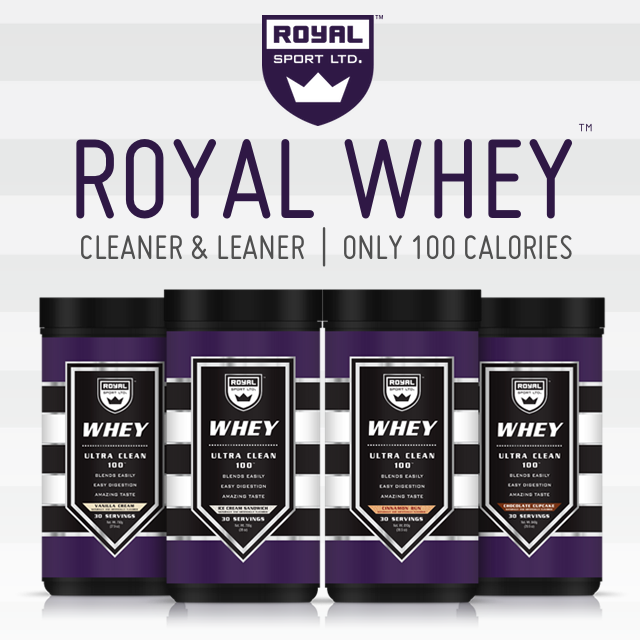
I am not kidding when I say that Royal Sport Ltd.’s Ultra Clean 100 Whey is my staple whey protein source! It mixes quickly and thoroughly, is gluten free, and has no preservatives, no added sugars, no hydrogenated oils, and no artificial colors, dyes, or fillers. One scoop delivers 20 grams of protein in 100 calories. Oh, and then there are the flavors: Ice Cream Sandwich is my absolute favorite and has a decadent flavor which has me tricked every time into thinking that I am having a dessert! I also love the other flavors, Chocolate Cupcake, Cinnamon Bun and Vanilla Cream, and rotate through all four of the flavors during the week. If you are looking for an ultra clean whey protein which won’t cause digestive upset, definitely check out Ultra Clean 100 Whey!

https://royalsportltd.com/ultra-clean-100

Beware Of Soy Based Products

Soy has become so ubiquitous in American packaged food products that it can be challenging to find products that are soy free. What I find so misleading and frustrating is that the majority of them are touted as “health” foods. I am half Japanese and grew up eating soy products, but I consumed the fermented forms, such as soy sauce, miso and tempeh ( I could never stomach natto, which is another fermented soy product). The fermented forms of soy based foods are safe because the fermentation process destroys the antinutrients which are present in soybeans.

In stark contrast, unfermented soy products, including soy milk and tofu, have high concentrations of these antinutrients, including phytates, phytoestrogens, MSG, saponins, trypsin inhibitors, and goitrogens. These substances have multiple deleterious effects on the body, such as impaired absorption of vitamins and minerals, interference with pancreatic and thyroid function, disruption of endocrine function, and damage to the nervous system.

For these reasons, I am strongly opposed to the consumption of soy-based products and eliminate them from patient and client diets whenever possible. If you are vegan, or if you are intolerant of whey or casein, look for other forms of protein, such as pea, quinoa, hemp and amaranth, which cause less inflammation when consumed and have a more benign side effect profile. Make sure to read ingredient labels too, since many products you wouldn’t even think of as having soy often do.