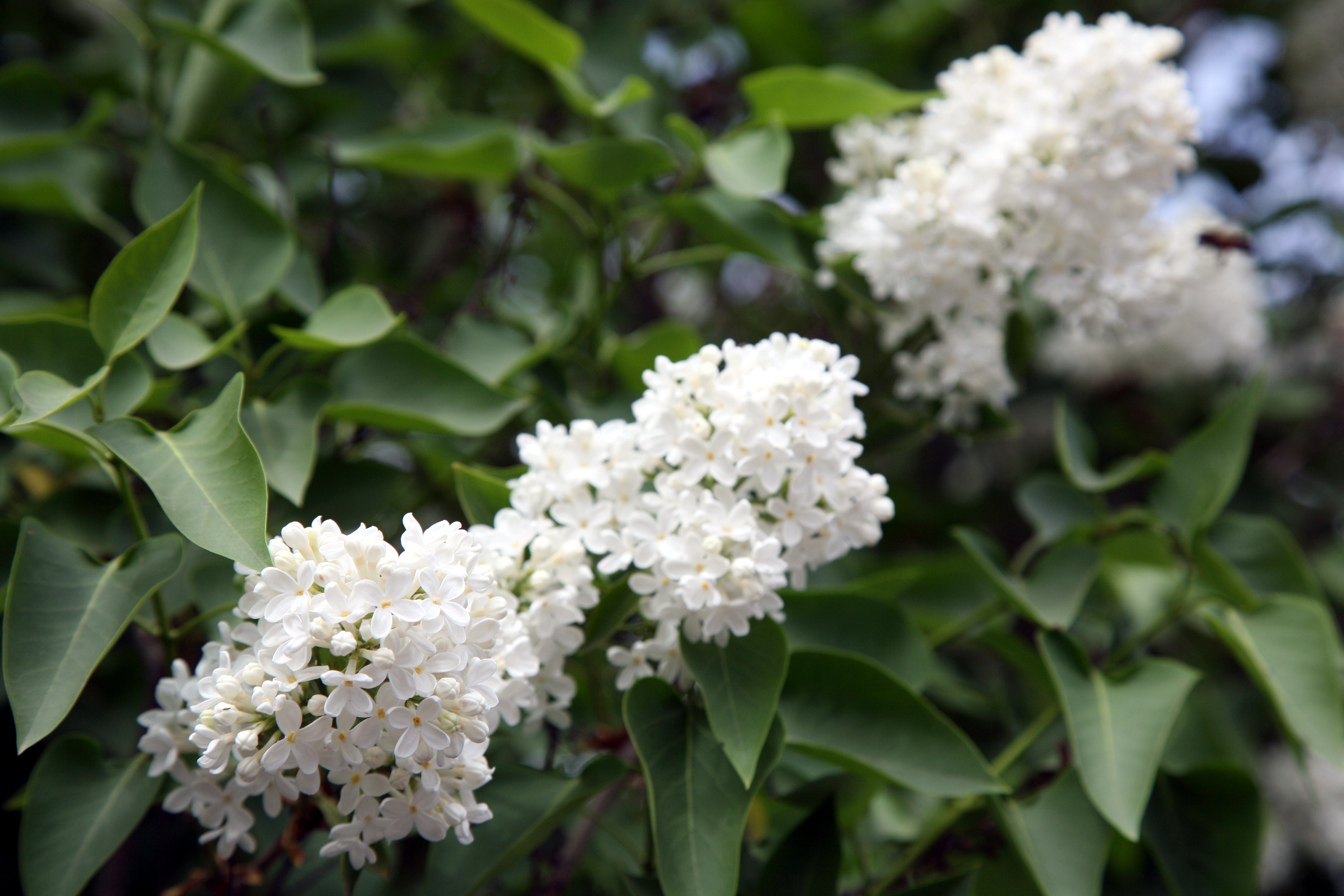
© valerypetr, 123RF Free Images
Osmanthus is a flowering plant belonging to the genus Osmanthus, which is part of the olive family (Oleaceae). Native to East Asia—particularly China, Japan, and the Himalayas—this evergreen shrub or small tree is best known for its small but incredibly fragrant blossoms, which appear in shades of white, pale yellow, or orange-gold.
🌸 Fragrance of Osmanthus
The fragrance of osmanthus is what makes it truly enchanting and prized in perfumery and tea blending. The scent is:
- Sweet and fruity, often compared to ripe apricots, peach, or plum.
- Laced with honeyed, creamy, and slightly green floral notes.
- Sometimes subtly leathery or reminiscent of tea leaves when dried.
It’s an aroma that manages to be both delicate and persistent—soft, comforting, and refined.
✨ Spiritual and Cultural Significance
In Chinese Culture
- Osmanthus, or guì huā (桂花) in Mandarin, is deeply revered in Chinese tradition.
- It blooms in autumn, and is strongly associated with the Mid-Autumn Festival, where it symbolizes reunion, harmony, and longevity.
- The osmanthus tree is often linked with the moon. Chinese legends tell of Wu Gang, a man condemned to eternally chop down an osmanthus tree on the moon—a myth that adds a sense of the plant’s mystical endurance.
- Osmanthus is also a symbol of nobility, love, and romantic longing, sometimes evoking nostalgia or homesickness.
In Traditional Chinese Medicine
- Osmanthus flowers are used in herbal remedies to ease coughs, improve skin health, and support digestion.
- It’s believed to cleanse the body and mind, representing purity and serenity.
In Perfume and Tea
- Osmanthus is a luxury note in high-end perfumery, loved for its unique fruit-floral profile.
- In tea, osmanthus blossoms are often blended with green or oolong tea, creating a beverage that is as aromatic as it is soothing.
🌿 Interesting Qualities
- Rare Fragrance Profile: Few florals combine fruit and flower in such a balanced way—osmanthus stands apart from heady roses or indolic jasmine.
- Cultural Depth: It’s not just a pretty flower; osmanthus is woven into poetry, myth, and ritual across centuries.
- Seasonal Beauty: Unlike many spring-blooming flowers, osmanthus blooms in autumn, offering unexpected beauty and fragrance when most other flowers have faded.
- Versatility: It’s used in food, tea, perfume, skincare, and spiritual practices—a true multi-sensory botanical.
In essence, osmanthus is a plant that quietly stuns—with a fragrance that whispers rather than shouts, and a cultural legacy that touches everything from ancient moon legends to modern luxury.
 dr. stacey naito's blog