The Benefits Of Fruit

FruitFruit has gotten a bad rap recently in people’s efforts to eradicate sugar from their diets.  However, I strongly believe that this is a big mistake.  Fruits are low-calorie and (with the exception of avocados) low in fat, and are plentiful in vitamins and soluble fiber.  Soluble fiber aids the body in ridding fats and cholesterol from the body as well as ensuring regular transit of food particles in excretion.  In addition, fruits offer antioxidants which protect the  body from oxidant stress and many diseases, as well as boost our immune response.

I especially love blueberries as they contain a special type of antioxidant known as anthocyanins.  In fact, all “blue” fruits (blackberries, acai, mulberries and black grapes contain these powerful antioxidants just underneath their skins.

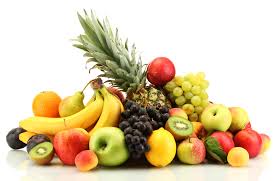
Here is a list of some of the most popular fruits along with their associated health benefits:

APPLE:  Apples are packed with soluble fiber and are high in vitamins.  Due to their high fiber content they can be excellent aids for individuals who suffer from constipation.

BANANA:  This fruit is well known for its high potassium content.  Those who have issues with high blood pressure might want to make bananas a regular part of their meal plans in order to manage their pressure issues.

BLUEBERRIES:  As stated before, blueberries are one of my favorite fruits because they offer so many health benefits.  This fruit is ranked number one in antioxidant activity and may help to lower the risk of developing neurological disorders such as Alzheimer’s and Parkinson’s.  They also freeze very well.  In fact, not too long ago I was in the habit of purchasing large batches of blueberries, then freezing them for use in my morning oatmeal.

CRANBERRY:  This extraordinary fruit prevents bacteria from adhering to the bladder wall and in so doing can be very effective in preventing urinary tract infections from developing.  I recommend the extract or juice to women who are prone to frequent urinary tract infections as it minimizes the chance of developing infections.  Cranberries have a strong antioxidant effect as well.

PINK GRAPEFRUIT:  This fruit is very high in a form of soluble fiber known as pectin, which can help to lower cholesterol.  It also is rich in lycopene and flavonoids, which may have a protective effect against certain types of cancer.  Beware of this fruit if you take cholesterol-lowering statins or some other medications, as grapefruit can interfere with some medications.

KIWI:  This strange, beautiful, tart fruit is packed with vitamins C and E, has 3 grams of fiber in one fruit, and is also rich in potassium and magnesium.  In fact, kiwi has more vitamin C than oranges do. 

MANGO:  This fruit has ample amounts of lutein and zeaxanthin, which have a protective effect on vision and can reduce the risk of age-related macular degeneration, which is the leading cause of blindness in adults.

ORANGE:  Oranges are rich in folate, an essential substance which helps to prevent neural tube defects in unborn infants and which also has a protective effect against the development of high blood pressure in women.  It is also rich in vitamin C and fiber.

PEAR:  Pears contain a lot of soluble fiber and for this reason can be very effective in relieving constipation.

PINEAPPLE:  This tropical fruit, besides containing large amounts of vitamin C, contains an enzyme known as bromelain which assists in breaking down protein and facilitating digestion.  Bromelain also has wound healing properties, helps to prevent blood clots and inhibits cancer cell growth.  Pineapples also have anti-inflammatory properties which can help to alleviate arthritis pain.

POMEGRANATE:  This fruit is rich in antioxidant tannins which have a demonstrated protective effect on the heart.  Individuals with high blood pressure or risk of heart attack will benefit from ingesting this fruit on a daily basis.

PRUNE:  Prunes are very high in sorbitol which has a mild laxative effect, so the old wive’s remedy of drinking prune juice for constipation was extremely valid.  This fruit is also very rich in boron, a mineral which may help prevent osteoporosis.

RASPBERRY:  Raspberries are rich in folate, magnesium and ellagic acid, an antioxidant which may help to prevent cervical, esophageal and colon cancer.  They also provide large amounts of fiber, as well as vitamins A and C.

STRAWBERRY:  Strawberries are packed with vitamin C, fiber, folic acid and potassium.  They also have a protective effect against carcinogens.

I realize that many people are not able to locate the fresh varieties of fruits throughout the year, so I want to call attention to the varieties of fruits which are available frozen.  Dole offers the following fruits in frozen versions:

  • Apples
  • Bananas
  • Blackberries
  • Blueberries
  • Cherries
  • Cranberries
  • Mangos
  • Mixed berries
  • Papaya
  • Peaches
  • Pineapple
  • Raspberries
  • Strawberries

Frozen fruit is picked, washed, peeled, cut and frozen immediately in order to retain the bulk of its nutritional value.  When you are ready to use the fruit, you can either thaw it at room temperature or lightly defrost it in the microwave, though I strongly prefer room temperature thawing.

People who compete may have adopted the attitude that fruit is a big no-no, as they believe the fructose in fruit will potentiate fat retention.  However, if you consume small portions with meals, especially with your post-training meal, there is no way that you would consume enough to create such an issue.  I strongly disagree with the mindset that fruit consumption should be eliminated during contest prep, as this robs the body of powerful antioxidants and deprives a competitor of natural sweetness, which could result in strong cravings for sweet items which are made with sucrose or artificial sweeteners.  If you are extremely concerned about consuming too much fruit, try a small portion (1/4 to 1/3 cup of fruit in the morning with your first meal, and the same portion size with your post-workout meal. 

You might find it challenging to consume fresh fruit on a regular basis, and if so, you might not be incorporating vital nutrients into your diet on a daily basis. I recommend taking a multivitamin several times a day to optimize absorption, and my favorite is SWAT Fuel’s .40 Caliber. SWAT Fuel’s .40 Caliber Multivitamin delivers high bioavailability on a three time dosing regimen each day and is suitable for everyone, but it is especially great for individuals who tend to experience intestinal discomfort from multivitamin formulas.

You can order .40 Caliber directly from the website: http://swatfuel.com/products.aspx

Shirataki Noodles: My Latest Food Obsession

Recently I have been completely obsessed with shirataki noodles because they satisfy pasta cravings with none of the guilt. Shirataki noodles are made from the konjac yam, which contains a water-soluble fiber called glucomannan. Though they have been available in Asian markets for a long time, they are gaining popularity among people who must adhere to low carbohydrate diets. The folks at Quest Nutrition also made a brilliant move and came up with their own brand of shirataki noodles, so now people in the fitness industry are aware of these great pasta alternatives.

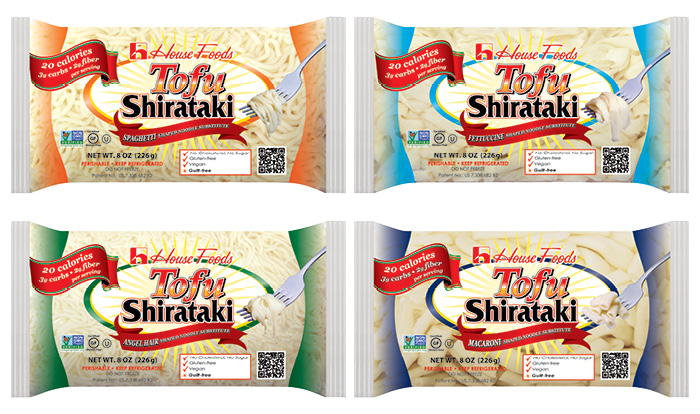
There are two different types of shirataki noodles available, both of which I enjoy. Straight shirataki noodles have zero net carbohydrates and no gluten, whereas tofu shirataki noodles have a small amount of net carbs and a less slippery texture. Both forms are package in water and must be rinsed before cooking, as the water they are packaged in has an odd, ocean-like odor. The noodles are very slippery (less so for the tofu type) and really don’t have any flavor of their own, so you must add some type of sauce of liquid seasoning to make them palatable. However, these noodles act like sponges and do a great job of absorbing flavors which are added to them during cooking. The high fiber content in shirataki noodles imparts a sense of fullness and slows digestion, making these noodles lifesavers when it comes to curbing cravings.

Shirataki noodles are a bit expensive, so I try to ration out my supply. However, get actual cravings for them and enjoy putting a meal together. My favorite prep method is very simple: I heat up the noodles for a minute, then I add sesame oil, soy sauce, white pepper, ginger, vegetables and chicken or shrimp for a delicious Asian style meal which fills me up.

Here are the most popular brands available:

http://www.miraclenoodle.com/ These noodles run aboout $4 per package and are available at major grocery stores.

http://www.miraclenoodle.com/
These noodles run aboout $4 per package and are available at major grocery stores.

http://www.house-foods.com/ These noodles are a bit cheaper at about $2 to $2.50 per bag, but they are more perishable than the non-tofu type.  You can find these in the refrigerated Asian foods section in major grocery stores.

http://www.house-foods.com/
These noodles are a bit cheaper at about $2 to $2.50 per bag, but they are more perishable than the non-tofu type. You can find these in the refrigerated Asian foods section in major grocery stores.

How Emotional Eating Can Derail You From Your Fitness Goals

emotional-eating ice cream - Copy

Rather than discuss well-known emotional eating disorders such as bulimia, I will concentrate on binge eating which many women engage in from time to time.  It is important to recognize this behavior if it becomes a regular pattern, because frequent emotional eating warrants a diagnosis of binge eating disorder and requires treatment and intervention.

Binge eating is characterized by eating compulsively to cope with negative emotions and stressful situations.  A binge eater is rarely hungry when she begins to eat and will continue to eat well after she is full.  Such episodes can last for up to two hours or can occur off and on throughout the day.  The binger feels guilty both during and after the episode, but will not attempt to counteract it by fasting, taking laxatives, vomiting, fasting or over-exercising.  A strong lack of self-control as well as feelings of shame will accompany this behavior pattern.  There is a strong association between binge eating and depression.  Binge eating is also driven by social components such as social pressure to be thin, emotional and sexual abuse, parental criticism of a child’s weight, and the use of food as reward or punishment.

Food cravings are usually the strongest when you are in emotional crisis.  You may reach for food for comfort or to serve as a distraction.  Consider the following highly stressful events and think about whether you reached for comfort foods during such times:

  • Financial problems
  • Health problems
  • Work issues
  • Relationship issues
  • Fatigue
  • Family issues

Though some people will lose their appetites when stressed and will refrain from eating, many others will engage in impulsive eating in an effort to deal with negative emotions.  This may be relatively harmless if such emotional eating occurs on a very rare occasion, but becomes a serious problem when it is used as the only coping mechanism for stressful situations or negative emotions.  Just bear in mind that if you have a rare moment of weakness, it is important to recognize it as just that and to prevent yourself from spiraling into excessive feelings of guilt over the incident.  If you engage in an episode of emotional eating, learn to forgive yourself and have a fresh start the following day.

 
Why We Engage in Emotional Eating


What occurs almost invariably when we eat emotionally is that we turn to cookies, cakes, candy, fried foods and breads rather than to healthy foods.  There is a biochemical basis for such behavior.  Carbohydrates which are high in sugar or fat release dopamine in our brains which in turn stimulates the brain’s pleasure center, creating a sense of euphoria.  These foods are usually associated with pleasurable memories, such as cake which you may have looked forward to on your birthday, or macaroni and cheese as a treat after school when you were a child.


Food can also serve as a happy distraction from conflict or stressful events by stimulating the aforementioned pleasure centers.  What will frequently occur is that an excessive amount of these foods will be consumed.  However, if you remain aware of such automatic connections between food and mood and realize when you are eating for reasons other than hunger, you can break this cycle and get back on track with healthy eating habits which are associated with true hunger.


How To Combat Emotional Eating


  • Keep a food diary.  Get in the habit of writing down everything you eat and drink, including the quantity, the times at which you eat, your emotional state while eating the meal, and your level of hunger.  By doing this you may see patterns which will reveal your emotional relationship with food.


  • Remove tempting foods.  Avoid stocking comfort foods in your home if you find that they are difficult to resist.  And by all means avoid making trips to the grocery store if your emotions are spiraling out of control!


  • Practice stress management.  Yoga, meditation, and relaxation techniques are effective methods of managing your stress.


  • Determine whether you are truly hungry.  Many times people may believe they are hungry when in reality they are actually emotionally distraught and desperately searching for a way to defuse such emotions.


  • Make sure you consume adequate calories.  Individuals who are trying to lose weight will often restrict their calorie intake too much, and will turn to the same foods in an effort to remain on track without rewarding themselves with an occasional treat.  Adding variety to your meal plan will also help to keep you on track.


  • Distract yourself.  If you get an urge to snack when you aren’t truly hungry, distract yourself by watching a movie, calling a friend, reading, listening to music, or taking a walk.


  • Consume healthy snacks.  If an urge to snack between meals strikes, choose a low-calorie snack such as vegetables with seasoned nonfat Greek yogurt, fresh fruit, low fat cottage cheese or rice cakes.


  • Get enough sleep.  Getting enough sleep is an important component in decreasing cravings for comfort foods.


  • Eat at regular intervals.  Consume smaller meals every three to four hours to keep you from feeling hungry or deprived.


  • Focus on the experience of eating.  Learn to eat in a mindful manner, in which you pay attention to your meal and only your meal.  Become aware of the sensations associated with eating.


  • Reward yourself.  It is both physically and emotionally unhealthy to practice excessive calorie restriction for prolonged periods.  Allow yourself to have a favorite food or meal once each week.


  • Connect with your emotions.  When a food craving hits during an emotional time, write down the emotions you are experiencing, such as sadness, loneliness or anger.


  • Seek professional help if emotional eating is frequent.  There are countless support groups which you can join which will help you to develop insight as well as the skills to avoid engaging in such behavior.


One last note: make sure to get vital nutrients into your diet on a daily basis. I recommend taking a multivitamin several times a day to optimize absorption, and my favorite is SWAT Fuel’s .40 Caliber. SWAT Fuel’s .40 Caliber Multivitamin delivers high bioavailability on a three time dosing regimen each day and is suitable for everyone, but it is especially great for individuals who tend to experience intestinal discomfort from multivitamin formulas.

You can order .40 Caliber directly from the website: http://swatfuel.com/products.aspx
How To Stay Lean During The Holidays

holidays-holiday-foods-full
It seems that I will continue to uphold my yearly tradition of making my incredible (and incredibly UNclean) fudge for the holidays, as well as my signature turkey stuffing. Since the holidays come only once a year, it seems reasonable to indulge a bit, right? Well, if you’re a fitness fanatic and you have competitions coming up like I do, you can’t exactly throw caution to the wind and consume whatever you want. However, you CAN still indulge in small amounts of rich foods which are not considered clean as long as your other foods are healthy and clean. This means that your abs don’t have to hibernate during the holidays!

There are a few tricks to minimize the amount of bad foods which you may be tempted to devour.  You can consume a small amount of lean protein right before you have a carb cheat.  This will slow down digestion so that the carbs aren’t stored as readily.  Another trick is to drink at least eight ounces of water before you indulge in a decadent treat.  This will help to fill you up so you consume less food afterward.  When you are aware that you will be at a function in which tempting foods will be around, make sure your meals beforehand are kept clean and that you you eat every 2-1/2 to 3 hours to ensure that you won’t be ravenous come party time.

A newer tactic which can often work wonders for some people is to practice an intermittent fast the day before in which you consume a small number of calories, say 400-500, then go to town on turkey day, consuming your maintenance calories then. This seems to work better if you ramp up the week before with a series of intermittent fasts in which you consume your food (maintenance calories +10-20% on training days, then drop to -20% of maintenance on rest days) within a 4 to 8 hour window, then fasting the rest of the time. If you do this, crank up your protein intake so that it is at least 1 gram per pound of body weight. I personally love this diet approach and my body responds well to it, plus I can enjoy all the goodies on Thanksgiving without remorse.

There are food choices which are cleaner than others during the holidays. Though common holiday foods are rather calorie dense, here are a few food items which are lower in calories and fat:

  • Roast turkey breast
  • Green beans without butter
  • Mashed potatoes made with whipped butter and Greek yogurt instead of milk and regular butter
  • Pumpkin Pie

I know some of you are assuming that my cats join in with holiday feasts, but I always put them in my bedroom and lock the door. There are several reasons why I keep my felines away from the holiday table:

1. People food can often be hazardous for animals
2. My cats will run underfoot and probably trip people
3. My cats will suddenly forget the rule about not jumping onto tables and will create an unsanitary environment for guests
4. My cats will turn into pesky little beggars
Holiday-treats

This Thanksgiving will be a bit different since I will wait until the Sunday following Thanksgiving to cook a feast. This is in honor of my friends who are competing at the NPC/IFBB Ferrigno Legacy this weekend. Some of you may also be wondering what I am planning on cooking and eating, so here is my Thanksgiving menu:

  •  20 pound turkey
  • my secret stuffing recipe which has lots of goodies in it but is relatively low in fat and calories compared to other exotic stuffing recipes
  • mashed potatoes made with light butter and sour cream
  • green bean casserole
  • my homemade fudge
  • whole cranberry sauce
  • turkey gravy
  • wine
  • store-bought pumpkin pie

Obviously there are some items on my menu that fall outside of my “clean food guidelines”, but since the holidays only come once a year, I have no qualms about it.   This is the time during which we should count our blessings and spend quality time with the people we love without getting anxious about what we are eating.  However, this does not mean you have free license to go nuts on bad foods for the next month!  If you end up indulging in other foods, don’t beat yourself up.  Instead, enjoy the feast and resume healthy eating the next day. 

Happy holidays!

Don’t Go “Nuts” On Nuts

Original post can be found at: http://sportsnutritionsupplementguide.com/latest-news/health-and-fitness-news/item/1106-don-t-go-nuts-on-nuts#.VGqaavnF-K0
nuts
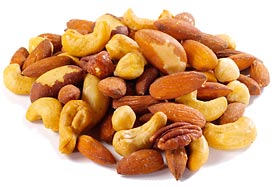
I rarely encounter competitors who aren’t completely enamored of nuts and who lament their absence during contest prep. And for good reason. The substantial texture and flavor of nuts have captured the interest of the general population and have elevated nuts to superfood status. However, due to their significant nutrient density, “too much of a good thing” can certainly be applied to nuts of any kind. I have encountered patients who may have previously been in the habit of mindlessly polishing off an entire bag of potato chips in one sitting and who have similarly finished an entire jar of nuts, believing that the health benefits of nuts could somehow negate the caloric assault on their weight loss plans.

Everything in Moderation
That being said, I am far more likely to praise the benefits of nuts than I am to discourage their consumption. As a self-professed nut lover I am well aware of how delectable they are, yet I usually will portion them out in an effort to prevent any overindulgence. This is especially true when I consume nut butters. I know that if I keep the almond butter jar open, I am likely to dip into it once more, so I make myself remove a serving size then quickly seal the jar and put it away. When you consider that the average nut butter contains approximately 190 calories per 2 tablespoons and 16 grams of fat, the calories can stack up very quickly indeed. However, on a positive note, researchers in Spain discovered that frequent nut consumption was associated with a decreased risk of weight gain.

Benefits of Nut Consumption:

May help to lower cholesterol
Rich in arginine, which enhances blood flow
Rich in fiber, unsaturated fatty acids and phytochemicals
Contain mono- and polyunsaturated fats which are cardioprotective
Best plant source of protein
Rich in vitamin E, B vitamins, selenium, calcium, magnesium, copper, iron and phosphorous
Rich in a number of compounds which may protect against gallstone disease
May reduce the risk of age-related macular degeneration
Negative Aspects of Nut Consumption:

High fat content
Many nuts are flavored with sugar, added fat, sodium, chemicals and preservatives
High in calories • Some people have allergies to nuts which in some cases can serve to be fatal
Contain oxalates which can crystallize and form kidney stones
“Nutty Top Five”
Though all nuts provide superior health benefits, I consider the five nuts listed below to be the best of the bunch for various reasons. Make sure to opt for the raw or dry roasted varieties whenever possible. When nuts are roasted in oil, there is a high probability that they have either been heated in hydrogenated oils or subjected to high temperatures which can destroy their nutrient properties. Studies recommend a daily intake of one to two ounces of nuts as part of a healthy diet.

Pecans: This is the most caloric nut in this list at 200 calories for 18 to 20 halves, and also contains the smallest amount of protein at 3 grams while packing 20 grams of fat. However, these slightly sweet nuts still offer health benefits when consumed. Pecans contain a plant steroid called beta-sitosterol, which helps to relieve the symptoms of an enlarged prostate. They are extremely rich in B vitamins, vitamin E, and ellagic acid, which is a potent antioxidant. Pecans are excellent when added to the vegan baked goods I make, and I especially love them in my admittedly non-contest friendly Thanksgiving stuffing!
Cashews: Technically, cashews are thick-shelled seeds, but confer all of the general benefits of nuts, including monosaturated fatty acids like oleic and palmitoleic acids. They are quite calorie dense at 180 calories for 14 nuts but also contain a number of important minerals, including manganese, potassium, selenium, copper and zinc. Another important substance which can be found in cashews is zea-xanthin, which is selectively absorbed into the retinal macula lutea in the eyes and confers protection against age-related macular degeneration. The texture of these seeds is so meaty and satisfying that they easily made it onto my top five list. In addition, cashew butter is delectable! If you need a change from peanut butter, try this option.
Hazelnuts: These nuts are loaded with folate, vitamin E, and B vitamins. I recently started eating these nuts after encountering them in a mixed assortment, and was surprised by their distinctive flavor and relatively hard texture. Hazelnuts are excellent snacking nuts and good for a change.
Walnuts: Walnuts are extremely rich in alpha linoleic acid (ALA) which can reduce inflammation and oxidation in the arteries after eating fatty meals. A serving of 14 halves contains 180 calories but also provides about 90% of the recommended daily intake of omega-3 fatty acids. Scientists at University of Scranton, Pennsylvania recently discovered that walnuts have highest levels of polyphenolic antioxidants than any other common edible nuts. Walnuts are incredibly versatile and can be mixed into vegan baked goods, fudge, salads, Greek yogurt, oatmeal, or eaten plain.
Almonds: These nuts have the lowest calorie density, and also contain the most calcium of any nut. They are rich in dietary fiber and phytochemicals and confer excellent protection against diseases. Almonds are an excellent source of vitamin E, with 60% of the recommended daily intake of vitamin E packed into a 30 gram serving. Over the past year I have replaced peanut butter with almond butter because I vastly prefer the flavor of the almond variety. I have also heard numerous people report that almond butter was more easily digestible than peanut butter. As for the whole nut, I consider the almond’s textural variety and its flavor to be superior to other nuts, making it my go-to when I grab a serving.
Summary: As long as nuts are not consumed in the same volume as lean meats and vegetables are, daily consumption will confer a myriad of health benefits to one’s diet. If you haven’t already incorporated nuts into your meal plan, consider doing so in order to optimize your health.

Paleo Meal Plans For Women – The Fat Loss Cure?

Original post can be found at:

http://sportsnutritionsupplementguide.com/eating-plans/paleo/item/1413-paleo-meal-plans-for-women-the-fat-loss-cure#.VGqZY_nF-K0
paleo
Apparently the cave dwellers of the Stone Age knew a thing or two about nutrition, because modern nutrition experts have developed a new craze with the Paleo diet, purporting a myriad of health benefits such as fat loss and a boost in energy. However, though some individuals have reported increased energy while on a Paleo plan, many others have reported a slump in energy levels. For this reason, I want to remind readers that it is essential to determine what works for YOUR body. Paleo may work wonders for you, or it may be a turn in the wrong direction too.

For those of you who are unclear on what defines a Paleo meal diet, let’s look at what food items are allowed on this meal plan: meat, poultry, seafood, eggs, vegetables, fruit, nuts, and seeds. Foods which are banned from Paleo plans are: grains, legumes, refined sugar, artificial sweeteners, processed foods, dairy. Here is a more detailed breakdown of the Paleo philosophy:

About one-quarter to one-third of the calories you ingest daily will come from protein sources, all of which are from animal sources.
Carbohydrate sources consist of vegetables and fruits and comprise about 40% of your daily caloric intake.
Fat intake is relatively high, consisting of monounsaturated and polyunsaturated fats and Omega-3 fatty acids.
Paleo plans are low in sodium and high in potassium due to the whole food sources which are allowed.
Benefits of Paleo
Some people may notice a marked improvement in digestion after implementing a Paleo meal plan, which can be explained in part by the large amounts of fiber delivered with this dietary approach. Those who are gluten sensitive or intolerant usually notice a pronounced improvement in gut health after going the Paleo route, since irritating and inflammatory grains are eliminated from the diet.

Since blood glucose levels remain relatively stable due to the low glycemic index of foods ingested in Paleo plans, people may notice mood stabilization, a decrease in food cravings, and better focus and concentration. Another benefit which Paleo diets can confer is weight loss. I have heard of people suddenly dropping those last five or ten pounds rather quickly after following a Paleo plan, so Paleo can be a godsend for those who are at their wit’s end about trying to lose weight.

Negative Aspects of Paleo
If you’re passionate about remaining a vegetarian, you can forget about going Paleo, since it relies heavily on animal protein sources. With so much meat in the plan, some individuals cannot tolerate the high amounts of protein. Others cannot tolerate the sudden massive intake of dietary fat, and develop increased gut permeability, which is ironic since many people who switch to Paleo plans are trying to find a way to heal a leaky gut. Digestive upset which surfaces while on a Paleo diet may also be a result of consuming the excessive supplements which are required to ensure optimal nutrition while on a Paleo plan.

Paleo plans do not guarantee relief from food intolerance either, since foods considered Paleo safe, such as beef or walnuts, can trigger massive inflammation in the gut. The solution is to either get a food tolerance test from your physician’s office, or eliminate foods one by one until your symptoms disappear. However, the problem with food elimination while on a Paleo plan is that you are already quite restricted on the foods which you are allowed to eat. Another problem with the limited number of foods allowed on Paleo plans is that macro and micro nutrients are often inadequate. Some women simply cannot consume the massive amounts of protein which are required on the plan, and caloric needs are often not met because the caloric densities of the staple foods on a Paleo plan are rather low. In addition, the body’s daily requirements for vitamins and minerals is often not fully met, making it necessary to take many supplements to compensate for the nutrient deficit.

I have also noticed that a fair percentage of women (and men too, for that matter) do not function well on extremely low carbohydrate diets. These women would fare better on a Paleo plan which allowed some root vegetables such as potatoes for starchy carbs, or on a non-Paleo plan which incorporated grains.

The Verdict
After all is said and done, the Paleo approach is restrictive, and in my humble opinion, not sustainable for the long term. As one who has followed restrictive non-Paleo contest prep plans, I can honestly say I had more variety with some of them than what I have seen with Paleo plans. I believe that a Paleo diet can be an excellent short-term way to jump start weight loss, especially for someone whose weight loss efforts have stalled.

Sugar And Cognitive Decline

hero-cookie-candy-bars
How can sugar be such a bad thing when it tastes so wonderful? Well, you might want to consider the consequences of indulging in sweet treats on a regular basis. Consume a diet high in processed sugar and you can almost count on experiencing a pronounced cognitive decline with advancing years. Numerous studies have revealed a decline in cognitive function after consuming processed carbohydrates. A 2011 study published in the British Journal of Nutrition examined habitual sugar intake in over 700 nondiabetic middle-aged subjects of Puerto Rican descent. The results showed that consumption of sugary beverages resulted in lower MMSE scores, while a higher total sugar consumption resulted in lower word list learning scores. Numerous other studies have shown a strong correlation between insulin resistance and lowered cognitive function.

sugary-drinks

As it is, cognitive function begins to decrease by our late 20’s with memory problems surfacing about ten years after that. Some individuals are already doomed to develop insulin resistance with increasing age, and this is magnified dramatically when processed carbohydrates are consumed on a regular basis. Processed carbohydrates such as refined sugar are absorbed more rapidly, causing a surge in insulin release. When this occurs frequently, the result is an increase in insulin resistance. Another consequence of increased blood sugar is decreased blood flow, which also inhibits cognitive function.

By no means am I saying that you have to COMPLETELY eliminate all sugar from your diet all the time (though it isn’t a bad idea). If you allow yourself the RARE indulgence, such as birthday cake, that is fine. The more insidious culprits are the sugary sodas, flavored yogurts and packaged crackers which tend to creep into regular diets. They may be tasty to many people, but they carry a heavy consequence. Knowing all of this, why would you risk “dumbing down” and increasing your dementia risk by eating sugary foods all the time? Now, that is just stupid.

Eliminating sugar from your diet is a great step towards improved health and mental clarity, but you should also make sure to get vital nutrients in on a daily basis. I recommend taking a multivitamin several times a day to optimize absorption, but most of the large brand multivitamin formulations out there are dosed once daily. In addition, the bigger brands do not have high bioavailability. What I love about SWAT Fuel’s .40 Caliber Multivitamin is that the nutrients in the formulation are highly bioavailable, and the supplement is taken three times daily. This is my personal choice of multivitamin, and yes, I do take it three times daily. This formulation is very clean and doesn’t cause the intestinal upset that some multivitamins can cause.

You can order .40 Caliber directly from the website: http://swatfuel.com/products.aspx
References:

Br J Nutr 2011 Nov; 106(9):1423-32.

It All Adds Up

good-or-bad foods
When you add the label of “forbidden” to a food, it suddenly becomes quite irresistible, revealing the human tendency to become lured by temptation. Of course it doesn’t help that these so-called forbidden foods are full of sugar and other substances which trigger more cravings. You may be the type of person who occasionally nibbles on a food which is ordinarily on the do-not-eat list, or you may find yourself in a pattern in which you rationalize your dietary transgressions and cannot stop the behavior. If your indulgences are frequent, you have probably noticed the evidence accumulating around your waistline.

While competitors must follow rigid meal plans which discourage the consumption of any fat-laden or sugary treats, those of you who do not compete can follow a clean diet 90% with the occasional treat and suffer minimal consequences, However, individuals who do not follow rigid meal plans may be consuming nutrient-poor foods laden with saturated fat and sugar far more often than they realize. They may also be tricked into ordering a meal which seems to be clean, such as a chicken caesar salad, only to find out that the salad dressing alone can obliterate any possibility of consuming a healthy meal. The temptations continue when people are trying to keep up with busy schedules and ordering less than foods out of hunger and exhaustion. More temptations may also be lying in wait at home. Perhaps you have rationalized a nightly glass of wine or a Pop Tart as a treat for a busy day at work, but when this is practiced on a daily basis, it will surely trap you in a “one step forward, two steps back” pattern which will prevent you from achieving your fitness goals. Suddenly the clean and healthy diet is followed only about 40%, meals are random, and the risk of malnutrition also emerges as a result of erratic and unhealthy eating practices.

The key is to follow nutritional guidelines which will ensure that you get the nutrients and calories which your body requires. If it is too difficult to determine what it is that you need to consume on a daily basis for optimal nutrition, hire a nutrition coach to give you structure and consistency. You will still be able to enjoy the occasional treat, as long as you remember that moderation is the key. Another valuable habit to implement is the daily intake of a multivitamin, preferably one which is taken several times a day to optimize absorption. What I love about SWAT Fuel’s .40 Caliber Multivitamin is that it has high bioavailability of nutrients along with a three time per day dosing recommendation. This is my personal choice of multivitamin, and yes, I do take it three times daily. This formulation is very clean and doesn’t cause the intestinal upset that some multivitamins can cause. I can tell that I actually feel more energized when I take this particular multivitamin as opposed to other brands.

You can order .40 Caliber directly from the website: http://swatfuel.com/products.aspx