Deceptively “Healthy” Granola

IMAG2004

IMAG2003

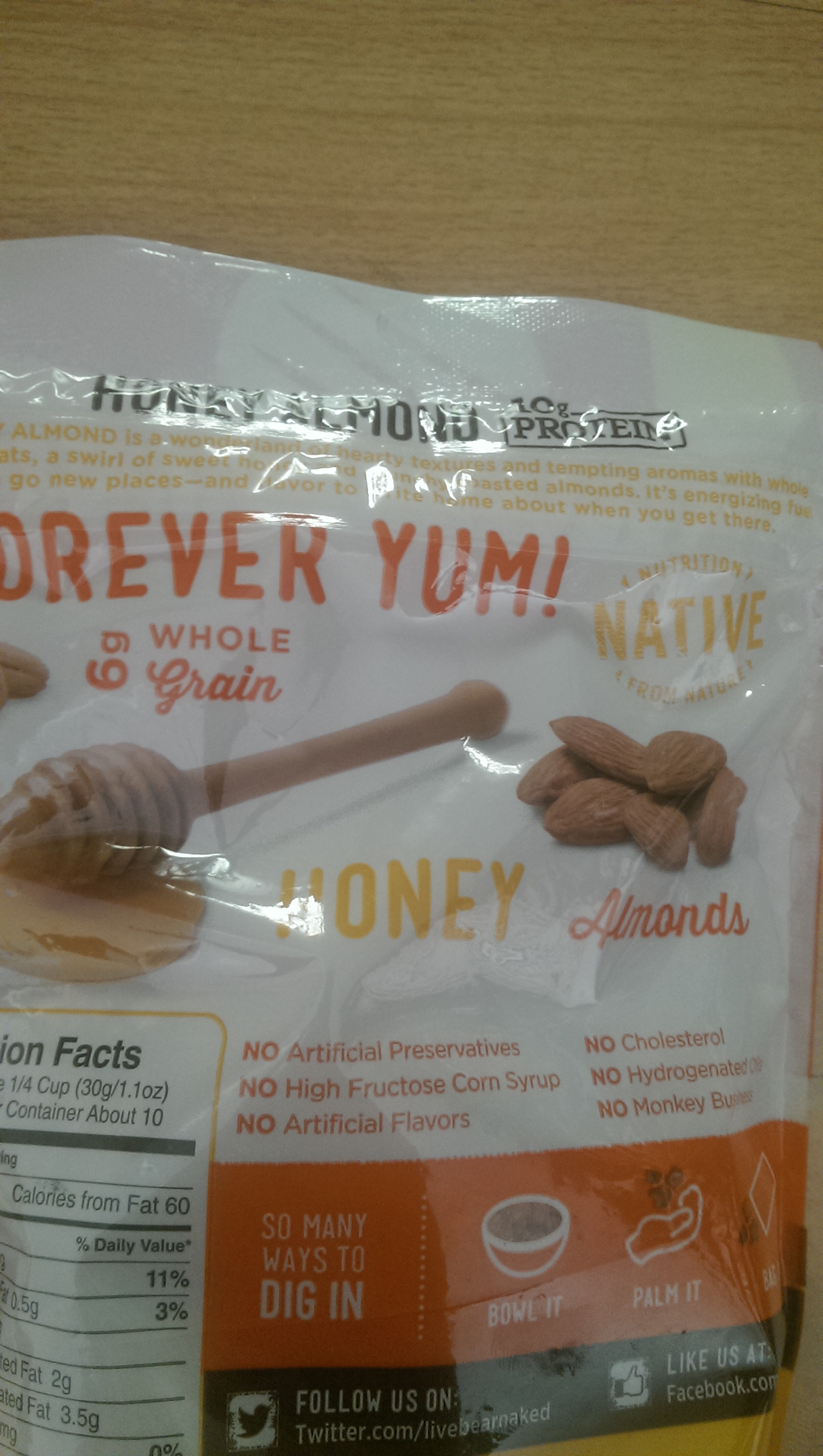
I used to purchase Bear Naked 100% Natural Granola Honey Almond variety to have on hand for rare mini-cheats because it had 10 grams of protein per serving and had ingredients (aside from the soy) which were relatively benign. I had resolved my issues with all the soy in this product by reminding myself that I would only consume this several times a year. However, I had ALCAT Food Intolerance testing done (https://www.alcat.com/) which demonstrated that I had a mild intolerance to soy and honey, a moderate intolerance to malt and canola oil, and a severe intolerance to barley. I guess that would explain the bloating and increased aching in my joints that I would experience the day after eating this granola!

Here are the ingredients in Bear Naked 100% Natural Granola Honey Almond:
whole grain oats, soy protein concentrate, honey, expeller pressed canola oil, soy protein isolate, almonds, soy nuts (roasted soybeans), natural flavor, whole grain crisp rice (whole grain rice, barley malt)

Just because a food product is deemed “natural” doesn’t mean that it is something you should eat. You may be intolerant of specific foods or ingredients which are in many so-called healthy products. How can you tell if you are intolerant without getting an expensive blood test? Simply be aware of how your body reacts when you eat certain foods, and avoid any foods which trigger bloating, abdominal cramps, skin rashes, cough, headaches, runny nose, hives and changes in bowel habits.

Bottom line: read ingredient labels on the foods you buy and avoid any ingredient which is making you sick!

IMAG2002

Slow Cooker Sweet Potatoes

Originally published on mensphysique.com on Thursday, 03 October 2013

http://www.rxmuscle.com/blogs/the-kitchen-eating-strategies/9393-slow-cooker-sweet-potatoes.html

Food prep continues to be a tedious process for me, despite the fact that it is a regular occurrence. I am sure many of you can relate to such woes and are searching for ways to cut prep time down so you can take care of more important things in life. Usually I roast sweet potatoes in the oven, but I was particularly unmotivated the other evening and decided to adopt a lazy approach while still using the delicious marinade I typically mix up. I use a heavy hand with the spices because I want that holiday flavor, so you might want to cut down the portion of spices if you want a more basic flavor.

I usually avoid using the slow cooker because food items tend to get mushy, but as long as the potatoes are cut into large sections, that should not occur. Another bonus is that your place will smell incredible when these are cooking!

olive oilIngredients:

5 pounds sweet potatoes or yams, washed and cut into large cubes

¼ cup olive oil

¼ cup balsamic vinegar

1 teaspoon pure vanilla extract

2 tablespoons pumpkin pie spice

1 tablespoon cinnamon

Directions:

Place sweet potato crock potsweet potato sections into a clean plastic bag. Mix remaining ingredients together, then pour into bag. Twist bag so that it is securely closed, then shake it so that the potatoes are evenly coated with the marinade mixture.

Open bag and pour contents into slow cooker. Add 1 cup water and set cooker on low.
sweet potato crock pot

The If-It-Fits-Your-Macros Trend

Originally published on mensphysique.com on Thursday, 09 October 2014

http://www.rxmuscle.com/blogs/the-kitchen-eating-strategies/11653-the-if-it-fits-your-macros-trend.html
IIFYMslide
You have probably heard about the “If It Fits Your Macros” (or IIFYM) trend which has been increasing in popularity within the fitness and bodybuilding world. It’s not surprising that the concept was embraced and developed by people within the industry who were sick and tired of adhering to monotonous, restrictive meal plans in which the vast majority of foods were labeled as evil and forbidden. On a personal note, I jumped on the IIFYM bandwagon as well because I was fed up with avoiding certain so-called “bad” foods and also dealing with metabolic burnout from years of caloric restriction. What surprised me was the positive manner in which my body responded to taking in maintenance calories as opposed to constantly functioning at a caloric deficit which only served to slow down my metabolism.

The term macro refers to the principal nutrients which the body requires: protein, fat, carbohydrates. IIFYM dictates that as long as you fulfill the energy needs of your body, you can obtain calories from any food source. Let’s face it: your body needs a certain amount of protein, carbohydrate and fat, along with fiber and micronutrients such as vitamins and minerals in order to function optimally, but it doesn’t scrutinize every macronutrient gram as it is thrown into the body. On the other side of the coin, it is also important to bear in mind that most proponents of IIFYM do not consume large amounts of junk food either. As long as quality protein is consumed in adequate amounts to contribute to muscle growth and repair, along with micronutrients and dietary fiber to support normal digestion, it shouldn’t matter if a small percentage of caloric daily intake is obtained from discretionary or junk food items.

My personal opinion is that the quality of carbs still should come into play if you are employing an IIFYM approach. However, if the majority of carbs comes from quality sources such as oats, sweet potatoes and brown rice, a small amount of junk carbs (cookies, Pop Tarts) shouldn’t tip the balance too much. I am a fan of carb BACKloading and believe the largest insulin spike should come at night before you sleep, since you will be fasting for several hours.

I know some of you are still reading this with great skepticism and want to hold onto your six boring meals of tilapia and green beans every day, refusing to accept the concept of loosening the reins a bit and actually enjoying a variety of foods. IIFYM doesn’t mean that you lose control and eat whatever you want, whenever you want. What it DOES mean is that foods will no longer be forbidden or “bad”, and that you can actually consume them on a fairly regular basis as long as you keep track of your daily nutrient intake.

The main drawback of IIFYM is that you must track your food intake, which in a sense is another form of food fixation. However, there is a greater chance that you will meet your body’s nutrient needs than if you follow a cookie cutter, calorie restricted, orthorexia lover’s contest prep meal plan. When clean eating is followed 100% and the majority of food sources are banned, caloric restriction is almost inevitable. Such caloric restriction, when practiced for an extended period of time, will cause fat loss to stall and metabolism to slow down.

How about if you met your macronutrient needs without having to banish most foods from your diet? So many people in the world of fitness suffer from orthorexia, a psychopathological condition in which foods are labeled as “good” or “bad”, and in which individuals become socially isolated over their need to eat “correctly”. I have seen so many competitors struggle with an increasing difficulty in losing fat, so their coaches restrict their calories even more and ban more foods from their meal plans. Fruit, healthy fats, and healthy carbs are stripped away in an effort to lean the competitor out. Another thing to consider is what food deprivation does to people. If a food is “bad”, suddenly the temptation to indulge in that bad food is intensified.

You might want to consider trying IIFYM if you are in a slump with your current meal plan. You may feel like a hamster on a very boring and restrictive “clean eating” wheel in which you are only allowed to eat very specific foods in certain combinations. For some of you who have been doing this incessantly for years, you may have noticed over time that it has become more and more difficult to lose weight. Your meal plan is probably VERY rigid and VERY boring, consisting of foods you are probably so sick of that if you never had to eat them ever again, you would rejoice in the streets for days. Give IIFYM a try. You might be pleasantly surprised at how your body responds.

Worth Your Weight In Salt: Why Some Dietary Salt Is Good

Originally published on mensphysique.com on Wednesday, 28 May 2014

http://www.rxmuscle.com/blogs/the-kitchen-eating-strategies/10971-worth-your-weight-in-salt-why-some-dietary-salt-is-good.html
salt
Salt has gotten a bad rap due to its rampant overuse in the food and restaurant industries and its potential to elevate blood pressure in susceptible individuals. However, it is responsible for the generation of nerve impulses, electrical conduction of the heart, and the contraction of all other muscles in the body.

The human body contains 4 to 8 ounces of salt and requires this to regulate body water, proper blood volume and normal blood pressure. It’s quite remarkable how the body can rid itself of excess sodium via the production of sweat and urine. Perhaps you have noticed instances in which you have retained water after a brief spike in dietary sodium intake, but this is rather short-lived in healthy individuals. What happens is that the high concentration of sodium causes fluid to travel from body tissues into the bloodstream to dilute the sodium influx. Blood volume increases, then blood pressure also increases, triggering the kidneys to increase urine output in order to excrete the excess sodium and water.

I’m not suggesting that you consume massive amounts of sodium in your daily meal plan, but I have met many competitors and athletes who are so terrified of the idea of consuming any sodium that they do themselves a disservice by pulling their daily sodium intake down significantly. When you keep sodium intake at very low levels for the long term, the kidneys will conserve serum sodium as a safeguard. When contest day approaches, no amount of water manipulation will work to give you that dry and peeled look if sodium was not on board in the weeks preceding the event. It is a far better strategy to maintain a sodium intake of approximately 2 to 3 grams per day, so that when you drop sodium and water intake right before a contest, it will be much easier to shed that subcutaneous fluid.

If you still aren’t convinced of the importance of sodium in your daily diet, remember that your body needs sodium to function properly in general. You also lose a considerable amount of sodium through the profuse sweating that most, if not all, of you fellas experience during your intense lifting sessions. If you consume very little sodium, and also lose a great deal of sodium through sweat, muscle contractility will become impaired and cramping will often develop. That’s reason enough to grab a little sea salt and add it to a few meals each day.

You might want to experiment a bit to see when it is best for you to cut sodium for a contest. For most competitors, cutting sodium intake in half for four to seven days before the event, then cutting water the day before showtime seems to work well.