Hot Female Doctors

VVVVVinoPhoto780-2

Over the past few years, several male physicians, including Dr. Travis Stork of The Doctors and Dr. Mike (aka doctor.mike on Instagram), have enjoyed some media attention as a result of their good looks. Never mind that these docs have endured years of medical training (in Dr. Mike’s case, he’s still going through it as a resident). Their followers are more interested in celebrating how hot they are. However, I want to know where all the hot lady doctors are?

As a fully credentialed, board certified physician who also happens to be deeply involved in fitness, bodybuilding and modeling, I know that I stand out a bit in a sea of medical professionals, and to be honest, I am proud of it. Yes, I get plenty of criticism for modeling in bikinis, but I don’t see why I should feel a drop of shame for doing so. Women all over the world wear bikinis, and go sans suits in some locales. It’s not a crime or a scandal to wear a bikini, or to show my legs or midsection. I have modeled my entire life, and I have no plans to stop at all, especially if I have a physique which is bikini-worthy. Because of this, I have become known as a “hot doctor”.

You would think that societal influences have relaxed enough to allow a female physician to flaunt her femininity without getting dinged for it, but I continue to see resistance all over social media. In fact, it recently came to my attention that there aren’t too many female docs who are confident enough to push the envelope and post images which may be considered more alluring. It is still considered “proper” and customary for a female doctor to remain covered up in social media posts. I’m not talking about jeans and a t-shirt. I’m talking about professional business attire and a white coat, or scrubs. So does that mean that women who are physicians aren’t allowed to reveal who they are outside of the clinical setting? That’s ridiculous.

My life is so varied, full and exciting that I can easily escape the dry and often depressing climate of medicine and enjoy something that has twists and turns. None of my other pursuits diminish what I bring to the table as a healer. If anything, they add a humanness and relatability which I think my patients appreciate. I have said before and will say again that I have never been, nor will I ever be, a “typical” physician (whatever that means). I don’t talk about medical cases and read medical tomes when I am away from the office. Many of my colleagues are so unbalanced that they will eat, breathe and live medicine constantly, but that is not my style at all. Some of them are also social misfits and cannot talk about a non-medical topic without stumbling and bumbling. The social awkwardness of some physicians is so painful to witness that I find myself cringing and looking for a quick exit when social hour begins at a conference or medical dinner.

In response to some criticism I received about posting professional swimsuit images on my main Instagram account, I established a medical Instagram profile to appease the haters somewhat, as well as legitimize my medical practice. However, I still post what I WANT to post on my main account, and if my posting habits continue to solidify the “hot doctor” label I have been given, then SO BE IT!

Hit Peak Fitness Fab Abs

3Q2A2275+copy-2455621602-O

Please check out Heidi Jo Medina’s article on fab abs in the August 12, 2016 edition of the Pensacola News Journal which includes me as one of the featured experts in her engaging article. I absolutely love Heidi Jo’s fantastic tips for getting amazing abs!

For convenience, I have copied and pasted the article here, but please also click on the link below to read the article from the source.

Many thanks to Heidi Jo Medina and the Pensacola News Journal for this feature!

http://www.pnj.com/story/life/2016/08/11/medina-hit-peak-fitness-fab-abs/88493918/

Medina: Hit the peak of fitness with fab abs

Heidi Jo Medina, News Journal correspondent 4:51 p.m. CDT August 12, 2016

Getting that six pack is the highest mountain to climb on most people’s fitness journey. To help you make it to the peak, several bikini pros tell us how they maintain their hard bellies.

Christina Heine, a graduate student in health promotion and assistant for the exercise science and health department at the University of West Florida, loves to work her abdominal muscles with planks, hanging leg lifts and reverse crunches. Her cardio routine incorporates high intensity interval training on the stair stepper or stadiums. The 31-year-old National Physique Committee (NPC) competitor switches between two minutes of high intensity and one minute of low intensity until she has reached 30 minutes.

She recommends incorporating white fish, egg whites, plain non-fat Greek yogurt into your diet. (This is ab-friendly for some people because it has natural probiotics which supports healthy digestion, but for some dairy-sensitive people it can cause bloating.)

Jessica Vetter, 36, of South Dakota, works her abdominals with ball crunches, decline crunches and double crunches. Her resume includes International Federation of Body Building (IFBB) figure pro and American Muscle & Fitness personal trainer.

“Being consistent is very important in getting and maintaining abs. Hold yourself accountable to what is put into your mouth,” she says.

For cardio, Vetter uses the stair stepper or elliptical. She says stair steppers are her favorite, as they use every muscle in the lower body, and are perfect for building lean muscle while burning fat. It is a low-impact exercise that can burn more calories than high impact, as you have to lift your entire body weight with every step you take.

Vetter only trains abs twice a week.

“If you are eager to have abs, your best strategy is to pay closer attention to your diet,” she says. “There are multiple factors that can contribute to storing fat around your belly. Focusing on eating healthy will make it easier for your body to reveal abs.”

Vetter’s diet incorporates ab-friendly foods such as fish, chicken, almonds, extra virgin olive oil, greens, coconut oil and egg whites.

“Watching labels is key,” she cautions. “Look at the grams of sugar, saturated and trans fat, and carbohydrates. The list of ingredients is also very important, and understanding what you are reading.”

Stacey Naito, 50, of California, has eliminated processed foods and refined sugar from her diet in order to sustain a lean midsection.

The IFBB pro, board-certified physician and nutrition coach suggests you stick to whole foods like lean meats, eggs (including the yolk), vegetables, almonds, and grains like quinoa and brown rice.

Naito only trains abs once a week for five to 10 minutes. She likes to incorporate planks, flutter kicks on a bench, and decline bench crunches.

When asked what kind of cardio she integrates into her workout regimen, her reply was, “Cardio? What’s that?”

Naito says she hasn’t done cardio in months and her body is actually leaner as a result.

“The body can become very efficient with cardio, meaning that it becomes resistant to the supposed fat-burning effects of cardiovascular activity,” Naito says. “The solution? Dial it down! Too much cardio can destroy a body.”

She suggests that you don’t over do it and just keep it simple. In fact, Naito says the best way to get chiseled abs is to drink plenty of water, take nutritional supplements like magnesium if you think you may be deficient, and eat clean at least 90 percent of the time.

Genetics will always play a role in your body shape and fitness achievements, but if you are only eating healthy 60 percent of the time, just like in math, that is a failing grade. Abs are made in the kitchen. The best ab exercise out there is to stop eating so much junk.

Amazing ab tips

1.Utilize a high protein, low carbohydrate diet. Along with eating four to six small meals a day, try to consume your carbs first thing in the morning to give you sufficient energy through the day.

2.A consistent combination of cardio and weight training will enable you to burn fat and stay lean. Weight training burns calories after the workout and throughout the day while cardio burns calories during the workout.

3.Staying properly hydrated will help you burn the most amount of fat and will speed up your metabolism. Try to drink six to eight glasses a day.

4.Adjust your ab routine often. This will help to maximize results as diversity and confusion to the muscle show more development than a stagnant routine.

5.Breakfast kicks off your metabolism so don’t skip it. Include lean protein, healthy fats and complex carbohydrates in your first meal. Steer clear of unhealthy fats and foods high in unhealthy carbohydrates.

6.Don’t skip cardio. Losing fat will make your abs more prominent. Cardiovascular exercise is much more effective in the morning as well since the body is refreshed.

7.Getting eight to nine hours of sleep will help boost metabolism. Lack of sleep will cause the body to release the stress hormone cortisol which promotes fat storage and will derail your ab efforts.

8.Cardio in the morning is much more effective since the body is refreshed.

9.Engage your abdominals during compound lifts like squats, deadlifts, and rows which demand a lot of core stability. These big moves will rev your metabolism and burn calories.

10.Don’t forget to breathe. Muscles need oxygenated blood to work properly and holding your breathe will hinder you from generating strength. Inhale deeply before performing a movement and exhale as you perform the crunch or lifting movement. Exhaling will force your abs to contract and engage your inner oblique muscles.

11.Cheat! Once or twice a week throw in a cheat meal to keep you sane and to throw your body a curve ball. This will keep your body from adjusting to healthy eating and slowing down your metabolism.


Too Many Cooks (Repost)

Adult female with personal trainer at gym.I am getting pretty tired of clients who think they are suddenly fitness authorities, or who think nothing of following the advice of 52 different people on what to do about diet, exercise after signing up for a comprehensive training and meal plan which I customize for them. Honestly, why hire me if you’re just going to follow whatever your whim decides is cool at the moment? I don’t get easily insulted, but it’s more that I put time into customizing plans and don’t appreciate it when a client reads some silly excerpt in Shape magazine, and decides that it must be better than my advice because it was in a popular women’s magazine.

I deal with know-it-all attitudes both as a fitness professional and as a physician. Let me be very clear. I have a four year college degree in Exercise Science from a well respected college. I have almost thirty years of experience with weight training, and have done contest prep coaching since 2010. I am also an IFBB Professional Athlete. On top of that, I have worked as a board-certified and fully licensed physician for over a decade. Yet I am challenged on a regular basis by people who think that because they looked up something on WebMD or Google, they are suddenly more knowledgeable than I am. In fact, I am not sure which bothers me more: the disrespect I get as a doctor, or the disrespect I get as a fitness professional. Both are infuriating.

The BEST advice I can give to anyone who is looking for a comprehensive plan in fitness, nutrition, or hormone balancing is to pick ONE expert and stick with that person’s knowledge, instead of second guessing the individual by throwing other mostly uneducated opinions on what to do. I give people a lot of credit for knowing their own bodies. However, it is important to remember that contradicting your coach, physician or mentor is a study in animosity that will pitch you in poor stead with the very person who is trying to help you.

Which Protein Powder If You’re Lactose Intolerant?

If you are lactose intolerant, then you are quite accustomed to checking to see if dishes contain dairy. You might also be wary of whey and casein protein powders due to their derivation from milk. However, if you have only a mild lactose intolerance, you may not have an issue with whey and casein. Why is this?

Many individuals with a mild lactose intolerance are fine with whey protein isolate as well as with casein. Both whey and casein are separated from the lactose during processing. There are small concentrations of lactose which bypass the separation, but usually this is not enough to mount a reaction in a mildly lactose intolerant individual. Only the most sensitive individuals will have a problem with these forms of protein. Bear in mind that whey concentrate is not the same as whey isolate, and that individuals who are more lactose intolerant or who have other gut issues might not tolerate the concentrate form of whey.

You may be asking what the big deal is with whey and casein, and whether they are better than other forms of protein. Why take a chance of mounting a reaction in the belly when there are other forms of protein?
whey scoop
Whey is a complete protein, meaning that it provides all the amino acids the body requires. It is also relatively cheap. Casein protein is also a complete protein, and is digested very slowly, making it a great option for bedtime.

While soy is also a complete protein, it undergoes considerable processing, and it contains phytoestrogens which are estrogen mimics. I am definitely not a fan of soy protein and will not advocate its use.

Rice, hemp and pea proteins are good alternatives for the vegan or vegetarian crowd, but since they are not complete proteins, they must be combined to fill out the amino acid profile. Rice protein is very easily digested, while pea protein has glutamic acid, which helps convert carbs into energy instead of being stored as fat. Hemp protein is rich in omega-6 fatty acids and has a high fiber content.

As long as you mix plant based proteins to get a complete profile, you will not be at a disadvantage if you cannot tolerate whey or casein. However, when it comes to cost, nutrition profile, and convenience, whey will always win the prize for being the king of protein powders.

On a personal note, I discovered that I had a mild intolerance to whey and a moderate intolerance to casein, and though I only have a mild case of lactose intolerance, the whey and casein proteins themselves cause my body to react. As a result, I keep whey protein intake to a minimum, consuming only a small amount (about 20 grams) a few times per week. This is a drastic drop from the 60 to 70 grams of whey protein which I was ingesting during my competing days in the off-season.

These days, I opt for soy-free plant-based proteins. Since the combination of pea and rice proteins delivers a complete amino acid profile, I tend to look for those blends. Healthy Skoop has a very tasty version which mixes beautifully:

Protein

I also use MitoXcell’s new Plant Protein formula, which also features hemp protein and the original MitoXcell formula for mitochondrial optimization. I think it’s a superior protein, but it’s a bit chalky for my tastes:

MitoXcell Plant Protein

Riche Magazine And The Nation’s Top Ten Fitness Models

1r1

“America’s Top Ten Fitness Models 2016” is the big feature in Riche Magazine’s July 22nd issue! You can get your copy of this publication by clicking here:

https://www.joomag.com/…/riche-magazine…/0763834001469056114

Guess who took the #1 spot? Drumroll please…

1r1b

1r1c

I am so blessed and grateful for this honor! Thank you Alex Deal and RHK Publications!

Make Regular Exercise A Priority

inspiration-4

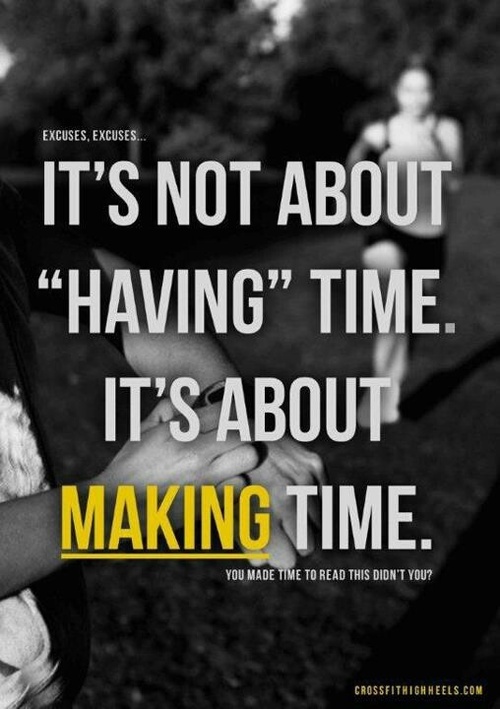
I freely admit that I chuckle to myself whenever I hear people say that they wish they had the discipline to work out on a consistent basis. It’s not that I am insensitive to the rigors of busy schedules, because I spend my days running from place to place, multitasking and barreling through tons of tasks, errands and responsibilities. But I set aside about an hour per day, six days per week, to go to the gym, and I train HARD and HEAVY every time. In recent months, I have also managed to fit in two aerial hoop classes each week. The main reason why I am so consistent about exercising consistently is that it is a priority, as important as brushing my teeth and showering on a daily basis. As a matter of fact, I look forward to my gym sessions as a way to begin each day, which is why Sunday, my rest day, is a bit rough for me and throws me off my usual daily pattern of waking up and heading straight to the gym.

Perhaps you are one of those people who believes that there isn’t time to work out, and you continue to allow your schedule to annihilate any chance of working out. The thing is, if you actually made working out a MUST instead of something to fit into your schedule as it allowed, you would find a way to get your butt to the gym and follow a plan. I have definitely noticed that people who want to reach certain fitness goals are much more successful in reaching them when they follow a specific regimen which provides guidance and structure. Making promises to yourself like, “I will go to the gym on Mondays, Tuesdays, Thursdays and Fridays from 6 am to 7:30 am”, or “I will drive straight to the gym after work every day” can be a great start to adding discipline and consistency, but you need to follow through and hold yourself accountable.

I am not kidding when I say that you need to put your workouts into your schedule! Enter your workouts on your iPhone or your Google calendar so that you have the time blocked out in your schedule. Don’t allow other things to interfere with the time you have allotted for exercise either, because when you do that, you reinforce the idea that exercise is not that important and can be pushed off. Those of us who are committed to a fitness way of life don’t allow life’s little hiccups to interfere with our gym time. It’s that simple.

The Five Keys To Optimal Brain Health

Sharpens-Your-Brain

By: Dr. Stacey Naito – Physician and IFBB Pro

Even if your genetics put you at risk for developing dementia, there are numerous lifestyle and behavior adjustments which you can make in order to protect brain function and fight dementia. The five keys listed below are proven to improve brain health and keep your mind vital and sharp for decades.

1. MOVE YOUR BODY

Scientific research has proven that overall physical health is closely linked to brain health. Regular exercise aids in the maintenance of a healthy weight range, normal cholesterol levels, while also optimizing blood flow throughout the body and the brain and supporting the growth of new brain cells.

The benefits of physical health stem not only from regular exercise, but also from other good health practices. Support your brain’s health by doing the following:

• Exercise at least 30 minutes daily to relieve stress.
• Make sure to get between seven to eight hours of sleep each night.
• Refrain from using tobacco.
• See your doctor regularly.
• Maintain a healthy weight.

2. YOU ARE WHAT YOU EAT

Research studies indicate that diets which are low in saturated fats and cholesterol, and rich in polyunsaturated omega-3 fatty acids and nutrients like lutein and vitamin E, may have a protective effect on brain cells and overall brain health.

Brain-healthy dietary changes:

• Opt for healthy fats which are found in olive oil and fatty fish like salmon. Avoid saturated and trans fats.
• Consume a diet which incorporates milk, eggs, vegetable oils, nuts, whole grains, and dark leafy greens like spinach, all of which are rich in vitamin E. Vitamin E is an important nutrient which supports brain health. If you can’t get vitamin E from foods, you can take it in supplement form.
• Eat plenty of fresh fruits and vegetables, aiming for nine fist-sized servings each day. Select colorful fruits like cranberries, blueberries and tomatoes which are packed with powerful anti-inflammatory compounds known as polyphenols. Keep the skin on fruits and vegetables to maximize their nutritional benefits.
• Add lutein. Lutein is a potent antioxidant which is critical for eye and brain health. Foods which are rich in lutein include spinach, kale, turnip greens, collard greens, egg yolks, corn, and peas. You can also take lutein in supplement form.

3. EXERCISE YOUR BRAIN

Extensive research has proven that the brain continues to learn new skills and information throughout life, and benefits from frequent intellectual stimulation. Make sure to pursue new activities, education and games to challenge your mind. Read books to elevate your knowledge base.

How to stimulate your brain:

• Engage in regular sessions of a mental activity you enjoy, such as reading, word games such as crossword puzzles, or learning a foreign language.
• Get into a daily habit of learning a new word or fact.
• Master a new skill or subject each year.
• Manage stress and balance your energy by meditating. Meditation may help to reduce stress and body inflammation by soothing the vagus nerve, an important nerve which controls the body’s immune response.

4. NURTURE RELATIONSHIPS

Though we know that relationships with family and friends are key factors in a person’s happiness, regular social interaction promotes the formation of new brain cells and aids in brain repair. One study revealed that men and women who had the most social interaction had less than half the rate of memory loss as those who were the least socially involved. By visiting friends and family and being involved in community activities, you will protect brain health.

Social brain boosters:

• Spend time with your family and friends regularly, and make them a priority.
• Volunteer for an organization which surrounds a cause which you are passionate about.
• Work for as long as you can, and for as long as you feel motivated to do so.
• Join clubs and become involved in religious or spiritual activities which resonate with you.

5. BALANCE YOUR NEUROTRANSMITTERS

Brain function relies on important molecules known as neurotransmitters. Neurotransmitter levels affect mood, behavior, cognitive function, social function, digestion, sleep, weight regulation, and many other processes.

The problem with current society is that the vast majority of people have overly stimulated sympathetic nervous systems, which over time can drain the body of serotonin. The excitatory part of the nervous system dominates once the inhibitory neurotransmitters are depleted, resulting in anxiety and an inability to “wind down”. Eventually, even the excitatory neurotransmitters such as serotonin, epinephrine, norepinephrine and GABA are also depleted, and severe depression or chronic fatigue usually develop.

Conventional drugs cannot replenish these neurotransmitters, and in fact, tend to cause depletion of the neurotransmitters. This is the reason why some depression medications do not work on some individuals. The good news is that supplementation with amino acids can help to replenish deficient neurotransmitters.
How To Nourish Neurotransmitters:
• Eat a healthy diet. Neurotransmitter imbalance is aggravated by poor diet. Diets high in protein supply the brain with the amino acids it needs to replenish neurotransmitter levels.
• Consume branched chain amino acids to ensure a rich supply of neurotransmitter precursors.

REFERENCES
Neurotransmitter Assessment Brings Light to Management of Psychiatric Problems
Monday, 15 August 2005 00:59By Erik L. Goldman | Editor in Chief – Vol. 6, No. 3. Fall, 2005