What Are Histamines and How Do They Affect the Gut?

123rf.com
Image ID205762582

Histamines can have a significant impact on gut health, and for people with histamine intolerance or dysregulation, they can wreak real havoc on the digestive system. Histamine is a natural compound involved in immune responses, regulating stomach acid, and acting as a neurotransmitter. It’s normally broken down by enzymes like:

  • DAO (diamine oxidase) – mainly in the gut.
  • HNMT (histamine-N-methyltransferase) – mainly in the liver and other tissues.

In a healthy system, histamine is produced and broken down in balance. But when histamine levels get too high or the body can’t break them down properly, this leads to histamine intolerance—not an allergy, but more like an overload.

🧠 Gut-Brain Connection

Histamine also affects the enteric nervous system (the gut’s “second brain”). Too much histamine can lead to:

  • Overstimulation of gut motility (diarrhea, cramping).
  • Inflammation of the gut lining.
  • Increased intestinal permeability (leaky gut).
  • Disruption of the gut microbiome.

🚫 Foods High in Histamines (or That Trigger Histamine Release)

Histamine is found in many aged, fermented, or processed foods. There are also foods that trigger your body to release histamine, even if they don’t contain much of it.

⚠️ High-Histamine Foods

  • Fermented foods: sauerkraut, kimchi, yogurt, kefir, soy sauce, miso.
  • Aged cheeses: parmesan, gouda, cheddar.
  • Cured/processed meats: salami, pepperoni, bacon.
  • Alcohol: especially wine, beer, champagne.
  • Vinegar-containing foods: pickles, mayonnaise.
  • Fish (especially if not super fresh): tuna, mackerel, anchovies.

🧨 Histamine Releasers

  • Strawberries, bananas, tomatoes, avocados, eggplant.
  • Shellfish.
  • Chocolate.
  • Nuts (especially walnuts, cashews, peanuts).

😵 Symptoms of Histamine Overload (Especially in the Gut)

When histamines aren’t properly broken down, symptoms may appear anywhere in the body—but the digestive system often takes the biggest hit.

🧻 Digestive Symptoms

  • Bloating
  • Diarrhea
  • Gas
  • Abdominal cramping
  • Nausea
  • Acid reflux
  • Constipation (less common, but can happen)

🧏 Other Common Symptoms

  • Headaches or migraines
  • Skin rashes or hives
  • Flushing
  • Runny nose or nasal congestion
  • Anxiety or irritability
  • Fatigue
  • Heart palpitations

Symptoms often appear within 30 minutes to a few hours after eating high-histamine foods.


🛠️ What Can You Do to Manage or Offset a Histamine Reaction?

🥗 1. Low-Histamine Diet

Start by reducing or eliminating high-histamine and histamine-releasing foods. This can help “reset” your system and reduce overload.

💊 2. DAO Enzyme Supplements

These help break down histamine in the gut before it’s absorbed. Best taken right before meals. Look for:

  • DAO (diamine oxidase) enzyme
  • Brands with good clinical backing (e.g., Histamine Block)

Note: DAO doesn’t fix the root cause—it just helps manage symptoms.

🌿 3. Natural Antihistamines

These can help calm the body’s histamine response:

  • Quercetin: A flavonoid that stabilizes mast cells.
  • Vitamin C: Lowers histamine levels naturally.
  • Stinging nettle: Has mild antihistamine effects.

🔬 4. Support Gut Health

Since DAO is made in the intestinal lining, gut inflammation can reduce DAO production. Focus on:

  • Healing the gut lining (e.g., with L-glutamine, zinc carnosine, collagen).
  • Restoring microbiome balance (probiotics—carefully, since some can increase histamine).
  • Avoiding unnecessary NSAIDs, alcohol, and gut irritants.

🧘 5. Address Underlying Root Causes

Histamine issues often stem from deeper imbalances:

  • SIBO (small intestinal bacterial overgrowth)
  • Leaky gut
  • Chronic stress (which activates mast cells)
  • Mold toxicity or environmental triggers

Working with a functional or integrative practitioner can help identify and treat the root cause—not just mask the symptoms.


🧭 Summary

AspectDetails
CauseHistamine overload due to poor breakdown or excessive release
TriggersFermented/aged foods, alcohol, chocolate, strawberries, etc.
Digestive SymptomsBloating, diarrhea, reflux, nausea
SolutionsLow-histamine diet, DAO enzymes, gut healing, natural antihistamines

If you’re dealing with persistent gut issues, especially with unpredictable food reactions, histamine intolerance is definitely worth exploring—and often underdiagnosed.

How and Why Do People Develop Histamine Dysregulation?

Image 123rf.comImage ID193375641

Histamine dysregulation happens when the production, release, or breakdown of histamine is thrown out of balance. That can happen in a few ways, and it’s usually multifactorial, meaning more than one trigger is involved. As someone who suffers from this, I can definitely tell you that it’s not a fun experience! This condition is one I developed during perimenopause, and I still struggle with it, more than 10 years later.

Here are some of the factors which are involved in the development of histamine intolerance or dysregulation:


1. 🧪 Impaired Histamine Breakdown

🔧 Main Enzyme: DAO (Diamine Oxidase)

DAO is responsible for breaking down histamine in the gut before it’s absorbed into the bloodstream.

🔬 Causes of Low DAO Activity:

  • Gut inflammation (e.g., from IBS, IBD, leaky gut, or SIBO)
  • Certain medications (like NSAIDs, antibiotics, antihistamines, antidepressants, and PPIs)
  • Alcohol (especially wine) inhibits DAO
  • Genetic mutations (SNPs) in the AOC1 gene, which affect DAO enzyme function
  • Nutrient deficiencies (copper, B6, vitamin C)—these are co-factors needed for DAO

2. 🔥 Overproduction or Release of Histamine

Histamine is stored in mast cells, which are part of your immune system. When triggered, these cells release histamine—sometimes inappropriately or excessively.

🧨 Triggers for Histamine Release:

  • Food sensitivities or allergies
  • Chronic infections (like Lyme, Epstein-Barr, Candida, parasites)
  • Mold exposure or environmental toxins
  • SIBO or gut dysbiosis (bacteria can produce histamine)
  • Stress (triggers mast cell activation through the nervous system)
  • Hormonal shifts (especially in women—estrogen can increase histamine)

In some cases, people develop mast cell activation syndrome (MCAS), where mast cells release histamine too easily and too often, even to non-threatening stimuli.


3. 🧬 Genetic Predisposition

Certain gene variants can impair your body’s ability to break down or regulate histamine. Key genes include:

  • AOC1 – codes for DAO enzyme
  • HNMT – breaks down histamine inside cells
  • MAO, COMT – involved in neurotransmitter and histamine metabolism
  • MTHFR – affects methylation, which indirectly impacts histamine clearance

People with these genetic variants may have a lower tolerance threshold and be more prone to symptoms from even normal histamine levels.


4. 💊 Medication-Induced Histamine Issues

Some drugs can either block DAO or promote histamine release. Examples:

  • NSAIDs (ibuprofen, aspirin)
  • Antidepressants (especially MAOIs)
  • Antibiotics (like clavulanic acid or sulfonamides)
  • Muscle relaxants
  • Opioids
  • Benzodiazepines
  • Beta blockers

These don’t necessarily cause histamine intolerance permanently, but they can tip someone over the edge if they already have a compromised system.


5. 🧠 Chronic Stress and Nervous System Imbalance

Chronic stress can:

  • Increase mast cell activation
  • Promote intestinal permeability (leaky gut)
  • Suppress DAO enzyme production
  • Alter gut microbiota

Basically, long-term stress can create a perfect storm for histamine dysregulation.


6. 🦠 Gut Health Imbalances

Histamine and the gut are tightly linked.

  • Dysbiosis: Some gut bacteria (like Lactobacillus casei or Klebsiella) produce histamine.
  • SIBO: Overgrowth in the small intestine can lead to bacterial production of histamine.
  • Leaky gut: Inflammation in the gut lining reduces DAO production and allows histamine to be absorbed more easily into the bloodstream.

If the gut lining is damaged or the microbiome is imbalanced, histamine clearance drops—while histamine production increases. Bad combo.


🧩 Summary: Why Histamine Dysregulation Happens

Root CauseHow It Contributes
Gut inflammationReduces DAO production
Genetic mutationsImpair histamine breakdown
Chronic stressActivates mast cells, weakens gut
Infections or toxinsTrigger immune and mast cell response
Hormonal imbalancesEstrogen boosts histamine levels
MedicationsBlock DAO or trigger histamine release
Dysbiosis/SIBOIncreases histamine production in gut

🔄 The Vicious Cycle

Histamine overload can damage the gut, and a damaged gut can’t break down histamine—so the cycle continues unless addressed.


✅ What to Do About It

If you’re dealing with symptoms and suspect histamine dysregulation, steps to consider:

  • Support DAO function (supplements, gut healing)
  • Avoid high-histamine foods (especially temporarily)
  • Reduce triggers (toxins, stress, allergens)
  • Test for underlying causes (SIBO, mold, infections)
  • Work with a knowledgeable practitioner

Resistance Training: The Ultimate Anti-Aging Tool

Regular resistance training is one of the most powerful tools for maintaining youthfulness and slowing down the aging process. It benefits the body and mind in multiple ways, including preserving muscle mass and bone density, improving digestion, boosting cardiovascular fitness, and benefitting cognition and mental attitude. Let’s explore these in detail:

1. Muscle Mass Preservation and Growth

As we age, we naturally lose muscle mass—a process called sarcopenia—which can lead to frailty, loss of mobility, and metabolic decline. Resistance training:

  • Stimulates muscle protein synthesis, helping to maintain and build lean muscle.
  • Increases metabolic rate, making it easier to maintain a healthy weight.
  • Enhances insulin sensitivity, reducing the risk of type 2 diabetes.
  • Supports functional strength, improving balance and reducing the risk of falls and injuries.

2. Skin Integrity and Anti-Aging Effects

The skin’s health and appearance are directly affected by lifestyle choices, including exercise. Resistance training:

  • Improves circulation, ensuring better oxygen and nutrient delivery to skin cells.
  • Stimulates collagen production, which helps maintain skin elasticity and reduces wrinkles.
  • Reduces cortisol levels, lowering inflammation and minimizing stress-induced skin aging.
  • Increases human growth hormone (HGH) levels, which contributes to cell regeneration and youthful skin.

3. Digestive Health and Metabolism

Aging often slows digestion and can lead to issues like bloating, constipation, and poor nutrient absorption. Resistance training:

  • Speeds up metabolism, ensuring efficient digestion and energy utilization.
  • Stimulates gut motility, reducing the risk of constipation.
  • Helps regulate hormones like insulin and cortisol, which affect digestion and appetite control.

4. Cardiovascular Fitness and Longevity

While resistance training is not traditionally associated with cardio health, it plays a crucial role in keeping the heart young. It:

  • Lowers blood pressure and improves vascular flexibility, reducing strain on the heart.
  • Enhances circulatory function, improving blood flow and oxygen delivery to tissues.
  • Reduces inflammation, lowering the risk of heart disease.
  • Helps control cholesterol levels by reducing LDL (bad cholesterol) and increasing HDL (good cholesterol).

5. Joint Health and Mobility

Contrary to the myth that weightlifting damages joints, resistance training actually protects and strengthens them. It:

  • Increases the production of synovial fluid, which lubricates the joints.
  • Strengthens the muscles around joints, providing better support and stability.
  • Reduces inflammation associated with conditions like arthritis.
  • Improves flexibility and mobility, reducing stiffness and pain.

6. Bone Density and Strength

Osteoporosis and bone fractures become major concerns with aging. Resistance training combats this by:

  • Stimulating osteoblast activity, which helps build stronger bones.
  • Increasing bone mineral density, reducing the risk of fractures.
  • Enhancing posture and balance, minimizing fall-related injuries.
  • Supporting calcium and vitamin D absorption through hormonal regulation.

7. Hormone Regulation: Testosterone, HGH, and More

One of the most underrated benefits of resistance training is its ability to optimize hormone levels, which naturally decline with age. Strength training has been shown to:

  • Boost testosterone production, which is essential for muscle maintenance, fat metabolism, energy levels, and libido in both men and women.
  • Increase human growth hormone (HGH), which supports tissue repair, fat loss, and skin regeneration.
  • Improve estrogen balance in women, reducing the risk of osteoporosis and metabolic disorders.
  • Lower cortisol levels, reducing stress, inflammation, and belly fat accumulation.
  • Improve thyroid function, enhancing metabolism and energy levels.

8. Mental Attitude and Cognitive Health

Aging isn’t just physical—it’s mental. Resistance training improves cognitive function and emotional well-being by:

  • Releasing endorphins, reducing anxiety and depression.
  • Boosting dopamine and serotonin, improving focus, clarity, and happiness.
  • Enhancing memory and brain function, reducing the risk of dementia.
  • Increasing self-confidence, making you feel strong and capable at any age.

9. Resistance Training and Insomnia

Struggling with sleep? Resistance training can help improve sleep quality and reduce insomnia by:

  • Reducing cortisol levels, helping the body wind down for sleep.
  • Boosting deep sleep cycles (slow-wave sleep), which is crucial for recovery and memory consolidation.
  • Regulating circadian rhythms, ensuring better sleep-wake cycles.
  • Reducing stress and anxiety, making it easier to relax at bedtime.
  • Increasing energy during the day, leading to natural tiredness at night.

Conclusion

Regular resistance training is one of the most powerful ways to stay young, both physically and mentally. It preserves muscle, strengthens bones, supports joints, enhances skin health, regulates digestion, protects the heart, optimizes hormone levels, improves sleep, and boosts mental well-being. If you want to age with strength, vitality, and confidence, lifting weights should be a non-negotiable part of your lifestyle! 💪

Are White Foods Making You Sick?

Copyright: colorcocktail

If you have any tendency to hit the bread basket at dinner, or you have a penchant for plates of regular pasta or sweet treats like cookies, you are consuming white foods which can have a deleterious impact on your health. Some white foods are actually quite healthy for the most part, such as eggs, cauliflower, onions and turnips. However, white foods which are highly processed and refined wreak havoc on our bodies, and should be eliminated from our diets. Not only do they adversely affect digestion, they cause spikes in blood sugar, diminish the collagen and elastin in our skin, and lead to heart and kidney disease.

Not sure what constitutes the white foods I am referring to? Here’s a list:

Enriched White Flour
White Rice
White Pasta
White Bread
Crackers
Table Sugar
Refined Salt

One of the reasons why the flour which is used in processed foods is usually enriched is because fiber, vitamins and minerals are stripped during the refining process of the grain. In addition, processed grains and table sugar are absorbed very rapidly, causing a sharp increase in insulin release with a corresponding crash, resulting in hunger pangs and cravings, not to mention adversely affecting one’s health over the course of time. In case you didn’t know, the average carbonated soda has 10 to 12 teaspoons of table sugar. According to the American Heart Association, an average of 22 teaspoons of sugar is consumed daily by the average American. Sugar in any form provides very few nutrients, and that is why it is described as providing “empty” calories.

Another white food which could be added to the do-not-eat list is dairy. The dairy industry often uses hormones and antibiotics in raising the cows, which then can cause weight gain, hormonal imbalance, inflammation, allergies and digestive issues in humans. I have seen a fair number of patients who dealt with chronic pain and inflammation which abated once they eliminated dairy products from their diets.

I honestly believe that everyone should examine all foods which are currently in the pantry or elsewhere in the kitchen, disposing of any processed foods. Once this purge is completed, it is critical to read nutrition labels when shopping at the grocery store and to avoid purchasing foods which have ingredients on the above list. I discovered that I have a severe intolerance to barley and I also have a non-celiac gluten sensitivity. Because of this, I have cut gluten out of my diet, which means that I avoid bread, crackers, and pasta which are made with wheat flour or any other glutinous grain. However, this doesn’t mean that gluten free bread products are the answer either, especially because they are also processed foods. I only consume gluten free pastas, breads or cookies a few times per year, and I truly have cravings for healthy foods. For example, when I want a crunchy snack, I opt for a bowl of raw veggies like radishes (my favorite), cucumber, and fresh raw mushrooms, while others might reach for a bag of potato chips. My palate is so conditioned to like clean foods that I actually crave things like radishes, arugula, and lean cuts of turkey and seafood.

If you stick to fresh vegetables, lean meat, and incorporate healthy fats like avocado into your regimen, the fresh flavors will hopefully break you out of your refined food habits and lead you to healthy eating habits.

What In The World Are Prebiotics, And Why Do You Need Them In Your Life?

Source: 123rf.com
Image ID : 92298348
Copyright : Iryna Timonina

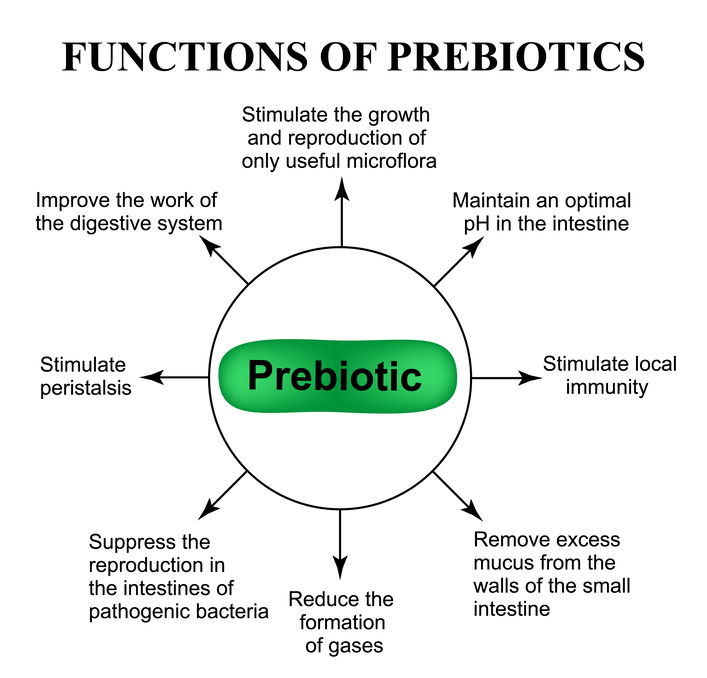
Prebiotics are quite different from probiotics, but they work in tandem with probiotics to have a synergistic effect. For this reason, prebiotics and probiotics are known as synbiotics.

While probiotics are live microbes, prebiotics are a type of insoluble fiber which probiotic organisms use as food. When you take prebiotics, you supply the probiotics you ingest with nutrients they need in order to thrive. These fiber sources (inulin and oligosaccharides) pass through the human stomach and small intestine without being broken down. When they reach the colon, they are fermented, producing short-chain fatty acids which are then consumed by the beneficial microbes which have set up house there.

Prebiotics are found naturally in the following foods:
– Asparagus
– Lentils
– Garlic
– Onions
– Leeks
– Oats
– Artichokes
– Bamboo shoots
– Bananas
– Honey
– Milk
– Mustard
– Rye
– Soybean
– Barley
– Wheat
– Tomatoes
– Sugarcane juice
– Sugar beet

Since the probiotics rely on the prebiotics for food, prebiotics must be taken prior to the probiotics.

Experts are now stating that by taking prebiotics, individuals can treat constipation and irritable bowel disease, immune deficiencies, and even prevent and treat different types of cancer. Other research has proven that consuming prebiotic-containing foods increases calcium absorption and bone mineral density in adolescents as well as post-menopausal women. Other studies suggest that probiotics can promote healthy body weight and optimize energy homeostasis.

Conclusion? It’s a great idea to incorporate either prebiotic supplements or prebiotic-containing foods in your daily regimen, along with probiotics, to ensure optimal gut health, support immunity, and protect against a myriad of disease processes.

Drink Your Water!

Drink Water. Close Up Man Pouring Water Into Glass. Hydration

Image ID : 58825510
Copyright : puhhha

——————————————————
What’s the big deal with drinking water every day anyway?

Well, it turns out that there are a myriad of health benefits which come from drinking water. After all, we are made up largely of water, which exists in our tissues, blood, bone, and organs. In addition, we lose fluid constantly through processes such as breathing, urination, defecation, and skin evaporation. You may not realize it, but proper hydration maintains blood pressure, flushes wastes from the cells in the body, regulates body temperature, and maintains humidity in the airways for optimal oxygenation.

When fluid intake is adequate, the natural process of digestion keeps humming along, and waste products which form are softened by the water content. One sure way to impede the natural process of digestion is to deprive your body of water, which will result in slow transit and constipation. Low water intake can also create an environment in which kidney stones are prone to form.

As if that wasn’t enough, adequate water intake actually enhances physical performance and lubricates the joints. If you have ever struggled through a workout when you haven’t been drinking enough fluids, you know how agonizing it can be to try to power through a routine when you are dry as a bone. And since water is so plentiful in the tissues of the brain, dehydration has a major negative effect on energy levels and concentration. If you’ve ever gotten a headache from dehydration, you know that it can be next to impossible to focus when your head is pounding.

The simple solution? Drink some water!

Lastly, water forms a protective barrier in the skin to plump it up and minimize the appearance of wrinkles. Proper hydration is a simple anti-aging secret which you can easily adopt.

So tell me again why you don’t like to drink water?

Perhaps you are one of those people who never drinks water. If you simply can’t deal with the “taste” of water, then try infusing water with fresh fruits such as lemon, lime, oranges, blueberries, cucumber, strawberries, kiwi, or watermelon. Another option for flavoring your water in a healthy way is to make herbal tea and drink it either hot or cold. You can also turn to foods which have a high water content, which will hydrate you, while also fill you up faster and aid in weight loss if that’s your goal. Most fruits and vegetables are high in water content, but you can also incorporate yogurt, soups or bone broth into your regimen to increase water intake.

Here are my top three guidelines to encourage you to drink more water:

1. Carry an attractive stainless steel or BPA-free plastic container with you everywhere you go. I generally suggest a 1 liter size (which is about 34 ounces), and I also recommend a container which has a sip spout for easy drinking, as well as a handle at the top for easy portability. Ideally, you will consume a full container of water in a day, preferably two. I honestly always have a drinking container with me which I take everywhere. It never leaves my side.

2. Drink a beverage every time you eat something. This way, you will get into the habit of consuming fluids with every food item, which will help wash down the food and will get you to your hydration goals more easily.

3. Eat more fruits and vegetables. Remember that fruits and vegetables have a high water content, and contribute to total water intake.

Do you have food intolerance?

Image ID : 29041123 Copyright : guniita

What is food intolerance?

Have you ever noticed that when you eat a certain food, such as tuna, blueberries, avocado, asparagus or broccoli, that you get extremely bloated to the point that you are extremely uncomfortable? Since the foods I mentioned are celebrated for their many nutritional benefits, it might not occur to you that you most likely have an intolerance to that food. Up to 80% of the U.S. population has some form of food intolerance.

Most people are aware of food allergies, but food intolerance is a different phenomenon which can have a tremendous effect on a person’s quality of life. Food allergies appear quite suddenly, from seconds to minutes after ingestion of the offending food, and can be life-threatening, whereas food intolerance is a more gradual process (taking hours to a couple of days for symptoms to emerge), not life-threatening, and may only occur after a large amount of the food is eaten. Food allergies and food intolerance can both cause similar symptoms, such as abdominal pain, nausea, and diarrhea, but food intolerance is notorious for causing bloating, heartburn, irritability, headaches and general malaise. The most common food allergy triggers are peanuts, tree nuts, shellfish, fish, soy, wheat, milk and eggs, while the foods most commonly associated with food intolerance are dairy products, gluten-containing grains, eggs, citrus, beans, cabbage, and broccoli.

People who are allergic to certain foods know that even a small amount of the food can trigger an allergic response, and the response occurs every single time the person is exposed. The immune system reacts to the food by causing a release of IgE antibodies, which then cause a release of histamines and cytokines designed to attack the offending agent. Sometimes the entire body is affected by this response, and symptoms such as shortness of breath, hives, rash, or a sudden drop in blood pressure can occur. Food intolerance, in contrast, is more insidious, and may only occur if a large amount of the triggering food is eaten or if it is consumed frequently. Trigger foods will cause a rise in IgA, IgG, and IgM antibodies, causing the body to mount a delayed reaction which is characterized by mostly gastrointestinal symptoms, but which can cause other symptoms as well. Regardless of how the body reacts, the discomfort caused by poor digestion of the food can be enough to make the sufferer miserable.

Why does food intolerance occur? There are several explanations. One cause is enzyme deficiency. All enzymes are specific to one type of molecule, such as lipases which break down fats. Sometimes an individual can be deficient or completely lacking in a very specific enzyme which is required for digestion of a particular food. A common example is found in lactose intolerant individuals who do not have enough lactase to break down the milk sugars into their constituent parts for absorption in the intestine. The lactose cannot be broken down so it sits in the intestine, causing bloating, spasm and diarrhea when it sits in the digestive tract. Approximately 25% of the U.S. population suffers from lactose intolerance, which amounts to a lot of bloated bellies from the consumption of dairy products.

Another common type of food intolerance is to gluten. Gluten is highly resistant to digestion as it is, and in some individuals, the gluten cannot be broken down at all. The problem with gluten is that it is found in wheat, rye, barley, spelt and kamut, so avoiding gluten can be challenging to say the least. Approximately 1% of the U.S. population has celiac disease, while about 15% have gluten intolerance. Regardless of whether someone has celiac disease or gluten intolerance, ALL gluten must be avoided. However, if there are occasions in which completely avoiding gluten is impossible, digestive enzymes, specifically DPP-IV, can help individuals to digest meals containing gluten.

The list of substances which people may have an intolerance to doesn’t stop there. Some individuals cannot break down phenols, including salicylates, due to insufficient amounts of xylanase, and suffer from behavioral and learning disorders, including ADHD and autism. Some individuals are unable to break down disaccharides, an intolerance which is closely linked to irritable bowel disease, ulcerative colitis, Candida overgrowth and autism. As if all that wasn’t enough to worry about, there are chemical substances in foods which can spark intolerance, such as caffeine, aflatoxins in undercooked beans, amines in cheeses, artificial colorings and flavorings, preservatives, sweeteners, emulsifiers, nitrates, MSG, sulfites and salicylates. Salicylate intolerance can cause a susceptible individual to react to large amounts of salicylate-containing foods, particularly citrus fruits, teas, mint flavoring, berries and processed foods with flavor additives.

The digestive tract regularly takes the brunt of foods, medications, hormones, and chemical additives which can interfere with repair of the gut lining, causing increased intestinal permeability which is more commonly known as leaky gut. Leaky gut is characterized by the loosening of tight junctions between the cells which line the gut, thus allowing food molecules to pass through. These free floating food molecules are viewed by the immune system as a threat and will mount an immune response which manifests as the signs and symptoms of food intolerance. Think of all that food sitting in the gut, undigested. Pretty unnerving, huh?

How to diagnose food intolerance

Diagnosing food intolerance can be extremely difficult since the signs and symptoms often mimic those of food allergy. One method of ferreting out which foods are involved in a food intolerance is keeping a food diary in which all foods eaten are recorded, along with symptoms and their time of onset. After suspected trigger foods have been determined, an exclusion diet can be implemented, in which those foods are removed from the diet for weeks to months. If the symptoms disappear during the exclusion phase, potential trigger foods can be re-introduced after this phase is completed in order to determine which substances are problematic. If the food intolerance is mild, a small amount of the food will not trigger symptoms, and in many cases may still be consumed, especially if enzymes are taken to aid in digestion. Essentially, many people can return to foods which they were mildly or even moderately intolerant of after avoiding it for a period of time.

Blood testing is considered the most reliable and comprehensive form of testing for food intolerance, but there are only a few laboratories which specialize in this type of test. ALCAT, Pinnertest.com and HEMOCODE Food Intolerance System are laboratories which offer food intolerance testing via serum analysis, with ALCAT considered the largest food intolerance testing group in the U.S. Some insurance plans will cover part or all of the expense of the testing, so it is always worth inquiring about insurance coverage. Some testing panels also provide a detailed rotation diet which patients can follow when they are ready to reintroduce the foods of which they are intolerant.

Kombucha

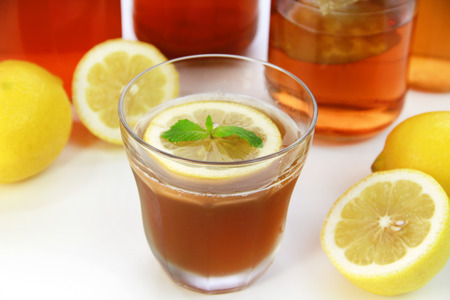
Kombucha is a fermented beverage made from black tea and either sugar, honey or fruit, which has beneficial probiotic and antibiotic qualities. Once the solution is mixed, it is then fermented by a combination of bacteria and yeast better known as SCOBY (symbiotic colony of bacteria and yeast). There are numerous positive effects on the body, which are discussed here.

GUT HEALTH:

Kombucha is loaded with good bacteria (known as probiotics), as well as enzymes and yeast which assist in breaking down foods for enhanced absorption and digestion. Since the mixture is doing some of the work in digestion, your gut is better able to do its job without being overloaded. Kombucha also restores a healthy pH balance in the gut, and its consumption is highly recommended for individuals dealing with irritable bowel syndrome, Candida overgrowth, and many other digestive disorders.

The fermentation process involved in the production of kombucha also produces butyric acid, which has strong antimicrobial and anti-cancer features, protects the gut against yeast overgrowth, and destroys parasites which might be lurking in your gastrointestinal tract.

ALL THAT GOOD STUFF:

The fermentation process involved in making kombucha produces by-products such as acetic acid, which inhibits the growth of harmful bacteria, thus conferring a protective effect upon the body against infection. Kombucha also contains naturally occurring glucosamine, so chugging this fermented beverage can also aid in joint function and health. It is also chock-full of vitamin C and vitamin B, and truly helps to cleanse the liver and rid the body of free radicals.

I remember a roommate from 2008 who had begun drinking raw kombucha regularly, and he insisted that it was the most fantastic new health beverage. What I hadn’t realized then was that kombucha has actually been around for over 2,000 years, originating in China, then spreading to countries such as Korea, Japan, Russia, and India.

My roommate kept insisting that I try kombucha, even when I told him that the slimy sludge floating in the bottles made me want to gag. I finally did try a sip of kombucha in 2009, and found that I didn’t like the incredibly tart, vinegary flavor at all.

Despite my first unfavorable experience kombucha, I decided to try some of the newer brands, like Health-Ade, Synergy and Revive, last year. It turns out that kombucha has come a long way, with better flavor, and the SCOBY colonies are somehow less disgusting than what I remember from years ago. The fruitier versions are fizzy, refreshing, and quite tasty. Because of its acidity, kombucha should not be consumed in excess. My recommendation is to drink 4 ounces per day to obtain the probiotic benefits of this strange and popular beverage.

Organifi Review from August 2016

Please check out my YouTube review of Organifi products here:

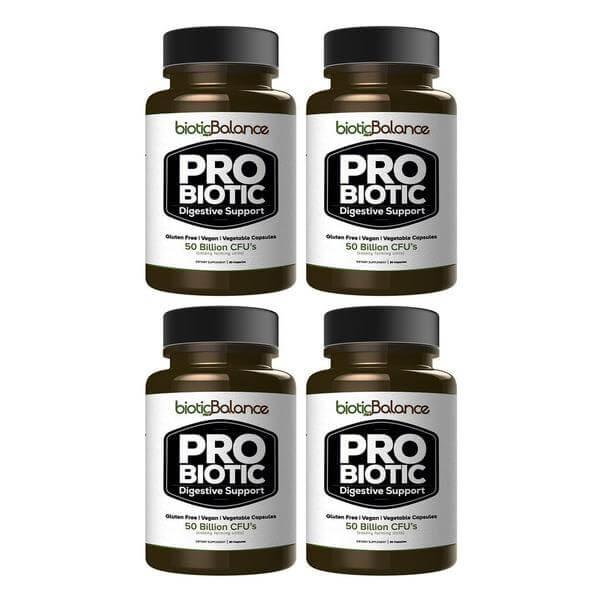
Though I shot and edited this video a year ago, the information hasn’t changed. I love how clean Organifi products are, and encourage people to try them. My favorite products are the Daily Turmeric Boost and the ProBiotic.

I’ve actually run out of both products, and am using other brands right now, but I honestly felt fantastic while on Organifi products. My digestive tract functioned better, and I had fewer aches and pains with the Turmeric Boost on board.