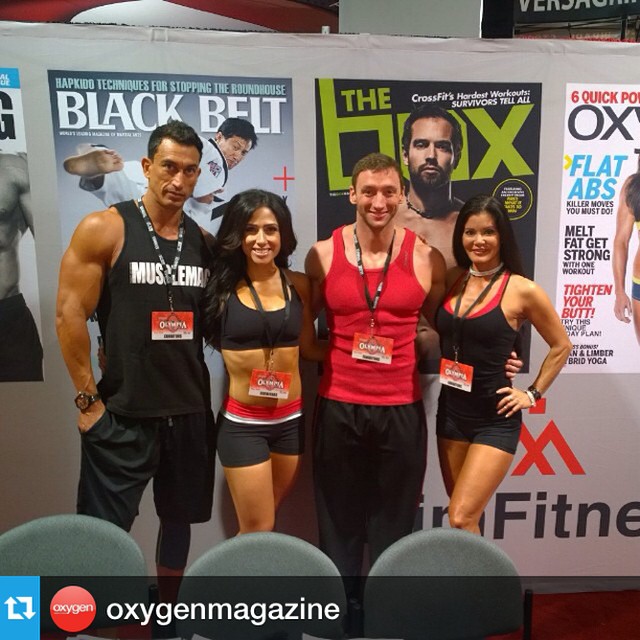
What Do You Bring To The Table? Know Your Worth

10696218_702764209815623_4560006572888614525_n (1)
Original post can be found at

http://www.rxmuscle.com/blogs/the-business-fitness-modeling-and-showbiz/11909-what-do-you-bring-to-the-table-know-your-worth.html

Last month I wrote an article in which I discussed different levels of athlete sponsorship and the tendency of some sports supplement and fitness related companies to use athletes as unpaid salespeople under the guise of being sponsored. This month I am flipping to the other side and discussing athlete value, i.e., what the athlete SHOULD be bringing to the table in terms of marketability, knowledge, and salesmanship when approached for a sponsorship. Both the company and the athlete should have something to offer the other party so that the relationship is a healthy symbiosis which promotes both parties. Essentially, when an athlete and a company work together, they should be working as a TEAM so that everyone can benefit from the union, but this doesn’t always occur.

In some cases, athletes will work tirelessly to promote a brand for little or no compensation, while in others, supplement and fitness related companies put their energies into an athlete, believing that the athlete will enhance the brand, only to have an athlete take advantage and become extremely lazy and neglect his/her end of the deal. While there are athletes out there who have tremendous value and who have built laudable reputations through inspiring articles, e-books, and client transformations, there are countless more who have an exaggerated sense of self-entitlement and who believe that simply because they graced the stage once or twice, they deserve to have everything handed to them for free.

If you are new to competing or to the fitness world in general, you need to be aware that it takes time to build your own brand and to find your place in the industry. Perhaps the best thing you can do at this point is to assess your value and what you truly bring to the table. Companies which are looking for brand ambassadors want someone with a following and a unique presence or message which is congruent with their brand philosophy, so if you aren’t there yet, you had better start working on building your own value.

Let’s start with physical appearance. Those who are successful in the bodybuilding and fitness industry have great physiques which they continue to improve upon over time. Individuals who maintain a relatively consistent weight and conditioning level throughout the year tend to fare best as well since they are close to shoot/contest ready almost all the time. Some of the top signed sponsored athletes are also some of the best looking people on the planet! I’m not saying that you have to have movie star good looks to land sponsorships, but it certainly doesn’t hurt. This is when you need to be VERY realistic about yourself and what you bring into the mix. You should be blessed with good looks or a distinctive, appealing look, or at the very least be photogenic if you expect to land a sponsorship with one of the bigger supplement companies.

Perhaps you are just average looking, or have a face only a mother could love, but you ooze sex appeal and charisma. If you are blessed enough to have such an energetic pull on people, this could work in your favor during booth appearances and videos, and increase interest in the brand you are representing. You are also far more likely to get picked up by a company if you have an enthusiastic and positive attitude. In keeping with this, you should only work with companies which sell products you truly believe in and like, because your enthusiasm for the products will come through naturally as you promote them.

Another valuable trait which increases an athlete’s value is integrity. People who do well in the fitness and bodybuilding industry and who have longevity within it tend to be truthful, sincere, and have strong values. You must have a strong backbone to survive in this highly saturated and fickle industry, and that only comes with knowing who you are and honoring your personal beliefs. If you sell out and take shortcuts, you run the risk of having a very short-lived career.

One of the most powerful ways to connect with your core audience is to show your human side and share stories which allow your followers to relate to you. It doesn’t matter if you show your own body transformations or those of your clients, as long as followers can see a before photo which they can relate to and an after photo which inspires them to take action. Such inspiration becomes even more powerful when you offer to help followers to reach their fitness and wellness goals. People begin to believe in YOU, and that can give you the leverage you need to promote a product line for a brand you represent.

If you have experience and education in fitness, nutrition, business, advertising, medicine, physical therapy, massage, or any other field which may be relatable to your journey in fitness and to the people who follow you, it’s a good idea to fortify such knowledge by becoming an authority. You can do this by creating videos, blog posts and books which showcase your knowledge. This can make you especially valuable to supplement and fitness companies which are considering bringing you on board because you can offer your knowledge as part of the deal which you negotiate with them.

Many companies assess the popularity and reach of an athlete through social media numbers, a tactic which can edge many athletes out of the running for top sponsorship spots if numbers are all they care about. Some athletes have purchased followers or promoted their profiles by paying for them, which has worked in their favor when securing sponsorships, but I don’t recommend this route since many of those paid followers won’t buy products which the athlete promotes. Then there are athletes who desperately want to work in the industry and obtain sponsorships, but have built their following solely on sexy half-naked photos of themselves. These athletes (mostly women) have resorted to using their social media channels solely as a means to post scantily clad selfies which ostensibly generate a ton of likes from the opposite sex. Every athlete who lowers his/her standards to this point where the only value generated is from smutty photos is sure to find that there is no legacy to speak of as time goes on and looks fade.

Even if you build your value and show consistently that you have a strong work ethic, you must continue to meet your end of the bargain. Sometimes companies will give you product as a trial run to see what you will do with respect to adding value to the brand. Some athletes will ramp up slowly, while others will jump right in with social media posts and will do all they can to promote a product. I have also seen some athletes start out as strong cheerleaders for a product, only to fizzle out because they lack self-discipline and consistency. Of course this can also occur on the company’s end, so it behooves both the athlete and the company to check in with each other regularly to make sure that everyone is happy.


Paleo Meal Plans For Women – The Fat Loss Cure?

Original post can be found at:

http://sportsnutritionsupplementguide.com/eating-plans/paleo/item/1413-paleo-meal-plans-for-women-the-fat-loss-cure#.VGqZY_nF-K0
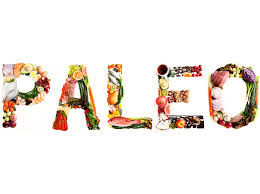
paleo
Apparently the cave dwellers of the Stone Age knew a thing or two about nutrition, because modern nutrition experts have developed a new craze with the Paleo diet, purporting a myriad of health benefits such as fat loss and a boost in energy. However, though some individuals have reported increased energy while on a Paleo plan, many others have reported a slump in energy levels. For this reason, I want to remind readers that it is essential to determine what works for YOUR body. Paleo may work wonders for you, or it may be a turn in the wrong direction too.

For those of you who are unclear on what defines a Paleo meal diet, let’s look at what food items are allowed on this meal plan: meat, poultry, seafood, eggs, vegetables, fruit, nuts, and seeds. Foods which are banned from Paleo plans are: grains, legumes, refined sugar, artificial sweeteners, processed foods, dairy. Here is a more detailed breakdown of the Paleo philosophy:

About one-quarter to one-third of the calories you ingest daily will come from protein sources, all of which are from animal sources.
Carbohydrate sources consist of vegetables and fruits and comprise about 40% of your daily caloric intake.
Fat intake is relatively high, consisting of monounsaturated and polyunsaturated fats and Omega-3 fatty acids.
Paleo plans are low in sodium and high in potassium due to the whole food sources which are allowed.
Benefits of Paleo
Some people may notice a marked improvement in digestion after implementing a Paleo meal plan, which can be explained in part by the large amounts of fiber delivered with this dietary approach. Those who are gluten sensitive or intolerant usually notice a pronounced improvement in gut health after going the Paleo route, since irritating and inflammatory grains are eliminated from the diet.

Since blood glucose levels remain relatively stable due to the low glycemic index of foods ingested in Paleo plans, people may notice mood stabilization, a decrease in food cravings, and better focus and concentration. Another benefit which Paleo diets can confer is weight loss. I have heard of people suddenly dropping those last five or ten pounds rather quickly after following a Paleo plan, so Paleo can be a godsend for those who are at their wit’s end about trying to lose weight.

Negative Aspects of Paleo
If you’re passionate about remaining a vegetarian, you can forget about going Paleo, since it relies heavily on animal protein sources. With so much meat in the plan, some individuals cannot tolerate the high amounts of protein. Others cannot tolerate the sudden massive intake of dietary fat, and develop increased gut permeability, which is ironic since many people who switch to Paleo plans are trying to find a way to heal a leaky gut. Digestive upset which surfaces while on a Paleo diet may also be a result of consuming the excessive supplements which are required to ensure optimal nutrition while on a Paleo plan.

Paleo plans do not guarantee relief from food intolerance either, since foods considered Paleo safe, such as beef or walnuts, can trigger massive inflammation in the gut. The solution is to either get a food tolerance test from your physician’s office, or eliminate foods one by one until your symptoms disappear. However, the problem with food elimination while on a Paleo plan is that you are already quite restricted on the foods which you are allowed to eat. Another problem with the limited number of foods allowed on Paleo plans is that macro and micro nutrients are often inadequate. Some women simply cannot consume the massive amounts of protein which are required on the plan, and caloric needs are often not met because the caloric densities of the staple foods on a Paleo plan are rather low. In addition, the body’s daily requirements for vitamins and minerals is often not fully met, making it necessary to take many supplements to compensate for the nutrient deficit.

I have also noticed that a fair percentage of women (and men too, for that matter) do not function well on extremely low carbohydrate diets. These women would fare better on a Paleo plan which allowed some root vegetables such as potatoes for starchy carbs, or on a non-Paleo plan which incorporated grains.

The Verdict
After all is said and done, the Paleo approach is restrictive, and in my humble opinion, not sustainable for the long term. As one who has followed restrictive non-Paleo contest prep plans, I can honestly say I had more variety with some of them than what I have seen with Paleo plans. I believe that a Paleo diet can be an excellent short-term way to jump start weight loss, especially for someone whose weight loss efforts have stalled.

Are You A Sponsored Athlete Or An Unpaid Salesperson?

Original post can be found here:

http://www.rxmuscle.com/blogs/the-business-fitness-modeling-and-showbiz/11790-are-you-a-sponsored-athlete-or-an-unpaid-salesperson.html

Are you an athlete
Most sports supplement companies and other fitness related companies aggressively promote their products through athletes who can sing the praises of their benefits. Who could be better at describing the efficacy of a product and how it enhances training or recovery than an athlete who not only already uses those types of products, but someone who has a following and who can convince new customers to purchase from the company which they represent?

Here’s where things get problematic. The pool of bodybuilding and fitness athletes is pretty massive, and the waters are teeming with athletes who are anxious to get their so-called “big break”. As a result of this, savvy marketing teams from fitness related companies often sweep up these individuals because they are enthusiastic and can propel a brand’s exposure. All the company needs to do is to offer some free product to the athlete and provide instructions on how to use social media to get the word out that these products exist. Then the athletes post images of themselves holding or using products, and add affiliate codes so that any orders which are generated through that athlete’s post are credited to the athlete. This can be a great way for an athlete to make some extra money while competing or chasing down fitness related gigs and projects.

It is important to bear in mind that such athletes really aren’t sponsored, but are instead unpaid salespeople who provide free advertising and generate sales via social media posts which direct followers to product websites. Yes, they get commissions if they have affiliate codes, but such commissions are nothing to write home about unless someone is really blowing the roof off in sales. This is in stark contrast to a true athlete sponsorship, in which an athlete is paid to represent the brand as a brand ambassador. The sponsored athlete is chosen for his or her physique, performance history and awards, facial good looks, charisma, enthusiasm, and often the size of his or her social media following. Usually a sponsored athlete signs a contract which stipulates that he or she will receive a certain amount of free product, and in most cases will also receive financial compensation which is either paid via a monthly salary or via a contest stipend. Though the athlete usually agrees to a set requirement or recommendation to provide social media posts for the company at regular intervals, the company pays the athlete for his or her trouble. Personal appearances and events are also part of the sponsored athlete agreement and clearly described in the written contract. The sponsored athlete is compensated for use of his or her likeness on advertising materials as well.

Obviously it is a far better deal to become an official sponsored athlete for a company. Otherwise, you are just providing free advertising and cheap labor in exchange for products which are sold at a significant markup from what they are manufactured at. If you post a selfie with product that somehow goes viral, the company will certainly love the boost, but I doubt you will ever see any type of compensation if you aren’t a sponsored athlete, which means you provided your likeness for free. The truth of the matter is that there are only a handful of athlete sponsorships to go around, with a massive surplus of athletes vying for those spots. The athletes who end up getting sponsorships stand out from the crowd in some way, or fit a brand’s look and philosophy so well that it makes sense to bring them on board to represent a brand. The rest of the athletes must navigate through all the companies out there to try to find an arrangement which benefits them in some way. Sometimes it is easy to sell a product, usually because the athlete enjoys using it so much that he or she doesn’t mind providing free advertising or labor.

Sometimes a supplement company will launch a contest which is based on social media posts. One company, which shall remain unnamed, launched a huge campaign this year that was patterned on this idea, and decided to award 5 of the entrants $10,000. Sure, that sounds like a good chunk of change, but if there were 8,000 entrants, then 7,995 walked away with nothing. At the end of the campaign, the company got tons of free advertising and all those hashtags they requested for “tracking” purposes also propelled their brand in a huge way. To be honest, this is a brilliant marketing tactic, but not the best move for the majority of athletes who participated. I have also seen companies launch contests in which entrants must purchase a product, then post on social media with hashtags to enter the contest. This is another form of free advertising for the company, a great way to generate sales, a brilliant means for them to boost exposure, and yet another way for athletes to be suckered into doing free advertising. I don’t see much harm in taking part in such a contest if you truly love a product and want to proclaim it, but just remember that it works wonders as an advertising tool for the company without any benefit for you.

One thing I will never advocate is purchasing products, even at a steep discount, while also representing a brand as one of its “sponsored” athletes. If you are asked to pay for a product while also providing free advertising on social media channels, run quickly in the other direction! Basically you are dealing with a company which doesn’t value you enough as an athlete to provide compensation for your advertising efforts. This isn’t the same as purchasing a product, finding out you like it, THEN posting something on social media which lets people know how much you like it. I know of several athletes who had done this, which sparked the attention of the company which manufactured the product, eventually leading to a sponsorship deal. But do not, I repeat, DO NOT PAY for products as a way to get false sponsorship for a company.

It isn’t a bad thing to work as an unpaid salesperson in the fitness industry as long as you know your place and value. Once your following builds, the smart thing to do is to leverage your visibility into getting an athlete sponsorship. The main thing is to make sure that you don’t get taken advantage of in the process.

Corsets And Waist Training

https://www.yahoo.com/style/whats-the-deal-with-the-corset-training-101355906803.html

I am posting an article which I found the other day on Yahoo! Style which made me chuckle. Here is the original link as well. I will reserve comments until the end of the article.
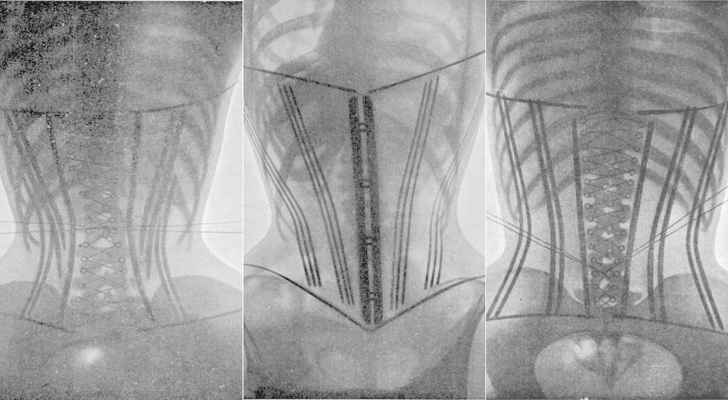
X-Rays-Show-that-Women-Would-Destroy-their-Rib-Cages-due-to-Corsets-2
To the ways you can attempt to whittle your waist — Slim-Fast, side planks — add one more: Corset training.

The method, which requires you to cinch yourself into a corset for four to six hours a day, is popular with celebrities and has been intriguing many other women seeking hourglass shapes.

Both Kim and Khole Kardashian have tried it. Kim posted a picture of herself yesterday in her mom’s foyer wearing a corset — hers is from a company called “What A Waist” — with the caption “I’m really obsessed with waist training!”

Jessica Alba is a fan, too. She actually wore two at the same time to help her lose weight after both of her pregnancies. “It was brutal; it’s not for everyone,” she told Net-A-Porter. “I wore a double corset day and night for three months. It was sweaty, but worth it.”

Self-described “corset fetishist” Kelly Lee Dekay, 27, has been doing corset training for seven years, and claims she has a 16-inch waist because of it. “I loved how Batman’s outfit let him channel a different side of himself,” she told the Sun. “That’s what the corset does.”

Women have worn corsets for ages. In the 1500s, they smashed down their entire torso. Later, in the late 1800s or Victorian era, they were used to help define the waist. It’s thought that the reason ladies back then were always fainting was because their corsets were squeezing their internal organs and restricting their breathing.

In these modern times, however, women now think that wearing a corset can actually help you lose weight. The Cincher by AMIA claims, “[It can] sculpt inches from your midsection and enhance your curves while increasing thermal activity in your core.”

According to TheCorsetDiet.com, you can shed up to six pounds a week by wearing one of their custom-made waist shapers. The UK-based company describes the pressure from its corsets as “gentle hugging feeling.”

But when writer Rebecca Harrington tried wearing one, albeit from a different brand, she wrote on NYMag.com, “My breathing is slightly impaired, but I can still breathe; I just have to take short, staccato breaths. I try to drink coffee, and it’s very difficult. After four hours, I whip off the corset and throw it across the room. My waist has red welts on it.”

In reality, doctors say that the corset is not — I repeat not — helping you reshape your body with simple pressure. It’s simply so tight around your stomach that you won’t — or can’t — eat too much, and doctors roundly decry any kind of corset diet or waist training as a viable long-term weight loss method.

“It’s outrageous, and it just absolutely makes no medical sense whatsoever,” Keri Peterson, M.D., a physician at Lenox Hill Hospital in New York told Women’s Health.

It also could be dangerous. Wearing one could actually shift or compress your internal organs and fracture your ribs, Dr. Jyotindra Shah said. “People might put it so tight that the liver, spleen and kidneys could get bruised,” she told The Huffington Post.

Even “corset fetish” Dekay knows she has to remove hers sometimes. “It can be restrictive when climbing stairs,” she told the Sun. “You can’t carry heavy things as you could hurt yourself. I don’t go to the gym in it. That would be very dangerous as I lift weights.”

squeem-26r

Okay, here goes my commentary. I jumped on the corset bandwagon back in 2011 when I was informed that it was a very effective way to whittle the waist. During the time in which I diligently wore a corset (or two) several hours a day, every day, I noticed my waistline whittle down from 24 inches to 22-1/2 inches. So do I think it works? I KNOW it works.

I have to say I disagree with so-called doctors’comments that the corset prevents consumption of large amounts of food, thus resulting in weight loss. This just sounds like something one of my male colleagues would mutter. If caloric consumption is kept constant, women and men who engage in corset training WILL have a reduction in inches no matter what. This sounds like the typical uber conservative medical snobbery which makes other doctors the types of people I will NEVER choose to spend extensive periods of time with. I do agree that the practice of wearing a corset is outrageous, painful, and could be dangerous. But it DOES work. What price beauty?

Over the centuries, women have compressed their waistlines effectively with corsets, so it blows my mind that these narrow minded physicians have decided to toot their horns and express skepticism. As a physician who competes, I chose to give corsets a chance and had great results. I am glad that I didn’t allow the part of my brain which is trained in traditional Western medicine talk the competitor in me out of doing all that I could to make my waist smaller.

I would usually wear a neoprene wrap underneath my corset (or Squeem as it is somewhat affectionately called in the bodybuilding world due to one manufacturer brand), or one corset over a second. I would do this for at least 6 hours, sometimes as long as 14 hours. Was I uncomfortable? Yes. Did I sweat like a pig? You bet. Was it worth it? I think so.

I have dealt with the metal boning poking out as the corsets would wear out, and would glue them back into their channels, so I know all too well the sensation of metal poking into my underboob, my ribcage or my hip bone when the corsets began wearing out. I would have digestive upset, abdominal pain, and at times had difficulty breathing. During one stretch of time when I was wearing latex corsets, I developed painful lesions all over my back from the yeast overgrowth which resulted from the long hours of wear and the constant sweating. It took me over a year for my skin to heal from all those lesions, and I have a couple of permanent scars to mark my determination to sculpt a waistline that would win a Pro Card. Thankfully, I won that Pro Card in 2013 and almost immediately tossed the corsets aside.

Now I wear corsets from time to time if I feel the need to squeeze out extra water from my midsection, but I will probably never return to the days of wearing corsets for many hours, driving to work in pain because a metal boning was jabbing me in the rib, sweating profusely under nice clothing, and dealing with skin around my midsection which was constantly macerated, lighter in pigment, and showing signs of skin breakdown.

I know you ladies want to slim down the midsection, but please be careful when you wear corsets! It isn’t worth ruining your skin and compressing organs to wear these torture devices for extended periods of time. Give your skin and your torso a rest in between the sessions during which you are training your waist. I recommend wearing corsets for a 4 hour stretch.

It All Adds Up

good-or-bad foods
When you add the label of “forbidden” to a food, it suddenly becomes quite irresistible, revealing the human tendency to become lured by temptation. Of course it doesn’t help that these so-called forbidden foods are full of sugar and other substances which trigger more cravings. You may be the type of person who occasionally nibbles on a food which is ordinarily on the do-not-eat list, or you may find yourself in a pattern in which you rationalize your dietary transgressions and cannot stop the behavior. If your indulgences are frequent, you have probably noticed the evidence accumulating around your waistline.

While competitors must follow rigid meal plans which discourage the consumption of any fat-laden or sugary treats, those of you who do not compete can follow a clean diet 90% with the occasional treat and suffer minimal consequences, However, individuals who do not follow rigid meal plans may be consuming nutrient-poor foods laden with saturated fat and sugar far more often than they realize. They may also be tricked into ordering a meal which seems to be clean, such as a chicken caesar salad, only to find out that the salad dressing alone can obliterate any possibility of consuming a healthy meal. The temptations continue when people are trying to keep up with busy schedules and ordering less than foods out of hunger and exhaustion. More temptations may also be lying in wait at home. Perhaps you have rationalized a nightly glass of wine or a Pop Tart as a treat for a busy day at work, but when this is practiced on a daily basis, it will surely trap you in a “one step forward, two steps back” pattern which will prevent you from achieving your fitness goals. Suddenly the clean and healthy diet is followed only about 40%, meals are random, and the risk of malnutrition also emerges as a result of erratic and unhealthy eating practices.

The key is to follow nutritional guidelines which will ensure that you get the nutrients and calories which your body requires. If it is too difficult to determine what it is that you need to consume on a daily basis for optimal nutrition, hire a nutrition coach to give you structure and consistency. You will still be able to enjoy the occasional treat, as long as you remember that moderation is the key. Another valuable habit to implement is the daily intake of a multivitamin, preferably one which is taken several times a day to optimize absorption. What I love about SWAT Fuel’s .40 Caliber Multivitamin is that it has high bioavailability of nutrients along with a three time per day dosing recommendation. This is my personal choice of multivitamin, and yes, I do take it three times daily. This formulation is very clean and doesn’t cause the intestinal upset that some multivitamins can cause. I can tell that I actually feel more energized when I take this particular multivitamin as opposed to other brands.

You can order .40 Caliber directly from the website: http://swatfuel.com/products.aspx

Check Out The Six Pack Fitness Bag Collection!

6 Pack LogoThis collection is growing next year too, with a whole line of luggage! Please make sure to enter my discount code DRNAITO1014 If you order within the next day, and code DRNAITO1114 if ordering after that. You will receive 15% off your order.

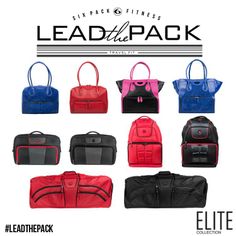
I have used other brands of meal bags, and I honestly love Six Pack bags the best. This company has come a long way, and now they not only have Meal Management Bags, they also have Backpacks, Duffels, Briefcases, Women’s Bags and Accessories to help you keep everything in perfect order. They are top quality, fuctional and stylish. Get one!

http://www.sixpackbags.com

6 pack  Elite
6 pack Expert

What a great meal bag option for the fashionable gal!

What a great meal bag option for the fashionable gal!