
Regular resistance training is one of the most powerful tools for maintaining youthfulness and slowing down the aging process. It benefits the body and mind in multiple ways, including preserving muscle mass and bone density, improving digestion, boosting cardiovascular fitness, and benefitting cognition and mental attitude. Let’s explore these in detail:
1. Muscle Mass Preservation and Growth
As we age, we naturally lose muscle mass—a process called sarcopenia—which can lead to frailty, loss of mobility, and metabolic decline. Resistance training:
- Stimulates muscle protein synthesis, helping to maintain and build lean muscle.
- Increases metabolic rate, making it easier to maintain a healthy weight.
- Enhances insulin sensitivity, reducing the risk of type 2 diabetes.
- Supports functional strength, improving balance and reducing the risk of falls and injuries.
2. Skin Integrity and Anti-Aging Effects
The skin’s health and appearance are directly affected by lifestyle choices, including exercise. Resistance training:
- Improves circulation, ensuring better oxygen and nutrient delivery to skin cells.
- Stimulates collagen production, which helps maintain skin elasticity and reduces wrinkles.
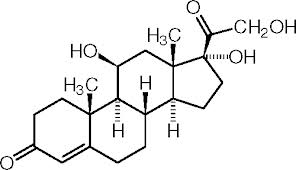
- Reduces cortisol levels, lowering inflammation and minimizing stress-induced skin aging.
- Increases human growth hormone (HGH) levels, which contributes to cell regeneration and youthful skin.
3. Digestive Health and Metabolism
Aging often slows digestion and can lead to issues like bloating, constipation, and poor nutrient absorption. Resistance training:
- Speeds up metabolism, ensuring efficient digestion and energy utilization.
- Stimulates gut motility, reducing the risk of constipation.
- Helps regulate hormones like insulin and cortisol, which affect digestion and appetite control.
4. Cardiovascular Fitness and Longevity
While resistance training is not traditionally associated with cardio health, it plays a crucial role in keeping the heart young. It:
- Lowers blood pressure and improves vascular flexibility, reducing strain on the heart.
- Enhances circulatory function, improving blood flow and oxygen delivery to tissues.
- Reduces inflammation, lowering the risk of heart disease.
- Helps control cholesterol levels by reducing LDL (bad cholesterol) and increasing HDL (good cholesterol).
5. Joint Health and Mobility
Contrary to the myth that weightlifting damages joints, resistance training actually protects and strengthens them. It:
- Increases the production of synovial fluid, which lubricates the joints.
- Strengthens the muscles around joints, providing better support and stability.
- Reduces inflammation associated with conditions like arthritis.
- Improves flexibility and mobility, reducing stiffness and pain.
6. Bone Density and Strength
Osteoporosis and bone fractures become major concerns with aging. Resistance training combats this by:
- Stimulating osteoblast activity, which helps build stronger bones.
- Increasing bone mineral density, reducing the risk of fractures.
- Enhancing posture and balance, minimizing fall-related injuries.
- Supporting calcium and vitamin D absorption through hormonal regulation.
7. Hormone Regulation: Testosterone, HGH, and More
One of the most underrated benefits of resistance training is its ability to optimize hormone levels, which naturally decline with age. Strength training has been shown to:
- Boost testosterone production, which is essential for muscle maintenance, fat metabolism, energy levels, and libido in both men and women.
- Increase human growth hormone (HGH), which supports tissue repair, fat loss, and skin regeneration.
- Improve estrogen balance in women, reducing the risk of osteoporosis and metabolic disorders.
- Lower cortisol levels, reducing stress, inflammation, and belly fat accumulation.
- Improve thyroid function, enhancing metabolism and energy levels.
8. Mental Attitude and Cognitive Health
Aging isn’t just physical—it’s mental. Resistance training improves cognitive function and emotional well-being by:
- Releasing endorphins, reducing anxiety and depression.
- Boosting dopamine and serotonin, improving focus, clarity, and happiness.
- Enhancing memory and brain function, reducing the risk of dementia.
- Increasing self-confidence, making you feel strong and capable at any age.
9. Resistance Training and Insomnia
Struggling with sleep? Resistance training can help improve sleep quality and reduce insomnia by:
- Reducing cortisol levels, helping the body wind down for sleep.
- Boosting deep sleep cycles (slow-wave sleep), which is crucial for recovery and memory consolidation.
- Regulating circadian rhythms, ensuring better sleep-wake cycles.
- Reducing stress and anxiety, making it easier to relax at bedtime.
- Increasing energy during the day, leading to natural tiredness at night.
Conclusion
Regular resistance training is one of the most powerful ways to stay young, both physically and mentally. It preserves muscle, strengthens bones, supports joints, enhances skin health, regulates digestion, protects the heart, optimizes hormone levels, improves sleep, and boosts mental well-being. If you want to age with strength, vitality, and confidence, lifting weights should be a non-negotiable part of your lifestyle! 💪






 dr. stacey naito's blog