Vibration Plate Health Benefits

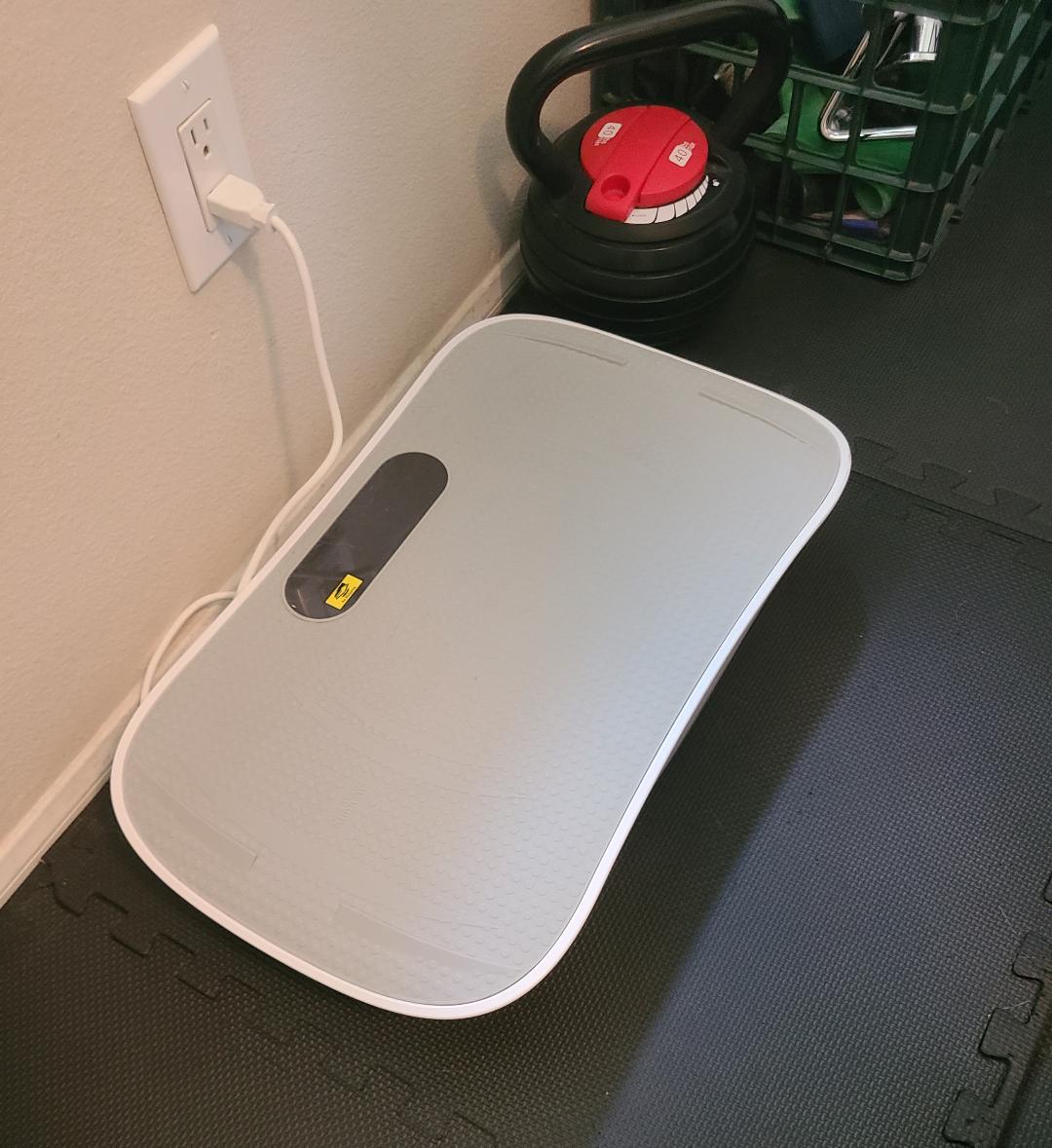
This is the vibration plate I use. There is a link in this article, but I am not being compensated for sharing the link. I truly like it!

Vibration plate therapy, also known as whole-body vibration (WBV), is a fitness and rehabilitation method that involves standing, sitting, or exercising on a machine with a vibrating platform. These vibrations transmit energy to the body, causing muscles to contract and relax dozens of times per second. One of the most appealing aspects of vibration therapy is that it doesn’t require a huge time commitment—even just 10 to 15 minutes a few times a week can offer substantial benefits. I make sure to use my vibration plate for 10 minutes daily, and once a week, I will double my time on the plate.

Key Health Benefits:

1. Improves Muscle Strength and Tone

The rapid muscle contractions stimulated by the vibration plate help build strength and tone. This can be especially helpful for people who find traditional strength training challenging due to joint pain or mobility issues.

2. Boosts Circulation

The vibrations encourage better blood flow, which can enhance oxygen and nutrient delivery throughout the body. This improved circulation supports cardiovascular health and may help reduce swelling in the extremities.

3. Enhances Lymphatic Drainage

The stimulation helps activate the lymphatic system, aiding in the removal of toxins and waste from the body. This can reduce puffiness and support immune function.

4. Increases Bone Density

Regular use has been shown to help maintain or improve bone density, making it a valuable therapy for those at risk of osteoporosis or bone loss—particularly postmenopausal women.

5. Supports Balance and Coordination

By challenging your stability, vibration therapy activates deep core muscles and can enhance proprioception (your sense of body position), which is beneficial for fall prevention and general agility.

6. Aids in Weight Management

While it’s not a calorie-torching workout, WBV can slightly boost metabolism and support fat loss when combined with a healthy lifestyle. It’s often used as a supplement to other forms of exercise.

7. Reduces Muscle Soreness and Aids Recovery

Athletes and physical therapy patients often use vibration plates to reduce delayed-onset muscle soreness (DOMS) and promote faster recovery after strenuous activity. This is the main reason why I bought a vibration plate for my home, and I swear it makes a huge difference in recovery from my workouts.

8. Helps with Joint Pain and Flexibility

The gentle stimulation can increase joint mobility and reduce stiffness, making it an appealing option for people with arthritis or chronic pain.


Minimal Time Commitment, Maximum Results

One of the greatest advantages of vibration plate therapy is how time-efficient it is. Sessions are short—typically 10 to 15 minutes—yet they activate multiple muscle groups simultaneously. This makes it an ideal option for busy individuals, older adults, or those recovering from injury who want a low-impact but effective form of exercise.

Whether you use it as a stand-alone therapy or a complement to a broader fitness routine, vibration plate therapy offers a wide range of benefits in very little time.

The Unmotivated Client

lazy client

If you have been working as a trainer for a while, you know that motivating some clients can be as challenging as pulling teeth. You know the type of clients I am talking about, who moan and complain about the training regimen, who lean heavily upon the phrase “I can’t”, and who make you want to rip your hair out in frustration. You became a fitness professional partially due to your passion for fitness and partially out of a deep need to inspire others and to guide them towards reaching their fitness goals, right? So why would some people resist your efforts to help them when it should be obvious that you have created a career around getting people fit? Sometimes clients can be so highly resistant that no trainer or coach will ever be able to get through to them, but sometimes the trainer may have a hand in the breakdown in communication.

One of the biggest rifts which can occur between a trainer and a client is one in which the trainer has forgotten how to relate to the average person. While a trainer’s immersion in the world of gyms and exercise equipment is a natural outgrowth of his interest in fitness, that immersion might cause him to forget somewhere along the way that fitness newbies might not understand or be able to relate to the “gym is life” mindset. Non-fitness people are often extremely intimidated by health club or gym environments for a multitude of reasons. They may find the experience of navigating through a plethora of exercise equipment completely terrifying. They may question their ability to perform exercises with the proper degree of coordination, balance and strength. Though clients hire trainers for their expertise and their ability to motivate, some of them are so reliant on their self-defeatist thoughts, simply because the pattern is familiar, that they often sabotage the trainers’ efforts. Such clients may even hold onto the notion that asking their trainers too many questions may be embarrassing, and if the trainers aren’t very perceptive, breakdowns in communication can easily occur.

The most successful trainers and coaches understand that there is a great deal of psychology behind personal training. For every gung-ho client who is ready to give 100%, there is a client who is indecisive and non-committal. You will have the best chance of building a rewarding trainer-client relationship with the latter type of client if you make an effort to address his or her concerns. Instead of focusing solely on the physical component of training, you will become far better as a trainer if you tap into the mental and spiritual components of your client’s transformation. Another important skill which you should develop is the willingness to adapt a client’s training regimen so that it accommodates any true physical limitations. If you practice a militant approach with all of your clients without taking into account valid physical restrictions, you run the risk of not only injuring your clients, but also of losing your clients’ interest and respect. Make sure to clearly define goals with your clients which are congruent with what they hope to achieve, not what you think they want to achieve.