A Guide to Building a Credible Wellness Influence and Ethical Growth

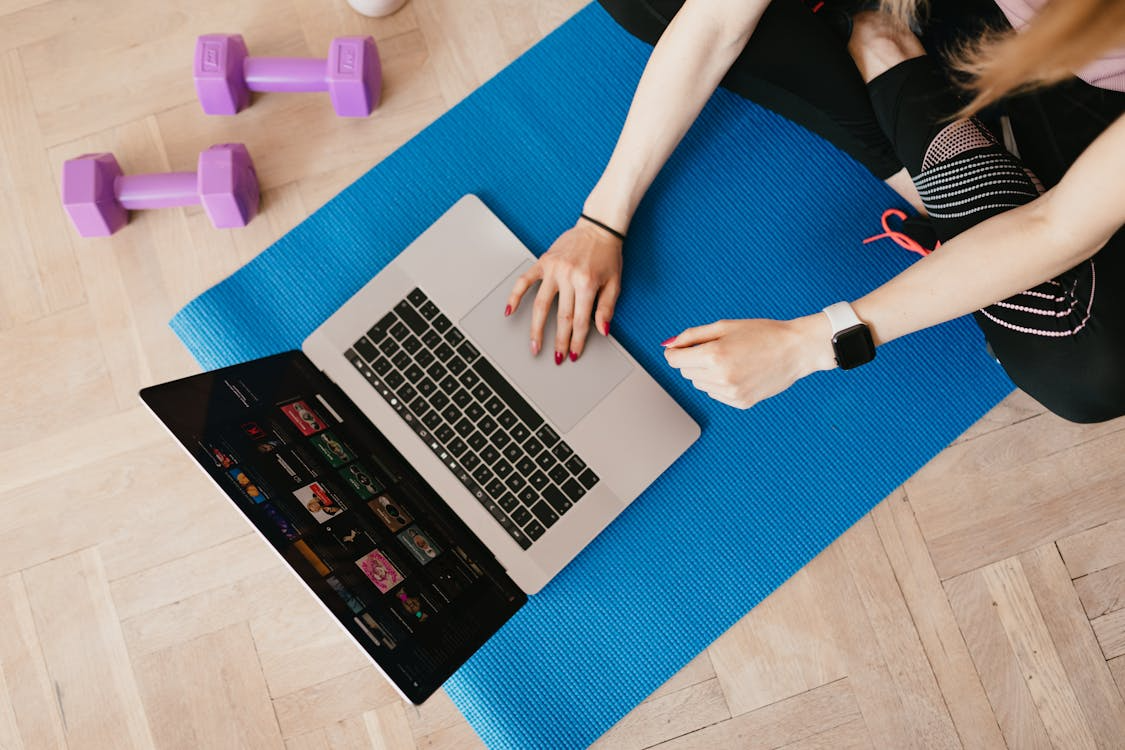
Photo by www.kaboompics.com: https://www.pexels.com/photo/unrecognizable-woman-using-laptop-on-mat-4498456/

Wondering how you can build a wellness presence which truly resonates with your audience? Then let this article, written by Camille Johnson of Bereaver.com, guide you through the process.

For fitness coaches, yoga teachers, nutrition enthusiasts, and clinicians building a public presence online, becoming one of the wellness influencers people return to can feel both exciting and risky. The core tension is simple: audience growth often rewards bold claims, while ethical wellness promotion demands care, context, and humility. Without clear niche selection in wellness, even strong creators get pulled into scattered messaging and familiar audience engagement challenges, from skepticism to backlash. With the right foundation, building credibility in health influence and a steady content strategy for wellness creators, wellness advice can be shared in a way that earns trust.

Quick Summary: Build Trust and Grow in Wellness

  • Choose a focused wellness niche to attract the right audience and clarify your message.
  • Build credibility with transparent, evidence-aware guidance and clear boundaries around your expertise.
  • Create consistent content that educates, supports, and reflects your values and brand voice.
  • Share wellness advice responsibly by prioritizing safety, accuracy, and respectful communication.
  • Grow community with engagement-first strategies that foster connection, trust, and long-term relationships.

Photo by Vitaly Gariev: https://www.pexels.com/photo/woman-recording-a-fitness-vlog-in-modern-living-room-36764393/

Turn Daily Wellness Moments Into Repeatable Reels or TikToks

Once you’ve got the big-picture moves in mind, the fastest way to show people what you’re about is through short, repeatable videos. On Instagram Reels or TikTok, capture your daily wellness routines (your morning walk, meal prep, stretching, journaling), behind-the-scenes healthy habits (how you set up your space, what you pack, what you actually do between “perfect” moments), and quick tips that fit your niche. These small slices of real life give potential followers an authentic, visual taste of what they’ll get from you, without needing a big production.

On days you can’t film yourself, consider Adobe Firefly’s AI video generator to quickly create polished, on-brand short clips. The basic idea is simple: you enter a descriptive text prompt (for example, the mood, setting, and the wellness action you want shown), and the tool generates a customized video clip you can post alongside your usual content.

Build a Simple System to Grow as a Wellness Influencer

This process helps you choose a clear wellness lane, earn trust with proof, and show up consistently without burning out. For everyday creators, a small, steady system is what turns “posting sometimes” into real community growth.

  1. Define your niche with a promise
    Start by writing one sentence: “I help ___ do ___ through ___.” Choose a focus you can demonstrate weekly (like stress-friendly movement, gut-friendly meal prep, or sober curiosity) so people instantly know why to follow you.
  2. Build trust with honest social proof
    Collect 3 to 5 proof points you can share naturally: a relevant certification, your personal before-and-after story, a simple habit streak, or kind DMs and comments (with permission). Content that shows the messy middle of healing often feels more believable than perfectly edited “after” shots.
  3. Pick one main platform and one support channel
    Choose where you can post most consistently (one short-video platform is enough), then add one place for deeper connection, like a newsletter or a small community chat. Keeping your attention on just one or two channels makes it easier to learn what your audience responds to.
  4. Set a weekly content loop you can actually sustain
    Create 3 repeatable buckets tied to your niche, such as “routine,” “teaching tip,” and “real life reflection,” then assign them to specific days. Batch one filming session a week and reuse the same structure so your feed feels familiar while your ideas stay fresh.
  5. Lock in a recognizable voice and collaborate with intent
    Choose two brand colors, one font style, and 3 phrases you say often so your posts are instantly identifiable even before people read. Then collaborate with peers who serve the same audience from a different angle, like a trainer partnering with a meal-prep creator.

Photo by Blue Bird: https://www.pexels.com/photo/crop-blogger-taking-photo-of-healthy-lunch-on-smartphone-7242746/

Ethical Monetization and Metrics Checklist

This checklist helps you earn income without eroding credibility and track what is actually moving your community forward. Use it weekly to stay transparent, refine your offers, and protect the trust you are building.

✔ Confirm disclosures on every affiliate and sponsored recommendation

✔ Choose partners aligned with your stated wellness promise

✔ Create one small paid offer that solves a single problem

Set a newsletter cadence and deliver one actionable takeaway each send

✔ Track saves, shares, and replies as primary trust signals

✔ Track link clicks and conversion rate for each monetized post

✔ Review refund requests and complaints to improve clarity and fit

Small, honest improvements compound into steady growth and reliable income.

Build Lasting Wellness Influence Through Trust and Consistency

It’s easy to feel pulled between growing faster and staying honest, especially when monetization and metrics enter the picture. A long-term growth mindset, rooted in clarity, consistency, and audience trust building, keeps the work steady, so wellness influencer motivation comes from serving people, not chasing spikes. With sustained content creation and transparent choices, influence becomes quieter but stronger: trust compounds, and the right opportunities feel aligned rather than pressured. Trust grows when your message stays consistent and your incentives stay clear. Choose one repeatable content rhythm for the next month and stay active in a supportive influencer community for feedback and accountability. This matters because steady credibility creates resilience, so your work can support health, connection, and growth for the long run.

When Affiliates Get Hounded

For many affiliates, the relationship with a brand should feel like a partnership, not a parental check-in. When a brand affiliate manager repeatedly hounds someone to post — especially after the affiliate has already given a clear timeline or confirmed they’ll follow through — it creates a few negative dynamics:

  1. It shows a lack of trust.
    Affiliates want to feel valued for their professionalism. If they’ve already committed to posting, constant reminders imply the brand doesn’t trust them to keep their word.
  2. It turns enthusiasm into irritation.
    When an affiliate joins a campaign, they often start off excited. But being pestered with repeated emails or DMs can quickly turn that excitement into resentment, making the campaign feel like a chore rather than a creative collaboration.
  3. It ignores how creators work.
    Affiliates often have their own posting schedules, content calendars, and workflows. Constant pressure disrupts that process and can make it seem like the brand doesn’t respect the creator’s time or planning.
  4. It can come off as disrespectful.
    Repeated reminders can feel less like “support” and more like micromanagement — which is insulting when the affiliate has already communicated clearly.
  5. It damages long-term relationships.
    Affiliates talk, and word travels fast in creator communities. Brands that treat partners like unreliable employees rather than collaborators risk burning bridges and discouraging future partnerships.

A more professional and respectful approach is to set clear deadlines at the beginning, check in once as a courtesy close to the due date (if needed), and otherwise trust the affiliate to deliver. Mutual respect builds stronger, more authentic campaigns.

Healthy Profits: Tips for Starting a Health-Based Business

By Camille Johnson of bereaver.com

Image by Pexels

With huge growth across health and fitness markets, now is the ideal time to take advantage and enter the field with a venture of your own. Social media and e-commerce have made it cheap and easy to get your best ideas out there, so it’s wise to take stock of your skillset and find the niche in the health sector that suits you best.

Business Ideas

  • Personal Training: With an uptick in the use of virtual meeting platforms, you don’t need to have a gym membership to successfully run a personal training business. Start by creating a website that allows clients to view your availability and schedule appointments with you. You can also offer nutrition plans and personalized workouts that will show them the value you bring to their efforts toward a healthy lifestyle. 
  • Health Products Store: Suppliers like Amazon have made it easy to start an online store without manufacturing any products yourself. With some research into which products are most in-demand, you can create a website that makes the purchasing process simple for health enthusiasts. 
  • Content Creation: Gaining an online following can open the door to sponsorships and paid partnerships. You can become a health influencer by posting satisfying content about meal preps, posting your workouts, and offering advice to your subscribers. It may also be helpful to live stream some of your content so you can engage with your audience in real time and gain a more comprehensive understanding of what they are looking for. 

Starting Your Business

Structure is a crucial part of any business, so it’s imperative to begin your efforts with a well-thought-out business plan. Be sure to include pertinent details such as your intention for day-to-day operations and the relevant staffing requirements. 

You’ll also need to ensure that you register your business with an appropriate structure according to your plans for growth, tax preferences, and hopes for attracting investors. A limited liability company, or LLC, is a great option for most first-time entrepreneurs, as it protects your personal assets from being liable in your business’s finances and offers tax advantages. You can learn how to start an LLC by reading up online, but it’s helpful to work with a service that ensures your paperwork is filed correctly so you’re legally compliant with the state.

Avoid taking on unnecessary costs while you’re getting started, as this will only make it more difficult to turn a profit and may leave you with unnecessary debt. Be sure to keep thorough records of business activity and a budget for expenditure. It may be helpful to contract the services of a professional lawyer or accountant who will help ensure that your business remains fully compliant with legislation.

Growing Your Business

Marketing is one of the most important aspects of growing a business, so it’s vital to monitor your marketing efforts and keep track of which strategies are bringing in the most revenue. Thankfully, there are a number of free online tools you can take advantage of to get started.

Starting a blog is also a great way to make sales as you gain the interest of readers. You could review specific products that are currently high in demand and compare them to similar offerings on the market. This will make it easier for customers to trust the quality of the brand and feel more confident in finalizing a purchase. 

You likely want to highlight achievements in your background on your blog, and offering a curriculum vitae is a great way to do that. You can use a template for a CV to customize your own online. You can put together an eye-catching and informative document for your potential customers.

Don’t be afraid to partner with other businesses and run social media campaigns and competitions that will increase your following and make potential customers aware of your offerings.

As you expand your business, it’s important to develop situational ePHI awareness to guard against potential data compromises. This is a necessity if your business interacts with protected medical data. Traditional cybersecurity may not be enough, so seek out solutions designed for healthcare.

There is an abundance of opportunities to start a successful health-based business without putting up too much money upfront. You simply need to find a solution that best fits your skills and interests, highlight your qualifications, and be ready to take operations online.

For nutrition and fitness products, figure contest prep, and personal training, visit StaceyNaito.com today!