Momentum Over Motivation: A Realistic Guide to Starting the Year Strong

Image via Freepik

Camille Johnson of Bereaver.com does it again, with an inspiring article to get you on track for a fantastic new year!

January has a way of putting everything under a spotlight. Energy levels, habits, ambitions—suddenly they all feel negotiable again. This guide is for anyone who wants to reset without burning out, aiming for momentum instead of perfection. The goal is simple: start the year with clarity, practical action, and a sense that you’re moving forward on purpose.

A Quick Orientation Before You Begin

This is not about radical overnight change. It’s about stacking small, intentional decisions that compound over weeks and months. Focus on direction first, intensity second. When you know where you’re going, effort feels lighter.

Step One: Reclaim Your Daily Energy

Energy is the foundation of self-improvement. Without it, even the best plans collapse.

Start with the basics:

  • Sleep consistency beats sleep perfection. Aim for the same bedtime and wake-up time most days.
  • Hydration before caffeine. A glass of water in the morning can reduce that groggy haze.
  • Light movement early. A short walk or stretch signals your body to wake up.

These aren’t flashy habits, but they’re reliable. Once your baseline energy improves, everything else becomes easier.

A Simple How-To Reset Checklist

Use this checklist over one weekend to reset your personal systems:

  1. Write down your top three priorities for the next 90 days.
  2. Remove one recurring commitment that drains more than it gives.
  3. Organize one physical space you use daily.
  4. Choose one habit to add and one to pause.
  5. Schedule a weekly 20-minute reflection block.

Print it. Check it off. Done is better than optimized.

Using Structure to Build Momentum

Many people fail not because of laziness, but because they rely on motivation alone. Structure carries you when motivation dips.

A structured approach to health can be especially powerful. Stacey Naito’s nutrition and fitness plans offer a clear, goal-oriented framework for people who want to rebuild energy and consistency at the start of the year. Her programs are designed to support realistic habits, physical strength, and long-term lifestyle changes, helping participants stay focused and empowered as they work toward better health and personal growth. For those who prefer guidance over guesswork, this kind of structure can make all the difference.

Investing in Your Future Self Through Learning

Personal growth isn’t only about habits—it’s also about expanding your options. Education can play a major role here, especially when it’s flexible. Earning an online degree can be a practical way to move your career forward while balancing real life. For example, pursuing a graduate-level nursing degree opens doors to roles in education, informatics, leadership, and advanced practice. 

Online programs allow you to study while working full-time, making it easier to grow without pressing pause on income or responsibilities. If professional advancement is part of your reset, you can enhance your career options with an MSN by choosing a path that fits around your current commitments.

Habits That Actually Stick

Not all habits are created equal. The ones that stick usually share three traits: they’re visible, small, and tied to identity.

  • Prepare tomorrow’s clothes or work items the night before
  • Read five pages instead of aiming for an hour
  • Attach a new habit to an existing routine
  • Track progress in the simplest way possible

If it feels almost too easy, you’re doing it right.

A 30-Day Reset Table

Here’s a lightweight way to pace your first month:

WeekFocus AreaOne Action to Try
1EnergyFixed wake-up time
2FocusDaily priority list (3 items)
3EnvironmentDeclutter one room or workspace
4ReflectionWeekly review and adjustment

This structure keeps change manageable while still meaningful.

A Resource Worth Bookmarking

Sometimes motivation comes from outside your own head. For mental clarity and stress reduction, the Mindful organization offers free, research-backed articles and guided practices on mindfulness and well-being. Their content is approachable and practical, making it a useful companion during periods of change.

Frequently Asked Questions

How long does it take to feel real change?
Most people notice small shifts within two weeks, especially in energy and focus. Bigger results often appear after 60–90 days.

What if I fall off track?
That’s normal. Resume at the next possible moment without overcorrecting.

Should I work on everything at once?
No. One or two focused changes at a time leads to better long-term results.

Closing Thoughts

A new year doesn’t require a new personality—just a clearer direction and a few supportive systems. Start small, stay consistent, and let momentum do the heavy lifting. Progress that feels calm and sustainable is far more powerful than change driven by pressure. Give yourself permission to build, not rush.

Why Home Gyms Rock

During my most recent visit to Hawaii in May of this year, I went to 24 Hour Fitness to get three workouts, and I was honestly rather disappointed in the experience. This is saying a lot, since I have always loved being in a commercial gym atmosphere. However, I have spent the past 5 years, ever since we were hit with Covid lockdown, primarily working out at home. I have become accustomed to being able to work on any body part I want, with whatever apparatus I need to use, without having to wait for equipment or work in with another human. I don’t have to wear earbuds for my music, and can blast whatever tunes I want without worrying about disturbing other gym goers. I don’t have to get in my car or drive anywhere, and I have 24-hour access without any additional fees. My gym smells nice and fresh, and all the equipment is clean.

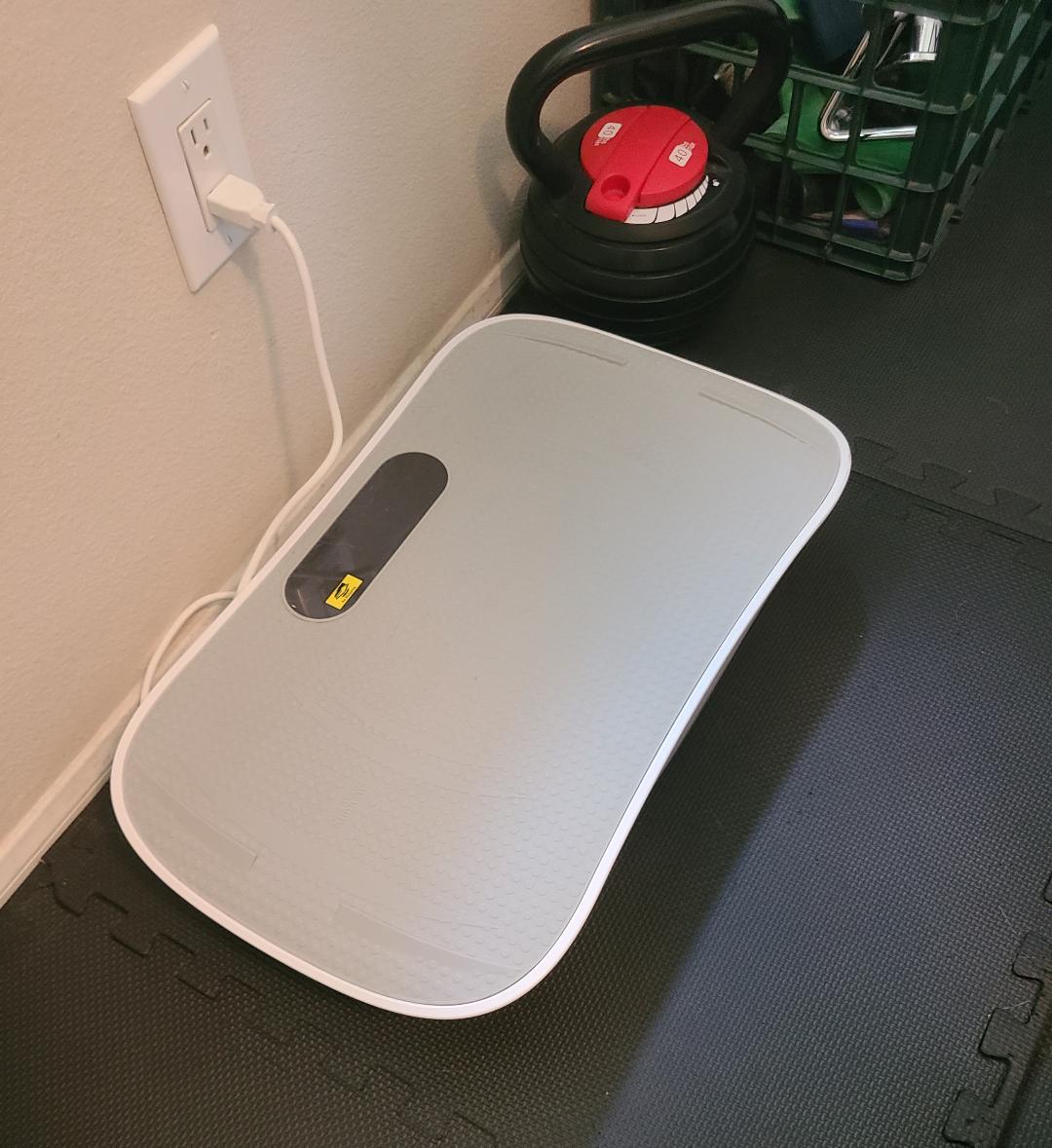
Before you ask me if I can get full workouts in my home gym, I will tell you that I have no restrictions on what I can train while at home. I have a Marcy Smith Machine Multi-Gym, 285 pounds of weight plates, over 300 pounds of other weights, pulley assemblies, barbells, kettlebells, a hyperextension bench, incline bench crunch apparatus, etc. Right after I finish my workout, I hop onto a vibration plate for 10 minutes, and watch the squirrels in my neighborhood eat breakfast outside while I am getting my vibration therapy.

It’s home gym over commercial gym for me now!

The 100 Envelope Challenge

Evidently there is a money saving hack which has been trending on social media, in which you label 100 envelopes with numbers, ranging in sequence from 1 to 100. The number on each envelope is the dollar amount which you are supposed to put in the envelope. The idea is that you would place money into an envelope every single day for 100 days, and at the end of those 100 days, you would have $5,050, which is quite impressive. The envelopes are picked at random each day, so the amount you place in the envelope will be a surprise.

However, for people like me who are always cash poor, it would be difficult to gather up actual cash and physically place it into an envelope every day. It also seems rather challenging to try to come up with $100 cash when the 100 envelope is pulled, so a couple of variations include numbering the envelopes from 1 to 50 twice or 1 to 20 five times. You could as another option use an online banking or cash app and add the money that way.

Who’s up for the money saving challenge?

Update On My Workout Regimen

I figured it was time for me to provide an update on my current workout regimen, especially since people who don’t know me personally might assume that I have abandoned my regular exercise habits since retiring from competing in the bodybuilding world. While I don’t train for 4 to 5 hours a day like I used to when ramping up for a contest, I still consistently weight train 5 to 6 days per week, every week. There are some weeks in which I cannot resist adding a seventh day, which is usually a day in which I exclusively train abs.

I typically train legs 2 to 3 days a week, and I split my upper body workouts into three separate routines: back and chest, arms (and I will often throw abdominal training in on arm days), and shoulders. My workouts range from 45 minutes to an hour and 15 minutes, and are almost exclusively performed in my home gym, which is equipped with the following (a partial list):

Marcy Smith Machine Multi Gym

Tower 200 Body Full Gym Fitness

Foldable Decline Sit up Bench

Bowflex SelectTech 552 Adjustable Dumbbell Set with Rack

285 pounds of weight plates for the Multi Gym and numerous barbells

In the three years since I have had a full home gym, I haven’t missed the commercial gym setting at all, and I love the fact that I can just head downstairs and get a workout in without fighting for equipment. I always say that consistency is key, and I have never slacked off on regular weight training. Whenever I hear people talk about abandoning weight training for months or years, it just blows my mind. The best road to success is to stay the course, and I have certainly done that since 1989.

Pack Your Meals! Tips On How To Succeed

containers-stacked-for-storageAnyone who knows me well is aware of the fact that I am consistent about packing clean meals and toting them around with me throughout the day. It can be cumbersome to pack food, especially when I know I will be out of the house for most of the day, but by doing so I have peace of mind knowing that I will be able to stay on track with my meal plan no matter what. Competitors and fitness professionals practice this habit and can attest to the power of clean eating in maintaining a sculpted, muscular physique.


However, I realize that many of you who do not compete or have an involvement in fitness may be wondering if there is any point to packing meals if you are an average person. There are a multitude of benefits to be gained from packing meals for the day:

• Portion Control – If you measure and weigh your portions before placing them into containers, you will have full control over your intake.

• Cooking Method – Steaming, baking, boiling, grilling and poaching are easy cooking methods which also enable you to prepare food without adding unnecessary fat.

• Save Money – By purchasing food at the grocery store and preparing it yourself, you will save a significant amount of money.

• Maintain A Low Sodium Diet – Restaurants often add significant amounts of sodium to enhance the flavor of their dishes. If you are trying to keep your sodium intake low, you are better off preparing your own food.

• Accommodate Medical Dietary Restrictions And Food Allergies – Restaurant meals may add ingredients which are forbidden from your meal plan due to medical conditions or food allergies. Instead of taking a risk, you are better off preparing your meals and packing them with you.

When I worked the Arnold Sports Festival Expo in Columbus, Ohio earlier this month, I made sure to drink plenty of water, filling up my one liter container 3 to 4 times each day. I also brought my Hot Logic Mini with me (https://youtu.be/GQltYTRLTC4) and had meals from Icon Meals (https://iconmeals.com/) with me, and I made sure to consume a meal every 3 hours to keep my energy levels up. If you are committed to living a healthy lifestyle, you will find ways to stay in line!

I always recommend tempered glass storage containers over plastic, since heating up ingredients in most plastic containers carries a risk of deranging the plastic and releasing harmful chemicals into the food. I make an exception with BPA-free containers, and recommend the types which have locking lids to prevent leakage of food.
6-Pack-Bag_Details-small
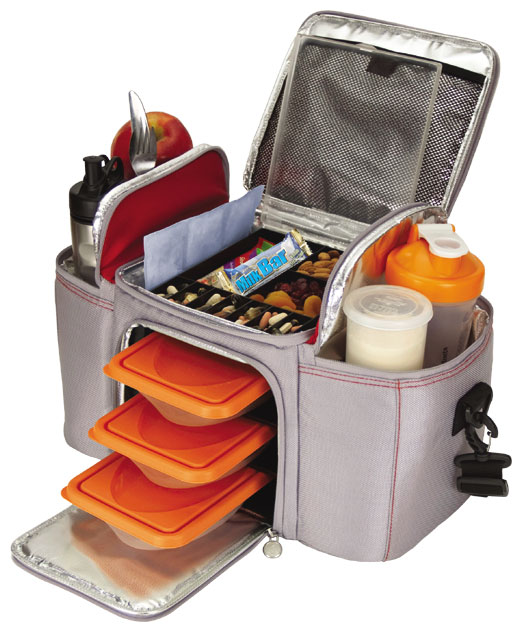
The BEST meal packing system out there is made by Six Pack Bags:
https://www.sixpackbags.com/bags.html

By adopting the habit of packing your meals, you will be on the road to better health!

Consistency (Updated Post)

As a physician, I am as much a therapist as I am a physical healer, and am well aware of the vital connection between mind, spirit and body. I have also seen how closely linked emotional stress is to development and exacerbation of physical ailments. What concerns me is when people abandon healthy habits during times of adversity, because it is at those times that some structure would provide balance to their lives.

A common question I hear from patients, clients, and strangers I meet is, “How can you maintain a regular exercise schedule and pack your food all the time with your busy careers?”, to which I respond, “I just do it.” Working out and eating right are as essential to me as sleeping and brushing my teeth. It never occurs to me to abandon healthy habits during stressful times. I recently went through a particularly difficult month during which I took a rigorous board certification exam, went through a residential move, and traveled to four destinations (two for my medical career, two for fitness and bodybuilding) over a two week period. Though I didn’t work out my usual six days per week, I did manage to train four to five days per week, every single week. The regular workouts gave me structure and balance which helped me to burn off some of the stress I was under, regulated my sleep cycle, and just plain felt good. In addition, I traveled with clean foods and lots of water, packing them and making sure I stayed on track.

Why would I push myself like this? Because I know that consistency is key to maintaining balance in one’s life. When I am consistent with my workouts and food, I maintain structure and focus and do not allow excuses of an insanely busy schedule to deter me from my mission to live an optimally healthy lifestyle. I know that if I were to deviate from a healthy lifestyle, I wouldn’t have the energy to push through my to-do list, and I certainly wouldn’t be very happy either. No matter whether I am traveling, working, or enjoying a rare free day for myself, I make sure to invest in myself every single day.

When I worked the Arnold Sports Festival Expo in Columbus, Ohio earlier this month, I made sure to drink plenty of water, filling up my one liter container 3 to 4 times each day. I also brought my Hot Logic Mini with me (https://youtu.be/GQltYTRLTC4) and had meals from Icon Meals with me, and I made sure to consume a meal every 3 hours to keep my energy levels up. If you are committed to living a healthy lifestyle, you will find ways to stay in line!

If you make an investment in yourself by being consistent with your exercise and meal habits, you will be rewarded with greater balance in your life and better health. Don’t you deserve that?

How I Stay In Shape These Days


Image shot by Tim Sevard in October of this year.

Since many people have been asking me about how I have been keeping in shape these days, I decided to devote a blog post to the subject. Though I am retired from competing, and am no longer bodybuilding stage-ready, I model frequently, and I also hold myself to very high standards when it comes to body conditioning. The most important factor in staying lean year round is FOOD, so I make sure to eat clean about 95% of the time. I consume about 100 to 120 grams of protein daily, all from whole foods rather than protein powders, and I drink plenty of water throughout the day. I limit my consumption of sugar and avoid processed foods.

Supplements are also an important part of my daily life. Most of the supplements I take have been in my daily regimen for many years, and I rarely miss a day’s dose. They are what I rely on to keep my body healthy at the cellular level. My goal is to maintain my health without ingesting prescription medications. In fact, the only prescription substance in my regimen is bioidentical progesterone cream.

I continue to challenge my body with frequent exercise, and still rely mostly on weight training for the bulk of my exercise. However, I incorporated aerial classes into my regular routine a couple of years ago for an extra challenge. At one point, I had been taking aerial classes 3 to 4 days per week, but my body was screaming out in agony. After a visit with my orthopedist, we discovered that I had arthritis in both elbows and my neck, and numerous issues in my shoulders, so I decided to back off from the intense aerial schedule I was following. These days, I only take a lyra class once every couple of weeks.

I have also been attending kundalini yoga classes on average of one day per week, and I love the unique physical, mental, and spiritual challenges which they present. Though kundalini yoga is a highly meditative form of yoga, the movements (called kriyas) are INTENSE, and I must often take breaks during these movements. I highly recommend this form of yoga for anyone who wants an intensely spiritual experience.

As for weight training, I train an average of six days per week when I am in town. I have adjusted my weight training to support aerial arts movements like straddle mounts, single knee hangs, pullovers and splits, and work my posterior chain (back, glutes, hams) more vigorously than my anterior chain. I usually follow a split consisting of three leg days and three upper body days which are further split (eg, back/arms, delts, chest/abs). I have also been changing the exercises, rep ranges, and lifting styles on a weekly basis to keep myself challenged. It’s definitely worked, because I am getting delayed onset muscle soreness from almost every workout.

Two Breaths

Regular meditation practice has shaped my life for the past eleven years, and I honor and value all it has bestowed upon me in terms of balance, harmony, calmness and peace. When I began practicing meditation on a consistent basis, I was at a low point in my life as a result of a long-term relationship which had suddenly terminated. As fate would have it, I met a wonderful person who became my meditation teacher, my spiritual guide, and my dear friend. He invited me to become part of a local meditation group which met one to two times per week, and I gladly accepted. Within a couple of months, I began to learn how to sit in silence, let thoughts and feelings go, and focus on being completely in the moment. I quickly realized what a gift it was to fall into awareness during these sessions.

After my meditation teacher passed away in April of 2014, I went through a rough period in which I was so grief-stricken by his death that I was paralyzed, unable to meditate for several months. When I returned to meditation practice, it was alone, without the comfort of a group, but I was able to quickly fall into awareness during my sessions.

At the beginning of this year, I encountered another difficult life challenge, and instead of shying away from my meditation practice, I decided to sit daily. One tool which kept me accountable with daily meditation practice was a phone app called Insight Timer, which I still use. It is no longer a struggle for me to sit daily in meditation, and I have noticed profound changes in my demeanor and my general outlook on life.

In an effort to fortify my spiritual practice, I added kundalini yoga, and have noticed even more profound changes in my energy and my physiology, especially in my breathing. A few days ago, I had noticed that my respiratory rate had become much slower, so I decided to assess it while I practiced relaxation breathing. I was astonished when I discovered that I am now able to slow down my breathing to two respirations per minute. The breaths which I take during meditative and relaxation sessions are very slow, with a pause at the end of both the inhalation and exhalation phases.

Most people are so accustomed to shallow respirations in their daily lives that they assume that 12 to 14 respirations per minute is considered acceptable. As a physician, I regularly encounter a respiratory rate in that range, and am trained to consider that normal. However, in my spiritual practice, I know that in order to take 12 to 14 breaths per minute, the breaths tend to be quite shallow.

Modern society keeps us on the hamster wheel and fosters anxiety, but it is vital to step off the wheel, slow down, and allow the trappings of daily life to fall away so that we can truly let go. If you find yourself constantly wound up, try slowing down your breathing on a consistent basis. It has beneficial effects on your mood and blood pressure, and decreases muscle tension.

Keep That Body Running Smoothly

I’m willing to bet that most of you who are reading this article keep up to date with scheduled maintenance on your vehicles so that they will run as smoothly as possible. I also know that many of you insist on using a certain brand or grade of gasoline to optimize your car’s performance. Do you take care of your body in the same way, putting healthy, nutritious food into your gullet every day? Do you exercise regularly? If the answer to either or both of those questions is no, then you are neglecting your body’s needs for optimal function, fitness and health. Over time, such bad habits have a cumulative effect and can manifest in countless diseases and dysfunctions, including potential killers like hypertension, heart disease, diabetes and cancer.

Just as additives in gasoline can hinder the performance of a car, processed foods will interfere with optimal body functions, and your body must deal with breaking down, eliminating, or storing the chemicals found in packaged meats and other junk foods. The preservatives and artificial colors and flavors which are added to packaged foods trigger production of free radicals in the body. Free radicals are unstable molecules which damage the cells of the body and contribute to the development of cancer, atherosclerosis, and aging in general. In contrast, foods which are rich in antioxidants offset this harmful cascade. If your meals regularly consist of fresh vegetables, fresh fruit, nuts, beans and lean meats, you will be filling your body with clean fuel, providing nutrients which will optimize your health.

Another important component of optimal daily body maintenance is regular exercise. If you can commit to a consistent exercise schedule (and you CAN), you will reap a myriad of benefits, including improved circulation, better cardiac output, improved muscle tone, better concentration, and more energy. Your body is an amazing machine, and just like any machine, will begin to malfunction if it is mishandled or neglected. Regular exercise can be compared to running the engine in your car regularly to keep the pistons and gears running smoothly.

Weightlifting And Aerial Arts: A Winning Combo

I am approaching the two year mark for my foray into aerial arts, and not only have I stuck with it, I have stepped up my game by taking classes several times weekly. After taking classes at a local aerial studio (www.PinkPoleParty.org) two to three days per week, I recently increased my frequency to four to five days weekly by adding other studios into the mix. Thanks to Classpass, I now have the opportunity to visit facilities all over the Los Angeles area and take classes with other instructors.

I have learned that my body prefers the rigidity of hardware, like lyra and aerial cube, over software like silks and hammocks, so I now confine my aerial activities to lyra, pole flight (a combination of silks and pole), and aerial cube. I am by no means an expert in any of my aerial activities, and I wish I had the incredible flexibility which I see in other aerialists. Yet I think I do decently well, and my upper body strength serves me well whenever I am up in the air.

I honestly think it’s a good idea to experience other studios and other instructors as a means to infuse variety into the regimen. Though I at times think I must be nuts to inflict such challenges on my poor joints and tendons, the overall physical and mental benefits of aerial movements make it all worthwhile. The conditioning aspects of aerial arts have enhanced the v-taper in my back, and have developed my delts nicely. My abdominal muscles are far stronger than they were before I began taking aerial classes, and I am also enjoying enhanced flexibility, balance and coordination from my airborne pursuits.

Weight training is still, and always will be, a staple for me. I faithfully hit the weights five to six days per week, and cannot imagine ever wavering from that schedule. At this point, I truly feel that weightlifting and aerial pursuits complement each other. Bodybuilding imparts strength, aids in preservation of muscle mass, guards against bone loss, and allows me to go into beast mode, while aerial arts provide an outlet for creative expression, challenge my body to become more elongated and flexible, and increase core strength.

If you are in a rut with weight training, why not consider adding aerial arts to your regimen? They are challenging, inspiring, and fun!