Originally published on mensphysique.com on Wednesday, 01 August 2012
http://www.rxmuscle.com/blogs/the-lab-supplement-school/6215-collagen-controversy-is-this-protein-for-you.html

Though collagen is not the most popular sports protein source, a number of sports supplement companies use it as part of their formulations, and in a couple of instances showcase this ingredient. There have been claims suggesting that hydrolyzed collagen may promote the oxidation of fat while promoting the preservation of lean muscle mass. In addition, collagen is believed to provide important amino acids that serve as building blocks to help strengthen connective tissues throughout the body, thus restoring elasticity to tendons, ligaments and skin. However, the controversy surrounding collagen is significant, and those who currently ingest collagen, whether for nutritional protein supplementation or for restoration of skin and ligament integrity may wonder if this pricey protein is simply a waste of money.
Collagen is the second most common substance encountered in the human body, right behind water. It is essential for strong connective tissues and is also found in membranes that surround blood vessels and internal organs. In addition, collagen is a vital component of skin. This adds up to one third of all the protein found in the body. As a response to collagen’s gradual age- and activity-related degradation, collagen supplements have been formulated in an effort to restore this loss. Here are the numerous benefits which proponents of collagen protein claim:
· Increased fat oxidation
· Increased lean muscle mass
· Cardioprotective benefits
· Improvement in skin, hair and nails
· Stronger bones
· Stronger joints
Which of these claims are valid, and which simply convince consumers to add an unnecessary supplement to their daily regimens?
Evidence Supports Use of Collagen For:
Osteoarthritis and Rheumatoid Arthritis – Numerous studies have been conducted in order to determine whether collagen supplementation has any effect on the treatment of arthritis, and the results are encouraging. Such studies have revealed measurable increase in joint mobility, as well as reduction of pain and joint inflammation after administration of collagen (specifically undenatured type II collagen) supplements. Supportive evidence of the importance of supplementation with type II collagen is the presence of anti-type II collagen autoantibodies in patients suffering from rheumatoid arthritis. Optimal daily dosage of type II collagen in the treatment of arthritis is 5 to 10 grams.
Sports-Related Joint Pain – In a study conducted on 86 adult athletes at the German Olympic Center in Essen, Germany, 79 percent of the study’s subjects had a statistically significant improvement in joint mobility and flexibility as well as decreased pain after a 12- week, 10 gram daily course of CH-Alpha (a nutritional supplement containing collagen hydrosylate, other proteins and amino acids which is nearly identical to the collagen found in joint extracellular matrices).
Preservation of Lean Body Mass in the Elderly – According to a 2009 study in the Journal of the American Dietetic Association, a number of elderly, sedentary women who were given hydrolyzed collagen supplements showed an increase in lean body mass at the end of the study. However, other studies which were conducted in younger subjects and athletes failed to show a correlation between administration of collagen protein and preservation of lean mass.
Forget Collagen When Treating the Following:
Preservation of Bone Density – A number of studies conducted in recent years have failed to show any effects on bone density in subjects suffering from osteopenia or osteoporosis.
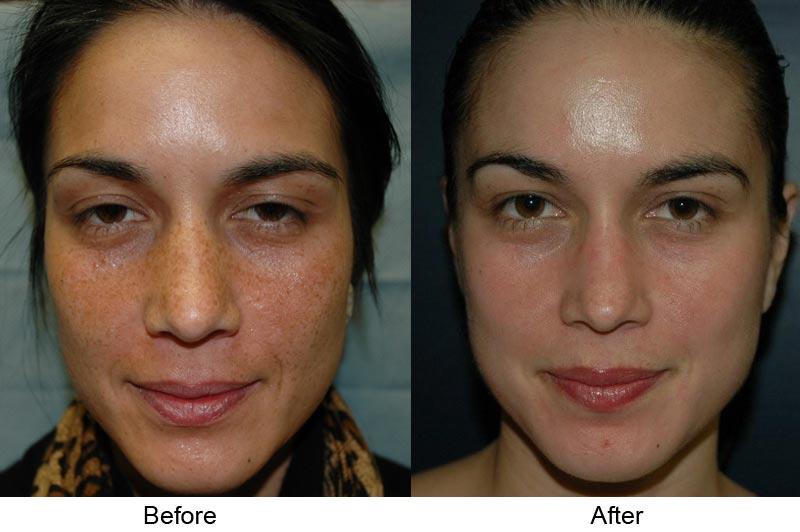
Sagging Skin and Wrinkles – The aging process results in impaired collagen production as well as progressive degradation of collagen, leading to thinner skin and wrinkles. Unfortunately, topical collagen formulations fail to penetrate the skin and thus have no utility in reversing these age-related changes. In addition, scientific studies have shown no correlation with oral collagen supplementation and restoration of youthful skin. The only utility transdermal creams have is in fattening up the wallets of skincare companies.
Cardiovascular Health – Despite the fact that collagen fibers are abundant in the extracellular matrix of the myocardium and arterial walls, there is no evidence which supports oral collagen supplementation and prevention of atherosclerotic disease.
Collagen Sources and Cow Scares
The oldest and most common sources of collagen include the skin, bones and connective tissues of chickens and cows. However, the incidence of transmissible bovine spongiform encephalopathy (aka mad cow disease) has resulted in the increasing use of marine collagen hysdrosylate and shark skin collagen. In addition, products derived from animal sources carry a risk of a potential allergic reaction. For those who are hesitant to use any form of collagen, it may be prudent to consider supplementation with substances which have been proven to boost the body’s natural production of collagen.
What Boosts Collagen Production?
Above all else, maintaining healthy eating habits, getting regular exercise and hydrating sufficiently will support the body’s natural ability to produce collagen. However, there are substances which play integral roles in collagen production and which can be easily incorporated into a daily supplement regimen.
Vitamin C – This substance’s primary role is to make collagen and its presence is essential for collagen formation. If for some reason you are unable to tolerate vitamin C supplements, you may want to take the C ester form which is also known as ascorbyl palmitate.
Alpha Lipoic Acid – This substance recycles the body’s vitamin C pool, thus optimizing its effectiveness. Alpha Lipoic Acid is also an excellent antioxidant which can aid in reducing joint swelling.
Lysine – One of the essential amino acids, lysine plays a vital role in collagen production. For individuals who are interested in lysine supplementation, a daily dosage of 1,000 mg is suggested. However, diets which incorporate eggs, nuts, poultry, red meat, pork, cheese, legumes or cheese will in the majority of cases provide adequate amounts of lysine.
Glucosamine combinations – Glucosamine is typically formulated with either chondroitin or MSM and is excellent for management of joint pain. However, it does not directly impact the production of collagen. Due to common reports of gastrointestinal upset in some individuals who take the chondroitin formulations, it may be wise to opt for glucosamine/MSM combinations.
Vitamin A – This fat-soluble vitamin stimulates collagen renewal by increasing the activity of enzymes in collagen and improving elasticity. One commonly used form of vitamin A is retinol, which can be found in a plethora of skincare products.
Vitamin E –This powerful antioxidant is extremely effective in eliminating free radicals which result from sun exposure and works synergistically with vitamin A to prevent progression into collagen degradation. Food sources include almonds, avocado and dark green leafy vegetables.
CoQ10 – This is another powerful antioxidant which has significant cardioprotective benefits. It stimulates skin cell activity in general as well as stimulating collagen production.
Summary
Collagen supplementation may have some utility in alleviating joint pain. However, it does not confer benefits to skin integrity since it is not assimilated via the oral or transdermal routes. In addition, nutritional collagen is extremely costly and does not offer any advantages over the more popular whey protein powders on the market.





 dr. stacey naito's blog