For those of us who were kids before the computer age, research wasn’t instant—it was an event.
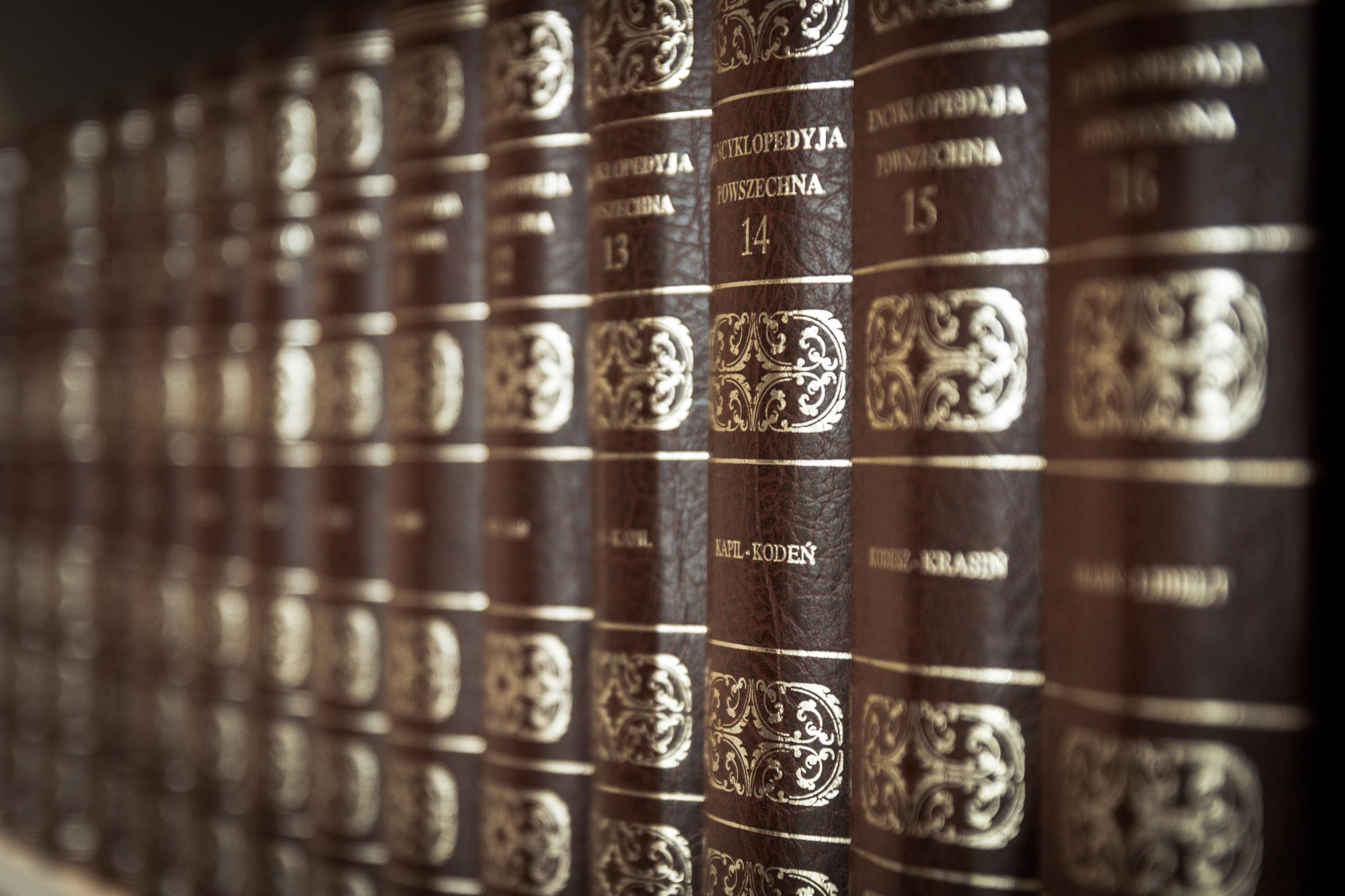
If you needed to look something up, you didn’t “Google it.” You got up, walked to a shelf, and physically pulled down a heavy book. Information had weight. It had a smell. It had thin, almost tissue-like pages and tiny print crammed into double columns.
The Pride of Encyclopædia Britannica
In many homes, owning a full set of Encyclopædia Britannica was a point of pride. Those volumes—often bound in dark leather or gold-lettered spines—sat in living rooms like a declaration: We value learning here.
They were expensive. Really expensive. Families didn’t just casually buy them. Salesmen would come door to door, making their pitch at the kitchen table. Parents would agree to installment payments, and the set might arrive one volume at a time. There was something ceremonial about sliding the newest letter into place on the shelf. As a matter of fact, my mother had to order each volume separately, and because she couldn’t afford to buy a bookcase, my home research sessions required me to dig through large boxes which housed the volumes, an especially tedious task if the volume I required was at the bottom of the box.
If your family didn’t own Britannica, you might have had something like World Book instead—or you relied on the library. Either way, research meant flipping to the correct letter, scanning entries alphabetically, and following cross-references at the bottom of the page: See also: Mesopotamia.
And that was another thing—we learned to browse. You’d start looking up “Egypt” and end up twenty minutes later reading about papyrus, pyramids, or Cleopatra. You discovered things by accident because you had to pass them physically to get where you were going.
The Library and the Dewey Decimal System
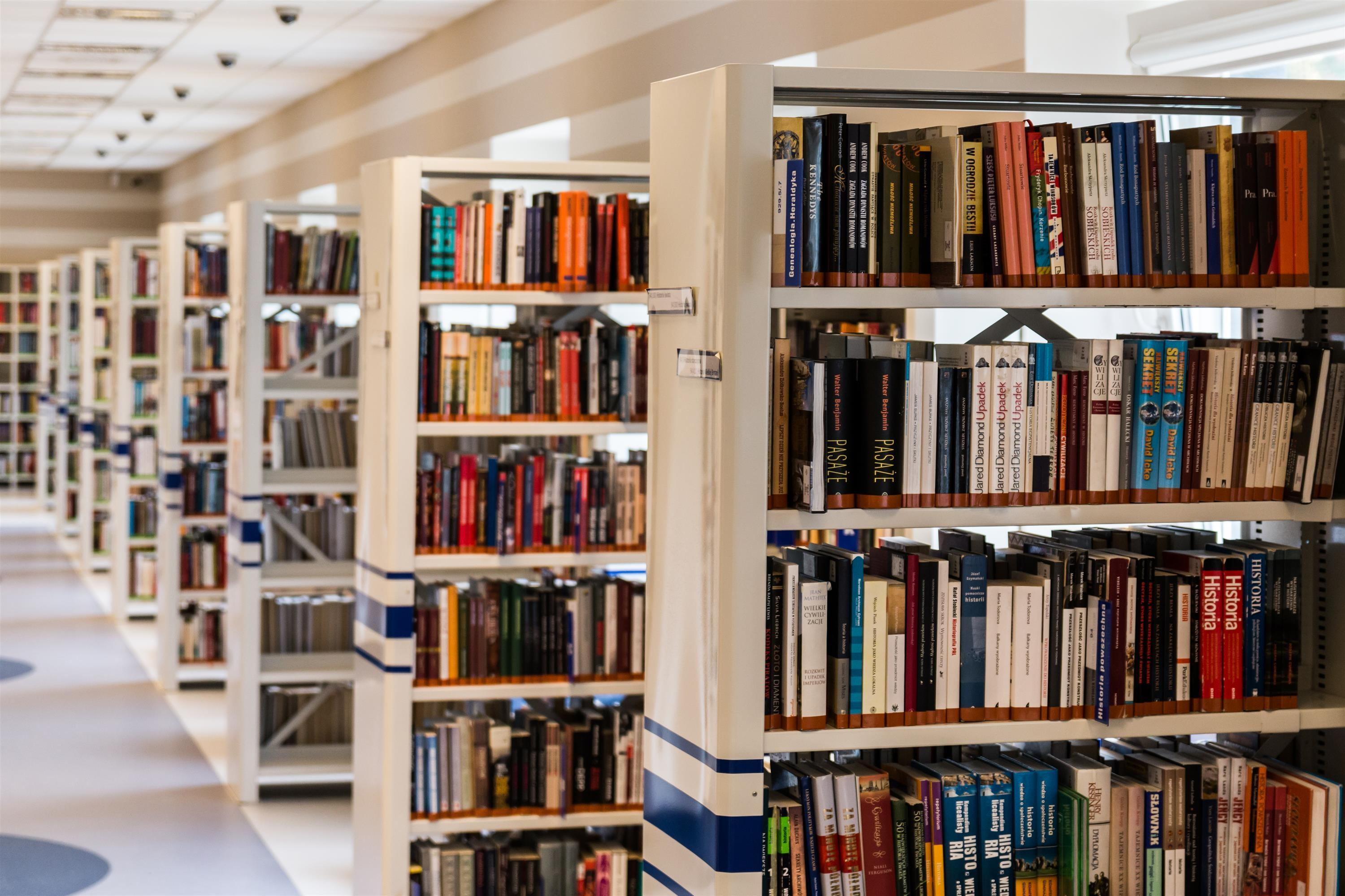
The public library felt almost sacred.
First came the card catalog—long wooden drawers filled with index cards. You flipped through them by author, title, or subject, copying down call numbers in pencil.
Then you had to decode the Dewey Decimal System. Every book had its numerical address:
- 500s for science
- 800s for literature
- 900s for history
Once you had the number—say 940.53 for World War II—you’d go hunting down the aisle, scanning the spines in numerical order. It was like a treasure hunt. Sometimes the book wasn’t there. Maybe someone else had it. Maybe it was mis-shelved. That was part of the adventure.
And when you found it, you felt like you’d earned it.
Microfiche and the Glow of the Machine
If you needed old newspaper articles or archival materials, you didn’t scroll—you used microfiche or microfilm.
You’d load a transparent sheet or spool into a bulky reader machine, turn knobs, and watch enlarged pages of tiny, photographed print glow onto a screen. The machine hummed. The image jittered. You scrolled slowly, hoping not to overshoot the date you needed.
Printing a copy involved a loud clunk and the smell of warm toner.
It wasn’t convenient. It wasn’t fast. But it felt serious. Research required patience, and patience created focus. You couldn’t open fifteen tabs. You worked with what was in front of you.
What We Gained (and Lost)
There was frustration, yes. But there was also depth.
You couldn’t skim five sources in thirty seconds. You had to read. You had to navigate systems. You learned how information was organized—alphabetically, numerically, hierarchically. You developed a kind of mental map of knowledge.
Today, answers are immediate and limitless. Back then, knowledge felt finite but tangible. It lived on shelves. It arrived one volume at a time. It glowed on a microfiche screen.
And when you finally found the answer you were looking for, it felt like discovery—not just retrieval.
 dr. stacey naito's blog