
How to Boost Your Wellness While Working from Home

Image via Pexels

Do you work from home? If so, this excellent article by Camille Johnson of Bereaver.com will optimize work-life balance.

For remote workers balancing deadlines with real life at home, work from home wellness challenges often hide in plain sight. Home office stressors, noise, awkward setups, constant notifications, and the feeling of never fully “clocking out”, can quietly erode energy and focus. When work-life integration turns into work-life blur, mental health and productivity tend to slip in ways that feel personal but are often structural. With the right perspective, these patterns become easier to recognize and change.

Quick Summary: Boost Wellness When Working From Home

  • Build simple self-care routines that support your wellbeing throughout the workday.
  • Optimize your home office setup to improve comfort, focus, and daily energy.
  • Practice stress reduction techniques to feel calmer and more resilient while working remotely.
  • Choose healthy nutrition habits that keep you fueled and steady during work hours.

Digitize key documents to cut clutter and lighten mental load

Once you’ve picked a few quick wellness wins, clearing the small but persistent stressors, like paper piles, can make your workdays feel noticeably lighter. Consider digitizing the important documents tied to your work and career so they’re easy to find when you need them. When you scan or save paper records as PDFs, you keep the formatting consistent across devices, avoid hiccups between different operating systems, and make files simple to share and store. That consistency matters when you’re moving between a laptop, phone, and a home printer, or sending something to a colleague. To keep the process low-friction, use online PDF tools that handle common tasks in a browser: converting files to PDF, compressing large documents, editing, rotating pages, or reordering them so everything reads cleanly. With your paperwork condensed into a tidy digital format, it’s easier to support a short daily routine that keeps your space, and your mind, clear.

Daily Wellness Habits for Working from Home

When your home and work live in the same place, wellness improves fastest through small habits you can do even on busy days. Pick one or two practices, repeat them for a week, then add the next so healthy choices feel automatic.

Two-Minute Desk Reset
  • What it is: Clear your desktop, close extra tabs, and set one clear top task.
  • How often: Daily, before your first work block.
  • Why it helps: A clean start reduces mental load and decision fatigue.
Guided Mindfulness Pause
  • What it is: Use a short guided meditation to observe thoughts without chasing them.
  • How often: Daily, mid-morning or mid-afternoon.
  • Why it helps: It lowers stress and improves emotional steadiness.
Movement Micro-Breaks
  • What it is: Stand, stretch, and walk for three minutes between focused work sprints.
  • How often: Every 60 to 90 minutes.
  • Why it helps: It reduces stiffness and brings your attention back.
Hydration Anchor
  • What it is: Fill a bottle each morning and drink at every meeting start.
  • How often: Daily.
  • Why it helps: It supports energy and helps prevent mindless snacking.
Shutdown Ritual
  • What it is: Write tomorrow’s first task and power down work notifications.
  • How often: Daily, at your end time.
  • Why it helps: It protects recovery time and sleep readiness.

Wellness While Working From Home: Common Questions

Q: How can I manage stress when my calendar is nonstop?
A: Aim for brief, frequent downshifts instead of waiting for a “free hour.” Try one minute of slow breathing before you unmute, or a 30-second shoulder release between tasks. If stress spikes daily, consider scheduling one protected buffer block like you would a meeting.

Q: What’s the simplest way to set work-life boundaries at home?
A: Choose a clear start cue and a clear stop cue, then repeat them consistently. A hard sign-off time matters because many people struggle here, with 52 per cent rating work-life balance as average or poor. Keep the boundary visible by silencing work alerts after hours.

Q: What should I eat when I’m always near the kitchen?
A: Build meals around protein and fiber first, then add a carb you enjoy for steady energy. Pre-portion two easy snacks so you are choosing on purpose, not grazing while stressed. Keep water within reach to reduce “hunger” that is really thirst.

Q: Can a small workspace still be ergonomic?
A: Yes, comfort is about fit, not square footage. Start with the screen at eye level, elbows near 90 degrees, and feet supported on the floor or a sturdy box. Many people deal with aches, and 80% of remote workers report musculoskeletal discomfort, so a few adjustments can make a real difference.

Q: When should I take breaks so I don’t lose focus?
A: Break before you feel fried. Try a quick reset after completing a task or every 60 to 90 minutes, even if it is just standing and looking across the room. Your concentration often returns faster when your body gets a tiny change of position.

Build Sustainable Wellness Habits That Support Remote Work

Working from home can blur boundaries and make self-care feel like one more task on an already full plate. A practical, evidence-based mindset, small changes, consistent cues, and self-compassion, turns wellness motivation into sustainable remote work habits you can actually maintain. Over time, these shifts support long-term mental health, protect focus, and create productivity through self-care rather than constant push-through. Small, consistent care beats occasional big resets. Choose one change this week and make it easy enough to repeat, then notice how it steadies your energy and decisions. That’s how a balanced home and work life becomes more resilient, week after week.

How to Build a Resilient Mind and Thrive in an Uncertain World

Image via Magnific

Camille Johnson of Bereaver.com has astutely tackled the topic of maintaining mental resilience in the midst of hectic life rhythms. Read on for some excellent tips on keeping pace in our fast-paced world.

For anyone juggling work, caregiving, health concerns, or simply the weight of a fast-changing world, uncertainty has a way of turning ordinary decisions into constant mental load. Whether you’re raising kids, caring for aging parents, managing a chronic illness, or navigating life solo, the core tension is the same: life keeps shifting while the mind still craves predictability, and that mismatch can drain focus, sleep, and patience. 

Mental resilience isn’t a rare personality trait reserved for the naturally tough; it’s built through psychological adaptability and supported by learnable stress coping strategies. With stronger uncertainty management, future-proofing the mind becomes a realistic way to stay steady when plans change.

Understanding Mental Flexibility in the Brain

At the center of resilience is a simple truth: your brain can change. The term neuroplasticity describes how the brain rewires through experience, helping you respond with more options instead of the same old reactions. Openness to change matters because it reduces the fight against reality and frees energy for problem-solving.

This is why lifelong learning is more than a hobby. Each time you practice a new skill, you strengthen the habit of adapting, which can make stress feel more manageable and less personal. Over time, you build cognitive “range,” not just coping in the moment.

Think of it like updating your phone’s operating system. Small, regular updates prevent crashes when conditions change, and Americans age 45 and older, actively learning new things show how common this approach already is. That same low-stakes practice can start with tiny creative experiments, even with simple text-to-image prompts.

Practice Openness with 15 Minutes of Low‑Stakes Creative Tech

Mental flexibility isn’t just something your brain has, it’s something you can rehearse in small, safe ways. Staying open to new forms of creativity and technology can keep your mind nimble when the world shifts fast, because it trains you to meet the unfamiliar with interest rather than resistance. AI-powered image generation tools are a simple example: they let you turn written ideas into visual concepts, making creative experimentation feel accessible even if you don’t consider yourself artistic or especially technical. With an AI art creator, you can start from a sentence, see what comes back, and adjust your words, treating the process as playful exploration instead of a performance.

The real resilience benefit isn’t the picture; it’s the practice of trying something new without high stakes. When you spend 15 minutes exploring an unfamiliar tool and learning a tiny skill, you give yourself repeated proof that you can navigate novelty. Over time, those low-pressure reps build confidence, curiosity, and adaptability, making change feel less like a threat and more like a space you can move within.

Weekly Resilience Rituals You Can Actually Keep

Resilience grows through routine, not willpower. These habits turn uncertainty into something you can work with, so confidence builds gradually, even when life stays unpredictable.

Two-Minute Mindful Check-In
  • What it is: Sit still, notice breath, then name your strongest feeling.
  • How often: Daily
  • Why it helps: It builds awareness before stress drives your next move.
Label and Accept, Then Choose
  • What it is: Practice noticing, labeling and accepting before deciding what to do next.
  • How often: Per stress spike
  • Why it helps: It reduces reactivity and supports steadier choices under pressure.
One Values-Based Action
  • What it is: Pick one action that matches what matters, even if small.
  • How often: Daily
  • Why it helps: It creates agency when outcomes feel out of your control.
Optimism-Realism Planning
  • What it is: Write one hope, one risk, and one “if-then” response.
  • How often: Weekly
  • Why it helps: It keeps you hopeful while staying prepared.
Repair and Reach Out
  • What it is: Send one honest message that appreciates, apologizes, or reconnects.
  • How often: Weekly
  • Why it helps: Strong ties buffer stress and widen your support options.

Resilience and Uncertainty: Common Questions

Q: What if I’m not “naturally resilient”?
A: Resilience is a learnable skill, not a personality trait you either have or don’t. Start with one tiny practice you can repeat on your hardest days, even 60 seconds of quiet noticing. Consistency builds the “I can handle this” feeling over time.

Q: How does mindfulness help when my problems are real?
A: Mindfulness does not erase stressors, but it helps you notice what’s happening before you react on autopilot. Try one slow inhale and exhale, then name the emotion in a simple phrase like “anxious” or “frustrated.” That brief pause often creates enough space to choose a calmer next step.

Q: What is emotional agility in plain language?
A: Think of it as staying flexible with your feelings instead of fighting them or obeying them. The term emotional agility describes the ability to adapt to difficult emotions and situations. A practical move is to name the feeling, allow it to be there, then act based on your values.

Q: When I’m overwhelmed, what’s one quick managing-uncertainty strategy?
A: Shrink the time horizon. Ask, “What is one helpful thing I can do in the next 10 minutes?” Then do the smallest version, send the email draft, wash one dish, take a short walk, or drink water.

Q: Should I push through anxiety, or rest?
A: Do a quick check: are you in danger, or are you uncomfortable? If you’re safe but flooded, choose a short reset first, then take one modest action. If you’re exhausted, rest can be the resilient choice that makes tomorrow more workable.

Q: When is it time to get extra mental health support?
A: Reach out if distress is intense, lasts for weeks, disrupts sleep or work, increases substance use, or includes thoughts of self-harm. A primary care clinician, licensed therapist, or a local crisis line can help you sort out next steps quickly and safely.

Build Resilience by Practicing One Steady Response to Uncertainty

Uncertainty can keep the mind scanning for threats while daily life still demands decisions, focus, and care. The path forward is reflective resilience: meeting what’s real, staying flexible, and choosing supportive habits that blend mindset, emotion skills, and compassionate self-care. Over time, this approach supports sustained mental health by reducing reactivity, strengthening recovery after setbacks, and widening the sense of what’s still possible. You can’t control the storm, but you can practice how you steer. 

A Guide to Building a Credible Wellness Influence and Ethical Growth

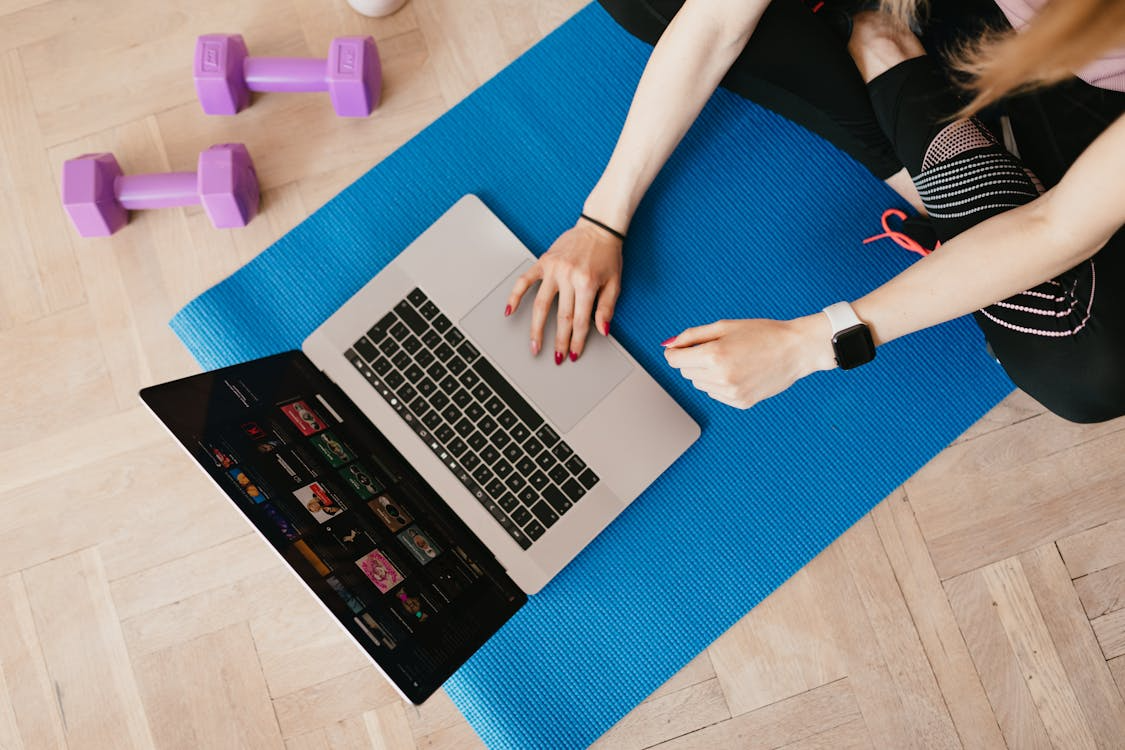
Photo by www.kaboompics.com: https://www.pexels.com/photo/unrecognizable-woman-using-laptop-on-mat-4498456/

Wondering how you can build a wellness presence which truly resonates with your audience? Then let this article, written by Camille Johnson of Bereaver.com, guide you through the process.

For fitness coaches, yoga teachers, nutrition enthusiasts, and clinicians building a public presence online, becoming one of the wellness influencers people return to can feel both exciting and risky. The core tension is simple: audience growth often rewards bold claims, while ethical wellness promotion demands care, context, and humility. Without clear niche selection in wellness, even strong creators get pulled into scattered messaging and familiar audience engagement challenges, from skepticism to backlash. With the right foundation, building credibility in health influence and a steady content strategy for wellness creators, wellness advice can be shared in a way that earns trust.

Quick Summary: Build Trust and Grow in Wellness

  • Choose a focused wellness niche to attract the right audience and clarify your message.
  • Build credibility with transparent, evidence-aware guidance and clear boundaries around your expertise.
  • Create consistent content that educates, supports, and reflects your values and brand voice.
  • Share wellness advice responsibly by prioritizing safety, accuracy, and respectful communication.
  • Grow community with engagement-first strategies that foster connection, trust, and long-term relationships.

Photo by Vitaly Gariev: https://www.pexels.com/photo/woman-recording-a-fitness-vlog-in-modern-living-room-36764393/

Turn Daily Wellness Moments Into Repeatable Reels or TikToks

Once you’ve got the big-picture moves in mind, the fastest way to show people what you’re about is through short, repeatable videos. On Instagram Reels or TikTok, capture your daily wellness routines (your morning walk, meal prep, stretching, journaling), behind-the-scenes healthy habits (how you set up your space, what you pack, what you actually do between “perfect” moments), and quick tips that fit your niche. These small slices of real life give potential followers an authentic, visual taste of what they’ll get from you, without needing a big production.

On days you can’t film yourself, consider Adobe Firefly’s AI video generator to quickly create polished, on-brand short clips. The basic idea is simple: you enter a descriptive text prompt (for example, the mood, setting, and the wellness action you want shown), and the tool generates a customized video clip you can post alongside your usual content.

Build a Simple System to Grow as a Wellness Influencer

This process helps you choose a clear wellness lane, earn trust with proof, and show up consistently without burning out. For everyday creators, a small, steady system is what turns “posting sometimes” into real community growth.

  1. Define your niche with a promise
    Start by writing one sentence: “I help ___ do ___ through ___.” Choose a focus you can demonstrate weekly (like stress-friendly movement, gut-friendly meal prep, or sober curiosity) so people instantly know why to follow you.
  2. Build trust with honest social proof
    Collect 3 to 5 proof points you can share naturally: a relevant certification, your personal before-and-after story, a simple habit streak, or kind DMs and comments (with permission). Content that shows the messy middle of healing often feels more believable than perfectly edited “after” shots.
  3. Pick one main platform and one support channel
    Choose where you can post most consistently (one short-video platform is enough), then add one place for deeper connection, like a newsletter or a small community chat. Keeping your attention on just one or two channels makes it easier to learn what your audience responds to.
  4. Set a weekly content loop you can actually sustain
    Create 3 repeatable buckets tied to your niche, such as “routine,” “teaching tip,” and “real life reflection,” then assign them to specific days. Batch one filming session a week and reuse the same structure so your feed feels familiar while your ideas stay fresh.
  5. Lock in a recognizable voice and collaborate with intent
    Choose two brand colors, one font style, and 3 phrases you say often so your posts are instantly identifiable even before people read. Then collaborate with peers who serve the same audience from a different angle, like a trainer partnering with a meal-prep creator.

Photo by Blue Bird: https://www.pexels.com/photo/crop-blogger-taking-photo-of-healthy-lunch-on-smartphone-7242746/

Ethical Monetization and Metrics Checklist

This checklist helps you earn income without eroding credibility and track what is actually moving your community forward. Use it weekly to stay transparent, refine your offers, and protect the trust you are building.

✔ Confirm disclosures on every affiliate and sponsored recommendation

✔ Choose partners aligned with your stated wellness promise

✔ Create one small paid offer that solves a single problem

Set a newsletter cadence and deliver one actionable takeaway each send

✔ Track saves, shares, and replies as primary trust signals

✔ Track link clicks and conversion rate for each monetized post

✔ Review refund requests and complaints to improve clarity and fit

Small, honest improvements compound into steady growth and reliable income.

Build Lasting Wellness Influence Through Trust and Consistency

It’s easy to feel pulled between growing faster and staying honest, especially when monetization and metrics enter the picture. A long-term growth mindset, rooted in clarity, consistency, and audience trust building, keeps the work steady, so wellness influencer motivation comes from serving people, not chasing spikes. With sustained content creation and transparent choices, influence becomes quieter but stronger: trust compounds, and the right opportunities feel aligned rather than pressured. Trust grows when your message stays consistent and your incentives stay clear. Choose one repeatable content rhythm for the next month and stay active in a supportive influencer community for feedback and accountability. This matters because steady credibility creates resilience, so your work can support health, connection, and growth for the long run.

A Guide to Using Technology to Restore Your Emotional and Mental Balance

Camille Johnson of Bereaver.com has compiled this wonderful resource, which teaches us how to use technology in a mindful manner.

For adults juggling work, family, and serious self-care goals like diet planning, consistent training, and competition prep, technology overuse can quietly become another source of strain. The core tension is wanting to feel disciplined and present, while constant notifications, tracking, scrolling, and comparing leave the mind scattered and the body tense. Over time, this can show up as emotional disconnection (numbness or irritability), mental fatigue (decision overload), and a subtle spiritual disconnection that makes rest feel unearned and progress feel hollow. Naming these patterns helps busy, health-focused adults reconnect with what actually matters.

Understanding Mindful Technology Use

Mindful technology use means using your devices with awareness and intention, instead of reacting on autopilot. It is a quick inner check: why am I opening this app, and what do I want to feel or accomplish? The goal is not less tech by default, but steadier attention that supports emotional balance, clearer thinking, and a deeper sense of meaning.

This matters when you are trying to follow a training plan, stay consistent with meals, and manage stress without burning out. When your attention is intentional, you make fewer impulse choices, recover better, and stop turning every pause into a comparison spiral. That mental space can also make gratitude, prayer, or reflection feel natural again.

Think of your phone like a food scale: useful when you choose it, noisy when it runs your day. You might open your tracker to log a meal, then close it before the feed pulls you into anxiety. That single pause is mindful technology use in action.

Build a Mindful Tech Plan You Can Stick With

This process helps you set simple tech boundaries and use your devices on purpose so your energy goes to training, meals, recovery, and real self-connection. For adults prepping for better health or contest readiness, it reduces decision fatigue and keeps tracking tools helpful without letting scrolling steal sleep or consistency.

  1. Define your “why” before you unlock
    Start each day by writing one sentence: “I’m using my phone today to ___,” such as log meals, follow a lifting plan, or text your coach. Use checking in with yourself to name what you want more of today, like calm, focus, or patience, before any app opens.
  2. Set two non-negotiable boundaries
    Choose one time boundary and one place boundary that protect recovery, like “no phone the first 20 minutes after waking” and “no phone where I eat.” Keep the rules small enough to win on hard days, because consistency beats perfection when stress is high.
  3. Choose intentional device sessions
    Batch your tech tasks into short windows: one check for messages, one check for training info, one check for food logging, then you close the device. Use a timer and end the session immediately when the timer ends so “quick check” does not turn into a mood shift.
  4. Add a light digital detox practice
    Pick one low-friction tool that makes boundaries easier, like app limits or screen-time tracking, since many digital detox apps include features to track use and set limits. Start with a 30 to 60 minute “offline block” each day, ideally before bed or during meal prep.
  5. Reconnect on purpose when you log off
    Replace the habit loop with a short reconnection cue: three deep breaths, a 5-minute walk, a quick gratitude list, or a brief prayer or reflection. Tie it to your fitness goals by asking, “What choice supports tomorrow’s workout?” then do one small action like filling your water bottle or planning your next meal.

Habits That Keep Tech Serving Your Goals

Habits make mindful tech use feel automatic instead of effortful, especially when you are juggling training, nutrition, and recovery. Give yourself a runway, since habit formation ranging from 59-66 days can be a realistic window for changes to stick.

Phone-Down Morning Start
  • What it is: Keep your phone out of reach until you finish water and a quiet minute.
  • How often: Daily.
  • Why it helps: You start the day from your body, not other people’s demands.
One-Minute Pre-Meal Check-In
  • What it is: Pause before eating and rate hunger, stress, and cravings from 1 to 10.
  • How often: Daily.
  • Why it helps: It protects mindful portions and reduces reactive snacking.
Batch Log and Leave
  • What it is: Log meals and training in one short session, then close the apps.
  • How often: Daily.
  • Why it helps: Tracking stays useful without turning into constant monitoring.
Screen-Free Wind-Down Timer
  • What it is: Set a nightly offline alarm and switch to stretching, reading, or breathwork.
  • How often: Daily.
  • Why it helps: Better sleep supports recovery and next-day workout quality.
Weekly Notification Reset
  • What it is: Review notifications and keep only coach, calendar, and urgent family messages.
  • How often: Weekly.
  • Why it helps: Fewer pings means fewer impulse checks and mood swings.

Common Questions About Mindful Tech Use

Q: How can I use technology to reduce stress and feel more emotionally balanced?
A: Use your phone as a cue to return to your body, not as an escape hatch. A simple step is turning off nonessential alerts and adding one short daily check-in note: “What am I feeling right now?” Mindfulness is an inherent capacity to notice with an open attitude, so you do not need to “clear your mind” to do it well.

Q: What apps or digital tools help me maintain a mindful mental routine?
A: Choose tools that create fewer decisions: a timer for breathing, a notes app for quick reflections, and a calendar block for decompression. Keep them on your first screen and move everything else off it. The goal is consistency, not finding the perfect platform.

Q: In what ways can technology support spiritual growth without causing overwhelm?
A: Pick one digital input per day, like a short reading or guided reflection, then stop there. Silence badges and set a clear end time so practice feels nourishing, not endless. If you want a creative option, use a simple three-minute prompt in a visual tool such as Adobe Firefly’s AI drawing generator to depict a value you are building, then journal one sentence about what you notice.

Q: How do I prevent feeling stuck or distracted when using digital devices to reconnect with myself?
A: Start with boundaries first: one focus mode, one purpose, one tab. If you drift, name the urge, close the app, and do a 60-second reset: breathe, sip water, look outside. This is not a willpower issue, it is a design issue you can redesign.

Q: How can nutrition and fitness apps assist me in improving my health mindfully while preparing for a competition?
A: Use apps for clarity, not control: plan meals once, log in batches, and check trends weekly instead of chasing perfection daily. Turn off streaks and “burn” comparisons if they spike anxiety, and pair data with an internal cue like hunger, energy, or sleep quality. Your body is the dashboard, the app is only a tool.

Build Self-Connection With One Mindful Tech Habit This Week

It’s easy to reach for a screen for relief and then feel oddly more scattered, even when the content is “helpful.” The way forward is a gentle, evidence-based mindset: treat technology as a tool you use on purpose, with reflective digital habits that bring attention back to your body, needs, and values. Over time, long-term mindful technology supports sustained tech mindfulness and builds self-connection motivation instead of draining it. Mindful tech isn’t about quitting screens; it’s about coming back to yourself. Choose one small tech shift to practice for 7 days, like a brief pause before opening an app or a simple end-of-day check-in note, and let repetition do the work. This matters because steadier attention strengthens resilience, health decisions, and performance in training and daily life.

Momentum Over Motivation: A Realistic Guide to Starting the Year Strong

Image via Freepik

Camille Johnson of Bereaver.com does it again, with an inspiring article to get you on track for a fantastic new year!

January has a way of putting everything under a spotlight. Energy levels, habits, ambitions—suddenly they all feel negotiable again. This guide is for anyone who wants to reset without burning out, aiming for momentum instead of perfection. The goal is simple: start the year with clarity, practical action, and a sense that you’re moving forward on purpose.

A Quick Orientation Before You Begin

This is not about radical overnight change. It’s about stacking small, intentional decisions that compound over weeks and months. Focus on direction first, intensity second. When you know where you’re going, effort feels lighter.

Step One: Reclaim Your Daily Energy

Energy is the foundation of self-improvement. Without it, even the best plans collapse.

Start with the basics:

  • Sleep consistency beats sleep perfection. Aim for the same bedtime and wake-up time most days.
  • Hydration before caffeine. A glass of water in the morning can reduce that groggy haze.
  • Light movement early. A short walk or stretch signals your body to wake up.

These aren’t flashy habits, but they’re reliable. Once your baseline energy improves, everything else becomes easier.

A Simple How-To Reset Checklist

Use this checklist over one weekend to reset your personal systems:

  1. Write down your top three priorities for the next 90 days.
  2. Remove one recurring commitment that drains more than it gives.
  3. Organize one physical space you use daily.
  4. Choose one habit to add and one to pause.
  5. Schedule a weekly 20-minute reflection block.

Print it. Check it off. Done is better than optimized.

Using Structure to Build Momentum

Many people fail not because of laziness, but because they rely on motivation alone. Structure carries you when motivation dips.

A structured approach to health can be especially powerful. Stacey Naito’s nutrition and fitness plans offer a clear, goal-oriented framework for people who want to rebuild energy and consistency at the start of the year. Her programs are designed to support realistic habits, physical strength, and long-term lifestyle changes, helping participants stay focused and empowered as they work toward better health and personal growth. For those who prefer guidance over guesswork, this kind of structure can make all the difference.

Investing in Your Future Self Through Learning

Personal growth isn’t only about habits—it’s also about expanding your options. Education can play a major role here, especially when it’s flexible. Earning an online degree can be a practical way to move your career forward while balancing real life. For example, pursuing a graduate-level nursing degree opens doors to roles in education, informatics, leadership, and advanced practice. 

Online programs allow you to study while working full-time, making it easier to grow without pressing pause on income or responsibilities. If professional advancement is part of your reset, you can enhance your career options with an MSN by choosing a path that fits around your current commitments.

Habits That Actually Stick

Not all habits are created equal. The ones that stick usually share three traits: they’re visible, small, and tied to identity.

  • Prepare tomorrow’s clothes or work items the night before
  • Read five pages instead of aiming for an hour
  • Attach a new habit to an existing routine
  • Track progress in the simplest way possible

If it feels almost too easy, you’re doing it right.

A 30-Day Reset Table

Here’s a lightweight way to pace your first month:

WeekFocus AreaOne Action to Try
1EnergyFixed wake-up time
2FocusDaily priority list (3 items)
3EnvironmentDeclutter one room or workspace
4ReflectionWeekly review and adjustment

This structure keeps change manageable while still meaningful.

A Resource Worth Bookmarking

Sometimes motivation comes from outside your own head. For mental clarity and stress reduction, the Mindful organization offers free, research-backed articles and guided practices on mindfulness and well-being. Their content is approachable and practical, making it a useful companion during periods of change.

Frequently Asked Questions

How long does it take to feel real change?
Most people notice small shifts within two weeks, especially in energy and focus. Bigger results often appear after 60–90 days.

What if I fall off track?
That’s normal. Resume at the next possible moment without overcorrecting.

Should I work on everything at once?
No. One or two focused changes at a time leads to better long-term results.

Closing Thoughts

A new year doesn’t require a new personality—just a clearer direction and a few supportive systems. Start small, stay consistent, and let momentum do the heavy lifting. Progress that feels calm and sustainable is far more powerful than change driven by pressure. Give yourself permission to build, not rush.

The Year of You: Seasonal Self-Care Rituals to Stay Balanced, Energized, and Joyful All Year Long

Image via Freepik

Camille Johnson of Bereaver.com has done it again with another fantastic article which is full of tips to honor and nurture yourself as the new year approaches.

Each season carries its own rhythm, subtly shaping our bodies, moods, and routines. When we honor those natural shifts, we cultivate steadiness, energy, and calm — even as life changes pace. This guide is your personal almanac for balance, offering simple ways to align your habits with the seasons and keep joy in motion year-round.

Key Takeaways

  • Each season calls for a unique form of care.
  • Move, eat, and rest in rhythm with nature.
  • Build daily joy rituals and grounding habits.
  • Use tools like calendars to remind yourself to pause and reconnect.
  • Small adjustments create big emotional dividends.

Seasonal Self-Care Essentials

SeasonFocusSelf-Care BoostActivity Ideas
SpringRenewalDeclutter mind and spaceGardening, journaling, morning walks
SummerEnergyHydration and social joySwimming, picnics, sunrise yoga
AutumnReflectionNourishment and gratitudeLong walks, warm meals, goal review
WinterRestDeep rest and warmthCozy reading, candlelight baths, stretching

Tune Your Nutrition and Movement

Shifting your habits with the seasons keeps energy and mood stable. Eating seasonally means savoring what nature offers: crisp greens in spring, berries in summer, root vegetables in autumn, and hearty stews in winter. Matching movement to the weather helps too — from outdoor runs in warm months to gentle indoor yoga when it’s cold.

For customized guidance, explore StaceyNaito.com, which offers fitness and nutrition plans that align with seasonal rhythms and personal goals.

Quick Self-Care Checklist

How to Create a Grounding Ritual

  1. Set a cue — perhaps lighting a candle or stepping outside.
  2. Add a sensory anchor — a scent, a sound, or a sip of tea.
  3. Pair it with breath — inhale calm, exhale tension.
  4. Close intentionally — write one line of gratitude or intention.

Do this daily for a week, and your nervous system will begin anticipating the calm before you even begin.

Keep Joy in View

Visual reminders keep wellness top of mind. Design a personalized calendar filled with quotes that lift your mood, favorite photos, and gentle self-care cues. Many online tools make it simple: choose a template, upload images, tweak colors or fonts, and order in the format you love. Select a printing service that offers premium paper, custom sizes, and the ability to mark personal milestones like birthdays or reflection days.

Product Highlight: Cozy Earth Bamboo Throw

Evening rituals feel richer with comfort items that invite stillness. The Cozy Earth Bamboo Throw is soft, breathable, and ideal for quiet moments of rest — a tangible cue to slow down and reset. Any similar high-quality blanket will do; the point is softness that signals safety.

FAQ: Common Questions About Year-Round Balance

Q1: What’s the easiest way to start seasonal self-care?
Begin with one anchor habit per season — hydration in summer, stretching in winter, journaling in autumn, walking in spring.

Q2: I can’t keep routines consistent. What helps?
Link them to daily cues — like brushing your teeth or brewing coffee — to build natural reminders.

Q3: Do I need special products?
No. Nature, structure, and attention are the best tools. Products just help reinforce intention.

Q4: What if I miss days or weeks?
Gentleness is key. Life has seasons too. Start again without guilt.

Balance isn’t a destination — it’s a rhythm. By tuning into what each season offers, you stay in harmony with the world around you and the world within you. Whether it’s a nourishing meal, a mindful pause, or a reminder pinned to your personalized calendar, these small acts keep joy not just in reach, but in motion.

How to Sleep Better When Back Pain Keeps You Up

Image via Pexels

Has back pain ever kept you up at night? If the answer is yes, then you should definitely read this article written by Camille Johnson of Bereaver.com

When your back hurts, the night can feel like an uphill battle. Every turn and shift reminds you of the tension nestled deep in your spine. You’re not imagining it — poor sleep and back pain are part of a vicious cycle, each one feeding the other. But the good news is, small, specific choices before and during sleep can help you rest easier. It’s not just about soft pillows or the right medicine. With the right mix of habits and support, you can reclaim your nights and wake up without that familiar ache shadowing your day.

Find a Position That Respects Your Spine

The way you sleep matters more than you think. Lying in positions that twist your lower back or leave it sagging can amplify pain overnight. Experts recommend maintaining neutral spine alignment by sleeping on your side with a pillow between your knees, or on your back with a pillow under your knees to reduce pressure. This subtle support keeps your natural curves intact while muscles finally get the chance to relax. If you’ve been curling into a ball or flopping onto your stomach, try adjusting. It can take a few nights to adapt, but many discover that the right position unlocks hours of uninterrupted rest.

Sleep Better Through Wellness, Not Willpower

Sometimes you need more than just a few tips; you need a plan. For many people, the most effective approach is to follow personalized wellness plans that integrate sleep, exercise, and nutrition. A tailored program addresses the unique factors that might be disrupting your rest, like muscle imbalances or stress patterns that no one‑size‑fits‑all solution can solve. Working with a professional to develop a roadmap helps ensure you’re not just guessing — you’re giving your back and your sleep the care they deserve.

Chiropractic Care When Pain Comes From Trauma

If your back pain stems from a recent injury — especially a car accident — proper care is non‑negotiable. Many people find their pain persists because the trauma never fully healed. In these cases, seeking chiropractic treatment after car accident injuries can help restore alignment, improve mobility, and ease muscular tension that standard rest alone won’t address. A professional who understands the mechanics of accident‑related damage can craft a plan to help you recover while also improving your sleep quality. You don’t have to grit your teeth through sleepless nights; targeted treatment often shortens recovery and brings deeper rest sooner.

Stretch Out the Tension Before Bed

You can’t expect your back to quiet down if you climb into bed wound up like a spring. The simplest way to prepare for sleep is a short, deliberate stretch session. Even just five minutes of gentle bedtime stretches for back relief helps loosen tight hip flexors, lengthen your spine, and cue your nervous system to wind down. Think of it as telling your body, “We’re done bracing for the day.” The key here is gentleness — no forceful lunges or deep backbends. Slow, steady movements will not only ease the physical strain but also calm your mind, which has likely been keeping score all day long.

Let Your Mattress Do Some of the Work

A bed that works against you will sabotage even the best intentions. If your mattress is too soft or sags in the middle, your spine may spend hours out of alignment. It’s worth exploring zoned support mattresses for healing, which provide targeted firmness where your back needs it most while still cushioning your shoulders and hips. The right surface balances comfort with structure, which can mean the difference between tossing in frustration and waking up with fewer aches. Consider testing different setups, even if that means adding a firm topper or rotating what you already own. Your sleep space should feel like an ally, not another source of pain.

Fuel Your Body for Recovery

We often overlook how what we eat sets the tone for how we sleep. Poor nutrition can keep your body inflamed, which means more pain and more wakefulness. But focusing on how diet influences restful sleep can help you support your muscles and calm your nervous system. Magnesium‑rich greens, anti‑inflammatory omega‑3s, and balanced hydration all play a role. Even timing matters: avoid heavy meals right before bed, as digestion can compete with rest. Think of your meals as part of your nightly routine — a way to nourish the body you’re asking to heal as you sleep.

Clean Up Your Evening Environment

Finally, don’t underestimate the power of your habits after sunset. The glow of your phone, the hum of late‑night TV, and the tension of checking emails can all sneak into bed with you. One of the simplest yet most impactful changes you can make is turning off screens pre‑bedtime to let your mind ease into a slower rhythm. Dim the lights, keep your room cool, and treat the hour before bed as sacred. When you create an environment that invites rest, you give yourself permission to let go of the day’s demands — and give your back a break it’s been asking for.

Back pain doesn’t have to dictate your nights. By listening to your body and making a few thoughtful changes — from stretching before bed to adjusting your sleep surface — you can take control of how you rest. Healing and better sleep go hand in hand, each reinforcing the other. When you commit to habits and seek out support where you need it, you not only improve how you sleep but also how you live. So tonight, give yourself the chance to experience what it feels like to wake up without pain weighing you down. You deserve that kind of rest.

Elevate your wellness journey with Stacey Naito to benefit from expert nutrition and fitness plans—visit today to start transforming your lifestyle!

Everyday Health Made Easy: Small Shifts That Build a Better You

Image: Freepik

Here’s an article with easy tips to get your mind and body in gear! It was written by Camille Johnson of Bereaver.com

Improving your health doesn’t have to mean turning your life upside down. It’s not about chasing extreme diets or waking up at 4 a.m. to train like an Olympian. Real wellness lives in the everyday stuff — how you move, what you eat, the way you breathe when life gets chaotic. When you stack up the right small habits, they start to carry serious weight, and before you know it, you’re showing up for yourself in a way that feels solid, not stressful.

Start the Day on Your Terms

Waking up just fifteen minutes earlier can be a game-changer, especially if you’re usually scrambling to get out the door. That short pocket of quiet lets you center yourself without jumping straight into reactive mode. Maybe it’s sipping coffee while watching the sun rise, maybe it’s journaling, stretching, or just sitting with your thoughts before the day floods in. Whatever you choose, starting slow gives you more control over how the rest of your day unfolds.

Prioritize Hydration

You’d be amazed at how often what feels like fatigue, hunger, or brain fog is actually just dehydration in disguise. Water isn’t flashy, but it’s fundamental. Carry a water bottle you like, refill it often, and drink before you feel thirsty. When you’re hydrated, your joints feel better, your digestion works smoother, and your mood steadies itself without much effort.

Invest in Career Fulfillment with an Online Degree

It’s hard to feel truly well when your work drains more than it gives. Career fulfillment isn’t just a luxury — it’s a major pillar of overall well-being, and sometimes, leveling up means going back to school with purpose. Choosing from an array of accredited online programs makes the process accessible and flexible; for example, online healthcare programs are readily available if you’re interested in healthcare administration. Online programs are built to support working professionals who want to grow without putting their lives on hold.

Protect Your Mental Bandwidth

You only get so much mental energy in a day — guarding it isn’t selfish, it’s survival. Say no when you need to, mute notifications that suck you into pointless scrolling, and don’t feel bad about opting out of drama. Protecting your peace helps you stay focused on what actually matters. You can’t do everything, and pretending you can is just a shortcut to burnout.

Begin a Fitness Routine That Works for You

The hardest part of any fitness journey is usually just getting started, especially if you’ve been out of the game for a while. Forget chasing fads or forcing yourself into workouts you dread — the key is finding something you don’t hate showing up for. You might begin with bodyweight moves at home, join a local walking group, or enroll in an online exercise program led by Stacey Naito, who brings both expertise and encouragement.

Eat With Intention, Not Restriction

Food doesn’t have to be complicated or joyless to be nourishing. You don’t need to give up the things you love, but it helps to check in with how meals make you feel, not just how they taste. Aim for balance — colorful produce, good fats, clean proteins — but leave space for treats without guilt. The goal is to enjoy food that fuels you, not follow a rigid plan that makes you dread your plate.

Create a Sleep Ritual You Actually Look Forward To

Scrolling your phone until your eyes burn isn’t exactly a bedtime strategy, even if it feels like wind-down time. Building a simple sleep ritual trains your brain to transition out of the chaos. Maybe it’s dimming the lights, reading for ten minutes, or running a hot bath before crawling under the covers. Sleep is when your body repairs, and if you treat bedtime like an afterthought, it’s going to show up in your mood, energy, and focus the next day.

Lean Into Joy and Human Connection

You’re not a machine — you need joy, spontaneity, and people who remind you who you are outside of your responsibilities. Grab coffee with a friend, take a weekend road trip, belt your favorite songs while driving. Laughter, touch, shared experiences — those aren’t extras, they’re part of feeling whole. When life starts to feel mechanical, reconnecting with others can shift everything back into color.

Well-being isn’t some far-off summit you have to claw your way up — it’s woven into the tiny, doable decisions you make every single day. When you show up for yourself with habits that support your mind, body, and spirit, you’re not just surviving — you’re building a life you actually enjoy living. Don’t wait for a perfect Monday or some magical motivation to strike. Start now, with what you have, and let those choices carry you to a version of yourself that feels stronger, calmer, and more alive.Elevate your wellness journey with expert nutrition and fitness plans from Stacey Naito—start transforming your lifestyle today!

Staying Well Amid Chaos: Tips for a Healthier, Balanced Lifestyle

Image via Pexels

I hope you enjoy reading this wonderful article, written by Camille Johnson of Bereaver.com

Maintaining healthy habits often feels like an impossible task when life is filled with constant demands. However, a busy lifestyle doesn’t have to stand in the way of your well-being. By incorporating practical, time-efficient strategies, you can make healthy choices part of your daily routine without added stress. The key lies in finding small, actionable steps that seamlessly fit your schedule, helping you prioritize health even on the busiest days.

Enhancing Your Routine with Time-Blocking

Incorporating time-blocking techniques into your daily routine can significantly improve your ability to maintain healthy habits. By dividing your day into dedicated time slots for specific tasks, you ensure that each activity receives the focus it needs. For instance, setting aside time from 9 am to 10 am for exercise can help prioritize this important habit. This approach not only provides structure but also aids in organizing and prioritizing tasks, transforming a hectic schedule into a more manageable one.

Energizing Your Morning with a Nutritious Smoothie

Kickstart your day with a vibrant super greens smoothie that not only boosts your energy but also enhances mental clarity. By blending nutrient-rich greens like spinach and parsley with almond milk, you create a wholesome alternative to caffeine. When selecting a greens powder, prioritize those made from organic vegetables and free from artificial additives to ensure purity. Additionally, review the best greens powders and find one that includes probiotics to support gut health. This simple morning ritual fuels your body and sets a positive tone for the day ahead.

Strengthening Your Brain and Energy with Smart Nutrition

Incorporating nutrient-dense foods into your daily meals can significantly boost your cognitive abilities and energy levels. Essential nutrients like fiber, vitamin D, probiotics, and polyphenols improve memory and reduce inflammation, crucial for optimal brain function. By ensuring a steady intake of these nutrients, you provide your brain with the necessary fuel to stay sharp and focused. This not only aids in better decision-making but also supports your ability to adhere to new routines.

Embracing Mindful Eating for a Healthier Lifestyle

Mindful eating offers a refreshing approach to cultivating healthier eating habits, especially for those with busy lifestyles. By immersing yourself in the sensory experience of food, you become more attuned to your body’s natural hunger and fullness cues. This awareness can lead to better portion control and a reduced tendency to overeat. Unlike traditional dieting methods, mindful eating encourages you to savor each bite, promoting satisfaction and reducing stress. This approach, rooted in the Buddhist concept of mindfulness, fosters a positive relationship with food and supports a balanced dietary lifestyle.

Building Habits That Reflect Your Core Values

Incorporating self-reflection into your routine can be a powerful strategy for developing habits that align with your core values. By understanding what truly matters to you, you can make intentional choices that resonate with your authentic self. This practice supports personal growth and enhances decision-making skills, allowing you to invest in habits that support your long-term goals.

Discovering Patterns Through Journaling

Journaling is a powerful tool for uncovering the behavioral patterns that influence your daily life. By consistently recording your thoughts and experiences, you create a personal narrative that helps identify why certain habits persist. This practice can illuminate emotional triggers, such as stress or anxiety, that might lead to intense reactions. Embracing journaling as a means of self-discovery boosts your emotional intelligence and empowers you to cultivate healthier habits.

Prioritizing Meaningful Habits for a Balanced Life

To truly enhance your daily life, focus on habits that genuinely boost your well-being and productivity. Start by evaluating your current routine and identifying activities that offer little value. By eliminating such non-essential tasks, you create space for pursuits that align with your personal goals and values. This approach boosts efficiency and enhances overall happiness, leading to a more balanced and fulfilling life.

Building healthy habits within a busy lifestyle isn’t about drastic changes but about creating routines that work for you. With consistent effort and a focus on small, achievable goals, you can seamlessly integrate wellness into your daily life. Remember, every positive choice adds up, and even minor changes can have a significant impact over time. By staying committed and flexible, you can cultivate a healthier, more balanced life regardless of your schedule.

Elevate your wellness journey with expert nutrition and fitness plans from Dr. Stacey Naito – your destination for transformative health and lifestyle solutions!

Top Strategies for Seniors to Lead a Healthier, Happier Lifestyle

Image via Pexels

Here’s another great post, written by Camille Johnson of Bereaver.com

Embracing the later stages of life with vitality and enthusiasm is within reach for everyone. As we age, adopting healthy strategies can significantly enhance our quality of life, allowing us to savor each moment with vigor. From making informed decisions about nursing care to understanding the impact of stress on our sleep, these choices play a crucial role in maintaining our independence and well-being. By committing to a few habits and practices, you can cultivate a balanced and fulfilling lifestyle. 

Recognizing the Right Time for Memory Care Transition

Deciding when to transition into a skilled care community is a significant decision. It’s important to be attentive to signs such as noticeable behavioral changes, increased confusion, or a decline in physical health. These indicators might suggest it’s time to consider nursing care. By exploring options online, you can find detailed facility reports, pricing info, payment options, and reviews from other families, helping you make an informed choice. This ensures you receive care tailored to your needs.

Setting Realistic Fitness Goals for Sustained Motivation

Setting realistic fitness goals is key to staying motivated and tracking progress. By defining clear objectives, like exercising three times a week, you create a structured plan that’s easy to follow. This approach not only keeps you motivated but also allows you to celebrate small victories, reinforcing your commitment to a healthier lifestyle. Tailor your goals to your personal capabilities to avoid burnout and maintain a positive attitude towards your fitness journey.

Managing Stress for Better Sleep

Managing stress is vital for quality sleep, especially as you age. Major life changes, such as retirement can increase stress levels, disrupting sleep patterns. Research shows that a significant number of older adults experience chronic sleep issues due to stress. Adopting relaxation techniques like deep breathing and meditation can mitigate stress’s negative effects on sleep. These strategies improve sleep quality and enhance overall well-being, paving the way for a healthier lifestyle.

Practicing Mindfulness with Apps

Incorporating mindfulness into your routine can be transformative. Mindfulness apps offer structured meditations that you can use in your own time, making them ideal for seniors. These apps provide guided meditations and exercises, allowing you to choose the duration and focus that suits your needs. With features like progress tracking, these resources ensure mindfulness practices are accessible and engaging, enhancing emotional resilience and overall well-being.

Enhancing Safety at Home with Simple Modifications

To reduce the risk of falls, consider making strategic home modifications. Ensuring that all areas of your home are well-lit can also help prevent accidents, particularly in hallways and entryways. Installing grab bars in bathrooms and staircases provides essential support, while removing tripping hazards like loose rugs creates a safer environment. Adding non-slip mats in the shower and on other slippery surfaces further reduces fall risks. These changes not only improve safety but also support independence, allowing you to navigate your home with confidence.

Maximizing Financial Resources Through Discounts and Assistance

Exploring senior discounts and assistance programs can save you money, allowing you to better support your health. Various initiatives are designed to alleviate expenses like housing and healthcare. Programs that conduct energy audits and address heating and cooling inefficiencies can help manage costs. By leveraging these resources, you can stretch your finances further, ensuring a more healthy retirement.

Embracing these strategies can transform your later years into a period of growth and enjoyment. By focusing on health, safety, and financial stability, you create a foundation for a life filled with purpose and joy. These proactive steps not only enhance your daily experiences but also empower you to face the future with confidence and optimism.

Elevate your wellness journey with expert nutrition and fitness plans from Dr. Stacey Naito – your destination for transformative health solutions and premium gear!