
Botox As An Antidepressant?

imagezz_0564aaa
The concept that Botox treatments can effectively treat depression has been around for a while, but a study surrounding this idea has recently been published in the Journal of the American Academy of Dermatology. Dr. Jason Reichenberg was able to determine that depression scores dropped over 40% in patients who had Botox treatments, versus 15% in patients who received a placebo. This was the case even in patients who were dissatisfied with the cosmetic result of Botox treatments.

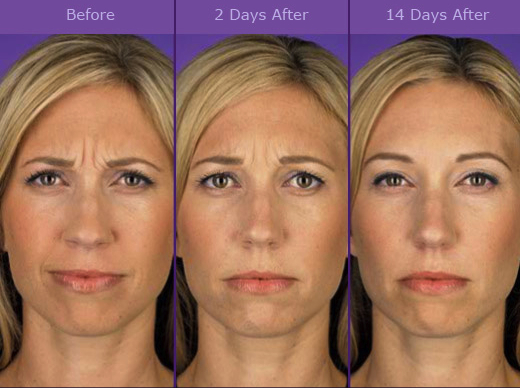
The results point to Botox as an effective means of treating depression, especially in patients who are resistant to other treatments for depression. By relaxing the frontalis muscle and glabellar complex in the forehead, Botox makes it difficult for an individual to frown, which in turn appears to have a positive effect on mood and well-being. If you can’t frown, then you can’t fully experience the distress which a frown would ordinarily express, causing a modification of mood.

Botox is also used for correction of lines and wrinkles around the eyes, migraine headaches, temporomandibular joint disorder (TMJ), and excessive sweating.

For those of you in the Los Angeles area who are interested in Botox treatments, please visit http://www.drstaceynaito.com/botox-treatments
Botox Versus Xeomin

BOTOX® was FDA-approved for the treatment of facial wrinkles in 2002, and since that time has become a youth elixir for many people, smoothing wrinkled foreheads and eye areas. However, in recent years, new Botulinum neurotoxin forms have become available to consumers which promise better results. As someone who has had extensive experience as an injector, I am not easily sold on the idea that a competitor’s product is always better. The most recent competitor to Botox is Xeomin which uses the same active ingredient as Botox and promises of results which last as long as six months. It is the preferred form of neurotoxin for use in patients who have developed antibodies to the more complex Botox and Dysport molecules.
xeomin-232

The simplicity of Xeomin increases its appeal. Unlike Botox and Dysport, Xeomin contains only one ingredient: botulinum toxin A, and thus is referred to as a “naked injectable,” meaning that it does not contain any additives. The major benefit of Xeomin is that the human body is less likely to become resistant to it. Xeomin is dosed in the same manner as Botox, using the same unit measure, and costs about the same as Botox. Common side effects, such as minor swelling, headache and bruising, are the same as with Botox. Yet Xeomin can potentially last up to six months, which is wonderful news for patients who typically get a three month result from Botox or Dysport.

rnav-xeomin-boxes

I would recommend Xeomin for any patient who has noticed a decreased response of duration of effect from Botox treatments, as it may provide a solution to those issues. Be sure to follow the same pre and post treatment guidelines that you are instructed to follow when receiving Botox or Dysport treatments. Also be aware that Xeomin’s onset of action may take longer to assert itself, so if you are accustomed to seeing results from Dysport in a day or Botox results in a few days, it may take up to a week or more to see Xeomin’s results.