Vibration Plate Health Benefits

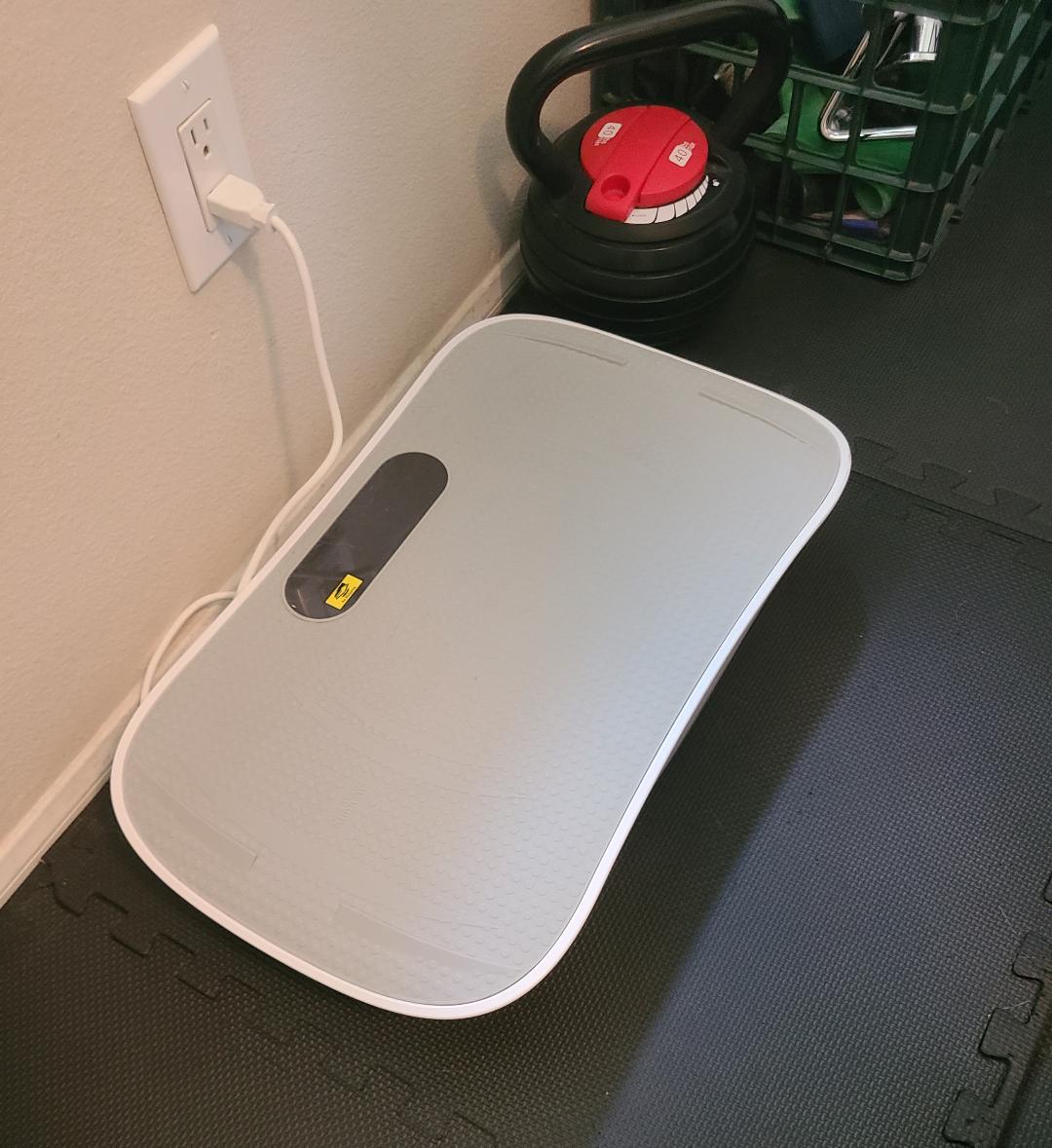
This is the vibration plate I use. There is a link in this article, but I am not being compensated for sharing the link. I truly like it!

Vibration plate therapy, also known as whole-body vibration (WBV), is a fitness and rehabilitation method that involves standing, sitting, or exercising on a machine with a vibrating platform. These vibrations transmit energy to the body, causing muscles to contract and relax dozens of times per second. One of the most appealing aspects of vibration therapy is that it doesn’t require a huge time commitment—even just 10 to 15 minutes a few times a week can offer substantial benefits. I make sure to use my vibration plate for 10 minutes daily, and once a week, I will double my time on the plate.

Key Health Benefits:

1. Improves Muscle Strength and Tone

The rapid muscle contractions stimulated by the vibration plate help build strength and tone. This can be especially helpful for people who find traditional strength training challenging due to joint pain or mobility issues.

2. Boosts Circulation

The vibrations encourage better blood flow, which can enhance oxygen and nutrient delivery throughout the body. This improved circulation supports cardiovascular health and may help reduce swelling in the extremities.

3. Enhances Lymphatic Drainage

The stimulation helps activate the lymphatic system, aiding in the removal of toxins and waste from the body. This can reduce puffiness and support immune function.

4. Increases Bone Density

Regular use has been shown to help maintain or improve bone density, making it a valuable therapy for those at risk of osteoporosis or bone loss—particularly postmenopausal women.

5. Supports Balance and Coordination

By challenging your stability, vibration therapy activates deep core muscles and can enhance proprioception (your sense of body position), which is beneficial for fall prevention and general agility.

6. Aids in Weight Management

While it’s not a calorie-torching workout, WBV can slightly boost metabolism and support fat loss when combined with a healthy lifestyle. It’s often used as a supplement to other forms of exercise.

7. Reduces Muscle Soreness and Aids Recovery

Athletes and physical therapy patients often use vibration plates to reduce delayed-onset muscle soreness (DOMS) and promote faster recovery after strenuous activity. This is the main reason why I bought a vibration plate for my home, and I swear it makes a huge difference in recovery from my workouts.

8. Helps with Joint Pain and Flexibility

The gentle stimulation can increase joint mobility and reduce stiffness, making it an appealing option for people with arthritis or chronic pain.


Minimal Time Commitment, Maximum Results

One of the greatest advantages of vibration plate therapy is how time-efficient it is. Sessions are short—typically 10 to 15 minutes—yet they activate multiple muscle groups simultaneously. This makes it an ideal option for busy individuals, older adults, or those recovering from injury who want a low-impact but effective form of exercise.

Whether you use it as a stand-alone therapy or a complement to a broader fitness routine, vibration plate therapy offers a wide range of benefits in very little time.

Resistance Training: The Ultimate Anti-Aging Tool

Regular resistance training is one of the most powerful tools for maintaining youthfulness and slowing down the aging process. It benefits the body and mind in multiple ways, including preserving muscle mass and bone density, improving digestion, boosting cardiovascular fitness, and benefitting cognition and mental attitude. Let’s explore these in detail:

1. Muscle Mass Preservation and Growth

As we age, we naturally lose muscle mass—a process called sarcopenia—which can lead to frailty, loss of mobility, and metabolic decline. Resistance training:

  • Stimulates muscle protein synthesis, helping to maintain and build lean muscle.
  • Increases metabolic rate, making it easier to maintain a healthy weight.
  • Enhances insulin sensitivity, reducing the risk of type 2 diabetes.
  • Supports functional strength, improving balance and reducing the risk of falls and injuries.

2. Skin Integrity and Anti-Aging Effects

The skin’s health and appearance are directly affected by lifestyle choices, including exercise. Resistance training:

  • Improves circulation, ensuring better oxygen and nutrient delivery to skin cells.
  • Stimulates collagen production, which helps maintain skin elasticity and reduces wrinkles.
  • Reduces cortisol levels, lowering inflammation and minimizing stress-induced skin aging.
  • Increases human growth hormone (HGH) levels, which contributes to cell regeneration and youthful skin.

3. Digestive Health and Metabolism

Aging often slows digestion and can lead to issues like bloating, constipation, and poor nutrient absorption. Resistance training:

  • Speeds up metabolism, ensuring efficient digestion and energy utilization.
  • Stimulates gut motility, reducing the risk of constipation.
  • Helps regulate hormones like insulin and cortisol, which affect digestion and appetite control.

4. Cardiovascular Fitness and Longevity

While resistance training is not traditionally associated with cardio health, it plays a crucial role in keeping the heart young. It:

  • Lowers blood pressure and improves vascular flexibility, reducing strain on the heart.
  • Enhances circulatory function, improving blood flow and oxygen delivery to tissues.
  • Reduces inflammation, lowering the risk of heart disease.
  • Helps control cholesterol levels by reducing LDL (bad cholesterol) and increasing HDL (good cholesterol).

5. Joint Health and Mobility

Contrary to the myth that weightlifting damages joints, resistance training actually protects and strengthens them. It:

  • Increases the production of synovial fluid, which lubricates the joints.
  • Strengthens the muscles around joints, providing better support and stability.
  • Reduces inflammation associated with conditions like arthritis.
  • Improves flexibility and mobility, reducing stiffness and pain.

6. Bone Density and Strength

Osteoporosis and bone fractures become major concerns with aging. Resistance training combats this by:

  • Stimulating osteoblast activity, which helps build stronger bones.
  • Increasing bone mineral density, reducing the risk of fractures.
  • Enhancing posture and balance, minimizing fall-related injuries.
  • Supporting calcium and vitamin D absorption through hormonal regulation.

7. Hormone Regulation: Testosterone, HGH, and More

One of the most underrated benefits of resistance training is its ability to optimize hormone levels, which naturally decline with age. Strength training has been shown to:

  • Boost testosterone production, which is essential for muscle maintenance, fat metabolism, energy levels, and libido in both men and women.
  • Increase human growth hormone (HGH), which supports tissue repair, fat loss, and skin regeneration.
  • Improve estrogen balance in women, reducing the risk of osteoporosis and metabolic disorders.
  • Lower cortisol levels, reducing stress, inflammation, and belly fat accumulation.
  • Improve thyroid function, enhancing metabolism and energy levels.

8. Mental Attitude and Cognitive Health

Aging isn’t just physical—it’s mental. Resistance training improves cognitive function and emotional well-being by:

  • Releasing endorphins, reducing anxiety and depression.
  • Boosting dopamine and serotonin, improving focus, clarity, and happiness.
  • Enhancing memory and brain function, reducing the risk of dementia.
  • Increasing self-confidence, making you feel strong and capable at any age.

9. Resistance Training and Insomnia

Struggling with sleep? Resistance training can help improve sleep quality and reduce insomnia by:

  • Reducing cortisol levels, helping the body wind down for sleep.
  • Boosting deep sleep cycles (slow-wave sleep), which is crucial for recovery and memory consolidation.
  • Regulating circadian rhythms, ensuring better sleep-wake cycles.
  • Reducing stress and anxiety, making it easier to relax at bedtime.
  • Increasing energy during the day, leading to natural tiredness at night.

Conclusion

Regular resistance training is one of the most powerful ways to stay young, both physically and mentally. It preserves muscle, strengthens bones, supports joints, enhances skin health, regulates digestion, protects the heart, optimizes hormone levels, improves sleep, and boosts mental well-being. If you want to age with strength, vitality, and confidence, lifting weights should be a non-negotiable part of your lifestyle! 💪

6 Interesting Benefits of Yoga for Seniors

Photo credit: Rawpixel


By Karen Weeks

Karen Weeks – Elderwellness.net

karen@elderwellness.net

Yoga can be practiced by anyone at any point in their life. Participation in yoga has nearly doubled in just a couple of years as people have realized the powerful health benefits that it provides. If you’re a senior who is considering getting started in yoga, here are some benefits you may enjoy from your practice.


  1. Better dental health


There is a well-defined link between mental health problems, like stress and depression, and poor dental health. When you’re stressed out, your immune system is weakened and your gums are more prone to bacterial invasion. Antidepressants can also dry out your mouth, which can make it harder to wash food away from your teeth and gums. If you tend to grind your teeth when you’re stressed out, you can also have problems with your jaw. 


Yoga is an excellent activity to help relax you. You learn better breathing patterns as well as how to soothe your mind and body. These are good stress-reducing activities that have long-term effects. Despite yoga’s benefits for oral health, you should still find a dentist to visit if you have problems with tooth or jaw pain.


  1. Improved gut health


Changing diet and age can reduce the overall diversity of microbes in the gut, and this lack of diversity can make the body less healthy and responsive. Hyperbiotics explains that exercise can boost gut health by improving the gut microbiome. The gut microbiome is the collection of microbes that naturally live in our bodies and help us digest. Yoga is one easy exercise you can start, even if you haven’t exercised in a while. This physical activity will help you achieve a happier gut, which will help you feel happier overall.


  1. Healthier joints


Yoga can improve flexibility and joint health. When it’s paired with meditation, it can reduce stiffness. Part of this comes from learning proper alignment of the body, as well as learning how to modify poses that can help minimize pain in your body. Meditation helps you develop a greater awareness of the stiffness in your body and work on relaxing whatever might get stiff.


  1. Reduced blood pressure


Research has suggested that yoga and meditation as a possible way to alleviate mild problems with blood pressure. Yoga can be a light-intensity activity, which is great if you’re a beginner. Physical activity is recommended for people who have high blood pressure, and yoga can be a big part of that. It can also help your stress response which can impact your blood pressure. Yoga is a good combination of getting your heart rate up while also relaxing your body and mind.


  1. Better balance


Research has demonstrated that yoga can be a powerful way to improve balance and mobility in older populations. This is especially important in arming you against potential falls and bone breaks. Yoga has all sorts of poses that can help you gain strength and balance within yourself, such as “tree pose.” It will also help you improve your core strength, which helps your balance as well.


  1. Strong bones


A critical part of bone health is getting physical activity. Some activities are better than others when it comes to building and maintaining strong bones. Yoga is one of these activities, as you build greater strength in your muscles and bones, and you can do it all in a low-impact way. However, if you have low bone density, make sure you do alternatives to specific poses or avoid them outright, such as forward folds and spinal twists. Listen to your body, and avoid any pose that feels painful.


Where to Do Yoga


Now that you’ve learned all about yoga’s benefits, you may be interested in how to get started on your own yoga practice. The beauty of yoga is that it can be practiced in the comfort of your own home. You can access fitness apps on a fitness tracker or other device to learn yoga poses, or refer to YouTube exercise videos that are geared toward seniors. You may also find that during your at-home practice, you’ll want to enhance your yoga routine with additional exercises like stretches, chair exercises, and resistance training. Mixing up your exercises can help you stay motivated and improve workout performance.


If you’d prefer to practice yoga outside of the home, you can learn from a professional yoga instructor who can teach you how to do each pose properly. You can check out some yoga studios in your neighborhood; some may even offer classes specially suited for seniors. 


An important part of starting your yoga practice is modifying it to fit your individual circumstances. Start slowly, and focus on poses that you’re comfortable with. As long as you’re careful and comfortable with your progress, yoga is worth giving a try in your senior years.

Great Article In Men’s Health On Weights and Longevity

Source: 123rf.com
Image ID : 109191704
Copyright : Michal Bednarek

Click on the link here to access the article from Men’s Health Magazine:

https://www.menshealth.com/fitness/a19517546/lifting-weights-helps-you-live-longer/?fbclid=IwAR1Da9QtT4YbIqFv6YhwGniCGry46Mvaczy9Zo7ObSTedXkw1gPsl0QGpoU

A recent study from Penn State College of Medicine revealed that strength training reduced the risk of death in subjects aged 65 and older. The study surveyed people 65 and older about their exercise habits and then followed them for a 15 year period. Of the less than 10 percent of subjects who lifted weights, they were 46 percent less likely to die during the course of the study than other subjects.

Strength training combats the age-related muscle loss which occurs over time, improves bone density, and is also correlated with improved mood, memory and concentration. Even individuals who have never weight trained in the past can easily incorporate resistance training into their regular routine and reap the multiple benefits which it confers.