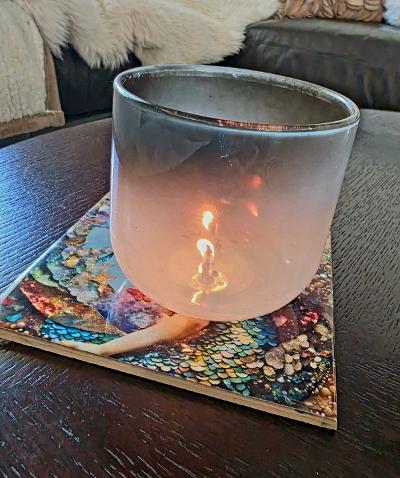
There’s nothing quite like the warm glow of a candle—until you notice a dark, smoky film coating the inside of the glass jar. Black soot can make a beautiful candle look dirty, but more importantly, it’s often a sign that the candle isn’t burning as cleanly as it could.
The good news? Soot buildup is usually preventable. Understanding what causes it and making a few simple changes to how you burn your candles can help keep the glass cleaner and the flame healthier.
What Causes Black Soot in a Candle Jar?
Black soot is primarily made up of tiny carbon particles produced when a candle’s wax doesn’t burn completely. Ideally, the wax vapor combines with oxygen and burns relatively cleanly. When combustion is incomplete, however, some of the carbon forms soot.
Several factors can contribute to this.
1. The Wick Is Too Long
One of the most common causes of soot is an oversized or excessively long wick. As a wick grows longer, the flame can become larger and less stable. A large, flickering flame may produce more carbon particles, which can then travel upward and settle on the glass.
Solution: Trim the wick to approximately 1/4 inch before each burn. This helps maintain a controlled flame and reduces unnecessary smoke and soot.
2. The Flame Is Flickering
A candle flame that constantly dances, leans, or flickers can produce more soot. Drafts from fans, air-conditioning vents, open windows, or people walking nearby can disturb the flame and interfere with consistent combustion.
Solution: Place candles away from drafts and high-traffic areas. A steady flame generally burns more cleanly than one that is constantly being disturbed.
3. The Wick Contains Too Much Carbon Buildup
During burning, a small amount of carbon can accumulate at the tip of the wick, sometimes forming a mushroom-shaped bulb. This buildup can make the flame larger and more prone to flickering and smoking.
Solution: Extinguish the candle, allow it to cool completely, and trim away the mushroom-shaped portion before the next burn.
4. The Candle Is Burning for Too Long
Long, uninterrupted burns can cause the melt pool to become very large and the wick to become increasingly hot. Depending on the candle’s design, this may contribute to an unstable flame and increased soot.
Solution: Follow the manufacturer’s recommended maximum burn time. As a general practice, avoid leaving a candle burning for many consecutive hours.
5. The Wick May Not Be Properly Matched to the Candle
Candle making is a careful balance between the wax, fragrance, wick, container, and other components. A wick that is too large for the candle can create an overly large flame and excessive soot.
This is primarily a candle-design issue rather than something the consumer can always correct through trimming.
Solution: Choose candles from manufacturers that conduct proper wick testing. If you make candles yourself, test wick sizes and combinations thoroughly rather than assuming one wick will work for every wax, fragrance, and container.
How to Prevent Soot From Building Up on the Glass
A few simple habits can make a noticeable difference.
Keep the Wick Trimmed
Before lighting your candle, trim the wick to about 1/4 inch. If the wick has developed a large carbon “mushroom,” remove it once the candle has cooled.
Keep Candles Away From Drafts
Avoid placing candles directly beneath ceiling fans, next to open windows, or near air vents. A calmer environment helps the flame remain stable.
Don’t Burn the Candle Excessively
Use the manufacturer’s recommended burn time and allow the candle to cool between burns. Avoid burning a candle when only a small amount of wax remains at the bottom of the container.
Don’t Move a Candle While It’s Burning
Moving a lit candle can disturb the flame and cause hot liquid wax to shift. Extinguish it first, allow it to cool, and then relocate it.
Choose Well-Made Candles
If soot repeatedly accumulates despite proper wick trimming and burning conditions, the candle itself may be contributing to the problem. Look for candles from reputable manufacturers that properly test their wick and wax combinations.
What If the Glass Is Already Covered in Soot?
Don’t worry—a sooty candle jar can often be cleaned.
First, extinguish the candle and allow it to cool completely. Wipe the exterior and accessible interior glass gently with a soft, dry cloth or paper towel to remove loose soot. For stubborn residue, use an appropriate glass-cleaning solution on a cloth, taking care not to contaminate the remaining wax or wick.
Never clean or handle the jar while the candle is hot.
The Bottom Line
Black soot on a glass candle jar is usually the result of incomplete combustion, and an overly long wick, a flickering flame, drafts, excessive burn times, or an improperly matched wick can all play a role.
The simplest prevention routine is easy: trim the wick, keep the candle away from drafts, burn it for reasonable periods, and follow the manufacturer’s care instructions.
A little candle maintenance goes a long way toward keeping that beautiful glass jar clear—and helping your candle burn more consistently from one use to the next.

