Everyday Health Made Easy: Small Shifts That Build a Better You

Image: Freepik

Here’s an article with easy tips to get your mind and body in gear! It was written by Camille Johnson of Bereaver.com

Improving your health doesn’t have to mean turning your life upside down. It’s not about chasing extreme diets or waking up at 4 a.m. to train like an Olympian. Real wellness lives in the everyday stuff — how you move, what you eat, the way you breathe when life gets chaotic. When you stack up the right small habits, they start to carry serious weight, and before you know it, you’re showing up for yourself in a way that feels solid, not stressful.

Start the Day on Your Terms

Waking up just fifteen minutes earlier can be a game-changer, especially if you’re usually scrambling to get out the door. That short pocket of quiet lets you center yourself without jumping straight into reactive mode. Maybe it’s sipping coffee while watching the sun rise, maybe it’s journaling, stretching, or just sitting with your thoughts before the day floods in. Whatever you choose, starting slow gives you more control over how the rest of your day unfolds.

Prioritize Hydration

You’d be amazed at how often what feels like fatigue, hunger, or brain fog is actually just dehydration in disguise. Water isn’t flashy, but it’s fundamental. Carry a water bottle you like, refill it often, and drink before you feel thirsty. When you’re hydrated, your joints feel better, your digestion works smoother, and your mood steadies itself without much effort.

Invest in Career Fulfillment with an Online Degree

It’s hard to feel truly well when your work drains more than it gives. Career fulfillment isn’t just a luxury — it’s a major pillar of overall well-being, and sometimes, leveling up means going back to school with purpose. Choosing from an array of accredited online programs makes the process accessible and flexible; for example, online healthcare programs are readily available if you’re interested in healthcare administration. Online programs are built to support working professionals who want to grow without putting their lives on hold.

Protect Your Mental Bandwidth

You only get so much mental energy in a day — guarding it isn’t selfish, it’s survival. Say no when you need to, mute notifications that suck you into pointless scrolling, and don’t feel bad about opting out of drama. Protecting your peace helps you stay focused on what actually matters. You can’t do everything, and pretending you can is just a shortcut to burnout.

Begin a Fitness Routine That Works for You

The hardest part of any fitness journey is usually just getting started, especially if you’ve been out of the game for a while. Forget chasing fads or forcing yourself into workouts you dread — the key is finding something you don’t hate showing up for. You might begin with bodyweight moves at home, join a local walking group, or enroll in an online exercise program led by Stacey Naito, who brings both expertise and encouragement.

Eat With Intention, Not Restriction

Food doesn’t have to be complicated or joyless to be nourishing. You don’t need to give up the things you love, but it helps to check in with how meals make you feel, not just how they taste. Aim for balance — colorful produce, good fats, clean proteins — but leave space for treats without guilt. The goal is to enjoy food that fuels you, not follow a rigid plan that makes you dread your plate.

Create a Sleep Ritual You Actually Look Forward To

Scrolling your phone until your eyes burn isn’t exactly a bedtime strategy, even if it feels like wind-down time. Building a simple sleep ritual trains your brain to transition out of the chaos. Maybe it’s dimming the lights, reading for ten minutes, or running a hot bath before crawling under the covers. Sleep is when your body repairs, and if you treat bedtime like an afterthought, it’s going to show up in your mood, energy, and focus the next day.

Lean Into Joy and Human Connection

You’re not a machine — you need joy, spontaneity, and people who remind you who you are outside of your responsibilities. Grab coffee with a friend, take a weekend road trip, belt your favorite songs while driving. Laughter, touch, shared experiences — those aren’t extras, they’re part of feeling whole. When life starts to feel mechanical, reconnecting with others can shift everything back into color.

Well-being isn’t some far-off summit you have to claw your way up — it’s woven into the tiny, doable decisions you make every single day. When you show up for yourself with habits that support your mind, body, and spirit, you’re not just surviving — you’re building a life you actually enjoy living. Don’t wait for a perfect Monday or some magical motivation to strike. Start now, with what you have, and let those choices carry you to a version of yourself that feels stronger, calmer, and more alive.Elevate your wellness journey with expert nutrition and fitness plans from Stacey Naito—start transforming your lifestyle today!

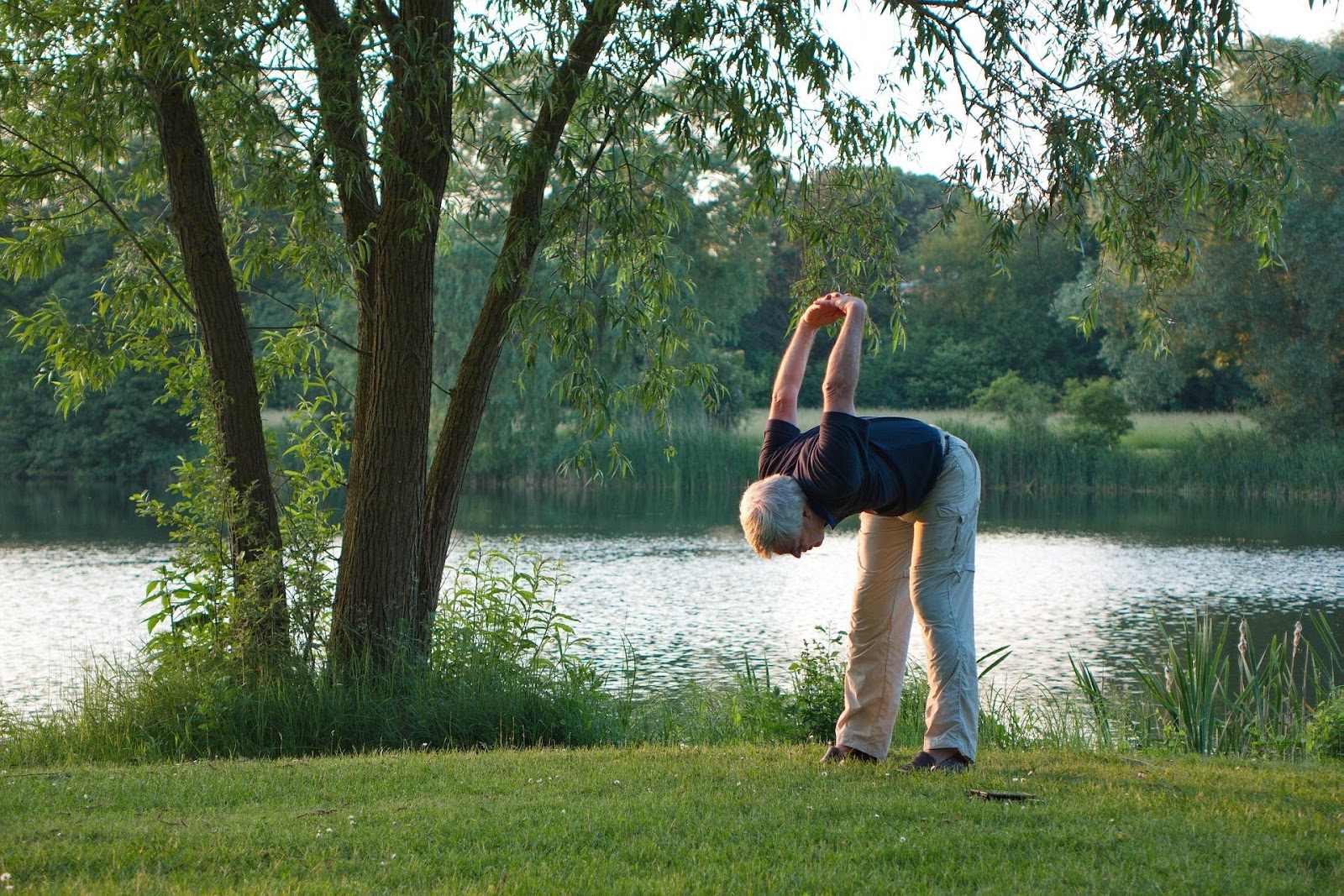
Uncover the Roots of Stress and Master Effective Management

Image: Freepik

Here’s another fantastic article by Camille Johnson of bereaver.com which offers tips on managing stress.

In the whirlwind of modern life, stress often becomes a constant, yet unwelcome, companion. Its presence can be pervasive, affecting various aspects of our lives. Recognizing the sources of stress and developing effective strategies to manage it is not just beneficial; it’s necessary. This article dives into the primary causes of stress and equips you with practical ways to address them, aiming to bring balance and tranquility to your daily life.

Identify Your Stress Triggers

To manage stress, it’s imperative to pinpoint what triggers it. Stressors vary widely, encompassing aspects like work pressures, relationship dynamics, and personal responsibilities. By understanding these triggers, you can devise targeted strategies to mitigate their impact. This process involves self-reflection and may require changes in both perspective and lifestyle, but the reward is a more peaceful and manageable life.

Prioritize Fitness

Beginning a fitness routine is a powerful tool in combating stress, as it brings both physical and psychological benefits. Engaging in regular exercise leads to the release of endorphins, known as the body’s natural mood elevators, which help in reducing stress levels and enhancing overall mood. Physically, exercise improves cardiovascular health and increases strength and stamina, contributing to a greater sense of well-being and resilience against stressors. Additionally, a fitness routine provides structure and a sense of achievement, which can be particularly beneficial for mental health. It also offers a positive distraction, allowing for a break from daily stressors and the opportunity to focus on personal health and well-being. Discover a balanced and healthier you with customized nutrition and fitness plans from Stacey Naito!

Balance Work and Life

A common source of stress is the struggle to balance professional and personal life. This doesn’t mean compromising career goals but finding a harmony that supports both professional success and personal happiness. Here are some steps you can take to live a balanced life that is less stressful and more fulfilling:

  • Set boundaries: Establish clear boundaries between work and personal life. Define specific working hours and stick to them, avoiding excessive overtime. 
  • Prioritize self-care: Make self-care a non-negotiable part of your routine. Prioritizing self-care ensures you have the energy and resilience to handle work stress.
  • Delegate: Delegate tasks when possible, both at work and home, to reduce your workload and free up time for other activities. 
  • Learn to say “no”: Saying “no” when necessary prevents burnout and allows you to maintain a healthier work-life balance. It’s important to set realistic expectations for yourself and others.

Consider Alternative Stress Therapies

Exploring alternative therapies can provide a distinctive path to stress relief, complementing traditional methods. The following methods have been recognized for their potential in managing stress:

  • Aromatherapy: The use of essential oils like lavender, chamomile, and rose have been shown to promote relaxation and emotional well-being.
  • Biofeedback: Biofeedback techniques use sensors to monitor physiological functions like heart rate and teach individuals how to control them. It can be effective in managing stress by providing real-time feedback on stress responses.
  • Progressive muscle relaxation: This technique involves systematically tensing and relaxing different muscle groups to release physical tension and promote relaxation, making it an effective stress management tool.
  • THCa: Found in raw cannabis, THCa is a non-psychoactive compound that can offer stress relief benefits. It’s typically consumed in its natural form—explore the allure of THCA diamonds.

Practice Mindfulness and Relaxation

Mindfulness is a powerful practice for relieving stress by bringing one’s full attention to the present moment without judgment. By cultivating awareness of thoughts, feelings, and bodily sensations, individuals can better understand their stressors and learn to respond to them in a more balanced way. Mindfulness meditation techniques, such as deep breathing and body scanning, promote relaxation and reduce the physiological effects of stress, such as elevated heart rate and muscle tension. Over time, regular mindfulness practice can lead to increased resilience, improved emotional regulation, and a greater sense of calm, making it an effective tool in stress management.

Cultivate a Positive Mindset

Cultivating a positive mindset can act as a protective barrier against life’s stresses. Adopting an optimistic attitude, acknowledging your successes, setting achievable goals, and engaging in self-compassion are powerful tools in diminishing the effects of stress. Additionally, being in the company of uplifting individuals and consistently nurturing a hopeful perspective not only wards off stress but also enhances overall life satisfaction. These proactive measures contribute to building resilience, enabling you to navigate life’s challenges with greater ease and confidence.

Stress, while an inevitable part of life, doesn’t have to dominate it. By identifying its sources and adopting a comprehensive approach that encompasses physical, mental, and alternative strategies, you can effectively manage stress. This journey is about discovering what uniquely works for you, leading to a balanced and fulfilling life where stress is manageable, not overwhelming. Remember, prioritizing your well-being is not just beneficial; it’s essential.

How to Reach or Maintain a Healthy Weight in Your Senior Years

Photo by Pixabay

Check out this wonderful and informative article by Camille Johnson of Bereaver.com.

When we get older, maintaining a healthy weight can be a struggle. Our metabolism slows down, and it becomes more difficult to get enough exercise. Still, it’s important to maintain a healthy weight. Critical aspects of your overall wellness, including your blood pressure, cholesterol, and risk for diabetes can be affected, so staying a healthy weight can help you live longer. These tips courtesy of StaceyNaito.com will help you achieve your target for good health.

Get moving

One of the most important ways of losing or maintaining weight is exercise. Start slowly by walking around the block, learning tai chi, or trying a water aerobics class. If you’ve not been particularly active recently, talk to your doctor about finding a safe way to start an exercise routine. An occupational or physical therapist can help you determine your abilities, especially if you’ve suffered an illness or injury in the past. These resources are great starting points for seniors who want to adopt an exercise routine.

  • Look for ways to incorporate movement into your daily tasks.
  • Set a timer to remind you to stand up and move around a bit every hour.
  • Use the buddy system. Find a friend to walk or exercise with, for fun and accountability.
  • Mayo Clinic suggests parking farther away from the store, and enjoy the walk. Take the stairs when you can.
  • Seniors who are considering an assisted living situation should look for facilities that offer amenities like walking trails, gyms, and group fitness sessions. 

Watch what you eat

Be mindful of what you eat each day, in terms of ingredients and calorie count. Stick to whole foods as much as possible, and read food labels for processed products you buy. Avoid fatty meats, instead opting for fish, lean chicken, pork, or beef cuts. Protein is especially important for your diet, because it helps build up the calcium in your bones, so be sure you’re getting enough.  Having some protein with every meal and snack will keep you fuller for longer, which prevents you from overindulging on empty calories.

  • Greek yogurt is a great choice for a snack or part of a meal.  One serving has 17-18 grams of protein. 
  • Try ancient grains, such as teff, kamut, or quinoa.  These grains are healthy as they tend to be higher in protein, vitamins, and other nutrients, and are often lower in gluten..
  • Add some green peas to your salad, soup, or main dish.  They pack 8 grams of protein per cup, and bring other nutrients, as well as fiber to your diet.
  • Hummus is a tasty high protein dip for veggies. People trying to lose weight can enjoy it in moderation, and for those who need to gain weight, eating it more frequently is a great choice.

Get Hydrated

It’s important to stay hydrated no matter your age or fitness level, but as a senior citizen, you probably aren’t getting as much water as you need, especially if you’re active. Keeping a bottle of water with you can help you remember to sip throughout the day, and you can also add more water-dense foods to your diet to keep your bones, muscles, joints, and skin healthy.

  • Have a glass of water at certain times each day. In addition to helping you stay hydrated, it can also help prevent you from eating too much.
  • Remember that hot weather and high altitudes both increase your risk of dehydration, so increase your water intake when these conditions are affecting you.
  • Cleveland Clinic notes health issues that involve fever, vomiting, or diarrhea increase your need for water.
  • Ensure you’re drinking at least two liters of water every day.

Remember that your body is the only one you have, and you have to take care of it at every age. The more love you show your body by feeding and hydrating it well, and exercising, the more chances you’ll have for a longer, more comfortable life.

Dr. Stacey Naito of StaceyNaito.com offers customized meal plans, exercise regimens, and natural hormone balance to people who don’t want to compete but just want to lose weight, gain weight, or get toned. Contact Dr. Naito today to learn more!