Overcoming The Daily Grind: How Women Can Focus On Their Health

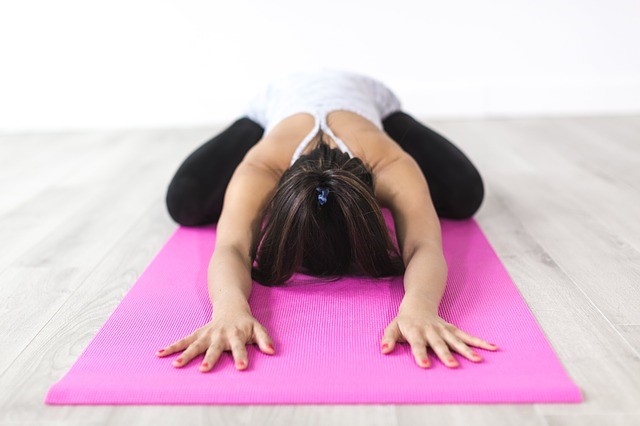
Photo via Pixabay by Stocksnap

Attention ladies…how can you focus on yourself in the midst of a hectic lifestyle? Read on to see what Sheila Olson of fitsheila.com has to say!

– By Sheila Olson

For many women, finding the time to focus on their overall well-being can be a challenge. Busy work schedules, spending time with family, and personal projects can sometimes prevent us from taking the time we need to take care of our bodies and minds, leaving us feeling exhausted and without the defenses we need to stay healthy. While having a routine can be a great thing, it can also become monotonous, leaving you with the feeling of being stuck in that “daily grind” everyone talks about.

Fortunately, there are several things you can do to boost your health and overall well-being without sacrificing the time you need to spend on other things. Making small changes to your lifestyle and routine will help you boost your energy, immune system and self-esteem, all while ensuring that you stay efficient and productive.

Keep reading for some great tips on how to get started.

Ask for help

No matter how productive you are, there’s just no way you can do everything by yourself, so don’t even try! Ask for help now and then, especially when it comes to managing your time. Not only will this help you get everything done, it will reduce stress at the same time. Think about the small things that will have a big impact, such as delegating chores to the kids or hiring a dogwalker to take care of your pup while you focus on other things.


Get in a daily workout

It may seem easier said than done, but it’s actually not that hard to fit in a workout if you know where to look. Many people think that their exercise routine needs to be done in a gym, for at least an hour at a time, with fancy equipment and gear, but the truth is, you can break up your workout into two fifteen-minute increments and get some nice results. You can also try yoga or simply use the tools you have around you including stairs instead of heading to the gym.

Eat well-balanced meals

Eating healthy isn’t always easy when you have a packed schedule; many women find themselves settling for fast food or even finishing what’s left on their child’s plate rather than making something good for themselves. If time is an issue, consider preparing some healthy meals ahead of time such as on a Sunday night and freezing them for the week. It will also help to keep quick, easy foods like pre-mixed salad, fruit, granola and oatmeal at the ready so you can make a healthy meal even when you don’t have much time.

Fuel up at work

When you spend long hours at the office, it can be hard to focus on your needs. Schedule breaks in which you can meditate, read a good book, go for a walk around the block, or eat a healthy snack. This will not only help you stay physically healthy, but mentally as well.

Getting over the daily grind and focusing on yourself is a must in today’s busy world. No matter what kind of job you have, or what responsibilities await you at home, it’s important to remember that your health matters. Find small ways to reduce stress as much as possible, and don’t forget to ask for help! Learn to say no if it takes away from some much-needed self-care; you’ll thank yourself later.

Clean House, Clean Mind!

No one should have to live like this!

The phrase which I have used for the title of this post is one which always intrigued me, perhaps mostly due to the fact that I grew up in a household in which various areas were “clutter zones”. This is not to say that I grew up in a messy home. My mom was actually quite tidy, and a neat freak. But I never saw more than half the surface of the dining room table, since the other half was covered with one foot high stacks of bank statements, other financial documents, greeting cards and letters from family. In like fashion, about a third of our coffee table was piled with astrology guides, tv guides, and other books which my mom was reading. Stacks of papers and magazines sat next to our living room sofa. My mom’s bedroom had banker’s boxes instead of furniture at the foot of the bed.

I also was witness to my mom’s extensive collection of jewelry and clothing. Though we had six closets, only one was filled with my clothing, while all the rest were jam-packed with my mother’s clothing. Some of the clothing had never been worn and had the price tags still attached. I admit that I knew this behavior was unusual, but I did not know how pervasive such behavior was in my mom’s family until I went to Hawaii and saw that my aunts and uncles also practiced the same behavior. Some of my relatives were so extreme in their tendency to hold onto things that they earned the label of pack rats. In fact, when one of my uncles had a severe stroke and had to be placed in a convalescent home, my cousins discovered five-foot high stacks of newspapers throughout the house in a serpentine pattern (leaving just enough room for a person to wiggle through the house), moldy food in the refrigerator, Japanese antiques which were stuffed in a room collecting dust, and a plethora of other collectibles and junk which made it next to impossible for him to use the kitchen, toilet or sleep in his bed.

When my mom became ill in 2006 and had to be placed in a convalescent home, the task of cleaning her apartment fell upon me. The enormity of sorting through all the things my mother had collected was overwhelming, and I shut down emotionally numerous times. I was shocked to find collectibles that had never been displayed, bank statements going as far back as the 1950’s, hundreds of pairs of earrings and shoes, about 150 handbags, etc. Suddenly it was left up to me to determine what items of my mom’s were worthy of being kept. Since these items could not be stored at the nursing home, they were stored in my garage and my closet. My mom still asks about her things and becomes angry if I tell her that we had to sell or give away many of the items she had collected over the decades. I did my best to keep what she deemed most valuable, either monetarily speaking or in terms of sentimental value. It always breaks my heart when I see her upset over losing her things.

My favorite aunt, two years older than my mother, was probably the worst-stricken in the family when it came to hoarding. She never had children and was a widow for 34 years when she finally passed away in 2017 at the age of 86 from ALS. Before she became ill, I remember hyperventilating upon entering her house, because the clutter was so extreme. I used to marvel at her insistence on keeping 60 plastic Smurf miniatures in her tiny bathroom, and used to wonder why she had a collection of about 200 plastic food storage containers when she lived alone. My aunt’s collections were numerous and extensive.

If you have ever tuned into the show “Hoarders” you would get a sense of what my aunt’s environment was like. My aunt’s belongings swallowed up her living space so severely that she was unable to stretch out on her bed, and could barely get to her toilet because there was so much junk in the bathroom. My aunt didn’t have access to her front door for over ten years because she had so much junk stacked up in front of it. Instead, she used the side door leading out from the kitchen to access her residence.

In January of this year I had to move from a place I had been in for close to six years. Though I have gone through my entire adult life very successfully squashing any hoarding tendencies that may be hidden in my genetic makeup, I had still acquired many things over the years. Once I was in the new place and had to sort through everything, I was ready to enter full purge mode, and got rid of a lot of things I no longer needed, and it felt FANTASTIC. That is saying a lot since I go through the bulk of my belongings three to four times a year and perform regular purges.

When it comes to your belongings, don’t allow yourself to become encumbered by them. Don’t hold onto feelings of guilt. If you haven’t used something in a while and it is collecting dust, get rid of it. There is probably someone out there who will use it and will appreciate it. If there is something you haven’t used or worn because you are waiting for the right occasion, either USE IT or let it go! I used to frequently argue with my mom about our differing philosophies about objects. She always told me I was hard on things. Scratches on my watches and my shoes were deemed by my mom to be marks of carelessness, when in contrast, my mom sequestered similar items in boxes and tissue paper for decades, never to be worn or used, in a static, pristine state and hidden under a bed or a drawer. I will continue to use the things I possess and will not worry about wear and tear. I will also make sure that tables and all the living areas of my house serve only their intended purposes, and that my storage areas never get to the point where they are overflowing.

If you know a hoarder, please GET HELP. http://hoardershelp.org/

Exercise, Self-Care, and Finding the Right Balance to Boost Your Overall Wellness

Photo credit: Pixabay.com

Please check out this excellent article by Shiela Olson which explores the delicate balance between pushing yourself to the next level and nurturing yourself at the same time.

– By Sheila Olson of fitsheila.com

You’ve decided you’re ready to stop perpetuating a cycle of sleeping in on weekends, spending weeknights slumped over in your couch, and eating out at greasy burger joints every other meal. You’re ready to live a healthier and happier lifestyle, and you’ve known the answer all along — diet and exercise. Diets aren’t very effective when practiced every other week, and fitness requires you to keep up and even build up the intensity over time.

So, what’s the secret?

The Importance of Prolonging Good Fitness

When someone decides they are ready to start running every day, or some other form of exercise, they typically feel this fire within themselves to keep it up. You go in for your first day, and you feel exhausted, but you also still feel pretty good knowing that you’ve taken your first step at getting healthy. After a few more gym sessions, you notice that you aren’t just tired but also sore, and that goodwill for better living starts to feel a little less compelling.

It’s natural to give it your all the first few times before your mind and body start to naturally resist the transformation that is occurring. It’s the kind of transformation that people from all walks of life seek to make their lives better. It’s why so many recovering addicts start running and bodybuilding. Exercise not only changes how we look on the outside but how we feel on the inside. It reduces stress and boosts positive self-image and confidence.

The process of transformation can be difficult and uncomfortable at times, especially when you’re just starting out, which is why it is important to not overdo it. If you work too hard or put too much emphasis on your physical fitness, you run the risk of burning out and not making the kind of progress you are looking for.

The Meaning Behind Self-Care

Right now, the buzzword of the day seems to be self-care. People are starting to collectively realize that we don’t need to punish ourselves to live our best lives. Exercise shouldn’t be something you dread to do but something you look forward to. To remedy this natural resistance to living healthier and a fitness-oriented lifestyle, people are turning to self-care as a way to supplement diet and exercise and avoid burning out during the process.

One of the ways you can practice self-care is by leaving plenty of rest days in between workouts to give your body time to recover. Recovery is essential to practicing good physical fitness and ensuring you have enough energy to keep going back to grind week after week. Self-care also addresses showing yourself love in alternative ways. Exercise is important for our physical health, but we also need to consider our mental and emotional health as well. Beyond exercise, there are a number of activities you can do, such as meditation, reading a book, or pursuing a hobby, that can all fill a specific need you have in your life.

The Need for Balance in Your Life

When you approach your physical fitness as just one piece of the puzzle, then you can start looking at other ways to enhance your life, while not overdoing your diet and exercise. You won’t just be working hard, you’ll be working smart. You’ll know that there are many activities you can work on to improve your overall well-being. By balancing out these different self-care activities, you will always make yourself better while also keeping a very diverse routine. Some days, you will be focused on your physical fitness, but when you need to rest and recover, you can then switch gears and focus on your mental and emotional health as well.

Once you decide it’s time to make a change, you’ve already started your journey to improve your wellness. You may have attempted to change your life a few times now, but all of those past experiences were just the lead up to this one moment where you finally committed to achieving personal wellness and living your best life.

Photo Credit: Pixabay.com

Consistency (Updated Post)

As a physician, I am as much a therapist as I am a physical healer, and am well aware of the vital connection between mind, spirit and body. I have also seen how closely linked emotional stress is to development and exacerbation of physical ailments. What concerns me is when people abandon healthy habits during times of adversity, because it is at those times that some structure would provide balance to their lives.

A common question I hear from patients, clients, and strangers I meet is, “How can you maintain a regular exercise schedule and pack your food all the time with your busy careers?”, to which I respond, “I just do it.” Working out and eating right are as essential to me as sleeping and brushing my teeth. It never occurs to me to abandon healthy habits during stressful times. I recently went through a particularly difficult month during which I took a rigorous board certification exam, went through a residential move, and traveled to four destinations (two for my medical career, two for fitness and bodybuilding) over a two week period. Though I didn’t work out my usual six days per week, I did manage to train four to five days per week, every single week. The regular workouts gave me structure and balance which helped me to burn off some of the stress I was under, regulated my sleep cycle, and just plain felt good. In addition, I traveled with clean foods and lots of water, packing them and making sure I stayed on track.

Why would I push myself like this? Because I know that consistency is key to maintaining balance in one’s life. When I am consistent with my workouts and food, I maintain structure and focus and do not allow excuses of an insanely busy schedule to deter me from my mission to live an optimally healthy lifestyle. I know that if I were to deviate from a healthy lifestyle, I wouldn’t have the energy to push through my to-do list, and I certainly wouldn’t be very happy either. No matter whether I am traveling, working, or enjoying a rare free day for myself, I make sure to invest in myself every single day.

When I worked the Arnold Sports Festival Expo in Columbus, Ohio earlier this month, I made sure to drink plenty of water, filling up my one liter container 3 to 4 times each day. I also brought my Hot Logic Mini with me (https://youtu.be/GQltYTRLTC4) and had meals from Icon Meals with me, and I made sure to consume a meal every 3 hours to keep my energy levels up. If you are committed to living a healthy lifestyle, you will find ways to stay in line!

If you make an investment in yourself by being consistent with your exercise and meal habits, you will be rewarded with greater balance in your life and better health. Don’t you deserve that?

Two Breaths

Regular meditation practice has shaped my life for the past eleven years, and I honor and value all it has bestowed upon me in terms of balance, harmony, calmness and peace. When I began practicing meditation on a consistent basis, I was at a low point in my life as a result of a long-term relationship which had suddenly terminated. As fate would have it, I met a wonderful person who became my meditation teacher, my spiritual guide, and my dear friend. He invited me to become part of a local meditation group which met one to two times per week, and I gladly accepted. Within a couple of months, I began to learn how to sit in silence, let thoughts and feelings go, and focus on being completely in the moment. I quickly realized what a gift it was to fall into awareness during these sessions.

After my meditation teacher passed away in April of 2014, I went through a rough period in which I was so grief-stricken by his death that I was paralyzed, unable to meditate for several months. When I returned to meditation practice, it was alone, without the comfort of a group, but I was able to quickly fall into awareness during my sessions.

At the beginning of this year, I encountered another difficult life challenge, and instead of shying away from my meditation practice, I decided to sit daily. One tool which kept me accountable with daily meditation practice was a phone app called Insight Timer, which I still use. It is no longer a struggle for me to sit daily in meditation, and I have noticed profound changes in my demeanor and my general outlook on life.

In an effort to fortify my spiritual practice, I added kundalini yoga, and have noticed even more profound changes in my energy and my physiology, especially in my breathing. A few days ago, I had noticed that my respiratory rate had become much slower, so I decided to assess it while I practiced relaxation breathing. I was astonished when I discovered that I am now able to slow down my breathing to two respirations per minute. The breaths which I take during meditative and relaxation sessions are very slow, with a pause at the end of both the inhalation and exhalation phases.

Most people are so accustomed to shallow respirations in their daily lives that they assume that 12 to 14 respirations per minute is considered acceptable. As a physician, I regularly encounter a respiratory rate in that range, and am trained to consider that normal. However, in my spiritual practice, I know that in order to take 12 to 14 breaths per minute, the breaths tend to be quite shallow.

Modern society keeps us on the hamster wheel and fosters anxiety, but it is vital to step off the wheel, slow down, and allow the trappings of daily life to fall away so that we can truly let go. If you find yourself constantly wound up, try slowing down your breathing on a consistent basis. It has beneficial effects on your mood and blood pressure, and decreases muscle tension.

When Your Mind Won’t Wind Down


Where Is The Off Switch?

Have you ever been so wound up with thoughts or concerns that your brain refused to allow you to fall into blissful sleep? As long as your emotions are influenced by excessive amounts of stress, the pressure will continue to spark anxiety which will continue to rob you of sleep, even if your body is completely wiped out. A vicious cycle of insomnia not only prevents the body from getting the restorative sleep it needs, it can contribute to depression or panic disorder.

People are so busy these days that it can be a challenge to check off everything on to-do lists, so it is rather common to see folks working right up until bedtime. However, if you are having problems turning off your thoughts at night, you must break this habit and allow yourself to calm your mind in preparation for sleep. That means you need to avoid activities like housework, checking emails, paying bills, or any other activity which keeps your mind active, for at least an hour before your usual bedtime.

Anxiety and Sleep

What fuels the mind and makes it work overtime in the majority of cases is anxiety. The bed is supposed to be a place for sleep, yet many individuals lie in bed with thoughts spilling over, and are unable to get the thoughts to cease because they provoke anxiety. The chances of solving any problems while trying to fall asleep are slim, so the constant worrying only serves to interrupt much-needed sleep. Honestly, how often have you been able to solve an issue you were worried about, after you crawled in bed? Your mind will be better equipped to solve any issues which plague you if you shut off your thoughts and allow the restorative benefits of sleep to take over.

Go To Paradise

Try redirecting your thoughts by practicing guided imagery. While lying in bed, close your eyes and imagine a beautiful place, such as a tropical paradise. Breathe slowly and evenly, while imagining hearing the waves crash on the beach, and feeling the sand and the warmth of the sun. You can even play ambient sounds of the ocean to help you visualize the scene. This relaxation technique can be extremely effective in not only shutting off the endless chatter in your brain, but also in getting you to fall asleep.

If you are concerned that ideas or concerns will pop into your head in the middle of the night, keep a notebook and a pen next to your bed. Once you write something down, put the notebook away and let it go. Remember that it really can wait until tomorrow.

The Fifty-Something Zone


Today I transition from being a 50 year old to being a 50-something.  It’s such a strange reality for me to move past the half-century mark, despite the fact that my joints ache more, my skin is losing its firmness, and rogue gray hairs threaten to disrupt the mass of dark brown hair on my head.  My mind and spirit are stuck in an early 30’s zone, so I am constantly in a strange disconnect between how I feel mentally and where my body is chronologically.

Since my 50th birthday last July, I have received promotional mail from AARP and Forest Lawn Mortuary, which is extremely disconcerting.   In valiant protest, I have increased my involvement in aerial arts, dabbled in other pursuits like fencing, and have maintained a 5 to 6 day weightlifting schedule each week.

To be honest, turning 50 caused me to fret a bit about my overall health, so I decided to obtain a full medical workup, including bloodwork, MRI’s of my injured left shoulder and neck, a mammogram and colonoscopy.


These were the results:

  1. Bloodwork results were completely normal, and as always, my HDL was over 70 and my LDL was under 100.
  2. MRI of my left shoulder revealed moderate bursitis, widespread inflammation, severe biceps tendinitis, and widespread tendinopathy.  The good news is that my shoulder issues don’t warrant surgical intervention.
  3. MRI of my cervical spine revealed dessication of multiple intervertebral discs and osteophytes at multiple levels.  Basically, my neck reveals that I am a dried up old bitch.
  4. Screening mammogram revealed a suspicious 5mm mass on my right breast, which was further evaluated with more views.  It turned out to be a small cyst.
  5. The colonoscopy prep was definitely not enjoyable, but my days of water loading for contests made drinking the vile electolyte prep solution (bastards gave me the unflavored version…blech) a bit more tolerable.  Aside from a small polyp, my colonoscopy was unremarkable.

Evidently, my body is doing a pretty good job of fending off aging.  With a clean bill of health, I will continue to engage in my physical pursuits, eat clean food, meditate daily, and be thankful.


There’s Always Time To Breathe

breathing

As I was speaking with one of my patients earlier today, I was struck by the fact that she said she had no time to do anything, and that her work schedule was so stacked that she felt like she was unraveling. I suggested that she take a moment at some point in her day to just sit still and BREATHE, without any task or agenda. Her reply? “Oh, I don’t even have time for that!”

It seemed unreasonable to me that this woman wouldn’t even take a few SECONDS for herself just to breathe, take momentary break from the maddening rush of her life, and just be in the moment. It’s not that people can’t stop and breathe, they WON’T, because they have been led to believe that remaining on the hamster wheel of life all the time is a necessary sacrifice for all the success they hope to achieve. The sad truth is that those brief moments of stillness enable the spirit to reset and restore balance to mind and body as well.

If you are like my patient, you are doing yourself a major disservice by constantly moving and not allowing yourself to rest, even for a few seconds. Even the most creative and driven people in the world find time to enjoy their surroundings, pause in the midst of chaos, and realign with themselves. All you will do if you insist on going full guns all the time, without a moment to rest, is burn out your adrenal glands, damage your immune system, and set the tone for depression and anxiety.

For only a few seconds a day, you can enjoy the gift of being in the moment. What’s even better is that you can indulge in such moments throughout the day, between projects, meetings and chores. You can even do it upon waking, right before you start the ignition in your car, while standing in line at the grocery store, or just about anywhere.

The Five Keys To Optimal Brain Health

Sharpens-Your-Brain

By: Dr. Stacey Naito – Physician and IFBB Pro

Even if your genetics put you at risk for developing dementia, there are numerous lifestyle and behavior adjustments which you can make in order to protect brain function and fight dementia. The five keys listed below are proven to improve brain health and keep your mind vital and sharp for decades.

1. MOVE YOUR BODY

Scientific research has proven that overall physical health is closely linked to brain health. Regular exercise aids in the maintenance of a healthy weight range, normal cholesterol levels, while also optimizing blood flow throughout the body and the brain and supporting the growth of new brain cells.

The benefits of physical health stem not only from regular exercise, but also from other good health practices. Support your brain’s health by doing the following:

• Exercise at least 30 minutes daily to relieve stress.
• Make sure to get between seven to eight hours of sleep each night.
• Refrain from using tobacco.
• See your doctor regularly.
• Maintain a healthy weight.

2. YOU ARE WHAT YOU EAT

Research studies indicate that diets which are low in saturated fats and cholesterol, and rich in polyunsaturated omega-3 fatty acids and nutrients like lutein and vitamin E, may have a protective effect on brain cells and overall brain health.

Brain-healthy dietary changes:

• Opt for healthy fats which are found in olive oil and fatty fish like salmon. Avoid saturated and trans fats.
• Consume a diet which incorporates milk, eggs, vegetable oils, nuts, whole grains, and dark leafy greens like spinach, all of which are rich in vitamin E. Vitamin E is an important nutrient which supports brain health. If you can’t get vitamin E from foods, you can take it in supplement form.
• Eat plenty of fresh fruits and vegetables, aiming for nine fist-sized servings each day. Select colorful fruits like cranberries, blueberries and tomatoes which are packed with powerful anti-inflammatory compounds known as polyphenols. Keep the skin on fruits and vegetables to maximize their nutritional benefits.
• Add lutein. Lutein is a potent antioxidant which is critical for eye and brain health. Foods which are rich in lutein include spinach, kale, turnip greens, collard greens, egg yolks, corn, and peas. You can also take lutein in supplement form.

3. EXERCISE YOUR BRAIN

Extensive research has proven that the brain continues to learn new skills and information throughout life, and benefits from frequent intellectual stimulation. Make sure to pursue new activities, education and games to challenge your mind. Read books to elevate your knowledge base.

How to stimulate your brain:

• Engage in regular sessions of a mental activity you enjoy, such as reading, word games such as crossword puzzles, or learning a foreign language.
• Get into a daily habit of learning a new word or fact.
• Master a new skill or subject each year.
• Manage stress and balance your energy by meditating. Meditation may help to reduce stress and body inflammation by soothing the vagus nerve, an important nerve which controls the body’s immune response.

4. NURTURE RELATIONSHIPS

Though we know that relationships with family and friends are key factors in a person’s happiness, regular social interaction promotes the formation of new brain cells and aids in brain repair. One study revealed that men and women who had the most social interaction had less than half the rate of memory loss as those who were the least socially involved. By visiting friends and family and being involved in community activities, you will protect brain health.

Social brain boosters:

• Spend time with your family and friends regularly, and make them a priority.
• Volunteer for an organization which surrounds a cause which you are passionate about.
• Work for as long as you can, and for as long as you feel motivated to do so.
• Join clubs and become involved in religious or spiritual activities which resonate with you.

5. BALANCE YOUR NEUROTRANSMITTERS

Brain function relies on important molecules known as neurotransmitters. Neurotransmitter levels affect mood, behavior, cognitive function, social function, digestion, sleep, weight regulation, and many other processes.

The problem with current society is that the vast majority of people have overly stimulated sympathetic nervous systems, which over time can drain the body of serotonin. The excitatory part of the nervous system dominates once the inhibitory neurotransmitters are depleted, resulting in anxiety and an inability to “wind down”. Eventually, even the excitatory neurotransmitters such as serotonin, epinephrine, norepinephrine and GABA are also depleted, and severe depression or chronic fatigue usually develop.

Conventional drugs cannot replenish these neurotransmitters, and in fact, tend to cause depletion of the neurotransmitters. This is the reason why some depression medications do not work on some individuals. The good news is that supplementation with amino acids can help to replenish deficient neurotransmitters.
How To Nourish Neurotransmitters:
• Eat a healthy diet. Neurotransmitter imbalance is aggravated by poor diet. Diets high in protein supply the brain with the amino acids it needs to replenish neurotransmitter levels.
• Consume branched chain amino acids to ensure a rich supply of neurotransmitter precursors.

REFERENCES
Neurotransmitter Assessment Brings Light to Management of Psychiatric Problems
Monday, 15 August 2005 00:59By Erik L. Goldman | Editor in Chief – Vol. 6, No. 3. Fall, 2005

The Magic Of Meditation

meditation-cognitive-bias

Meditation is something I have engaged in regularly for over ten years, but my practice had dwindled in the past two years to a session every few months. This was partially due to the fact that the death of my meditation teacher had rattled me so deeply that I was unable to sit in a meditation without being distracted at some point by my own grief.

It took a major life event from early April to wake me up and make me realize that by neglecting my meditation practice, I had made my spirit weary and unbalanced, Since the cadence of my life had changed rather dramatically and suddenly, I decided that adopting regular habits like meditating would be good for me. I have been able to carve out time in my schedule to meditate daily over the last few weeks, and the effects have been profound and positive. On some days, I only have a few minutes to set up my zafu (meditation cushion), light incense and the candles on my meditation altar, and sit in the moment for mindfulness meditation, but I still make sure I meditate before crawling in bed each night. I am not joking when I say I think more clearly, feel more calm, and experience less anxiety after meditating daily over the last few weeks. I now look at my daily meditation sessions as important daily workouts for my mind and spirit. I swear that even my gym workouts are better as a result of meditation, because I am more focused and calm during gym time than I used to be. Things which used to irritate me sort of glide off me now.

Regular meditation has made a tremendous difference in my general demeanor and my outlook on life, and now I honestly look forward to my sessions. I strongly encourage everyone to meditate regularly, especially anyone who feels beaten down by life or who deals with constant stress. Meditation provides an excellent outlet for stress, and can lessen symptoms of depression, reduce blood pressure and boost immunity.

Before you say that there’s no time to meditate, I am willing to bet you that there are a few minutes each day you can spare to nurture your spirit. You can either take a few minutes first thing in the morning to sit and meditate, or do it right before you go to sleep. If you feel intimidated by the idea of sitting on a meditation cushion, you can simply sit on the floor comfortably, close your eyes, and focus on your breathing. Each time you inhale, allow your chest to expand, and pull your shoulders back. When you exhale, imagine pushing away all of the stress of the day, out of your body, and into the air. Keep breathing slowly and deeply with your eyes closed, and try to empty your mind of any random thoughts or feelings which may come up.

For a more detailed description of a great breathing meditation, read on. The original link can be found here: http://www.mindful.org/a-five-minute-breathing-meditation/

A 5-Minute Breathing Meditation To Cultivate Mindfulness

Reduce stress, anxiety, and negative emotions, cool yourself down when your temper flares, and sharpen your concentration skills.

By Greater Good Science Center | February 26, 2016

How do you cultivate mindfulness? One way is to meditate. A basic method is to focus your attention on your own breathing—a practice simply called “mindful breathing.” After setting aside time to practice mindful breathing, you’ll find it easier to focus attention on your breath in your daily life—an important skill to help you deal with stress, anxiety, and negative emotions, cool yourself down when your temper flares, and sharpen your ability to concentrate.

Time required:

15 minutes daily for at least a week (though evidence suggests that mindfulness increases the more you practice it).

How to do it

The most basic way to do mindful breathing is simply to focus your attention on your breath, the inhale and exhale. You can do this while standing, but ideally you’ll be sitting or even lying in a comfortable position. Your eyes may be open or closed, but you may find it easier to maintain your focus if you close your eyes. It can help to set aside a designated time for this exercise, but it can also help to practice it when you’re feeling particularly stressed or anxious. Experts believe a regular practice of mindful breathing can make it easier to do it in difficult situations.

Sometimes, especially when trying to calm yourself in a stressful moment, it might help to start by taking an exaggerated breath: a deep inhale through your nostrils (3 seconds), hold your breath (2 seconds), and a long exhale through your mouth (4 seconds). Otherwise, simply observe each breath without trying to adjust it; it may help to focus on the rise and fall of your chest or the sensation through your nostrils. As you do so, you may find that your mind wanders, distracted by thoughts or bodily sensations. That’s OK. Just notice that this is happening and gently bring your attention back to your breath.

Find a relaxed, comfortable position. You could be seated on a chair or on the floor on a cushion. Keep your back upright, but not too tight. Hands resting wherever they’re comfortable. Tongue on the roof of your mouth or wherever it’s comfortable.

Notice and relax your body. Try to notice the shape of your body, its weight. Let yourself relax and become curious about your body seated here—the sensations it experiences, the touch, the connection with the floor or the chair. Relax any areas of tightness or tension. Just breathe.

Tune into your breath. Feel the natural flow of breath—in, out. You don’t need to do anything to your breath. Not long, not short, just natural. Notice where you feel your breath in your body. It might be in your abdomen. It may be in your chest or throat or in your nostrils. See if you can feel the sensations of breath, one breath at a time. When one breath ends, the next breath begins.
Be kind to your wandering mind. Now as you do this, you might notice that your mind may start to wander. You may start thinking about other things. If this happens, it is not a problem. It’s very natural. Just notice that your mind has wandered. You can say “thinking” or “wandering” in your head softly. And then gently redirect your attention right back to the breathing.
Stay here for five to seven minutes. Notice your breath, in silence. From time to time, you’ll get lost in thought, then return to your breath.
Check in before you check out. After a few minutes, once again notice your body, your whole body, seated here. Let yourself relax even more deeply and then offer yourself some appreciation for doing this practice today.

One of the most beautiful things about meditation is that you can be fully in the moment, without holding onto the trappings of your day. Work obligations, chores, errands, and any other mundane distraction can wait. It’s a wonderful escape from the physical world and the ultimate way to attain balance and peace. Plus it’s free!