Still A Hermit? Break Out Of Your Shell!

123rf.com free inspirestock Image 26194925

The lockdown of 2020 still hasn’t worn off for some people who have continued the habit of staying home all the time. After developing patterns of behavior which caused us to focus on home-based activities, the idea of becoming more socially active can be daunting to say the least. Here are some ways people can ease into becoming more social, and venture out of their homes:

1. Start with Small Steps

  • Go for Short Walks: Start with simple outdoor activities like going for a walk in a nearby park or just around your neighborhood. Gradually increase the time you spend outdoors.
  • Errands or Short Trips: Instead of staying inside, you can plan a trip to the grocery store, library, or café. Doing errands can help get you out of the house while feeling like it’s part of a regular routine.

2. Set Achievable Social Goals

  • Meet with One Person: Instead of jumping into large social events, try meeting one friend or family member for coffee or a meal. Even if it’s a short interaction, it can help build your confidence in socializing again.
  • Join a Group Activity: Consider joining a small group or class, such as a book club, fitness class, or hobby-based meetup. Being part of a structured group gives you a reason to leave home and offers opportunities to interact in a low-pressure setting.

3. Create a Routine

  • Schedule Outings: Put specific events or activities on your calendar, like going to a museum or attending a community event. Having these planned in advance can make it easier to commit and can help you stick to a routine of leaving the house.
  • Set Time for Socializing: Block out time in your schedule for social activities, whether it’s a phone call with a friend or joining a social gathering. Having these moments planned helps combat the urge to isolate yourself.

4. Focus on Enjoyable Activities

  • Pursue Interests Outside: Think of activities that you genuinely enjoy that happen outside your home—maybe hiking, seeing a movie, or attending a concert. The more enjoyable the activity, the more likely you are to make it a habit.
  • Volunteer: Volunteering for causes you care about is a great way to break the hermit cycle. It’s a positive way to interact with others and can help you feel connected to your community.

5. Challenge Negative Thoughts

  • Address Social Anxiety: If fear of judgment or social anxiety is keeping you at home, consider working on these feelings. Sometimes, it helps to remind yourself that people are often more focused on their own lives than on scrutinizing others.
  • Shift Your Perspective: If you’re accustomed to staying home, you may have developed thoughts that reinforce this habit (e.g., “I’m more comfortable alone” or “There’s nothing for me outside”). Challenge these thoughts by reminding yourself of past positive experiences or new opportunities.

6. Use Technology as a Bridge

  • Start with Virtual Socializing: If leaving home feels overwhelming, begin by engaging in virtual social activities like online classes, group video chats, or forums. It can serve as a way to ease into in-person interactions.
  • Track Progress: Consider using a tracking app or journal to keep a record of your efforts to leave the house. Tracking your progress can help you celebrate small victories and motivate you to keep going.

7. Get an Accountability Buddy

  • Find a Supportive Friend: Find someone who understands your struggle and can encourage you to get out more. They might help by inviting you to do things or checking in on your progress, making the transition easier.
  • Join a Fitness Challenge: Participating in a fitness challenge or committing to a workout buddy can motivate you to leave the house regularly for exercise or outdoor activities.

8. Redesign Your Space

  • Create a Comfortable Environment Outside: Sometimes, creating a space outside of your home that feels inviting can help make the transition easier. If you enjoy reading, consider sitting at a park or café instead of at home. If you’re into photography, explore new outdoor spots for photo opportunities.

9. Address Underlying Causes

  • Reflect on Why You Stay Home: It’s important to look deeper into why you prefer being a hermit. Are there emotional or mental health factors that are keeping you isolated? Addressing things like loneliness, anxiety, or depression with the help of a therapist can be crucial in breaking this habit.
  • Practice Self-Compassion: Don’t be hard on yourself. Moving out of isolation takes time and it’s okay to take gradual steps. Celebrate any progress, even if it feels small.

10. Engage in Group or Public Activities

  • Attend Public Events: Participate in community events, such as fairs, farmers’ markets, or outdoor festivals. These events offer a casual atmosphere where you can interact with people without pressure.
  • Take a Class: Whether it’s a cooking class, pottery, or a dance lesson, learning something new in a group setting provides both a reason to leave your home and a chance to meet new people.

By combining these strategies, it’s possible to break the cycle of isolation while respecting your pace. Each step taken, no matter how small, can lead to a greater sense of connection, improved mental well-being, and a healthier balance between solitude and socializing.
Why Some People Are Chronically Late

© captainvector, 123RF Free Images

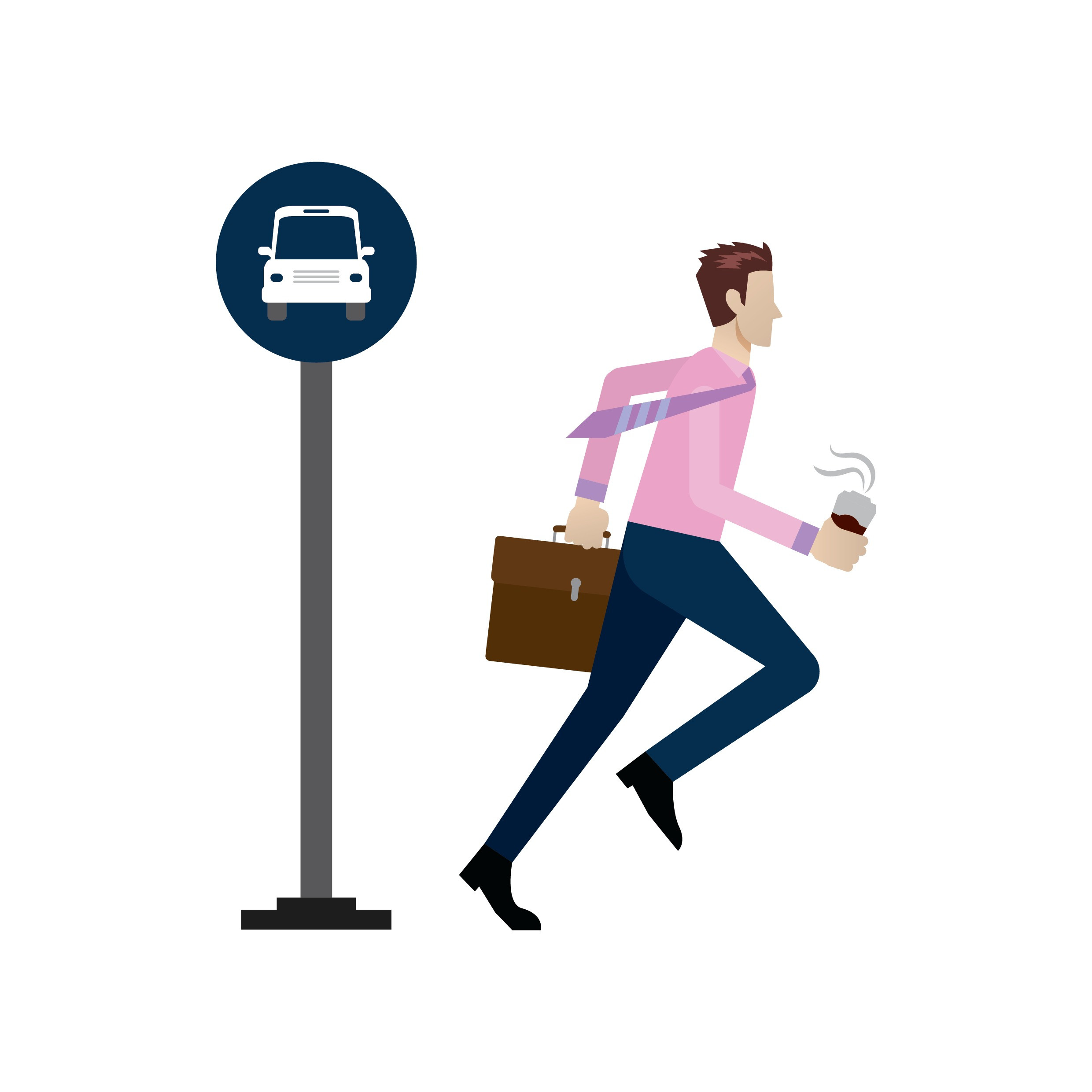
We could split up the majority of the population into two main groups: those who are consistently punctual, and those who are always late to everything, whether it be work, meetings, appointments, family gatherings, or concerts. I am definitely in the first group, and make sure to be on time regardless of where I need to be. In addition, if some unforeseen circumstances arise, such as a traffic accident which puts a snag in my commute, I always let the person I am meeting know that I am in a rare situation in which I am running late. My father, in stark contrast, was always VERY late, like an hour or more. He would often show up to family gatherings 3 hours late, only to discover that dinner had already been served, and that some relatives were already heading back home for the evening. It got to the point where my siblings and I would tell my dad that a 4 pm family barbecue was taking place at 2 pm, just so that he would show up close to the designated start time. What was especially interesting was that he never seemed fazed by the fact that he was always showing up extremely tardy.

A Harvard study conducted in 2019 found that people who had a tendency to run late experienced less stress, had lower blood pressure as well as longer lifespans than individuals who were punctual. I wouldn’t say that this fit my dad’s demeanor, because he dealt with enormous amounts of stress, had high blood pressure, and died at the age of 85 after acquiring a laundry list of medical diagnoses (coronary artery disease with heart attack and bypass surgery, high cholesterol, gastric ulcers, degenerative disc disease, cerebrovascular disease, diabetes). However, I find the Harvard study findings quite interesting, and wonder if people who are always late have just resigned themselves to the fact that they will always be late.

As a punctual person, I honestly don’t understand why it is seemingly so difficult for someone to map out departure times in order to arrive at a destination at the designated time. It takes only a small amount of planning, as easy as mapping out a route on Waze or Google Maps and saving the route. I do this frequently and very rarely run into issues with getting to a meeting or appointment on time. Also, a person who is late to meetings and larger events such as weddings is often perceived as inconsiderate and rude. No one should ever expect an event start time to be delayed simply because someone shows up late, even if that person is the central focus of the event. Some folks would argue that such behavior reveals a sense of entitlement and a general lack of regard for other people’s time.

However, this article is not meant to bash people who struggle with the concept of showing up to appointments and events on time, but rather, to discern possible explanations for such behavior. One idea is that some individuals grapple with honoring other people’s expectations of them and may act out by arriving behind schedule for many or most events. Dr. Neel Burton in The Psychology of Lateness (Psychology Today) states, “Angry people who behave with almost exaggerated calm and courtesy might nevertheless express their anger through passive means, that is, through (conscious or unconscious) resistance to meeting the reasonable expectations of others.”

Another possible explanation for constant tardiness is that perhaps people who are late don’t value themselves highly enough, so they show up late, thinking that their presence doesn’t matter. The irony is that tardiness is often so disruptive that the person’s presence (or absence) becomes achingly prominent. Such individuals often struggle with depression and anxiety, and frequently procrastinate in many areas of their lives. Even if there are dire consequences for being late all the time, some individuals don’t heed the warning signs and continue to display the same behaviors.

There also appears to be some correlation between lateness and ADHD, since those who have ADHD can be impulsive, inattentive, and often completely unaware of the time. However, responsible adult behavior includes honoring time commitments, so regardless of whether someone has ADHD or not, a repatterning of habits seems to be in order. I am by no means picking on those with ADHD, especially since I have numerous close friends with the condition, but the majority of them somehow manage to show up on time. Repercussions for constant tardiness could eventually convince someone to change habits and utilize tools such as calendars, phone alarms, GPS mapping programs in an effort to practice punctuality as a learned skill.

Pets and Your Health

42089792 - woman with her dog tender scene

Image ID : 42089792 Copyright : soloway 123rf.com


I don’t know how I would get through difficult days without my three wonderful cats. Tenshi, Shima, and Kazu are so special to me that I always look forward to coming home and seeing their sweet faces. Those of you who have pets to whom you are closely bonded know how comforting it is to come home to them. Animals are capable of deep, unconditional love which is unparalleled. A pet won’t care that you look all disheveled from battling a grueling day. If you are distraught, a pet will make you smile and perhaps even laugh with cute and silly antics. Pets are natural antidepressants, and create the perfect distraction when you are tempted to feel sorry for yourself or ruminate over something which is only causing you anguish.

Pets are wonderful for our well-being and spiritual health.

It turns out that owning a pet also confers physical health benefits as well. Pet owners enjoy a reduction in stress and anxiety, which has a positive impact on blood pressure. Another very striking and unexpected benefit to having pets is a decrease in a child’s chances of developing allergies to animals. The decreased chance of developing allergies to animals in small children who live with animals is as high as 30 percent, according to research conducted by pediatrician James E. Gern which was published in the Journal of Allergy and Clinical Immunology. Dr. Gern conducted a number of studies on children exposed to pets, all of which concluded that children who were exposed at an early age to animals tended to develop stronger immune systems overall, and were far less likely to develop pet-related allergies.

When I think of friends who have allergies to cats or dogs, most of them did not grow up with a pet in the house. I also did not grow up with a family pet per se, unless you count the two rabbits I had in fourth grade for about six months. My mother was so fed up with them that she sold them to a pet store, and that was that. But I spent extended periods of time petting and hanging out with numerous outdoor cats in the neighborhood, enough so that I had a regular exposure to them. I also spent weekends with my dad’s dog, or with his friends’ dogs, so the exposure was steady.

I honestly believe that early and regular exposure to pets is a boon to immune health in young children. And since there is a large body of scientific evidence to back that up, why not get a family pet for your children to love?

Two Breaths

Regular meditation practice has shaped my life for the past eleven years, and I honor and value all it has bestowed upon me in terms of balance, harmony, calmness and peace. When I began practicing meditation on a consistent basis, I was at a low point in my life as a result of a long-term relationship which had suddenly terminated. As fate would have it, I met a wonderful person who became my meditation teacher, my spiritual guide, and my dear friend. He invited me to become part of a local meditation group which met one to two times per week, and I gladly accepted. Within a couple of months, I began to learn how to sit in silence, let thoughts and feelings go, and focus on being completely in the moment. I quickly realized what a gift it was to fall into awareness during these sessions.

After my meditation teacher passed away in April of 2014, I went through a rough period in which I was so grief-stricken by his death that I was paralyzed, unable to meditate for several months. When I returned to meditation practice, it was alone, without the comfort of a group, but I was able to quickly fall into awareness during my sessions.

At the beginning of this year, I encountered another difficult life challenge, and instead of shying away from my meditation practice, I decided to sit daily. One tool which kept me accountable with daily meditation practice was a phone app called Insight Timer, which I still use. It is no longer a struggle for me to sit daily in meditation, and I have noticed profound changes in my demeanor and my general outlook on life.

In an effort to fortify my spiritual practice, I added kundalini yoga, and have noticed even more profound changes in my energy and my physiology, especially in my breathing. A few days ago, I had noticed that my respiratory rate had become much slower, so I decided to assess it while I practiced relaxation breathing. I was astonished when I discovered that I am now able to slow down my breathing to two respirations per minute. The breaths which I take during meditative and relaxation sessions are very slow, with a pause at the end of both the inhalation and exhalation phases.

Most people are so accustomed to shallow respirations in their daily lives that they assume that 12 to 14 respirations per minute is considered acceptable. As a physician, I regularly encounter a respiratory rate in that range, and am trained to consider that normal. However, in my spiritual practice, I know that in order to take 12 to 14 breaths per minute, the breaths tend to be quite shallow.

Modern society keeps us on the hamster wheel and fosters anxiety, but it is vital to step off the wheel, slow down, and allow the trappings of daily life to fall away so that we can truly let go. If you find yourself constantly wound up, try slowing down your breathing on a consistent basis. It has beneficial effects on your mood and blood pressure, and decreases muscle tension.

When Your Mind Won’t Wind Down


Where Is The Off Switch?

Have you ever been so wound up with thoughts or concerns that your brain refused to allow you to fall into blissful sleep? As long as your emotions are influenced by excessive amounts of stress, the pressure will continue to spark anxiety which will continue to rob you of sleep, even if your body is completely wiped out. A vicious cycle of insomnia not only prevents the body from getting the restorative sleep it needs, it can contribute to depression or panic disorder.

People are so busy these days that it can be a challenge to check off everything on to-do lists, so it is rather common to see folks working right up until bedtime. However, if you are having problems turning off your thoughts at night, you must break this habit and allow yourself to calm your mind in preparation for sleep. That means you need to avoid activities like housework, checking emails, paying bills, or any other activity which keeps your mind active, for at least an hour before your usual bedtime.

Anxiety and Sleep

What fuels the mind and makes it work overtime in the majority of cases is anxiety. The bed is supposed to be a place for sleep, yet many individuals lie in bed with thoughts spilling over, and are unable to get the thoughts to cease because they provoke anxiety. The chances of solving any problems while trying to fall asleep are slim, so the constant worrying only serves to interrupt much-needed sleep. Honestly, how often have you been able to solve an issue you were worried about, after you crawled in bed? Your mind will be better equipped to solve any issues which plague you if you shut off your thoughts and allow the restorative benefits of sleep to take over.

Go To Paradise

Try redirecting your thoughts by practicing guided imagery. While lying in bed, close your eyes and imagine a beautiful place, such as a tropical paradise. Breathe slowly and evenly, while imagining hearing the waves crash on the beach, and feeling the sand and the warmth of the sun. You can even play ambient sounds of the ocean to help you visualize the scene. This relaxation technique can be extremely effective in not only shutting off the endless chatter in your brain, but also in getting you to fall asleep.

If you are concerned that ideas or concerns will pop into your head in the middle of the night, keep a notebook and a pen next to your bed. Once you write something down, put the notebook away and let it go. Remember that it really can wait until tomorrow.

My Just Float Experience

What is Floating – Just Float, The World’s Largest Float Therapy Center

Yesterday I had a pretty remarkable experience, floating for an hour in a room devoid of light and external noise. The 1,000 pounds of Epsom salt which saturated the pleasant, tepid water caused my body to float effortlessly. Since I meditate daily, I welcomed the release that came with being untethered by my senses, gently hovering in a state of incredible relaxation.

For those of you who are wondering what the process is, you shower before entering the chamber to remove oils, lotions and pollutants from your skin and hair. Then you step into the tub which is softly illuminated. Once you lie in the water and adjust to your body’s buoyancy, you can turn off the lights and allow the soothing music to lull you into a state of stillness. The music fades away, leaving your breathing as the only steady sound.

At the end of your session, the music and lights slowly return. You exit the tub and rinse off the salty water.

Forty dollars (intro price) and an hour later, I definitely think the experience was well worth it.

If you are in the Los Angeles area, and you would like to try floating, please click on this link: http://justfloat.com/

There’s Always Time To Breathe

breathing

As I was speaking with one of my patients earlier today, I was struck by the fact that she said she had no time to do anything, and that her work schedule was so stacked that she felt like she was unraveling. I suggested that she take a moment at some point in her day to just sit still and BREATHE, without any task or agenda. Her reply? “Oh, I don’t even have time for that!”

It seemed unreasonable to me that this woman wouldn’t even take a few SECONDS for herself just to breathe, take momentary break from the maddening rush of her life, and just be in the moment. It’s not that people can’t stop and breathe, they WON’T, because they have been led to believe that remaining on the hamster wheel of life all the time is a necessary sacrifice for all the success they hope to achieve. The sad truth is that those brief moments of stillness enable the spirit to reset and restore balance to mind and body as well.

If you are like my patient, you are doing yourself a major disservice by constantly moving and not allowing yourself to rest, even for a few seconds. Even the most creative and driven people in the world find time to enjoy their surroundings, pause in the midst of chaos, and realign with themselves. All you will do if you insist on going full guns all the time, without a moment to rest, is burn out your adrenal glands, damage your immune system, and set the tone for depression and anxiety.

For only a few seconds a day, you can enjoy the gift of being in the moment. What’s even better is that you can indulge in such moments throughout the day, between projects, meetings and chores. You can even do it upon waking, right before you start the ignition in your car, while standing in line at the grocery store, or just about anywhere.

Tired Body, Active Brain

Improve-Your-Sleep-806x393

Original post can be found at:

http://xactmind.com/xc/articles/tired-body-active-brain/

By: Dr. Stacey Naito – Physician and IFBB Pro

Where Is The Off Switch?

Have you ever been so wound up with thoughts or concerns that your brain refused to allow you to fall into blissful sleep? As long as your emotions are influenced by excessive amounts of stress, the pressure will continue to spark anxiety which will continue to rob you of sleep, even if your body is completely wiped out. A vicious cycle of insomnia not only prevents the body from getting the restorative sleep it needs, it can contribute to depression or panic disorder.

People are so busy these days that it can be a challenge to check off everything on to-do lists, so it is rather common to see folks working right up until bedtime. However, if you are having problems turning off your thoughts at night, you must break this habit and allow yourself to calm your mind in preparation for sleep. That means you need to avoid activities like housework, checking emails, paying bills, or any other activity which keeps your mind active, for at least an hour before your usual bedtime.

Anxiety and Sleep

What fuels the mind and makes it work overtime in the majority of cases is anxiety. The bed is supposed to be a place for sleep, yet many individuals lie in bed with thoughts spilling over, and are unable to get the thoughts to cease because they provoke anxiety. The chances of solving any problems while trying to fall asleep are slim, so the constant worrying only serves to interrupt much-needed sleep. Honestly, how often have you been able to solve an issue you were worried about, after you crawled in bed? Your mind will be better equipped to solve any issues which plague you if you shut off your thoughts and allow the restorative benefits of sleep to take over.

Go To Paradise

Try redirecting your thoughts by practicing guided imagery. While lying in bed, close your eyes and imagine a beautiful place, such as a tropical paradise. Breathe slowly and evenly, while imagining hearing the waves crash on the beach, and feeling the sand and the warmth of the sun. You can even play ambient sounds of the ocean to help you visualize the scene. This relaxation technique can be extremely effective in not only shutting off the endless chatter in your brain, but also in getting you to fall asleep.

If you are concerned that ideas or concerns will pop into your head in the middle of the night, keep a notebook and a pen next to your bed. Once you write something down, put the notebook away and let it go. Remember that it really can wait until tomorrow.

Emotional Eating

Originally published on RxGirl.com on Monday, 12 November 2012. The original post was published with white text on white background, so the only way to read it on the site is to highlight the text. To make things easier for everyone, I have copied and pasted the article here for you to read.

http://www.rxmuscle.com/rx-girl-articles/6941-emotional-eating.html

emotional-eating ice creamRather than discuss well-known emotional eating disorders such as bulimia, I will concentrate on binge eating which many women engage in from time to time. It is important to recognize this behavior if it becomes a regular pattern, because frequent emotional eating warrants a diagnosis of binge eating disorder and requires treatment and intervention.

Binge eating is characterized by eating compulsively to cope with negative emotions and stressful situations. A binge eater is rarely hungry when she begins to eat and will continue to eat well after she is full. Such episodes can last for up to two hours or can occur off and on throughout the day. The binger feels guilty both during and after the episode, but will not attempt to counteract it by fasting, taking laxatives, vomiting, fasting or over-exercising. A strong lack of self-control as well as feelings of shame will accompany this behavior pattern. There is a strong association between binge eating and depression. Binge eating is also driven by social components such as social pressure to be thin, emotional and sexual abuse, parental criticism of a child’s weight, and the use of food as reward or punishment.

Food cravings are usually the strongest when you are in emotional crisis. You may reach for food for comfort or to serve as a distraction. Consider the following highly stressful events and think about whether you reached for comfort foods during such times:

· Financial problems
· Health problems
· Work issues
· Relationship issues
· Fatigue
· Family issues

Though some people will lose their appetites when stressed and will refrain from eating, many others will engage in impulsive eating in an effort to deal with negative emotions. This may be relatively harmless if such emotional eating occurs on a very rare occasion, but becomes a serious problem when it is used as the only coping mechanism for stressful situations or negative emotions. Just bear in mind that if you have a rare moment of weakness, it is important to recognize it as just that and to prevent yourself from spiraling into excessive feelings of guilt over the incident. If you engage in an episode of emotional eating, learn to forgive yourself and have a fresh start the following day.

Why We Engage in Emotional Eating

What occurs almost invariably when we eat emotionally is that we turn to cookies, cakes, candy, fried foods and breads rather than to healthy foods. There is a biochemical basis for such behavior. Carbohydrates which are high in sugar or fat release dopamine in our brains which in turn stimulates the brain’s pleasure center, creating a sense of euphoria. These foods are usually associated with pleasurable memories, such as cake which you may have looked forward to on your birthday, or macaroni and cheese as a treat after school when you were a child.

Food can also serve as a happy distraction from conflict or stressful events by stimulating the aforementioned pleasure centers. What will frequently occur is that an excessive amount of these foods will be consumed. However, if you remain aware of such automatic connections between food and mood and realize when you are eating for reasons other than hunger, you can break this cycle and get back on track with healthy eating habits which are associated with true hunger.

How To Combat Emotional Eating

· Keep a food diary. Get in the habit of writing down everything you eat and drink, including the quantity, the times at which you eat, your emotional state while eating the meal, and your level of hunger. By doing this you may see patterns which will reveal your emotional relationship with food.

· Remove tempting foods. Avoid stocking comfort foods in your home if you find that they are difficult to resist. And by all means avoid making trips to the grocery store if your emotions are spiraling out of control!

· Practice stress management. Yoga, meditation, and relaxation techniques are effective methods of managing your stress.

· Determine whether you are truly hungry. Many times people may believe they are hungry when in reality they are actually emotionally distraught and desperately searching for a way to defuse such emotions.

· Make sure you consume adequate calories. Individuals who are trying to lose weight will often restrict their calorie intake too much, and will turn to the same foods in an effort to remain on track without rewarding themselves with an occasional treat. Adding variety to your meal plan will also help to keep you on track.
Emotional_Eating cake
· Distract yourself. If you get an urge to snack when you aren’t truly hungry, distract yourself by watching a movie, calling a friend, reading, listening to music, or taking a walk.

· Consume healthy snacks. If an urge to snack between meals strikes, choose a low-calorie snack such as vegetables with seasoned nonfat Greek yogurt, fresh fruit, low fat cottage cheese or rice cakes.

· Get enough sleep. Getting enough sleep is an important component in decreasing cravings for comfort foods.

· Eat at regular intervals. Consume smaller meals every three to four hours to keep you from feeling hungry or deprived.

· Focus on the experience of eating. Learn to eat in a mindful manner, in which you pay attention to your meal and only your meal. Become aware of the sensations associated with eating.

· Reward yourself. It is both physically and emotionally unhealthy to practice excessive calorie restriction for prolonged periods. Allow yourself to have a favorite food or meal once each week.

· Connect with your emotions. When a food craving hits during an emotional time, write down the emotions you are experiencing, such as sadness, loneliness or anger.

· Seek professional help if emotional eating is frequent. There are countless support groups which you can join which will help you to develop insight as well as the skills to avoid engaging in such behavior.

How Emotional Eating Can Derail You From Your Fitness Goals

emotional-eating ice cream - Copy

Rather than discuss well-known emotional eating disorders such as bulimia, I will concentrate on binge eating which many women engage in from time to time.  It is important to recognize this behavior if it becomes a regular pattern, because frequent emotional eating warrants a diagnosis of binge eating disorder and requires treatment and intervention.

Binge eating is characterized by eating compulsively to cope with negative emotions and stressful situations.  A binge eater is rarely hungry when she begins to eat and will continue to eat well after she is full.  Such episodes can last for up to two hours or can occur off and on throughout the day.  The binger feels guilty both during and after the episode, but will not attempt to counteract it by fasting, taking laxatives, vomiting, fasting or over-exercising.  A strong lack of self-control as well as feelings of shame will accompany this behavior pattern.  There is a strong association between binge eating and depression.  Binge eating is also driven by social components such as social pressure to be thin, emotional and sexual abuse, parental criticism of a child’s weight, and the use of food as reward or punishment.

Food cravings are usually the strongest when you are in emotional crisis.  You may reach for food for comfort or to serve as a distraction.  Consider the following highly stressful events and think about whether you reached for comfort foods during such times:

  • Financial problems
  • Health problems
  • Work issues
  • Relationship issues
  • Fatigue
  • Family issues

Though some people will lose their appetites when stressed and will refrain from eating, many others will engage in impulsive eating in an effort to deal with negative emotions.  This may be relatively harmless if such emotional eating occurs on a very rare occasion, but becomes a serious problem when it is used as the only coping mechanism for stressful situations or negative emotions.  Just bear in mind that if you have a rare moment of weakness, it is important to recognize it as just that and to prevent yourself from spiraling into excessive feelings of guilt over the incident.  If you engage in an episode of emotional eating, learn to forgive yourself and have a fresh start the following day.

 
Why We Engage in Emotional Eating


What occurs almost invariably when we eat emotionally is that we turn to cookies, cakes, candy, fried foods and breads rather than to healthy foods.  There is a biochemical basis for such behavior.  Carbohydrates which are high in sugar or fat release dopamine in our brains which in turn stimulates the brain’s pleasure center, creating a sense of euphoria.  These foods are usually associated with pleasurable memories, such as cake which you may have looked forward to on your birthday, or macaroni and cheese as a treat after school when you were a child.


Food can also serve as a happy distraction from conflict or stressful events by stimulating the aforementioned pleasure centers.  What will frequently occur is that an excessive amount of these foods will be consumed.  However, if you remain aware of such automatic connections between food and mood and realize when you are eating for reasons other than hunger, you can break this cycle and get back on track with healthy eating habits which are associated with true hunger.


How To Combat Emotional Eating


  • Keep a food diary.  Get in the habit of writing down everything you eat and drink, including the quantity, the times at which you eat, your emotional state while eating the meal, and your level of hunger.  By doing this you may see patterns which will reveal your emotional relationship with food.


  • Remove tempting foods.  Avoid stocking comfort foods in your home if you find that they are difficult to resist.  And by all means avoid making trips to the grocery store if your emotions are spiraling out of control!


  • Practice stress management.  Yoga, meditation, and relaxation techniques are effective methods of managing your stress.


  • Determine whether you are truly hungry.  Many times people may believe they are hungry when in reality they are actually emotionally distraught and desperately searching for a way to defuse such emotions.


  • Make sure you consume adequate calories.  Individuals who are trying to lose weight will often restrict their calorie intake too much, and will turn to the same foods in an effort to remain on track without rewarding themselves with an occasional treat.  Adding variety to your meal plan will also help to keep you on track.


  • Distract yourself.  If you get an urge to snack when you aren’t truly hungry, distract yourself by watching a movie, calling a friend, reading, listening to music, or taking a walk.


  • Consume healthy snacks.  If an urge to snack between meals strikes, choose a low-calorie snack such as vegetables with seasoned nonfat Greek yogurt, fresh fruit, low fat cottage cheese or rice cakes.


  • Get enough sleep.  Getting enough sleep is an important component in decreasing cravings for comfort foods.


  • Eat at regular intervals.  Consume smaller meals every three to four hours to keep you from feeling hungry or deprived.


  • Focus on the experience of eating.  Learn to eat in a mindful manner, in which you pay attention to your meal and only your meal.  Become aware of the sensations associated with eating.


  • Reward yourself.  It is both physically and emotionally unhealthy to practice excessive calorie restriction for prolonged periods.  Allow yourself to have a favorite food or meal once each week.


  • Connect with your emotions.  When a food craving hits during an emotional time, write down the emotions you are experiencing, such as sadness, loneliness or anger.


  • Seek professional help if emotional eating is frequent.  There are countless support groups which you can join which will help you to develop insight as well as the skills to avoid engaging in such behavior.


One last note: make sure to get vital nutrients into your diet on a daily basis. I recommend taking a multivitamin several times a day to optimize absorption, and my favorite is SWAT Fuel’s .40 Caliber. SWAT Fuel’s .40 Caliber Multivitamin delivers high bioavailability on a three time dosing regimen each day and is suitable for everyone, but it is especially great for individuals who tend to experience intestinal discomfort from multivitamin formulas.

You can order .40 Caliber directly from the website: http://swatfuel.com/products.aspx