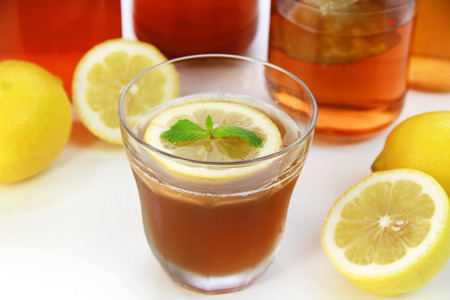
Kombucha

Kombucha is a fermented beverage made from black tea and either sugar, honey or fruit, which has beneficial probiotic and antibiotic qualities. Once the solution is mixed, it is then fermented by a combination of bacteria and yeast better known as SCOBY (symbiotic colony of bacteria and yeast). There are numerous positive effects on the body, which are discussed here.

GUT HEALTH:

Kombucha is loaded with good bacteria (known as probiotics), as well as enzymes and yeast which assist in breaking down foods for enhanced absorption and digestion. Since the mixture is doing some of the work in digestion, your gut is better able to do its job without being overloaded. Kombucha also restores a healthy pH balance in the gut, and its consumption is highly recommended for individuals dealing with irritable bowel syndrome, Candida overgrowth, and many other digestive disorders.

The fermentation process involved in the production of kombucha also produces butyric acid, which has strong antimicrobial and anti-cancer features, protects the gut against yeast overgrowth, and destroys parasites which might be lurking in your gastrointestinal tract.

ALL THAT GOOD STUFF:

The fermentation process involved in making kombucha produces by-products such as acetic acid, which inhibits the growth of harmful bacteria, thus conferring a protective effect upon the body against infection. Kombucha also contains naturally occurring glucosamine, so chugging this fermented beverage can also aid in joint function and health. It is also chock-full of vitamin C and vitamin B, and truly helps to cleanse the liver and rid the body of free radicals.

I remember a roommate from 2008 who had begun drinking raw kombucha regularly, and he insisted that it was the most fantastic new health beverage. What I hadn’t realized then was that kombucha has actually been around for over 2,000 years, originating in China, then spreading to countries such as Korea, Japan, Russia, and India.

My roommate kept insisting that I try kombucha, even when I told him that the slimy sludge floating in the bottles made me want to gag. I finally did try a sip of kombucha in 2009, and found that I didn’t like the incredibly tart, vinegary flavor at all.

Despite my first unfavorable experience kombucha, I decided to try some of the newer brands, like Health-Ade, Synergy and Revive, last year. It turns out that kombucha has come a long way, with better flavor, and the SCOBY colonies are somehow less disgusting than what I remember from years ago. The fruitier versions are fizzy, refreshing, and quite tasty. Because of its acidity, kombucha should not be consumed in excess. My recommendation is to drink 4 ounces per day to obtain the probiotic benefits of this strange and popular beverage.
Why You Should Add Curcumin To Your Diet

Originally published on mensphysique.com on Sunday, 09 December 2012. The original post was published with white text on white background, so the only way to read it on the site is to highlight the text. To make things easier for everyone, I have copied and pasted the article here for you to read.

http://www.rxmuscle.com/blogs/the-lab-supplement-school/7143-why-you-should-add-curcumin-to-your-diet.html
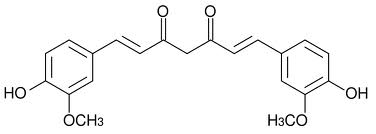
Curcumin diagram
Antioxidants have become a hot topic in combating disease in recent years, and the list of these substances has grown thanks to extensive research which has been conducted and disseminated to the public. A particularly powerful antioxidant is curcumin. Curcumin, an extract which is derived from turmeric, has been used in Asian curries for many centuries and has also been used for treatment of arthritis and other health conditions. Only recently has curcumin received attention from the United States regarding its remarkable benefits as a potent antioxidant.

Perhaps the most exciting potential benefit of curcumin is that it may help to prevent and treat cancer by inhibiting cancer cell growth and the growth of blood vessels which feed into tumors. There is some speculation that curcumin can prevent cancer cells from multiplying and is also capable of causing self-destruction of cancer cells. As if this wasn’t enough, there is a possibility that curcumin may prevent Alzheimer’s Disease by decreasing the accumulation of amyloid which characterizes this disease.

Here is a list of other benefits which curcumin confers:
· Accelerates wound healing
· Acts as a cleanser for the liver
· Regulates metabolism and assists in weight loss
· Reduces LDL cholesterol and raises HDL levels
· Decreases severity of inflammatory skin disorders such as psoriasis
· Acts as a natural painkiller

If these reasons are not enough to compel you to add curcumin supplementation into your meal plans, consider the fact that curcumin reduced the COX-2 enzyme in the body, thus decreasing the pain and swelling of arthritis. In fact, recent studies revealed that curcumin was even more effective than ibuprofen (Motrin, Advil) in its anti-inflammatory effects. One particular study in Italy which was conducted on 50 patients, all of whom had confirmed knee osteoarthritis, found a 58 percent decrease in reported overall pain and stiffness as well as an improvement in physical functioning among the curcumin group versus the control group.
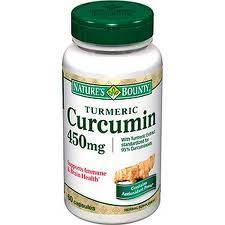
Curcumin bottle
How To Take Curcumin
Some individuals may prefer to ingest curcumin in the form of straight turmeric powder which can be added to meals or tea. However, I prefer to take curcumin in capsule form. If you opt for the capsule version, look for formulations which contain piperine, or black pepper extract. Piperine augments the gastrointestinal absorption of curcumin. Recommended daily dosage is 400 to 600 milligrams per day. For acute flare-ups of arthritis or other musculoskeletal pain, you can double the dosage until the acute phase abates.