Having a space to yourself isn’t just a luxury—it can become a necessity for mental well-being, peace, and autonomy. When you share a living space with someone who doesn’t contribute, the weight of responsibility falls on you, turning your home into a place of frustration rather than rest. This became glaringly apparent with my most recent roommate situation, when I put up with this person’s complete refusal to participate in household cleaning, household repairs, or the purchase of paper and cleaning products which we both used.
I spent 3 years harboring frustration over having to deal with areas my roommate had sullied and selfishly left for me to clean, making me feel like a live-in housekeeper. Then I had surgery in January of this year, and was unable to come home for two weeks. When I returned home, I noticed that my roommate had taken the liberty of rearranging my dining room table, and had also completely taken over my side of the refrigerator. Although I promptly put the furniture pieces back to their original orientation and put my food back on my side of the fridge, I was perturbed. What I didn’t know was that she was planning to give notice that she was moving out. I guess she figured that since she would be leaving, she could encroach upon my fridge space and move my furniture around. That was the last straw for me, so I was actually relieved when she gave her 30 days’ notice.
At a certain point, the financial strain of living alone is worth the trade-off for personal freedom. You get to set your own rules, maintain the level of cleanliness that keeps you comfortable, and decorate in a way that truly feels like home. You don’t have to tiptoe around someone else’s bad habits or pick up their slack. There’s no awkward conversations, no unspoken resentment—just the quiet relief of knowing everything is exactly how you left it.
Peace of mind is priceless. Sure, budgeting might be tighter, but waking up in a space that is yours—where you don’t have to compromise on cleanliness, noise levels, or household responsibilities—makes all the difference. Sometimes, the real cost of a cheap living situation is your own sanity.
Agreeing to disagree is an important skill in maintaining healthy relationships, especially with friends and family. In any close relationship, differing opinions are inevitable—whether about politics, religion, parenting styles, or even small things like movie preferences. The ability to respect these differences without letting them ruin a relationship is a sign of emotional maturity and mutual respect. This skill seems to have become incredibly valuable in recent years, mostly as a result of tectonic shifts in politics and socioeconomic affairs.
However, when someone writes you off just because you have a different opinion, it can be deeply hurtful and damaging. It sends the message that your relationship was conditional—based not on love, shared history, or mutual respect, but on intellectual or ideological alignment. This kind of behavior fosters division, resentment, and isolation. Instead of promoting understanding, it encourages an “us vs. them” mentality, where people surround themselves only with those who reinforce their own beliefs.
There are numerous people in my personal life who have recently made certain assumptions about my religious and political views, some of which were accurate, others which were way off the mark. What’s frustrating is that I have felt like I was silenced due to the fact that some individuals assumed I held a specific belief, which was the stark opposite of my stance. It’s downright disappointing to know that I have to keep my mouth shut around such individuals in an effort to protect our friendship ties.
Healthy relationships require space for disagreement. They thrive on open dialogue, patience, and the ability to see the bigger picture—that a person is more than just their opinions. It’s possible to strongly disagree with someone and still love and respect them. Writing someone off just because they see the world differently diminishes the complexity of human beings and reduces them to a single viewpoint.
I am willing to bet that many of you who have cats in your household don’t give much thought to the idea of engaging in playtime with your feline friends. However, doing so on a regular basis strengthens the bond between you and your cats, and also benefits everyone’s physical and mental well-being. I try to engage my cats in interactive play by using toys which are attached to poles, enabling me to direct and monitor interaction. My cats absolutely love playtime, so much so that my 3-year old, Koji, will yell at me whenever I pass by the closet in which I keep the interactive toys.
Here is a breakdown of the numerous benefits which both you and your cats will enjoy when participating in interactive play:
Benefits for Cats and Kittens
Physical Exercise: Cats, especially indoor ones, need regular activity to maintain a healthy weight and prevent obesity-related issues. Play mimics natural hunting behaviors, helping them stay fit and agile.
Mental Stimulation: Engaging in interactive play keeps a cat’s mind sharp, preventing boredom and destructive behaviors like scratching furniture or excessive meowing.
Instinct Satisfaction: Cats are natural hunters. Toys that mimic prey—like feather wands or laser pointers—allow them to practice stalking, pouncing, and chasing in a safe environment.
Stress Reduction: Play provides an outlet for pent-up energy and can reduce stress and anxiety, making cats more relaxed and well-adjusted.
Socialization for Kittens: Kittens learn important skills through play, including coordination, bite inhibition, and appropriate interaction with humans and other animals.
Benefits for Cat Owners
Stronger Bond: Playing with your cat helps build trust and deepen your relationship, especially with shy or newly adopted cats.
Entertainment and Joy: Watching a cat chase a toy or do a playful leap can be highly entertaining and bring joy to owners.
Encourages Routine and Responsibility: Regular playtime helps owners establish a routine, making it easier to provide structure and care for their pet.
Stress Relief: Interacting with cats has been shown to reduce stress and anxiety in humans, providing emotional benefits similar to meditation or relaxation exercises.
Better Behavior: A well-exercised cat is less likely to engage in unwanted behaviors like nighttime zoomies, furniture scratching, or aggression due to boredom.
Making Playtime Effective
To get the most out of interactive play, use a variety of toys like wand teasers, balls, and puzzle feeders. Rotate toys frequently to keep things interesting. Aim for at least two short play sessions a day, adjusting based on your cat’s energy level and age.
Incorporating interactive play into your daily routine creates a happier, healthier life for both you and your cat, ensuring a strong and loving companionship.
“Stepping up to the plate” is a phrase borrowed from baseball, where a player literally steps up to take their turn at bat. Metaphorically, it means taking responsibility, rising to a challenge, or doing what needs to be done, especially in difficult situations.
When someone is undergoing surgery and is temporarily unable to take care of their responsibilities, they often rely on their friends and loved ones to step up—to help with practical matters like meals, errands, or even just emotional support. It’s a moment that tests relationships because while many people express good intentions, not all follow through when the time comes.
Believing that friends will come through requires trust, but also realistic expectations. Some people may not know how to help, may feel uncomfortable around illness, or may simply get caught up in their own lives. Communication is key—sometimes, people want to help but need specific direction on what’s needed.
That said, when friends do step up, it deepens relationships and reinforces the value of true support systems. It shows that friendship isn’t just about the good times but also about being present during hardships. It’s in these moments that people reveal whether they are truly dependable, and unfortunately, it can also be a time when some friendships prove to be less solid than expected.
That’s a tough situation, especially when you’re in a vulnerable position, and you’re relying on someone to help you. Entrusting someone with your household means putting faith in their responsibility and integrity, and it can be really disappointing—if not outright frustrating—when they don’t follow through. If it’s a small inconsistency, it might be a matter of forgetfulness or misunderstanding, but if it’s a pattern, then it suggests carelessness or even dishonesty.
When you’re always the responsible one, the one people rely on, it’s easy for others to take that for granted. But when the roles are reversed, and people don’t show up for you in the way you need, it forces you to reassess relationships, expectations, and even your own boundaries.
Dealing with the loss of ability to see things up close which comes with the aging process, also known as presbyopia, is one of those frustrating realities that sneaks up on you—and it’s even more maddening if you’ve spent years basking in the glory of perfect vision after Lasik. I had Lasik in October 2007, when I was 41 years old, to correct myopia (nearsightedness) and astigmatism. I loved the freedom I had from glasses or contact lenses for about 8 years. Then when I reached full menopause at the age of 49, me reading vision tanked like the Titanic.
I went from feeling invincible, seeing the world in crisp, vivid detail, to suddenly struggling with menus, ingredient labels, and my phone screen. It feels unfair, doesn’t it? At least I was aware of the distinct possibility that presbyopia would indeed set in at some point, and had many years of crisp, perfect vision. The only thing I wasn’t prepared for was how sly the onset of presbyopia was. One day, I was fine, and then the next, I found myself doing the whole “arm stretch” thing just to read my emails or check a text. I also wasn’t prepared for the emotional toll, basically having to admit defeat by having to carry around reading glasses or magnifiers when I had been free of them my entire life. It suddenly was a nuisance to try reading a restaurant menu or a nutrition label in dim lighting. The way I adapted to the need for reading glasses was to place three prescription pairs in specific places: bedroom nightstand, my desk, my handbag.
It’s not just the practical side of things; there’s also a sense of frustration because it feels like a step backward. After Lasik, I became so accustomed to being free from glasses or contacts—it’s this incredible feeling of independence. Then, when presbyopia hit, I had no choice but to get new glasses. It’s almost insulting to the effort and investment I had devoted to my eyes when I had Lasik.
Suddenly having to wear glasses again can mess with your confidence, too. It’s one of those subtle reminders of aging, even if you don’t feel old. Despite the fact that I have had to wear reading glasses for the last ten years, I still find myself frequently ignoring my presbyopic eyes, squinting to read a text on my phone, even if I have a pair of glasses nearby.
Cat litter comes in a variety of types, each with its own advantages and disadvantages. Below is a discussion of the main types of cat litter and an exploration of why some may be better than others for both your cat’s health and your own. I have a strong opinion regarding litter types which I will share at the end of this article.
Types of Cat Litter:
Clumping Clay Litter:
Made from sodium bentonite, a type of clay that absorbs moisture and forms solid clumps when it comes into contact with urine.
Pros: Easy to scoop and clean because of the clumping action, effective at controlling odor.
Cons: Dust can be an issue, and it’s typically not environmentally friendly. The production of clay-based litter can be environmentally harmful, and the clay is often mined from areas that cause significant ecological damage.
Non-Clumping Clay Litter:
Made from clay, but instead of forming clumps, it simply absorbs moisture and the liquid spreads throughout the litter.
Pros: Often cheaper than clumping litter, and less dust may be produced. Easier to replace the entire litter box because you don’t have to worry about clumping.
Cons: May not control odors as well, and can require more frequent changes. Less convenient since you can’t just scoop out urine clumps.
Silica Gel Crystals:
Made from silica dioxide, these litter granules absorb moisture and odor.
Pros: Good at controlling odor and moisture; often lasts longer than clay-based litters before needing a full replacement. It is low-dust and non-tracking.
Cons: More expensive, and not biodegradable.
Natural/Plant-Based Litters:
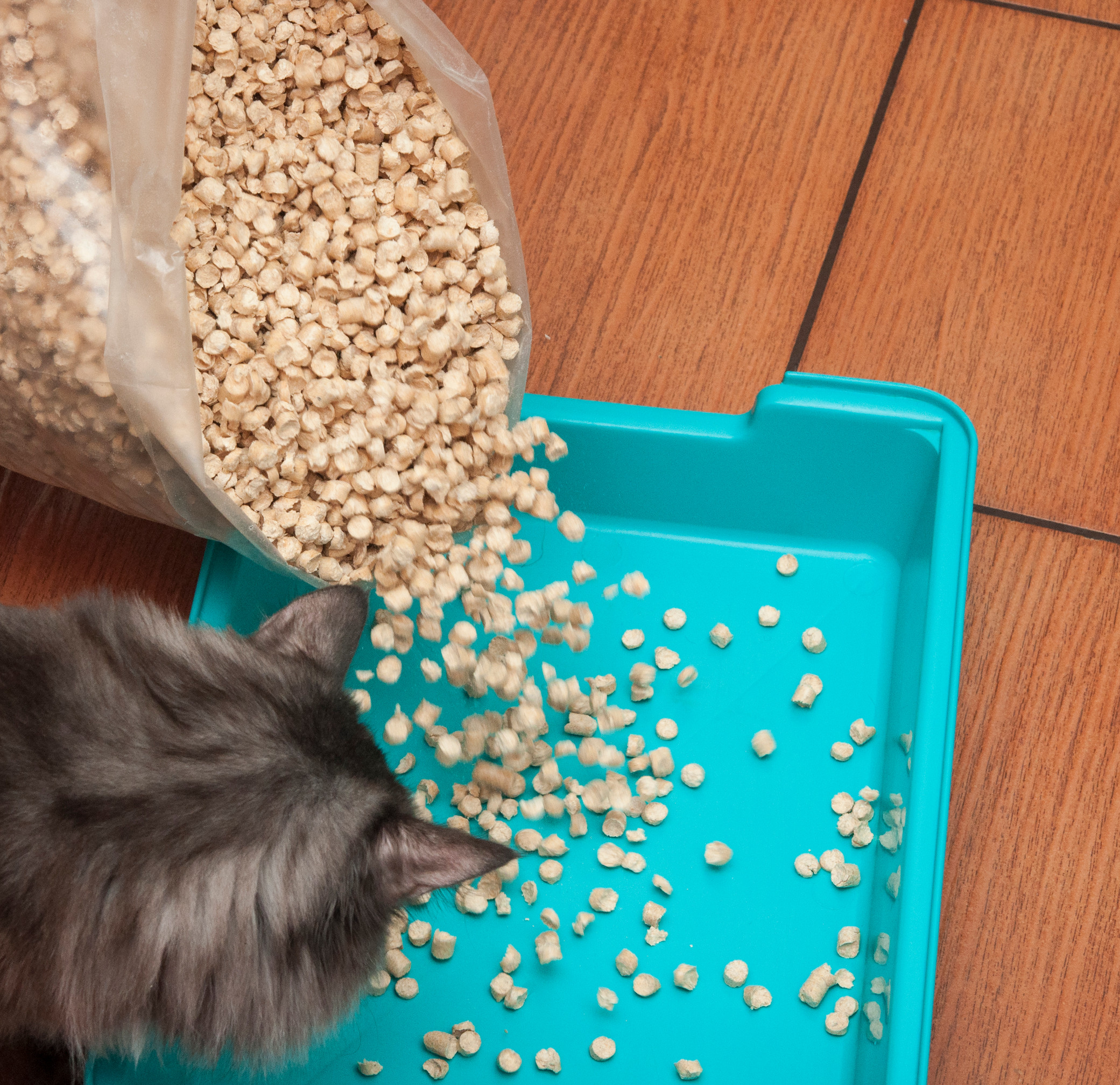
Includes options made from corn, wheat, pine, or coconut shells. These litters are often marketed as more eco-friendly. Wood pellets are low dust and thus are great for cats and humans who have respiratory issues.
Pros: Typically biodegradable and made from renewable resources. More economical than clumping clay litters and silica crystals.
Cons: Some natural litters may not control odor as well as other litter types.
Recycled Paper Litter:
Made from recycled paper, this litter is soft and lightweight.
Pros: Environmentally friendly, low dust, gentle on a cat’s paws, and good for cats with respiratory issues.
Cons: Can be less effective at controlling odors and may not clump as well.
Why Non-Clumping Litter Can Be Better:
Non-clumping litter has several advantages over clumping litter, though these benefits depend on the context and the specific needs of your cat. Here’s why some people prefer non-clumping litter:
Less Dust: Non-clumping litters often produce less dust, which is better for both cats and humans with respiratory issues.
Easier to Dispose Of: Because non-clumping litters don’t form solid clumps, you need to replace the entire litter more frequently. While this may sound like a disadvantage, it can be seen as an advantage because you’re ensuring that your cat’s environment is more hygienic with fresh litter each time you change it.
No Chemicals or Additives: Some non-clumping litters (especially natural varieties) do not contain the chemicals or fragrances that can sometimes be added to clumping varieties for odor control.
Less Waste: Some non-clumping litters are biodegradable or made from renewable resources, making them a better environmental choice in some cases.
However, non-clumping litter does come with its drawbacks, including less effective odor control, and the need for more frequent full replacements of the litter box.
Why Clay-Based Litter Can Be Harmful:
Clay-based litter, particularly the clumping kind, has come under scrutiny for a few reasons, mainly due to the dust it produces and the environmental impact of its production:
Inhalation of Dust: When cats (or humans) inhale dust from clay-based litter, it can cause respiratory issues. The fine particles in the dust can irritate the lungs and exacerbate pre-existing conditions like asthma. This can be particularly dangerous for both cats and humans with compromised respiratory systems.
Heavy Metals: Some clay-based litters, particularly those using sodium bentonite, may contain trace amounts of heavy metals, such as silica dust, which are harmful when inhaled over long periods. Prolonged exposure to this dust can lead to respiratory disease in both humans and animals.
Environmental Harm: The extraction of clay for cat litter has a significant environmental impact. Mining processes can cause habitat destruction and contribute to soil erosion. Furthermore, the litter itself is not biodegradable, which means that it can contribute to landfill waste.
Toxicity to Cats: If a cat ingests clay litter (for example, by licking it off their paws), the minerals and chemicals in the litter can be toxic. This is particularly a concern with certain types of clumping clay litters.
Conclusion:
While clumping cat litter is often preferred by many cat owners for its convenience and superior odor control, non-clumping litter has its own advantages, particularly when it comes to reducing dust and being more eco-friendly, especially in natural or biodegradable varieties. However, when using any litter—particularly clay-based litters—it’s important to be aware of the potential risks associated with dust inhalation, the environmental impact, and the health concerns related to long-term exposure.
If you’re particularly concerned about the dust or environmental impact of clay-based litter, consider switching to a natural, plant-based option or silica gel crystals, which are often less dusty and more sustainable. I steer clear of all clumping litters, and I also do not use clay-based litters. There are two types of cat litter which I use in my home: silica gel crystals, and plant-based wood pellets. I use silica gel crystals in 2 boxes, and have found that the crystals are extremely effective in combating odor. Crystal litter also doesn’t have to be changed very often, which is especially nice since this type of litter tends to be the most expensive. I use wood pellets for the other boxes in my home, and strongly favor them for a multitude of reasons which I mentioned above, including their low cost, their eco-friendly aspect, and the fact that I don’t have to worry about my babies breathing in harmful dust.
The craving for animal protein is something that can be deeply ingrained in many people’s diets, driven by both biological and cultural factors. For some individuals, animal protein—like meat, eggs, or dairy—can feel like an essential part of their meals, not just for its taste, but for its nutrient density and the sense of satiety it provides. I know that I have always been drawn towards savory foods, and I love the texture and flavor of many animal proteins, including fish, poultry, beef, bison, and eggs. I also appreciate the fact that such protein sources are high quality and serve my body well.
Animal protein contains all the essential amino acids, which are the building blocks of our body’s tissues, muscles, and enzymes. For those who are active or looking to maintain muscle mass, animal protein is often seen as the most complete and efficient source of these nutrients. The body naturally craves what it needs, so if it’s lacking in certain amino acids or other nutrients, people may feel a stronger desire to seek out these foods.
Culturally, animal protein has been a central part of diets across the world for thousands of years. Meat is often associated with strength, energy, and vitality, which can contribute to the desire to include it in daily meals. For some, it’s more than just a nutritional need—it’s a source of comfort and a way to connect with family traditions or social rituals around food.
For others, the craving may stem from the body’s ability to digest and metabolize animal protein more effectively than some plant-based sources. This can create a sense of satisfaction and fullness that plant-based proteins sometimes don’t replicate, leading to the craving for that specific texture and nutritional profile. It honestly seems like my body craves protein due to an enhanced ability to digest animal protein. I have had friends watch in amazement as I grab a piece of chicken to gnaw on as opposed to potato chips or sweet treats. I’d rather consume thin beef jerky than a few tortilla chips. I have also been known to polish off more than a pound of steak in one sitting, without any weight gain or digestive issues from it.
Moreover, hormonal influences can also play a role. Levels of hunger-regulating hormones, like ghrelin, can fluctuate based on dietary patterns. People who consume more animal protein may experience a more regulated appetite, while those switching to plant-based diets might struggle to feel as satisfied after meals, leading to cravings for more substantial, protein-rich foods.
At the same time, these cravings can be influenced by personal habits, psychological factors, and even advertising or food culture that reinforces the idea that meat is an essential part of a balanced meal. Whether for health, cultural, or psychological reasons, craving animal protein is a common experience, and it speaks to the body’s complex relationship with food.
People who consistently crave animal protein often have specific personality traits and values that align with their dietary preferences. These traits can influence their food choices, their relationship with nutrition, and their overall approach to health and well-being. While it’s important to note that everyone is unique, certain patterns can often be observed among those who prioritize and crave animal protein.
A common trait among protein cravers is a strong focus on physical health, fitness, or performance. People who engage in regular physical activity, particularly weightlifting, high-intensity workouts, or endurance sports, often have heightened protein needs for muscle repair, recovery, and energy. Since I weight train 5 to 6 days per week, this may have a lot to do with my preference for protein over carbs or fat.
These individuals tend to prioritize foods that support their goals—lean meats, fish, eggs, and dairy are all favored for their high bioavailability and efficient nutrient profile. For them, protein isn’t just a dietary choice but a performance necessity. This often results in a high level of awareness and commitment to sourcing the best possible food to meet their health and fitness goals.
Strong Belief in Quality Nutrition
Protein cravers, particularly those who are dedicated to maintaining a high standard of health, often exhibit a strong commitment tohigh-quality foods. This is seen in their preference for organic, grass-fed, free-range, or sustainably sourced animal proteins. They often value the ethical and environmental considerations behind their food choices, and many are more likely to pay a premium for higher-quality, responsibly produced protein sources.
These individuals are likely to avoid highly processed meats and focus instead on whole, nutrient-dense foods. For example, grass-fed beef is seen as a cleaner, healthier choice compared to conventionally raised meat, offering higher levels of omega-3 fatty acids and other nutrients. People who crave animal protein may not just look at it as a nutritional necessity, but as an investment in their long-term health and well-being.
This is absolutely true for me, as I make a conscious effort to obtain animal protein from whole, unprocessed sources. Given the choice between a hot dog and a burger patty, I’ll always go with the burger patty. I also make sure to consume fish that is wild caught, and avoid farm-raised options whenever possible.
Protein cravers often have a pragmatic approach to food—they see it primarily as fuel and are often more focused on function rather than pleasure when it comes to their diet. For them, the focus is on how the food serves the body’s needs and helps them maintain energy levels, muscle mass, and overall physical health. This practical mindset extends to their food choices: animal proteins offer a reliable, efficient, and balanced source of essential amino acids and nutrients. These individuals may not be swayed by trendy diets or fleeting food movements but instead tend to seek out food that provides solid, scientifically-backed nutritional benefits.
Conclusion
For those who consistently crave animal protein, it is often more than just a passing desire—it’s a reflection of a holistic approach to nutrition, health, and well-being. Their cravings are deeply intertwined with their physical needs, personal values, and broader life philosophies. Whether motivated by fitness goals, a commitment to high-quality food, cultural connections, or a scientific approach to nutrition, these individuals tend to prioritize what they see as the best sources of protein to maintain balance and achieve optimal performance.
Although I am very careful to research a company from which I have never ordered previously, I can still get snagged by a less than reputable business. This post details the horrible experience I had with a custom shoemaker, Girotti, and why it should be avoided. I had read some halfway decent reviews about the establishment, and because I was keenly interested in a certain color and boot style, I decided to take a chance and order from them.
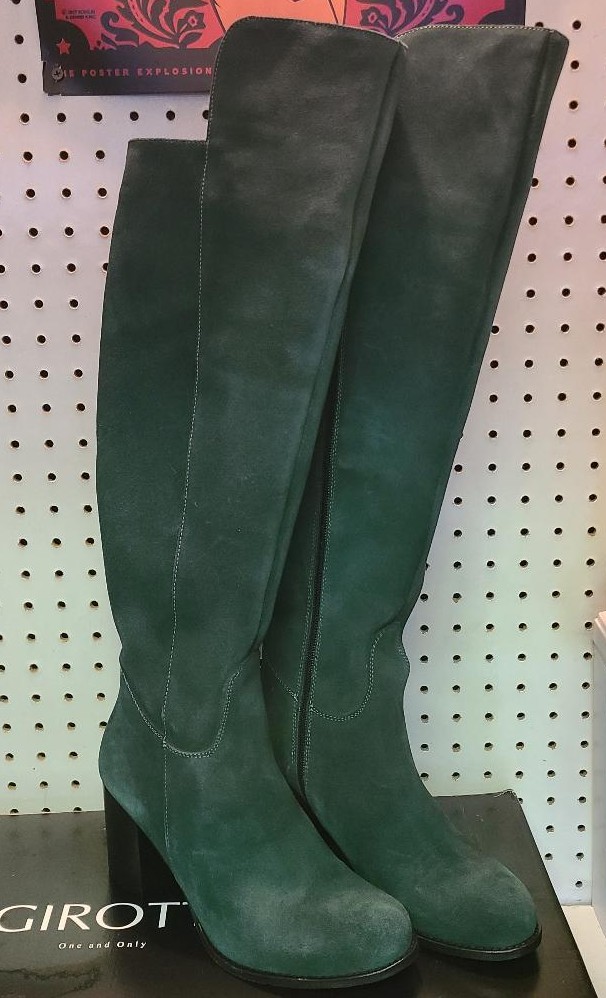
The other appealing characteristic about this shoe house was that it was based in Milan, Italy, and exclusively sold custom, handmade shoes. Since Italy is known for its fine shoemaking and leather crafts, I figured I would be safe ordering from Girotti. I placed the order for a pair of custom over-the-knee suede boots and hoped for the best. When I emailed them regarding a question I had about the order, it took an entire week for someone to respond.
I received the boots on December 16th (over a month after I had placed my order), and was immediately annoyed by the fact that they had placed the boot box inside a soft, plastic mailer, and had also adhered part of the mailer to the side of the box. The box was partially crushed, and there was no way to separate the mailer from the box without lifting off part of the black coating on the box. Since I store the majority of my footwear in their original boxes, I was completely disgusted by how lackadaisical the company was about packing an shipping the order.
When I took the boots from the box, I noticed that there were multiple scuff marks on the suede which could not be brushed out with a suede brush. This is absolutely unacceptable for a brand-new pair of handmade boots. Then I attempted to try them on, but was unable to because the zipper on the right boot DID NOT BUDGE from one spot at the ankle area. Consequently, I was unable to try on both boots, and when I slipped the left boot onto my foot, it was extremely uncomfortable, despite the fact that the size of the boots was a full size LARGER than my shoe size.
I contacted the company in numerous ways beginning on December 16th (straight email, contact form on their website, return request on their website, and phone call), only to be COMPLETELY ignored by them. By New Year’s Eve, I had filed a dispute with my credit card company, and also took WD-40 and carefully applied it to the broken zipper in an effort to salvage the boots. The WD-40 lubricated the teeth on the zipper enough for me to zip the boot up and down, but not without a struggle each time. It feels like the teeth are about to break on the zipper, a fact which I find completely unacceptable for a pair of boots I spent $240 on.
Girotti had the nerve to send me a generic email asking me to post a review, so I did, giving them a scathing rating. I also sent another email informing them that I had a credit card dispute against them. I received an email from someone on January 2nd, asking me to send a video showing the zipper issue. I sent a detailed video, only to be completely ignored once again. I honestly doubt that the boots they sent will be replaced by a pair which exhibits workmanship which is befitting that of a respectable Italian shoemaker.
Tomorrow marks the passage into the Year of The Snake. In Chinese astrology, the Year of the Snake is associated with the characteristics of the Snake sign, which is one of the 12 animals in the Chinese zodiac. The Chinese lunar calendar assigns an animal to each year, and the Year of the Snake repeats every 12 years.
The Snake is often considered a symbol of wisdom, intuition, and charm. People born in the Year of the Snake are believed to be intelligent, perceptive, and graceful, but also reserved and sometimes mysterious. The snake is also associated with qualities like transformation and rebirth. Most of my classmates from middle school and high school were born in the Year of the Snake, and will be turning 60 this year, while I was born a year later, in the Year of the Horse.
Each year in the Chinese zodiac is also associated with one of the five elements (Wood, Fire, Earth, Metal, and Water), and 2025 will be the Year of the Wood Snake. This combination of Snake and Wood brings qualities of growth, creativity, and flexibility, but may also encourage introspection and patience. For individuals born in the Year of the Snake, 2025 is believed to bring both challenges and opportunities for growth, depending on their own personal zodiac signs. In general, it’s seen as a year for careful planning and making wise decisions.
Here are some ideas for preparation:
1. Cleaning and Decluttering
Thoroughly clean your home: This is a symbolic gesture to sweep away bad luck and make space for good fortune in the new year. It’s also a chance to declutter and refresh your living space.
Do it before New Year’s Eve: Cleaning is traditionally done before the new year begins, as cleaning during the first days could “sweep away” good luck.
2. Decorate Your Home
Red decorations: Red is considered an auspicious color for the Lunar New Year, symbolizing good luck and happiness. Consider decorating with red lanterns, banners with auspicious phrases, or red couplets with wishes for prosperity.
Place a kumquat tree or flowers: Some people display kumquat trees, symbolizing wealth and luck, or blooming flowers like plum blossoms, symbolizing growth and vitality.
3. Prepare for Family Gatherings and Meals
Plan your meals: Traditional foods include dumplings, fish (representing abundance), noodles (for longevity), and rice cakes (symbolizing prosperity). Make sure to prepare or buy ingredients for these dishes.
Gift giving: In some cultures, it’s customary to give “hongbao” (red envelopes) with money to children and unmarried adults for good luck. Be sure to have these ready.
4. Wear New Clothes
New clothes symbolize a fresh start: Wearing new clothes on New Year’s Day is a way to symbolize a fresh beginning and leave behind the old year. Some prefer to wear red for luck.
5. Visit Family and Friends
Reconnect and show respect: The Lunar New Year is a time to honor family and ancestors. Visiting relatives and spending time together is an important part of the celebration.
Honor ancestors: Some people may also conduct rituals or prayers to honor their ancestors and ask for their blessings.
6. Prepare for Festivities
Celebrate with fireworks or firecrackers: In many places, fireworks are used to ward off evil spirits and usher in a prosperous new year.
Music and traditional performances: You might consider enjoying or participating in dragon dances, lion dances, or other performances that are common during this time.
7. Reflect and Set Intentions
Reflect on the past year: Take time to reflect on the successes and challenges of the previous year, and set new goals or intentions for the year ahead.
Practice mindfulness: In some cultures, the Lunar New Year is a time for personal growth, so taking time to meditate, relax, and focus on gratitude can be very meaningful.
By preparing in these ways, you can embrace the spirit of the Lunar New Year and start the year off with positivity, renewal, and joy!
In this post, I will share my personal experience with Aroma360 and discuss why I believe that the company is not to be trusted.
It all started in late August when I placed an order for a wireless Diffuser Pro Mini and signed up for a diffuser oil subscription. I knew that I would receive the diffuser unit for free as long as I agreed to subscribe to a monthly diffuser oil subscription for a minimum of 3 months, and that the first bottle of oil which would be sent with the diffuser unit did not count towards the subscription obligation. Despite the fact that I had read some horrible reviews about Aroma360, I decided to give them the benefit of the doubt.
The first problem arose when I noticed that, despite charging the diffuser unit for 8 hours every time I put it on the charger, the charge would only last about 5 hours total, which fell far short of the company’s claim that the unit would run for 12 hours off a single charge. Because of this glitch, the unit spent more time connected to the charging cable than it did running. Another irritating issue was that the remote control would only work on rare occasions, so I would have to make most of my adjustments and power the unit on and off from the unit.
One day a friend of mine, who had a diffuser unit which looked identical to my Aroma360 diffuser (she got hers from a different company), came over for a visit. She noticed the diffuser unit and asked if I liked it, so I told her about the issues I had with charging the unit and with the remote control. She opened the chamber and exclaimed, “Oh wow, this thing is leaking, there’s a bunch of oil inside the unit!” I looked, and sure enough, a pool of diffuser oil was sitting at the bottom of the diffuser chamber. Annoyed, I set the device aside and made a note to contact Aroma360 customer service the next day.
As it turned out, it was next to impossible to find a customer service phone number to call, so I sent an email via their website, which was ignored. I sent another email three days later, and that was also ignored, yet in the meantime, I received text messages from two other employees at Aroma360 who wanted me to sign up for a VIP membership! When I responded that I was having problems with my diffuser unit and needed assistance, they both ghosted me. Also during that time, I received my first month’s subscription oil which was $53 before tax, but for some reason had an $18 shipping charge, which is not an appropriate amount to charge for a small bottle of oil which was thrown into a small (6″ x 9″) bubble mailer. I was charged almost $80 for a bottle of oil which I couldn’t even use due to my situation with the defective diffuser.
I sent a third email, this time with a great deal of aggravation in my tone, and got a response from a representative who left a phone number for me to call. I called the number and proceeded to engage in a very frustrating conversation with the rep in which I had to explain my situation numerous times, only to have him respond by reminding me of my subscription obligation. I told the rep that I needed a replacement for the defective diffuser unit, a replacement bottle of oil since the first one leaked, and that I didn’t need to be reminded repeatedly of my subscription. He finally understood my situation, assured me that a replacement diffuser would be mailed out along with a replacement bottle of oil and an additional bottle of oil, as a freebie, in another fragrance called Blue Moon. Lastly, he told me he would send a gift card for $50. He sent me return labels for the merchandise which I was to return to Aroma360.
During the time when I was waiting for a replacement diffuser, I was sent another bottle of diffuser oil as a result of my subscription obligation. Since I couldn’t do anything about it, I just waited for the replacement diffuser. Once the replacement diffuser was sent, I set it up with the additional bottle of Blue Moon which the rep had sent, and I ended up liking it so much that I switched my subscription for that scent as opposed to Dream On. However, due to their horrible website, I unwittingly set up a separate account, which ended up compounding the problems with this company.
I soon discovered that the new diffuser unit also leaked, to the point where it damaged the corner of my desk on which it sat. By this time, I had used the gift card to purchase a bottle of body lotion, but it was badly damaged in transit because Aroma360 put the bottle in a soft mailer! By this time, it was late October, and I was fed up with Aroma360. It certainly didn’t help that I received an email informing me that my next shipment of oil would be sent soon.
I spent several days trying to get in contact with someone from Aroma360, and was finally able to get someone on the phone, but the rep was rather slow-witted, requiring me to repeat my situation multiple times. I insisted on returning everything back to Aroma360, wanted my subscription cancelled, and my money refunded. The rep informed me that there was a duplicate account, linked to a different credit card, so I told him to close that as well. He emailed me return labels, and I packed up and sent all items back in early November. Weeks went by with no credits showing on my credit card statements, so I contacted the same rep, only to be told to wait a few more days, then again, a few more days. What also happened during that time is that I got an email notification that another bottle of oil would be sent on December 3rd, and my credit card would be charged again. I was LIVID.
My next step was to contact the rep I had last communicated with, and demanded that he do his job and cancel everything like he was supposed to in the first place. I also told him that I would file a complaint with my credit card companies, as well as Better Business Bureau, which I did immediately. That evidently prompted Aroma360 to suddenly and miraculously issue all applicable credits back to my credit cards.
As far as I am concerned, Aroma360 shouldn’t be in business. They have shoddy products, poor customer service, a horrible website, and they constantly pester customers to sign up for their VIP program.

 39004685





 dr. stacey naito's blog