Healthy Breakfast Ideas
I am definitely one of those people who stresses the importance of eating breakfast each morning. In fact, I cannot imagine starting my day without healthy foods to provide fuel so that I can hit each morning full force, especially since I am not much of a morning person. I recognize the fact that many people do not have a clue as to what to eat and what is healthy. As a response to this, I have compiled a list of healthy breakfast meals which will provide balanced nutrition and give you the energy you need to tackle the day full force.
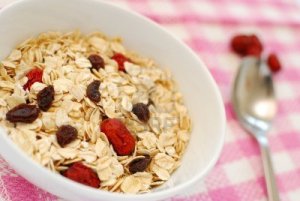
Old-Fashioned Oats, Fruit and Egg Whites: Take 1/3 cup old-fashioned rolled oats or steel cut oats and add 2/3 cup water in a saucepan. Cook on medium heat for three minutes. Transfer to bowl and add a dash of cinnamon, 1 teaspoon unsalted nuts (slivered blanched almonds are my favorite here), and ¼ cup fresh blueberries or raspberries or ½ of a sliced banana. If you must have sweetener, either use one packet of sucralose or stevia, or add ½ teaspoon of agave nectar. Another great variation is to take 1/3 of a chopped apple and add it to the oatmeal as it is cooking.
Nonfat Greek Yogurt With Nuts, Fruit and Granola: Place 1 cup of nonfat Greek yogurt in a bowl (Fage is my favorite brand due to its nutritional value, texture and flavor). Add ¼ cup of high protein granola, 1 teaspoon of nuts and ¼ cup of fresh berries.
P28 Bread With Peanut or Almond Butter: Take 2 slices of P28 Bread or a whole P28 Bagel (www.highproteinbread.com) and lightly toast. Remove from toaster and spread 1-1/2 tablespoons of UNSWEETENED peanut butter or almond butter (FYI P28 now makes incredible high protein nut spreads!) on top.
Eggs and P28 Toast: Scramble 4 egg whites in pan. Toast one slice of P28 Bread. Once eggs are cooked, place on top of toast and add 1 teaspoon of tomato salsa.
Protein Egg Wrap: Take a low carb wheat wrap or a P28 Flatbread and fill with three scrambled egg whites, 1 ounce of fat free feta cheese and 1 teaspoon of salsa.
Cottage Cheese, Fruit and Nuts: Scoop 1 cup of lowfat cottage cheese into bowl and add ¼ cup fresh fruit and 1 teaspoon of chopped nuts.
Asian Egg and Tofu Scramble with Rice: Take 7 ounces of firm tofu (this is half a cube of Hinoichi brand tofu) and mash with fork. Add three egg whites, dash of garlic powder and black pepper and mix. Cook in pan with nonstick spray until done, then serve over 1/3 to ½ cup of brown rice.
Protein Pancakes: Mix 3 egg whites with 1 scoop protein powder of your choice and 1 tablespoon of unsweetened almond milk. Cook in pan which has been sprayed with nonstick cooking spray on low to medium heat for 3 minutes on each side. Serve topped with fresh fruit and agave nectar or maple syrup if desired.
Homemade Protein Bars: Here is a great recipe which IFBB Bikini Pro Natalie Pennington developed.
No-Bake Protein Bars
Ready in 40 minutes • Makes 6 servings
- 2 cups quick cook oats
- 1/2 cup natural peanut butter
- 4 scoops vanilla protein powder
- 1 tbsp ground flaxseed
- 1/2 cup water
- Line a loaf dish with parchment paper.
- Using clean hands, kneed all ingredients in a large prep bowl.
- Spread dough into dish or pan, pressing down to flatten. Use a spatula smooth out the surface. Freeze for 30 minutes. Cut into six large bars. Serve and refrigerate the rest.
Optional ingredients:
- 1 tsp cocoa powder (add it in the mix)
- dried fruit
- raw maple syrup or honey (drizzle on top of pressed dough you put it in the freezer)
Nutrients per serving: Calories: 310, Total Fats: 13 g, Saturated Fat: 2 g, Trans Fat: 0 g, Cholesterol: 25 mg, Sodium: 30 mg, Total Carbohydrates: 28 g, Dietary Fiber: 5 g, Sugars: 5 g, Protein: 22 g, Iron: 2

 It is normal to lose some hair each day since hair loss is part of the normal growth cycle. A normal rate of loss is 50 to 100 strands each day, so a loss of more than this range could signal health issues which must be investigated by a physician. Common causes of hair loss include surgery, medications, illness or trauma and are often temporary.

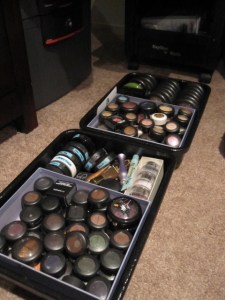 For years I have had an addiction. Yes, it is true…to MAC Cosmetics!