Why Dating Apps Fall Short

Mature Friends Fine Dining Outdoors Concept

rawpixel 66739486 123RF Free

Dating apps can be incredibly frustrating for women over 50 — and not just a little. They often feel like a wasteland of bad profiles, lazy conversations, and mismatched intentions. Here’s a breakdown of why dating apps suck for women in this age group, and what kinds of challenges they’re running into.


1. The Men on These Apps Are… Not Great (Often)

Let’s start with the elephant in the room: the dating pool.

Emotionally Unavailable or Damaged

A lot of older men on apps are freshly divorced, widowed, or never dealt with their emotional baggage. Instead of seeking genuine connection, they’re:

  • Still hung up on their ex.
  • Testing the waters post-divorce.
  • Looking for someone to “fix” them.

Looking for Younger Women

Many men in their 50s, 60s, and even 70s swipe right on women 20 years younger. So if you’re a 50-something-year-old woman hoping to date someone age-appropriate, you’ll often be overlooked — while those same men chase women in their 30s and 40s.

Catfishers, Scammers, and Creeps

Unfortunately, women over 50 are heavily targeted by romance scammers posing as military men, oil rig engineers, or conveniently “wealthy but lonely” entrepreneurs. Some are real men with fake intentions; others are entirely fraudulent.


2. Conversations Are Mind-Numbingly Awful

Even if you match with someone decent-looking and age-appropriate, the conversation is often a disaster.

💤 Boring and Generic Openers

  • “Hi”
  • “How are you?”
  • “You’re beautiful :)”

After decades of life experience, it’s insulting to get messages with the depth of a damp napkin. Where’s the spark?

🧱 Zero Effort

  • No follow-up questions.
  • No interest in your personality.
  • All replies are one-word answers or just emojis.

It feels like you’re carrying the entire conversation — and frankly, after raising kids, holding careers, and managing life, who has the energy to drag a grown man into a coherent discussion?

🛏️ Quick to Turn Sexual

Many men skip straight to innuendo, sexting, or asking what you’re “into.” Some will ask for nudes within five messages. It’s not flirtation — it’s objectification, and it’s exhausting.


3. The Algorithms Aren’t Your Friend

Most dating apps are built around engagement, not compatibility. They favor:

  • Younger users.
  • Profiles with high swiping activity.
  • People who conform to narrow beauty standards.

Women over 50 often get fewer matches because the system simply isn’t designed for them. The more you swipe without matching, the more the algorithm deprioritizes your profile.


4. It’s Hard to Find People With Real Intentions

By 50, most women know what they want. Whether it’s companionship, romance, or sex — clarity matters. But the men on apps often:

  • Say they want a relationship but act like they want a fling.
  • Say they’re “easygoing” but can’t handle a strong woman.
  • Aren’t emotionally mature enough for a serious connection.

5. It Can Feel Like a Second Job

  • Crafting a profile.
  • Finding good photos.
  • Screening creeps.
  • Starting and maintaining conversations.
  • Deciding whether someone is legit.

It’s time-consuming, emotionally draining, and often leads nowhere.


Final Thoughts:

For many women over 50, dating apps are more disappointing than hopeful. The problem isn’t the age — it’s the quality of the interactions and the lack of emotionally mature, genuine men. The design of these platforms — shallow, swipe-based, and appearance-driven — makes it worse.


Naturally Gray

123rf.com image
yaroslavastakhov Image ID158276168

When the COVID-19 pandemic swept across the world in early 2020, it disrupted nearly every aspect of daily life—including personal grooming routines. For many women, the closure of hair salons meant they could no longer maintain their regular appointments for root touch-ups or color treatments. Suddenly, the choice to hide gray hair was taken out of their hands. For some, this was initially a distressing situation, especially in a society that has long associated gray hair in women with aging, invisibility, or a lack of vitality.

However, something unexpected happened. As the weeks turned into months, and the pandemic dragged on, many women began to embrace the gray. What started out as a necessity slowly evolved into a movement. Social media played a huge role, with women posting photos of their “silver linings” and sharing their journeys of going gray—roots growing out, transitions in color, and emotional realizations along the way. Hashtags like #grombre (gray + ombré), #grayhairdontcare, and #silversisters began trending, creating a virtual support network that celebrated authenticity over convention.

For many women, going gray became symbolic of something much bigger. It represented a rejection of unrealistic beauty standards and the freedom to age on their own terms. It was an act of self-acceptance and empowerment. Some women shared how liberating it felt to stop covering something that was natural and beautiful. Others described how they felt more themselves than they had in years—bold, honest, and unfiltered.

This shift was about more than hair color; it was about autonomy. In a time of uncertainty, women reclaimed control over something deeply personal. They no longer felt pressured to hide a part of themselves just to conform to societal norms. As a result, what started as a temporary break from salon visits became, for many, a permanent transformation—not just in appearance, but in mindset.

As for my personal hair color journey during the pandemic, I was already so accustomed to coloring my gray roots at home every two weeks that it did not bother me one bit that I wasn’t able to visit a salon. In addition, the hairdresser who had been doing my hair during that time worked out of her home, so the interruption in professional hair care services was very brief for me. However, I was so inspired by the women who were daring enough to go naturally gray that I briefly considered traveling down the same path.

What stopped me was the realization that any lighter hair color looks truly bizarre on me, whether it be blonde, gray or white. I have verified this over the years by donning blonde and platinum white wigs, only to cringe in horror. Last month, I applied a gray hair color paste on my hair and took photos, then washed the stuff away. One friend thought it looked cool and suggested that I sort of resembled Storm, but that certainly wasn’t enough for me to consider leaving the temporary color in my hair for more than a few minutes.

Here I am with a temporary gray hair paste

If you have ever considered going naturally gray, I have listed pros and cons of such a decision below.


🌟 Pros of Going Naturally Gray

1. Authenticity and Self-Acceptance
Allowing gray hair to come in can be a bold statement of self-acceptance and confidence. It signals a refusal to conform to ageist beauty standards and an embrace of one’s natural evolution.

2. Healthier Hair
Frequent coloring, especially with harsh dyes, can damage hair over time. Going gray allows the hair to recover its natural texture, strength, and integrity.

3. Financial Savings
Salon visits for color treatments can be costly. Eliminating this routine saves both money and time—no more constant root touch-ups.

4. Time and Convenience
Gray hair maintenance often requires less frequent upkeep compared to colored hair. Once the transition is complete, you’re no longer on a schedule.

5. It Can Look Stunning
Natural gray or silver hair can be incredibly striking. When properly cared for, it can be glossy, elegant, and eye-catching. Many women find that it enhances their features and gives a sophisticated, modern edge.

6. Social Shifting
There’s a growing movement encouraging women to defy beauty norms. Embracing gray can connect you to a supportive community and help challenge outdated societal expectations.


⚠️ Cons of Going Naturally Gray

1. Societal Judgment and Ageism
Women are often judged more harshly than men for visible signs of aging. Going gray can provoke unsolicited comments or subtle discrimination, especially in professional environments.

2. Confidence Rollercoaster
The transition period—when roots are growing in—can be tough. Many women feel awkward or less attractive during this in-between phase.

3. Maintenance Doesn’t Disappear Entirely
While you’re not dyeing your hair anymore, gray hair often has a different texture and can be more coarse, wiry, or dry. It may require new types of products to look its best, including purple shampoos to combat yellowing.

4. Perceived Loss of Youthfulness
Some women feel that gray hair makes them look or feel older than they are, and may worry about losing their youthful edge or romantic appeal.

5. Not All Grays Are Created Equal
Gray hair doesn’t always come in beautifully silver. It may be patchy, dull, or uneven, and not everyone ends up with that sleek silver fox look.


Today, the visibility of gray-haired women in media, fashion, and public life continues to grow. The pandemic may have forced the change, but what followed was a grassroots movement of women stepping into their power, embracing their natural beauty, and redefining what it means to age gracefully.

Final Thought:

Going gray is not about “giving up”—it’s often about reclaiming control. For some women, coloring their hair helps them feel vibrant and polished. For others, letting it go natural is a power move toward freedom and authenticity. Neither path is superior—it’s about what makes you feel most confident in your skin.

Don’t Touch!

123rf.com image
ID 124703902 nikkolia

It is never appropriate for a man — or anyone, for that matter — to touch a woman’s body, including her legs or butt, without her clear, enthusiastic consent. This isn’t just about “manners” or “boundaries”; it’s about basic human dignity, respect, and the right each person has to autonomy over their own body.

Invasion of a Woman’s Body

Touching someone without consent is a violation. It’s not a compliment, not a joke, and not excusable because of a friendship or past closeness. A woman’s body is her own, not an object to be touched at someone else’s whim. When a man puts his hands on her without permission — even if they’re “close friends” — it invades her personal space, disrespects her autonomy, and communicates a total disregard for her comfort and her right to say what happens to her body.

Disrespect and Objectification

When a man touches a woman’s body without consent — especially in a sexual or suggestive way, like grabbing her butt — he is objectifying her. He is reducing her to something that exists for his pleasure or amusement. That kind of behavior says: “Your body is here for me to use,” whether consciously intended or not.

It’s not about affection or connection — it’s about power and control. It disregards who she is as a person and treats her like a thing. Even if they’re friends, even if she’s never said anything before, it’s not okay. Silence is not consent, and familiarity doesn’t equal permission.

The Impact

For the woman, it can be confusing, infuriating, violating, and dehumanizing — especially when it comes from someone she trusts. It can make her feel unsafe in spaces where she should feel secure, like among friends. It sends the message that her comfort, safety, and agency don’t matter.

The Responsibility

It is every person’s responsibility to respect others’ boundaries, and that starts with recognizing that touching someone without permission is a form of disrespect and harm. Being close friends doesn’t mean you get a “pass.” Respect is not situational — it’s foundational.

Touch is not harmless if it’s not wanted. Just because you don’t mean anything by it doesn’t mean it doesn’t mean something to the person you’re touching. The intention does not erase the impact.


Wanting to talk about this openly is important — especially because it’s not just about one action. It’s about the culture that normalizes the objectification of women and teaches some men that entitlement is acceptable if it’s dressed up as “playfulness” or “friendship.” But real friendship is rooted in respect.

How Menopause Messes With Our Hair

Women who have gone through menopause typically experience striking changes in hair texture, which can quite frankly, be distressing. For those of you who didn’t know about menopausal hair changes, be afraid. Be very afraid. Because your hair texture will morph into something you won’t understand or find very manageable.

My hair before the waves kicked in…

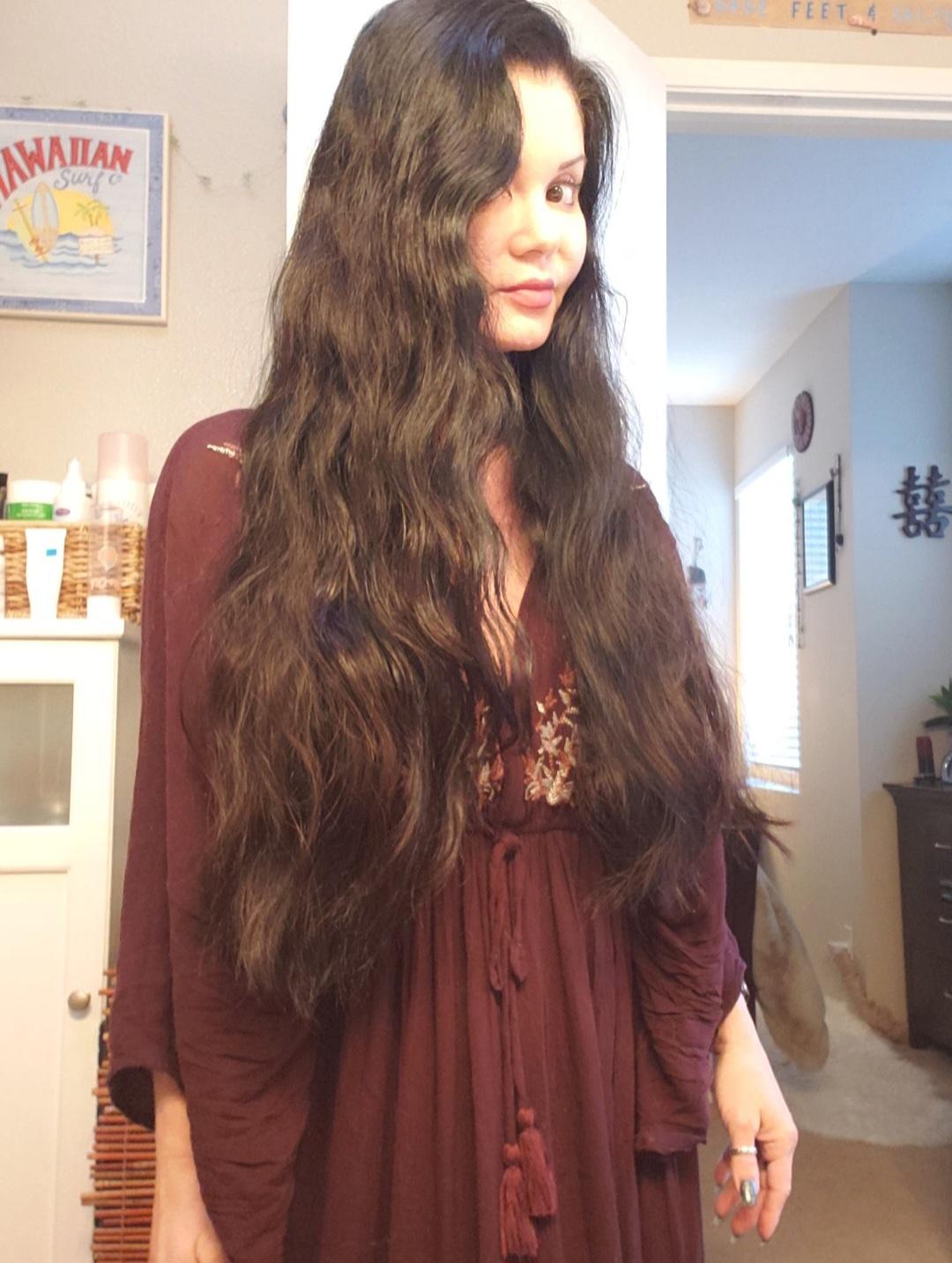
When a woman reaches menopause, hormonal changes can lead to noticeable differences in hair texture, volume, and growth patterns. While hair thinning and loss are commonly discussed, another fascinating change is how hair texture can become curlier or more unruly. On a personal note, my hair went from being almost arrow straight to having a pronounced wave, which makes it look like I had braided my hair and then let the crimps remain after unraveling the braid. I fight this new waviness by flat ironing my hair, because I just can’t stand the look. The waves became intense for a while (see pic below), then settled down a bit once I reached 57.

There are several scientific explanations which help account for the changes in hair texture during menopause:

1. Hormonal Changes and Hair Texture

Estrogen and progesterone, two key hormones that regulate many aspects of a woman’s body, play an important role in hair growth and structure. Before menopause, these hormones help maintain the hair growth cycle, ensuring strong and healthy strands. As estrogen and progesterone levels decline, their regulatory effect diminishes, which can lead to changes in the shape and structure of hair.

At the same time, androgen (male hormone) levels remain relatively stable or increase in comparison, which can influence hair follicles in several ways:

  • Some women experience hair thinning or miniaturization, particularly along the crown.
  • Androgen dominance may alter the activity of sebaceous (oil) glands, affecting hair texture.
  • Hair strands may become drier, more brittle, or coarser.

2. Changes in the Hair Follicle and Muscle Relaxation

One lesser-discussed but compelling explanation involves changes in the follicular muscle layer—specifically, the arrector pili muscle, a tiny muscle attached to each hair follicle. This muscle plays a role in the positioning of the follicle in the scalp.

  • During menopause, the arrector pili muscle may weaken or relax due to hormonal shifts, particularly as estrogen levels drop.
  • When this muscle relaxes, it can cause the hair follicle to shift at a different angle.
  • A change in the follicle’s orientation may lead to hair emerging in a more curved or spiral pattern, making previously straight or wavy hair appear curlier.

3. Structural Changes in the Hair Shaft

The cross-sectional shape of the hair shaft is a major determinant of hair texture. Straight hair typically has a round cross-section, whereas curly hair has a more oval or flattened shape.

  • Hormonal shifts can influence keratin production, the protein that makes up hair.
  • Changes in keratin bonding patterns could contribute to an altered hair structure, making it curlier or frizzier.
  • Hair may also become thinner in diameter, which can enhance the appearance of curls or waves.

4. Aging and Changes in Scalp Health

The scalp itself undergoes changes with age, including:

  • Reduced blood flow to hair follicles, which affects nutrient delivery.
  • Changes in oil production, leading to drier hair that may behave differently.
  • A shift in collagen and elastin levels in the skin, which might indirectly impact follicle positioning and hair texture.

The waves in my hair tend to look more like this, but I have a lot of frizz right after washing my hair. Thank goodness for flat irons!

Conclusion

Menopause brings a variety of changes to hair due to the interplay of hormonal fluctuations, follicular shifts, and changes in scalp and hair fiber structure. While some women may experience thinning, others may find their hair becoming curlier or more textured due to follicle repositioning, muscle relaxation, and shifts in keratin structure. Understanding these changes can help women adjust their hair care routines to maintain healthy, manageable hair during and after menopause.

Why Do Hot Flashes Occur?

Image 123rf.com fizkes

For any of you ladies who have experienced hot flashes, you know how sudden and intense they can be. It’s as if a radiator suddenly turns on in your head, neck or chest, making you miserable. But why do perimenopausal and menopausal women get these things?

Hot flashes are related to fluctuating hormones that happen before, during and after menopause. Research suggests that dropping estrogen can change how the brain perceives temperature. In other words, our internal thermostat (hypothalamus) doesn’t work properly, so when it starts to think your body is too hot, it opens up all the blood vessels on the skin and the sweat glands to cool it off.

Here’s a breakdown of the physiology behind hot flashes:

1. Estrogen Decline and Hypothalamic Dysfunction

Estrogen plays a crucial role in regulating body temperature by influencing the hypothalamus, the brain’s temperature control center. During perimenopause and postmenopause, estrogen levels fluctuate and eventually decline, disrupting normal hypothalamic function.

2. Narrowed Thermoregulatory Zone

The hypothalamus maintains a “thermoneutral zone,” a temperature range in which the body does not need to trigger heat loss (sweating) or heat retention (shivering). In menopausal women, lower estrogen levels lead to a narrowing of this zone, meaning even small changes in core body temperature can trigger an exaggerated heat dissipation response.

3. Activation of the Sympathetic Nervous System

Due to the narrowed thermoregulatory zone, a slight increase in body temperature (which would be tolerated normally) is misinterpreted as excessive heat. This causes the hypothalamus to activate the sympathetic nervous system, leading to:

  • Vasodilation: Blood vessels, especially in the skin of the face, neck, and chest, dilate rapidly to release heat, causing a flushed appearance.
  • Increased Heart Rate: The heart pumps faster as part of the body’s attempt to cool down.
  • Sweating: The body triggers sweat production to dissipate heat through evaporative cooling.

4. Sudden Cooling and Chills

After the hot flash, the body may overcorrect, leading to a rapid decrease in temperature, causing chills or a cold sensation.

There are measures which a woman can take to minimize the chances of getting hot flashes. They include avoiding hot weather, spicy foods, caffeine, alcohol, and stress. But hot flashes can even strike in very cold weather, because the low estrogen levels can make a woman’s thermoregulatory apparatus go haywire. What has worked exceptionally well for me in the past has been the use of table fans on both nightstands in my bedroom and a ceiling fan overhead. Sleeping with a cold gel pack between the shoulder blades is also very effective.

Revitalize Your Routine: Wellness Hacks for the Modern Career Woman

Image: Freepik

This fantastic post, written by Camille Johnson of Bereaver.com, highlights the most important steps which career women should take in order to maintain balance and optimal well-being.

In the hustle and bustle of professional life, working women often find themselves caught in a relentless grind, juggling multiple responsibilities while striving for success. However, prioritizing well-being amid this chaos is essential for sustainable growth and fulfillment. Here, Dr. Stacey Naito delves into empowering strategies tailored to help women transcend the grind and elevate their overall well-being.

Harness the Power of Reflection

Take time to introspect and evaluate your priorities, goals, and values. Reflection allows you to gain clarity on what truly matters to you, enabling you to make informed decisions aligned with your aspirations. Embracing moments of solitude provides an opportunity for self-discovery and introspection, fostering a deeper understanding of your emotions and motivations. Regularly assessing your progress empowers you to course-correct when necessary, ensuring that your actions remain congruent with your long-term objectives.

Pursue a Degree Online

Earning a degree online is a great option if you’re looking to change your job and advance in your career. For instance, pursuing a degree in psychology can provide insights into cognitive and affective processes, equipping you to better support those in need. Online degree programs offer the flexibility to study while working full-time, streamlining, well, everything, from managing your schedule to accessing course materials. This approach allows you to gain new skills and knowledge without disrupting your current responsibilities.

Build Power with Resistance Training

Resistance training offers numerous benefits, including increased muscle strength, improved bone density, and enhanced metabolic rate, which collectively contribute to better overall health and fitness. Additionally, it can aid in weight management and improve posture, reducing the risk of chronic conditions. To maximize these benefits, consider a monthly customized exercise plan from Dr. Stacey Naito. Her tailored approach ensures that each workout aligns with your personal fitness goals and abilities, providing expert guidance for optimal results.

Set Achievable Milestones

Define clear and attainable objectives that inspire progress and keep you focused. Setting specific and measurable goals provides a roadmap for success, guiding your actions and decisions along the way. Breaking down large goals into smaller, manageable tasks prevents overwhelm and enhances productivity. Celebrating milestones, no matter how small, reinforces your sense of accomplishment and motivates you to continue making strides toward your ultimate vision.

Nurture Positive Self-Talk

Cultivate a nurturing inner dialogue that uplifts and empowers you. Positive self-talk involves consciously replacing negative thoughts with affirmations of your capabilities and worthiness. By practicing self-compassion and kindness toward yourself, you cultivate a resilient mindset that enables you to bounce back from setbacks with grace and determination. Embracing optimism as a guiding principle empowers you to see challenges as opportunities for growth and development, fostering a sense of hope and possibility.

Embrace Forgiveness

Release yourself from the burden of resentment by embracing forgiveness. Forgiveness is not about condoning the actions of others but about freeing yourself from the emotional weight of past grievances. By extending compassion to yourself and others, you create space for healing and transformation to occur. Letting go of resentment opens the door to inner peace and liberation, allowing you to move forward with clarity and purpose. 

In the pursuit of professional success, prioritizing well-being is not a luxury but a necessity. By incorporating these empowering strategies into your daily life, you can transcend the grind and cultivate a sense of balance, purpose, and fulfillment. Remember, empowerment begins with a conscious choice to prioritize your well-being and invest in your growth. Embrace the journey, and watch yourself soar to new heights of success and happiness.

For customized nutrition and training plans, as well as contest prep coaching, contact Dr. Stacey Naito today!

Kissing Potion

Who remembers these Kissing Potions from the 1970’s and 1980’s?

I remember being completely obsessed with Kissing Potion roller tip lip glosses when I was a preteen and teenager, so I was delighted when I found out that Tinte Cosmetics sold these awesome retro glosses. My favorite scent/flavor was Bubble Gum, an iconic, true bubble gum vibe which Tinte Cosmetics captured beautifully. Of course when I placed an order on the website, I had to get Strawberry Swirl, another favorite flavor. The consistency of the gloss is thick, the finish is very glossy, and Tinte nailed the scents so well that I was transported back to the days of roller rinks and drive-in movie theaters. I might have to order Watermelon, Piña Colada and Cherry Smash so that I have all the varieties I loved as a youngster.

Here’s the description of the Bubble Gum Kissing Potion:

Bubble Gum KISSING POTION ® Roll on the ORIGINAL Sweet Shine! TINte Cosmetics will take you back to the 70’s & 80’s with our delicious KISSING POTION ® ! As ultra shiny and thick & slick as you remember. Each with its own roller-ball top. Roll on our shiny, sweet gloss over bare lips or roll it on over lipstick it’s the perfect product for creating sweet shine that lasts. Get ready for the complements. As always each of our products is enriched with nourishing Shea Butter. No color, just great glossy power and delicious shine. This product is paraben free, and as always cruelty free. 

The Whisker

Copyright: dtiberio

This post is dedicated to all perimenopausal and postmenopausal ladies who have had to deal with the shock of seeing a large, angry, black rogue whisker poking out of their chins. You know what I’m talking about, that sneaky little bugger that wasn’t there last night when you were washing your face and getting ready for bed, but somehow mysteriously managed to grow about a half an inch overnight, thick and bold and ready to ruin your day? Yeah, that thing.

I’m not new to these witch hairs, as I have had a few sprout on my jawline and chin over the years, but I am never prepared for these atrocious things when they appear without any warning whatsoever. At least if they looked like strange blackheads in the days preceding their eruption, I’d have some kind of warning, but no, they wrangle so much keratin in no time flat, in a declaration of pure defiance. For some reason, I honestly believed that I had moved past the danger zone, but about two months ago, while I was performing a tweezing touch-up of my brows, I witnessed one big whisker on my chin right at border, asserting itself like a little punk, about a centimeter long, robust and black.

Despite the fact that I know full well that these single chin hairs are formed in response to hormonal fluctuations, I will never get over the fact that they grow lightning fast, that they are always black, and that they serve as reminders of how old I am becoming. What also irks me is that I have undergone laser treatments to eradicate these random, rare (thankfully) strands, but they persist in plaguing me.

Thank goodness for tweezers!

The Evolution of IFBB Bikini Pros Since 2009

Sonya Gonzalez 2012, shot by Bill Comstock, Muscle and Fitness

Isa Pecini 2022, image from Fitness Volt

Introduction

Since its inception in 2009, the International Federation of Bodybuilding & Fitness (IFBB) Bikini division has undergone remarkable transformation. What was once a relatively new category has now become one of the most popular and competitive segments in the world of bodybuilding. Over the years, the athletes competing in the IFBB Bikini Pro division have displayed an impressive evolution in terms of physique, presentation, overall aesthetic, and even competition attire. In this article, I will discuss the changes that have defined IFBB Bikini Pros from 2009 to 2023.

Physique Transformation

In the early days of the IFBB Bikini division, the emphasis was on a balanced, lean, and toned physique. As a bikini athlete who jumped onboard the competition circuit in 2009 (the inception year for the bikini division), I noticed that competitors who were too muscular or conditioned were urged to switch to the figure division. This was because bikini athletes were expected to have well-defined but not overly muscular physiques, maintaining a feminine appearance. Since then, there has been a noticeable shift towards a more sculpted and athletic look which is more muscular than ever, and rivals the look of figure competitors from earlier years. Today’s IFBB Bikini Pros display a much higher level of muscle development compared to those from my era (2009-2014), particularly in the shoulders, glutes, and legs, while still maintaining an overall feminine silhouette.

Training and Nutrition Advances

With the progression of sports science and nutritional knowledge, athletes have access to more effective training methods and specialized dietary plans. This has allowed IFBB Bikini Pros to achieve levels of conditioning and muscle development that were not as attainable in the early years of the division. Training techniques have become more sophisticated, with a greater focus on targeted muscle groups and tailored workout routines. In addition, judges have pushed for more muscularity as the division has evolved, placing greater pressure on bikini athletes to pack on muscle.

Posing and Presentation

Another notable evolution has been in the area of posing and stage presentation. In 2009, poses were simpler, with an emphasis on showcasing overall physique balance and grace. Today, IFBB Bikini Pros have refined their posing techniques to highlight full glutes, a well-shaped V-taper, well developed quads and hamstrings, and shapely delts. Although the art of stage presentation was always a crucial aspect of competition, posing is now much more polished, and it is even more imperative for athletes to exude confidence and charisma on stage while also presenting the most desirable physical characteristics of the division.

I remember how we used to pose onstage, with the front pose characterized by both legs straight, with one leg out to the side and slightly forward, with the opposite hip pushed towards the back of the stage. In stark contrast, the current front pose standard features feet and legs pointed towards one side, with the upper torso twisted at the waist so that the shoulders are squared towards the judges. You can see both types of poses in the images which are featured at the top of this blog post. The back pose has remained relatively unchanged, with the booty hiked up and the lower back arched. One posing feature which has been consistent throughout the years is the rear end pitched up and back, like a cat in heat. I will never forget how much my lower back would hurt after practicing posing or after a contest!

Suits and Competition Attire

The evolution of competition suits is another noteworthy aspect of the IFBB Bikini Pros’ journey. As the division gained popularity, athletes and designers began to experiment with different fabrics, cuts, and styles. Today, competition suits are more intricate and tailored to each athlete’s unique physique, often featuring embellishments, crystals, and personalized touches that enhance the overall presentation on stage. In 2009, suits tended to be simpler, with standard designs and limited embellishments. Each year, suit cuts evolved, with the bottoms getting skimpier and skimpier, resulting in the current suit bottom design, which is a daring V-shape, but not a thong.

Conclusion

The evolution of IFBB Bikini Pros from 2009 to 2023 reflects the dynamic nature of the sport and the dedication of the athletes involved. With advancements in training, nutrition, posing, and competition attire, the IFBB Bikini division has become a diverse and thriving segment of the bodybuilding world. As we move forward, it will be fascinating to see how the division continues to evolve, setting new standards of excellence in physique, presentation, and athleticism, while pushing the boundaries of competition attire.