Arnold Sports Festival 2015

BannerAd-web

For the first time ever, I am actually going to attend the Arnold Classic and Bikini International Finals at the Battelle Grand in Columbus, Ohio on Saturday, March 7, 2015. I am so excited to be able to watch these prestigious competitions from the audience!

This year will be the second year in which I will NOT be working a booth but instead will visit the Expo as a spectator, so it will be a very different Arnold experience for me this time around. I actually prefer to work a booth, but it will still be nice to see friends and fans, network, and have the freedom to come and go. Another big change this year is that it will be the first year that I will be staying at a hotel which is immediately adjacent to the Columbus Convention Center, which means I can keep exposure to the bitter cold and snow to a minimum!

For those of you who are unable to attend the Arnold Classic, tune into the live webcast on Bodybuilding.com. Simply go to the Bodybuilding.com website and click on the link!

2015_Arnold-Sports-Festival-Website-Ad_300x300

Creatine-Rich Foods Or Creatine Supplements?

Originally published on mensphysique.com on Sunday, 29 June 2014

http://www.rxmuscle.com/blogs/the-lab-supplement-school/11157-creatine-rich-foods-or-creatine-supplements.html
creatine
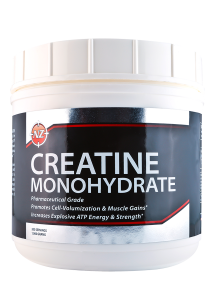
Creatine has been established as an important component of maximal muscle growth, strength and energy in the world of weightlifting, hence its almost ubiquitous presence in pre-workout formulations. Though creatine can be formed in the kidneys and liver from arginine, glycine and methionine, weightlifters should supplement this production, either by taking powdered creatine supplements such as creatine monohydrate, or by consuming large amounts of creatine-rich foods.

Beef is hands down the richest and easily accesible food source of creatine, with two grams per pound of meat. If you are opposed to the idea of eating red meat, alternative sources of creatine are found in poultry and in fish such as salmon and tuna. Those of you who are vegetarian or vegan will be hard pressed to pull sufficient creatine from foods and will have to supplement via synthetic forms such as creatine monohydrate, micronized creatine, or creatine citrate.

You may be able to consume massive amounts of meat and supply your body with the 3 to 5 grams of creatine which is considered the norm in bodybuilding circles, especially if you are adamant about obtaining all of your performance substances from whole food sources, but that would require massive dedication and a lot of meat chewing!

However, if you are in a building phase, then I truly believe that you are doing yourself a disservice if you are trying to get all your extra creatine solely from food sources.

The original form of creatine which was used by bodybuilders and which is still very much in use today is creatine monohydrate. This is the cheapest form of creatine, but it is poorly absorbed, which explains its tendency to cause bloating and digestive upset.

Another negative aspect of creatine monohydrate is that some people don’t respond at all to it. If this is the case for you, then you might want to explore the different forms of creatine which are out on the market. The two best forms of creatine, in my humble opinion, are:

1. Micronized creatine – The micronized form of creatine features smaller molecules, so absorption is significantly better, eliminating the issues of bloating and diarrhea which are often caused by ingesting the non-micronized form of creatine monohydrate.

2. Creatine ethyl ester – This is by far the most absorbable form of creatine, but more expensive than the monohydrate form. You can find this substance in capsule form.

Another form of creatine which is at times used in some of the more popular pre-workout formulas is creatine nitrate. The extra NO2 makes creatine water soluble and also lends a decent pump to workouts. However, when purchased alone, creatine nitrate is costly and thus is not one of my recommendations.

If you want to enhance your creatine intake, consider food sources in combination with supplement sources so that you can obtain an optimal amount which your body is able to utilize.

One More Thought On Muscle Loss And Aging

I posted an article several days ago which discussed the interventions which can be practiced by older individuals to maintain muscle mass. In that article I discussed the importance of weight training, consuming adequate protein, and adding certain supplements which can reduce inflammation. A critical component in maintaining optimal function of the body at the cellular level is ensuring that micro-nutrient needs are met, i.e., meeting the body’s vitamin and mineral requirements. Given the fact that numerous nutrient deficiencies are increasingly common (such as magnesium, vitamin D3, calcium), supplementation with high quality products can often make the difference between a healthy state and one riddled with illness.

One sure way to meet micro-nutrient needs each day is to take a multivitamin/mineral supplement. I recommend taking a multivitamin which is dosed several times a day because the chance of optimal absorption is much greater than once-daily dosing. My favorite is SWAT Fuel’s .40 Caliber, because it delivers high bioavailability on a three time dosing regimen each day and is suitable for everyone, but it is especially great for individuals who tend to experience intestinal discomfort from multivitamin formulas.

You can order .40 Caliber directly from the website: http://swatfuel.com/products.aspx

40cal_small

Worth Your Weight In Salt: Why Some Dietary Salt Is Good

Originally published on mensphysique.com on Wednesday, 28 May 2014

http://www.rxmuscle.com/blogs/the-kitchen-eating-strategies/10971-worth-your-weight-in-salt-why-some-dietary-salt-is-good.html
salt
Salt has gotten a bad rap due to its rampant overuse in the food and restaurant industries and its potential to elevate blood pressure in susceptible individuals. However, it is responsible for the generation of nerve impulses, electrical conduction of the heart, and the contraction of all other muscles in the body.

The human body contains 4 to 8 ounces of salt and requires this to regulate body water, proper blood volume and normal blood pressure. It’s quite remarkable how the body can rid itself of excess sodium via the production of sweat and urine. Perhaps you have noticed instances in which you have retained water after a brief spike in dietary sodium intake, but this is rather short-lived in healthy individuals. What happens is that the high concentration of sodium causes fluid to travel from body tissues into the bloodstream to dilute the sodium influx. Blood volume increases, then blood pressure also increases, triggering the kidneys to increase urine output in order to excrete the excess sodium and water.

I’m not suggesting that you consume massive amounts of sodium in your daily meal plan, but I have met many competitors and athletes who are so terrified of the idea of consuming any sodium that they do themselves a disservice by pulling their daily sodium intake down significantly. When you keep sodium intake at very low levels for the long term, the kidneys will conserve serum sodium as a safeguard. When contest day approaches, no amount of water manipulation will work to give you that dry and peeled look if sodium was not on board in the weeks preceding the event. It is a far better strategy to maintain a sodium intake of approximately 2 to 3 grams per day, so that when you drop sodium and water intake right before a contest, it will be much easier to shed that subcutaneous fluid.

If you still aren’t convinced of the importance of sodium in your daily diet, remember that your body needs sodium to function properly in general. You also lose a considerable amount of sodium through the profuse sweating that most, if not all, of you fellas experience during your intense lifting sessions. If you consume very little sodium, and also lose a great deal of sodium through sweat, muscle contractility will become impaired and cramping will often develop. That’s reason enough to grab a little sea salt and add it to a few meals each day.

You might want to experiment a bit to see when it is best for you to cut sodium for a contest. For most competitors, cutting sodium intake in half for four to seven days before the event, then cutting water the day before showtime seems to work well.

Celiac Disease: A Blessing In Disguise For Competitors?

Originally published on RxGirl on Thursday, 13 March 2014

http://www.rxmuscle.com/rx-girl-articles/10435-celiac-disease-a-blessing-in-disguise-for-competitors.html
celiac-disease-villi
Celiac disease is an autoimmune response to gluten which results in inflammation in the small intestines and may include symptoms such as abdominal pain, constipation, nausea, fatigue, and diarrhea. This disease can be extremely debilitating for some people, and for this reason, sufferers need to adopt a gluten-free diet for a lifetime.

Gluten is found in so many different food items that it can be quite a challenge to avoid it. For example, gluten is found in grains such as rye and barley, and certain grains like oats can become contaminated with wheat during their production. Wheat is the most ubiquitous gluten-containing grain, hiding in bulgur, farina, kamut, semolina, spelt, beer, breads, baked goods, candies, cereals, crackers, cookies, croutons, French fries, imitation meat, pastas, luncheon meats, salad dressings, soy sauce, potato chips, tortilla chips, soups, modified food starch, and even some supplements and medications. Gluten-free items include fresh eggs, meats, poultry, fish, vegetables, fruits, dairy products, buckwheat, flax, corn and cornmeal, amaranth, millet, quinoa, soy, tapioca, sorghum, and gluten-free soy, corn, rice and potato flours.
gainst-the-grain
The good news is that the dietary restrictions of celiac disease complement the restrictions practiced during contest prep. The only commonly used grain in contest prep which might cause an issue in those suffering from celiac disease (oats) can be found in a gluten-free version now. Gluten free items tend to be very contest friendly and provide sound nutrition for building muscle and optimizing metabolism. In addition, the practice of avoiding the commonly designated forbidden foods which usually serve as nuisances for most competitors is a requirement for the celiac sufferer, because delving into such foods carries significant health consequences for her.
gluten-free
Perhaps you have been competing for a while and were just recently diagnosed with celiac disease. If so, you are most likely practicing eating habits which are consistent with the diet you need to follow in order to manage your disease. Perhaps you have lived with celiac disease for some time and have been considering stepping onstage to compete. If you have been managing your disease with dietary modifications, those modifications will be remarkably similar to what you will be practicing with contest prep.
It may indeed be a blessing in disguise for competitors to have celiac disease, since it can turn a weak will into an iron will. Celiac sufferers must make lifestyle adjustments for a lifetime in order to avoid the potentially devastating complications which can manifest over time when a gluten free diet is not followed. I have noticed that competitors who have celiac disease tend to be the most consistent with their meals and contest prep regimen. It certainly makes sense to underscore the health impact of a meal plan which is gluten free and which centers around whole food sources. Such a strategy will also maximize one’s chances of success onstage.

One Step Forward Two Steps Back: Fighting Muscle Loss As You Age

Originally published on mensphysique.com on Monday, 07 April 2014
fit at older age
http://www.rxmuscle.com/blogs/the-news-the-newest-in-mp/10590-one-step-forward-two-steps-back-fighting-muscle-loss-as-you-age.html

The sad truth about getting older is that it becomes more and more difficult to hold onto the plentiful lean muscle mass and low body fat we tend to take for granted during our younger years. An inevitable consequence of growing older is the increasing struggle to maintain lean muscle mass as the years pass. Even if you have been blessed with a genetic propensity for the optimal balance of lean tissue and body fat, be prepared to work harder over time to keep what you have. This also means that master’s competitors usually have to train harder to build muscle mass, and are also more sensitive to dietary fluctuations and digressions than their younger counterparts.

The good news is that there are steps which can be taken to combat the unfavorable shift in body composition which makes its appearance after one’s mid-thirties. Perhaps the MOST important intervention which the vast majority of you are already practicing is weight training. You can continue to challenge yourself and lift heavy, but you might want to consider adding glucosamine and turmeric to your supplement regimen to protect the joints and minimize inflammation. Another adaptation in the weight room which older athletes respond especially well to is unilateral training. Unilateral movements improve balance and coordination and make it possible to correct strength imbalances.

Another way to naturally boost the body’s ability to combat aging which you are most likely already practicing is to consume adequate protein. When protein is consumed, a steady stream of glucose is released via glucagon without spiking insulin levels in the body. Conversely, a diet low in protein but high in carbohydrates results in high levels of insulin, which over the course of time can result in widespread inflammation, diabetes, and obesity. Surprisingly, the protein needs of people from middle age on (40’s and over) increase as a result of diminished protein synthesis in the aging body. Protein intake must be increased in order to offset the deficiency.

If you are already weight lifting regularly and taking in sufficient protein, you may want to consider boosting your intake of glutamine and branched-chain amino acids, particularly leucine. These building blocks help to optimize the body’s ability to utilize dietary protein to build new muscle and repair damaged muscle fibers.

Though animal sources of protein are excellent options for people of any age, whey protein in particular is a remarkable protein source in older people. It is highly absorbable, contains all 18 amino acids, immunoglobulins and lactoferrin, and all the building blocks for a powerful antioxidant called glutathione. Glutathione deficiency is linked to Alzheimer’s disease, cardiovascular disease, arthritis, asthma and cancer, and because of this, it is considered a key substance in combating the process of aging. Natural glutathione production in the body declines with age, but with whey protein on board, the amino acids necessary for glutathione production are supplied to the body and optimal levels can be attained as a result.

Though athletes and competitors are aware of the health and muscle building benefits of whey protein, I am astonished by how it is not utilized nearly enough by the average person. All too often I see patients who regularly skip meals and eat fast foods and other processed foods, and who assume that whey protein is only for athletes. If you are an average person who wants to change poor eating habits and optimize cellular function, then you need to boost protein intake and add whey as one of your protein sources. You are doing yourself a disservice if you insist on eating junk carbs like simple sugars and processed foods, skipping meals, and consuming insufficient protein, especially if you are over the age of 35 and trying to fend off disease and aging.

If you are proactive and consistent about taking the necessary steps to battle age-related muscle loss, you will reap the benefits of better health and vitality and will rival those half your age with a muscular physique to be envied.

Weightlifting Safely While Pregnant

Originally published on RxGirl on Monday, 27 January 2014

http://www.rxmuscle.com/rx-girl-articles/10085-weightlifting-safely-while-pregnant.html
Pregnant with weights
Female competitors don’t have to give up lifting weights while pregnant, but it is very important to make modifications so that the growing fetus and the mother are both protected from injury. Make sure to inform your doctor of your desire to continue weight training while pregnant, and be prepared to put your exercise regimen on hold if conditions such as pre-eclampsia or cervical insufficiency exist.

Though you may be accustomed to training like a warrior, you need to drop your intensity while pregnant and remember that the focus is on maintaining current muscle tone rather than on gaining muscle. It is even more important to listen to your body’s cues, and stop exercising if any pain emerges during the routine. Whatever you do, do NOT be stubborn and engage in heavy lifting or contact sports which could harm you and your baby!

Usually even the most athletic and conditioned women will tire very quickly while exercising during pregnancy, requiring an additional hour nap for every 30 to 45 minutes spent working out. Balance will also become an issue, especially in the later stages of pregnancy, so free squats, lunges, bosu work, and plyometrics should be replaced with exercises which are more stable.

When performing cardio, it is probably best to switch to an elliptical machine which will confer more stability than a treadmill and will be more comfortable to use. Slow your pace down so that you avoid ballistic movements, and increase rest intervals to about 2 minutes per set. You will also need to drop the amount of weight lifted. Lastly, keep your heart rate below 140 beats per minute.
dd1212a8050f0c2d8e66956c426396dd296e04fd813021275bb033b86c8952d6
It is important to remember that during the later stages of pregnancy, a hormone called Relaxin will relax ligaments in an effort to prepare your body for delivery, which means that joint stability will be compromised. At this point it is best to switch to machines for all your resistance training so that you have maximum support during your lift. Another important thing to remember is to avoid lying on your back for any exercises, as this position can make you feel dizzy as well as compromise blood flow to the fetus. If you are concerned about retaining some tone in your abdominal muscles, you can perform a cat stretch which is done on all fours, in which you pull in your abdominal muscles and curve your back towards the ceiling.

The good news is that women who are fit before pregnancy typically enjoy easier pregnancies and shorter labor. They are also able to bounce back into pre-baby shape more quickly (gotta love muscle memory!). There are countless competitors and fitness celebrities (Gina Aliotti is one awesome mommy who comes to mind) who have remained fit during their pregnancies and bounced back to their pre-pregnancy bodies. So, as long as you practice consistency while turning down the intensity enough to ensure a safe environment for you and your baby, you should be able to enjoy the same benefits.

Eating For Two: Nutrition For Competitors During Pregnancy

Originally published on RxGirl on Thursday, 09 January 2014

http://www.rxmuscle.com/rx-girl-articles/9990-eating-for-two-nutrition-for-competitors-during-pregnancy.html
Kettlebell pregnancy
Female competitors may already find it challenging to keep up with proper nutrition during prep, but pregnancy confers even more nutritional demands. As a general rule, increasing caloric intake during pregnancy by 300 kilocalories per day meets the essential nutrient needs of the growing fetus for the majority of women, regardless of whether they compete or not. So if you are already struggling to get calories in, guess what? You will need to add an extra meal or two in your regimen to meet the caloric needs of pregnancy.

One of the physiological challenges which pregnancy creates in an effort to make enough glucose available to the growing fetus is insulin resistance in muscle tissues. This is similar to the insulin resistance which often occurs when the post-workout refeed one-hour window is missed. As a result, the practice of consuming smaller and more frequent meals among competitors works very well during pregnancy as well. Every meal should include lean protein sources, and protein intake should be increased by about 10% to support proper fetal development and increased blood volume in the mother.

Let’s also look at the carbohydrate needs of a female competitor during pregnancy. It has been shown that sharp decreases in blood glucose occur in the late stages of pregnancy following strenuous workouts. Such precipitous dips in blood glucose may compromise delivery of glucose to the fetus, so pregnant women need to consume adequate carbohydrates prior to exercise. An ideal quantity is 25 to 50 grams of carbohydrates which would be consumed prior to the workout, with an additional 25 grams if the workout period is prolonged or especially strenuous. Pregnancy is NOT the time to fear carbohydrates! Stick to lower glycemic index carbohydrates for

pregnant belly
If you are already accustomed to drinking ¾ gallon to a gallon of water each day, and you plan to exercise regularly during pregnancy, you will also need to consume an additional 8 ounces of water for every 15 minutes of physical activity to maintain proper hydration and blood volume for you and the baby. Make sure to get clearance to exercise from your obstetrician, since certain pregnancy related medical conditions are contraindications to exercise. You should also take a good prenatal vitamin, as well as 800 micrograms of folic acid per day to guard against neural tube defects. Other recommended supplements which pregnant women can safely consume are magnesium, calcium, omega 3 fatty acids, vitamin D, and B-complex.

Though many competitors already refrain from consuming “white” foods (table sugar, table salt, enriched white flour), it is especially important to avoid such foods during pregnancy, not just for the reasons mentioned above, but also because white foods cause the breakdown of elastin in the skin. What that means is that your skin’s elasticity will diminish, increasing your likelihood of tearing during the process of labor. This is especially important in the second and third trimesters of pregnancy. If you practice clean eating with the above guidelines in place, you will optimize your chances for a healthy pregnancy and a healthy, happy baby.

Sleep Deficit And Muscle Loss

Originally published on mensphysique.com on Wednesday, 05 March 2014

http://www.rxmuscle.com/blogs/the-news-the-newest-in-mp/10329-sleep-deficit-and-muscle-loss.html
sleep equals muscle
Those of you who insist on burning the midnight oil and carving into time during which you should be sleeping are doing yourselves a disservice. When you build up a sleep deficit, not only do you adversely affect your attention and overall energy, you also diminish the potential muscle gains you would obtain if you consistently got a good night’s rest.

A good portion of the slump in muscle repair and growth which occurs from inadequate sleep is due to inadequate secretion of growth hormone (GH). GH is only secreted during deep sleep, so people who don’t sleep for more than a few hours will spend less time in deep sleep and cause GH secretion to drop. In addition, there is some evidence that testosterone secretion also drops, creating a double whammy which cripples the body’s ability to utilize fat and build muscle.

Cravings can also become a significant issue with sleep deficits as a result of hormonal effects. Leptin, a hormone which signals that you are full from a meal, is inhibited during sleep deprivation, resulting in increased food cravings (especially for carbohydrates). Conversely, ghrelin, a hormone which signals hunger, increases by as much as 30 percent after only a two night sleep deficit.

The body also produces more cortisol during the late afternoon, which is exactly when the body’s production should be tapering down to prepare the body for sleep. Higher cortisol levels promote deposition of more fat and utilization of muscle for energy during a sleep-deprived state.

When you cheat yourself out of a full night’s sleep, you also deplete neurotransmitters in the brain which are in charge of regulating mood. The result is irritability and, over the long term, depression, both of which can impact the intensity of your workouts and hinder your efforts to pack on muscle.

Sleep deficits also result in a decrease in alertness and concentration which often translates into submaximal workouts. And Sleep deficit affects strength. A study in Ergonomics examined the effects of sleep deprivation on weightlifting, with compelling results. As expected, there was a significant decrease in maximal lift for bench press, leg press, and dead lift after a three-day sleep deficit was established.

If you are in the habit of cutting into your sleep time, or you practice erratic sleeping patterns which are creating a sleep deficit, try to get into a rhythm in which you get enough sleep every night, especially if you are hitting a plateau with your training. Once you start getting adequate sleep, you will notice a big difference in your strength and muscle gains.