Category Weightlifting and Exercise
Vibration Plate Health Benefits
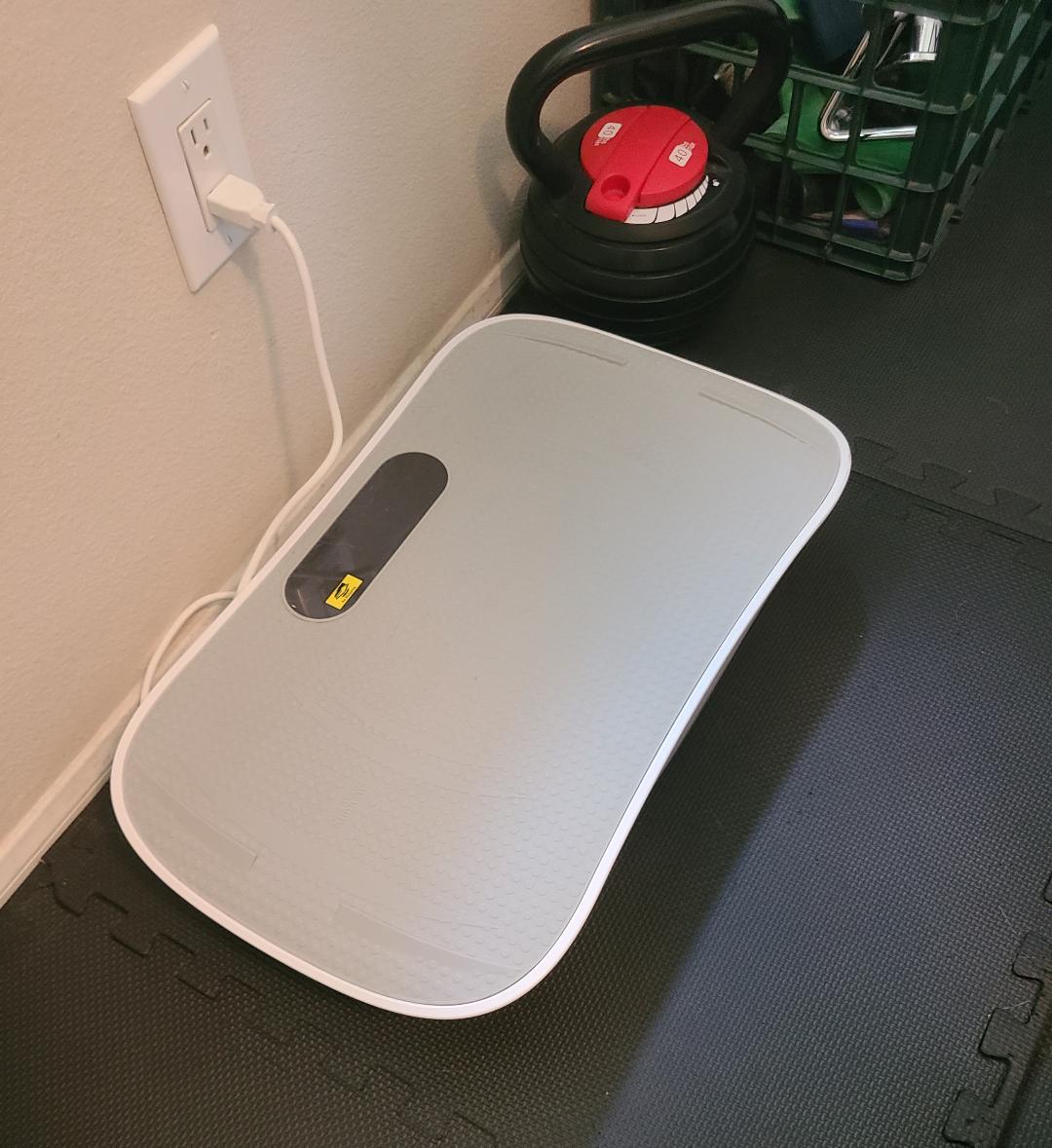
Vibration plate therapy, also known as whole-body vibration (WBV), is a fitness and rehabilitation method that involves standing, sitting, or exercising on a machine with a vibrating platform. These vibrations transmit energy to the body, causing muscles to contract and relax dozens of times per second. One of the most appealing aspects of vibration therapy is that it doesn’t require a huge time commitment—even just 10 to 15 minutes a few times a week can offer substantial benefits. I make sure to use my vibration plate for 10 minutes daily, and once a week, I will double my time on the plate.
Key Health Benefits:
1. Improves Muscle Strength and Tone
The rapid muscle contractions stimulated by the vibration plate help build strength and tone. This can be especially helpful for people who find traditional strength training challenging due to joint pain or mobility issues.
2. Boosts Circulation
The vibrations encourage better blood flow, which can enhance oxygen and nutrient delivery throughout the body. This improved circulation supports cardiovascular health and may help reduce swelling in the extremities.
3. Enhances Lymphatic Drainage
The stimulation helps activate the lymphatic system, aiding in the removal of toxins and waste from the body. This can reduce puffiness and support immune function.
4. Increases Bone Density
Regular use has been shown to help maintain or improve bone density, making it a valuable therapy for those at risk of osteoporosis or bone loss—particularly postmenopausal women.
5. Supports Balance and Coordination
By challenging your stability, vibration therapy activates deep core muscles and can enhance proprioception (your sense of body position), which is beneficial for fall prevention and general agility.
6. Aids in Weight Management
While it’s not a calorie-torching workout, WBV can slightly boost metabolism and support fat loss when combined with a healthy lifestyle. It’s often used as a supplement to other forms of exercise.
7. Reduces Muscle Soreness and Aids Recovery
Athletes and physical therapy patients often use vibration plates to reduce delayed-onset muscle soreness (DOMS) and promote faster recovery after strenuous activity. This is the main reason why I bought a vibration plate for my home, and I swear it makes a huge difference in recovery from my workouts.
8. Helps with Joint Pain and Flexibility
The gentle stimulation can increase joint mobility and reduce stiffness, making it an appealing option for people with arthritis or chronic pain.
Minimal Time Commitment, Maximum Results
One of the greatest advantages of vibration plate therapy is how time-efficient it is. Sessions are short—typically 10 to 15 minutes—yet they activate multiple muscle groups simultaneously. This makes it an ideal option for busy individuals, older adults, or those recovering from injury who want a low-impact but effective form of exercise.
Whether you use it as a stand-alone therapy or a complement to a broader fitness routine, vibration plate therapy offers a wide range of benefits in very little time.
Why Home Gyms Rock

During my most recent visit to Hawaii in May of this year, I went to 24 Hour Fitness to get three workouts, and I was honestly rather disappointed in the experience. This is saying a lot, since I have always loved being in a commercial gym atmosphere. However, I have spent the past 5 years, ever since we were hit with Covid lockdown, primarily working out at home. I have become accustomed to being able to work on any body part I want, with whatever apparatus I need to use, without having to wait for equipment or work in with another human. I don’t have to wear earbuds for my music, and can blast whatever tunes I want without worrying about disturbing other gym goers. I don’t have to get in my car or drive anywhere, and I have 24-hour access without any additional fees. My gym smells nice and fresh, and all the equipment is clean.

Before you ask me if I can get full workouts in my home gym, I will tell you that I have no restrictions on what I can train while at home. I have a Marcy Smith Machine Multi-Gym, 285 pounds of weight plates, over 300 pounds of other weights, pulley assemblies, barbells, kettlebells, a hyperextension bench, incline bench crunch apparatus, etc. Right after I finish my workout, I hop onto a vibration plate for 10 minutes, and watch the squirrels in my neighborhood eat breakfast outside while I am getting my vibration therapy.
It’s home gym over commercial gym for me now!
The Five Keys To Optimal Brain Health (Repost)

By: Dr. Stacey Naito – Physician and IFBB Pro
Even if your genetics put you at risk for developing dementia, there are numerous lifestyle and behavior adjustments which you can make in order to protect brain function and fight dementia. The five keys listed below are proven to improve brain health and keep your mind vital and sharp for decades.
1. MOVE YOUR BODY
Scientific research has proven that overall physical health is closely linked to brain health. Regular exercise aids in the maintenance of a healthy weight range, normal cholesterol levels, while also optimizing blood flow throughout the body and the brain and supporting the growth of new brain cells.
The benefits of physical health stem not only from regular exercise, but also from other good health practices. Support your brain’s health by doing the following:
• Exercise at least 30 minutes daily to relieve stress.
• Make sure to get between seven to eight hours of sleep each night.
• Refrain from using tobacco.
• See your doctor regularly.
• Maintain a healthy weight.
2. YOU ARE WHAT YOU EAT
Research studies indicate that diets which are low in saturated fats and cholesterol, and rich in polyunsaturated omega-3 fatty acids and nutrients like lutein and vitamin E, may have a protective effect on brain cells and overall brain health.
Brain-healthy dietary changes:
• Opt for healthy fats which are found in olive oil and fatty fish like salmon. Avoid saturated and trans fats.
• Consume a diet which incorporates milk, eggs, vegetable oils, nuts, whole grains, and dark leafy greens like spinach, all of which are rich in vitamin E. Vitamin E is an important nutrient which supports brain health. If you can’t get vitamin E from foods, you can take it in supplement form.
• Eat plenty of fresh fruits and vegetables, aiming for nine fist-sized servings each day. Select colorful fruits like cranberries, blueberries and tomatoes which are packed with powerful anti-inflammatory compounds known as polyphenols. Keep the skin on fruits and vegetables to maximize their nutritional benefits.
• Add lutein. Lutein is a potent antioxidant which is critical for eye and brain health. Foods which are rich in lutein include spinach, kale, turnip greens, collard greens, egg yolks, corn, and peas. You can also take lutein in supplement form.
3. EXERCISE YOUR BRAIN
Extensive research has proven that the brain continues to learn new skills and information throughout life, and benefits from frequent intellectual stimulation. Make sure to pursue new activities, education and games to challenge your mind. Read books to elevate your knowledge base.
How to stimulate your brain:
• Engage in regular sessions of a mental activity you enjoy, such as reading, word games such as crossword puzzles, or learning a foreign language.
• Get into a daily habit of learning a new word or fact.
• Master a new skill or subject each year.
• Manage stress and balance your energy by meditating. Meditation may help to reduce stress and body inflammation by soothing the vagus nerve, an important nerve which controls the body’s immune response.
4. NURTURE RELATIONSHIPS
Though we know that relationships with family and friends are key factors in a person’s happiness, regular social interaction promotes the formation of new brain cells and aids in brain repair. One study revealed that men and women who had the most social interaction had less than half the rate of memory loss as those who were the least socially involved. By visiting friends and family and being involved in community activities, you will protect brain health.
Social brain boosters:
• Spend time with your family and friends regularly, and make them a priority.
• Volunteer for an organization which surrounds a cause which you are passionate about.
• Work for as long as you can, and for as long as you feel motivated to do so.
• Join clubs and become involved in religious or spiritual activities which resonate with you.
5. BALANCE YOUR NEUROTRANSMITTERS
Brain function relies on important molecules known as neurotransmitters. Neurotransmitter levels affect mood, behavior, cognitive function, social function, digestion, sleep, weight regulation, and many other processes.
The problem with current society is that the vast majority of people have overly stimulated sympathetic nervous systems, which over time can drain the body of serotonin. The excitatory part of the nervous system dominates once the inhibitory neurotransmitters are depleted, resulting in anxiety and an inability to “wind down”. Eventually, even the excitatory neurotransmitters such as serotonin, epinephrine, norepinephrine and GABA are also depleted, and severe depression or chronic fatigue usually develop.
Conventional drugs cannot replenish these neurotransmitters, and in fact, tend to cause depletion of the neurotransmitters. This is the reason why some depression medications do not work on some individuals. The good news is that supplementation with amino acids can help to replenish deficient neurotransmitters.
How To Nourish Neurotransmitters:
• Eat a healthy diet. Neurotransmitter imbalance is aggravated by poor diet. Diets high in protein supply the brain with the amino acids it needs to replenish neurotransmitter levels.
• Consume branched chain amino acids to ensure a rich supply of neurotransmitter precursors.
REFERENCES
Neurotransmitter Assessment Brings Light to Management of Psychiatric Problems
Monday, 15 August 2005 00:59By Erik L. Goldman | Editor in Chief – Vol. 6, No. 3. Fall, 2005
Resistance Training: The Ultimate Anti-Aging Tool

Regular resistance training is one of the most powerful tools for maintaining youthfulness and slowing down the aging process. It benefits the body and mind in multiple ways, including preserving muscle mass and bone density, improving digestion, boosting cardiovascular fitness, and benefitting cognition and mental attitude. Let’s explore these in detail:
1. Muscle Mass Preservation and Growth
As we age, we naturally lose muscle mass—a process called sarcopenia—which can lead to frailty, loss of mobility, and metabolic decline. Resistance training:
- Stimulates muscle protein synthesis, helping to maintain and build lean muscle.
- Increases metabolic rate, making it easier to maintain a healthy weight.
- Enhances insulin sensitivity, reducing the risk of type 2 diabetes.
- Supports functional strength, improving balance and reducing the risk of falls and injuries.
2. Skin Integrity and Anti-Aging Effects
The skin’s health and appearance are directly affected by lifestyle choices, including exercise. Resistance training:
- Improves circulation, ensuring better oxygen and nutrient delivery to skin cells.
- Stimulates collagen production, which helps maintain skin elasticity and reduces wrinkles.
- Reduces cortisol levels, lowering inflammation and minimizing stress-induced skin aging.
- Increases human growth hormone (HGH) levels, which contributes to cell regeneration and youthful skin.
3. Digestive Health and Metabolism
Aging often slows digestion and can lead to issues like bloating, constipation, and poor nutrient absorption. Resistance training:
- Speeds up metabolism, ensuring efficient digestion and energy utilization.
- Stimulates gut motility, reducing the risk of constipation.
- Helps regulate hormones like insulin and cortisol, which affect digestion and appetite control.
4. Cardiovascular Fitness and Longevity
While resistance training is not traditionally associated with cardio health, it plays a crucial role in keeping the heart young. It:
- Lowers blood pressure and improves vascular flexibility, reducing strain on the heart.
- Enhances circulatory function, improving blood flow and oxygen delivery to tissues.
- Reduces inflammation, lowering the risk of heart disease.
- Helps control cholesterol levels by reducing LDL (bad cholesterol) and increasing HDL (good cholesterol).
5. Joint Health and Mobility
Contrary to the myth that weightlifting damages joints, resistance training actually protects and strengthens them. It:
- Increases the production of synovial fluid, which lubricates the joints.
- Strengthens the muscles around joints, providing better support and stability.
- Reduces inflammation associated with conditions like arthritis.
- Improves flexibility and mobility, reducing stiffness and pain.
6. Bone Density and Strength
Osteoporosis and bone fractures become major concerns with aging. Resistance training combats this by:
- Stimulating osteoblast activity, which helps build stronger bones.
- Increasing bone mineral density, reducing the risk of fractures.
- Enhancing posture and balance, minimizing fall-related injuries.
- Supporting calcium and vitamin D absorption through hormonal regulation.
7. Hormone Regulation: Testosterone, HGH, and More
One of the most underrated benefits of resistance training is its ability to optimize hormone levels, which naturally decline with age. Strength training has been shown to:
- Boost testosterone production, which is essential for muscle maintenance, fat metabolism, energy levels, and libido in both men and women.
- Increase human growth hormone (HGH), which supports tissue repair, fat loss, and skin regeneration.
- Improve estrogen balance in women, reducing the risk of osteoporosis and metabolic disorders.
- Lower cortisol levels, reducing stress, inflammation, and belly fat accumulation.
- Improve thyroid function, enhancing metabolism and energy levels.
8. Mental Attitude and Cognitive Health
Aging isn’t just physical—it’s mental. Resistance training improves cognitive function and emotional well-being by:
- Releasing endorphins, reducing anxiety and depression.
- Boosting dopamine and serotonin, improving focus, clarity, and happiness.
- Enhancing memory and brain function, reducing the risk of dementia.
- Increasing self-confidence, making you feel strong and capable at any age.
9. Resistance Training and Insomnia
Struggling with sleep? Resistance training can help improve sleep quality and reduce insomnia by:
- Reducing cortisol levels, helping the body wind down for sleep.
- Boosting deep sleep cycles (slow-wave sleep), which is crucial for recovery and memory consolidation.
- Regulating circadian rhythms, ensuring better sleep-wake cycles.
- Reducing stress and anxiety, making it easier to relax at bedtime.
- Increasing energy during the day, leading to natural tiredness at night.
Conclusion
Regular resistance training is one of the most powerful ways to stay young, both physically and mentally. It preserves muscle, strengthens bones, supports joints, enhances skin health, regulates digestion, protects the heart, optimizes hormone levels, improves sleep, and boosts mental well-being. If you want to age with strength, vitality, and confidence, lifting weights should be a non-negotiable part of your lifestyle! 💪
From Feet Up: The Complete Guide to Total Body Care
Image by Freepik

Embarking on a journey toward a healthier you doesn’t require monumental changes. It’s about integrating small, practical steps into your everyday routine. This Dr. Stacey Naito guide is your companion on this journey, offering simple yet effective strategies for enhancing your well-being, head-to-toe.
Article written by Karen Weeks (https://elderwellness.net/)
Energize Through Movement
Setting aside time for physical activity is more than just a fitness goal; it’s a gift to your body. Aim for at least 150 minutes of exercise weekly. Whether it’s a brisk morning walk, a cycling session, or an evening dance class, find joy in movements that invigorate your heart, strengthen muscles, and boost your mood. Regular exercise not only improves physical health but also enhances mental well-being, reducing stress and anxiety.
Consider Going Back to School for A Career Change
Work-related stress can have a significant impact on an individual’s mental health and overall well-being. If you find yourself in a job that no longer challenges you or if you feel that you’re ready for a career change, it may be time to consider switching careers to improve your mental health. An online program to get a masters degree in nursing offers a convenient way to achieve your educational goals while still maintaining your current work and family responsibilities. When selecting an online school, it’s crucial to verify its accreditation status and ensure that it offers competitive tuition rates to get the best value for your investment.
Find Time for Walking
For those with sedentary jobs, incorporating more walking into their daily routine can be highly beneficial. Scheduling regular walking breaks throughout the day can break the monotony of sitting and boost both energy and mood. Opting for the stairs rather than the elevator and walking to pick up food instead of using delivery services are simple yet effective ways to increase daily step counts. Additionally, choosing to walk to a coworker’s office for face-to-face interactions not only adds to physical activity but also fosters better workplace relationships.
Tending to Your Foundation: Foot Care
Foot health is an integral part of maintaining a healthy lifestyle. Our feet carry us through all our daily tasks, emphasizing the importance of selecting comfortable shoes, practicing good hygiene, and treating ourselves to regular foot massages. Such practices are vital not only for foot health but also for overall well-being. Proper foot care aids in preventing frequent problems such as blisters, corns, and fungal infections, which are crucial for sustaining a healthy standard of living.
Culinary Adventures with Herbs and Spices
Revolutionize your approach to healthy living by incorporating herbs and spices into your meals. This strategy is not only about tantalizing your taste buds but also about reducing your sodium intake. Each herb and spice brings not just flavor but also significant health benefits. Herbs such as basil, oregano, and thyme are rich in antioxidants, while spices like turmeric and cinnamon possess anti-inflammatory properties, all contributing to a holistic healthy living diet.
Take Advantage of Martial Arts
Martial arts offers a comprehensive approach to total body care by enhancing physical fitness, mental discipline, and emotional resilience. Regular practice improves cardiovascular health, strength, flexibility, and coordination, contributing to overall well-being. Additionally, the discipline and focus required in martial arts training promote mental clarity and stress relief.
The Whole Grain Advantage
Make a conscious choice to choose whole grains. Rich in fiber, vitamins, and minerals, they are fundamental to your health. This switch not only nourishes your body but also supports long-term well-being. Whole grains like brown rice, quinoa, and whole wheat provide sustained energy, improve digestion, and can help maintain a healthy weight.
Incorporating these simple strategies into your daily life steers you towards a healthier lifestyle. Remember, every small step counts. It’s about making choices that benefit your health, ensuring a harmonious balance between mind, body, and soul. Embrace these practices, and watch as they transform your life.
For customized nutrition and training plans, as well as contest prep coaching, contact Dr. Stacey Naito today!
Building Healthier Communities: Your Guide to Leading Advocacy Efforts

Image: Freepik
By Julia Merrill of Befriendyourdoc.org
julia@befriendyourdoc.org
Your passion for health and wellness can serve as a powerful agent of change, impacting not just your own life but also enriching your community. By directing this enthusiasm toward advocacy and educational efforts, you transform it into actionable initiatives that can significantly improve communal health. Embrace this role wholeheartedly, and you’ll find yourself at the forefront of promoting healthful changes.
Initiate Community Health Sessions
Consider launching small group sessions in your community to discuss crucial health topics like nutrition, exercise, and mental health. These gatherings offer a platform to share valuable knowledge and strategies for healthy living, providing a foundation for community members to make informed choices about their well-being. As these sessions grow in popularity, they can foster a supportive network, encouraging ongoing participation and commitment to health.
Advocate for Health Policy Changes
Dive into the complexities of local health policies to understand how they impact your community. Use your insights to advocate for enhancements or the development of new initiatives that promote better health outcomes. By engaging with policymakers and stakeholders, you can influence decisions that lead to substantial improvements in public health infrastructure and services.
Launch a Health-Focused Business
Launching your own health and wellness business not only aligns with your passion but also taps into a burgeoning market for health services. To start a business, identify your niche, create a solid business plan, secure financing, register your business, and establish your brand and online presence. Opting to establish a limited liability company (LLC) provides you with perks such as limited liability protection, potential tax benefits, and the flexibility to adapt operations with minimal bureaucratic overhead. To streamline the process and save on legal fees, consider using services like ZenBusiness to handle your LLC setup.
Collaborate with NGOs
Partner with local non-governmental organizations to create impactful health campaigns and awareness drives. These collaborations can amplify your efforts, reaching a wider audience and drawing in more community engagement. Together, you can organize volunteer opportunities that promote health education and preventative measures, making a tangible difference in the health landscape of your community.
Organize Public Health Events
Help plan and execute public events such as health screenings, workshops, or informational seminars. These events provide critical health information and services to the public, often reaching individuals who are underserved or unaware of available health resources. By making these opportunities accessible, you contribute directly to the improved health of your community.
Share Your Health Journey
Utilize the power of blogging or vlogging on sites like YouTube to share your health journey and expertise. This personal touch can resonate deeply with your audience, providing them with practical advice and emotional support. Your stories and tips can inspire others to take action toward healthier lifestyles, creating a ripple effect of health consciousness across digital platforms.
Establish Support Groups
Facilitate the formation of support groups where you and others can freely share both the struggles and victories of your health journeys. In these groups, foster an environment of trust and empathy, allowing members to connect and draw strength from each other’s experiences. This sense of unity not only bolsters individual commitment to health goals but also nurtures a supportive community atmosphere that can lead to sustained well-being.
Offer Personalized Health Coaching
Offering individualized sessions, counseling, or coaching can profoundly impact someone’s health journey. By tailoring your guidance and support to their specific needs and challenges, you equip them to pursue and achieve their health objectives more effectively. This personalized touch not only enhances their ability to meet goals but also provides the encouragement and accountability crucial for lasting health transformations.
In harnessing your passion for health and channeling it into advocacy, you create a multi-faceted approach that not only enriches your life but also significantly impacts those around you. Each step you take builds upon the next, weaving a network of health empowerment that can sustain and grow with the collective effort of your community. By stepping forward, you light a path for others, proving that individual passion can indeed lead to collective health improvement.
Unlock the secrets to a healthier, fitter lifestyle with insights from Dr. Stacey Naito. Follow her blog today for expert tips on health, fitness, and living your best life!
Eros Pro Massage Gun Review
The wonderful folks at INEVIFIT sent me this Eros Pro Massage Gun to review, and I have to say, it’s a very high quality piece of equipment! Please check out my video review for more information, as well as the limited time promo code which you can use for $35 off and free shipping.
Order one at https://inevifit.com/products/inevifit-eros-pro-massage-gun
Unlocking the Pinnacle of Physical and Emotional Well-Being
Image by Freepik
Here’s another informative article by Camille Johnson of bereaver.com to inspire you to get the new year off to a fresh start!
Embarking on the path toward peak self-improvement often starts with cultivating an excellent physical and emotional presence. The role of self-assurance, influenced by both appearance and state of mind, cannot be underestimated. From casual daily interactions to life-defining moments, a boost in confidence can be a game-changer. To assist you during this transformative endeavor, this guide presented below by StaceyNaito.com is designed to present a meticulously curated set of recommendations.
Forge Strong Social Ties
One’s emotional landscape is deeply enriched by the presence of fulfilling social interactions. Humans are wired for connection, and fostering these connections significantly elevates one’s emotional well-being. Studies indicate that people with strong social bonds are generally happier and may even live longer. Therefore, one should consider taking up social hobbies or participating in community events to form and maintain meaningful relationships.
Staying in Shape
Starting a fitness routine can be a transformative journey toward better health and well-being. It begins with setting realistic goals and creating a balanced workout plan that includes a variety of activities to keep you engaged and motivated. Consistency is key, as regular exercise builds endurance, strength, and confidence. Nutrition also plays a crucial role, as a healthy diet complements physical efforts. For more detailed guidance and inspiration, visiting websites like StaceyNaito.com can provide valuable resources and expert advice to help you on your fitness journey.
Elevate Hair Care and Wardrobe Choices
The relationship between well-maintained hair, stylish attire, and self-esteem is undeniable. Investing in high-quality hair care products is essential for maintaining a healthy and vibrant appearance, much like the importance of choosing the right clothing for your wardrobe. The clothes you select play a crucial role in shaping how you feel throughout your day. For instance, choosing comfortable yet fashionable items can greatly enhance your daily experience. Similarly, incorporating a hair care routine that includes products like nourishing oils and effective shampoos transforms basic grooming into a luxurious experience. To boost your daily life, consider adding thoughtful and impactful pieces to your wardrobe that bring a sense of renewed confidence.
Cultivate a Skincare Regimen
Healthy skin is the canvas for your everyday look. Establishing a skincare routine that complements your skin type can yield a radiant complexion, positively impacting your self-esteem. For example, those with oily skin may benefit from a clay mask once a week, while people with dry skin may find relief with a hydrating serum. The important thing is consistency—following a skincare routine religiously can help you achieve the look you’ve always wanted.
Pursue Goals with a New Degree
Setting and achieving goals is a powerful process that can lead to significant personal and professional growth. For instance, if advancing your education has always been a dream, you might consider going back to school. Choosing between online data science master’s programs can be a strategic step, especially if you’re interested in the field of data analytics. By enrolling in an online master’s degree in data analytics, you can deepen your understanding of data science, theory, and application, all from the convenience of your home. This goal not only enhances your skillset but also opens doors to new career opportunities and advancements.
Prioritize Sun Protection
It’s astonishing how often sun protection is overlooked, considering the irreversible damage that UV rays can inflict. Daily application of sunscreen should be as routine as brushing one’s teeth. Not only does this habit prevent premature aging, but it’s also a crucial step in warding off skin cancers. Moreover, consistent sun protection enhances your overall skin quality.
Opt for Nutritional Wisdom
Intricately tied to your physical appearance and general well-being is your diet. Avoiding processed foods and added sugars can have a remarkable effect on both your skin’s glow and your overall health. For instance, replacing soda with sparkling water or choosing whole grains over white bread can be game-changers. This shift toward mindful eating benefits not just your appearance, but also enhances your energy levels and mental clarity.
Uphold Dental Care Standards
A radiant smile compliments any look. It’s the centerpiece of your facial features and often the first thing people notice. Regular dental check-ups, along with at-home practices like brushing and flossing, play a key role in maintaining that confident smile. This ties back to the first point on emotional well-being; after all, a radiant smile is often an indicator of happiness and strong social connections.
The quest to attain the pinnacle of physical and emotional wellness is a multifaceted endeavor. It requires a balanced approach that incorporates various elements of lifestyle, grooming, and social interaction. The pursuit of the optimal self isn’t a sprint but rather a marathon, demanding consistent dedication and awareness. As you integrate these guidelines into your daily life, you’ll find yourself at the very summit of your beauty and wellness journey.
The Evolution of IFBB Bikini Pros Since 2009

Sonya Gonzalez 2012, shot by Bill Comstock, Muscle and Fitness

Isa Pecini 2022, image from Fitness Volt
Introduction
Since its inception in 2009, the International Federation of Bodybuilding & Fitness (IFBB) Bikini division has undergone remarkable transformation. What was once a relatively new category has now become one of the most popular and competitive segments in the world of bodybuilding. Over the years, the athletes competing in the IFBB Bikini Pro division have displayed an impressive evolution in terms of physique, presentation, overall aesthetic, and even competition attire. In this article, I will discuss the changes that have defined IFBB Bikini Pros from 2009 to 2023.
Physique Transformation
In the early days of the IFBB Bikini division, the emphasis was on a balanced, lean, and toned physique. As a bikini athlete who jumped onboard the competition circuit in 2009 (the inception year for the bikini division), I noticed that competitors who were too muscular or conditioned were urged to switch to the figure division. This was because bikini athletes were expected to have well-defined but not overly muscular physiques, maintaining a feminine appearance. Since then, there has been a noticeable shift towards a more sculpted and athletic look which is more muscular than ever, and rivals the look of figure competitors from earlier years. Today’s IFBB Bikini Pros display a much higher level of muscle development compared to those from my era (2009-2014), particularly in the shoulders, glutes, and legs, while still maintaining an overall feminine silhouette.
Training and Nutrition Advances
With the progression of sports science and nutritional knowledge, athletes have access to more effective training methods and specialized dietary plans. This has allowed IFBB Bikini Pros to achieve levels of conditioning and muscle development that were not as attainable in the early years of the division. Training techniques have become more sophisticated, with a greater focus on targeted muscle groups and tailored workout routines. In addition, judges have pushed for more muscularity as the division has evolved, placing greater pressure on bikini athletes to pack on muscle.
Posing and Presentation
Another notable evolution has been in the area of posing and stage presentation. In 2009, poses were simpler, with an emphasis on showcasing overall physique balance and grace. Today, IFBB Bikini Pros have refined their posing techniques to highlight full glutes, a well-shaped V-taper, well developed quads and hamstrings, and shapely delts. Although the art of stage presentation was always a crucial aspect of competition, posing is now much more polished, and it is even more imperative for athletes to exude confidence and charisma on stage while also presenting the most desirable physical characteristics of the division.
I remember how we used to pose onstage, with the front pose characterized by both legs straight, with one leg out to the side and slightly forward, with the opposite hip pushed towards the back of the stage. In stark contrast, the current front pose standard features feet and legs pointed towards one side, with the upper torso twisted at the waist so that the shoulders are squared towards the judges. You can see both types of poses in the images which are featured at the top of this blog post. The back pose has remained relatively unchanged, with the booty hiked up and the lower back arched. One posing feature which has been consistent throughout the years is the rear end pitched up and back, like a cat in heat. I will never forget how much my lower back would hurt after practicing posing or after a contest!
Suits and Competition Attire
The evolution of competition suits is another noteworthy aspect of the IFBB Bikini Pros’ journey. As the division gained popularity, athletes and designers began to experiment with different fabrics, cuts, and styles. Today, competition suits are more intricate and tailored to each athlete’s unique physique, often featuring embellishments, crystals, and personalized touches that enhance the overall presentation on stage. In 2009, suits tended to be simpler, with standard designs and limited embellishments. Each year, suit cuts evolved, with the bottoms getting skimpier and skimpier, resulting in the current suit bottom design, which is a daring V-shape, but not a thong.
Conclusion
The evolution of IFBB Bikini Pros from 2009 to 2023 reflects the dynamic nature of the sport and the dedication of the athletes involved. With advancements in training, nutrition, posing, and competition attire, the IFBB Bikini division has become a diverse and thriving segment of the bodybuilding world. As we move forward, it will be fascinating to see how the division continues to evolve, setting new standards of excellence in physique, presentation, and athleticism, while pushing the boundaries of competition attire.
 dr. stacey naito's blog
