Brain Benefits of Exercise

Regular physical exercise is one of the most effective ways to support long-term brain health. Research across neuroscience, aging, and psychology consistently shows that exercise benefits memory, attention, mood, learning, and resilience against cognitive decline.

How Exercise Benefits the Brain

1. Improves Memory and Learning

Exercise increases blood flow to the brain, delivering more oxygen and nutrients. It also stimulates the release of growth factors such as BDNF (brain-derived neurotrophic factor), which helps neurons grow and form stronger connections.

Areas especially affected include the hippocampus, a region critical for memory formation. Studies show that people who exercise regularly often perform better on tasks involving:

  • Learning new information
  • Recall and retention
  • Processing speed
  • Mental flexibility

Even moderate aerobic exercise like brisk walking has been associated with improved memory performance.


2. Helps Preserve Cognitive Function With Age

One of the strongest findings in brain-health research is that consistent exercise helps slow age-related cognitive decline.

Regular physical activity is associated with:

  • Lower risk of dementia
  • Reduced risk of Alzheimer’s disease
  • Better executive functioning in older adults
  • Slower shrinkage of brain volume over time

Exercise appears to protect the brain through several mechanisms:

  • Improved circulation
  • Reduced inflammation
  • Better glucose regulation
  • Enhanced vascular health
  • Increased neural plasticity

The key factor is consistency. The brain benefits of exercise accumulate over years. Sporadic workouts help temporarily, but long-term habits are what appear to preserve cognitive function most effectively.


3. Supports Attention and Executive Function

Exercise strengthens executive functions — the mental skills used for:

  • Planning
  • Decision-making
  • Focus
  • Self-control
  • Multitasking

Physical activity increases activity and connectivity in the prefrontal cortex, which governs these higher-order functions.

This is one reason exercise is often linked to:

  • Better academic performance
  • Improved workplace productivity
  • Greater emotional regulation
  • Reduced mental fatigue

4. Enhances Mood and Mental Health

Exercise affects neurotransmitters involved in mood regulation, including:

  • Dopamine
  • Serotonin
  • Norepinephrine
  • Endorphins

Regular activity can reduce symptoms of:

  • Anxiety
  • Depression
  • Chronic stress

Exercise also lowers cortisol levels and improves sleep quality, both of which strongly influence cognitive performance and emotional resilience.


5. Promotes Neuroplasticity

The brain remains adaptable throughout life, and exercise helps maintain this adaptability.

Neuroplasticity refers to the brain’s ability to:

  • Form new neural pathways
  • Recover from injury
  • Adapt to new experiences
  • Learn new skills

Aerobic exercise in particular promotes neurogenesis — the formation of new neurons — especially in memory-related regions.

This means exercise does not simply “maintain” the brain; it actively supports the brain’s capacity to change and grow.


Why Consistency Matters More Than Intensity

A major misconception is that only intense athletic training benefits the brain. In reality, regular moderate activity performed consistently is extremely effective.

Examples include:

  • Walking
  • Cycling
  • Swimming
  • Dancing
  • Jogging
  • Resistance training
  • Sports with coordination and strategy

The brain responds especially well to routines maintained over months and years.

Consistency matters because:

  • Neural adaptations develop gradually
  • Blood vessel health improves over time
  • Inflammation reduction is cumulative
  • Protective effects against cognitive decline build slowly

Even relatively small amounts of weekly exercise can produce measurable brain benefits when sustained long term.


Exercise and Brain Aging

People who remain physically active throughout adulthood often show:

  • Better preserved white matter integrity
  • Stronger connectivity between brain regions
  • Larger hippocampal volume
  • Better reaction time and reasoning ability later in life

Exercise is increasingly viewed as a foundational preventive strategy for healthy cognitive aging — alongside sleep, nutrition, social engagement, and intellectual stimulation.


Types of Exercise That Benefit the Brain

Different forms of exercise appear to support the brain in complementary ways:

Aerobic Exercise

Most strongly linked to:

  • Memory
  • Cardiovascular support for the brain
  • Reduced dementia risk

Examples:

  • Running
  • Fast walking
  • Cycling
  • Swimming

Strength Training

Associated with:

  • Executive function
  • Attention
  • Functional independence with aging

Coordination-Based Activities

Activities like dancing, martial arts, or racquet sports challenge both body and mind simultaneously, engaging:

  • Spatial awareness
  • Timing
  • Reaction speed
  • Motor planning

Mind-Body Exercise

Yoga and tai chi may improve:

  • Stress regulation
  • Attention
  • Emotional balance
  • Cognitive flexibility

The Broader Brain Health Picture

Exercise works best as part of a broader brain-health lifestyle that includes:

  • Adequate sleep
  • Nutritious diet
  • Social connection
  • Lifelong learning
  • Stress management

Still, among lifestyle interventions, exercise is one of the most consistently supported by scientific evidence for preserving brain function across the lifespan.

A physically active lifestyle does not guarantee immunity from neurological disease, but it substantially improves the odds of maintaining cognitive vitality, emotional resilience, and functional independence into older age.

Vibration Plates

Vibration plates—often called whole-body vibration (WBV) platforms—are machines that send rapid oscillations through your body while you stand, sit, or perform exercises on them. The idea is that these vibrations trigger reflexive muscle contractions, so your muscles are working even when you’re holding a simple position.

What vibration therapy may do

The science is still evolving, but there are a few commonly discussed benefits:

  • Muscle activation and strength: The rapid vibrations can cause muscles to contract dozens of times per second. For beginners or people rehabbing injuries, this can help “wake up” muscles without heavy loading. For trained athletes, it can add a different stimulus rather than replace traditional strength work.
  • Circulation and recovery: Some users report improved blood flow and a loosening sensation in tight muscles. That’s why vibration plates are sometimes used after workouts, similar to foam rolling.
  • Balance and stability: Because the surface is unstable, your body constantly adjusts. This can help train stabilizer muscles and coordination.
  • Bone density (potentially): There’s some evidence suggesting low-level vibration may help maintain bone density, particularly in older adults, though it’s not a standalone solution.
  • Improved digestion: When I finish my 10-minute daily vibration plate sessions, I have noticed that it moves things along in my digestive system, which is a nice bonus.

What it feels like

The experience is distinctive:

  • On the plate: You’ll feel a rapid buzzing or shaking sensation traveling through your feet and up your body. Muscles may feel like they’re “firing” on their own, especially in your legs and core. If you bend your knees slightly, it usually feels more controlled and less jarring.
  • Afterward: Many people report a sense of looseness or lightness in their muscles, similar to a mild massage effect. Others feel a bit fatigued, especially if they held positions like squats or planks during the session.

Why frequent exercisers often like it

People who already work out regularly tend to appreciate vibration plates for a few reasons:

  • Efficient add-on: It can intensify basic movements (like squats or lunges) without adding more weight.
  • Recovery tool: After heavy lifting or intense cardio, the vibration can feel like a quick way to “shake out” muscle tension. I use my vibration plate daily for 10 minutes, always after I complete weight training.
  • Neuromuscular challenge: It introduces instability, which can make even familiar exercises feel new and more demanding.

That said, most serious athletes don’t treat it as a replacement for strength or cardio training—more as a supplement.

How often and how long

General guidelines (not one-size-fits-all):

  • Session length: Typically 10–20 minutes total. Individual exercises or positions might last 30–60 seconds each.
  • Frequency: Around 2–4 times per week is common for general fitness. Some people use it briefly (5–10 minutes) after workouts for recovery. I use my vibration plate 6-7 days a week because that is how often I engage in strength training. It helps to loosen me up after my training sessions.
  • Intensity: Start with lower frequencies and shorter sessions, then build up. Too much too soon can feel uncomfortable or overly fatiguing. My vibration plate has a program which randomly switches intensity throughout the regimen.

A few practical tips

  • Slightly bend your knees to reduce stress on joints and your head.
  • Keep sessions controlled—standing passively the whole time is less effective than combining it with light movements.
  • If you have joint issues, cardiovascular conditions, or are pregnant, it’s worth checking with a medical professional first.

Overall, vibration plates can be a useful add-on for activation, balance, or recovery—but they’re most effective when paired with a well-rounded exercise routine rather than used as a shortcut.

Vibration Plate Health Benefits

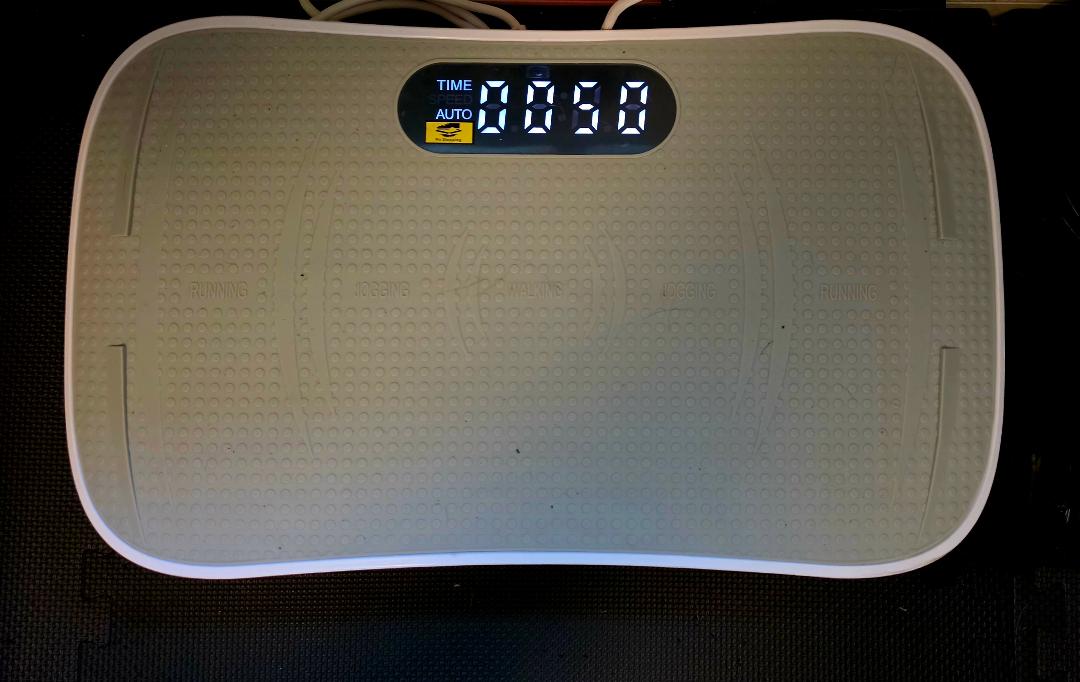
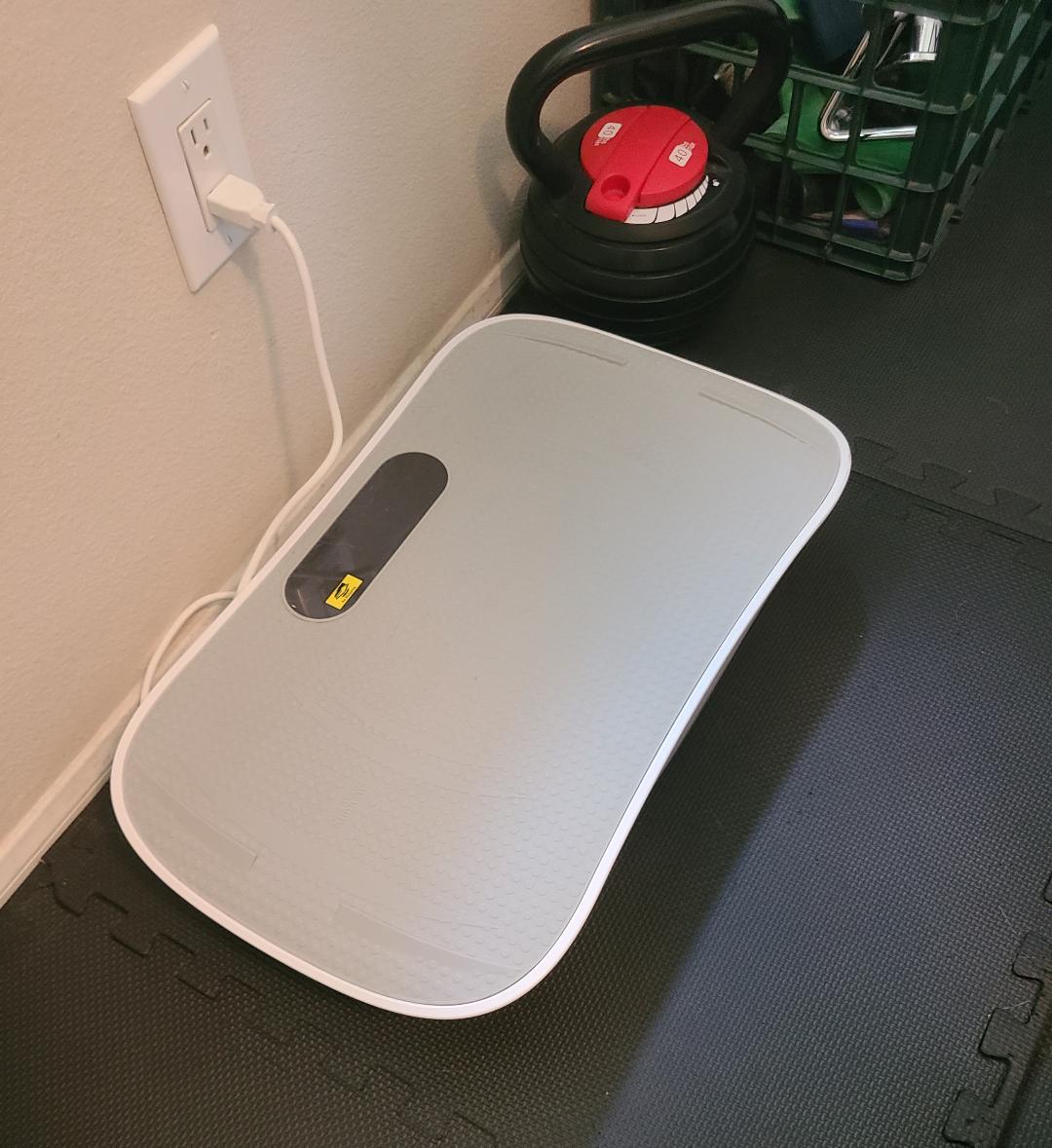
This is the vibration plate I use. There is a link in this article, but I am not being compensated for sharing the link. I truly like it!

Vibration plate therapy, also known as whole-body vibration (WBV), is a fitness and rehabilitation method that involves standing, sitting, or exercising on a machine with a vibrating platform. These vibrations transmit energy to the body, causing muscles to contract and relax dozens of times per second. One of the most appealing aspects of vibration therapy is that it doesn’t require a huge time commitment—even just 10 to 15 minutes a few times a week can offer substantial benefits. I make sure to use my vibration plate for 10 minutes daily, and once a week, I will double my time on the plate.

Key Health Benefits:

1. Improves Muscle Strength and Tone

The rapid muscle contractions stimulated by the vibration plate help build strength and tone. This can be especially helpful for people who find traditional strength training challenging due to joint pain or mobility issues.

2. Boosts Circulation

The vibrations encourage better blood flow, which can enhance oxygen and nutrient delivery throughout the body. This improved circulation supports cardiovascular health and may help reduce swelling in the extremities.

3. Enhances Lymphatic Drainage

The stimulation helps activate the lymphatic system, aiding in the removal of toxins and waste from the body. This can reduce puffiness and support immune function.

4. Increases Bone Density

Regular use has been shown to help maintain or improve bone density, making it a valuable therapy for those at risk of osteoporosis or bone loss—particularly postmenopausal women.

5. Supports Balance and Coordination

By challenging your stability, vibration therapy activates deep core muscles and can enhance proprioception (your sense of body position), which is beneficial for fall prevention and general agility.

6. Aids in Weight Management

While it’s not a calorie-torching workout, WBV can slightly boost metabolism and support fat loss when combined with a healthy lifestyle. It’s often used as a supplement to other forms of exercise.

7. Reduces Muscle Soreness and Aids Recovery

Athletes and physical therapy patients often use vibration plates to reduce delayed-onset muscle soreness (DOMS) and promote faster recovery after strenuous activity. This is the main reason why I bought a vibration plate for my home, and I swear it makes a huge difference in recovery from my workouts.

8. Helps with Joint Pain and Flexibility

The gentle stimulation can increase joint mobility and reduce stiffness, making it an appealing option for people with arthritis or chronic pain.


Minimal Time Commitment, Maximum Results

One of the greatest advantages of vibration plate therapy is how time-efficient it is. Sessions are short—typically 10 to 15 minutes—yet they activate multiple muscle groups simultaneously. This makes it an ideal option for busy individuals, older adults, or those recovering from injury who want a low-impact but effective form of exercise.

Whether you use it as a stand-alone therapy or a complement to a broader fitness routine, vibration plate therapy offers a wide range of benefits in very little time.

Why Home Gyms Rock

During my most recent visit to Hawaii in May of this year, I went to 24 Hour Fitness to get three workouts, and I was honestly rather disappointed in the experience. This is saying a lot, since I have always loved being in a commercial gym atmosphere. However, I have spent the past 5 years, ever since we were hit with Covid lockdown, primarily working out at home. I have become accustomed to being able to work on any body part I want, with whatever apparatus I need to use, without having to wait for equipment or work in with another human. I don’t have to wear earbuds for my music, and can blast whatever tunes I want without worrying about disturbing other gym goers. I don’t have to get in my car or drive anywhere, and I have 24-hour access without any additional fees. My gym smells nice and fresh, and all the equipment is clean.

Before you ask me if I can get full workouts in my home gym, I will tell you that I have no restrictions on what I can train while at home. I have a Marcy Smith Machine Multi-Gym, 285 pounds of weight plates, over 300 pounds of other weights, pulley assemblies, barbells, kettlebells, a hyperextension bench, incline bench crunch apparatus, etc. Right after I finish my workout, I hop onto a vibration plate for 10 minutes, and watch the squirrels in my neighborhood eat breakfast outside while I am getting my vibration therapy.

It’s home gym over commercial gym for me now!

Resistance Training: The Ultimate Anti-Aging Tool

Regular resistance training is one of the most powerful tools for maintaining youthfulness and slowing down the aging process. It benefits the body and mind in multiple ways, including preserving muscle mass and bone density, improving digestion, boosting cardiovascular fitness, and benefitting cognition and mental attitude. Let’s explore these in detail:

1. Muscle Mass Preservation and Growth

As we age, we naturally lose muscle mass—a process called sarcopenia—which can lead to frailty, loss of mobility, and metabolic decline. Resistance training:

  • Stimulates muscle protein synthesis, helping to maintain and build lean muscle.
  • Increases metabolic rate, making it easier to maintain a healthy weight.
  • Enhances insulin sensitivity, reducing the risk of type 2 diabetes.
  • Supports functional strength, improving balance and reducing the risk of falls and injuries.

2. Skin Integrity and Anti-Aging Effects

The skin’s health and appearance are directly affected by lifestyle choices, including exercise. Resistance training:

  • Improves circulation, ensuring better oxygen and nutrient delivery to skin cells.
  • Stimulates collagen production, which helps maintain skin elasticity and reduces wrinkles.
  • Reduces cortisol levels, lowering inflammation and minimizing stress-induced skin aging.
  • Increases human growth hormone (HGH) levels, which contributes to cell regeneration and youthful skin.

3. Digestive Health and Metabolism

Aging often slows digestion and can lead to issues like bloating, constipation, and poor nutrient absorption. Resistance training:

  • Speeds up metabolism, ensuring efficient digestion and energy utilization.
  • Stimulates gut motility, reducing the risk of constipation.
  • Helps regulate hormones like insulin and cortisol, which affect digestion and appetite control.

4. Cardiovascular Fitness and Longevity

While resistance training is not traditionally associated with cardio health, it plays a crucial role in keeping the heart young. It:

  • Lowers blood pressure and improves vascular flexibility, reducing strain on the heart.
  • Enhances circulatory function, improving blood flow and oxygen delivery to tissues.
  • Reduces inflammation, lowering the risk of heart disease.
  • Helps control cholesterol levels by reducing LDL (bad cholesterol) and increasing HDL (good cholesterol).

5. Joint Health and Mobility

Contrary to the myth that weightlifting damages joints, resistance training actually protects and strengthens them. It:

  • Increases the production of synovial fluid, which lubricates the joints.
  • Strengthens the muscles around joints, providing better support and stability.
  • Reduces inflammation associated with conditions like arthritis.
  • Improves flexibility and mobility, reducing stiffness and pain.

6. Bone Density and Strength

Osteoporosis and bone fractures become major concerns with aging. Resistance training combats this by:

  • Stimulating osteoblast activity, which helps build stronger bones.
  • Increasing bone mineral density, reducing the risk of fractures.
  • Enhancing posture and balance, minimizing fall-related injuries.
  • Supporting calcium and vitamin D absorption through hormonal regulation.

7. Hormone Regulation: Testosterone, HGH, and More

One of the most underrated benefits of resistance training is its ability to optimize hormone levels, which naturally decline with age. Strength training has been shown to:

  • Boost testosterone production, which is essential for muscle maintenance, fat metabolism, energy levels, and libido in both men and women.
  • Increase human growth hormone (HGH), which supports tissue repair, fat loss, and skin regeneration.
  • Improve estrogen balance in women, reducing the risk of osteoporosis and metabolic disorders.
  • Lower cortisol levels, reducing stress, inflammation, and belly fat accumulation.
  • Improve thyroid function, enhancing metabolism and energy levels.

8. Mental Attitude and Cognitive Health

Aging isn’t just physical—it’s mental. Resistance training improves cognitive function and emotional well-being by:

  • Releasing endorphins, reducing anxiety and depression.
  • Boosting dopamine and serotonin, improving focus, clarity, and happiness.
  • Enhancing memory and brain function, reducing the risk of dementia.
  • Increasing self-confidence, making you feel strong and capable at any age.

9. Resistance Training and Insomnia

Struggling with sleep? Resistance training can help improve sleep quality and reduce insomnia by:

  • Reducing cortisol levels, helping the body wind down for sleep.
  • Boosting deep sleep cycles (slow-wave sleep), which is crucial for recovery and memory consolidation.
  • Regulating circadian rhythms, ensuring better sleep-wake cycles.
  • Reducing stress and anxiety, making it easier to relax at bedtime.
  • Increasing energy during the day, leading to natural tiredness at night.

Conclusion

Regular resistance training is one of the most powerful ways to stay young, both physically and mentally. It preserves muscle, strengthens bones, supports joints, enhances skin health, regulates digestion, protects the heart, optimizes hormone levels, improves sleep, and boosts mental well-being. If you want to age with strength, vitality, and confidence, lifting weights should be a non-negotiable part of your lifestyle! 💪

Eros Pro Massage Gun Review

The wonderful folks at INEVIFIT sent me this Eros Pro Massage Gun to review, and I have to say, it’s a very high quality piece of equipment! Please check out my video review for more information, as well as the limited time promo code which you can use for $35 off and free shipping.

Order one at https://inevifit.com/products/inevifit-eros-pro-massage-gun

The Evolution of IFBB Bikini Pros Since 2009

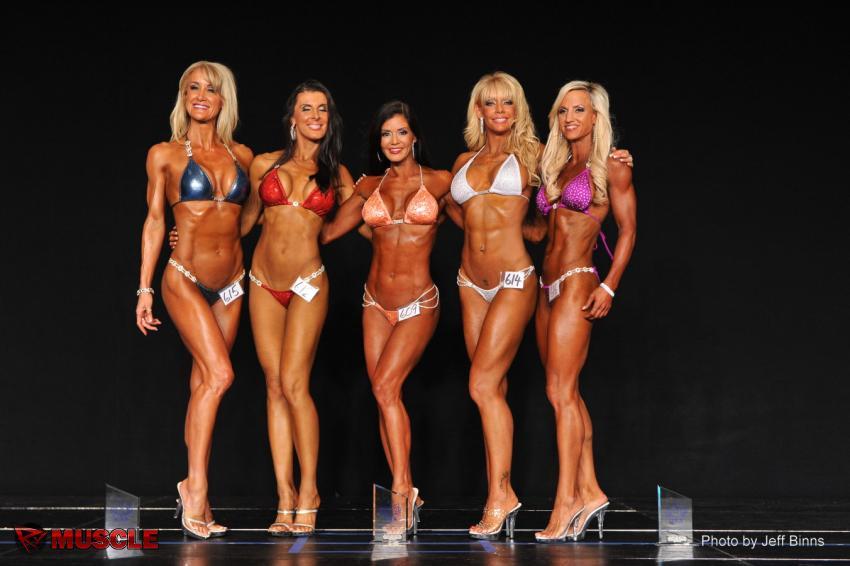
Sonya Gonzalez 2012, shot by Bill Comstock, Muscle and Fitness

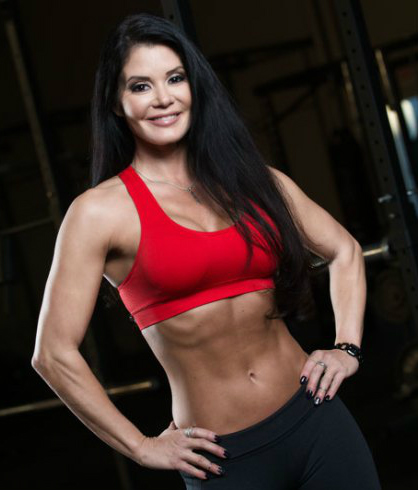
Isa Pecini 2022, image from Fitness Volt

Introduction

Since its inception in 2009, the International Federation of Bodybuilding & Fitness (IFBB) Bikini division has undergone remarkable transformation. What was once a relatively new category has now become one of the most popular and competitive segments in the world of bodybuilding. Over the years, the athletes competing in the IFBB Bikini Pro division have displayed an impressive evolution in terms of physique, presentation, overall aesthetic, and even competition attire. In this article, I will discuss the changes that have defined IFBB Bikini Pros from 2009 to 2023.

Physique Transformation

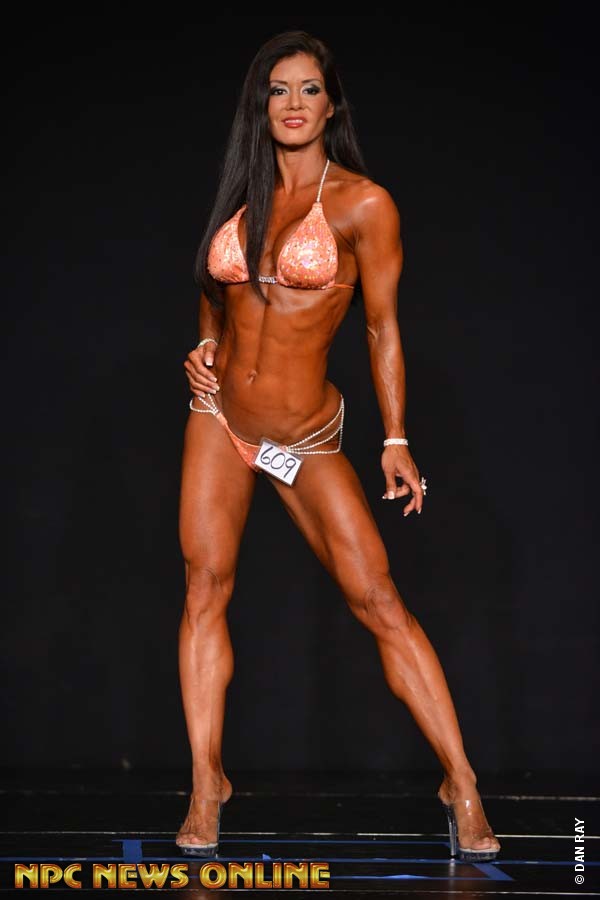
In the early days of the IFBB Bikini division, the emphasis was on a balanced, lean, and toned physique. As a bikini athlete who jumped onboard the competition circuit in 2009 (the inception year for the bikini division), I noticed that competitors who were too muscular or conditioned were urged to switch to the figure division. This was because bikini athletes were expected to have well-defined but not overly muscular physiques, maintaining a feminine appearance. Since then, there has been a noticeable shift towards a more sculpted and athletic look which is more muscular than ever, and rivals the look of figure competitors from earlier years. Today’s IFBB Bikini Pros display a much higher level of muscle development compared to those from my era (2009-2014), particularly in the shoulders, glutes, and legs, while still maintaining an overall feminine silhouette.

Training and Nutrition Advances

With the progression of sports science and nutritional knowledge, athletes have access to more effective training methods and specialized dietary plans. This has allowed IFBB Bikini Pros to achieve levels of conditioning and muscle development that were not as attainable in the early years of the division. Training techniques have become more sophisticated, with a greater focus on targeted muscle groups and tailored workout routines. In addition, judges have pushed for more muscularity as the division has evolved, placing greater pressure on bikini athletes to pack on muscle.

Posing and Presentation

Another notable evolution has been in the area of posing and stage presentation. In 2009, poses were simpler, with an emphasis on showcasing overall physique balance and grace. Today, IFBB Bikini Pros have refined their posing techniques to highlight full glutes, a well-shaped V-taper, well developed quads and hamstrings, and shapely delts. Although the art of stage presentation was always a crucial aspect of competition, posing is now much more polished, and it is even more imperative for athletes to exude confidence and charisma on stage while also presenting the most desirable physical characteristics of the division.

I remember how we used to pose onstage, with the front pose characterized by both legs straight, with one leg out to the side and slightly forward, with the opposite hip pushed towards the back of the stage. In stark contrast, the current front pose standard features feet and legs pointed towards one side, with the upper torso twisted at the waist so that the shoulders are squared towards the judges. You can see both types of poses in the images which are featured at the top of this blog post. The back pose has remained relatively unchanged, with the booty hiked up and the lower back arched. One posing feature which has been consistent throughout the years is the rear end pitched up and back, like a cat in heat. I will never forget how much my lower back would hurt after practicing posing or after a contest!

Suits and Competition Attire

The evolution of competition suits is another noteworthy aspect of the IFBB Bikini Pros’ journey. As the division gained popularity, athletes and designers began to experiment with different fabrics, cuts, and styles. Today, competition suits are more intricate and tailored to each athlete’s unique physique, often featuring embellishments, crystals, and personalized touches that enhance the overall presentation on stage. In 2009, suits tended to be simpler, with standard designs and limited embellishments. Each year, suit cuts evolved, with the bottoms getting skimpier and skimpier, resulting in the current suit bottom design, which is a daring V-shape, but not a thong.

Conclusion

The evolution of IFBB Bikini Pros from 2009 to 2023 reflects the dynamic nature of the sport and the dedication of the athletes involved. With advancements in training, nutrition, posing, and competition attire, the IFBB Bikini division has become a diverse and thriving segment of the bodybuilding world. As we move forward, it will be fascinating to see how the division continues to evolve, setting new standards of excellence in physique, presentation, and athleticism, while pushing the boundaries of competition attire.

Strength Training For The Blood Pressure Win

Copyright: nomadsoul1

A recent study involving close to 16,000 subjects which was published in the British Journal of Sports Medicine determined that strength training exercises like planks and squats were more effective than other forms of exercise in reducing blood pressure. This flies in the face of previous recommendations by cardiologists, which focused on cardiovascular aerobic exercise. To be fair to the study, the reductions in blood pressure from strength training exercises, were minor, averaging 8.24 mm Hg for systolic blood pressure readings, and 4 mm Hg for diastolic readings, but the reductions were indeed greater than aerobic exercise such as running, which reduced pressures by 4.49 mm Hg and 2.53 mm Hg on average. However, the study did point out that various forms of exercise were proven to be beneficial with respect to lowing blood pressure.

Hot Logic Mini XP Video Review on YouTube

Check out the Hot Logic Mini XP, which has a built-in food storage compartment in addition to the fantastic food heating technology of the original Hot Logic Mini!

All you need is an electrical outlet (you can even use a car inverter and heat up meals while you drive). This is FANTASTIC for work, travel, trade shows, photo shoots, etc.

To order a Hot Logic Mini or Hot Logic Mini XP, go to the following link:

https://bit.ly/31aiDb2

Be sure to enter my code STACEYNAITO for 20% off your order!