Exercise, Self-Care, and Finding the Right Balance to Boost Your Overall Wellness

Photo credit: Pixabay.com

Please check out this excellent article by Shiela Olson which explores the delicate balance between pushing yourself to the next level and nurturing yourself at the same time.

– By Sheila Olson of fitsheila.com

You’ve decided you’re ready to stop perpetuating a cycle of sleeping in on weekends, spending weeknights slumped over in your couch, and eating out at greasy burger joints every other meal. You’re ready to live a healthier and happier lifestyle, and you’ve known the answer all along — diet and exercise. Diets aren’t very effective when practiced every other week, and fitness requires you to keep up and even build up the intensity over time.

So, what’s the secret?

The Importance of Prolonging Good Fitness

When someone decides they are ready to start running every day, or some other form of exercise, they typically feel this fire within themselves to keep it up. You go in for your first day, and you feel exhausted, but you also still feel pretty good knowing that you’ve taken your first step at getting healthy. After a few more gym sessions, you notice that you aren’t just tired but also sore, and that goodwill for better living starts to feel a little less compelling.

It’s natural to give it your all the first few times before your mind and body start to naturally resist the transformation that is occurring. It’s the kind of transformation that people from all walks of life seek to make their lives better. It’s why so many recovering addicts start running and bodybuilding. Exercise not only changes how we look on the outside but how we feel on the inside. It reduces stress and boosts positive self-image and confidence.

The process of transformation can be difficult and uncomfortable at times, especially when you’re just starting out, which is why it is important to not overdo it. If you work too hard or put too much emphasis on your physical fitness, you run the risk of burning out and not making the kind of progress you are looking for.

The Meaning Behind Self-Care

Right now, the buzzword of the day seems to be self-care. People are starting to collectively realize that we don’t need to punish ourselves to live our best lives. Exercise shouldn’t be something you dread to do but something you look forward to. To remedy this natural resistance to living healthier and a fitness-oriented lifestyle, people are turning to self-care as a way to supplement diet and exercise and avoid burning out during the process.

One of the ways you can practice self-care is by leaving plenty of rest days in between workouts to give your body time to recover. Recovery is essential to practicing good physical fitness and ensuring you have enough energy to keep going back to grind week after week. Self-care also addresses showing yourself love in alternative ways. Exercise is important for our physical health, but we also need to consider our mental and emotional health as well. Beyond exercise, there are a number of activities you can do, such as meditation, reading a book, or pursuing a hobby, that can all fill a specific need you have in your life.

The Need for Balance in Your Life

When you approach your physical fitness as just one piece of the puzzle, then you can start looking at other ways to enhance your life, while not overdoing your diet and exercise. You won’t just be working hard, you’ll be working smart. You’ll know that there are many activities you can work on to improve your overall well-being. By balancing out these different self-care activities, you will always make yourself better while also keeping a very diverse routine. Some days, you will be focused on your physical fitness, but when you need to rest and recover, you can then switch gears and focus on your mental and emotional health as well.

Once you decide it’s time to make a change, you’ve already started your journey to improve your wellness. You may have attempted to change your life a few times now, but all of those past experiences were just the lead up to this one moment where you finally committed to achieving personal wellness and living your best life.

Photo Credit: Pixabay.com

Natural Antidepressant Combinations I Recommend

Despite the fact that I was trained in the traditional ways of medicine, I prefer to utilize natural supplements and foods to treat conditions, only turning to prescription medications as a last resort for my patients. I have a particular aversion to prescribing antidepressant medications, and honestly believe that such meds only serve as a bandage for the root cause, which almost invariably is a combination of hormonal imbalance and malnutrition.

When a patient comes to me complaining of symptoms of depression, I always recommend the following three supplements as part of the patient’s daily regimen:

Vitamin D
Folate 800 mcg
B-Complex

Once my patients are on this daily regimen for a few weeks, I have them visit for a follow-up to see if their symptoms have improved. If the improvement is marginal, I add SAMe and 5-HTP to the regimen, both of which are great for treating pain issues. As the patient treatment progresses, I order hormonal assays, checking the thyroid, adrenal glands, DHEA, IGF-1, testosterone, progesterone, and estradiol. If anything is off balance (and in most cases, something is), I will treat the imbalance directly with organ support compounds and bioidentical hormone replacement therapy.

In addition to natural supplements, I also recommend that patients consume whole foods, and avoid processed foods at all costs. I encourage them to find balance in their daily lives, and often demonstrate breathing exercises or discuss meditation with them. I also remind them to stop and enjoy what they have in their lives, to be grateful for what they have instead of dwelling on what they lack.

Rather than turn to SSRI’s, please consider the natural approach first if you are dealing with depression!

If you are in the Los Angeles area, and you would like to schedule an exam, please call Urban Med at (213) 406-8055 to make an appointment.

Hot Logic Mini Review…These Make GREAT Holiday Gifts!

Here’s another review of the Hot Logic Mini, which is an ingenious product! It comes in six great colors, and can be plugged into any electrical source. You can even use this while traveling in your car!

Go to http://www.hotlogicmini.com to order, and make sure to enter my discount code STACEYNAITO for 20% off your order!

When Your Joints Rebel: How To Modify Your Lifting Regimen So You Can Train With Joint Issues

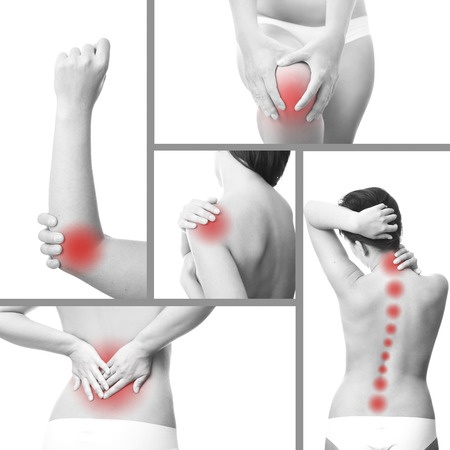
You are a beast in the gym…that is, until a joint injury or flare-up from arthritis, bursitis or sprain threatens to deflate your motivation as a result of the pain. While it is always important to take preventative measures to protect the joints, such as warming up the surrounding soft tissues properly, using proper form during exercises, and taking supplements which promote joint health, there may be times when joint discomfort is so significant that a little TLC needs to be added to the regimen. The recommendation of complete rest usually falls on deaf ears when a fitness fanatic is the one suffering from joint woes, because the general mindset for such an individual is to push through the pain and continue training. However, in most cases, the pain and inflammation will throw a wrench in the works by adversely affecting range of motion and strength. As long as the joint pain isn’t severe, and is not caused by direct, acute injury to the joint, exercises can usually be modified to alleviate load stress on the affected area.

There are a number of exercise modifications which can be made to weightlifting exercises to minimize the loading on affected joints while still effectively training surrounding muscle groups. Bear in mind that you might not be able to perform certain exercises at all, even with a modified grip or stance. The most important thing is to pay attention to your body and stop doing anything which exacerbates the joint discomfort.

SAVE YOUR SHOULDERS AND ARMS

Since shoulder joint issues are relatively common, most of the suggestions made in this article for exercise modifications for the upper body will take this into account. Depending on the degree and location of shoulder pain, you might still be able to perform shoulder presses, but do not perform them behind the neck as they can cause impingement. Incidentally, you will also need to avoid pulling the bar behind your head when doing lat pulldowns. To perform overhead presses, use a straight bar with a grip slightly wider than shoulder width apart, or use dumbbells, and use a light weight. Another exercise which should be modified when shoulder pain is an issue is the bench press. Chest presses should be avoided on an incline bench due to increased abduction and a corresponding increased shear stress and strain on the glenohumeral joint.

Shoulder joint pain can also interfere with lower body barbell exercises like the back squat and lunges. Since the barbell must be stabilized across the back, the shoulder must remain in an externally rotated and abducted position. Even barbell deadlifts force the shoulder into a gravitational load in extension which can be enough to aggravate shoulder joint issues if a heavy weight is used. Modifications to these exercises include performing front squats while holding onto a kettlebell or dumbbell, and switching to dumbbells when performing lunges and deadlifts.

Most cases of shoulder pain from joint instability or arthritis can make it impossible to perform a plank for an extended period of time due to the superior-posterior stress across the shoulder joint complex, but this is easily remedied by modifying the plank so that you rest on your forearms instead of your hands, thus shortening the lever arm and decreasing the stress load.

If you have issues with your elbows, it is wise to avoid pullups, pushups, mountain climbers, overhead tricep extensions and planks, but bicep curls may also be difficult to do, especially as you supinate and flex the elbow. The elbow joint is a tricky one to train around, and the best approach is to completely avoid any direct movements which involve the elbow flexors if the pain is severe. If the pain is minimal, regular dumbbell bicep curls, hammer curls and cable tricep extensions can be performed with light weights. Using a false grip on dumbbells (in which the thumb is not engaged in opposition around the bar), using a cuff around the arm with a cable assembly, or switching to weight plates with a neutral (palms in) grip can also be helpful in minimizing the strain on the elbow stabilizers during delt training routines.

Wrist pain can often be eradicated by using lifting gloves which have wrist support to counteract some of the stress. Since bench dips can aggravate sore wrists, they should be avoided and replaced with cable tricep extensions, which can be performed without extending the wrist. Traditional pushups also force the wrists into a hyperextended position, but a simple switch in hand position, in which the fingers point out to the sides, with hands at least shoulder width apart, will minimize joint stress during the down phase of the movement.

WEIGHT BEARING JOINTS

If you have issues with the joints in your lower extremities (hips, knees, ankles, feet), ballistic movements, such as the ones performed in plyometrics and calisthenics, should be avoided. Unfortunately, exercises which are considered staples in a weightlifter’s regimen, such as squats, lunges and leg presses, can also wreak havoc on achy hips and creaky knees, especially if poor form and heavy weights are used. It’s best to trade these in, at least for a while, and instead turn to leg lifts on all fours, wall sits, front leg raises against a wall, and single leg deadlifts, all of which decrease the load on the hips and knees while still providing good isolation.

Since ankles and feet take the brunt of weight bearing, they should be babied when flare-ups occur, which means that calf raises, leg presses, and squats should be avoided and replaced with moves which do not require excessive joint motion under a loading force. Foot stance should be maintained at shoulder width to maintain the ankle position in a neutral plane and avoid any inversion or eversion. Mat exercises are also an excellent alternative to hardcore standard weight machines when dealing with joint flare-ups in the ankle or foot.

OHHHHH MY BACK

The incidence of low back pain is extremely high, especially among fitness devotees. Since it is usually triggered by extreme positions of flexion or extension, something as simple as standing with your heels on two weight plates and dropping the amount of weight lifted can be enough to maintain a more upright position and avoid the excessive lumbar flexion often seen with back squats. Another modification which spares the low back as well as the knee is performing Bulgarian squats, which keep the upper body in a vertical plane.

If you experience joint pain in your neck or upper back, you should avoid exercises mentioned earlier such as behind the head lat pulldowns and military presses, both of which cause excessive flexion in the cervical spine. In some cases, you will need to omit exercises which involve the use of a barbell behind the neck since this type of load increases flexion stress. You can modify these movements by using dumbbells or by switching to a machine, for example, switching from barbell squats to hack squats.

The most important thing to remember is to listen to your body and stop any movement if you feel sudden pain. By training wisely and making necessary modifications while your joints are inflamed, you will be able to bypass injury and continue to make gains at the gym.

Do You Have Food Intolerance?

What Is Food Intolerance?

Have you ever noticed that when you eat a certain food, such as tuna, blueberries, avocado, asparagus or broccoli, that you get extremely bloated to the point that you are extremely uncomfortable? Since the foods I mentioned are celebrated for their many nutritional benefits, it might not occur to you that you most likely have an intolerance to that food. Up to 80% of the U.S. population has some form of food intolerance.

Most people are aware of food allergies, but food intolerance is a different phenomenon which can have a tremendous effect on a person’s quality of life. Food allergies appear quite suddenly, from seconds to minutes after ingestion of the offending food, and can be life-threatening, whereas food intolerance is a more gradual process (taking hours to a couple of days for symptoms to emerge), not life-threatening, and may only occur after a large amount of the food is eaten. Food allergies and food intolerance can both cause similar symptoms, such as abdominal pain, nausea, and diarrhea, but food intolerance is notorious for causing bloating, heartburn, irritability, headaches and general malaise. The most common food allergy triggers are peanuts, tree nuts, shellfish, fish, soy, wheat, milk and eggs, while the foods most commonly associated with food intolerance are dairy products, gluten-containing grains, eggs, citrus, beans, cabbage, and broccoli.

People who are allergic to certain foods know that even a small amount of the food can trigger an allergic response, and the response occurs every single time the person is exposed. The immune system reacts to the food by causing a release of IgE antibodies, which then cause a release of histamines and cytokines designed to attack the offending agent. Sometimes the entire body is affected by this response, and symptoms such as shortness of breath, hives, rash, or a sudden drop in blood pressure can occur. Food intolerance, in contrast, is more insidious, and may only occur if a large amount of the triggering food is eaten or if it is consumed frequently. Trigger foods will cause a rise in IgA, IgG, and IgM antibodies, causing the body to mount a delayed reaction which is characterized by mostly gastrointestinal symptoms, but which can cause other symptoms as well. Regardless of how the body reacts, the discomfort caused by poor digestion of the food can be enough to make the sufferer miserable.

Why does food intolerance occur? There are several explanations. One cause is enzyme deficiency. All enzymes are specific to one type of molecule, such as lipases which break down fats. Sometimes an individual can be deficient or completely lacking in a very specific enzyme which is required for digestion of a particular food. A common example is found in lactose intolerant individuals who do not have enough lactase to break down the milk sugars into their constituent parts for absorption in the intestine. The lactose cannot be broken down so it sits in the intestine, causing bloating, spasm and diarrhea when it sits in the digestive tract. Approximately 25% of the U.S. population suffers from lactose intolerance, which amounts to a lot of bloated bellies from the consumption of dairy products.

Another common type of food intolerance is to gluten. Gluten is highly resistant to digestion as it is, and in some individuals, the gluten cannot be broken down at all. The problem with gluten is that it is found in wheat, rye, barley, spelt and kamut, so avoiding gluten can be challenging to say the least. Approximately 1% of the U.S. population has celiac disease, while about 15% have gluten intolerance. Regardless of whether someone has celiac disease or gluten intolerance, ALL gluten must be avoided. However, if there are occasions in which completely avoiding gluten is impossible, digestive enzymes, specifically DPP-IV, can help individuals to digest meals containing gluten.

The list of substances which people may have an intolerance to doesn’t stop there. Some individuals cannot break down phenols, including salicylates, due to insufficient amounts of xylanase, and suffer from behavioral and learning disorders, including ADHD and autism. Some individuals are unable to break down disaccharides, an intolerance which is closely linked to irritable bowel disease, ulcerative colitis, Candida overgrowth and autism. As if all that wasn’t enough to worry about, there are chemical substances in foods which can spark intolerance, such as caffeine, aflatoxins in undercooked beans, amines in cheeses, artificial colorings and flavorings, preservatives, sweeteners, emulsifiers, nitrates, MSG, sulfites and salicylates. Salicylate intolerance can cause a susceptible individual to react to large amounts of salicylate-containing foods, particularly citrus fruits, teas, mint flavoring, berries and processed foods with flavor additives.

The digestive tract regularly takes the brunt of foods, medications, hormones, and chemical additives which can interfere with repair of the gut lining, causing increased intestinal permeability which is more commonly known as leaky gut. Leaky gut is characterized by the loosening of tight junctions between the cells which line the gut, thus allowing food molecules to pass through. These free floating food molecules are viewed by the immune system as a threat and will mount an immune response which manifests as the signs and symptoms of food intolerance. Think of all that food sitting in the gut, undigested. Pretty unnerving, huh?

How To Diagnose Food Intolerance

Diagnosing food intolerance can be extremely difficult since the signs and symptoms often mimic those of food allergy. One method of ferreting out which foods are involved in a food intolerance is keeping a food diary in which all foods eaten are recorded, along with symptoms and their time of onset. After suspected trigger foods have been determined, an exclusion diet can be implemented, in which those foods are removed from the diet for weeks to months. If the symptoms disappear during the exclusion phase, potential trigger foods can be re-introduced after this phase is completed in order to determine which substances are problematic. If the food intolerance is mild, a small amount of the food will not trigger symptoms, and in many cases may still be consumed, especially if enzymes are taken to aid in digestion. Essentially, many people can return to foods which they were mildly or even moderately intolerant of after avoiding it for a period of time.

Blood testing is considered the most reliable and comprehensive form of testing for food intolerance, but there are only a few laboratories which specialize in this type of test. ALCAT, Pinnertest.com and HEMOCODE Food Intolerance System are laboratories which offer food intolerance testing via serum analysis, with ALCAT considered the largest food intolerance testing group in the U.S. We offer ALCAT testing at the facility where I work (Urban Med) because it is considered the gold standard method for laboratory identification of non-IgG-mediated reactions to foods, chemicals, and environmental triggers. Some insurance plans will cover part or all of the expense of the testing, so it is always worth inquiring about insurance coverage, especially since these panels run from $675 to $850. Here’s the thing: though the testing is pricey, it is very specific. In addition, you get a detailed rotation diet for reintroduction of the foods which you have intolerance to after you have eliminated them for the recommended period (3 months for moderate intolerant foods, 6 months for severe intolerant foods).

Anti-Inflammatory Meds and Muscle Growth

NOTE: This was originally written for Oxygen Mag digital version.

There has been a heated debate over many years within the bodybuilding community about whether anti-inflammatory medications like ibuprofen (Advil, Motrin) and naproxen sodium hinder muscle growth. These medications inhibit the synthesis of prostaglandins, which also play a role in muscle synthesis. All it took was one clinical study published in the Journal of Clinical Endocrinology and Metabolism to put bodybuilders into a panic about reduced protein synthesis, and it didn’t matter that such results were found in laboratory rats. While there is some evidence to suggest that the anabolic signal is shut off when anti-inflammatories circulate in the bloodstream, nothing is absolutely conclusive, and what might be seen in the rat model might not necessarily be the case for humans.

While I will never advocate chronic use of painkillers and anti-inflammatory agents, I think they definitely serve a purpose when acute injury is present. When I find myself in the middle of disputes with bodybuilders who INSIST that a few days on such medications will completely destroy all their efforts in the gym, I simply shake my head in frustration. If you are injured and your lifting is adversely affected by the injury, whether it be a muscle strain, a ligament tear, or a minor disc herniation, you need to be aware that training through that injury, especially when it deranges your form and causes other body parts to compensate for the injury, will end up really messing you up over time. I honestly think that a minimal decrease in muscle mass over the course of a few days is preferable to the imbalance and asymmetry which usually occur when a bodybuilder foolishly pushes through heavy workouts despite an injury which has a domino effect on the body.

Common sense, and medical expertise, dictate that the inflammation must be removed from the area, most commonly through short term administration of anti-inflammatory agents, ice, and rest. Trust me, if you follow a regimen like this, you won’t lose all the muscle you have built over the years. Be sure to take these medications with food, and if you have any history of gastric ulcers. bleeding disorders, or kidney dysfunction, avoid taking them.

Remember that I am talking about DAYS, not weeks or months. This is one time when eating constantly has its benefits, since bodybuilders and fitness people can pretty easily fit in their medication administration with one of their meals. I know it’s difficult to back off from training, but if you truly want to HEAL, you must give the injured area time to repair itself. If you insist on continuing to train through the injury, especially, without any medications or other interventions on board, you can count on the injury either lingering or worsening over time.

L-Carnitine Tartrate For Athletic Performance

I am personally a big fan of l-carnitine supplementation. This amino acid compound, consisting of lysine and methionine, can be found in a couple of different forms. This article discusses L-carnitine tartrate, which is the form known to benefit athletic performance and recovery.

There are a couple of important points to consider when supplementing with carnitine. First of all, insulin must be present in the body for carnitine to enter muscle. One way of taking carnitine is to ingest carnitine with carbs so that there is an insulin release, but another effective option is to ingest carnitine with omega-3 fatty acids. Omega-3 fatty acids optimize cell membrane health, thus making cells more sensitive to insulin. Carnitine serves as a delivery system for fatty acids, so if carnitine levels are high, more fatty acids will be shuttled into cells to be utilized for energy.

Conversely, when carnitine levels are low, fewer fatty acids are moved into the cells and are instead stored as fat. Supplementation with carnitine before intense exercise, especially cardio, will switch the focus on burning fat rather than utilizing glycogen stores, resulting in longer sessions before glycogen stores are depleted. In addition, the presence of carnitine inhibits production of lactic acid, so recovery from intense exercise is more rapid.

Carnitine is not only an excellent performance supplement, it also serves as an excellent means of addressing metabolic syndrome. Metabolic syndrome, characterized by diabetes, atherosclerosis and high cholesterol, can be countered by carnitine’s ability to induce fat loss, prevent atherosclerosis and minimize the development of diabetes. After several months of carnitine supplementation, carnitine levels reach a level at which energy production and performance are enhanced. For this reason, it is best to consider carnitine an essential supplement in your daily regimen rather than as something taken only periodically.

Take 500 to 2,000 milligrams of l-carnitine tartrate daily, along with omega-3 fatty acids, for best results.

No Olympia For Me This Year

Fun times from Olympia 2011 with Anca and Farinaz

For the past seven years, I have attended Olympia every year and have always enjoyed the whole experience. This year, however, I will not be attending since the main sports supplement company I work with, SWAT Fuel, will not have a presence there this time around. What is strange for me is that I am not bothered by the fact that I won’t be rubbing elbows with the fitness and bodybuilding icons I have come to know over the years. In some sense I am actually relieved that I will get a break this year, since I have been traveling more this year and could use a staycation.

For those of you who are wondering what event I will be at next, please come by and say hi at the Ferrigno Legacy on November 18th and 19th. I will be at the Flexpo, handing out samples of SWAT Fuel’s 9mm+P, which is a combination preworkout/endurance/thermogenic formula unlike anything else on the market!

For more information and tickets to the Ferrigno Legacy, please visit: https://www.ferrignolegacy.com/