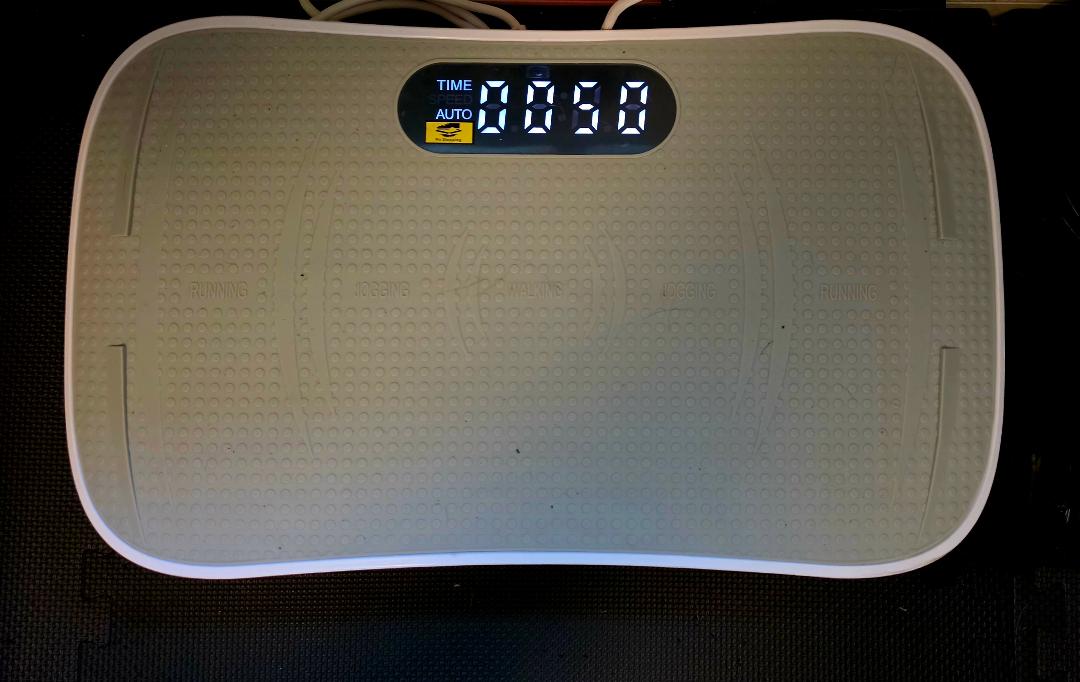
Vibration plates—often called whole-body vibration (WBV) platforms—are machines that send rapid oscillations through your body while you stand, sit, or perform exercises on them. The idea is that these vibrations trigger reflexive muscle contractions, so your muscles are working even when you’re holding a simple position.
What vibration therapy may do
The science is still evolving, but there are a few commonly discussed benefits:
- Muscle activation and strength: The rapid vibrations can cause muscles to contract dozens of times per second. For beginners or people rehabbing injuries, this can help “wake up” muscles without heavy loading. For trained athletes, it can add a different stimulus rather than replace traditional strength work.
- Circulation and recovery: Some users report improved blood flow and a loosening sensation in tight muscles. That’s why vibration plates are sometimes used after workouts, similar to foam rolling.
- Balance and stability: Because the surface is unstable, your body constantly adjusts. This can help train stabilizer muscles and coordination.
- Bone density (potentially): There’s some evidence suggesting low-level vibration may help maintain bone density, particularly in older adults, though it’s not a standalone solution.
- Improved digestion: When I finish my 10-minute daily vibration plate sessions, I have noticed that it moves things along in my digestive system, which is a nice bonus.
What it feels like
The experience is distinctive:
- On the plate: You’ll feel a rapid buzzing or shaking sensation traveling through your feet and up your body. Muscles may feel like they’re “firing” on their own, especially in your legs and core. If you bend your knees slightly, it usually feels more controlled and less jarring.
- Afterward: Many people report a sense of looseness or lightness in their muscles, similar to a mild massage effect. Others feel a bit fatigued, especially if they held positions like squats or planks during the session.
Why frequent exercisers often like it
People who already work out regularly tend to appreciate vibration plates for a few reasons:
- Efficient add-on: It can intensify basic movements (like squats or lunges) without adding more weight.
- Recovery tool: After heavy lifting or intense cardio, the vibration can feel like a quick way to “shake out” muscle tension. I use my vibration plate daily for 10 minutes, always after I complete weight training.
- Neuromuscular challenge: It introduces instability, which can make even familiar exercises feel new and more demanding.
That said, most serious athletes don’t treat it as a replacement for strength or cardio training—more as a supplement.
How often and how long
General guidelines (not one-size-fits-all):
- Session length: Typically 10–20 minutes total. Individual exercises or positions might last 30–60 seconds each.
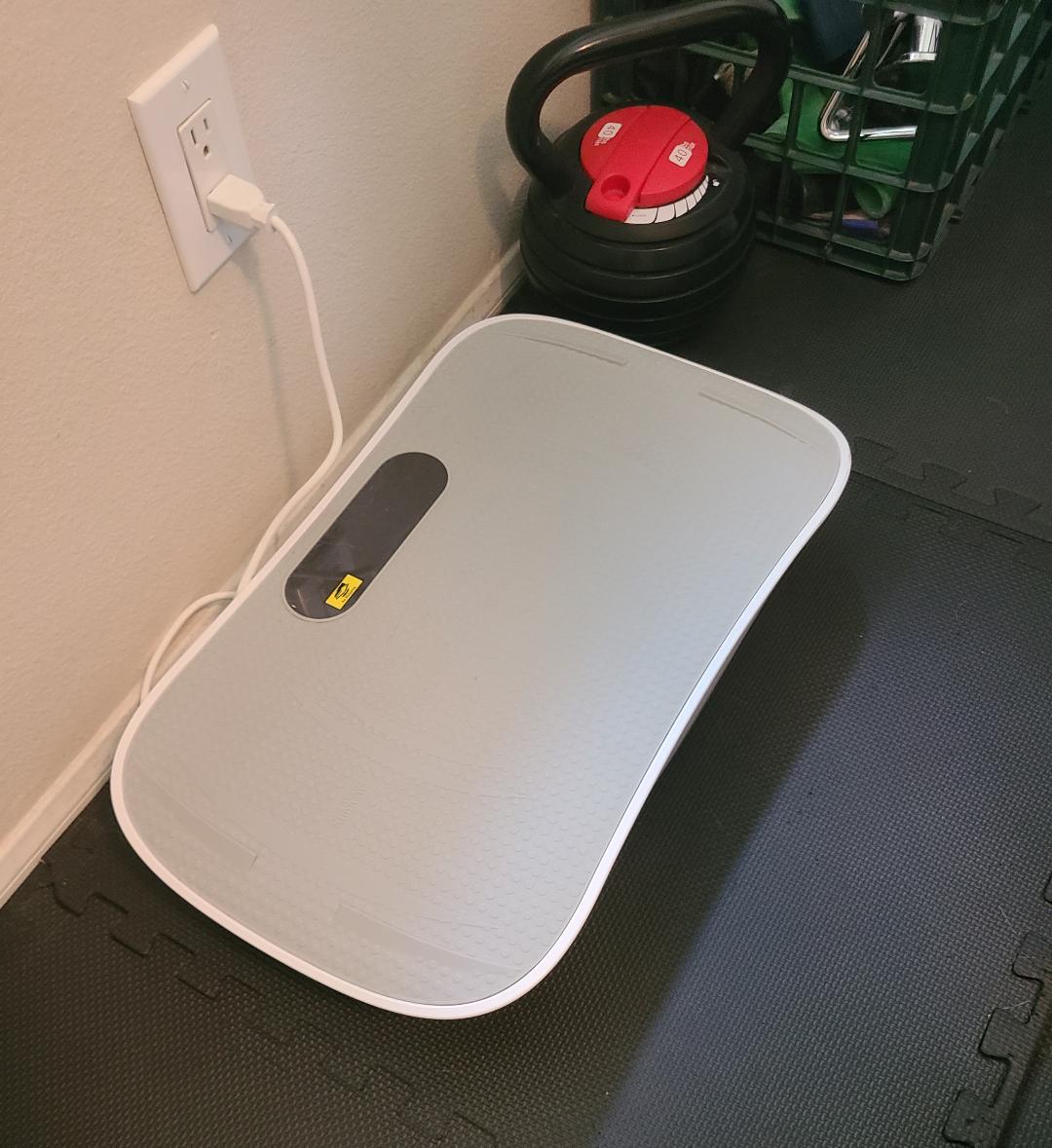
- Frequency: Around 2–4 times per week is common for general fitness. Some people use it briefly (5–10 minutes) after workouts for recovery. I use my vibration plate 6-7 days a week because that is how often I engage in strength training. It helps to loosen me up after my training sessions.
- Intensity: Start with lower frequencies and shorter sessions, then build up. Too much too soon can feel uncomfortable or overly fatiguing. My vibration plate has a program which randomly switches intensity throughout the regimen.
A few practical tips
- Slightly bend your knees to reduce stress on joints and your head.
- Keep sessions controlled—standing passively the whole time is less effective than combining it with light movements.
- If you have joint issues, cardiovascular conditions, or are pregnant, it’s worth checking with a medical professional first.
Overall, vibration plates can be a useful add-on for activation, balance, or recovery—but they’re most effective when paired with a well-rounded exercise routine rather than used as a shortcut.


 dr. stacey naito's blog
