The Year of You: Seasonal Self-Care Rituals to Stay Balanced, Energized, and Joyful All Year Long

Image via Freepik

Camille Johnson of Bereaver.com has done it again with another fantastic article which is full of tips to honor and nurture yourself as the new year approaches.

Each season carries its own rhythm, subtly shaping our bodies, moods, and routines. When we honor those natural shifts, we cultivate steadiness, energy, and calm — even as life changes pace. This guide is your personal almanac for balance, offering simple ways to align your habits with the seasons and keep joy in motion year-round.

Key Takeaways

  • Each season calls for a unique form of care.
  • Move, eat, and rest in rhythm with nature.
  • Build daily joy rituals and grounding habits.
  • Use tools like calendars to remind yourself to pause and reconnect.
  • Small adjustments create big emotional dividends.

Seasonal Self-Care Essentials

SeasonFocusSelf-Care BoostActivity Ideas
SpringRenewalDeclutter mind and spaceGardening, journaling, morning walks
SummerEnergyHydration and social joySwimming, picnics, sunrise yoga
AutumnReflectionNourishment and gratitudeLong walks, warm meals, goal review
WinterRestDeep rest and warmthCozy reading, candlelight baths, stretching

Tune Your Nutrition and Movement

Shifting your habits with the seasons keeps energy and mood stable. Eating seasonally means savoring what nature offers: crisp greens in spring, berries in summer, root vegetables in autumn, and hearty stews in winter. Matching movement to the weather helps too — from outdoor runs in warm months to gentle indoor yoga when it’s cold.

For customized guidance, explore StaceyNaito.com, which offers fitness and nutrition plans that align with seasonal rhythms and personal goals.

Quick Self-Care Checklist

How to Create a Grounding Ritual

  1. Set a cue — perhaps lighting a candle or stepping outside.
  2. Add a sensory anchor — a scent, a sound, or a sip of tea.
  3. Pair it with breath — inhale calm, exhale tension.
  4. Close intentionally — write one line of gratitude or intention.

Do this daily for a week, and your nervous system will begin anticipating the calm before you even begin.

Keep Joy in View

Visual reminders keep wellness top of mind. Design a personalized calendar filled with quotes that lift your mood, favorite photos, and gentle self-care cues. Many online tools make it simple: choose a template, upload images, tweak colors or fonts, and order in the format you love. Select a printing service that offers premium paper, custom sizes, and the ability to mark personal milestones like birthdays or reflection days.

Product Highlight: Cozy Earth Bamboo Throw

Evening rituals feel richer with comfort items that invite stillness. The Cozy Earth Bamboo Throw is soft, breathable, and ideal for quiet moments of rest — a tangible cue to slow down and reset. Any similar high-quality blanket will do; the point is softness that signals safety.

FAQ: Common Questions About Year-Round Balance

Q1: What’s the easiest way to start seasonal self-care?
Begin with one anchor habit per season — hydration in summer, stretching in winter, journaling in autumn, walking in spring.

Q2: I can’t keep routines consistent. What helps?
Link them to daily cues — like brushing your teeth or brewing coffee — to build natural reminders.

Q3: Do I need special products?
No. Nature, structure, and attention are the best tools. Products just help reinforce intention.

Q4: What if I miss days or weeks?
Gentleness is key. Life has seasons too. Start again without guilt.

Balance isn’t a destination — it’s a rhythm. By tuning into what each season offers, you stay in harmony with the world around you and the world within you. Whether it’s a nourishing meal, a mindful pause, or a reminder pinned to your personalized calendar, these small acts keep joy not just in reach, but in motion.

Beguiling Osmanthus

© valerypetr, 123RF Free Images

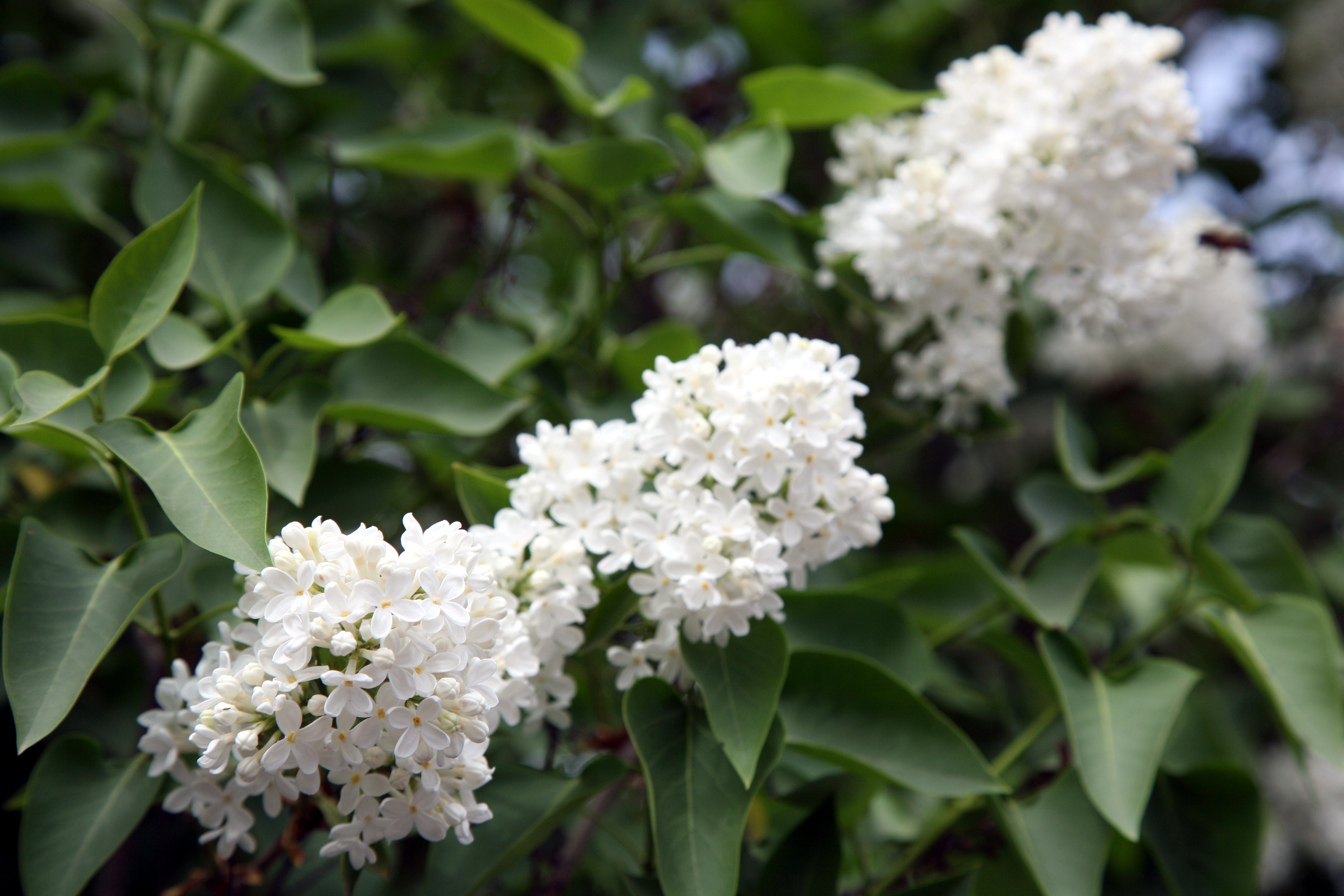
Osmanthus is a flowering plant belonging to the genus Osmanthus, which is part of the olive family (Oleaceae). Native to East Asia—particularly China, Japan, and the Himalayas—this evergreen shrub or small tree is best known for its small but incredibly fragrant blossoms, which appear in shades of white, pale yellow, or orange-gold.


🌸 Fragrance of Osmanthus

The fragrance of osmanthus is what makes it truly enchanting and prized in perfumery and tea blending. The scent is:

  • Sweet and fruity, often compared to ripe apricots, peach, or plum.
  • Laced with honeyed, creamy, and slightly green floral notes.
  • Sometimes subtly leathery or reminiscent of tea leaves when dried.

It’s an aroma that manages to be both delicate and persistent—soft, comforting, and refined.


Spiritual and Cultural Significance

In Chinese Culture

  • Osmanthus, or guì huā (桂花) in Mandarin, is deeply revered in Chinese tradition.
  • It blooms in autumn, and is strongly associated with the Mid-Autumn Festival, where it symbolizes reunion, harmony, and longevity.
  • The osmanthus tree is often linked with the moon. Chinese legends tell of Wu Gang, a man condemned to eternally chop down an osmanthus tree on the moon—a myth that adds a sense of the plant’s mystical endurance.
  • Osmanthus is also a symbol of nobility, love, and romantic longing, sometimes evoking nostalgia or homesickness.

In Traditional Chinese Medicine

  • Osmanthus flowers are used in herbal remedies to ease coughs, improve skin health, and support digestion.
  • It’s believed to cleanse the body and mind, representing purity and serenity.

In Perfume and Tea

  • Osmanthus is a luxury note in high-end perfumery, loved for its unique fruit-floral profile.
  • In tea, osmanthus blossoms are often blended with green or oolong tea, creating a beverage that is as aromatic as it is soothing.

🌿 Interesting Qualities

  1. Rare Fragrance Profile: Few florals combine fruit and flower in such a balanced way—osmanthus stands apart from heady roses or indolic jasmine.
  2. Cultural Depth: It’s not just a pretty flower; osmanthus is woven into poetry, myth, and ritual across centuries.
  3. Seasonal Beauty: Unlike many spring-blooming flowers, osmanthus blooms in autumn, offering unexpected beauty and fragrance when most other flowers have faded.
  4. Versatility: It’s used in food, tea, perfume, skincare, and spiritual practices—a true multi-sensory botanical.

In essence, osmanthus is a plant that quietly stuns—with a fragrance that whispers rather than shouts, and a cultural legacy that touches everything from ancient moon legends to modern luxury.

The Five Keys To Optimal Brain Health (Repost)

Sharpens-Your-Brain

By: Dr. Stacey Naito – Physician and IFBB Pro

Even if your genetics put you at risk for developing dementia, there are numerous lifestyle and behavior adjustments which you can make in order to protect brain function and fight dementia. The five keys listed below are proven to improve brain health and keep your mind vital and sharp for decades.

1. MOVE YOUR BODY

Scientific research has proven that overall physical health is closely linked to brain health. Regular exercise aids in the maintenance of a healthy weight range, normal cholesterol levels, while also optimizing blood flow throughout the body and the brain and supporting the growth of new brain cells.

The benefits of physical health stem not only from regular exercise, but also from other good health practices. Support your brain’s health by doing the following:

• Exercise at least 30 minutes daily to relieve stress.
• Make sure to get between seven to eight hours of sleep each night.
• Refrain from using tobacco.
• See your doctor regularly.
• Maintain a healthy weight.

2. YOU ARE WHAT YOU EAT

Research studies indicate that diets which are low in saturated fats and cholesterol, and rich in polyunsaturated omega-3 fatty acids and nutrients like lutein and vitamin E, may have a protective effect on brain cells and overall brain health.

Brain-healthy dietary changes:

• Opt for healthy fats which are found in olive oil and fatty fish like salmon. Avoid saturated and trans fats.
• Consume a diet which incorporates milk, eggs, vegetable oils, nuts, whole grains, and dark leafy greens like spinach, all of which are rich in vitamin E. Vitamin E is an important nutrient which supports brain health. If you can’t get vitamin E from foods, you can take it in supplement form.
• Eat plenty of fresh fruits and vegetables, aiming for nine fist-sized servings each day. Select colorful fruits like cranberries, blueberries and tomatoes which are packed with powerful anti-inflammatory compounds known as polyphenols. Keep the skin on fruits and vegetables to maximize their nutritional benefits.
• Add lutein. Lutein is a potent antioxidant which is critical for eye and brain health. Foods which are rich in lutein include spinach, kale, turnip greens, collard greens, egg yolks, corn, and peas. You can also take lutein in supplement form.

3. EXERCISE YOUR BRAIN

Extensive research has proven that the brain continues to learn new skills and information throughout life, and benefits from frequent intellectual stimulation. Make sure to pursue new activities, education and games to challenge your mind. Read books to elevate your knowledge base.

How to stimulate your brain:

• Engage in regular sessions of a mental activity you enjoy, such as reading, word games such as crossword puzzles, or learning a foreign language.
• Get into a daily habit of learning a new word or fact.
• Master a new skill or subject each year.
• Manage stress and balance your energy by meditating. Meditation may help to reduce stress and body inflammation by soothing the vagus nerve, an important nerve which controls the body’s immune response.

4. NURTURE RELATIONSHIPS

Though we know that relationships with family and friends are key factors in a person’s happiness, regular social interaction promotes the formation of new brain cells and aids in brain repair. One study revealed that men and women who had the most social interaction had less than half the rate of memory loss as those who were the least socially involved. By visiting friends and family and being involved in community activities, you will protect brain health.

Social brain boosters:

• Spend time with your family and friends regularly, and make them a priority.
• Volunteer for an organization which surrounds a cause which you are passionate about.
• Work for as long as you can, and for as long as you feel motivated to do so.
• Join clubs and become involved in religious or spiritual activities which resonate with you.

5. BALANCE YOUR NEUROTRANSMITTERS

Brain function relies on important molecules known as neurotransmitters. Neurotransmitter levels affect mood, behavior, cognitive function, social function, digestion, sleep, weight regulation, and many other processes.

The problem with current society is that the vast majority of people have overly stimulated sympathetic nervous systems, which over time can drain the body of serotonin. The excitatory part of the nervous system dominates once the inhibitory neurotransmitters are depleted, resulting in anxiety and an inability to “wind down”. Eventually, even the excitatory neurotransmitters such as serotonin, epinephrine, norepinephrine and GABA are also depleted, and severe depression or chronic fatigue usually develop.

Conventional drugs cannot replenish these neurotransmitters, and in fact, tend to cause depletion of the neurotransmitters. This is the reason why some depression medications do not work on some individuals. The good news is that supplementation with amino acids can help to replenish deficient neurotransmitters.

How To Nourish Neurotransmitters:

• Eat a healthy diet. Neurotransmitter imbalance is aggravated by poor diet. Diets high in protein supply the brain with the amino acids it needs to replenish neurotransmitter levels.
• Consume branched chain amino acids to ensure a rich supply of neurotransmitter precursors.

REFERENCES
Neurotransmitter Assessment Brings Light to Management of Psychiatric Problems
Monday, 15 August 2005 00:59By Erik L. Goldman | Editor in Chief – Vol. 6, No. 3. Fall, 2005

Scented Candle Love

A new favorite, Bergamot Tangerine from APOTHEKE

Luxury scented candles have a special way of enhancing a space that goes beyond just fragrance. They offer an affordable touch of indulgence—unlike many other luxury items, a well-made candle can be had without breaking the bank, yet it delivers a surprisingly rich sensory experience. As someone who enjoys scented candles from brands such as Voluspa, Archipelago Botanicals, APOTHEKE, and Nest, I know firsthand how affordable they are, as well as how much joy they bring me.

When lit, scented candles create an immediate shift in ambience. The flickering flame casts a soft, warm light that’s both calming and flattering, making any room feel more intimate and inviting. The scent adds another layer—evoking emotions, memories, or simply providing a gentle background aroma that makes a space feel cared for and curated. Whether it’s a woodsy blend, burst of fruit, or a complex and inviting floral, the right fragrance can transform a mundane evening into a soothing ritual. I light candles on a daily basis, and base my candle selection on what kind of mood I am in, as well as what kind of weather we are experiencing. For example, today was a warm, sunny day, so I opted for a refreshing grapefruit candle, and since it was in a smaller vessel, I opted to place it on my candle warmer instead of lighting it. Later tonight, after it gets dark, I will light a candle which fits my mood, settle onto the sofa in the living room, and enjoy the beautiful glow and inviting fragrance of the lit candle.

There’s also a practical bonus: by using candles for light, especially in the evening, you can reduce reliance on harsh electric lighting. This not only contributes to a more relaxing atmosphere but also supports energy conservation. It’s a small but meaningful gesture toward sustainability—proof that luxury and eco-consciousness don’t have to be at odds.

Indoor Plants Are Good For You

Cactus Plant Tree Pot Nature Environmental Conservation Concept

rawpixel Image ID53431489 123rf.com

As an avid plant lover, I have enjoyed the many benefits of being surrounded by beautiful greenery in my home. I honestly believe that having indoor houseplants offers a multitude of benefits. Here’s a closer look at why incorporating greenery into your home is a great idea:

Health Benefits

  1. Improved Air Quality – Many houseplants, such as spider plants and snake plants, help remove toxins like formaldehyde and benzene from the air, creating a cleaner living environment. I have several snake plants (Sansevieria genus) in my home, and appreciate the fact that they clean the air while looking very attractive and interesting.
  2. Increased Oxygen Levels – Plants release oxygen during photosynthesis, which can improve air circulation and overall respiratory health.
  3. Humidity Regulation – Plants release moisture through transpiration, which can help maintain healthy humidity levels, reducing issues like dry skin and irritated sinuses. I also help my plants out by running two humidifiers in my den and kitchen to optimize plant functions.
  4. Reduced Allergens – Some plants, like peace lilies, can trap dust and allergens, helping those with sensitivities breathe easier.
  5. Stress Reduction & Lower Blood Pressure – Studies have shown that being around greenery can help lower stress levels and even contribute to reduced blood pressure. When I am in my home, I truly feel like I am in a garden paradise, and I feel instantly calm.

Decor Benefits

  1. Aesthetic Appeal – Houseplants add natural beauty to any room, complementing different interior design styles. I make sure to stage my plants in such a way that they make sense in my interior living space, without sacrificing their ambient light needs.
  2. Versatility in Design – Whether you want a bold statement piece like a fiddle-leaf fig or a subtle accent like a small succulent, there’s a plant to match every space.
  3. Enhanced Space Perception – Large plants can fill empty corners, creating a fuller and more inviting atmosphere. If I lived in a larger home, I would definitely have tall plants strategically placed in empty corners.
  4. Seasonal Adaptability – Unlike furniture or decor that can feel outdated, plants offer a timeless appeal and can be rearranged easily for a fresh look.
  5. Brings Nature Indoors – For those in urban settings, houseplants help create a connection to nature, bringing an element of the outdoors inside.

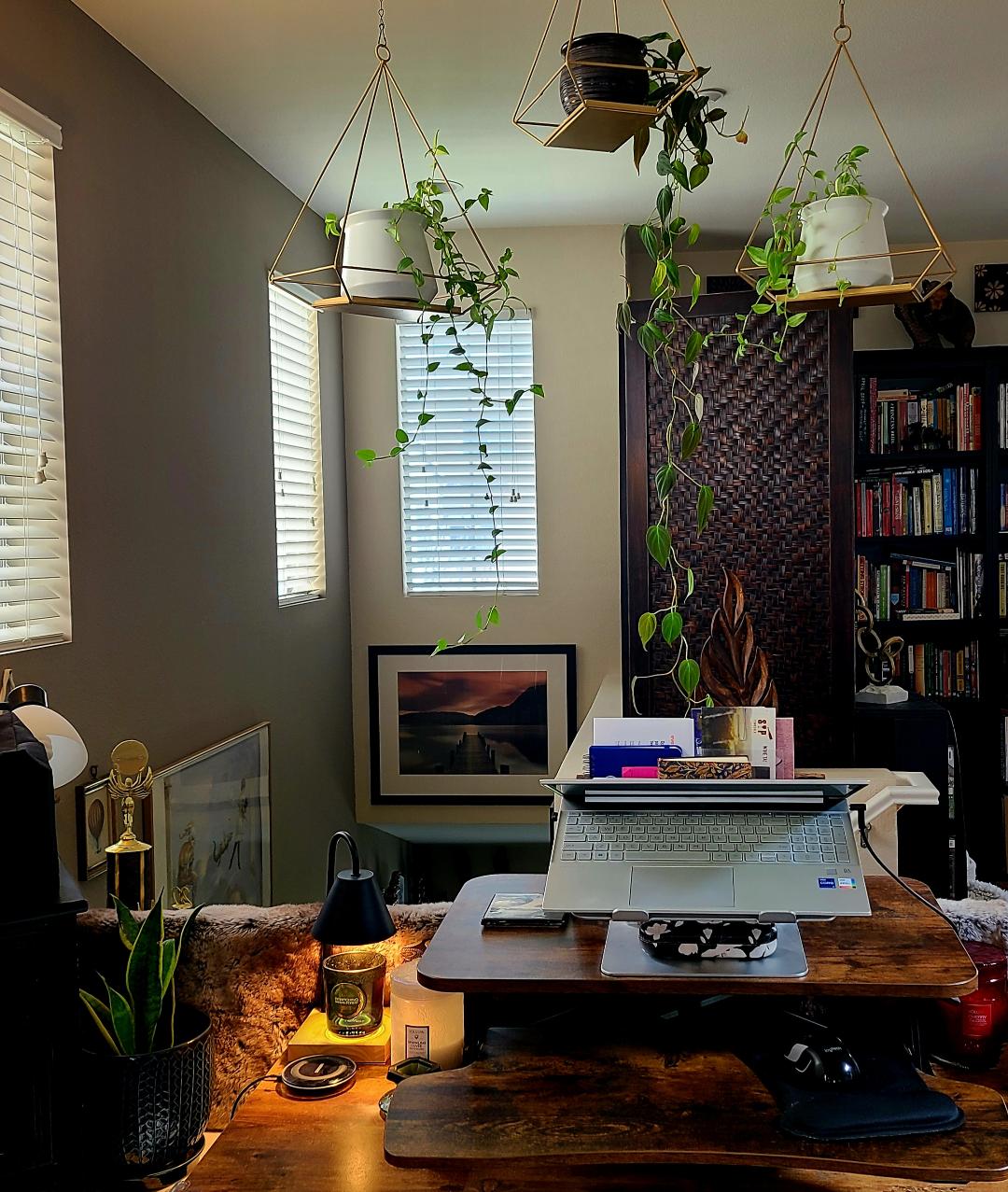
The desk sentinels around my workspace

Mood Benefits

  1. Boosted Mental Well-Being – Studies suggest that caring for plants can reduce anxiety and depression, providing a sense of accomplishment and responsibility. I know that I have a responsibility to keep my plants as healthy as possible, and I make an effort to address their needs on a weekly basis.
  2. Increased Productivity & Focus – Plants in workspaces have been shown to enhance concentration and creativity, making them great additions to home offices. There are plants all around my desk space, and I absolutely love them.
  3. Better Sleep – Certain plants, like lavender and jasmine, have calming properties that promote relaxation and better sleep. I only wish I could keep such plants alive in my home! Instead, I use scented candles to impart a calming mood.
  4. Mood Elevation – Simply looking at greenery can evoke feelings of happiness and tranquility, making plants a natural mood booster.
  5. Encourages Mindfulness – Watering, pruning, and tending to plants can be a meditative and mindful practice, helping people slow down and enjoy the present moment. Despite the fact that my weekly plant watering is a bit of a chore, I find myself getting into a zone which is meditative and beneficial.

Final Thoughts

Houseplants do much more than just decorate a space—they contribute to better air quality, reduce stress, and create a soothing ambiance. Whether you’re looking for a productivity boost, improved well-being, or a stylish home upgrade, adding indoor plants is a simple yet impactful way to enhance your living environment.

Staying Well Amid Chaos: Tips for a Healthier, Balanced Lifestyle

Image via Pexels

I hope you enjoy reading this wonderful article, written by Camille Johnson of Bereaver.com

Maintaining healthy habits often feels like an impossible task when life is filled with constant demands. However, a busy lifestyle doesn’t have to stand in the way of your well-being. By incorporating practical, time-efficient strategies, you can make healthy choices part of your daily routine without added stress. The key lies in finding small, actionable steps that seamlessly fit your schedule, helping you prioritize health even on the busiest days.

Enhancing Your Routine with Time-Blocking

Incorporating time-blocking techniques into your daily routine can significantly improve your ability to maintain healthy habits. By dividing your day into dedicated time slots for specific tasks, you ensure that each activity receives the focus it needs. For instance, setting aside time from 9 am to 10 am for exercise can help prioritize this important habit. This approach not only provides structure but also aids in organizing and prioritizing tasks, transforming a hectic schedule into a more manageable one.

Energizing Your Morning with a Nutritious Smoothie

Kickstart your day with a vibrant super greens smoothie that not only boosts your energy but also enhances mental clarity. By blending nutrient-rich greens like spinach and parsley with almond milk, you create a wholesome alternative to caffeine. When selecting a greens powder, prioritize those made from organic vegetables and free from artificial additives to ensure purity. Additionally, review the best greens powders and find one that includes probiotics to support gut health. This simple morning ritual fuels your body and sets a positive tone for the day ahead.

Strengthening Your Brain and Energy with Smart Nutrition

Incorporating nutrient-dense foods into your daily meals can significantly boost your cognitive abilities and energy levels. Essential nutrients like fiber, vitamin D, probiotics, and polyphenols improve memory and reduce inflammation, crucial for optimal brain function. By ensuring a steady intake of these nutrients, you provide your brain with the necessary fuel to stay sharp and focused. This not only aids in better decision-making but also supports your ability to adhere to new routines.

Embracing Mindful Eating for a Healthier Lifestyle

Mindful eating offers a refreshing approach to cultivating healthier eating habits, especially for those with busy lifestyles. By immersing yourself in the sensory experience of food, you become more attuned to your body’s natural hunger and fullness cues. This awareness can lead to better portion control and a reduced tendency to overeat. Unlike traditional dieting methods, mindful eating encourages you to savor each bite, promoting satisfaction and reducing stress. This approach, rooted in the Buddhist concept of mindfulness, fosters a positive relationship with food and supports a balanced dietary lifestyle.

Building Habits That Reflect Your Core Values

Incorporating self-reflection into your routine can be a powerful strategy for developing habits that align with your core values. By understanding what truly matters to you, you can make intentional choices that resonate with your authentic self. This practice supports personal growth and enhances decision-making skills, allowing you to invest in habits that support your long-term goals.

Discovering Patterns Through Journaling

Journaling is a powerful tool for uncovering the behavioral patterns that influence your daily life. By consistently recording your thoughts and experiences, you create a personal narrative that helps identify why certain habits persist. This practice can illuminate emotional triggers, such as stress or anxiety, that might lead to intense reactions. Embracing journaling as a means of self-discovery boosts your emotional intelligence and empowers you to cultivate healthier habits.

Prioritizing Meaningful Habits for a Balanced Life

To truly enhance your daily life, focus on habits that genuinely boost your well-being and productivity. Start by evaluating your current routine and identifying activities that offer little value. By eliminating such non-essential tasks, you create space for pursuits that align with your personal goals and values. This approach boosts efficiency and enhances overall happiness, leading to a more balanced and fulfilling life.

Building healthy habits within a busy lifestyle isn’t about drastic changes but about creating routines that work for you. With consistent effort and a focus on small, achievable goals, you can seamlessly integrate wellness into your daily life. Remember, every positive choice adds up, and even minor changes can have a significant impact over time. By staying committed and flexible, you can cultivate a healthier, more balanced life regardless of your schedule.

Elevate your wellness journey with expert nutrition and fitness plans from Dr. Stacey Naito – your destination for transformative health and lifestyle solutions!

Balancing Life’s Demands with Effective Stress Management

Image via Pexels

I hope you will enjoy reading this wonderful article written by Sheila Olson of fitsheila.com which hones in on stress management.

In the journey to cultivate a more serene and manageable lifestyle, understanding and mitigating stress is essential. With a focus on self-awareness and actionable strategies, individuals can learn to navigate their stress with more confidence and resilience, leading to a more balanced and fulfilling life. This guide from Dr. Stacey Naito provides a comprehensive approach to recognizing the myriad stressors that permeate daily life and offers practical solutions for effectively managing them.

Recognizing Emotional Alerts

If you find yourself frequently overwhelmed, anxious, or irritable, these could be your mind’s way of signaling stress. These emotional reactions are important indicators, suggesting it’s time to reassess your current lifestyle choices and stress management strategies. Recognizing these signs early can help you take proactive steps towards stress reduction. Addressing these emotional cues promptly ensures they don’t escalate into more severe issues. Continually monitoring your emotional state aids in managing stress before it becomes overwhelming.

Pursuing a Fulfilling Career

If your existing role no longer aligns with your aspirations, exploring new career paths may restore balance and joy to your work life. Stepping into a role such as that of a special education teacher can offer profound personal and community benefits, especially if you are driven by a desire to support children with unique needs. Online educational programs provide flexibility, allowing you to blend further education with current professional duties effectively. For more tailored advice on making such transitions, check this out for more info.

Journaling for Pattern Recognition

Maintaining a journal about your daily interactions can reveal patterns in what causes your stress. Document instances when you feel stressed, including the people, environments, or situations involved. This record-keeping can be a powerful tool for identifying recurring stressors and addressing them effectively. Over time, this practice aids in avoiding or altering these stress-inducing patterns. Sharing insights from your journal with a therapist or counselor can also provide additional perspectives on managing stress.

Assessing Environmental Impact

Your surroundings play a significant role in your stress levels. An overabundance of clutter, noise, and lack of privacy can all add to a stressful atmosphere. Take a moment to evaluate these factors in your home and workplace to determine if they contribute to your stress. Creating a calm, organized space can significantly reduce stress and enhance your ability to focus and relax. Consider implementing minimalistic principles to further reduce environmental stressors.

Balancing Life’s Commitments

Often, stress arises from a mismatch in the effort allocated to personal and professional commitments. Reflect on whether you’re giving too much to one aspect of your life at the expense of others. Achieving a more balanced distribution of your time and energy can significantly reduce stress. It’s essential to maintain a healthy balance to ensure personal well-being and professional productivity. Setting clear boundaries between work and personal life is key to achieving this balance.

Integrating Relaxation Techniques

Incorporating practices such as meditation, yoga, or deep breathing into your daily routine can profoundly affect your stress levels. These techniques promote relaxation and provide a necessary respite from the daily grind. Regular practice helps manage stress more effectively and improves overall mental health. Dedicate time each day to these activities to nurture your mental and physical well-being. Engaging in these practices in a group setting can enhance their effectiveness through shared experiences and support.

It is important to remember that stress management is a dynamic and ongoing process. Implementing the strategies discussed will require patience and persistence. Over time, these techniques will foster a greater sense of control over your emotional and physical well-being, transforming how you handle life’s inevitable pressures. By maintaining this proactive approach, you can continue to enhance your quality of life and nurture a resilient, stress-resilient mindset.

Explore wellness, lifestyle tips, and inspiration with Dr. Stacey Naito.

Candle Obsessed

My good friends are all well aware of how much I adore scented candles, because there is an assortment of them throughout my home. I am definitely not talking about candles from TJ Maxx or Marshall’s, or Yankee Candles, which are made with paraffin wax and soy wax and look and smell tacky. Thanks to my cousin Rose, who gifted me with two Voluspa candles on Christmas Eve 2020, I got swept up into the world of candles. Rose also inspired me to develop a nightly ritual in which I select a fragrance which resonates with me at that moment, light the candle, and enjoy the soft glow and wonderful aroma while winding down for the late afternoon into evening.

I have sampled other candle brands, but I keep coming back to Voluspa, which features eco-friendly and clean burning coconut wax. In addition, the vessels which Voluspa uses are absolutely gorgeous, so much so that it seems a shame not to repurpose every single one once the candle wax has completely melted. Lastly, the fragrances are outstanding, and they continue to add incredible new scents to their collection. At this point, I have ten favorites in their lineup, and two of them are relatively new:

Mind you, this is not a sponsored post in any way, shape or form. I simply love Voluspa candles, reed diffusers, diffuser oils, and room sprays, and intend to continue to feature their products in my home. What I love about Voluspa fragrances is that they are distinctive, unique, complex, and beautiful, similar to fine body fragrances. These aren’t cheap, flat scents, but layered, elegant, and deep olfactory journeys.

Reclaim Your Health Naturally With These Simple Lifestyle Changes

Please check out this great article, written by Camille Johnson, who created https://bereaver.com

Photo via Pexels

Modern life, with its relentless pace and technological advances, often pulls us away from simple, natural practices that promote health and well-being. While conveniences abound, they sometimes come at the cost of our physical and mental health. By rediscovering and embracing natural methods to enhance our health, we can experience profound improvements in our overall quality of life. In this article, courtesy of StaceyNaito.com, we’ll go over several things you can do to feel better everyday.

Embrace Nature

Spending time in nature can significantly boost both your mental and physical health. The fresh air, sunlight, and green surroundings help reduce stress, lower blood pressure, and improve mood. Whether it’s a walk in the park, a hike in the woods, or a day at the beach, engaging with the natural world rejuvenates your body and mind. Regular outdoor activities also promote physical fitness, enhance overall well-being, and contribute to a healthier lifestyle.

Perfect Posture

Practicing good posture is essential to prevent physical strain and maintain musculoskeletal health. Poor posture can lead to chronic pain in your back, neck, and shoulders, and may cause long-term damage if not corrected. If you work from home, investing in ergonomic furniture can encourage good posture while preventing wear and tear on your back, neck, and shoulders. Simple exercises and mindful sitting and standing can make a significant difference.

The Power of Herbs

Considering herbal supplements for minor ailments can be a wise and natural choice. Many herbs, such as ginger for nausea, peppermint for digestion, and chamomile for sleep, have been used for centuries with great success. Herbal remedies often have fewer side effects compared to conventional medicines, making them a safer alternative for treating everyday health issues. Always research and consult a healthcare professional before adding new supplements to your routine.

Minimize Chemical Exposure

Reducing your exposure to harmful chemicals in cleaning products and cosmetics is crucial for maintaining good health. Many commercial products contain toxic substances that can cause skin irritation, respiratory issues, and other health problems. Opting for natural cleaning agents like vinegar, baking soda, and essential oils, and choosing organic, chemical-free cosmetics can protect you from these risks. Making your own products can also be an empowering and satisfying way to take control of your environment.

Laughter and Joy

Incorporating humor and laughter into your daily routine can have a profound impact on your well-being. Laughter reduces stress hormones, increases endorphins, and boosts your immune system. Watching a funny movie, reading a humorous book, or sharing jokes with friends can lift your spirits and improve your health. Remember, laughter is not just a temporary escape; it’s a vital aspect of a balanced life that fosters long-term happiness and resilience.

Stress Reduction

Engaging in stress-reducing activities like yoga or pursuing hobbies can greatly enhance your mental and physical health. Yoga combines physical exercise with mindfulness, helping to reduce anxiety and improve flexibility. Pursuing hobbies you love can also provide a necessary escape from daily stressors, allowing you to unwind and recharge. Whether it’s painting, gardening, or playing an instrument, these activities can bring joy, relaxation, and a sense of accomplishment, contributing to overall well-being.

Focus on Gratitude

Keeping a gratitude journal to focus on the positive aspects of life is a simple yet powerful tool for improving mental health. Writing down things you are thankful for can shift your focus from negative thoughts to positive ones, fostering a more optimistic outlook. This practice can enhance your mood, increase resilience, and promote overall emotional well-being. Taking a few minutes each day to reflect on your blessings can lead to lasting happiness.

Embracing natural methods for health and well-being fosters a balanced and fulfilling life. By integrating these natural approaches into your daily routine, you can achieve a healthier, happier life, reaping the benefits of a more holistic approach to well-being and long-lasting vitality.

Resources and Tips to Help You Relax and Recharge Throughout the Day

Image via Pexels

By Julia Merrill of Befriendyourdoc.org
julia@befriendyourdoc.org

Modern life is busy. You probably have a lot of obligations to juggle, from work to family, friends, school, and more. You might find yourself getting overwhelmed and frazzled regularly. In the big picture, this can lead to mental health issues like anxiety. Read on for some resources and tips from Dr. Stacey Naito’s blog to help you unwind and recharge your battery.

Take a Break to Focus on Your Physical Well-being

Regular exercise is good for your mental and physical health. Try these tips to get more physical activity.

  • If you can’t get to the gym, try this total-body home workout. It only takes 15 minutes and requires no equipment.
  • You can also get exercise with hacks like skipping the elevator and taking the stairs.
  • Yoga is another activity you can do from home that helps to bust stress and improve mental health.

Build a stress-busting mental health toolkit

Get proactive about tackling stress head-on when it arises.

Natural Remedies

Using natural remedies to relieve stress is important because they often have fewer side effects, can be cost-effective, and work harmoniously with the body’s natural processes to promote overall well-being and resilience. Here’s a list of three natural remedies for stress:

  • Exercise: Regular physical activity, such as yoga, jogging, or swimming, can significantly reduce stress levels by releasing endorphins and improving overall mood.
  • Meditation: Practicing meditation and mindfulness techniques can help calm the mind, reduce anxiety, and enhance emotional stability.
  • THCA (Tetrahydrocannabinolic Acid): As a non-psychoactive precursor to THC found in raw cannabis, options for THCA may have therapeutic properties that help reduce stress without inducing a high.

Create a Relaxation Space at Home

When you need to take a break, curl up in your zen zone. Here’s how to make the perfect soothing space.

Know When to Ask for Help

If you’re constantly on edge and unable to relax, even with the above tips, it may be time for support. Here are some resources to help.

You don’t have to go through life feeling stressed and drained of energy. Making small changes to your daily routine can ensure you feel calm and refreshed. The resources above can help you get a better grasp on your daily well-being.
Read more informative articles on Dr. Stacey Naito’s blog today!