Click on the link below to read the Harbody feature on me and to view the pictorial:

Click on the link below to read the Harbody feature on me and to view the pictorial:

This incredible site helps to conquer negative thoughts and feel happier through fun, daily, science-based activities and games. It is an excellent way to truly improve the quality of your life. I tried the activities which only took a few minutes to do, and I really enjoyed them. It was like sprinkling happiness on my day!
On the Happify site, the home page says:
“Reduce Stress and Lower Anxiety
Improve Relationships and Gain Confidence
Feel Happier and Embrace Life More”
…and these statements are all accurate in my humble opinion. The program is designed so that it suggests activities based on your profile and goals. Honestly, this program is genius!
Get started today by clicking on the link below! It’s free, it’s fun, and it will make you HAPPIER!
 I bet most of you keep up to date with scheduled maintenance on your vehicles in order to keep them running as smoothly as possible. I also know that many of you insist on using a certain brand or grade of gasoline to optimize your car’s performance. Do you take care of your body in the same way, putting healthy, nutritious food into your gullet every day? Do you exercise regularly? If the answer to either or both of those questions is no, then you are neglecting your body’s needs for optimal function, fitness and health. Over time, such bad habits have a cumulative effect and can manifest in countless diseases and dysfunctions, including potential killers like hypertension, heart disease, diabetes and cancer.
Just as additives in gasoline can hinder the performance of a car, processed foods will interfere with optimal body functions, and your body must deal with breaking down, eliminating, or storing the chemicals found in packaged meats and other junk foods. The preservatives and artificial colors and flavors which are added to packaged foods trigger production of free radicals in the body. Free radicals are unstable molecules which damage the cells of the body and contribute to the development of cancer, atherosclerosis, and aging in general. In contrast, foods which are rich in antioxidants offset this harmful cascade. If your meals regularly consist of fresh vegetables, fresh fruit, nuts, beans and lean meats, you will be filling your body with clean fuel, providing nutrients which will optimize your health.
Another important component of optimal daily body maintenance is regular exercise. If you can commit to a consistent exercise schedule (and you CAN), you will reap a myriad of benefits, including improved circulation, better cardiac output, improved muscle tone, better concentration, and more energy. Regular exercise can be compared to running the engine in your car regularly to keep the pistons and gears running smoothly. Your body is an amazing machine, and just like any machine, will begin to malfunction if it is mishandled or neglected.

 I am a huge proponent of eating clean year-round and practice it pretty faithfully. On the rare occasions when I have slipped a bit, I have noticed that my concentration, energy level and sense of well being take a major nosedive. I can actually feel my body winding down and my mental clarity sinking into a fog that makes it difficult to power through my to-do list.
Our bodies are machines, and like any machine, optimal fuel can make a huge difference in performance. Why fill your tank with junk foods when you can fill it with nutritious food options? I am willing to bet that you have felt very different when you have eaten a clean meal such as a skinless chicken breast, steamed vegetables and brown rice, versus a meal of fried chicken, coleslaw and mashed potatoes. Concentration and mental clarity diminish when fast food and junk food are consumed.

Another important consideration with nutrient-poor foods is that they tend to be low in selenium, an important mineral and potent antioxidant. Signs of selenium deficiency include fatigue, poor concentration, and low immunity. However, if you consume more whole food sources, incorporating selenium rich foods like grass fed beef, free range chicken, shrimp, salmon, tuna, halibut, oats, brown rice, broccoli, asparagus, spinach or Brazil nuts, you can successfully fend off selenium deficiency.
You can also optimize brain function by making sure to eat regular, small meals throughout the day, instead of adopting a “feast or famine” approach in which you skip meals and then pig out on a large and unhealthy meal towards the end of the day. Small, frequent meals keep your metabolism at a steady hum and provide fuel and nutrients for cellular repair and essential bodily functions and activities. When protein is consumed, levels of tyrosine increase in the brain, which leads to the formation of norepinephrine and dopamine, both of which promote alertness and activity. The brain also uses glucose exclusively as a fuel source and cannot store it, so it relies on a constant supply from the bloodstream. When you skip meals, blood glucose levels can drop to precipitously low levels, compromising the fuel supply to your noggin, resulting in the familiar “brain fog” that creeps up.
If you haven’t begun eating clean, I strongly suggest that you do so in order to maximize body and brain function. You have only one body, so take care of it!
Original post can be found at: https://www.p28foods.com/i-cant-eat-balancing-healthy-eating-and-normal-life
There are countless challenges and roadblocks which can derail us from our efforts to follow a healthy meal plan, especially when we are faced with the indulgent foods that emerge during the holidays. Whether you are a seasoned competitor who is accustomed to following a strict meal plan, someone who wants to adopt healthier eating habits, or battling excess body weight, it can be very difficult to pass up regular restaurant meals, fast foods, and holiday treats. However, it IS possible to stay on track even in the face of such temptations.
The first and most important thing is to remember your GOAL, whether it is improved health, weight loss, or getting into contest shape for an upcoming event. Your goal should serve as a tangible mark which you are aiming for. I always tell my patients and weight management clients to post images of people who possess the type of physique they covet in a prominent place (such as a refrigerator) so that they can be reminded of their specific goal.
Here are other effective strategies to help you follow a healthy meal plan:
Keep forbidden foods out of the kitchen so that the temptation to eat something unhealthy is removed. This means that you need to avoid purchasing chips, crackers, cookies, ice cream, packaged pasta dinners and whatever other unhealthy foods you tend to gravitate towards. If unhealthy foods are not in your kitchen cupboards, you won’t be tempted to grab them and indulge.
Prep your meals at home beforehand. Meal prep can be tedious but it is well worth it when you consider the control you will have over what goes into your body. You can control ingredients, cooking method and portion sizes and maximize your chances of maintaining healthy eating habits. Once you have prepared your food, you can store single serving sizes in individual storage containers which are easy to pack when you need them.
Invest in a great food cooler bag. Trust me, you NEED one of these!
Make sure your meal plan is balanced. The best meal plans have lean protein, healthy fats and slow digesting carbohydrates. Do not fall into the trap of thinking that all fat is bad! You need certain healthy fats to maintain normal cellular function.
Avoid fast food restaurants. Fast food restaurants (and most restaurants for that matter) feature extremely unhealthy options which can completely destroy your efforts at reaching your health and fitness goals. You will also save a ton of money by avoiding the calorie and saturated fat laden options found at such establishments.
Don’t cave in to peer pressure. I don’t know what it is about friends and family, but it seems like they get some twisted thrill out of convincing others to eat forbidden foods. If you find yourself in such a situation, you need to ask yourself if it is worth unraveling your healthy eating habits in order to appease a relative or buddy. I have heard, “Awww, come on, a couple of bites won’t hurt ya!” from people who usually mean well but who are unaware of the psychological torture they might be putting me through. I honestly don’t want to be pressured into consuming something that will make me feel guilty or will not digest well . It isn’t worth it!

I am very happy and honored to be an ambassador for I’m Fit Possible, which is a great social fitness community! You can visit their site and read inspiring and informative blog entries which will keep you on track and will lend support ad you go through your own fitness journey.
Click on the logo above to be redirected to the I’m Fit Possible site.
 I had an interesting question recently from a client, asking for help in decreasing bloating which emerged as a result of premenstrual syndrome. Since many women experience bloating right before that special time of the month, I am listing the supplements and foods which I recommend to ease the water retention which can occur right before your period.
SUPPLEMENENTS:
1. Dandelion root – Try 3 capsules, three times daily for 3 to 4 days before your period to create a diuretic effect in your body.
2. Magnesium 400 mg – Take this one to two times daily. If you get diarrhea, back down to one 400 mg dose towards bedtime.
3. Gamma linoleic acid 400 mg – one tablet daily.
4. Vitamin C 1,000 mg – Take one capsule two times per day.
5. Vitamin B6 150 mg – Take one capsule daily.
FOODS:
1. bananas
2. cranberry juice or extract
3. raisins
4. asparagus
If your schedule is regular and you frequently suffer from water retention before your period, you can incorporate the supplements and foods listed above a few days before you expect your period.
Original post can be found at:
The sad truth about getting older is that it becomes more and more difficult to hold onto the plentiful lean muscle mass and low body fat we tend to take for granted during our younger years. An inevitable consequence of growing older is the increasing struggle to maintain lean muscle mass as the years pass. Even if you have been blessed with a genetic propensity for the optimal balance of lean tissue and body fat, be prepared to work harder over time to keep what you have. This also means that master’s competitors usually have to train harder to build muscle mass, and are also more sensitive to dietary fluctuations and digressions than their younger counterparts.
The good news is that there are steps which can be taken to combat the unfavorable shift in body composition which makes its appearance after one’s mid-thirties. Perhaps the MOST important intervention which the vast majority of you are already practicing is weight training. You can continue to challenge yourself and lift heavy, but you might want to consider adding glucosamine and turmeric to your supplement regimen to protect the joints and minimize inflammation. Another adaptation in the weight room which older athletes respond especially well to is unilateral training. Unilateral movements improve balance and coordination and make it impossible to correct strength imbalances.
Another way to naturally boost the body’s ability to combat aging which you are most likely already practicing is to consume adequate protein. When protein is consumed, a steady stream of glucose is released via glucagon without spiking insulin levels in the body. Conversely, a diet low in protein but high in carbohydrates results in high levels of insulin, which over the course of time can result in widespread inflammation, diabetes, and obesity. Surprisingly, the protein needs of people from middle age on (40’s and over) increase as a result of diminished protein synthesis in the aging body. Protein intake must be increased in order to offset the deficiency. If you are already weight lifting regularly and taking in sufficient protein, you may want to consider boosting your intake of glutamine and branched chain amino acids, particularly leucine. These building blocks help to optimize the body’s ability to utilize dietary protein to build new muscle and repair damaged muscle fibers.
Though animal sources of protein are excellent options for people of any age, whey protein in particular is a remarkable protein source in older people. It is highly absorbable, contains all 18 amino acids, immunoglobulins and lactoferrin, and all the building blocks for a powerful antioxidant called glutathione. Glutathione deficiency is linked to Alzheimer’s disease, cardiovascular disease, arthritis, asthma and cancer, and because of this, it is considered a key substance in combating the process of aging. Natural glutathione production in the body declines with age, but with whey protein on board, the amino acids necessary for glutathione production are supplied to the body and optimal levels can be attained as a result.
Though athletes and competitors are aware of the health and muscle building benefits of whey protein, I am astonished by how it is not utilized nearly enough by the average person. All too often I see patients who regularly skip meals and eat fast foods and other processed foods, and who assume that whey protein is only for athletes. If you are an average person who wants to change poor eating habits and optimize cellular function, then you need to boost protein intake and add whey as one of your protein sources. You are doing yourself a disservice if you insist on eating junk carbs like simple sugars and processed foods, skipping meals, and consuming insufficient protein, especially if you are over the age of 35 and trying to fend off disease and aging.
If you are proactive and consistent about taking the necessary steps to battle age-related muscle loss, you will reap the benefits of better health and vitality and will rival those half your age with a muscular physique to be envied.
BOTOX® was FDA-approved for the treatment of facial wrinkles in 2002, and since that time has become a youth elixir for many people, smoothing wrinkled foreheads and eye areas. However, in recent years, new Botulinum neurotoxin forms have become available to consumers which promise better results. As someone who has had extensive experience as an injector, I am not easily sold on the idea that a competitor’s product is always better. The most recent competitor to Botox is Xeomin which uses the same active ingredient as Botox and promises of results which last as long as six months. It is the preferred form of neurotoxin for use in patients who have developed antibodies to the more complex Botox and Dysport molecules.
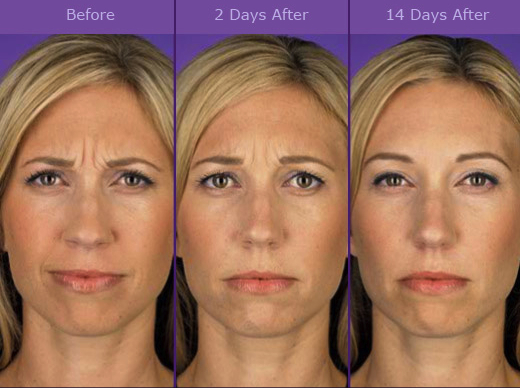
The simplicity of Xeomin increases its appeal. Unlike Botox and Dysport, Xeomin contains only one ingredient: botulinum toxin A, and thus is referred to as a “naked injectable,” meaning that it does not contain any additives. The major benefit of Xeomin is that the human body is less likely to become resistant to it. Xeomin is dosed in the same manner as Botox, using the same unit measure, and costs about the same as Botox. Common side effects, such as minor swelling, headache and bruising, are the same as with Botox. Yet Xeomin can potentially last up to six months, which is wonderful news for patients who typically get a three month result from Botox or Dysport.

I would recommend Xeomin for any patient who has noticed a decreased response of duration of effect from Botox treatments, as it may provide a solution to those issues. Be sure to follow the same pre and post treatment guidelines that you are instructed to follow when receiving Botox or Dysport treatments. Also be aware that Xeomin’s onset of action may take longer to assert itself, so if you are accustomed to seeing results from Dysport in a day or Botox results in a few days, it may take up to a week or more to see Xeomin’s results.
I grew up on glutinous white rice as a result of my Japanese heritage and never thought twice about it. Then when I began competing in 2009, I had to cut out the white food and actually went through a bit of separation anxiety. In a sense I was probably feeling more guilt than anything else, but I eliminated it from my daily meal plan and suddenly noticed that my physique leaned out rapidly. It’s not like I had started out with a weight problem, but I certainly did not have the chiseled appearance of someone who stepped on a bodybuilding stage regularly.

Though it has been relatively easy to avoid regular bread, sweets, and other contest prep busters, I still find myself pining for sticky white rice, because it is the bosom buddy of the lovely raw fish slices that characterize sushi. I absolutely love sushi and sashimi but only indulge in it on rare occasions when I can afford it and when I know I can have a fun meal. What drives me nuts is the fact that all-you-can-eat sushi places require you to eat all the rice you are served, which means that you are almost force fed a large quantity of high glycemic index starch. It’s wild to think that people frequently negate the health damaging effects of the rice, only concentrating on the fish being served. Truth is, the insulin-spiking effects of white rice can wreak havoc on general health and can certainly set one back on contest prep. So if you consume sushi frequently, you may be setting up your body for insulin resistance over time.
Another thing I have noticed personally whenever I eat sticky white rice is that my hamstring region holds water. The following morning is always disappointing because I wake up to waves and ripples, and sadly, they aren’t the kind you would see in the ocean. It takes 24 to 48 hours to get rid of that too, and also requires me to hydrate aggressively to flush everything out. It’s dramatic and it’s very upsetting. My body has actually gotten more sensitive over time too, and my body struggles to digest white rice. To be honest, I am not sure it’s really worth indulging in the white rice I used to love to much because it sets me back so much health-wise.
 dr. stacey naito's blog